Cover Up Tattoo Ideas
Cover up tattoo ideas work best when the page sorts the old tattoo into the exact problem first: neck cover up tattoo ideas, side neck tattoo cover up, cover up name tattoo on hand, or tattoo cover up ideas for thigh placements. This page helps sort style, placement, and design strategy before the user opens the generator or talks to an artist.
The best cover-up decisions rarely come from random inspiration. They usually come from understanding how much darkness, size, movement, and layering the old tattoo requires. That is why this page pushes users into the right style and placement pages instead of pretending every cover-up can be solved by one generic idea.
Use the generator to test direction after you choose a cover-up strategy.
Cover-Up Rules Before You Pick The Artwork
A cover-up is not a fresh design problem
Old tattoo density, contrast, and shape matter more than pure taste. The new design must absorb or redirect what is already there.
Bigger and darker usually wins
Most cover-ups need more size, more shape control, or more shadow than the old tattoo. Designs that stay too light or too tiny usually fail.
Flow matters more than random detail
The strongest cover-ups use movement, texture, petals, scales, feathers, smoke, or ornamental framing to break the eye away from the old lines.
Placement still changes the strategy
Forearm, thigh, back, chest, and sleeve cover-ups all play differently because the canvas size and viewing angle change what can realistically hide old work.
High-Intent Cover-Up Search Routes
Cover-up queries usually hide a more specific old-ink problem. These routes turn broad searches into tighter next clicks so the user lands on the page that matches the actual tattoo constraint faster.
Best Styles For Cover-Up Work
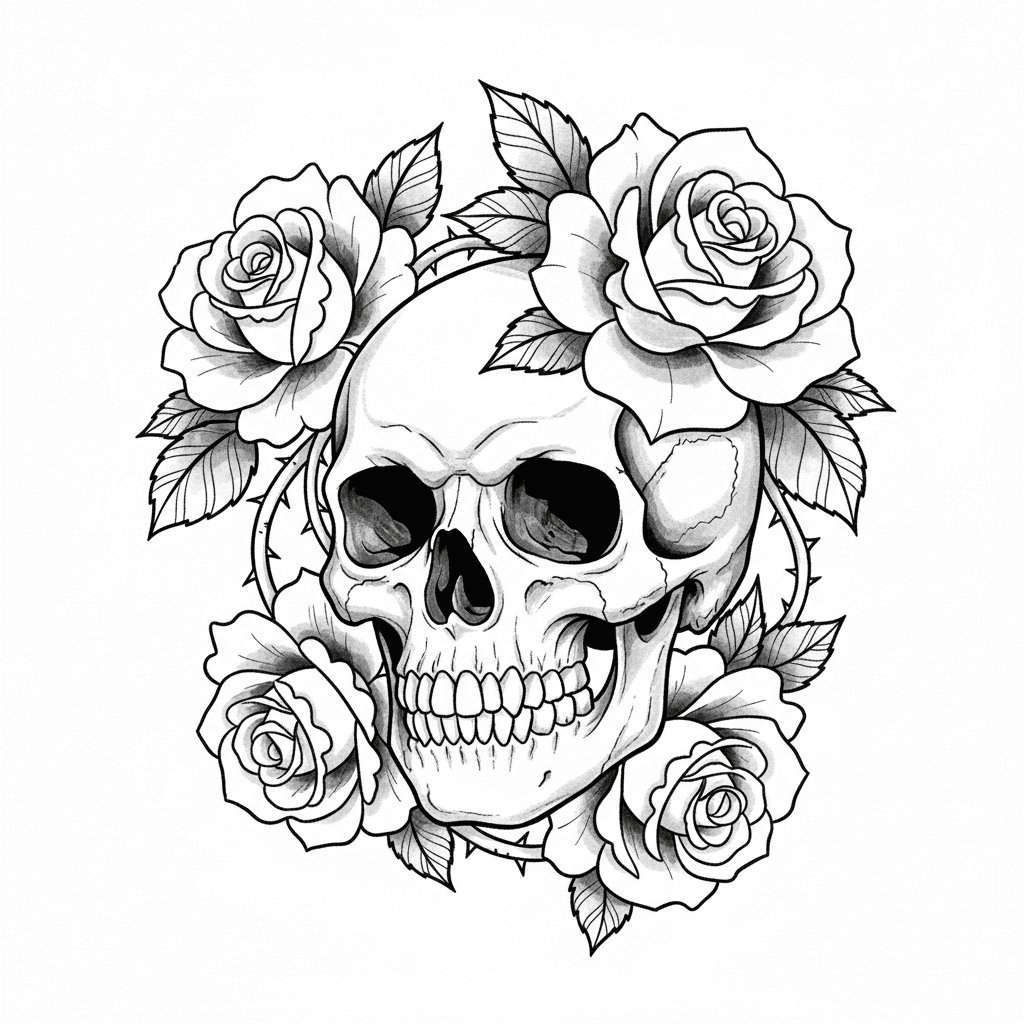
Black & Grey
Monochrome tattooing built around wash shading, contrast, and a sculpted, atmospheric look.
Open style page ->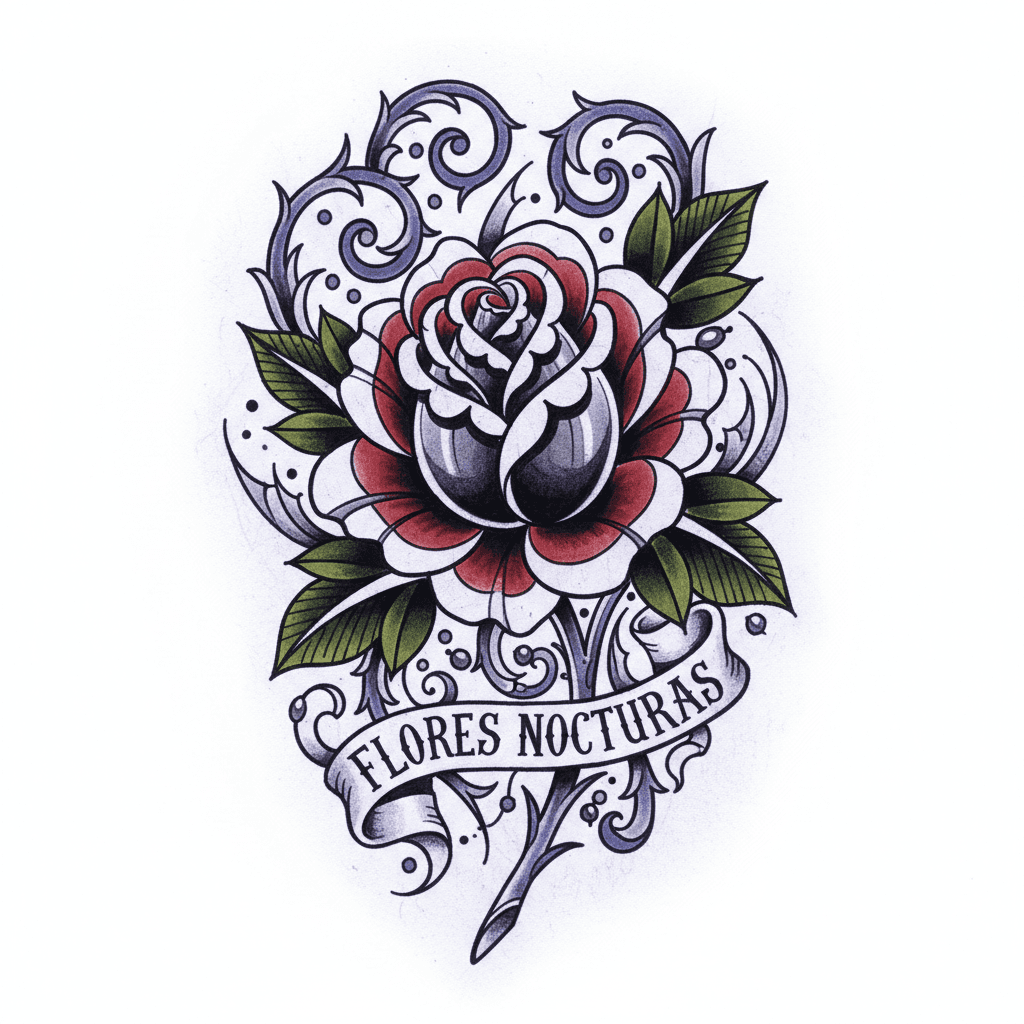
Neo-Traditional
Classic tattoo foundations with richer shading, decorative detail, and a more illustrative finish.
Open style page ->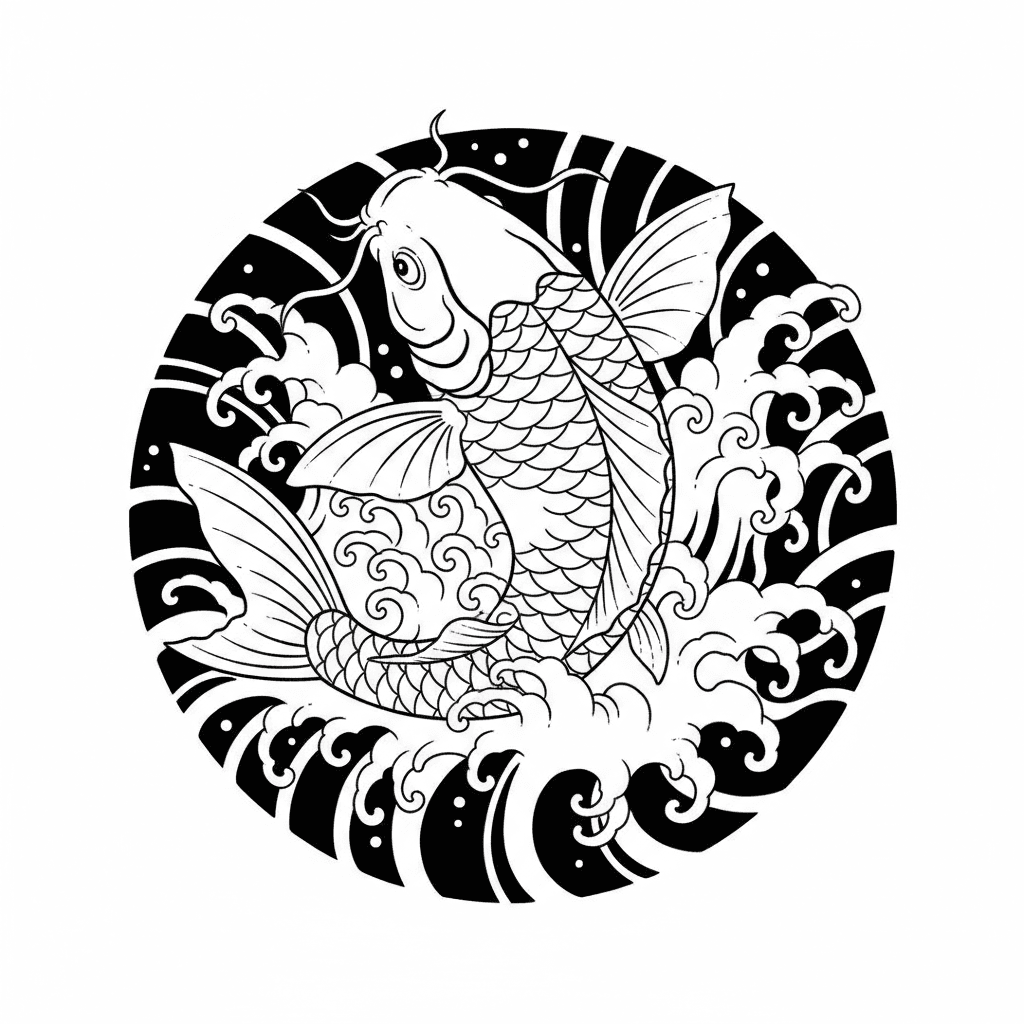
Japanese
Flowing composition, strong symbolism, and body-aware structure rooted in traditional Irezumi.
Open style page ->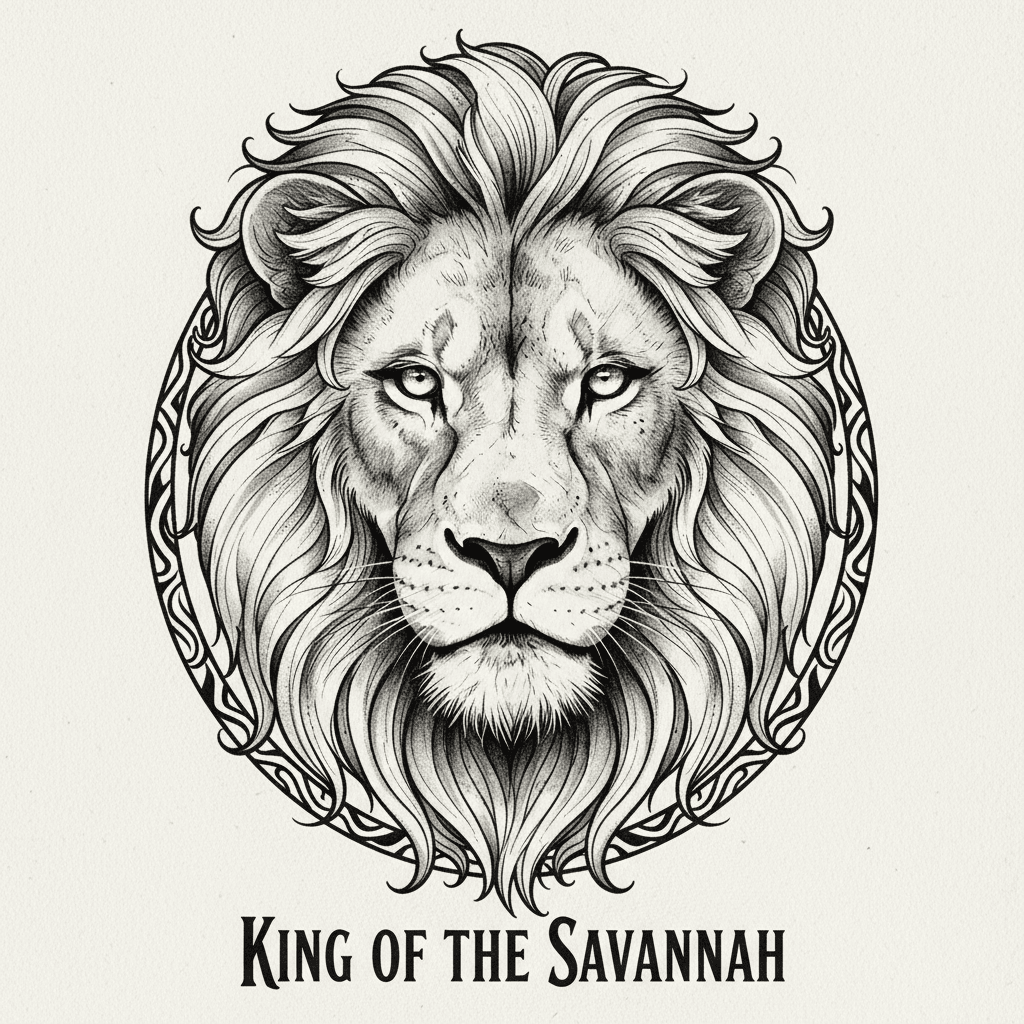
Realism
High-detail tattoo design focused on lifelike depth, texture, shading, and photographic impact.
Open style page ->Prompt Bridges After The Strategy Is Clear
Pick The Right Cover-Up Page By Old Tattoo Type
Many cover-up searches sound similar in Google, but the next best click depends on what the old tattoo actually is. This layer routes readable text, tiny visible ink, neck problems, and larger-canvas resets into cleaner subpages before the prompt stage.
Open the lettering-first route
Words keep reading through decorative detail. Name, quote, and numeral cover-ups usually need a lettering-specific page before broader inspiration becomes useful.
Open the compact visible-ink route
Finger and hand cover-ups behave like high-contrast micro-layout problems. They reward tighter blackwork logic instead of larger-canvas advice.
Open the side-neck route
Neck cover-ups are public-facing fast. The best next click usually needs vertical flow, stronger silhouette, and controlled expansion near the ear or collar.
Open the larger-canvas route
Thigh, chest, and back cover-ups often reward bigger composition and better beauty tradeoffs. Scale becomes an advantage instead of a liability.
Open the heavy-black route
Dense blackwork, blackout rescue, and blast-over decisions need heavier redesign logic. This route sets better expectations before a softer idea wastes a click.
Open the generator with a real brief
The generator becomes much stronger after the cover-up lane is honest. Placement, old tattoo type, and one clear style family should already be decided.
Choose The Right Cover-Up Route First
The old tattoo sits on the neck or side neck
Open the neck route first when visibility and public-facing placement make cover-up strategy sharper than generic style browsing.
The old tattoo is a small visible finger or ring problem
A better page for finger symbols, ring tattoos, tiny initials, and other compact visible ink that needs disciplined blackwork instead of a broad redesign.
The old tattoo is still readable text
Open the lettering route first when the real problem is script, quote flow, roman numerals, or a name that still reads through the skin.
The old tattoo sits on hand or neck
Go through the placement hub when visibility and body zone are driving the redesign as much as the motif. Hand and neck cover-ups behave differently from private placements.
The old tattoo is large enough to become a reset
Open a larger-canvas route when the answer is no longer a patch fix. Big back, chest, thigh, and sleeve projects often need a full composition reset.
The old ink is already too dark
Use the black-ink page first when blackout, blast-over, or dense tonal redesign is more realistic than a soft decorative cover-up.
You already know the cover-up lane and want prompt testing
Only jump into the generator after style family, placement logic, and old-ink difficulty are clear enough to make the prompt honest.
Specific Cover-Up Problems
Design Directions That Usually Work
Roses, peonies, and heavy florals
Good when the old tattoo is compact and you need layered petals, leaves, and shading to break the original silhouette.
Serpents, dragons, and flowing creatures
Useful when the old tattoo is long, crooked, or awkwardly placed. Movement helps redirect the eye instead of just stacking darkness.
Black and grey statues, wings, or sacred imagery
Strong when you need atmosphere, texture, and heavier tonal control without forcing a bright color solution.
Neo-Traditional portraits or ornamental framing
A smart route when you need bold line hierarchy plus enough decorative mass to swallow older details cleanly.
Placements That Give Cover-Ups More Room
Forearm Tattoos
Forearm tattoos are one of the safest high-intent placements because they balance visibility, readability, and day-to-day livability better than most body areas.
Pain: 4-6/10. Forearm tattoos are usually among the easier visible placements, especially on the outer forearm. Inner forearm and wrist-adjacent areas feel sharper.
Thigh Tattoos
Thigh tattoos are one of the best placements for larger artwork with more privacy and more room to explore. This page helps you compare front, side, and inner thigh routes before generating.
Pain: 4-7/10. Front and outer thigh are often easier than expected, while inner thigh usually feels much sharper because the area is more sensitive.
Back Tattoos
Back tattoos are one of the best placements for large storytelling and body-aware composition. This page helps you compare upper back, spine, and full-back routes before you generate.
Pain: 5-7/10. The back varies a lot. Upper back and shoulder blade are more manageable, while spine-adjacent zones can feel much sharper.
Sleeve Tattoos
Sleeve tattoos are a composition problem before they are a prompt problem. This page helps you compare half sleeve, full sleeve, and motif-chain directions before generating.
Pain: 5-8/10. Sleeves are less about one single pain number and more about endurance across different arm zones like inner arm, elbow, and wrist transitions.
Prompt Examples To Start From
cover up tattoo design for forearm, black and grey rose and serpent composition, strong shadow, hide old letteringthigh cover up tattoo, neo traditional peony and dagger, bold outline hierarchy, hide faded black inkjapanese cover up tattoo for upper arm, koi fish with waves and wind bars, heavy flow, conceal old symbolback cover up tattoo, black and grey angel wings and clouds, high contrast shading, hide older tribal piecesleeve cover up tattoo, dragon and chrysanthemum composition, layered scales and petals, mask previous tattoo lines
What To Put In A Better Cover-Up Prompt
A cover-up prompt gets stronger when it describes the old problem, not just the new dream tattoo. That is what keeps the generator closer to a realistic redesign instead of generic inspiration.
- name the body area first: forearm, hand, neck, chest, thigh, back, or sleeve
- state what the old tattoo is: lettering, symbol, tribal, faded black ink, or patchwork
- tell the prompt what must happen: hide old lines, break the shape, add heavier shadow, or rebuild flow
- choose one style family instead of mixing five at once: black and grey, japanese, neo traditional, or realism
- mention the new cover-up structure: rose cluster, serpent flow, ornamental frame, wings and clouds, or chrysanthemum layering
Best Next Pages
Generate Cover-Up Directions Before Consultation
Use AI to test structure, style, and motif direction first, then take the best shortlist into a real artist conversation.
Generate Cover-Up ConceptFrequently Asked Questions
What styles work best for cover-up tattoos?
Black & Grey, Neo-Traditional, Japanese, and some realism routes usually work best because they give you enough shadow, structure, and movement to hide old ink instead of just decorating around it.
Can a cover-up tattoo be smaller than the old tattoo?
Usually no. Most cover-ups need to be larger, darker, or more strategically shaped than the original tattoo so the old ink does not keep reading through the new design.
Can AI plan a cover-up tattoo?
AI can help with direction, style comparison, and prompt exploration, but it cannot replace an artist evaluating the exact old tattoo on skin. It is best used to narrow the concept before consultation.
Which placements are easiest for cover-up work?
Thigh, upper arm, forearm, back, and sleeve-adjacent areas usually offer the best balance of size and design flexibility. Very small or high-friction areas are usually harder.
Should I open a placement page or a cover-up page first?
Open the cover-up page first when the old ink problem is already obvious. Open the placement hub first when the user is still comparing whether the redesign belongs on hand, neck, thigh, back, chest, or another zone.
What makes a cover-up prompt stronger than a normal tattoo prompt?
A stronger cover-up prompt includes the old tattoo problem, the body area, the style family, and the hiding strategy in one line. Generic prompts usually ignore the old ink and produce weaker redesign ideas.