Sleeve Tattoo Cover-Up
Sleeve cover-ups are usually about rebuilding flow across the arm, not hiding one small old tattoo. Half sleeves, full sleeves, and patchwork rescue projects all need different planning logic before a prompt can become useful.
The best sleeve cover-ups win through hierarchy and connection: better transitions, stronger focal zones, and one visual language that can pull old scattered work into a believable arm composition.
Choose whether the arm needs a half sleeve fix, full sleeve rebuild, or patchwork rescue first.
Why Sleeve Cover-Ups Are Really Composition Repairs
Half sleeve and full sleeve are different jobs
A half sleeve cover-up can still focus on one arm zone, but a full sleeve rebuild usually needs a bigger decision about where the composition starts, peaks, and transitions.
Patchwork rescue is a real search intent
A lot of sleeve cover-up searches are not about one old tattoo. They are about multiple disconnected tattoos that no longer feel like they belong together.
Transitions matter more than one hero image
Sleeve cover-ups succeed when clouds, smoke, leaves, bars, scales, or ornamental structure connect the arm. One strong image alone is rarely enough.
The old sleeve logic often needs replacing
When the arm already has scattered or outdated work, the smartest solution is often to rebuild the sleeve hierarchy rather than trying to hide each tattoo one by one.
Styles That Usually Work Best For Sleeve Rebuilds
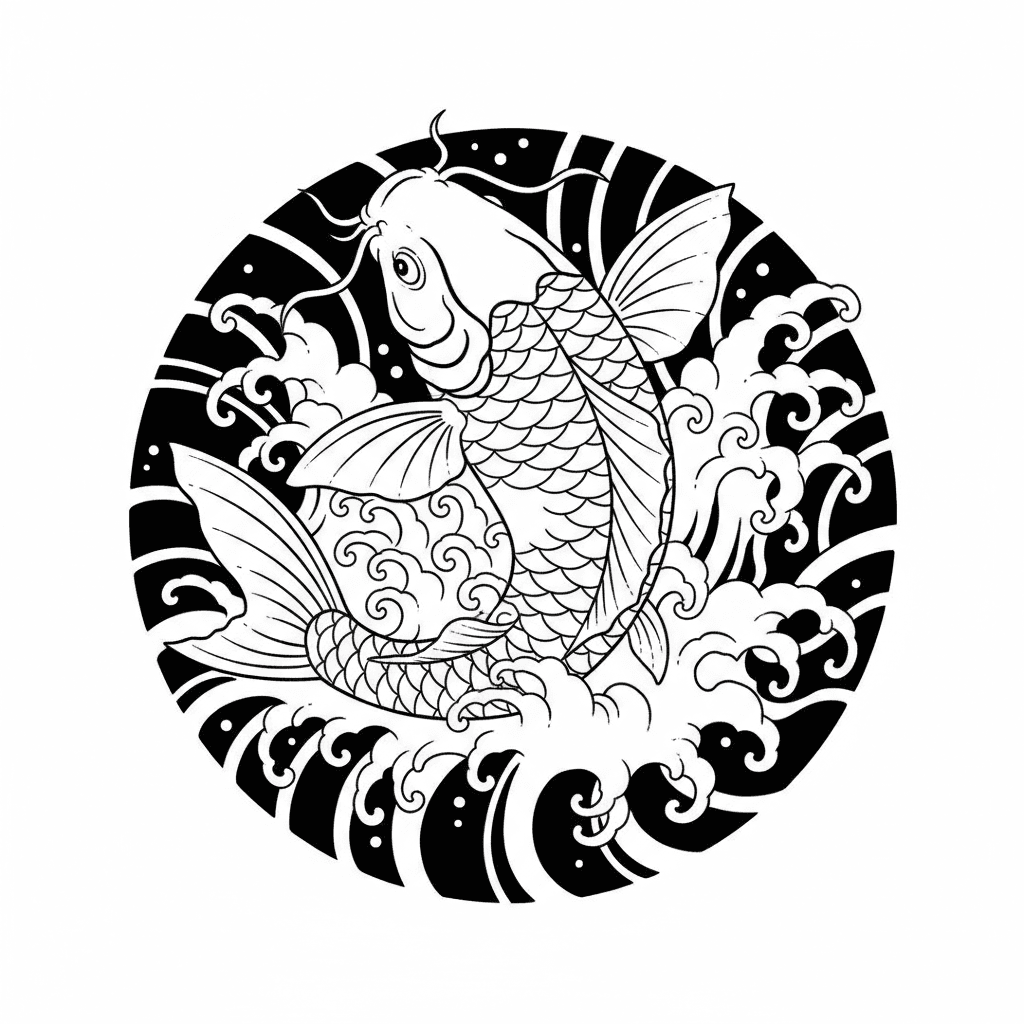
Japanese
Flowing composition, strong symbolism, and body-aware structure rooted in traditional Irezumi.
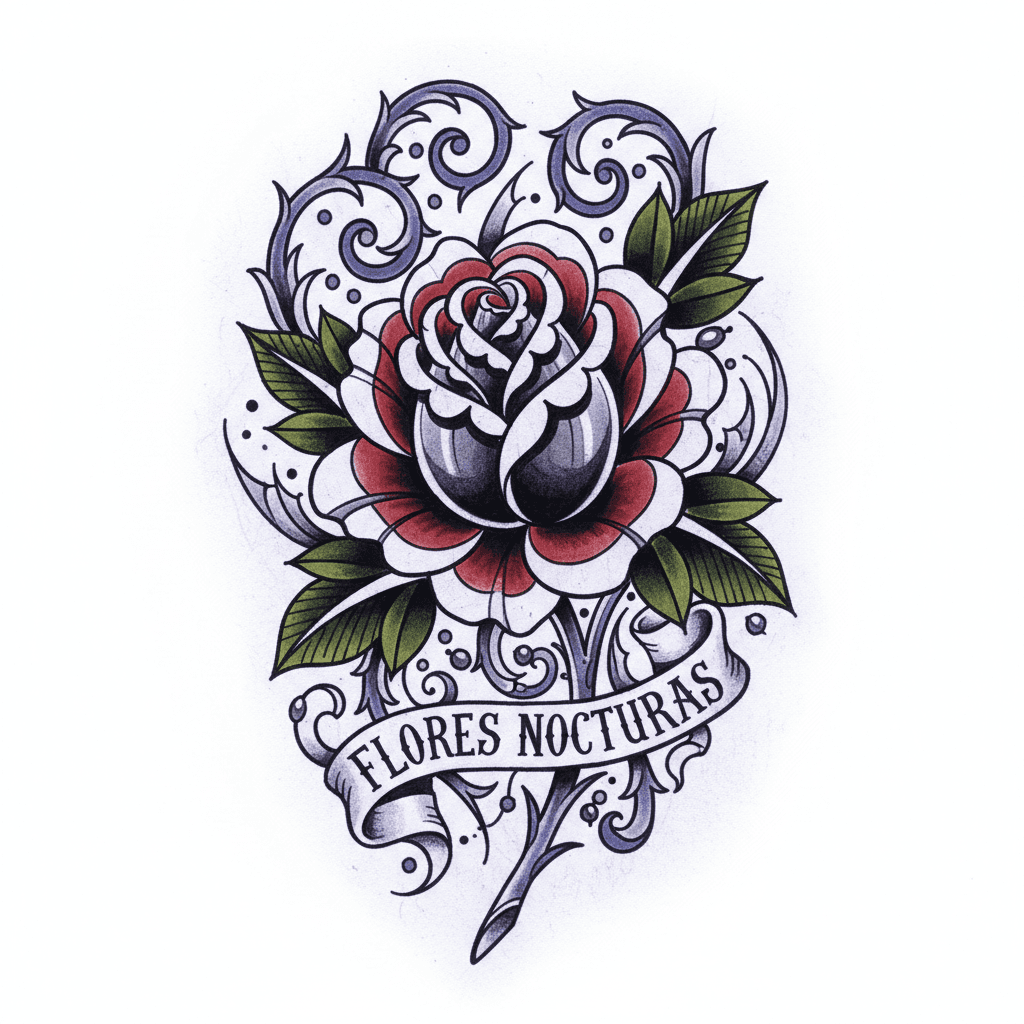
Neo-Traditional
Classic tattoo foundations with richer shading, decorative detail, and a more illustrative finish.
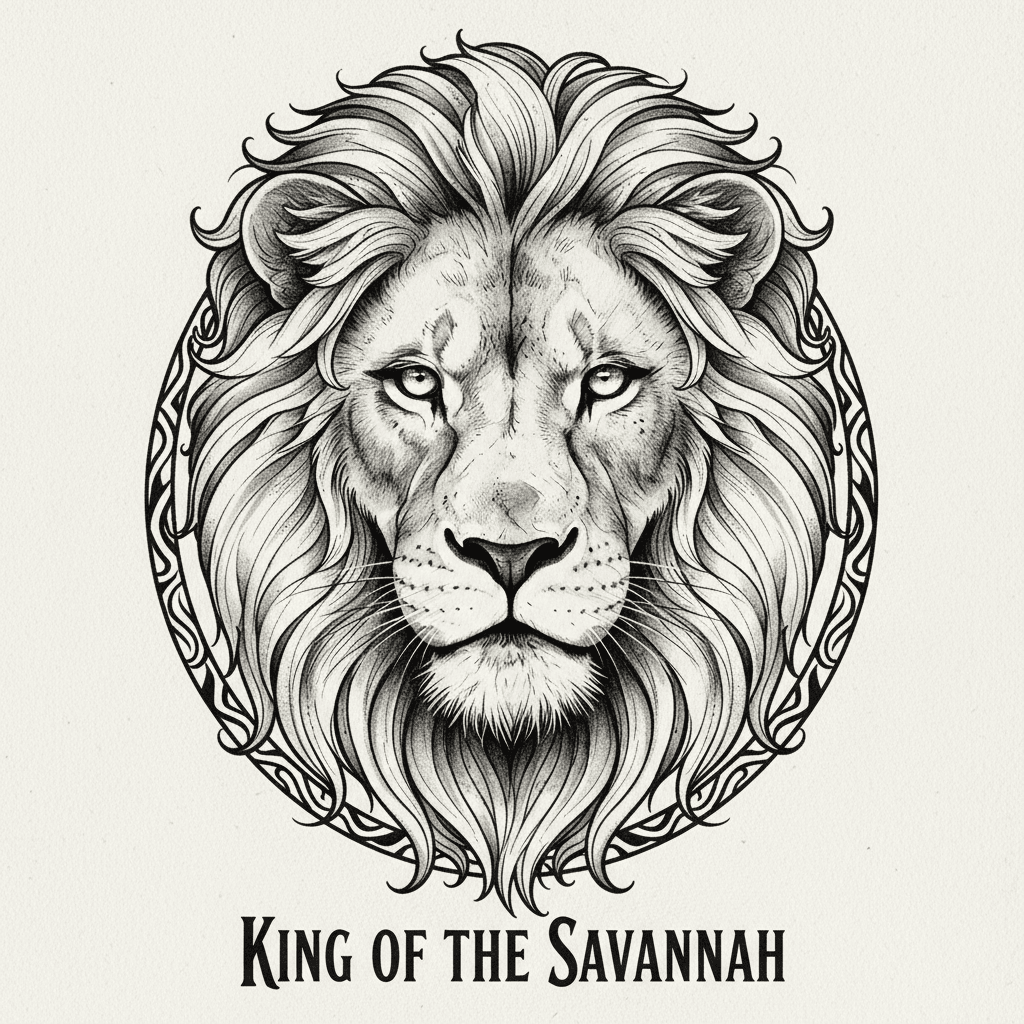
Realism
High-detail tattoo design focused on lifelike depth, texture, shading, and photographic impact.
Design Directions That Usually Work
Japanese sleeve rework
One of the best routes because dragons, koi, snakes, florals, waves, and wind bars naturally solve sleeve transition problems across the arm.
Neo-traditional multi-motif rebuild
Useful when the sleeve wants bold tattoos with cleaner hierarchy, stronger separation, and enough decorative mass to absorb patchy old work.
Black and grey narrative sleeve
A strong answer when statues, sacred imagery, faces, smoke, and architecture can turn scattered old tattoos into one mood-heavy composition.
Patchwork-to-unified redesign
Best when the sleeve problem is disconnected old tattoos and the new design needs one language of filler, rhythm, and focal hierarchy to pull everything together.
Placement Pages Around The Sleeve Problem
Sleeve Tattoos
Open the main sleeve placement page when the user still needs to compare half sleeve, full sleeve, and patchwork planning before committing to cover-up logic.
Forearm Tattoos
Useful when the sleeve issue is concentrated on the forearm and may be solved with a more focused redesign instead of a full-arm rebuild.
Back Tattoos
A better next page when the sleeve wants to connect into shoulder or upper-back flow and the project is becoming more than an arm-only cover-up.
Prompt Examples
sleeve tattoo cover up, japanese dragon and chrysanthemum, full arm flow, conceal old patchwork tattooshalf sleeve cover up tattoo, neo traditional tiger and peony, bold hierarchy, hide older arm tattoosfull sleeve cover up, black and grey statue and smoke, narrative arm composition, replace old sleevepatchwork sleeve cover up, unified ornamental filler and focal motifs, clean transitions, conceal scattered inksleeve tattoo cover up design, snake and floral movement, wraparound arm flow, strong shading over old work
Best Next Pages
Cover-Up Tattoo Ideas
Return to the parent cover-up page when you need broader rules about darkness, size, and strategy before choosing the sleeve direction.
Forearm Tattoo Cover-Up
A better page when the sleeve problem is mostly outer forearm, inner forearm, or a narrower arm zone instead of the whole sleeve chain.
Chest Tattoo Cover-Up
Useful when the sleeve rebuild also touches shoulder or chest flow and the old torso-to-arm transition needs a cleaner plan.
Back Tattoo Cover-Up
Open this when the project is growing into a larger shoulder and back composition rather than staying a pure arm-only cover-up.
AI Tattoo Generator
Generate after you decide whether the old sleeve needs Japanese flow, a neo-traditional rebuild, black and grey atmosphere, or a patchwork rescue system.
Generate Better Sleeve Cover-Up Directions
Use AI after you know whether the old sleeve needs Japanese flow, a neo-traditional rebuild, black and grey atmosphere, or a patchwork rescue system.
Generate Sleeve Cover-UpFrequently Asked Questions
Are sleeve tattoos hard to cover up?
Yes. Sleeve cover-ups are hard because they are usually composition repairs, not single-tattoo repairs. The transitions across the arm matter as much as the focal motifs.
What works best for sleeve tattoo cover-ups?
Japanese flow, neo-traditional rebuilds, and black and grey narrative sleeves usually work best because they naturally handle movement, layering, and transition elements.
Can patchwork tattoos be turned into one sleeve?
Often yes. Many patchwork rescue projects work by choosing one stronger visual language and using filler, shadow, and focal hierarchy to make the arm read as one sleeve.
Can AI help plan a sleeve tattoo cover-up?
Yes. AI is useful for comparing half sleeve, full sleeve, and patchwork rescue directions before an artist rebuilds the final arm composition.