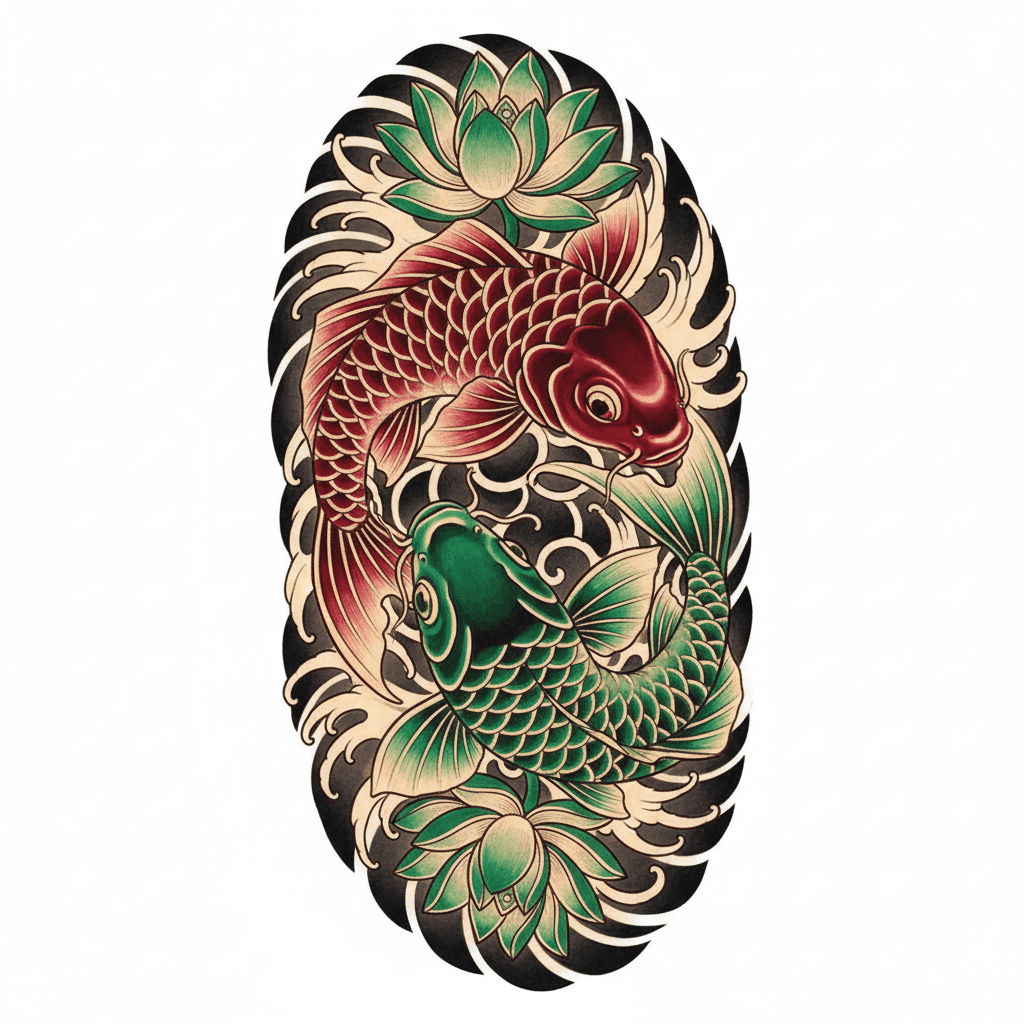
Realism
Click image to copy prompt
High-detail tattoo design focused on lifelike depth, texture, shading, and photographic impact.
Generate AI Tattoo IdeasA three-row scrolling gallery of AI-generated realism tattoo flash artwork for your inspiration library.
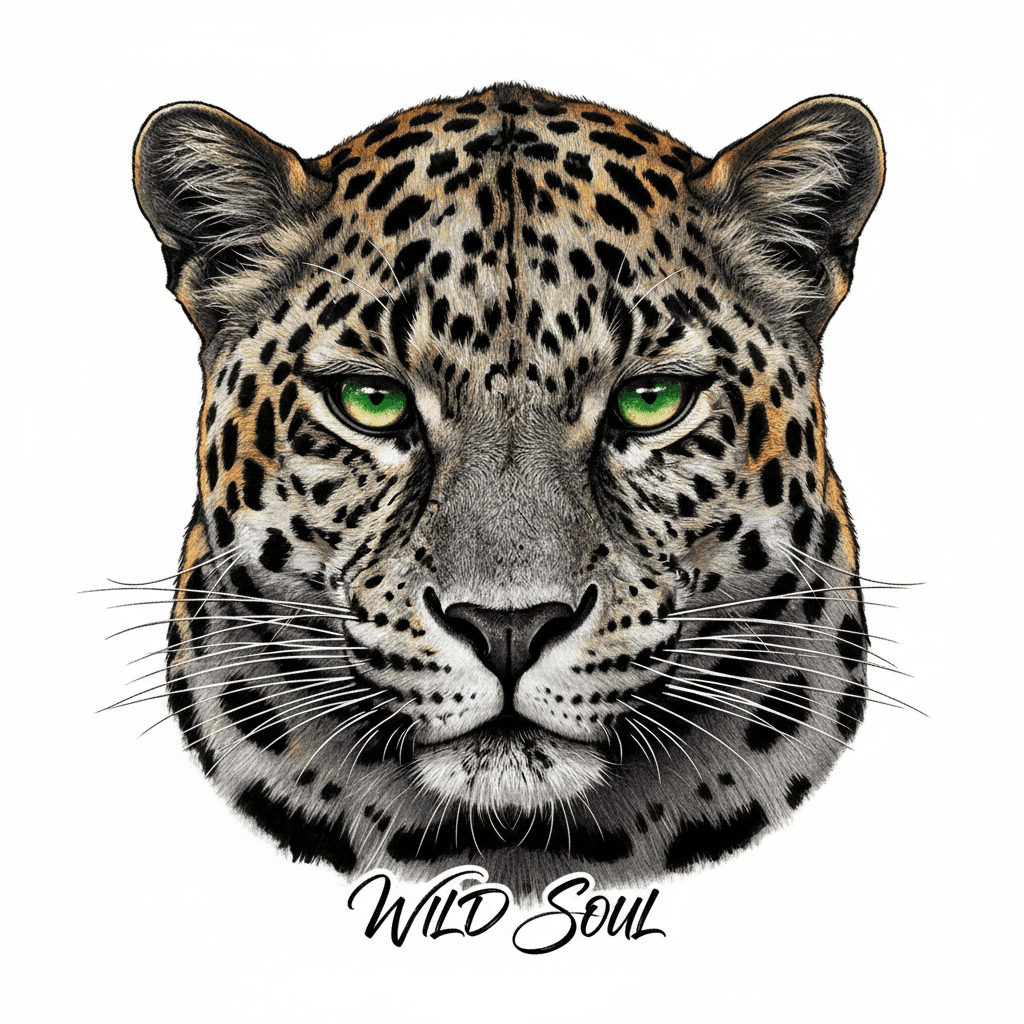
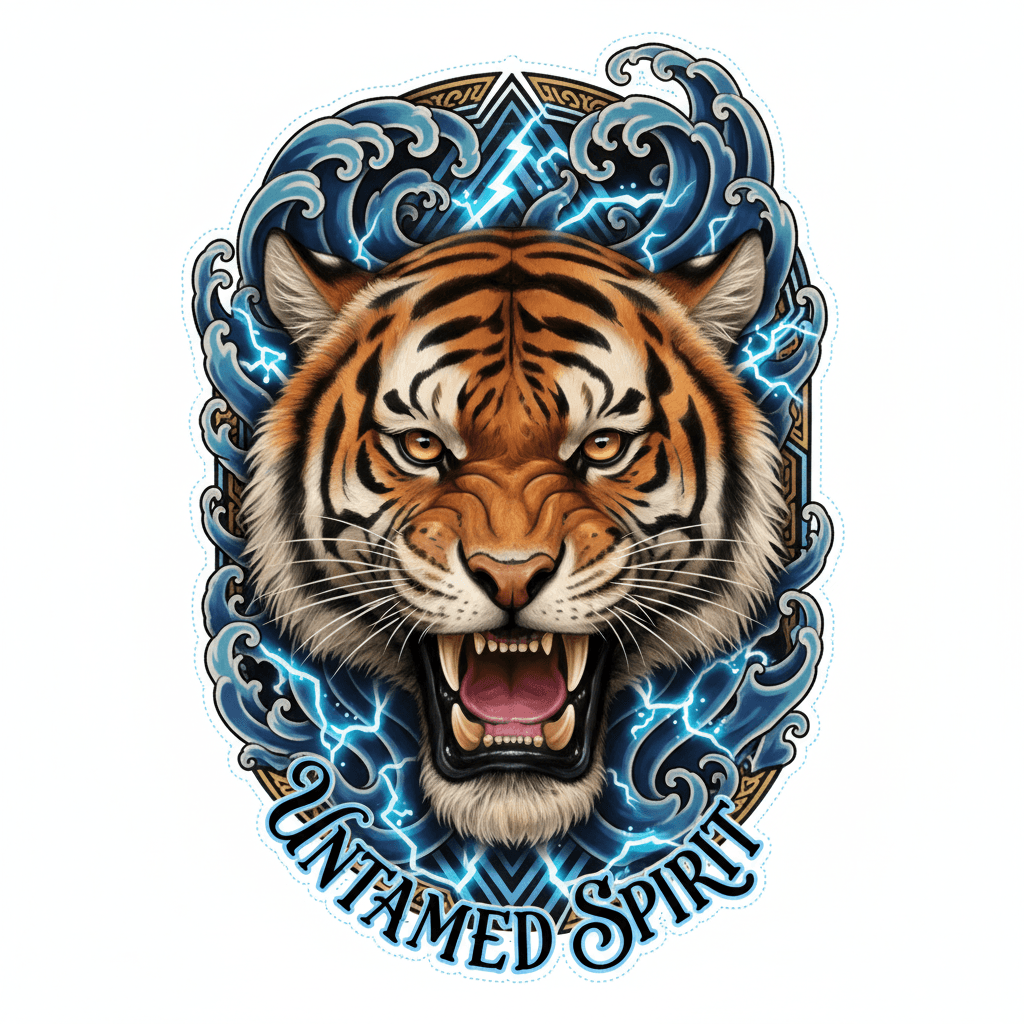
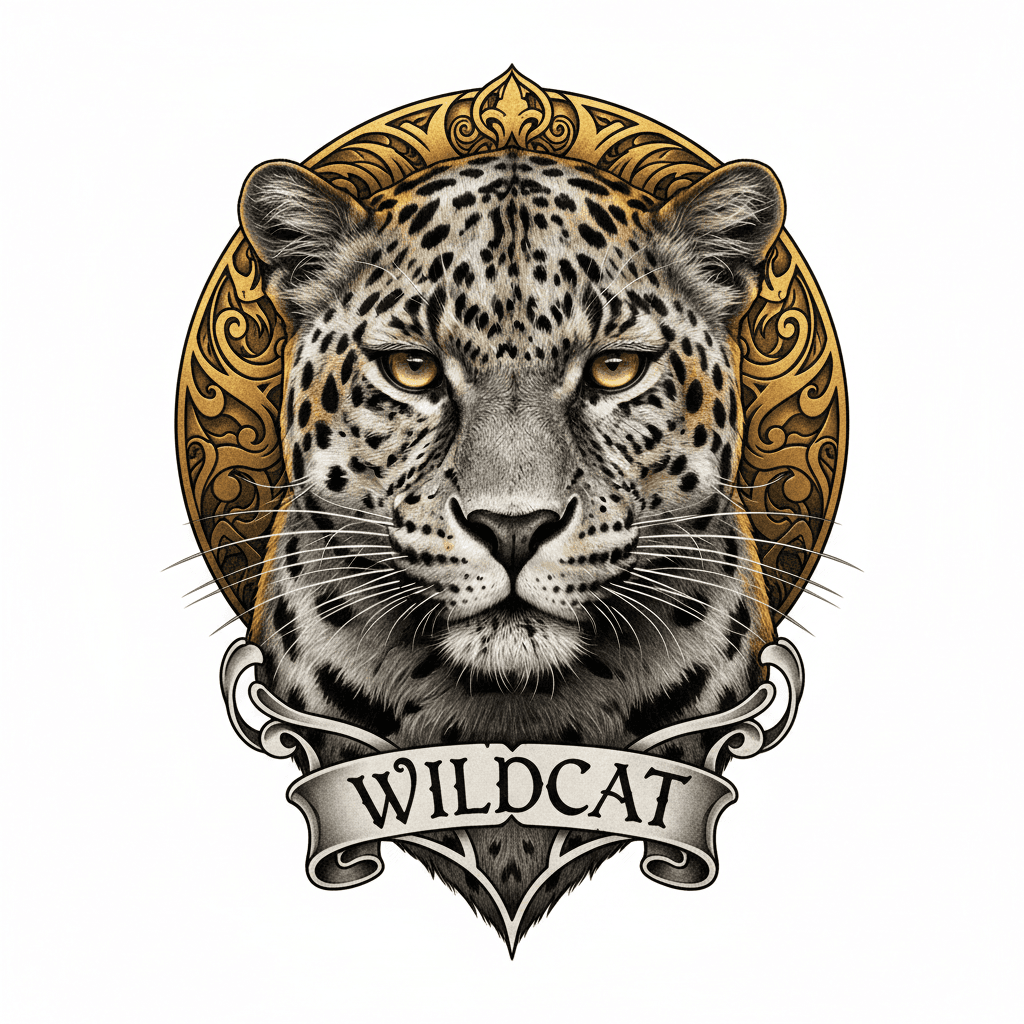
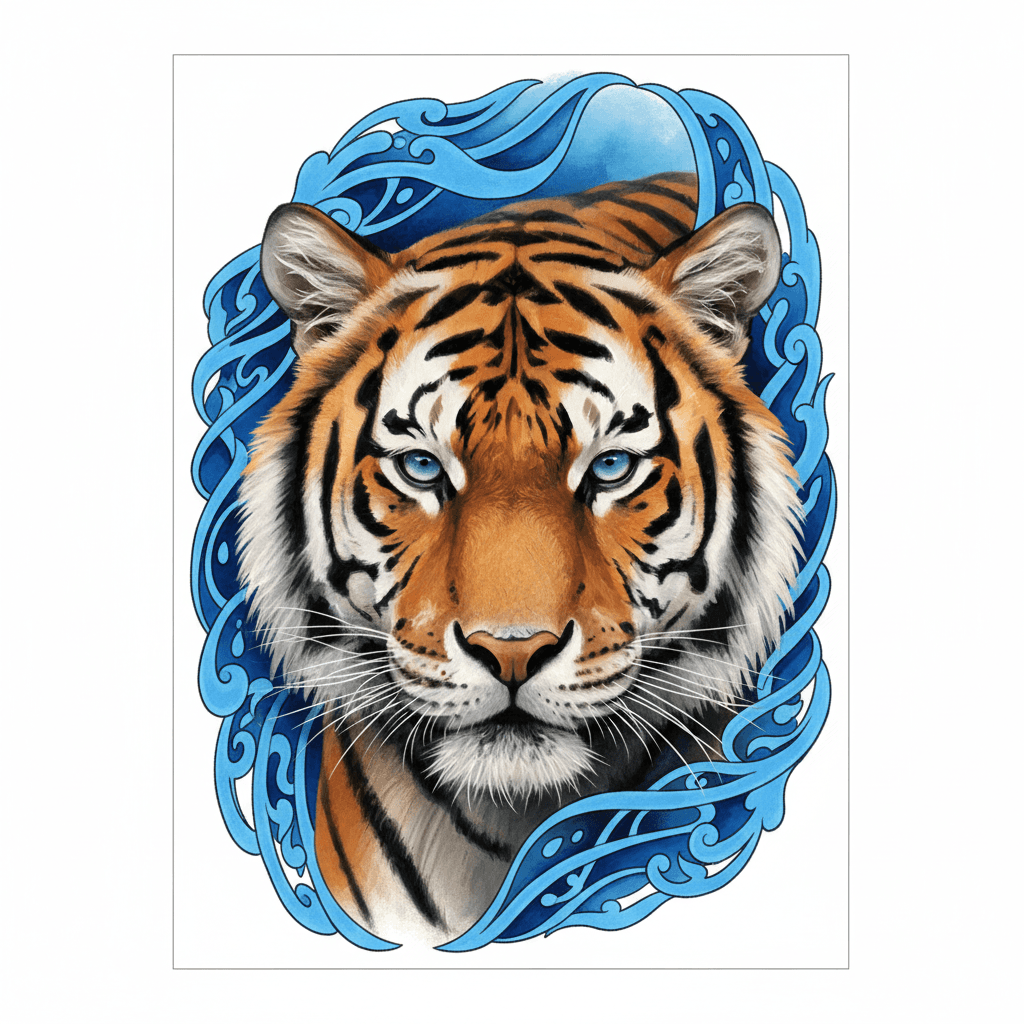
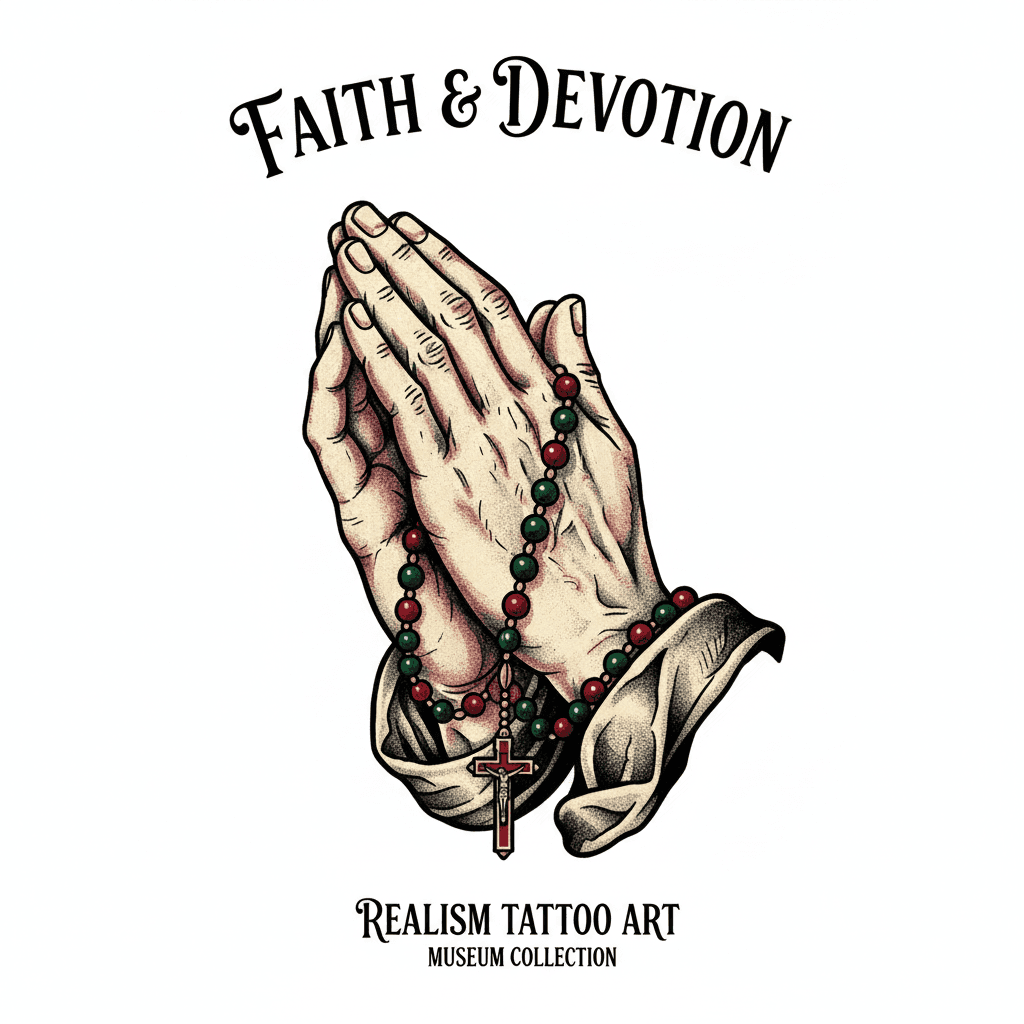
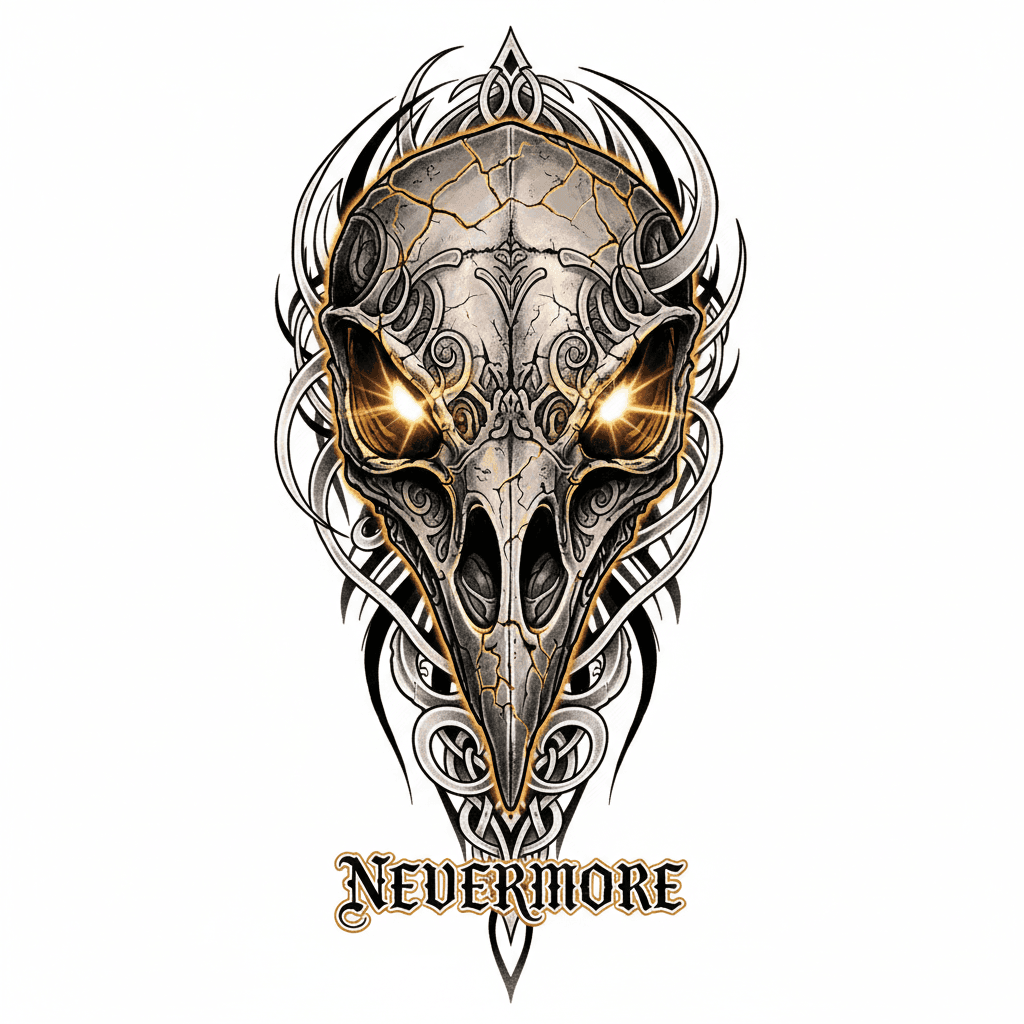
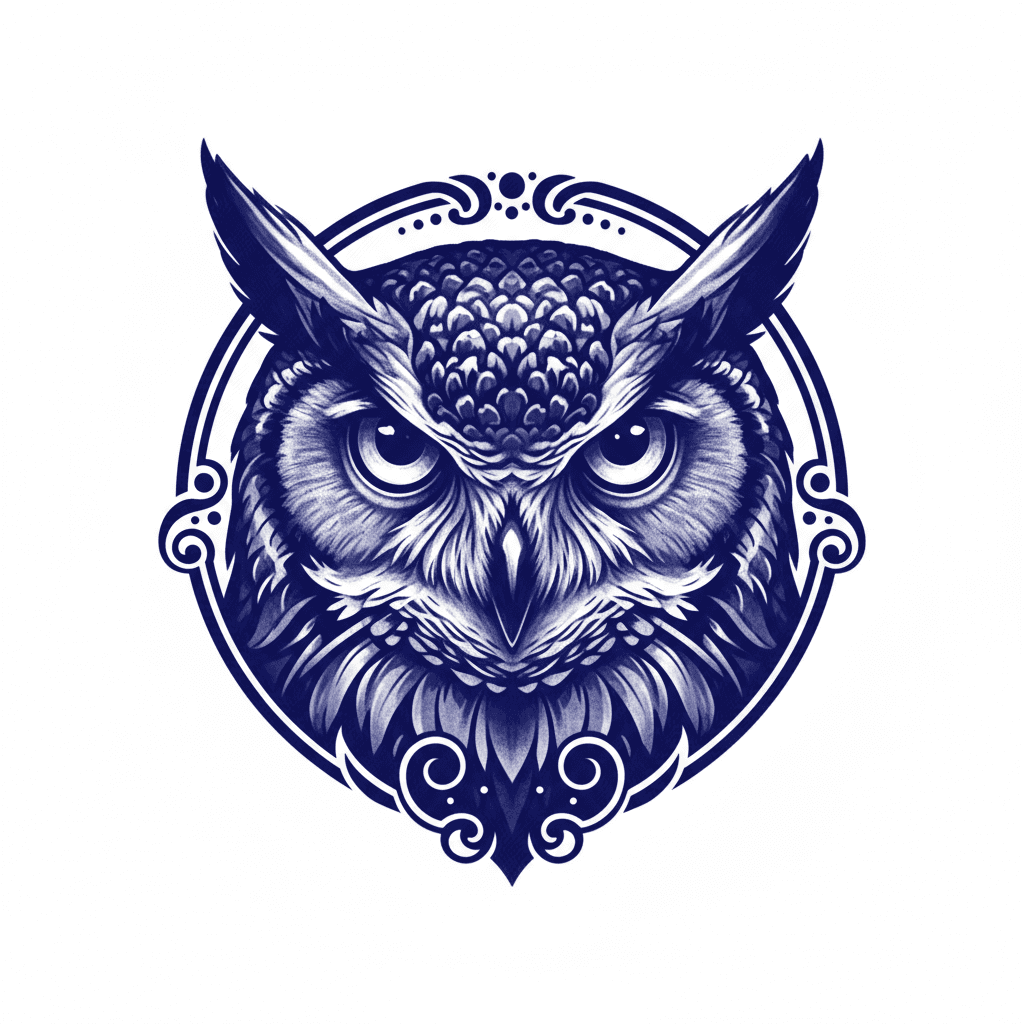
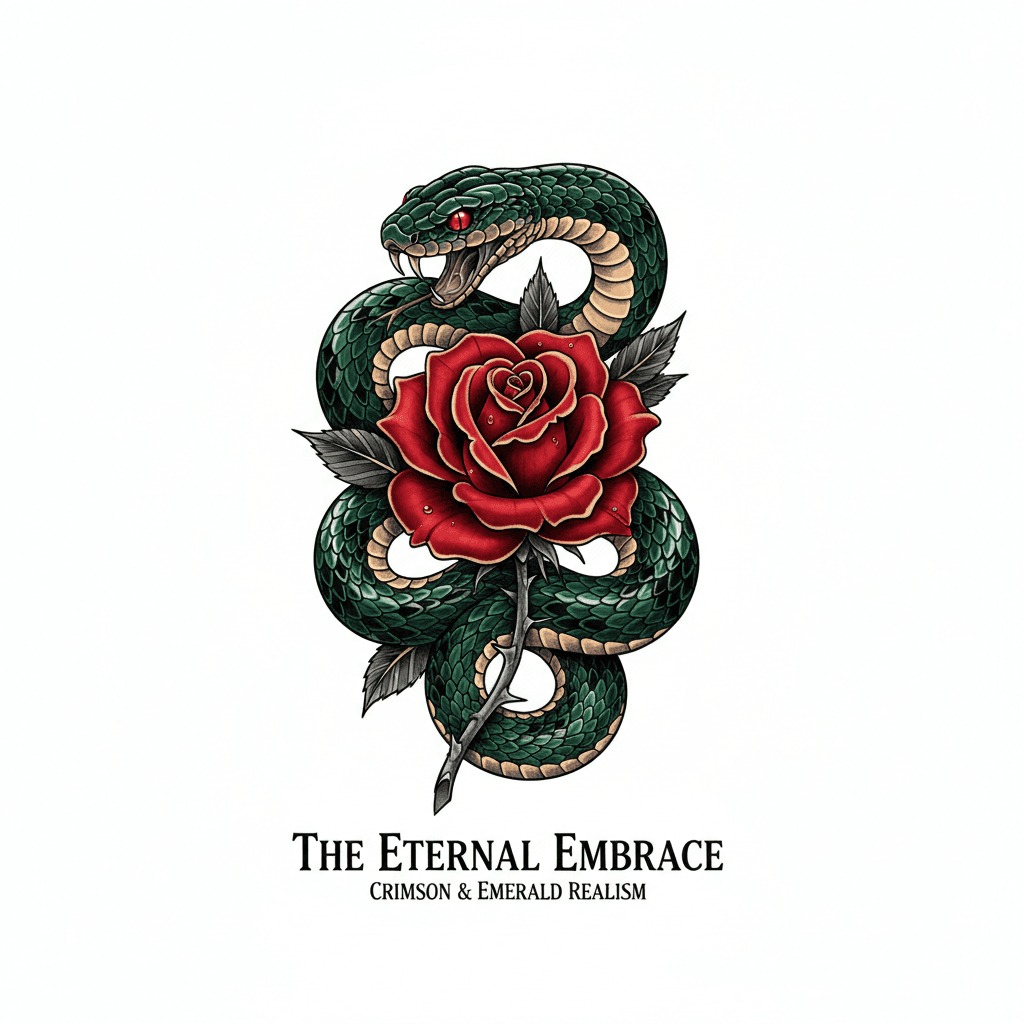
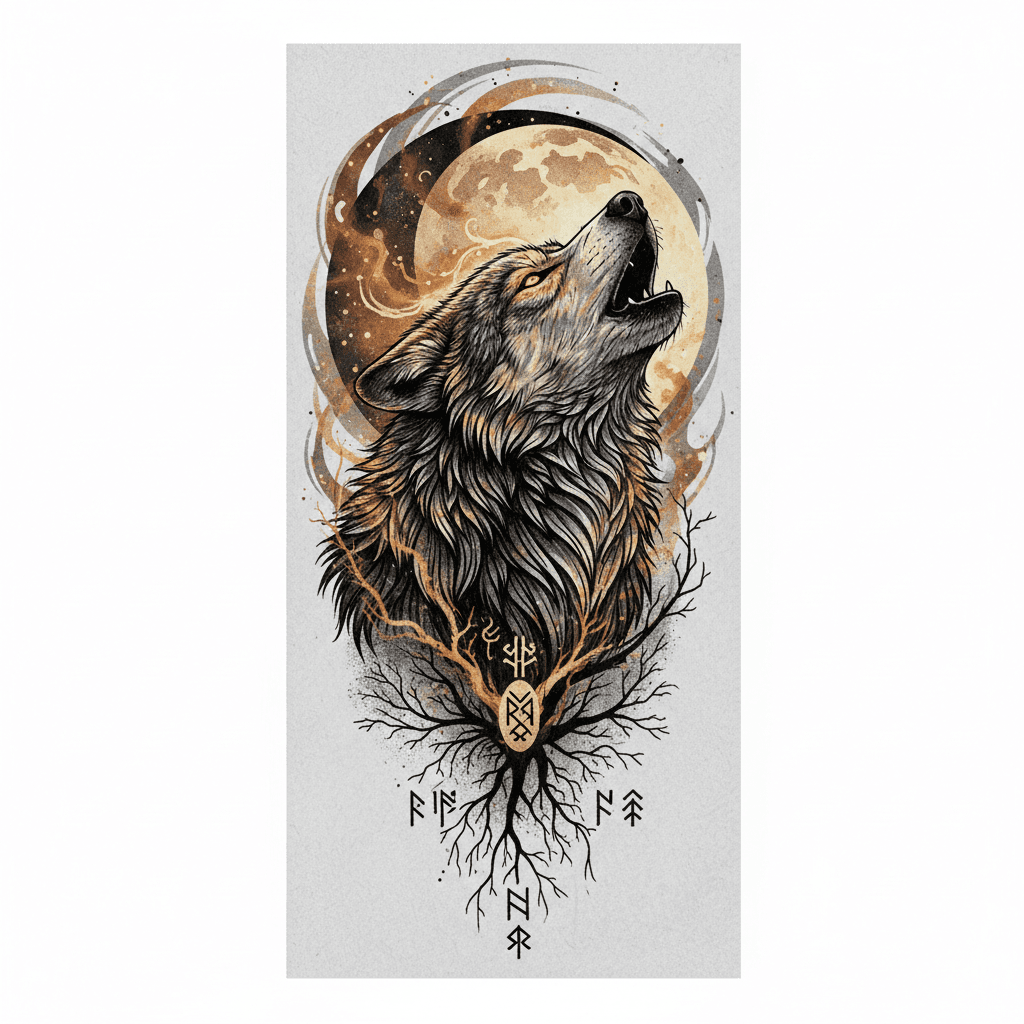
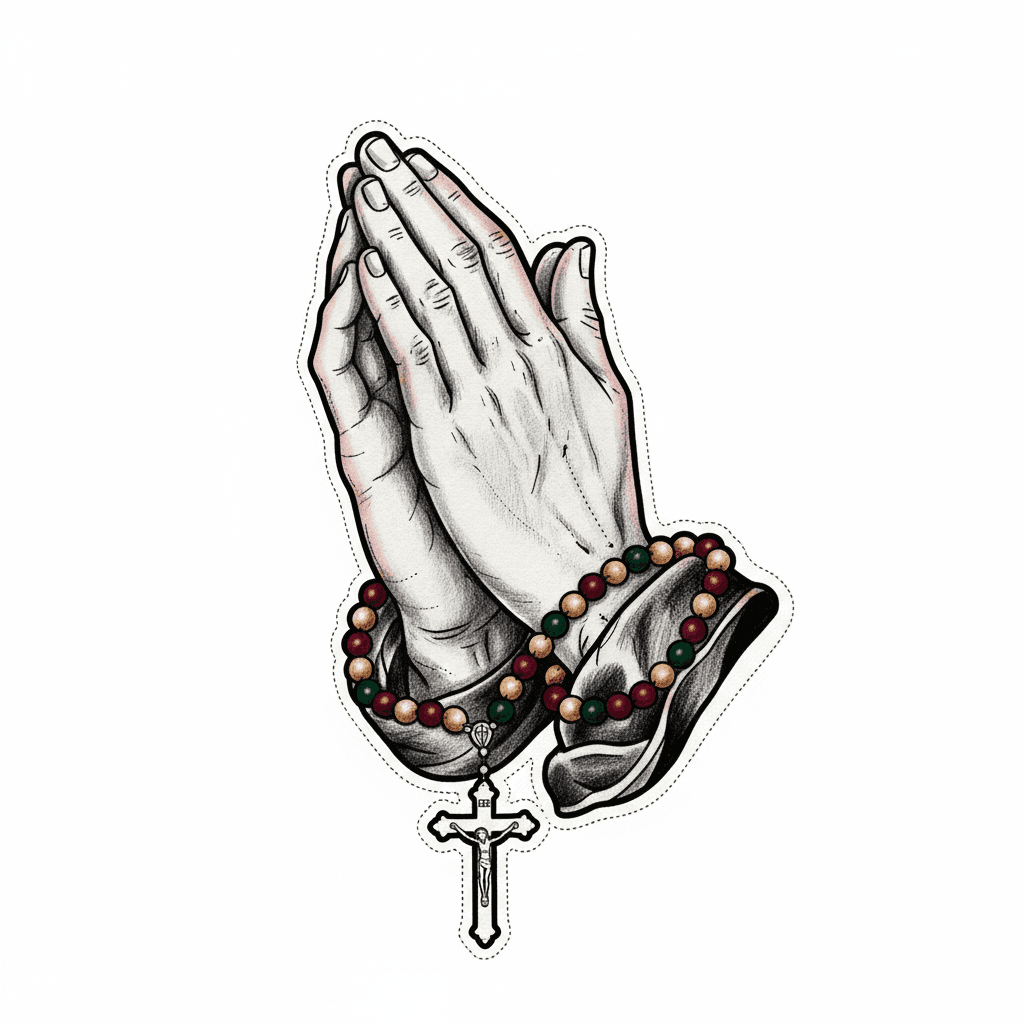
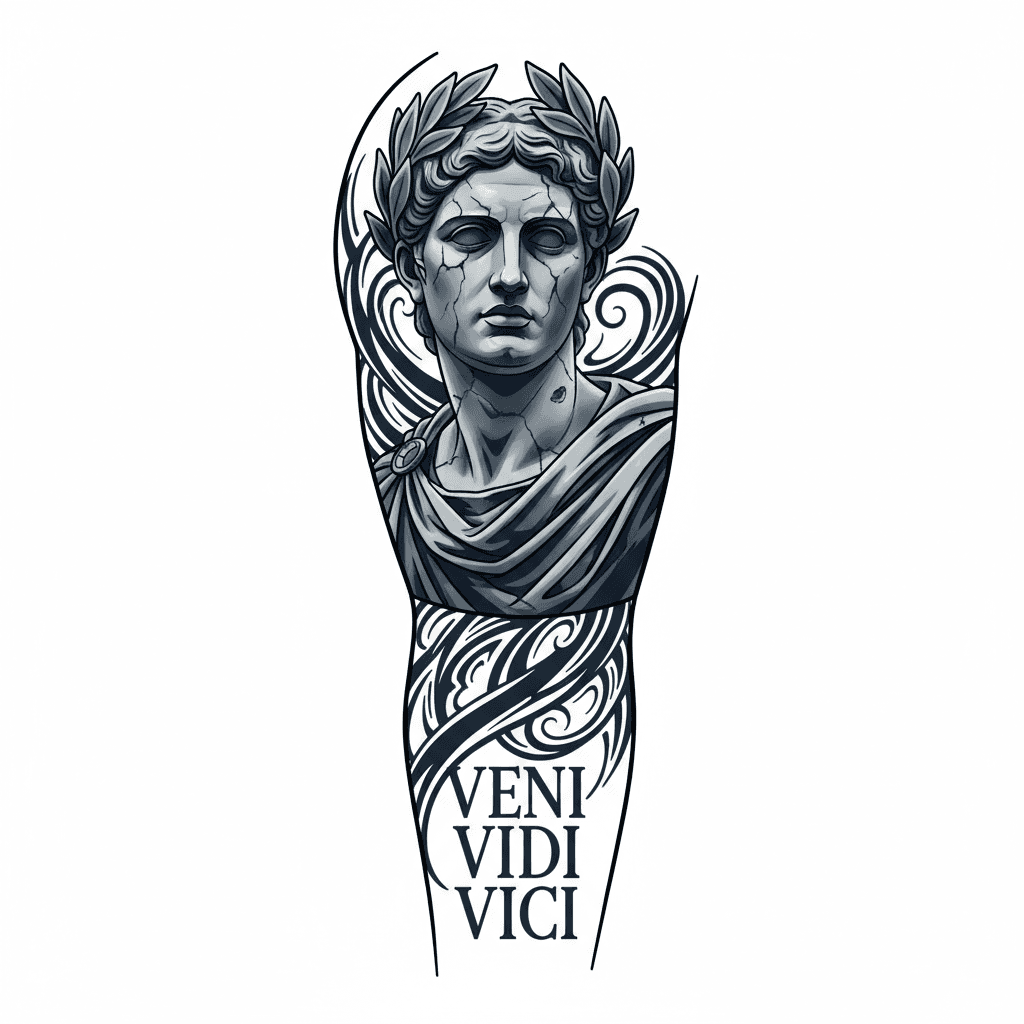
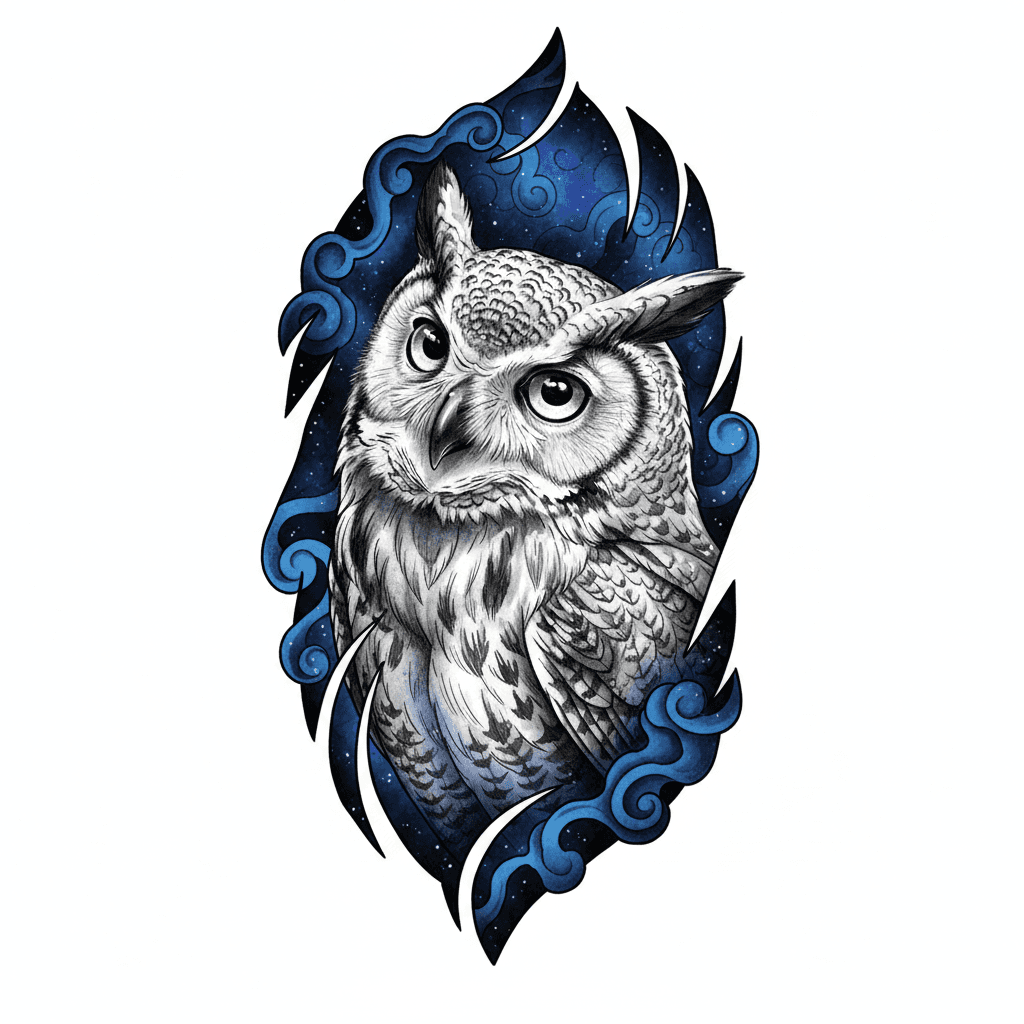
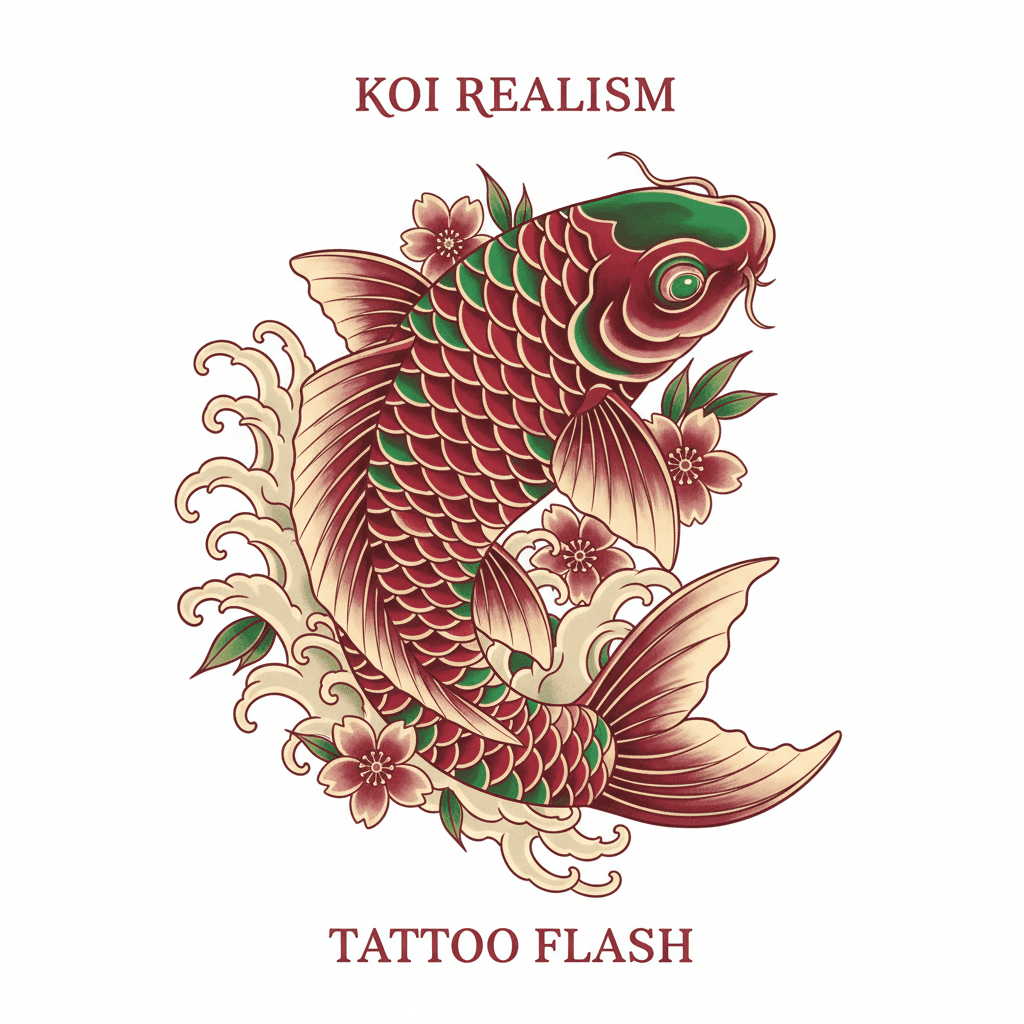
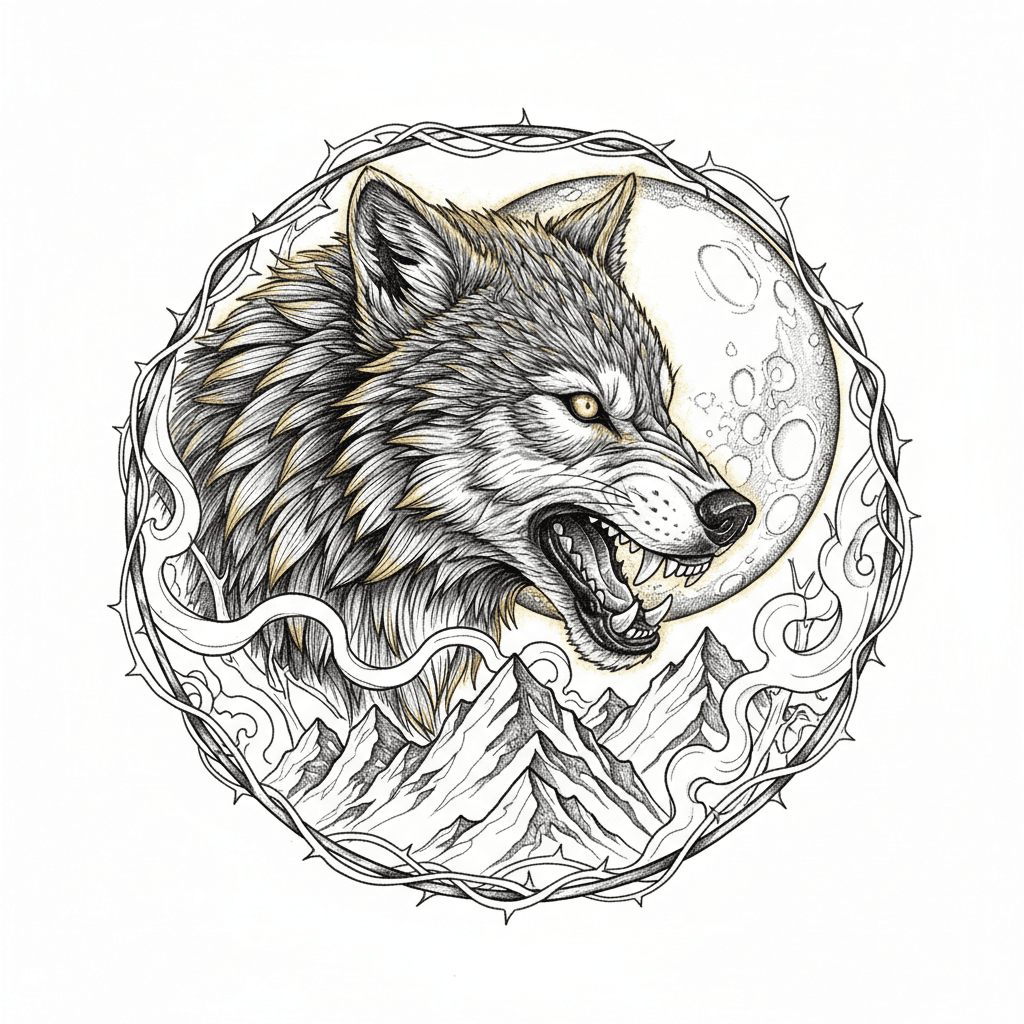
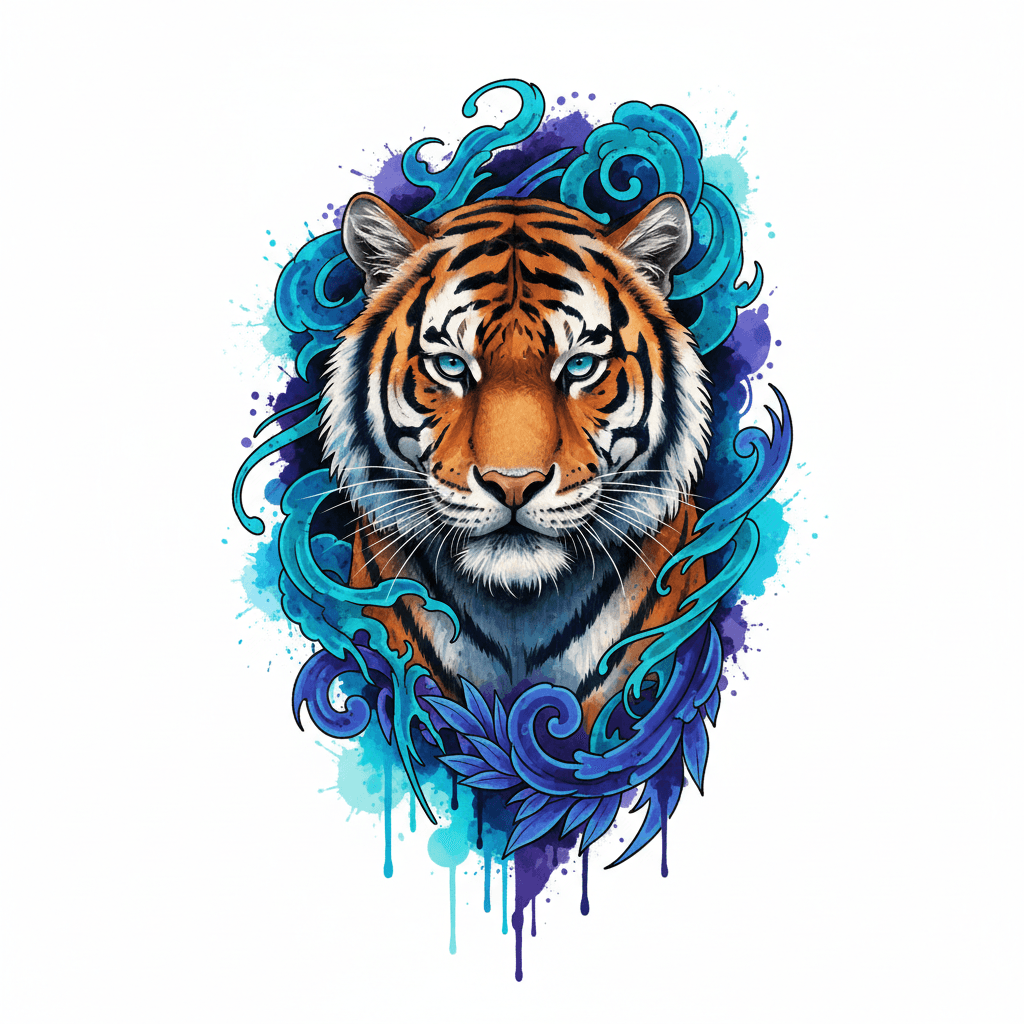
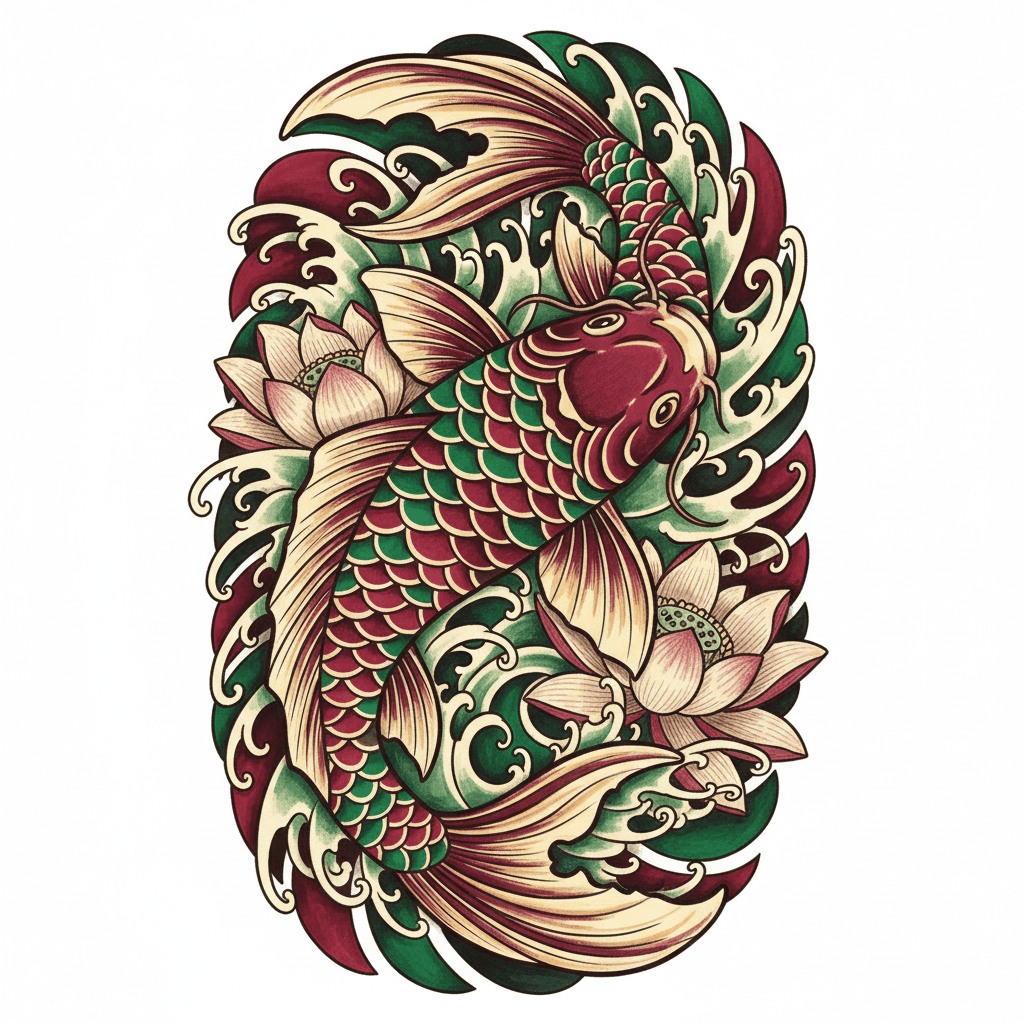
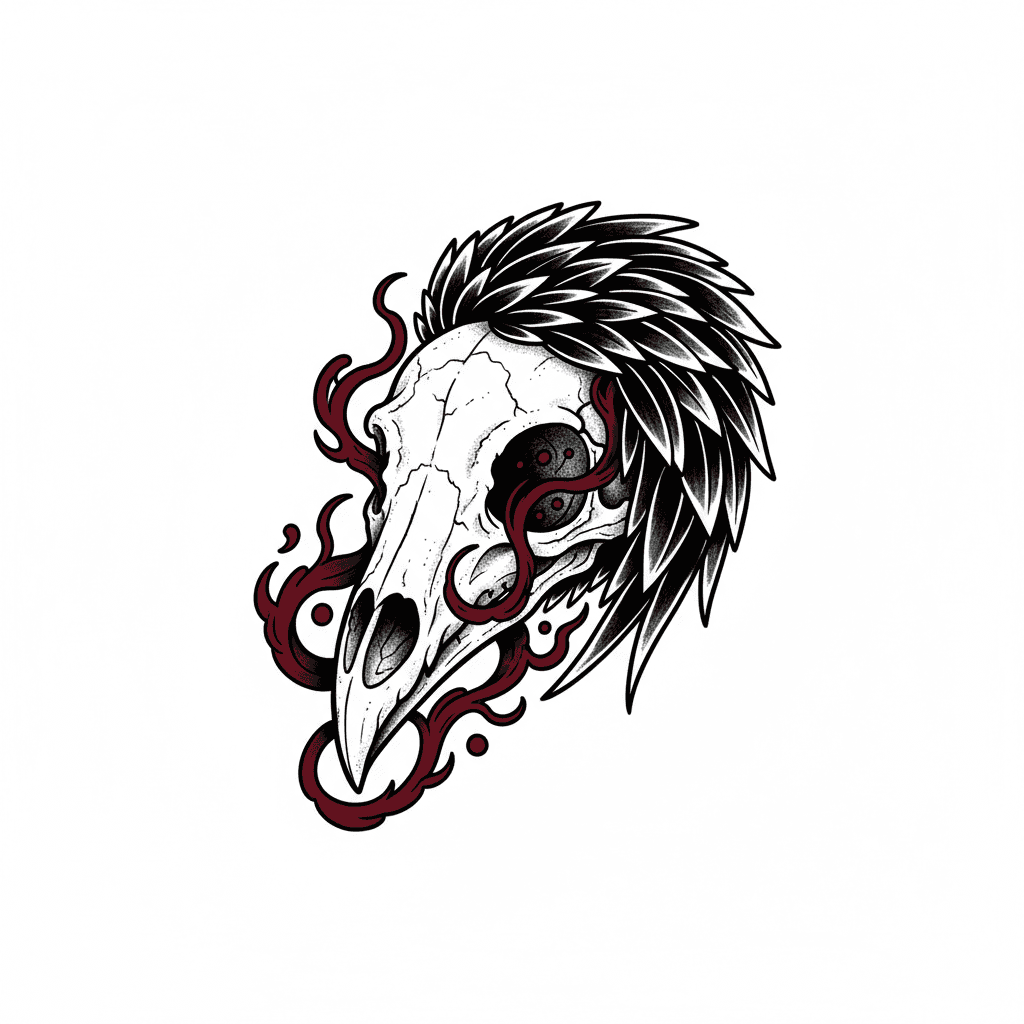
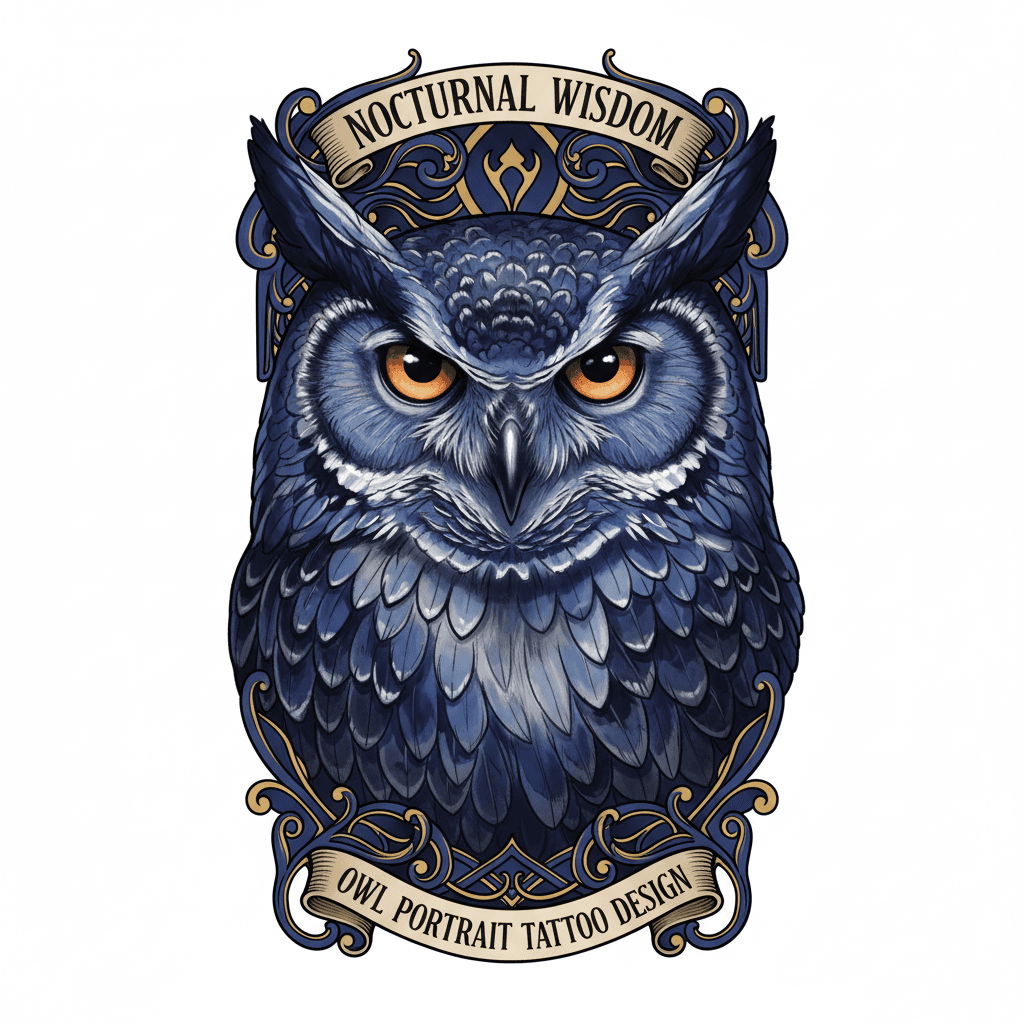
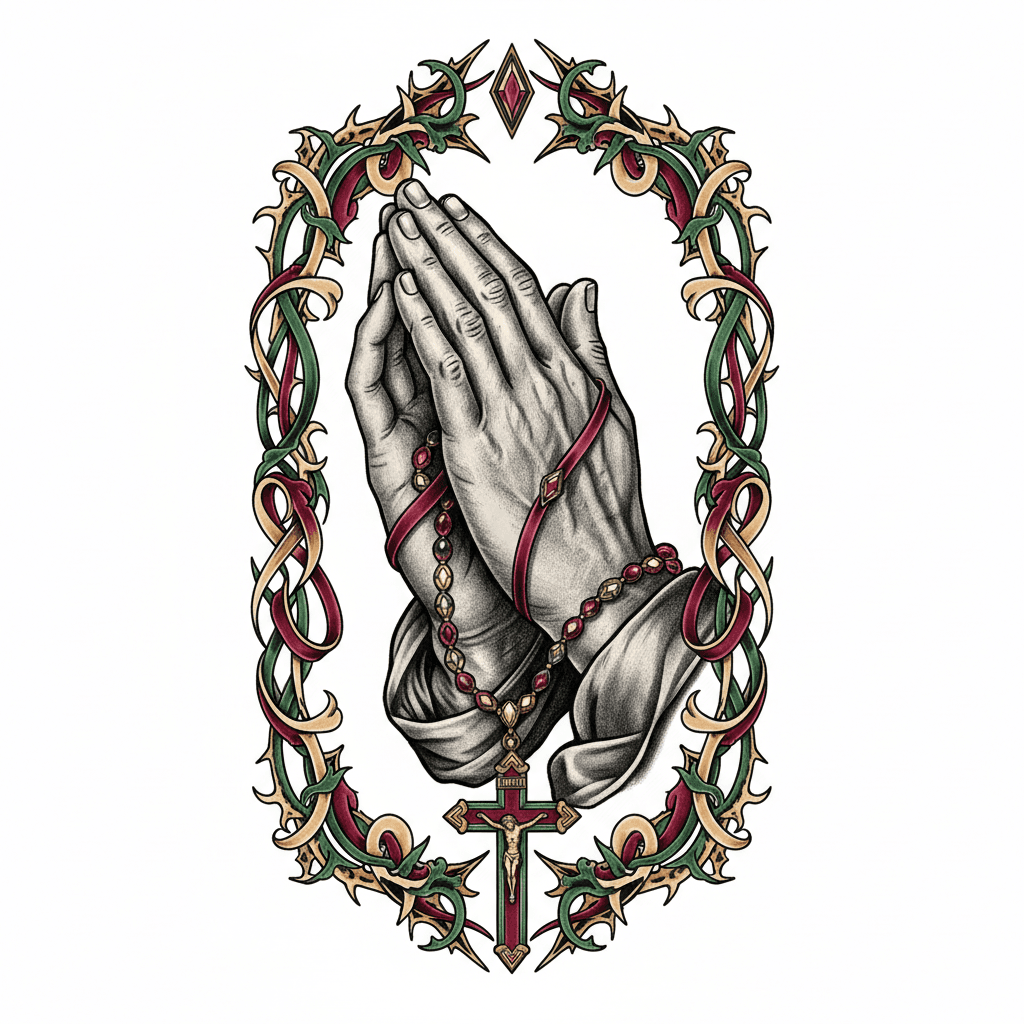
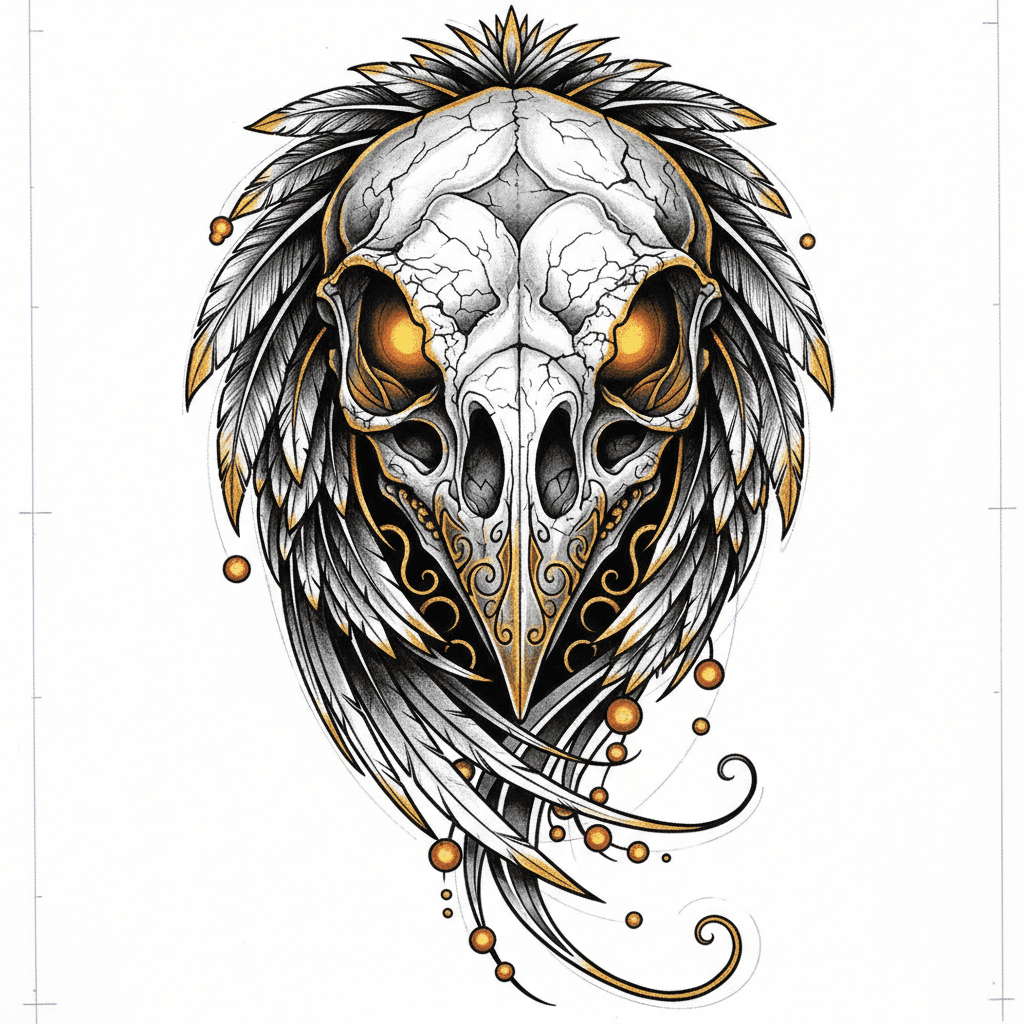
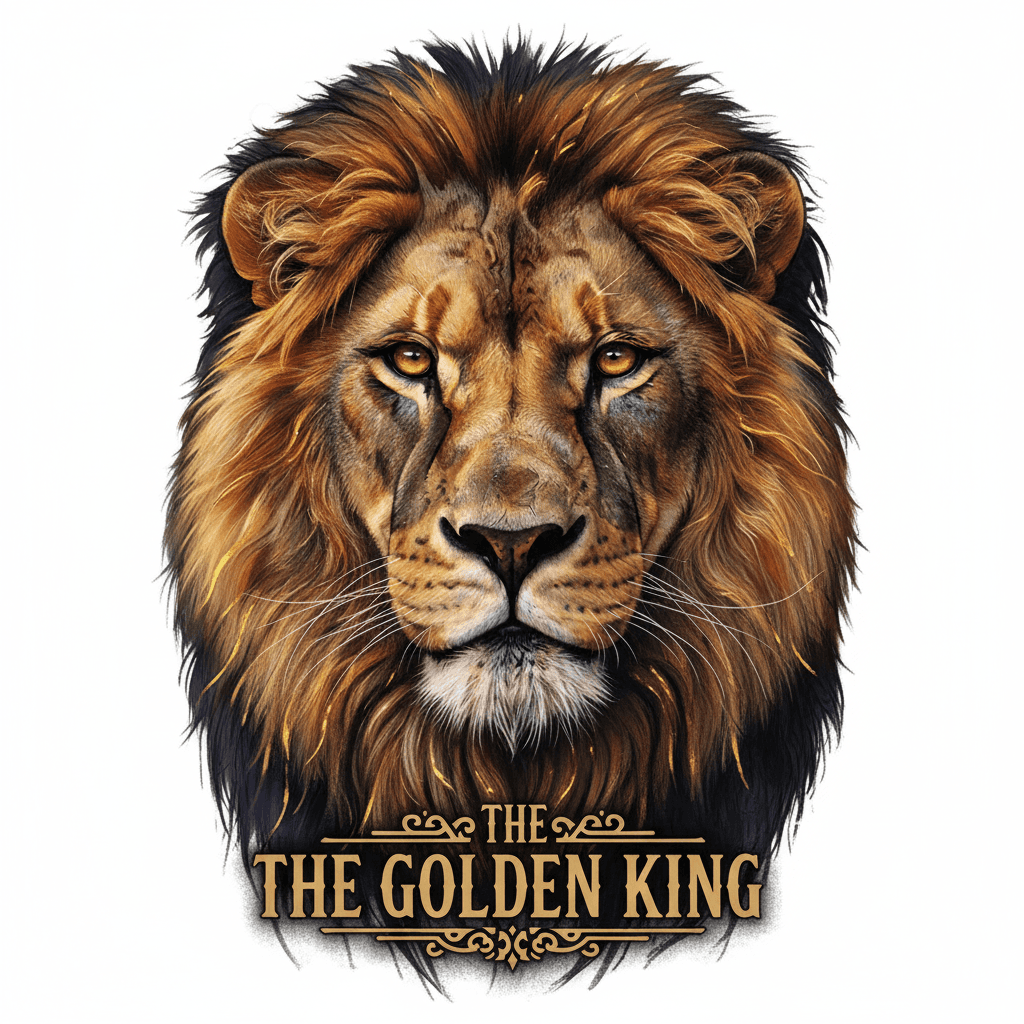
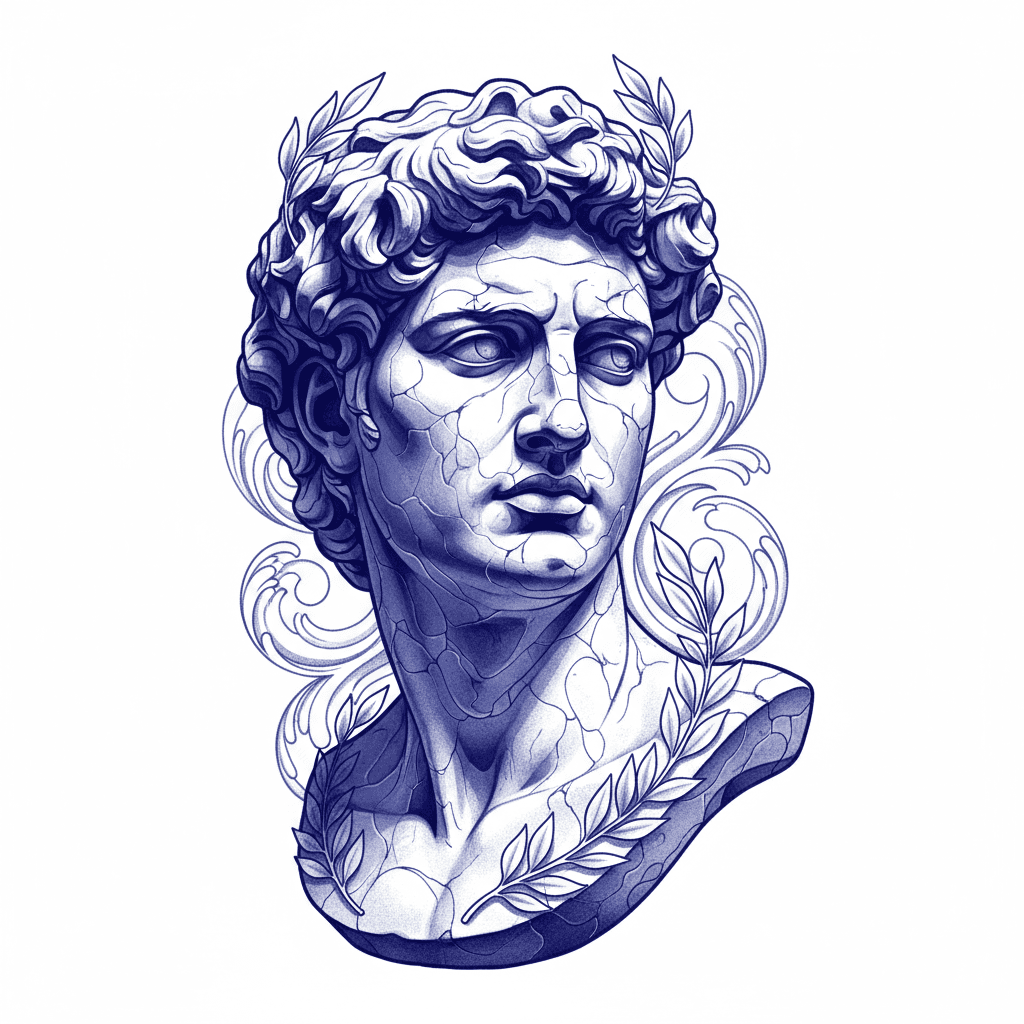
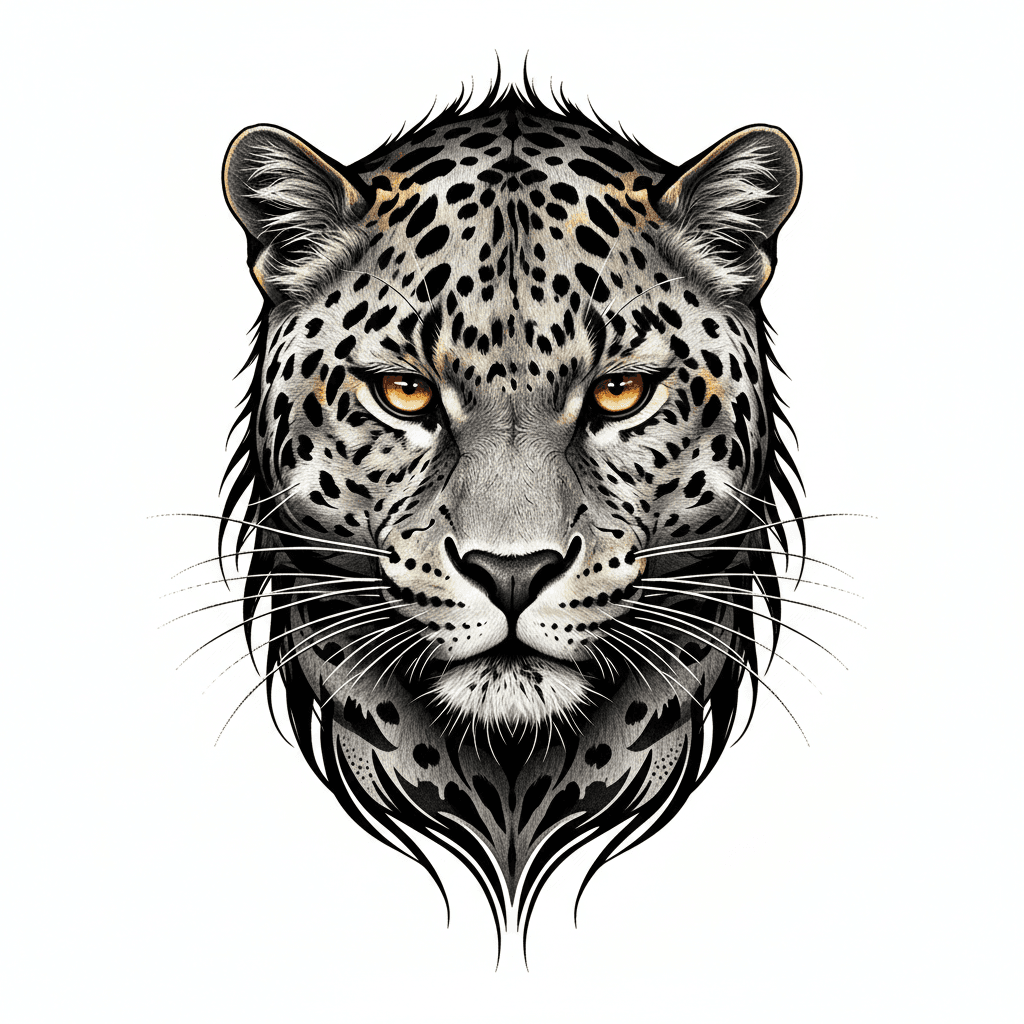
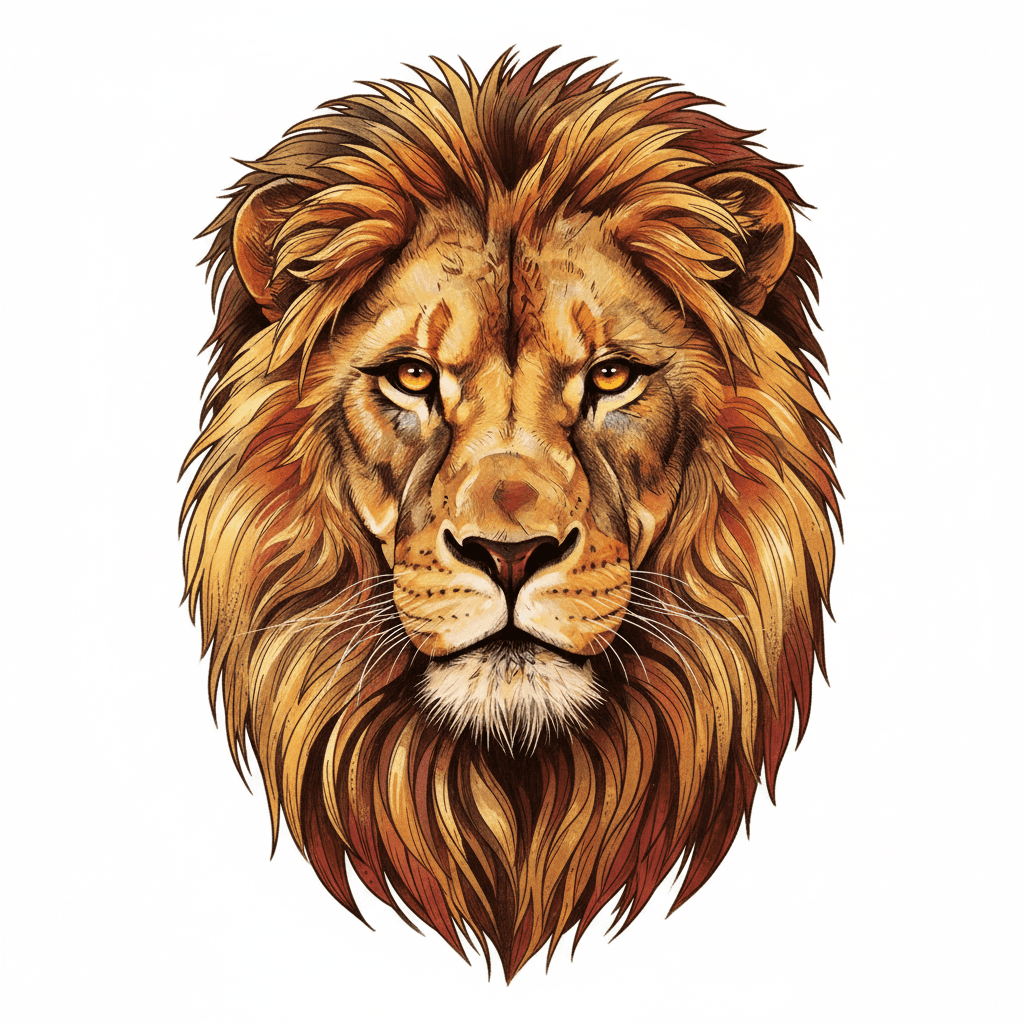
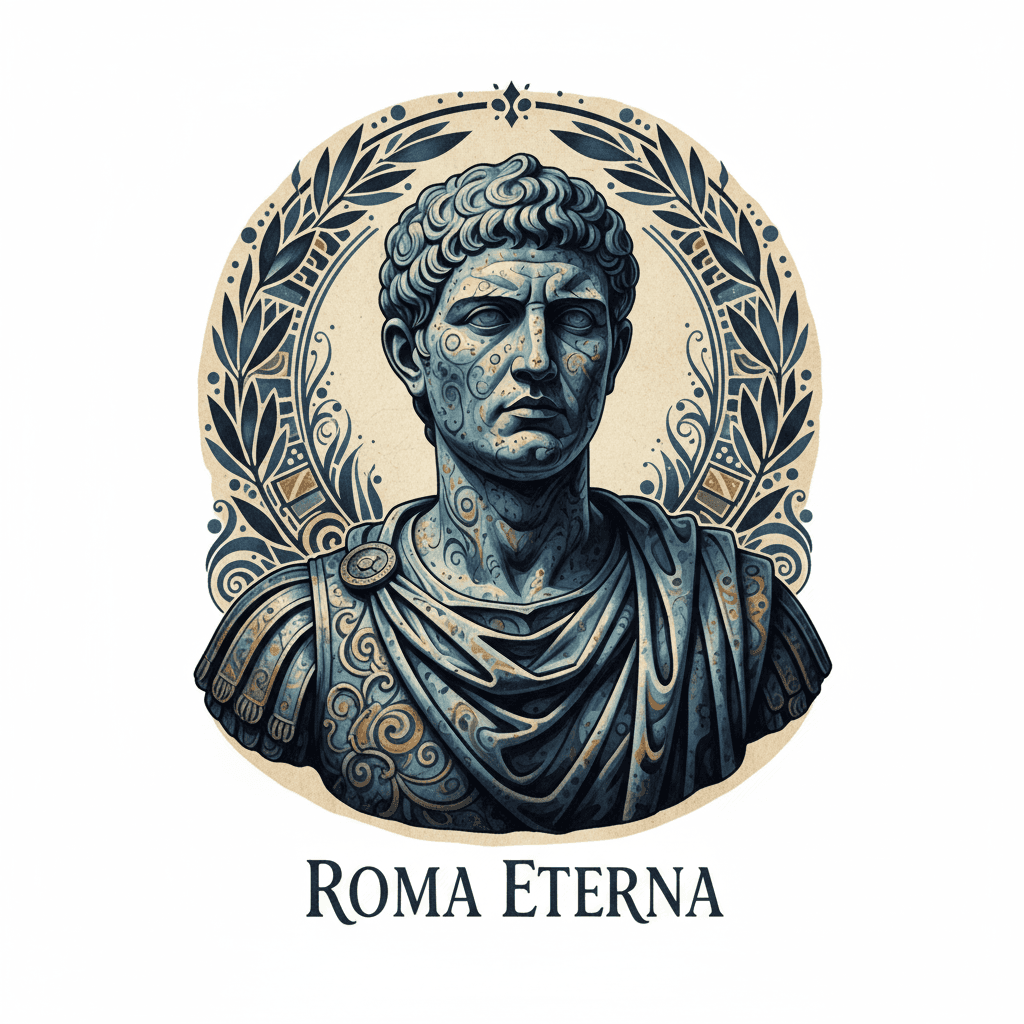
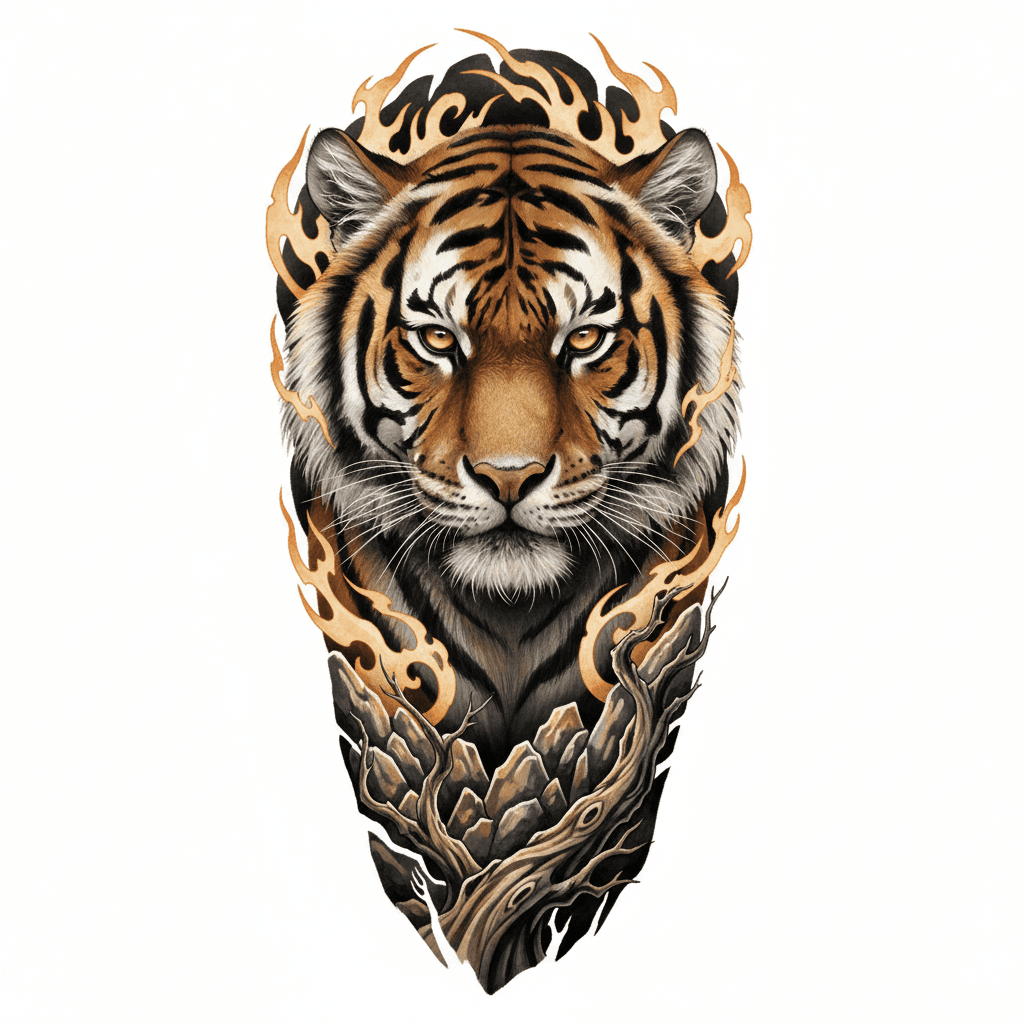
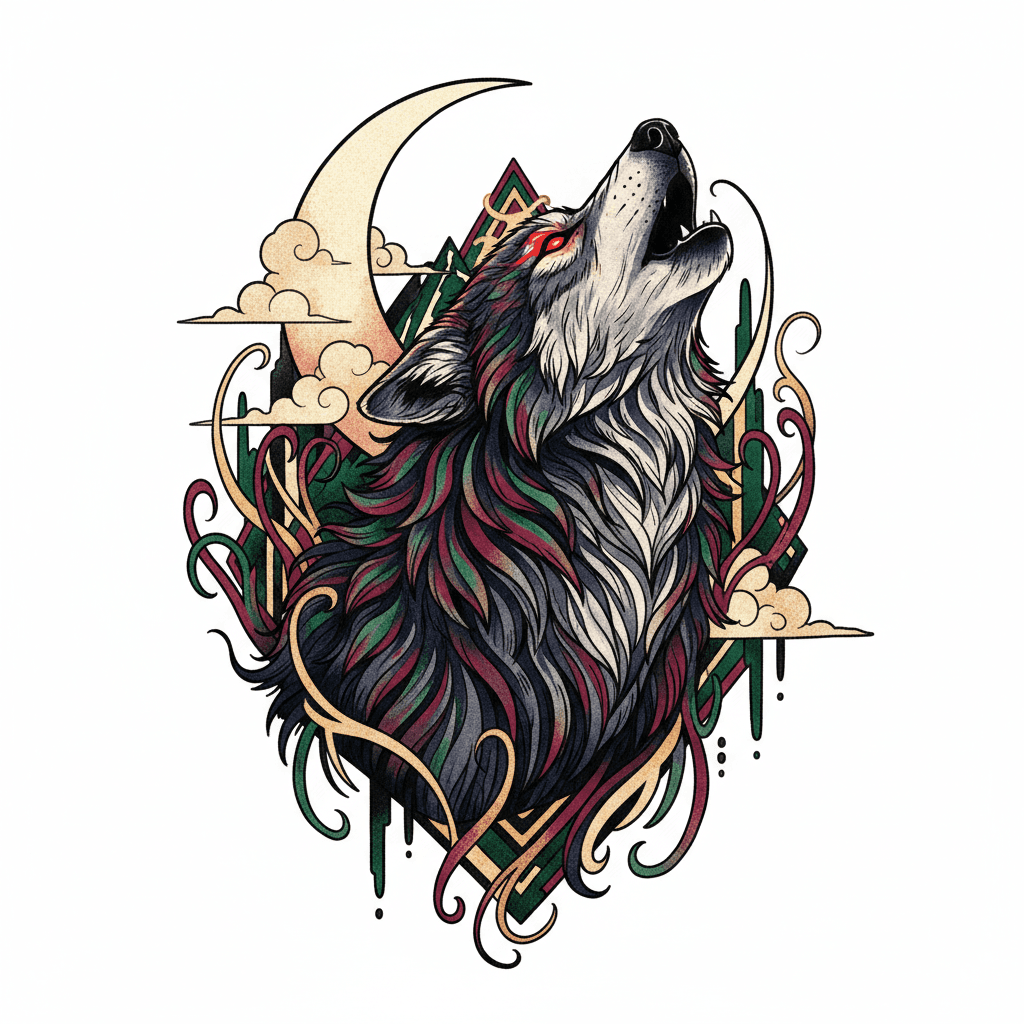
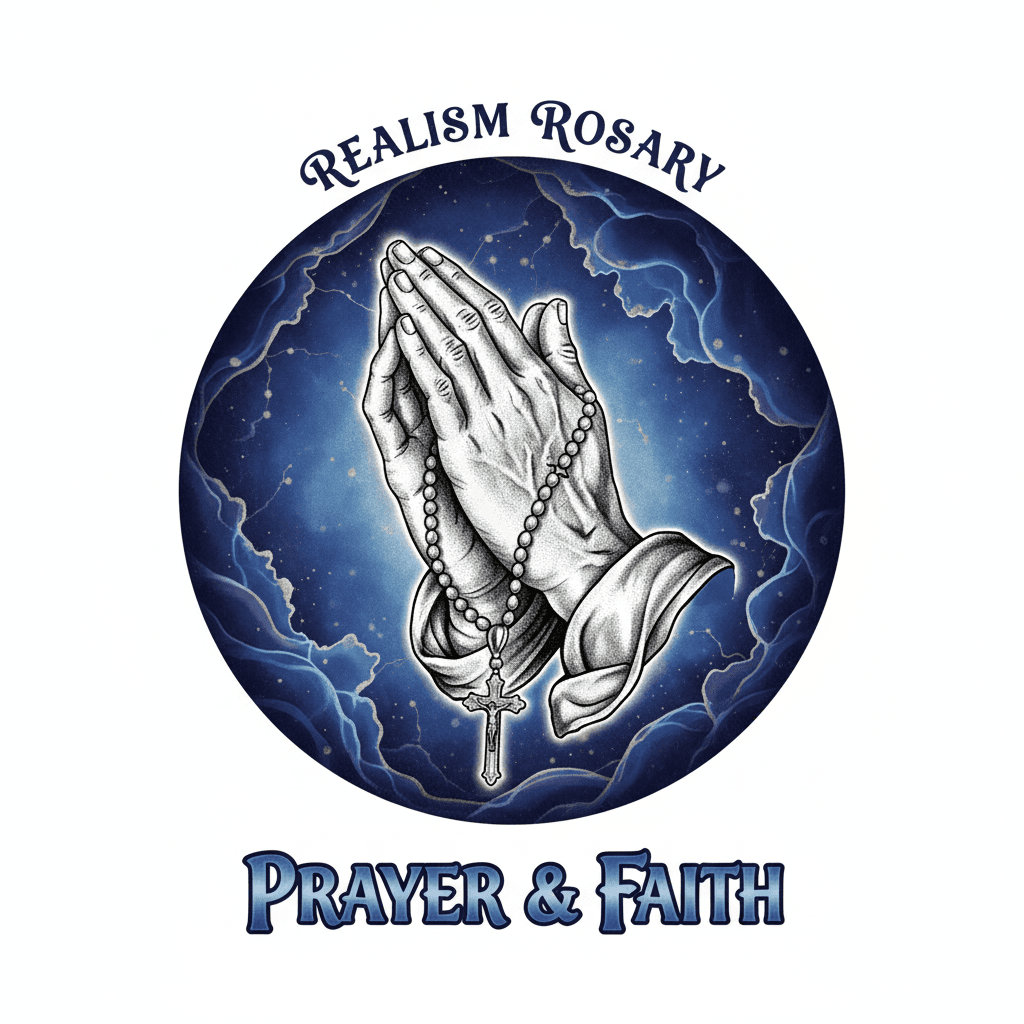
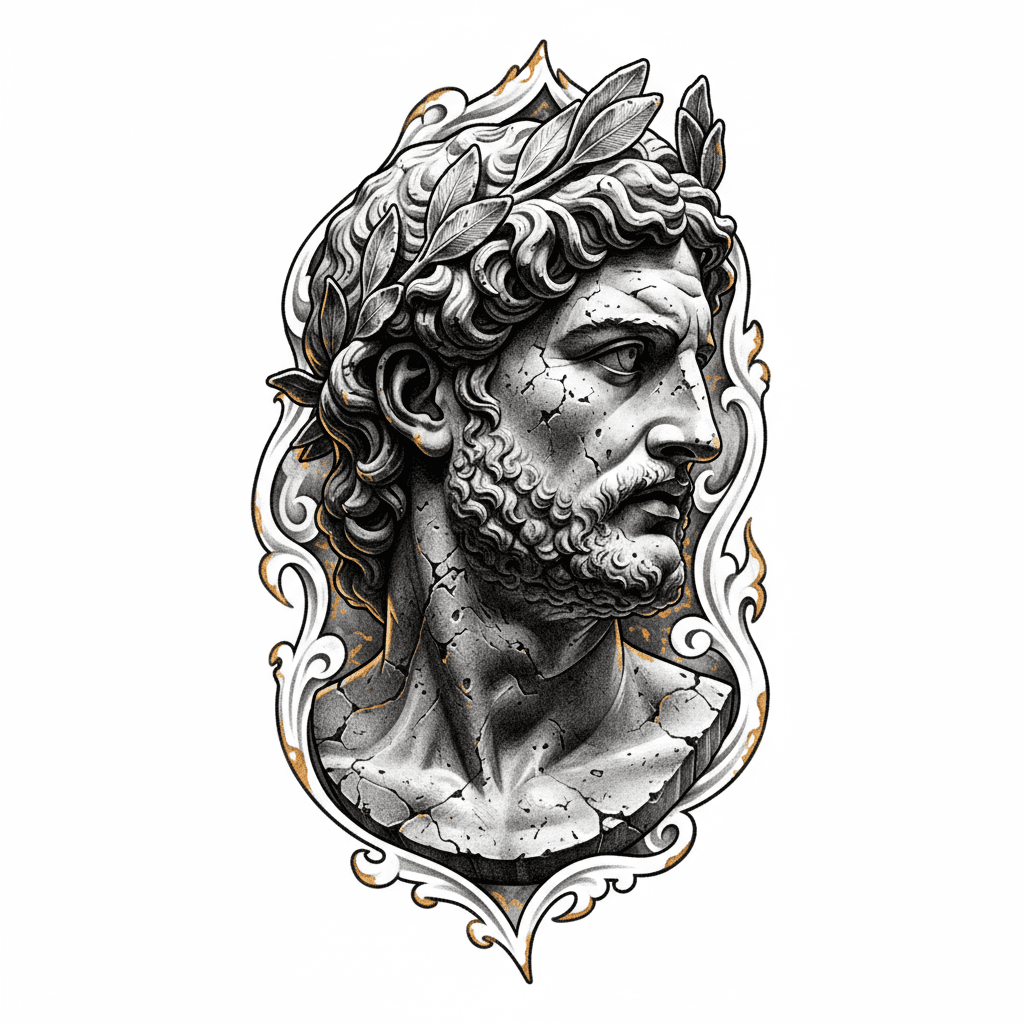
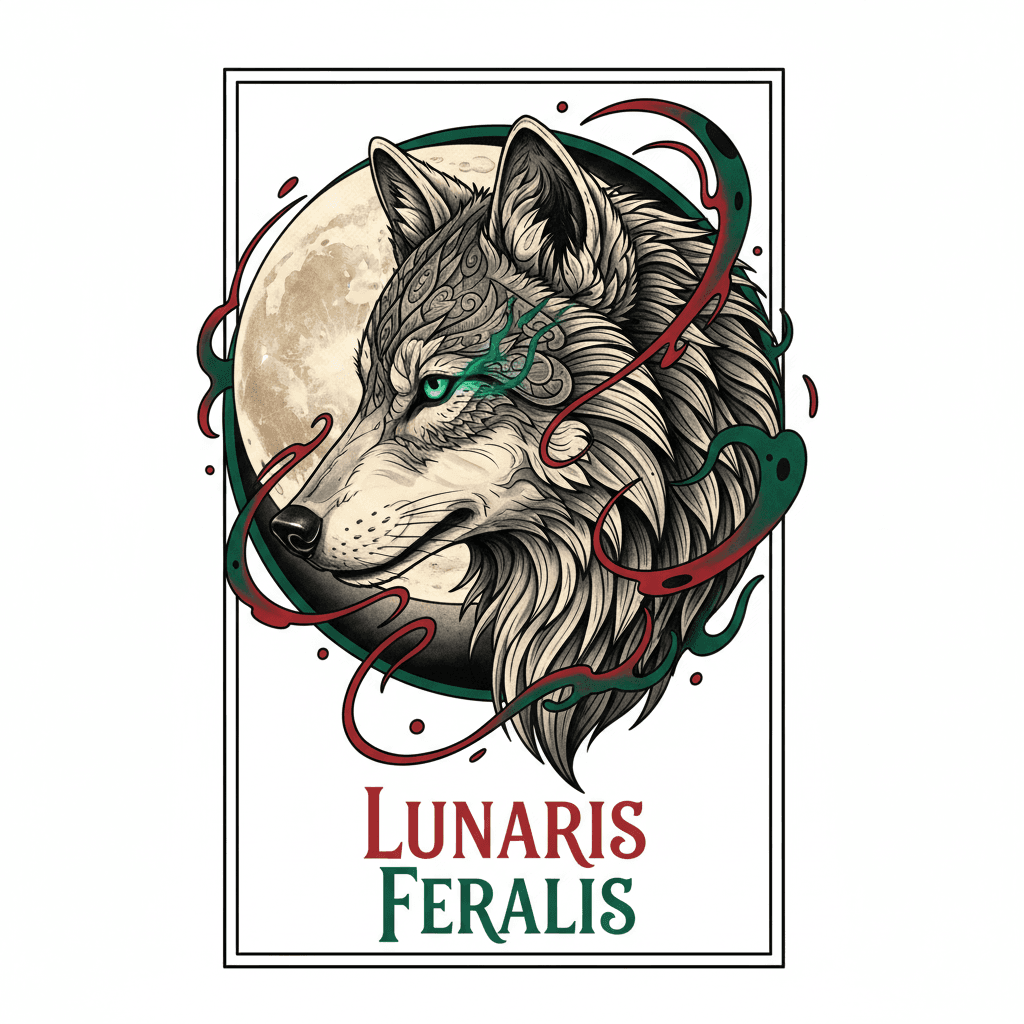
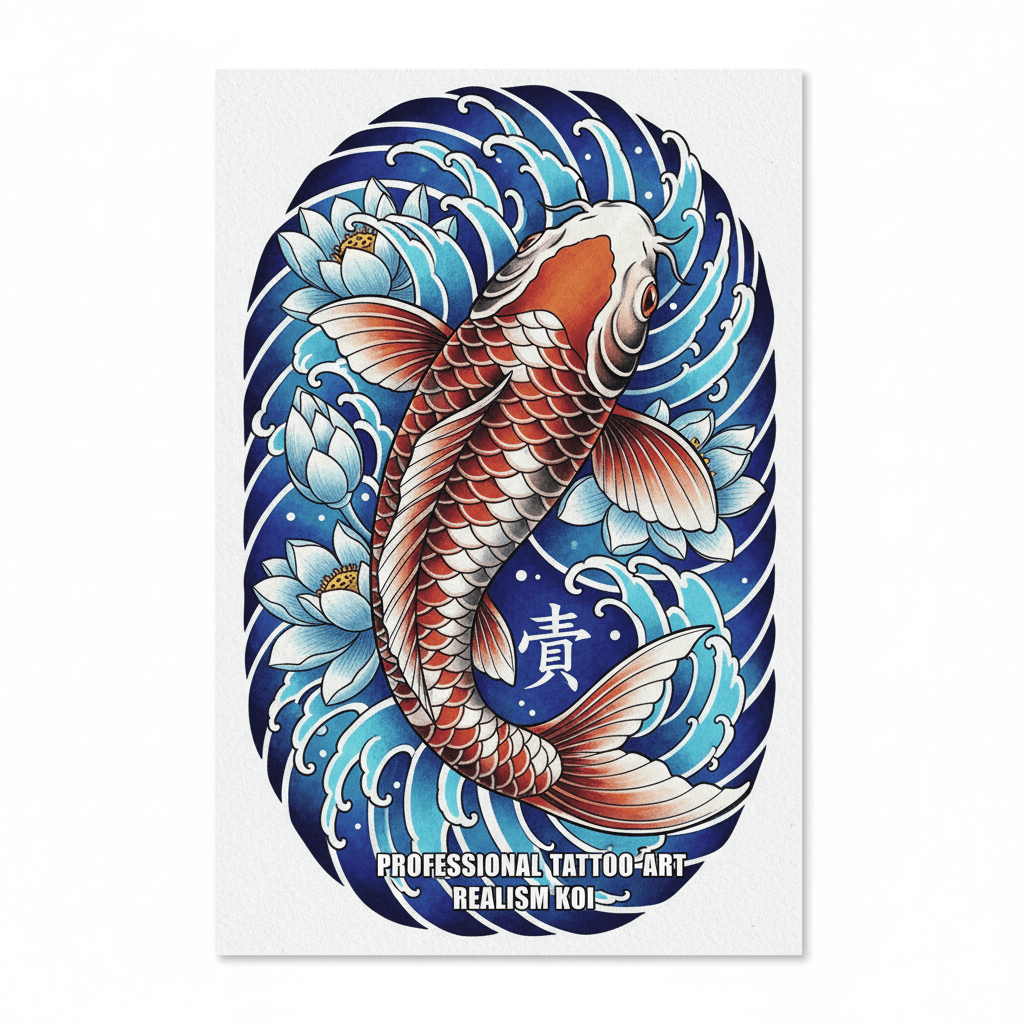
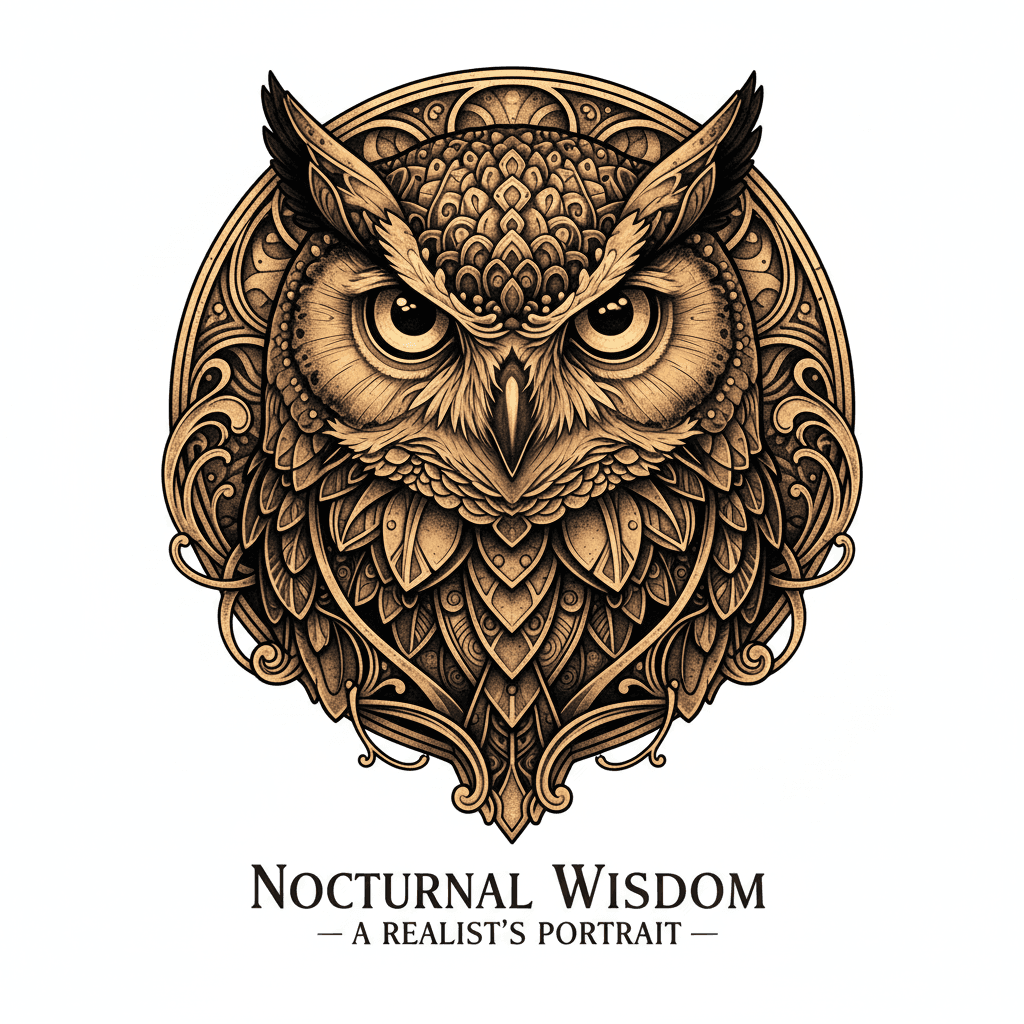
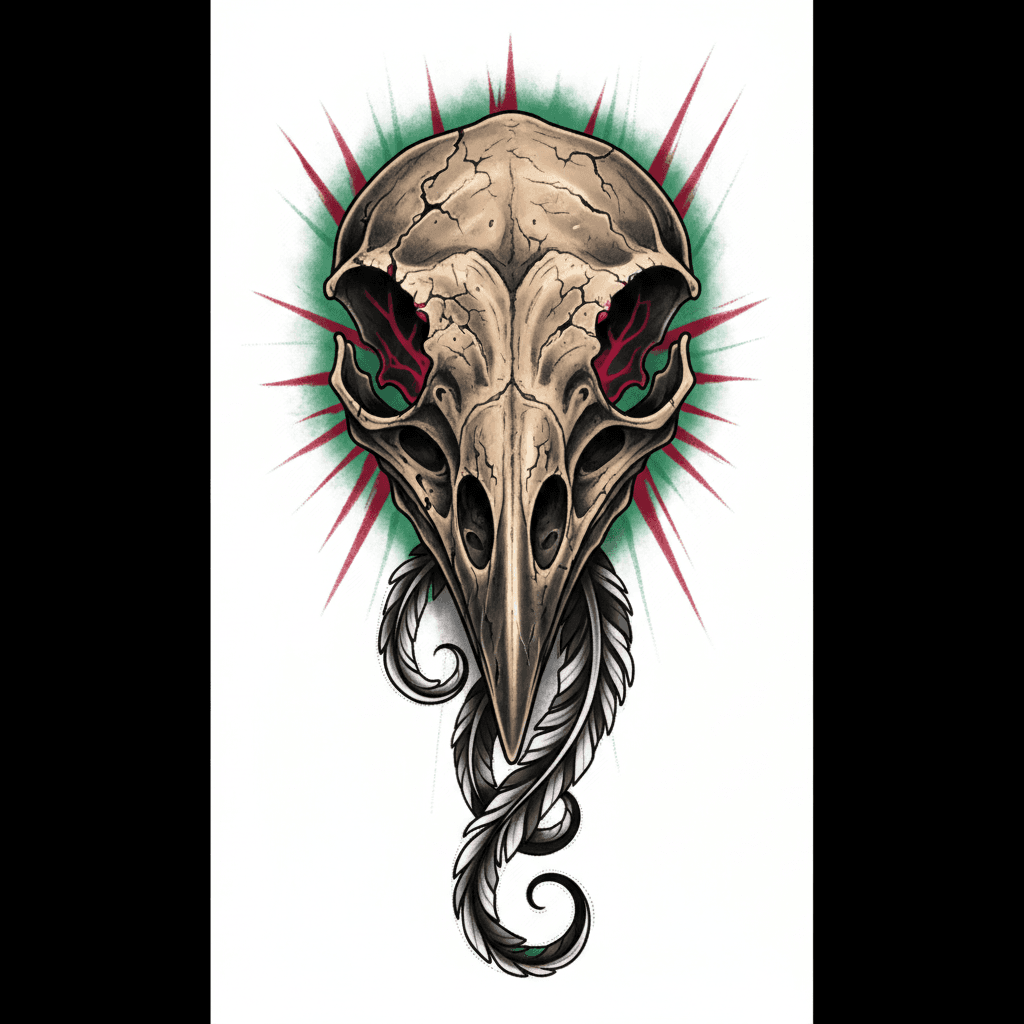
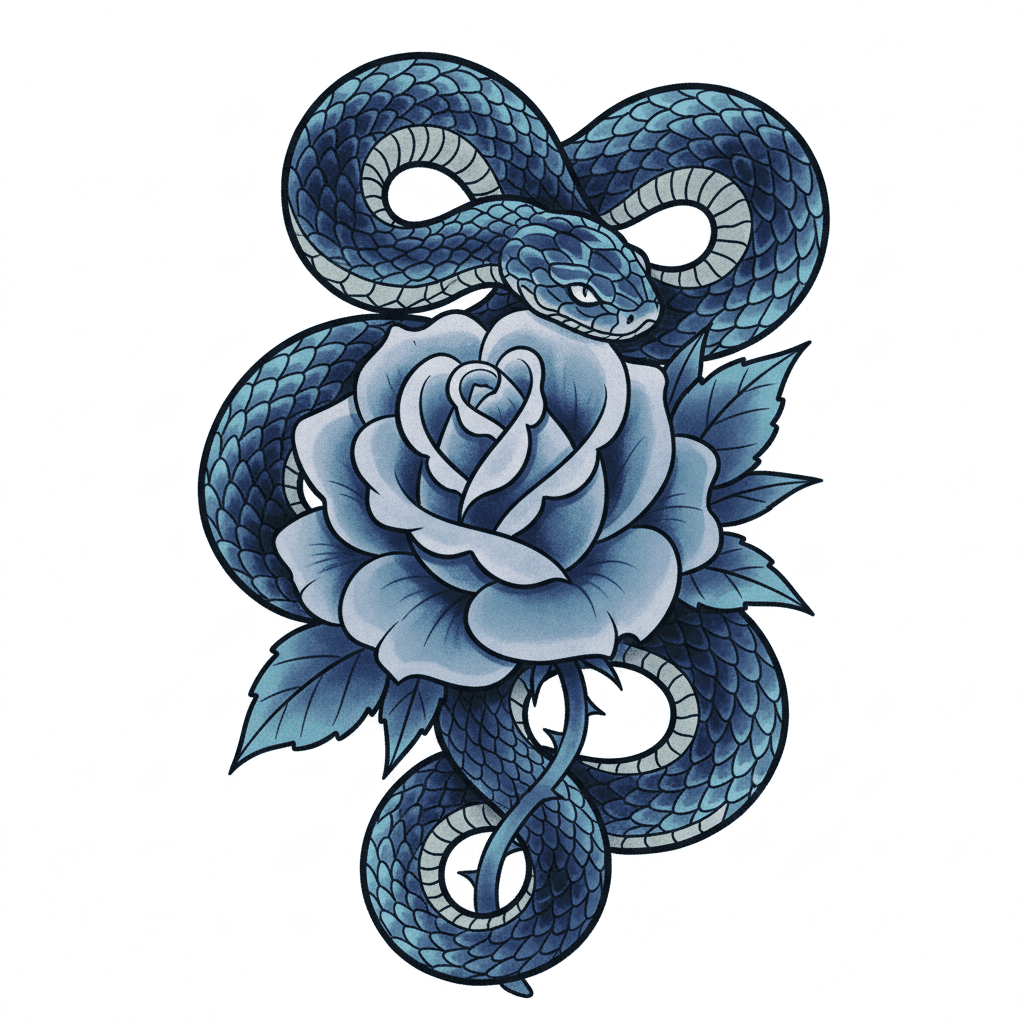
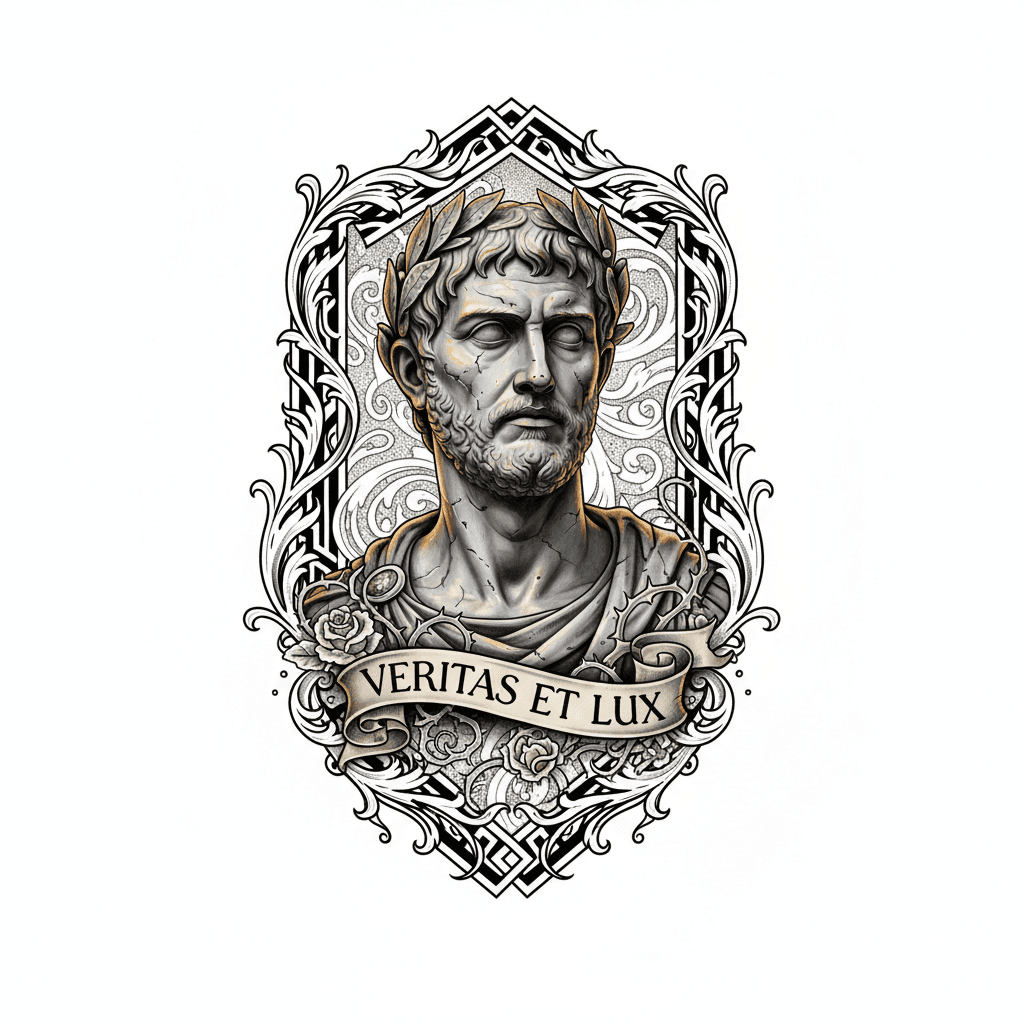
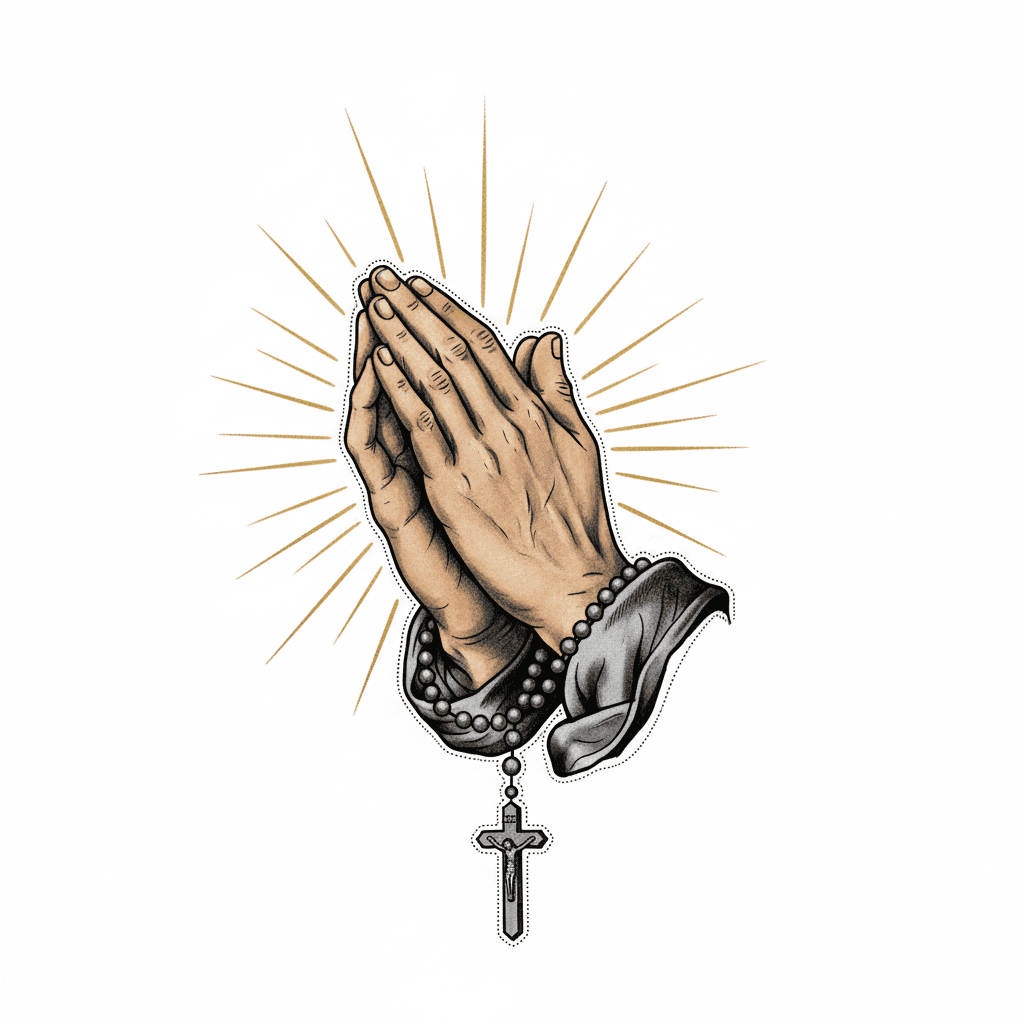
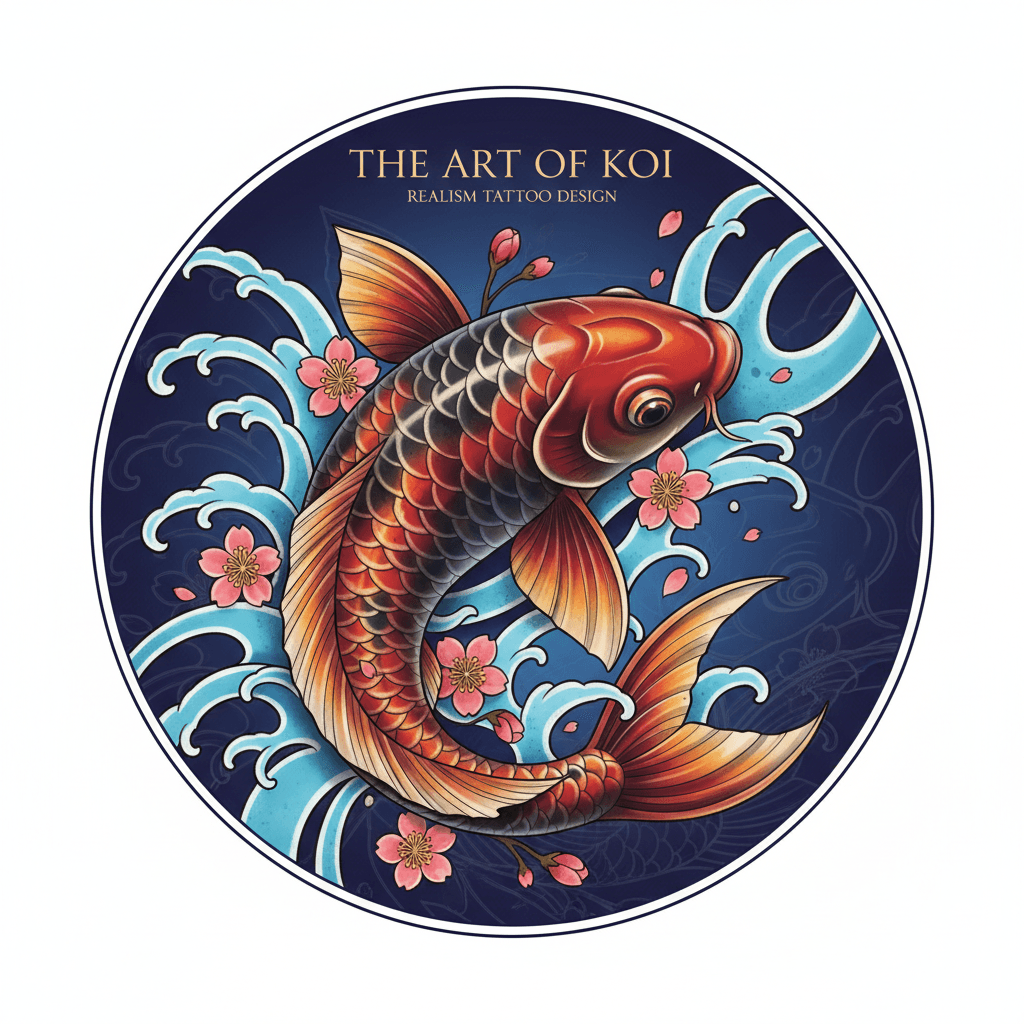
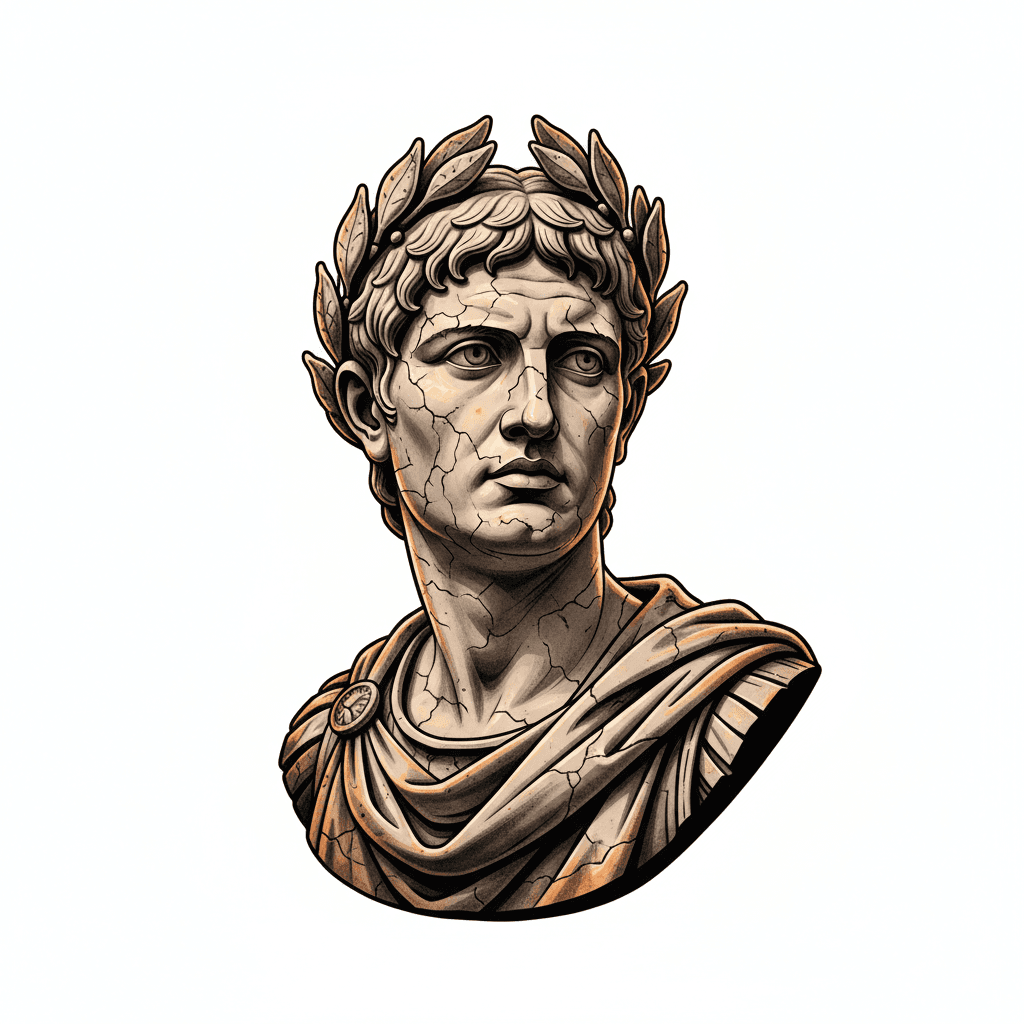
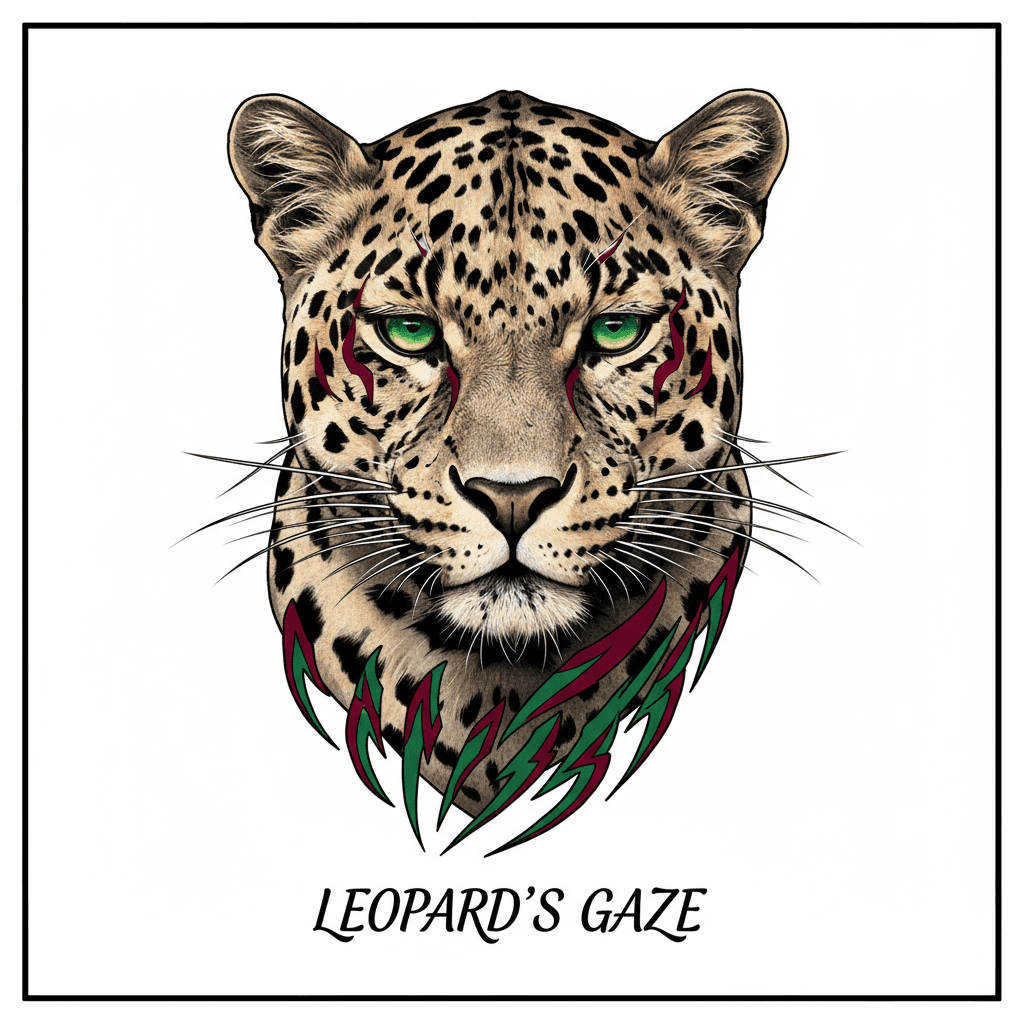
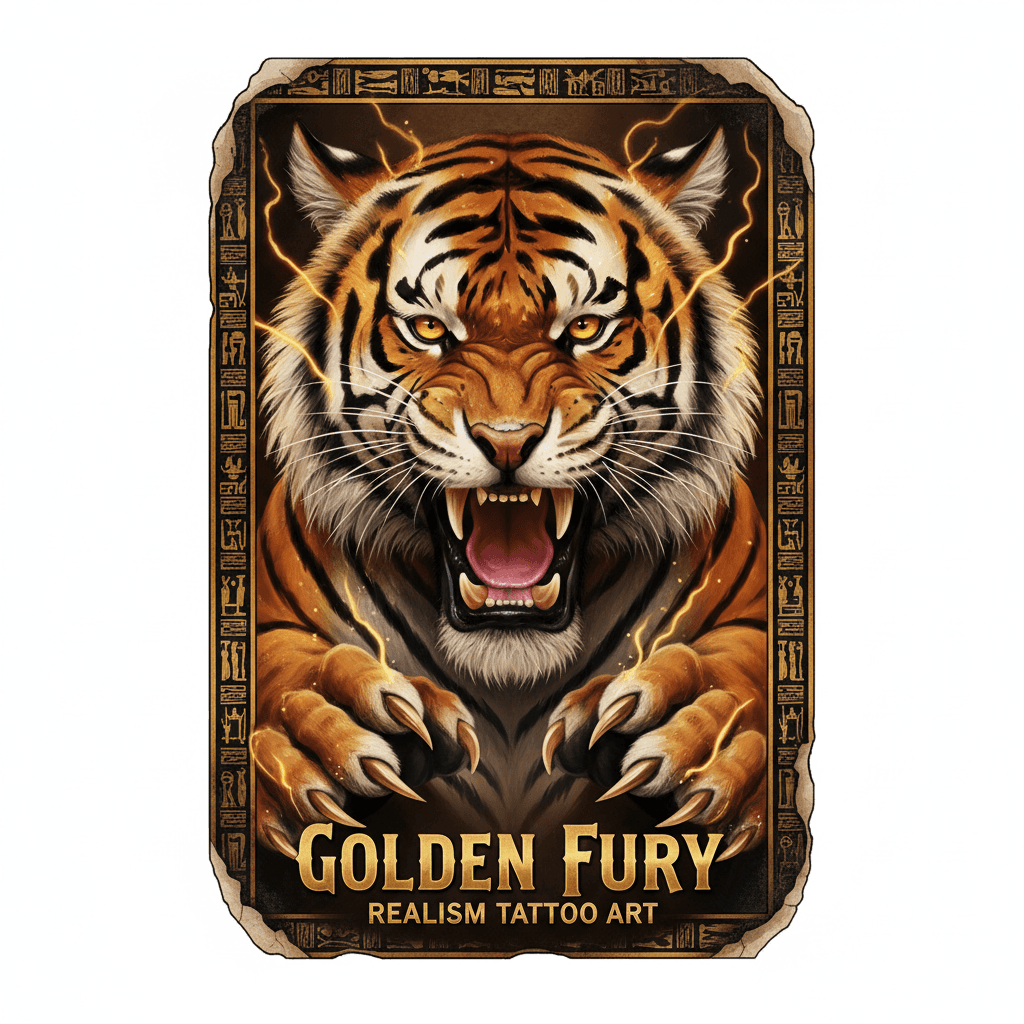
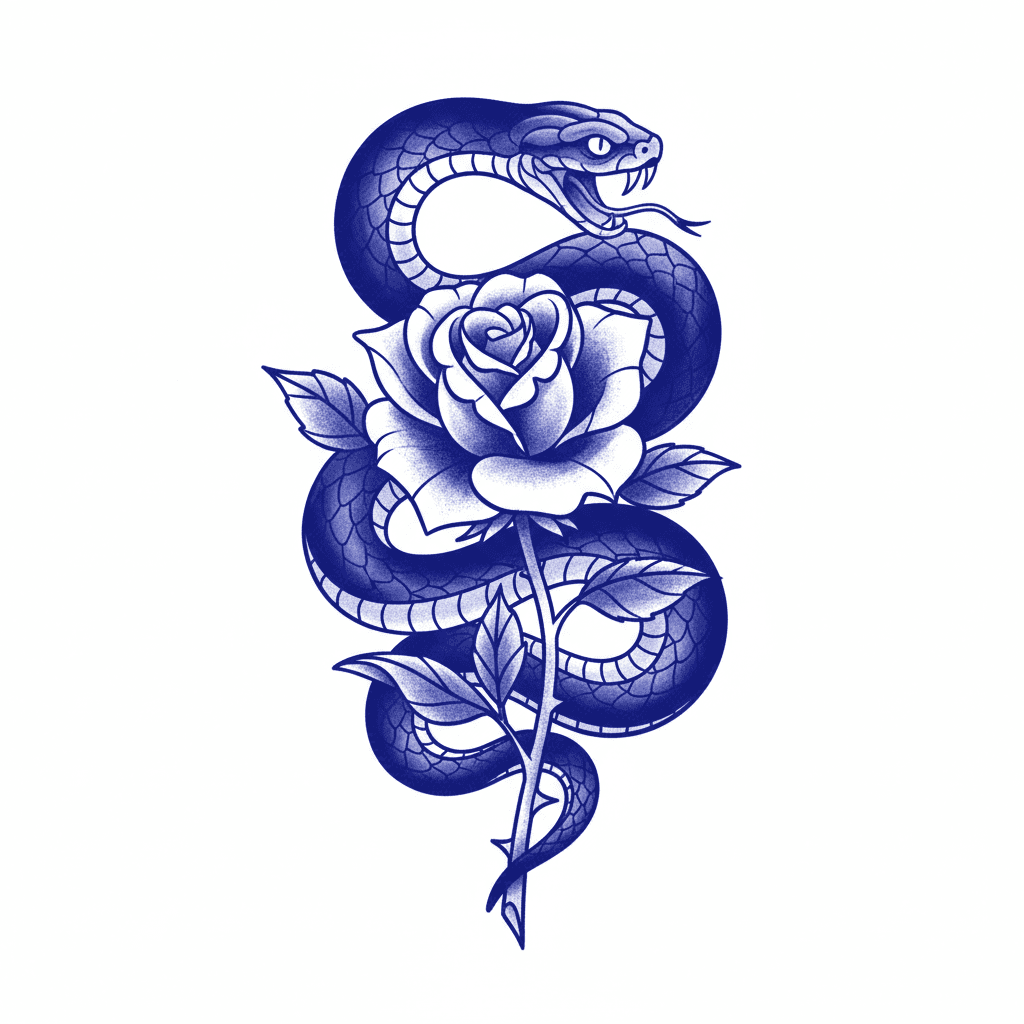
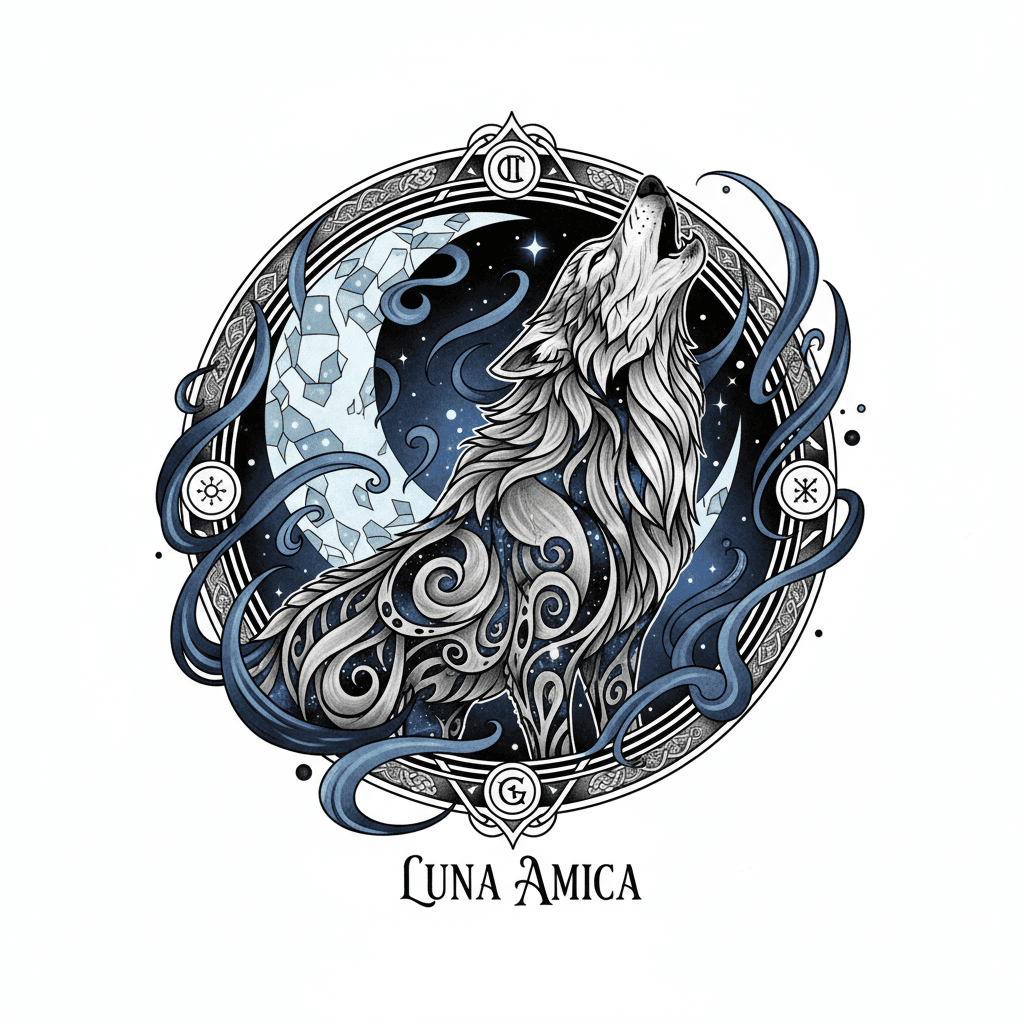
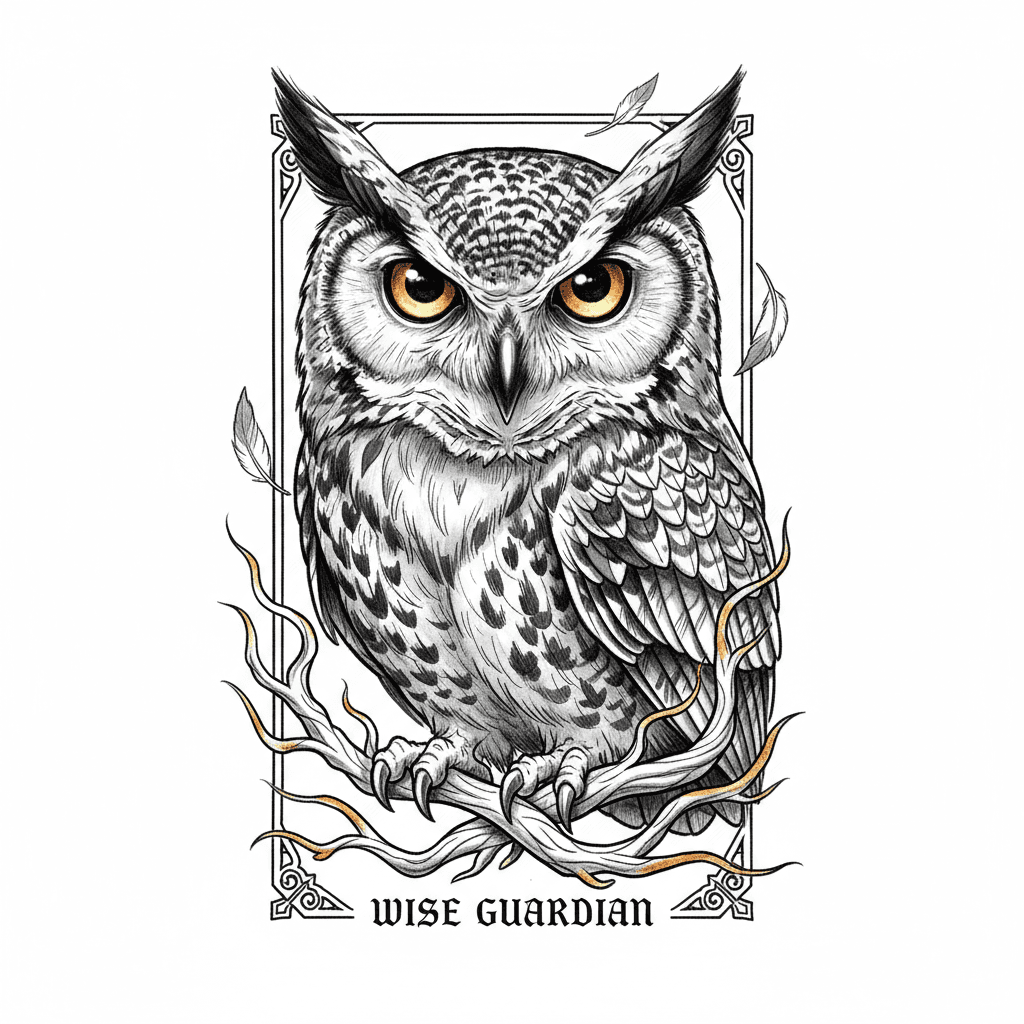
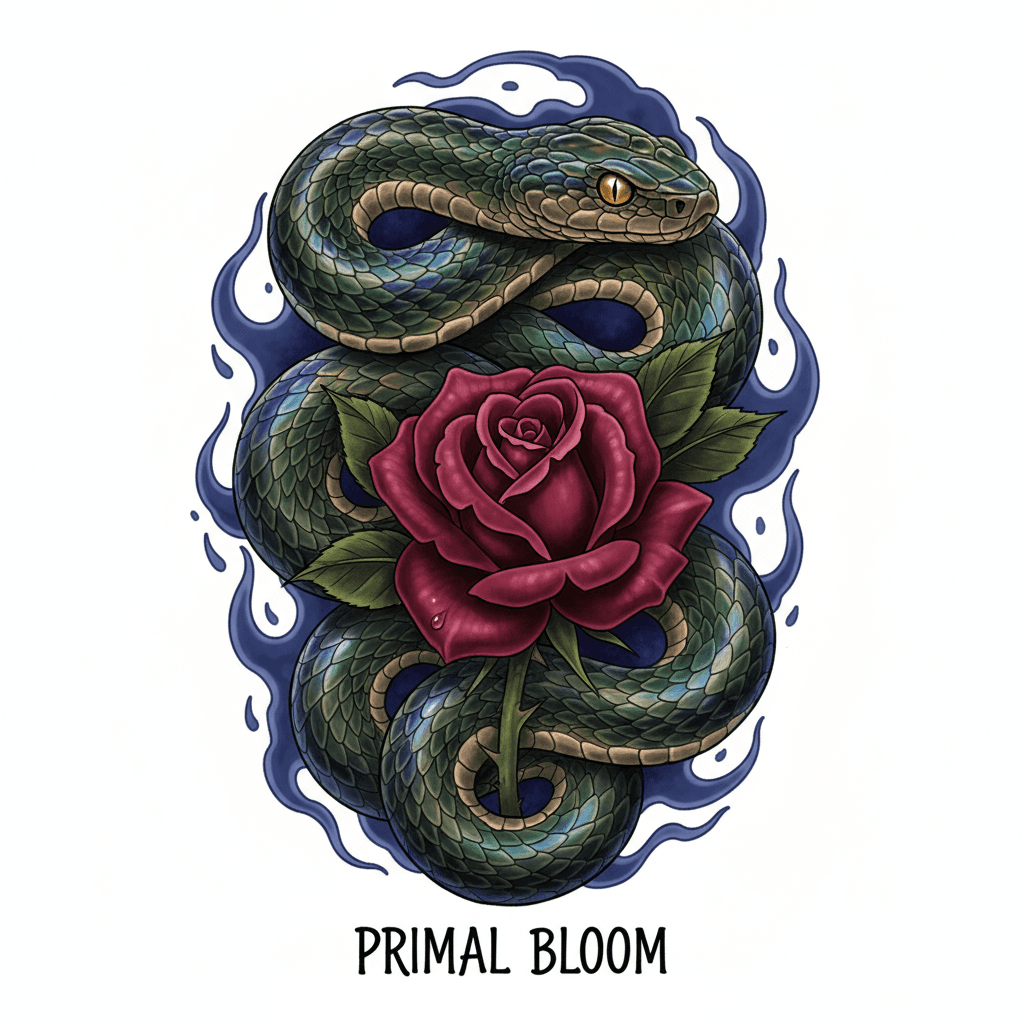
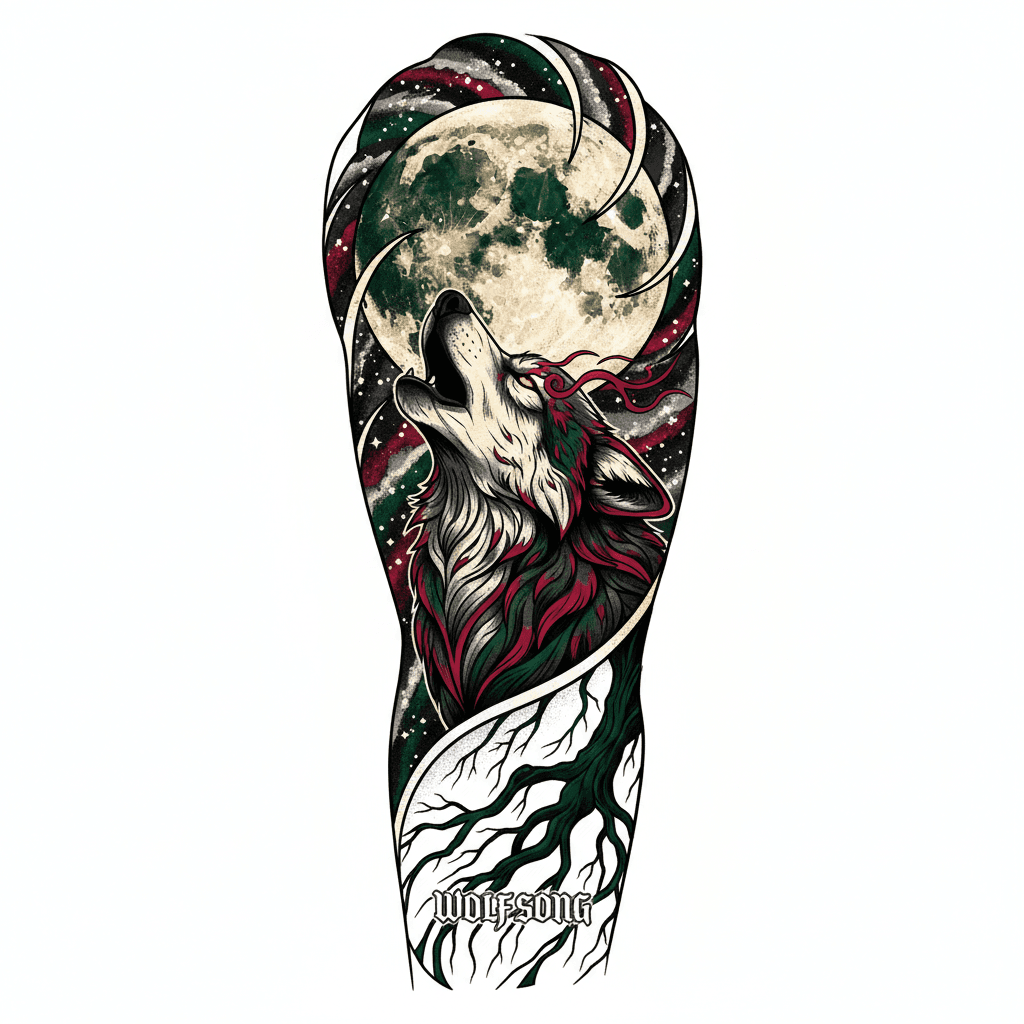
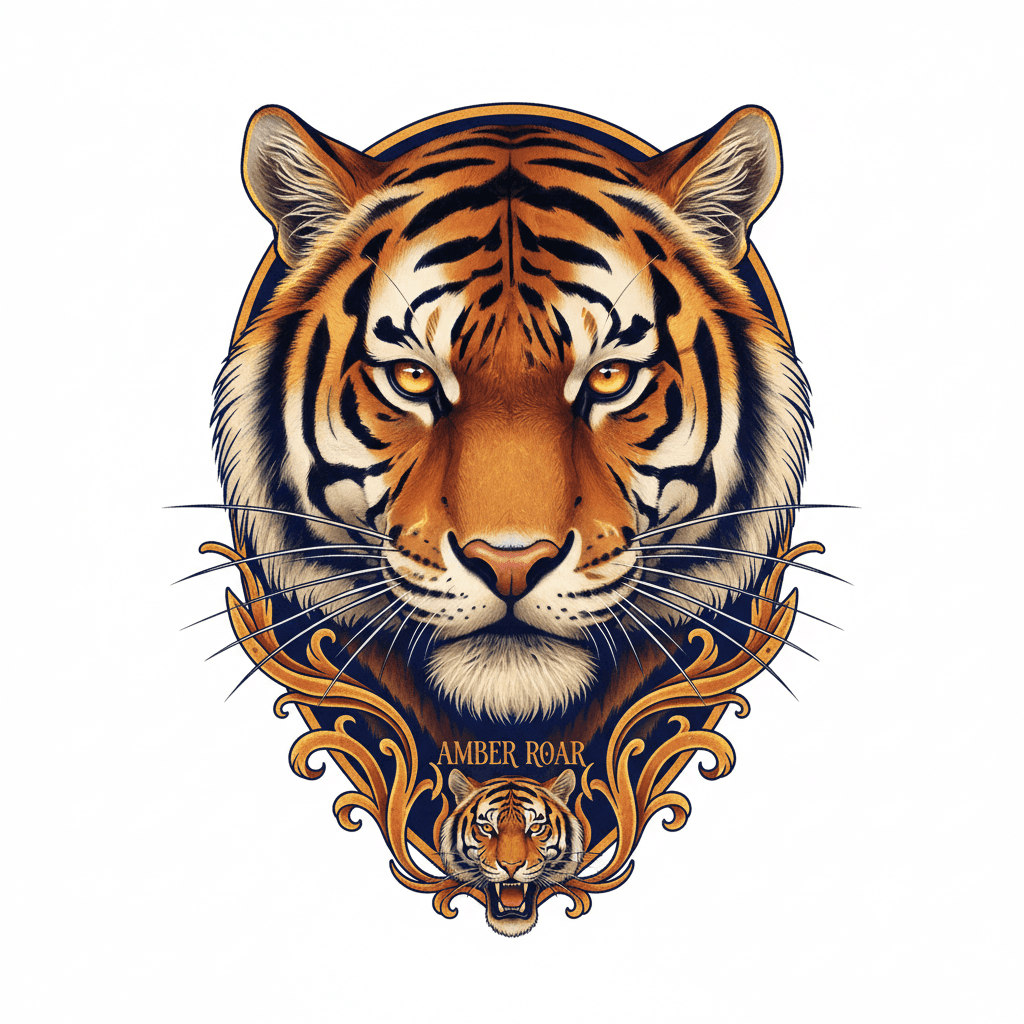
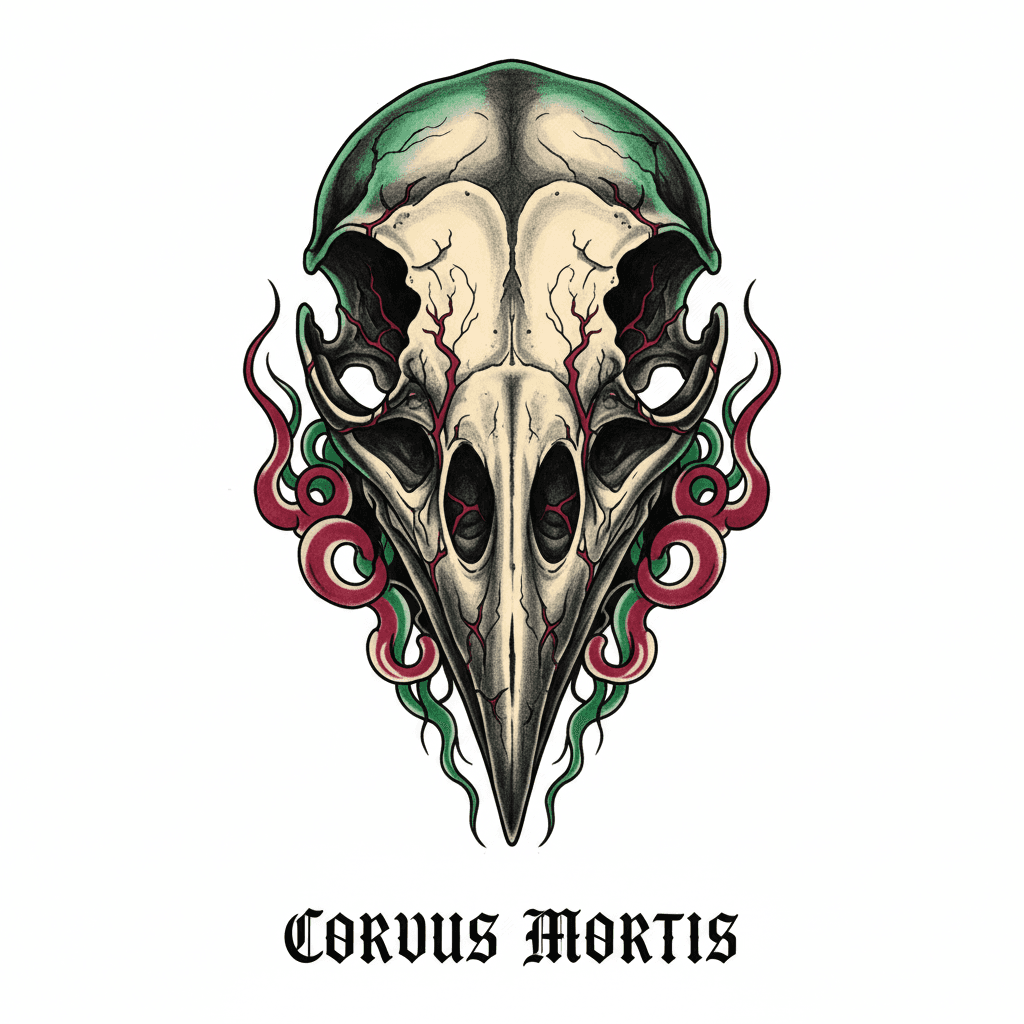
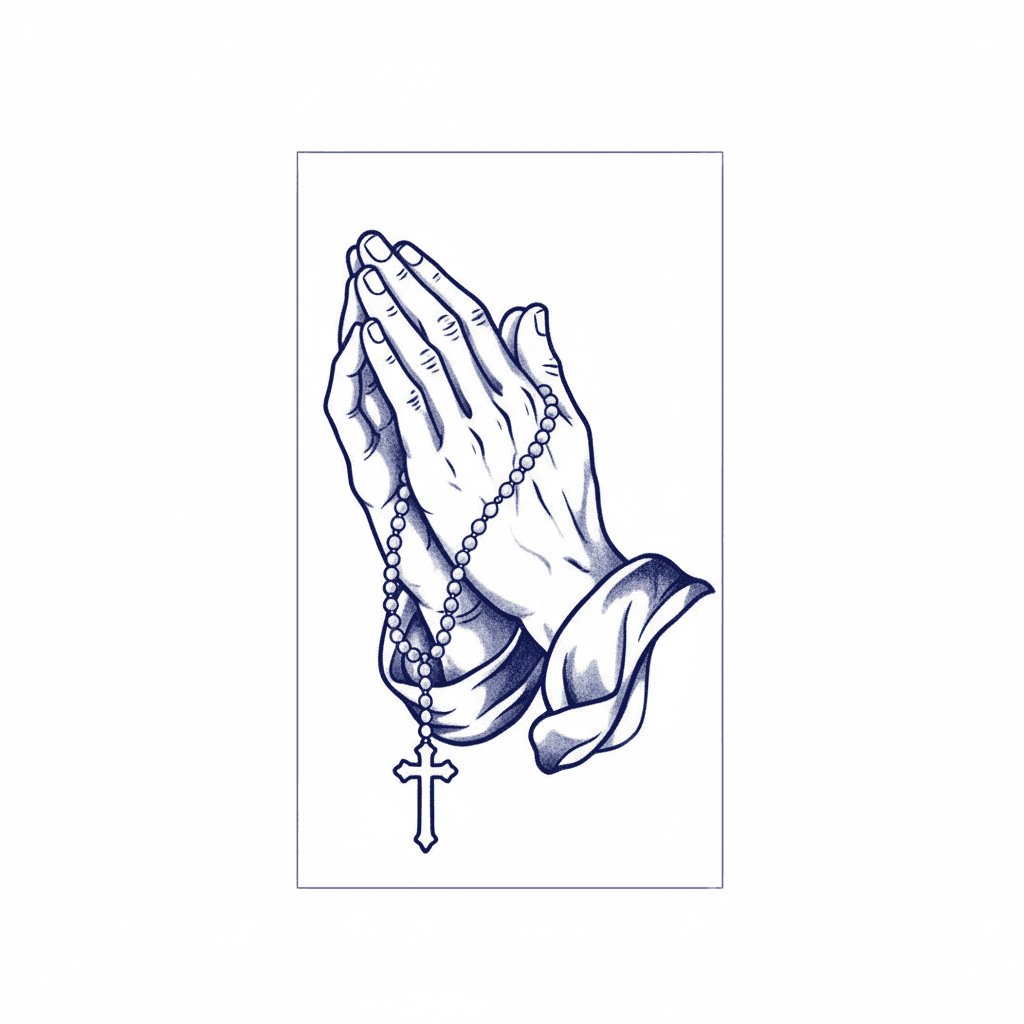
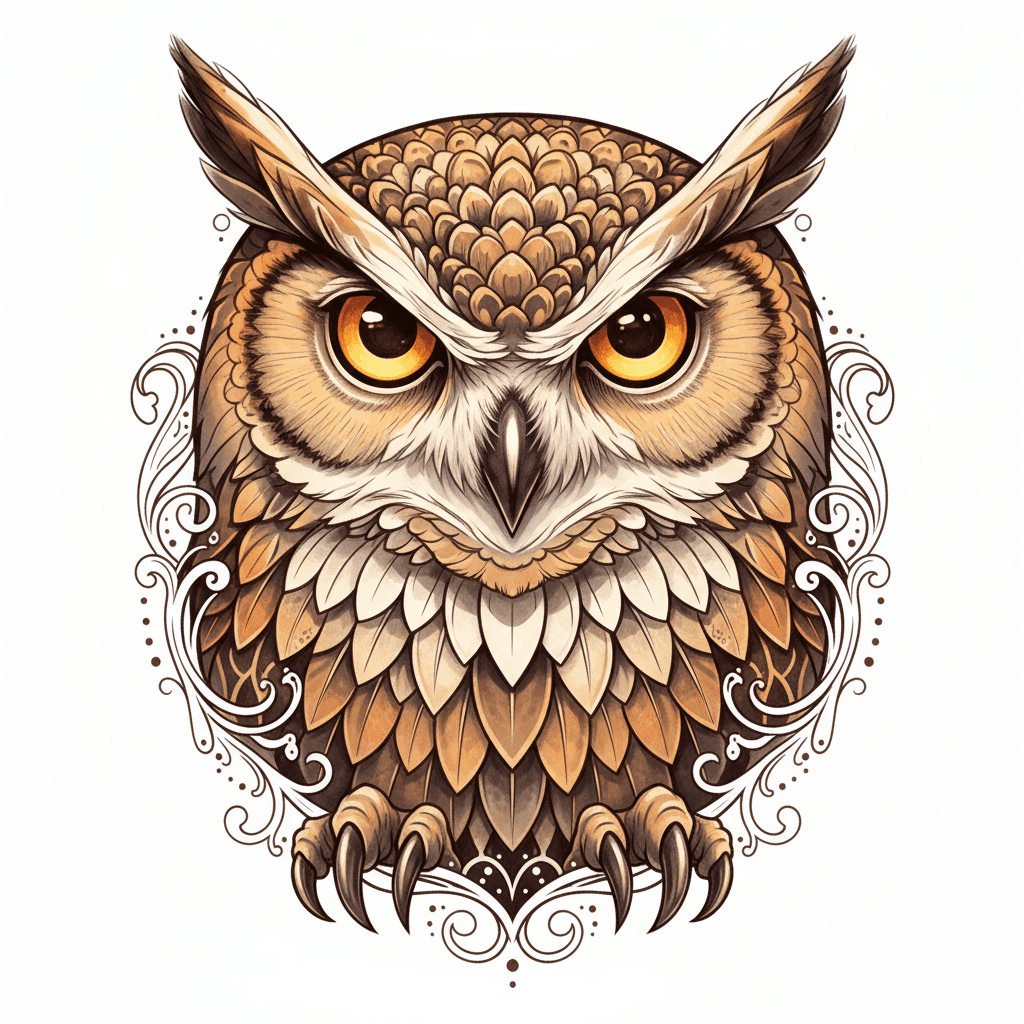
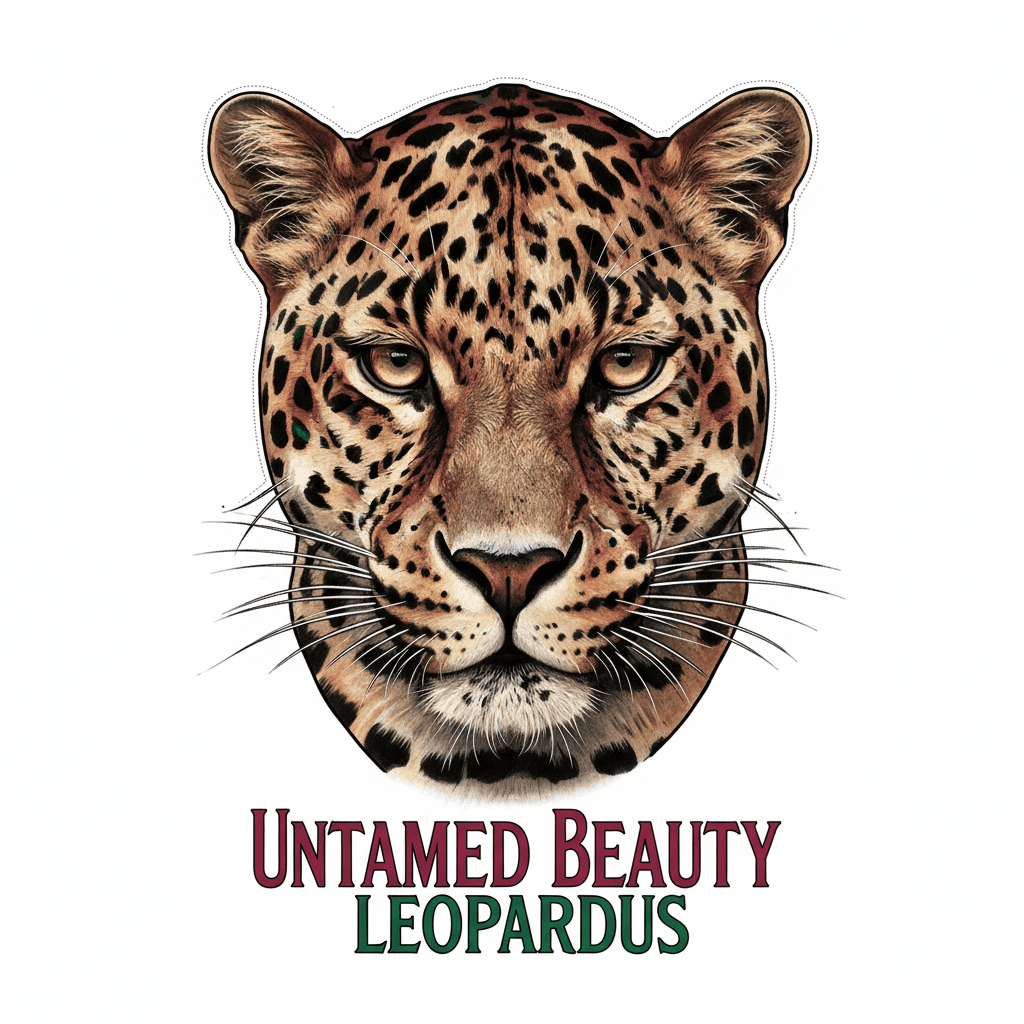
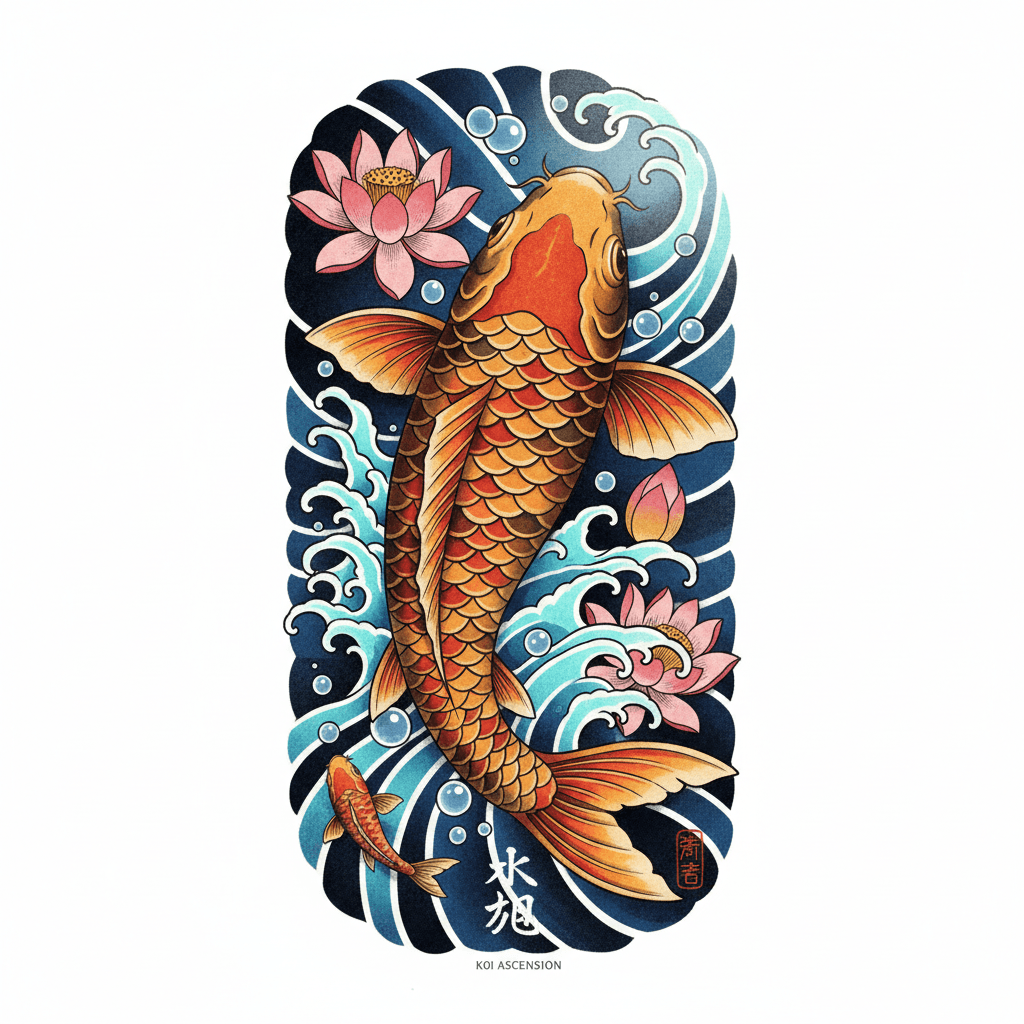
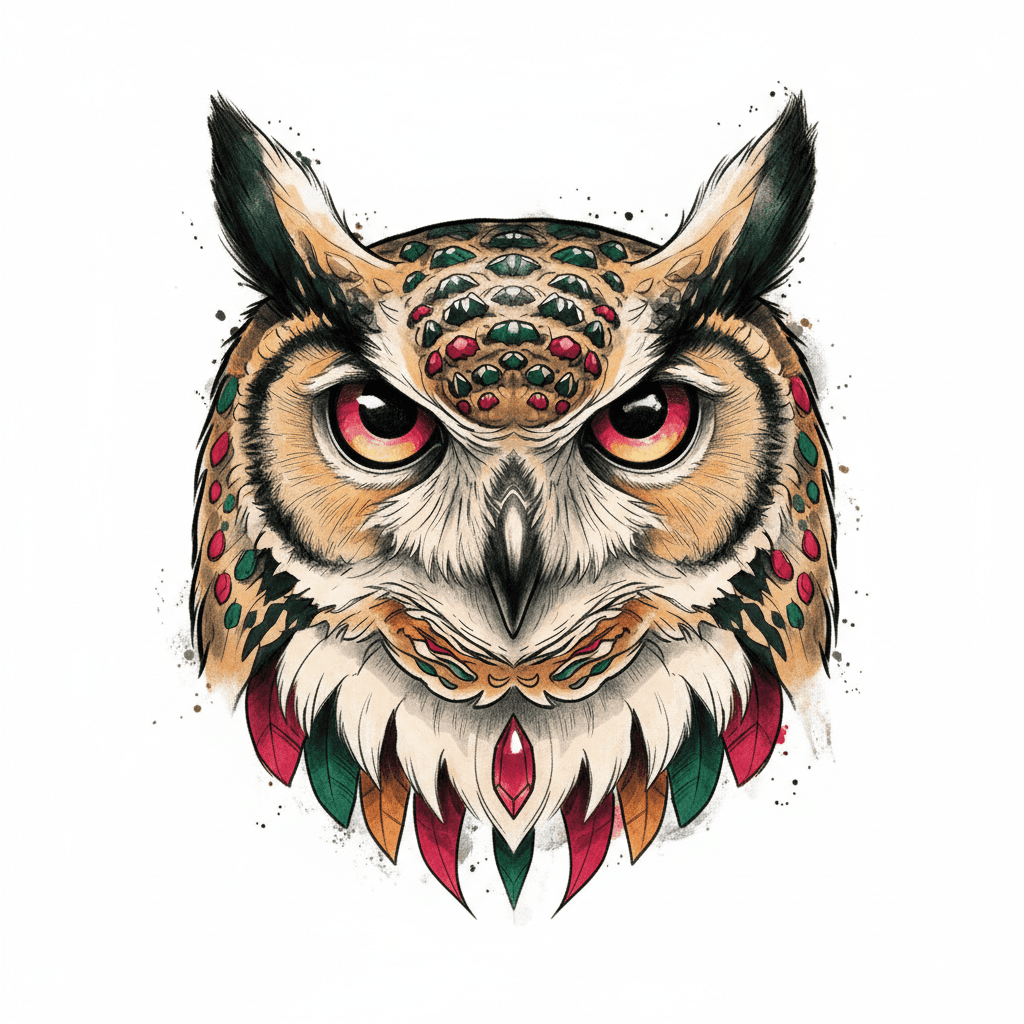
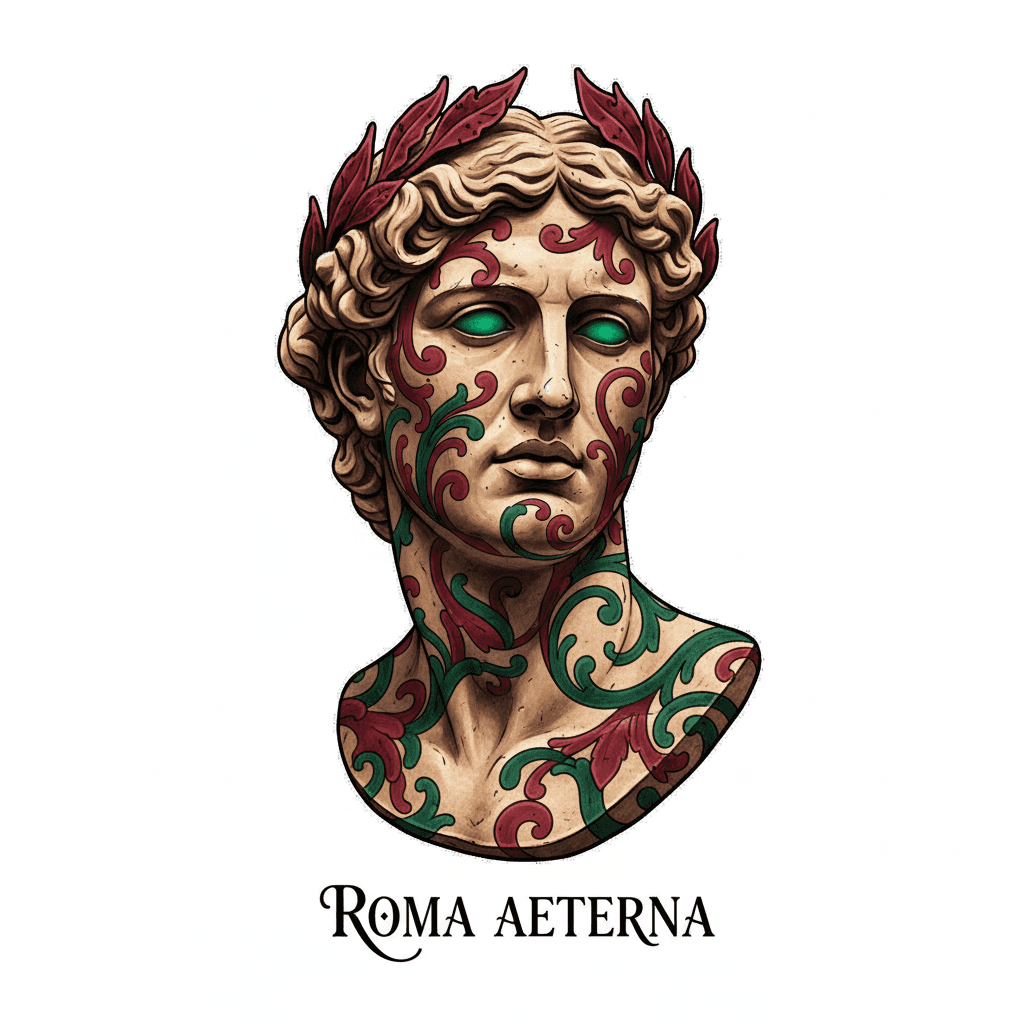
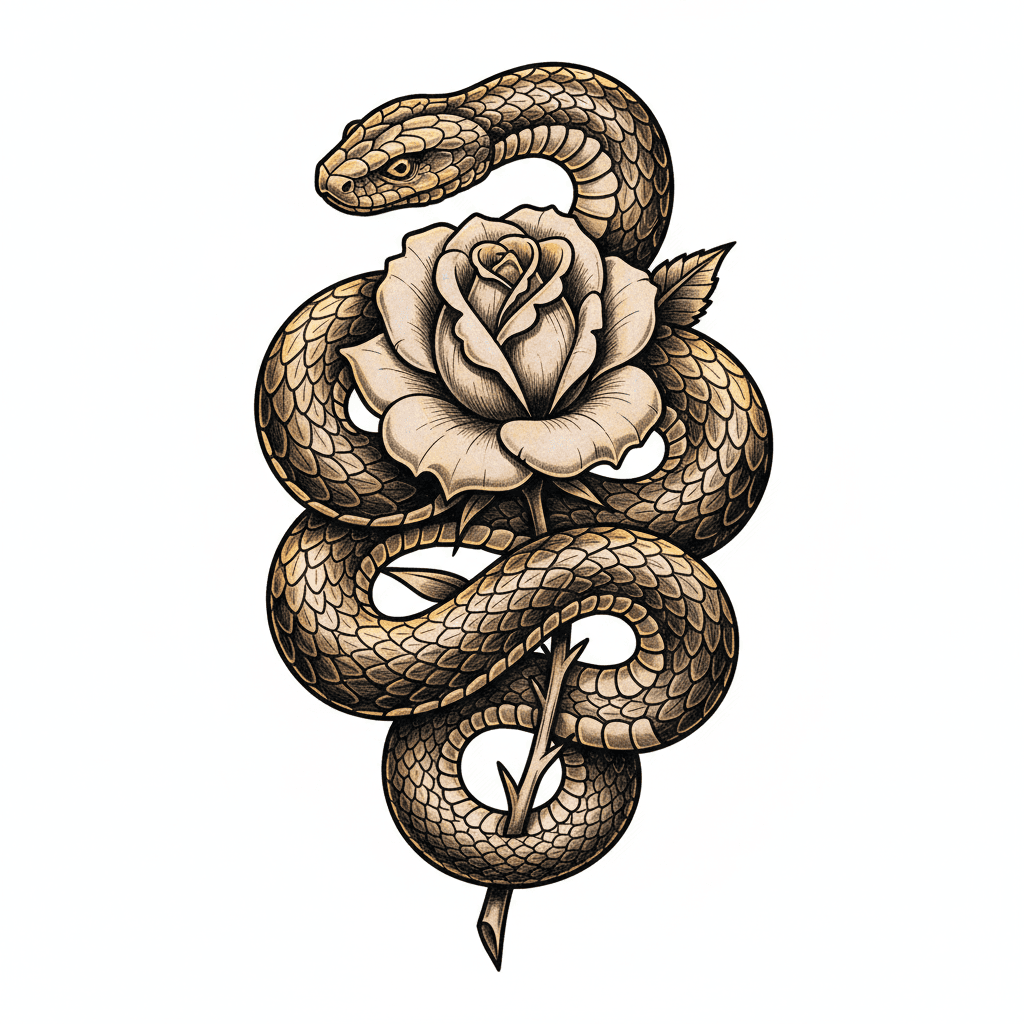
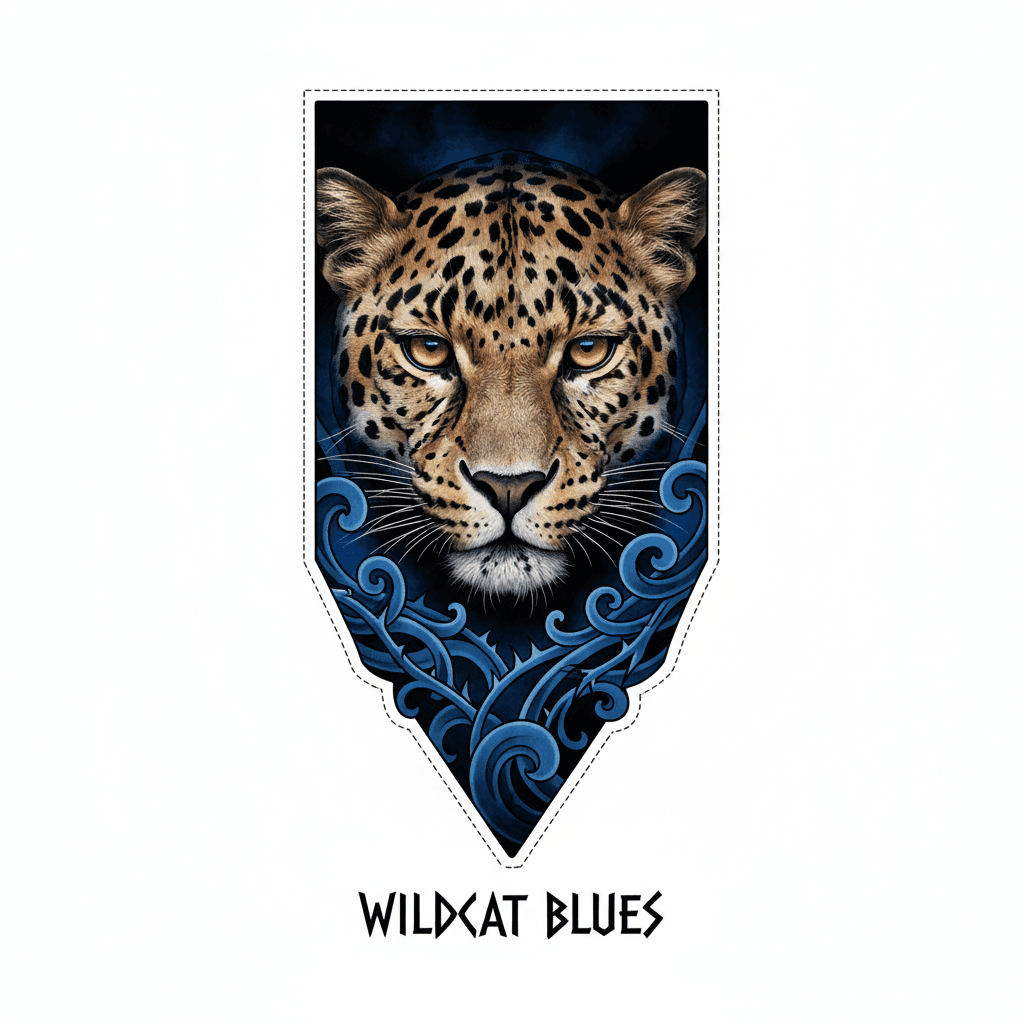
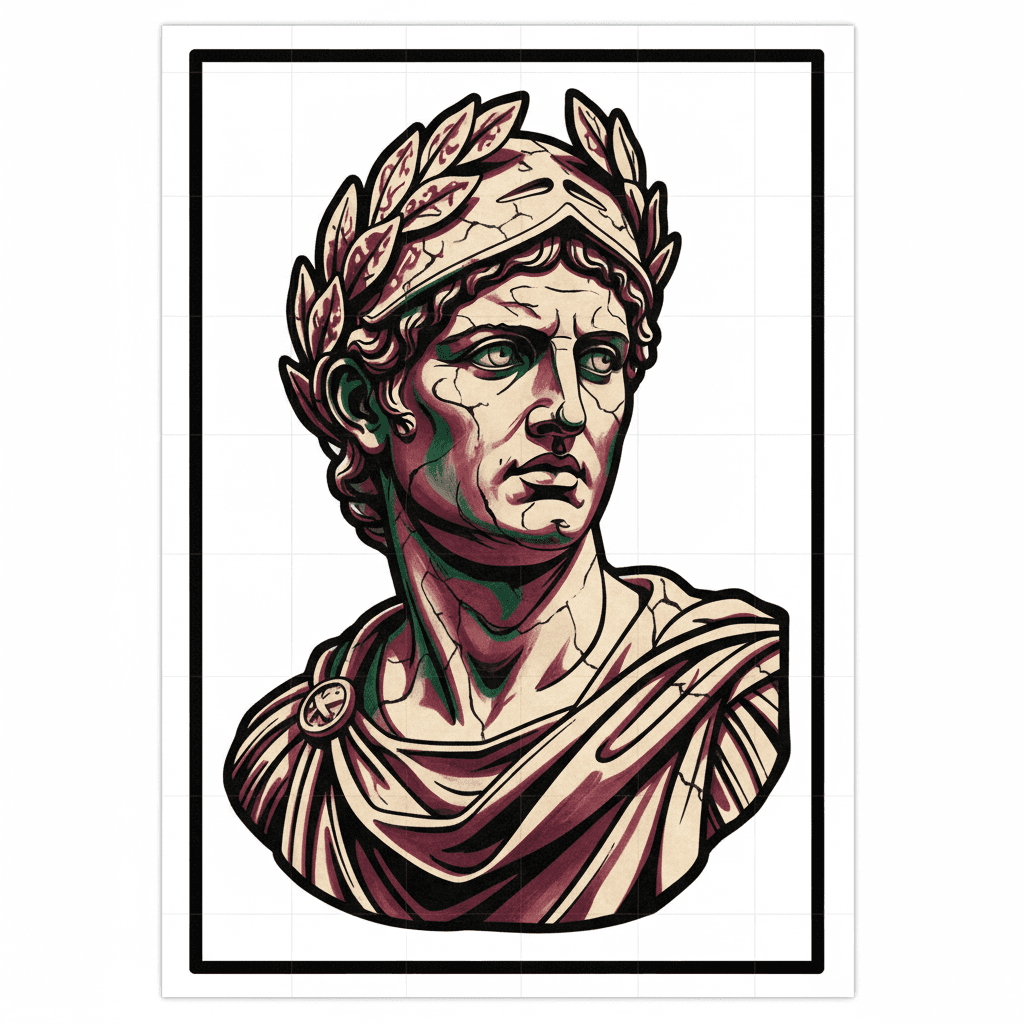
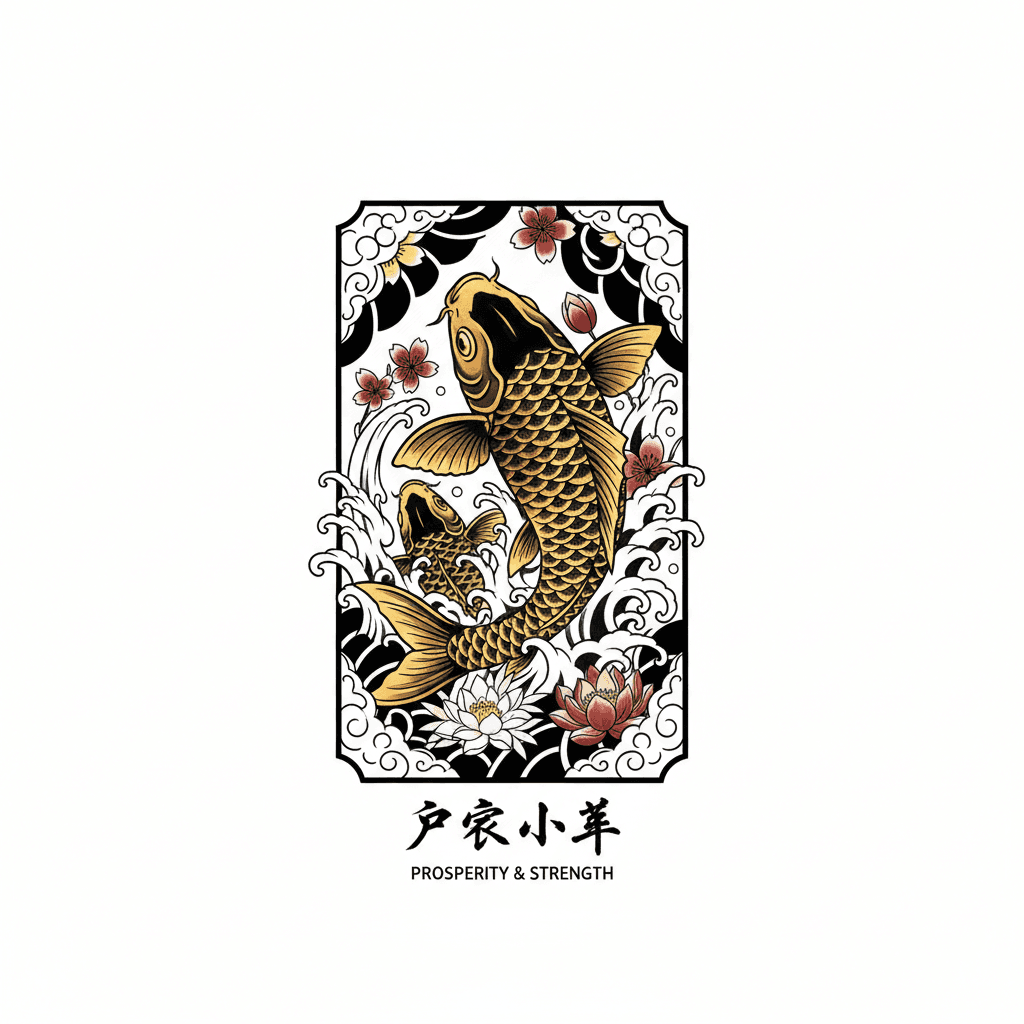
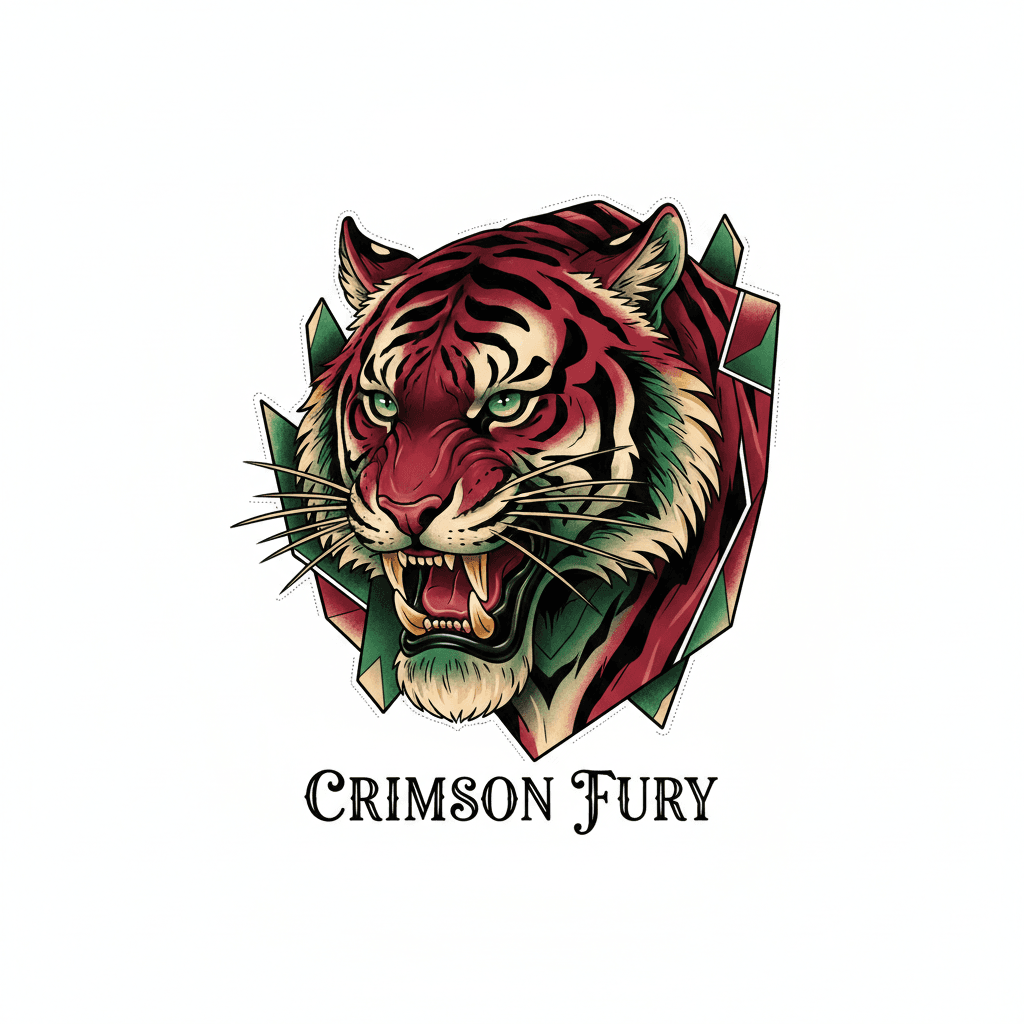
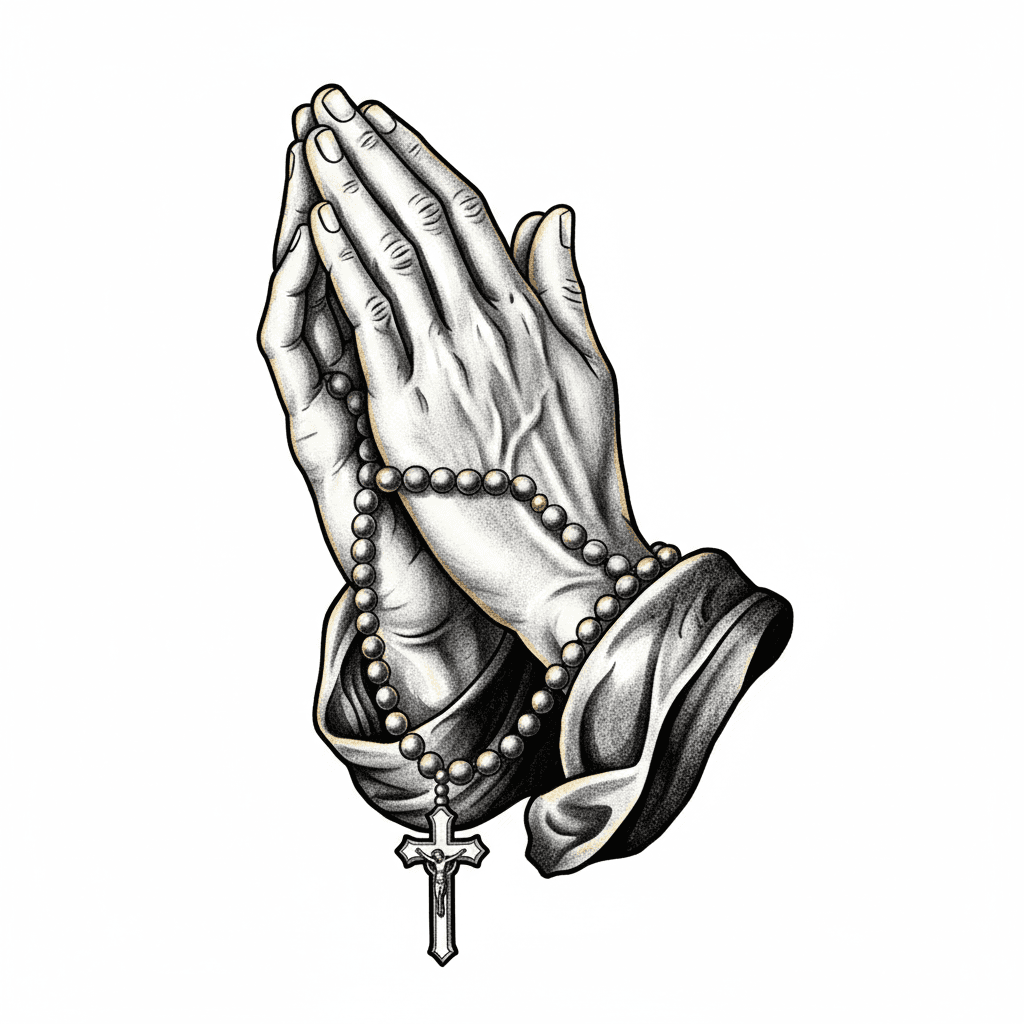
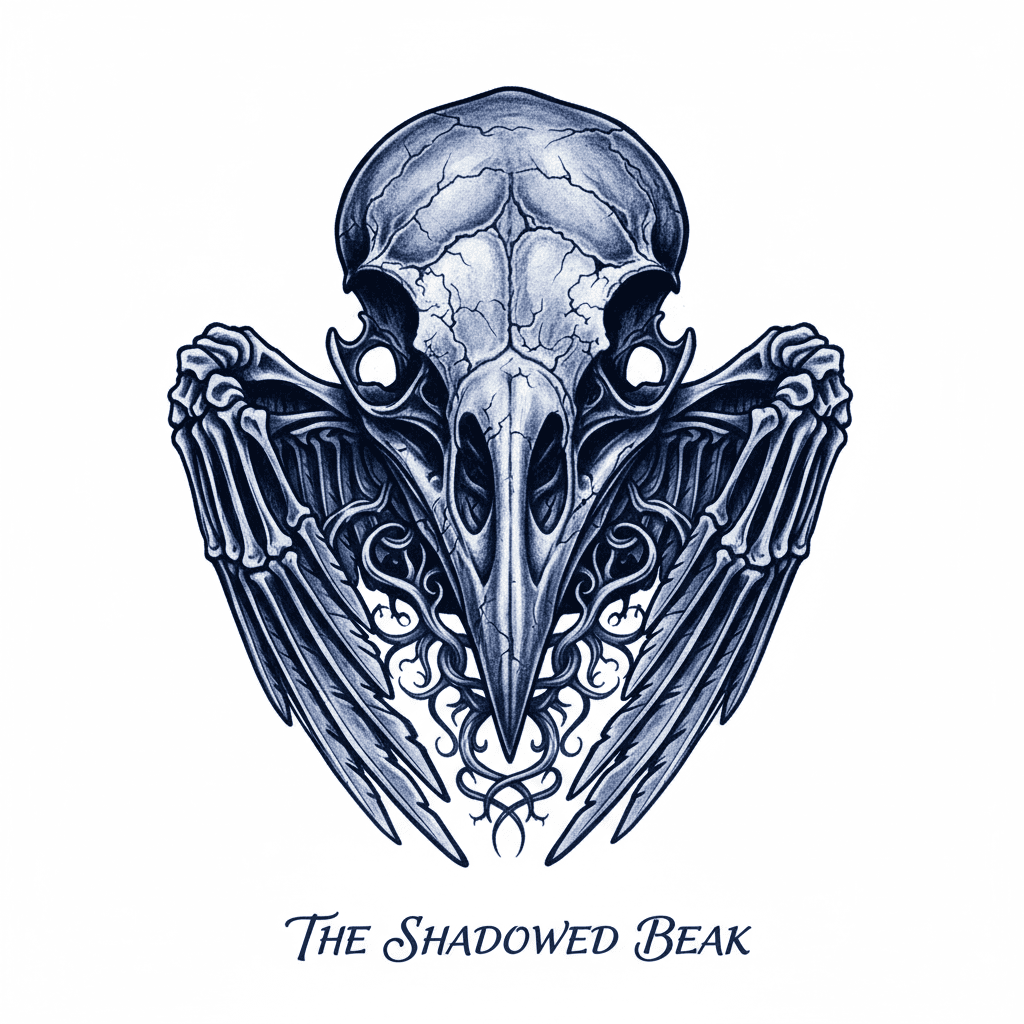
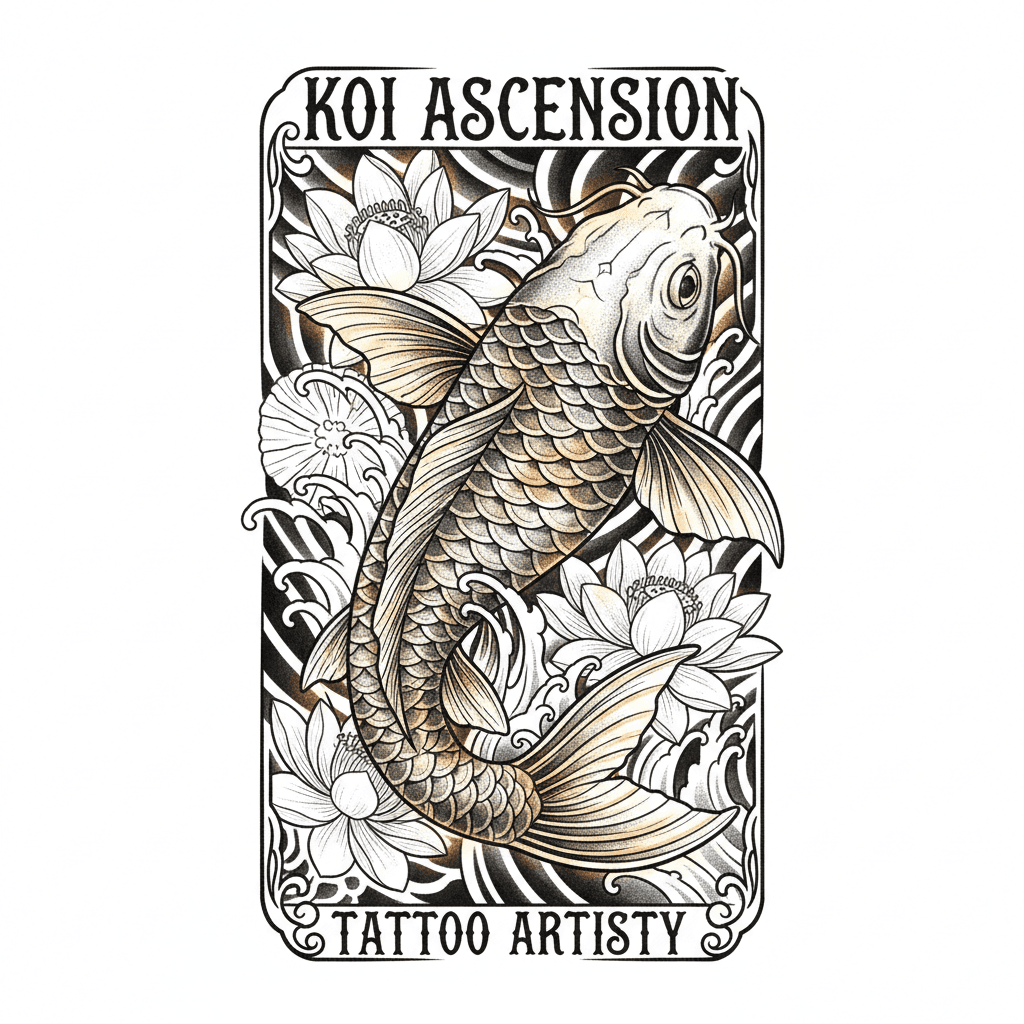
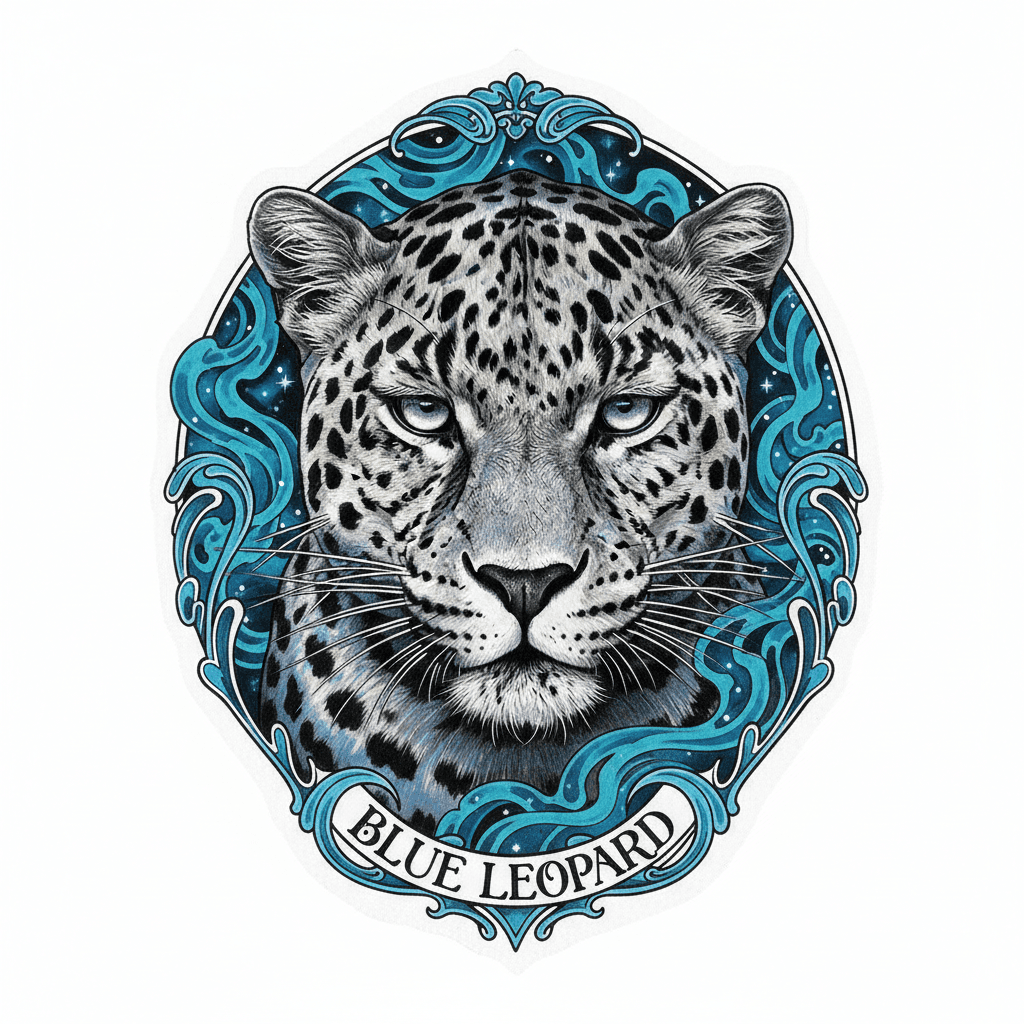
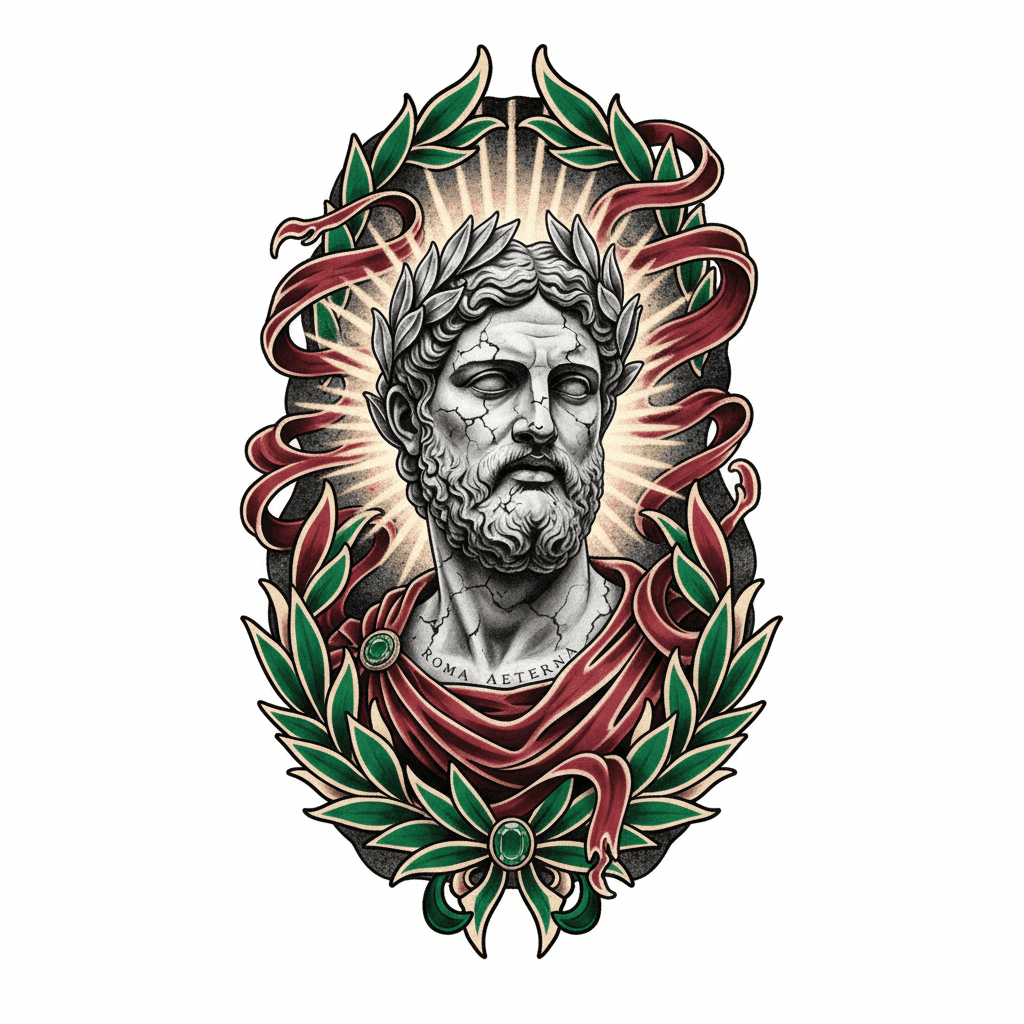
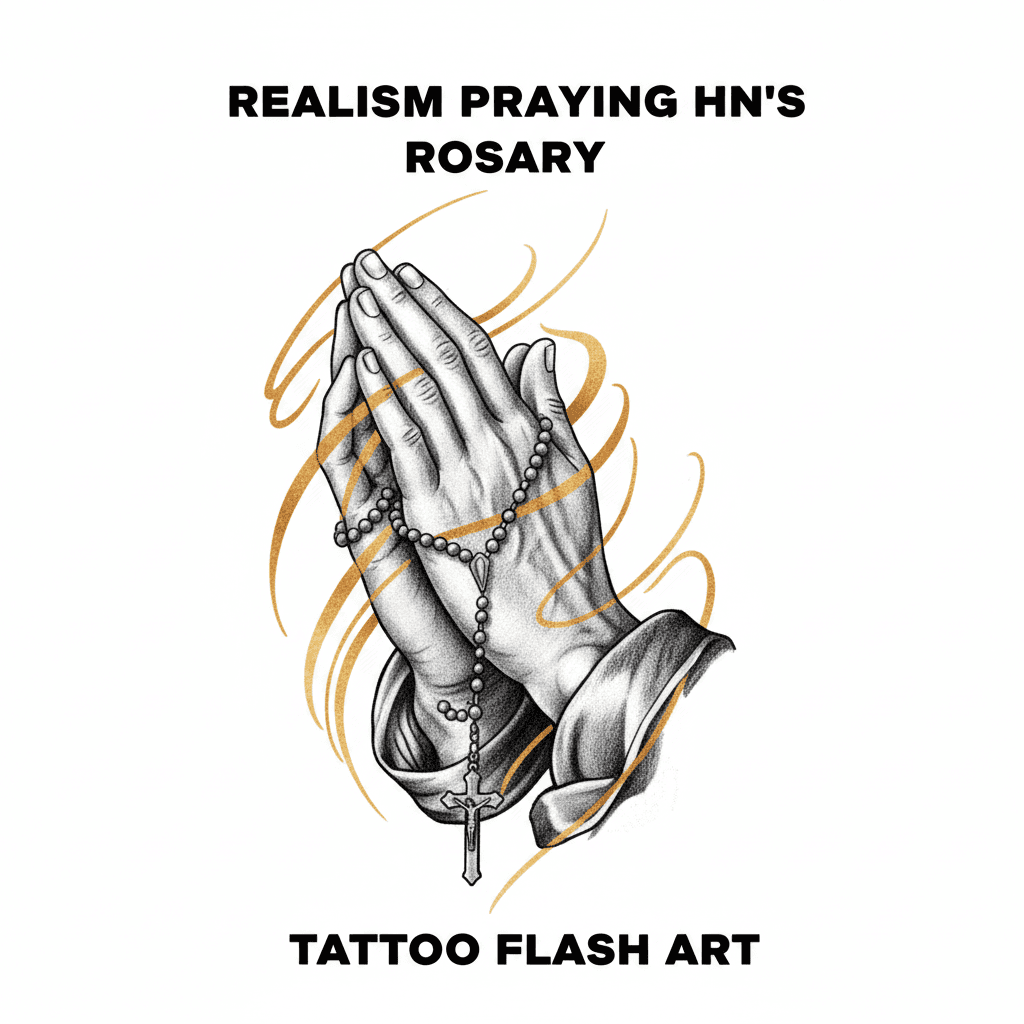
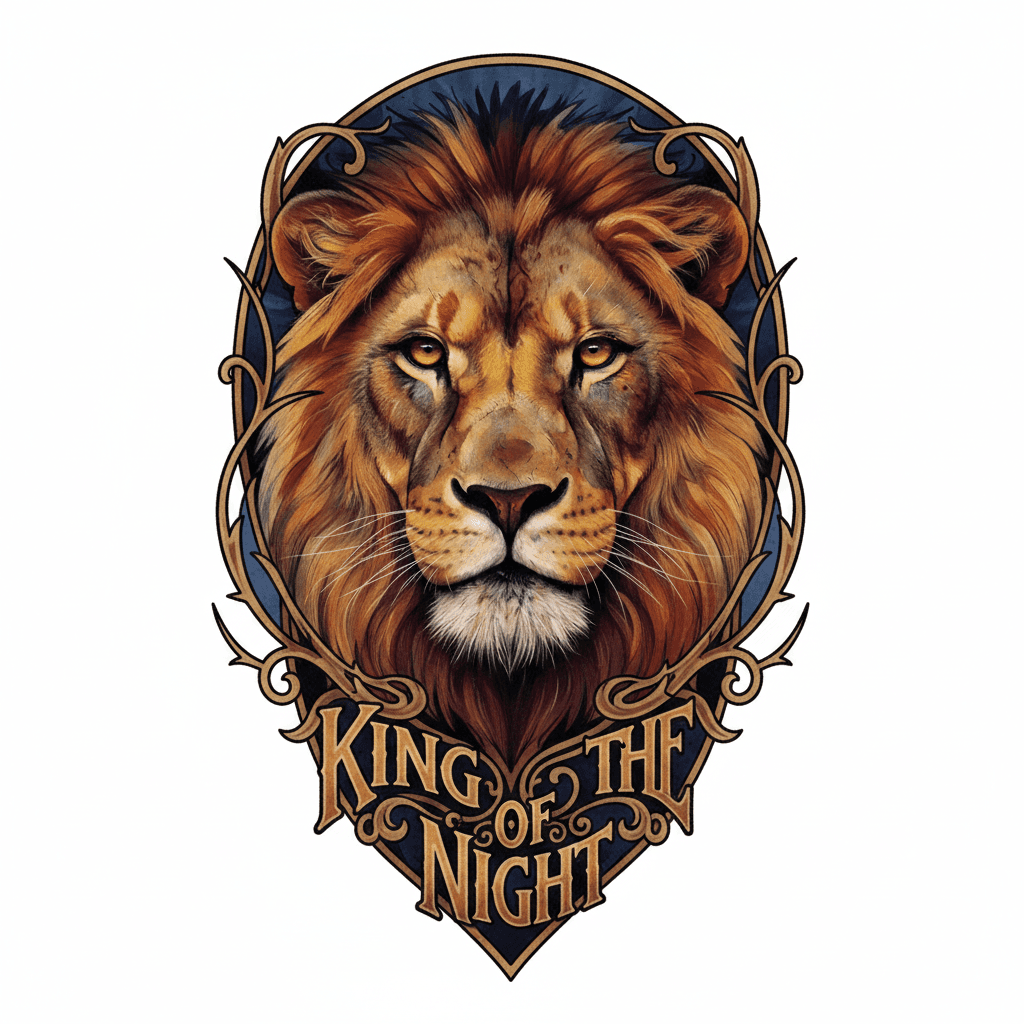
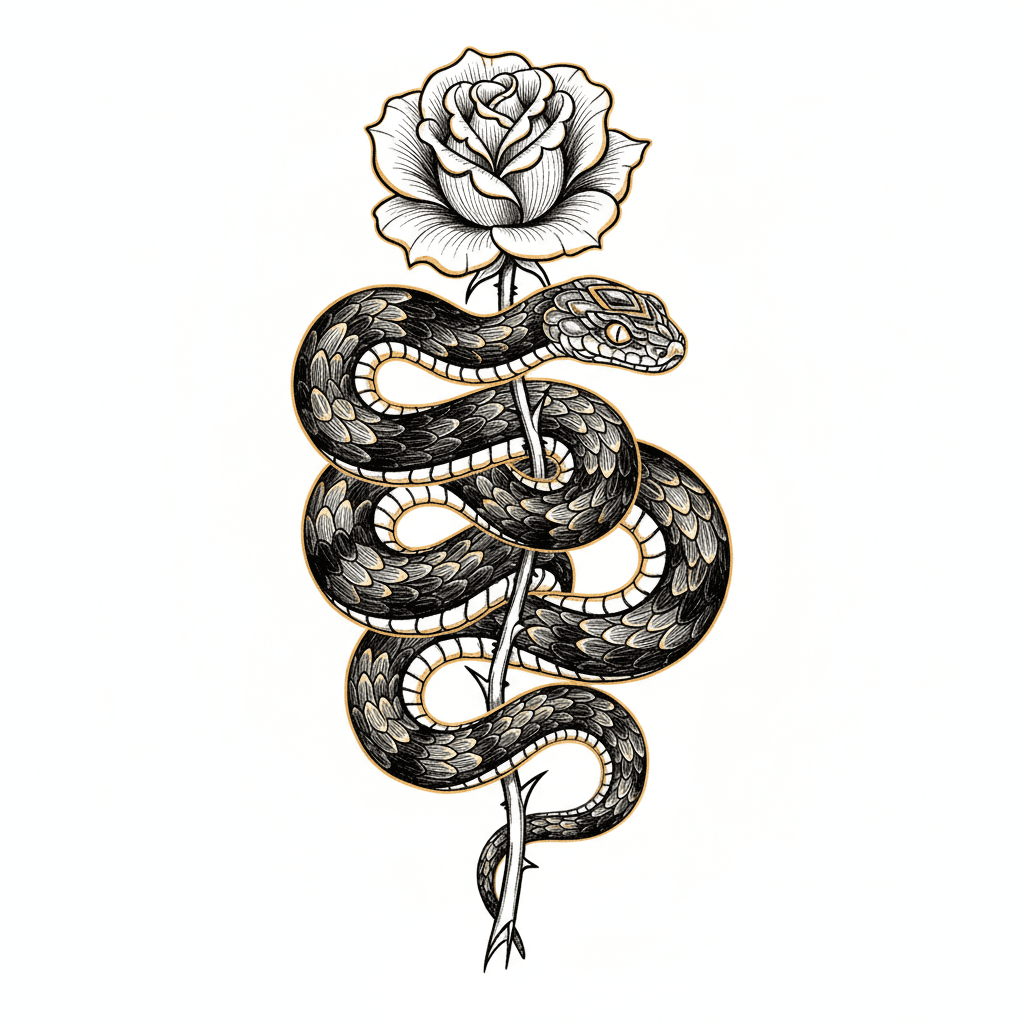
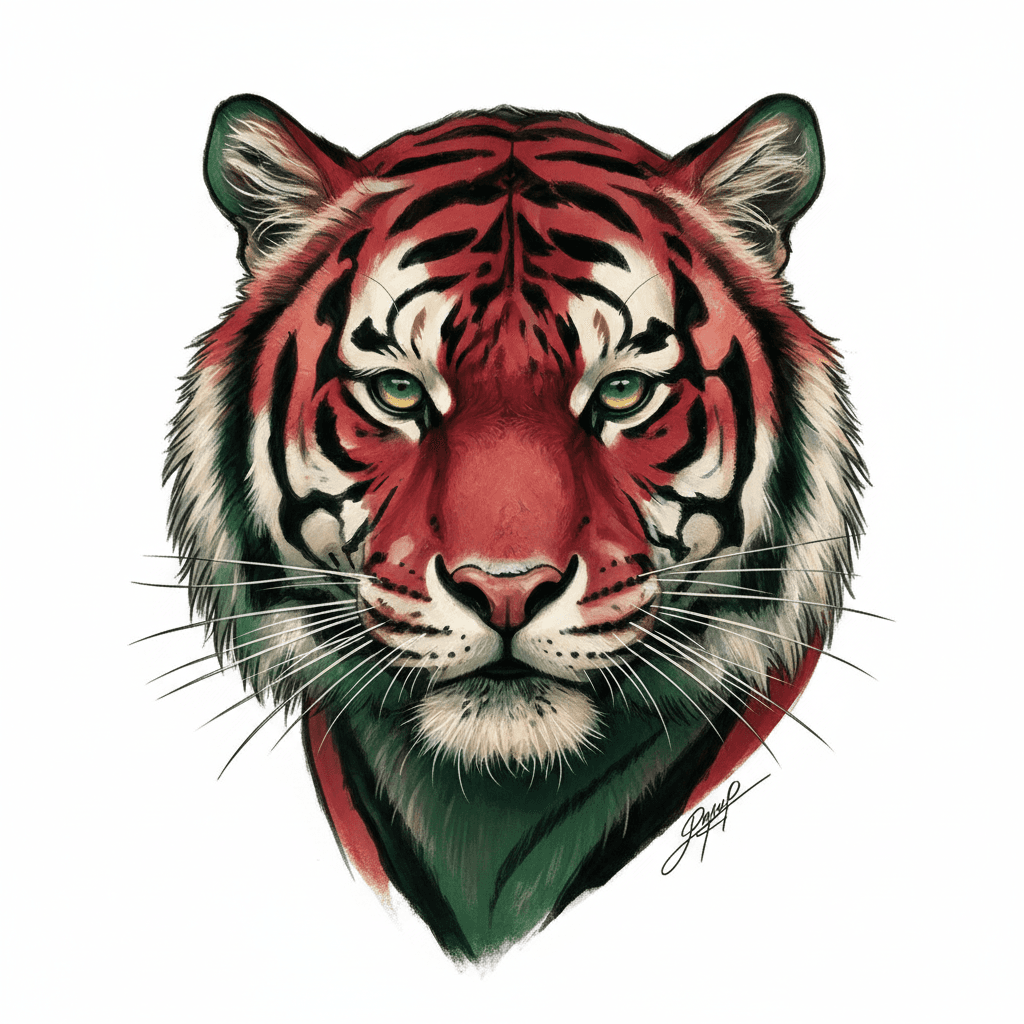
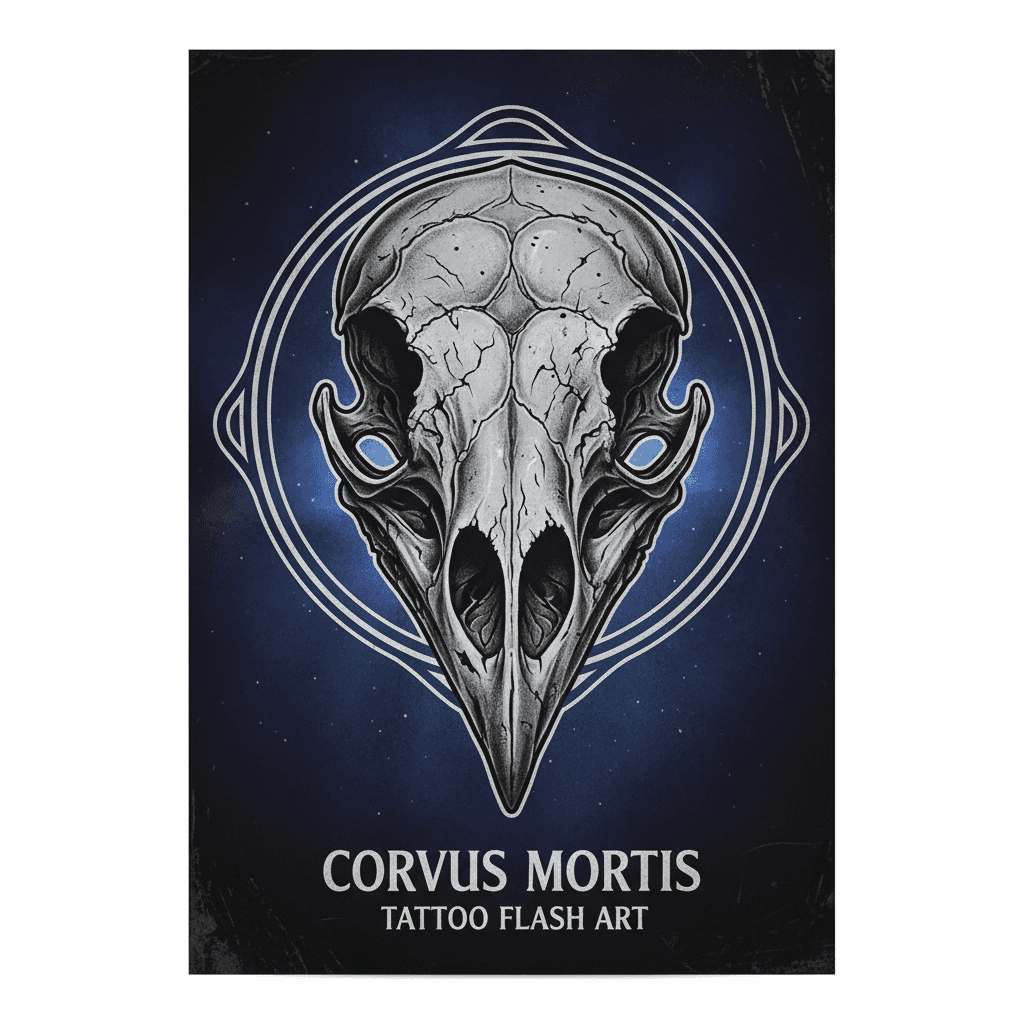
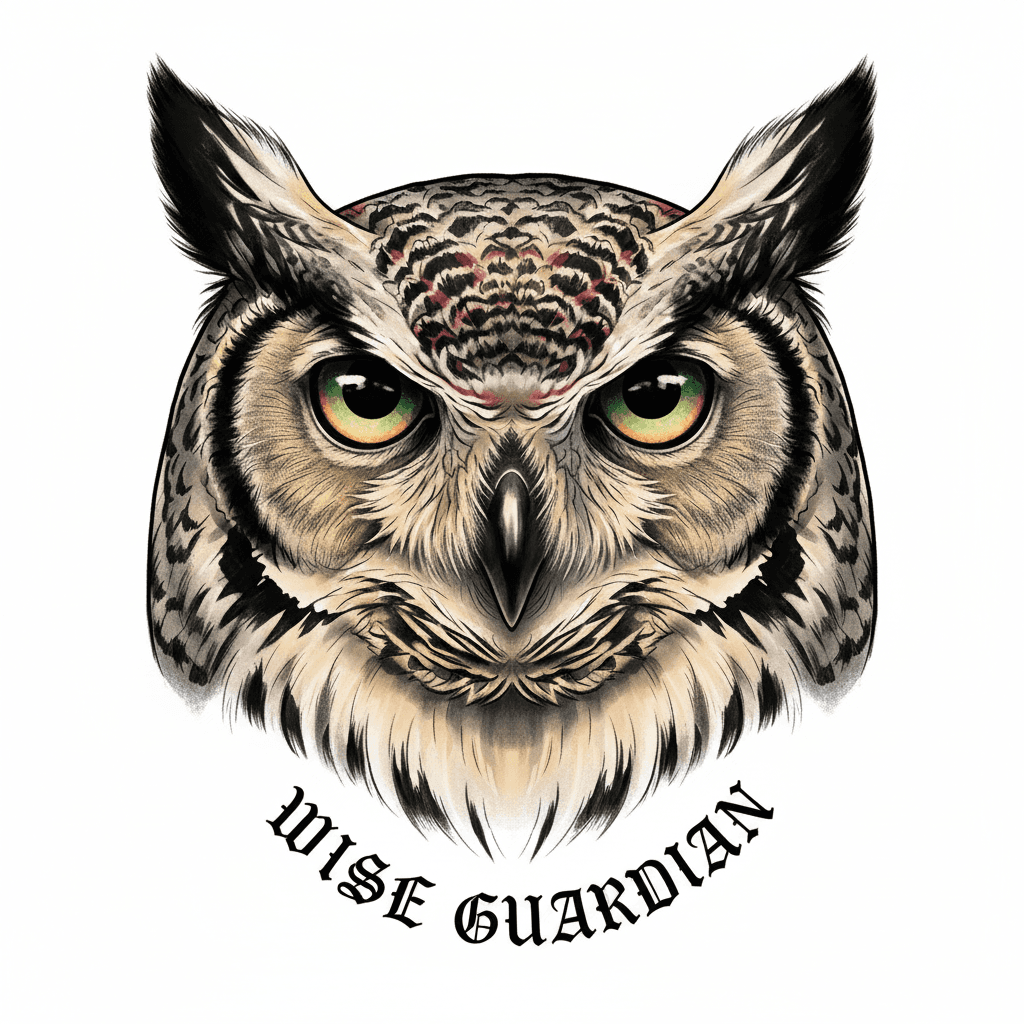
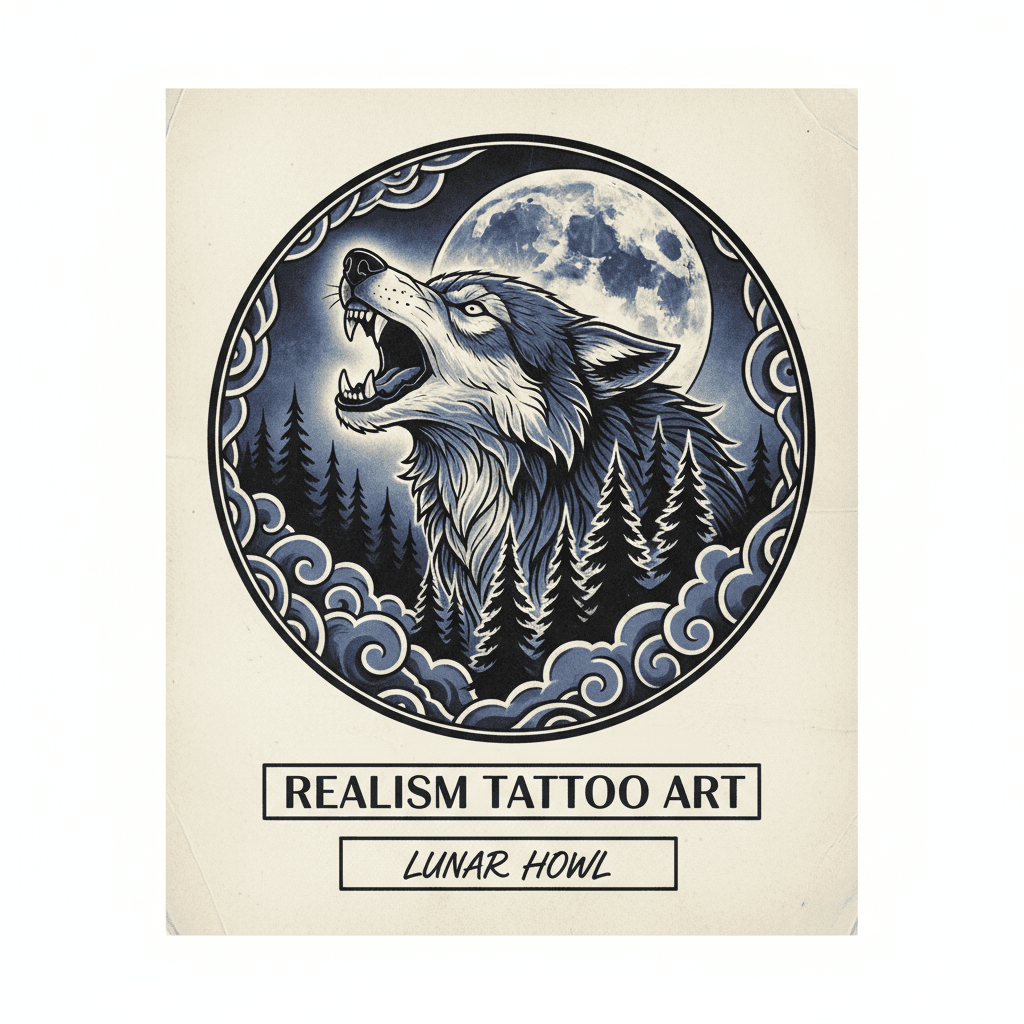
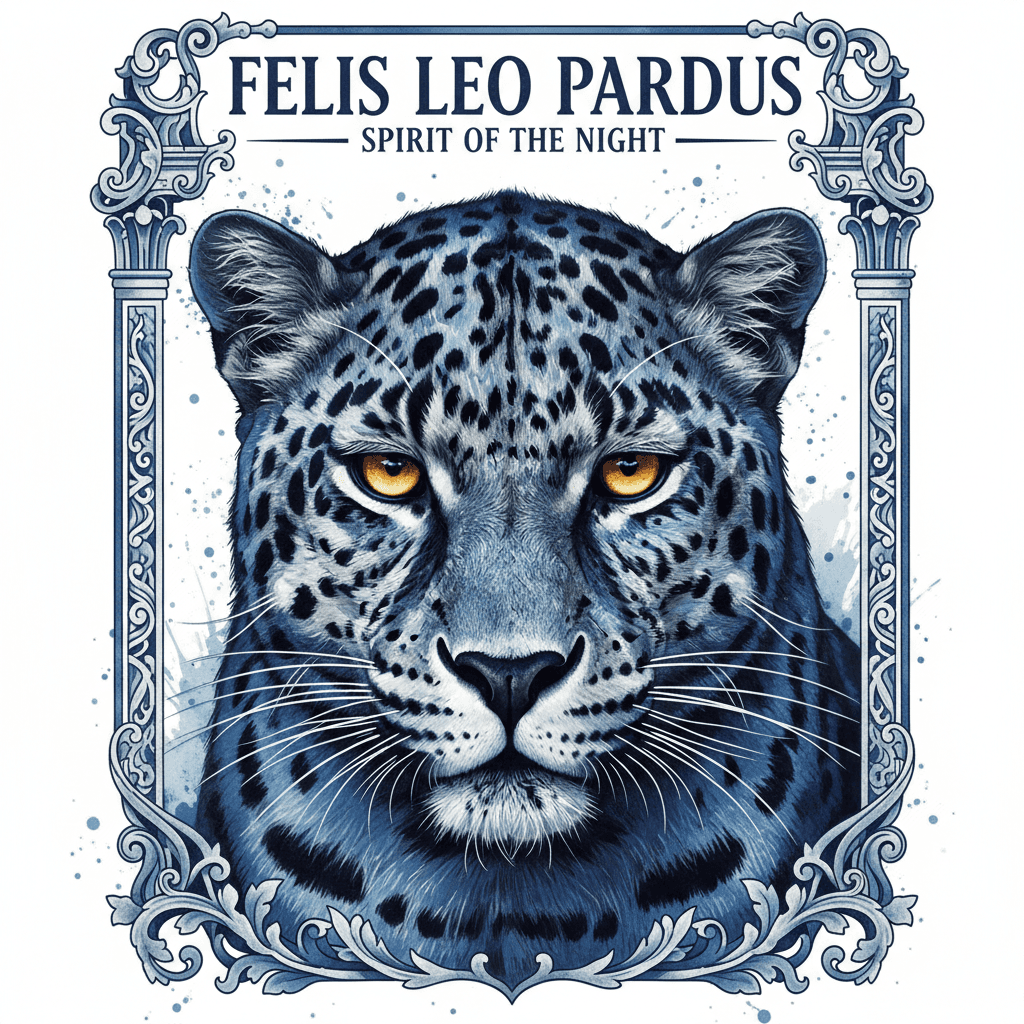
Realism tattoos work best when the design depends on texture, facial detail, fur, metal, smoke, or dramatic lighting. The strongest realism pieces usually focus on one clear subject and enough skin space to preserve the detail.
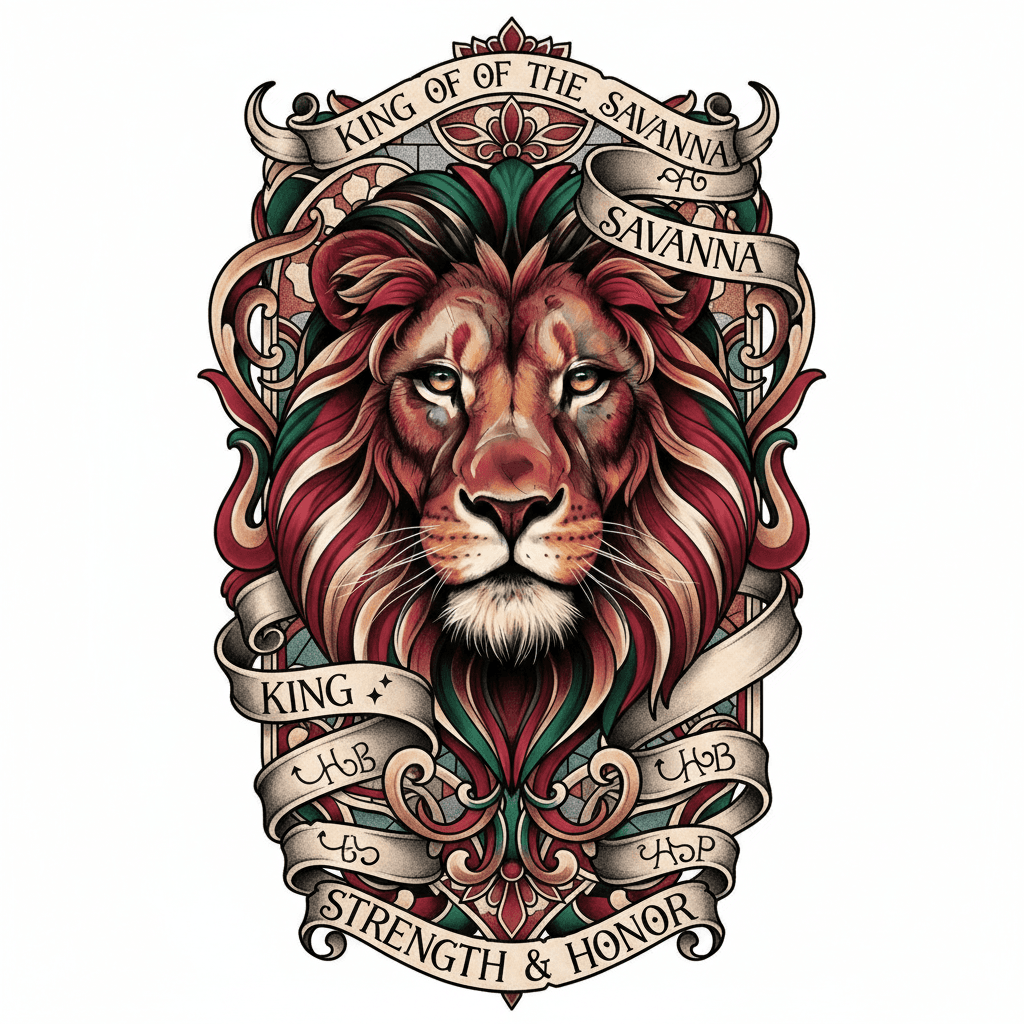
A classic realism subject for texture, contrast, and symbolic strength.
Prompt: “color realism lion portrait tattoo design, amber eyes, lifelike mane texture, cinematic gold lighting”
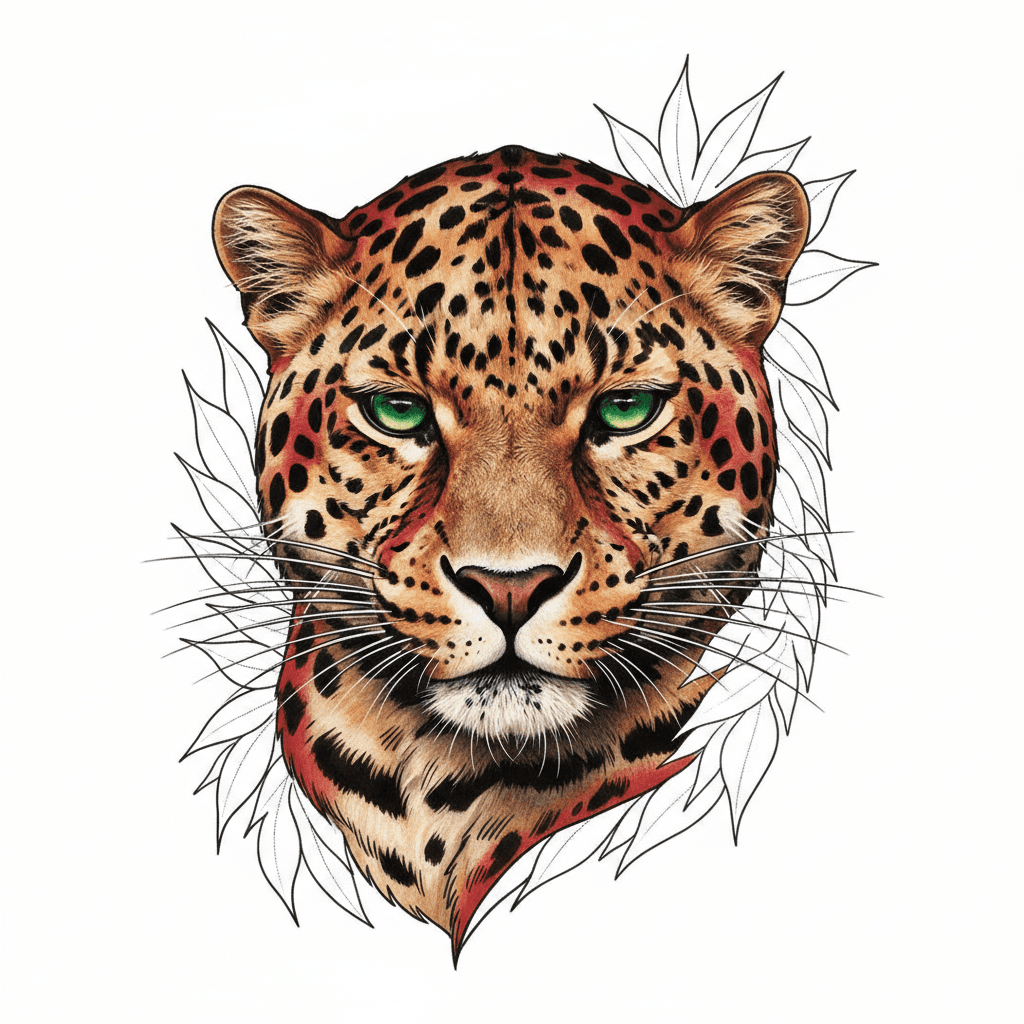
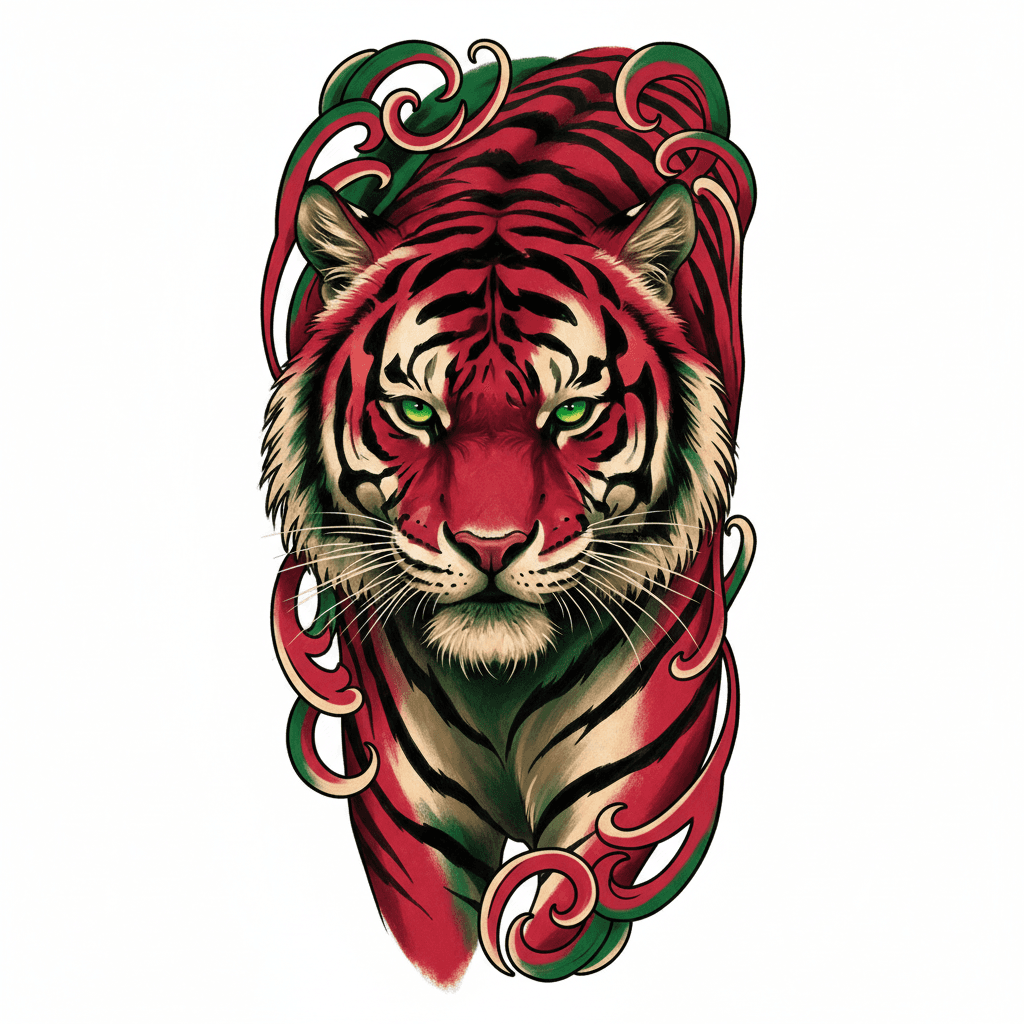
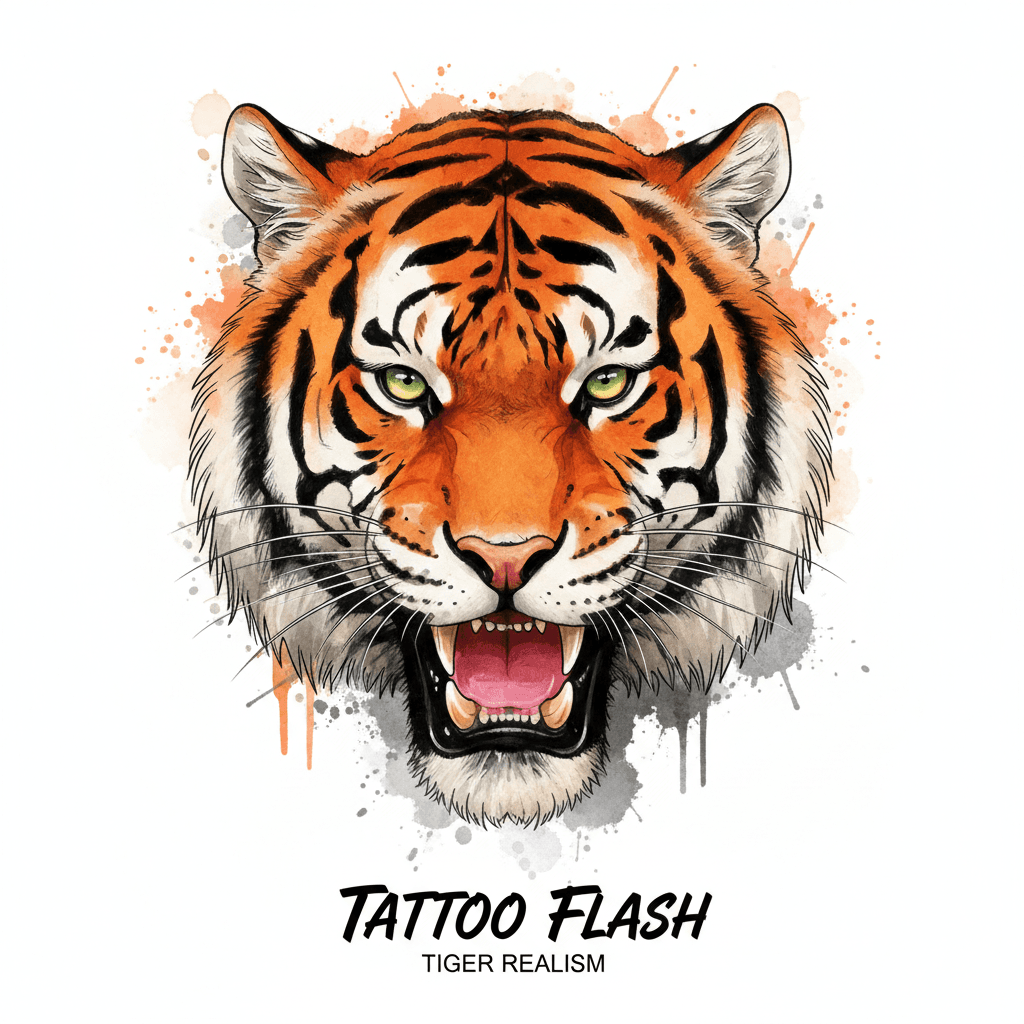
Generate AI →Best for lifelike fur, eyes, and strong directional shading.
Prompt: “color realism tiger tattoo design, vivid orange coat, intense eyes, highly detailed fur”
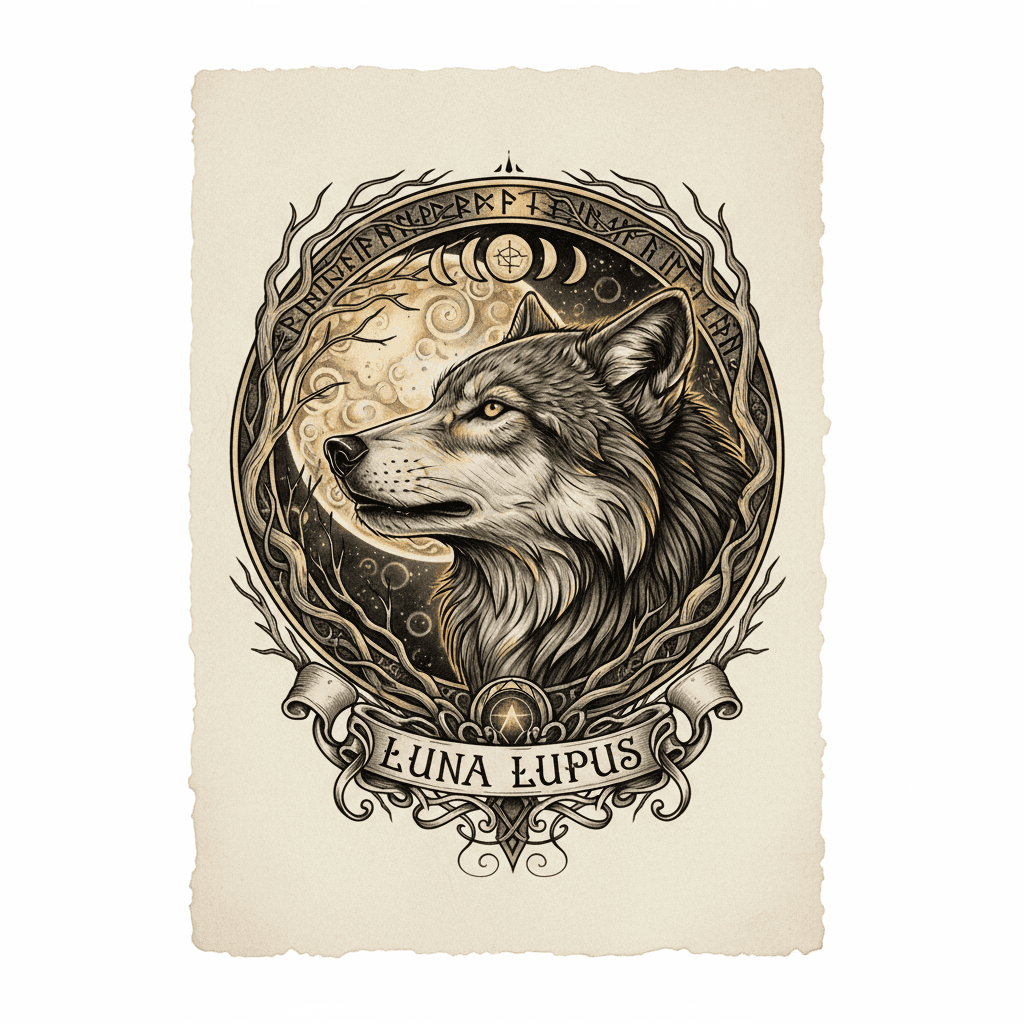
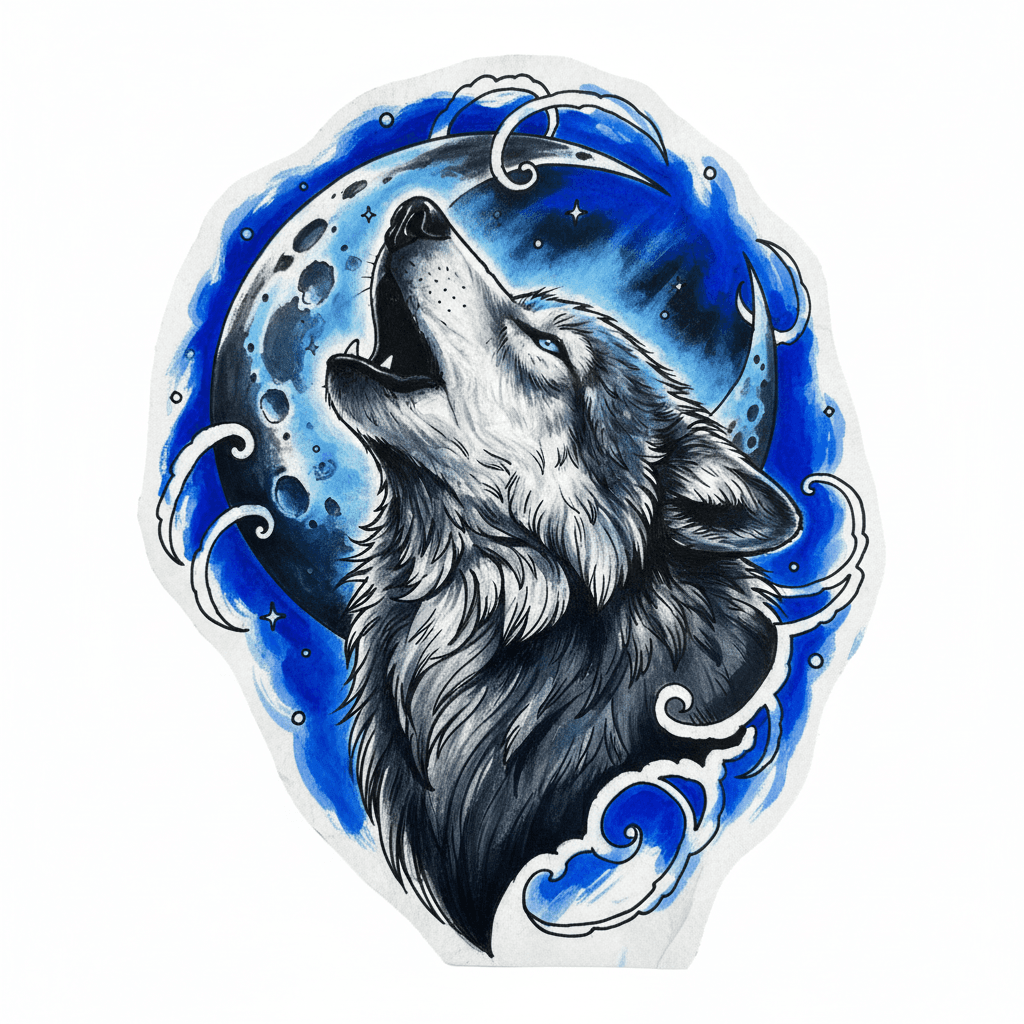
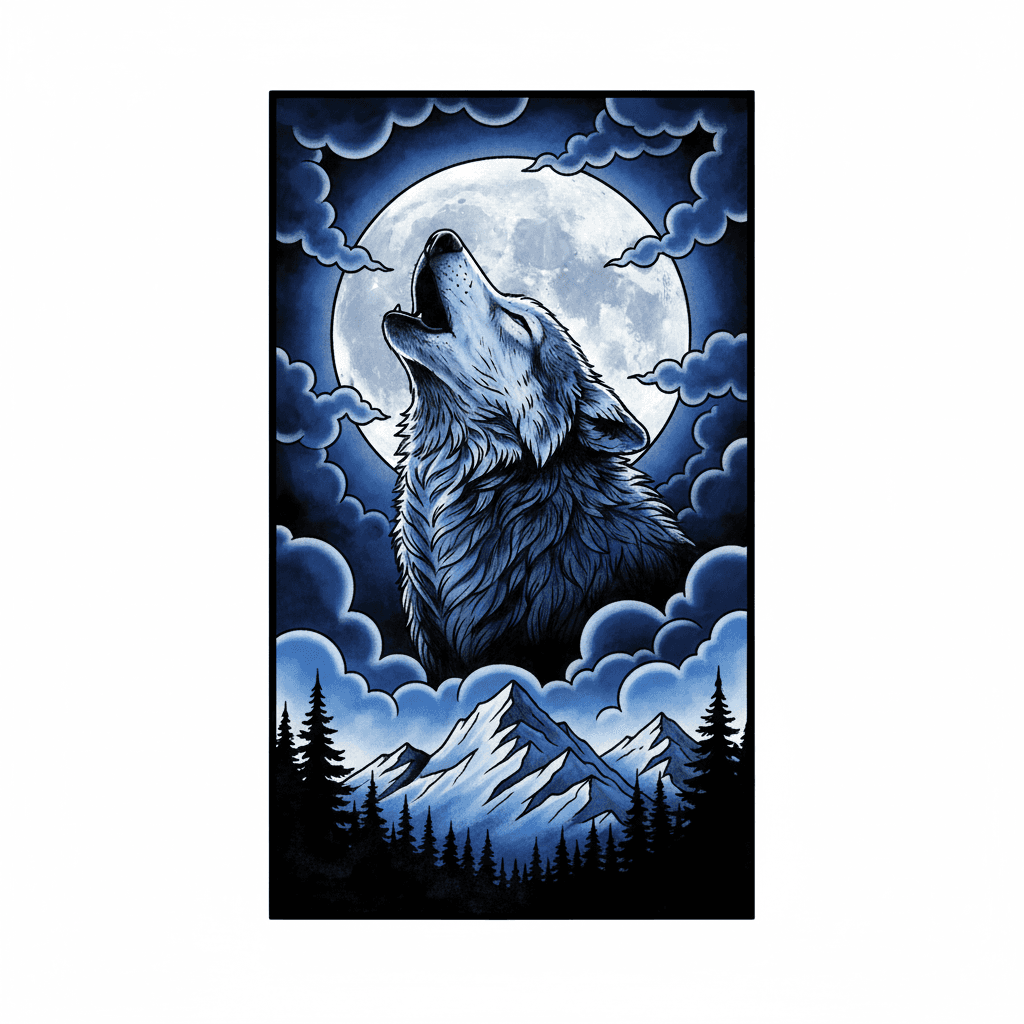
Generate AI →A darker atmospheric motif that reads well in black and grey.
Prompt: “realism wolf and moon tattoo design, silver fur, deep blue atmosphere, cinematic depth”
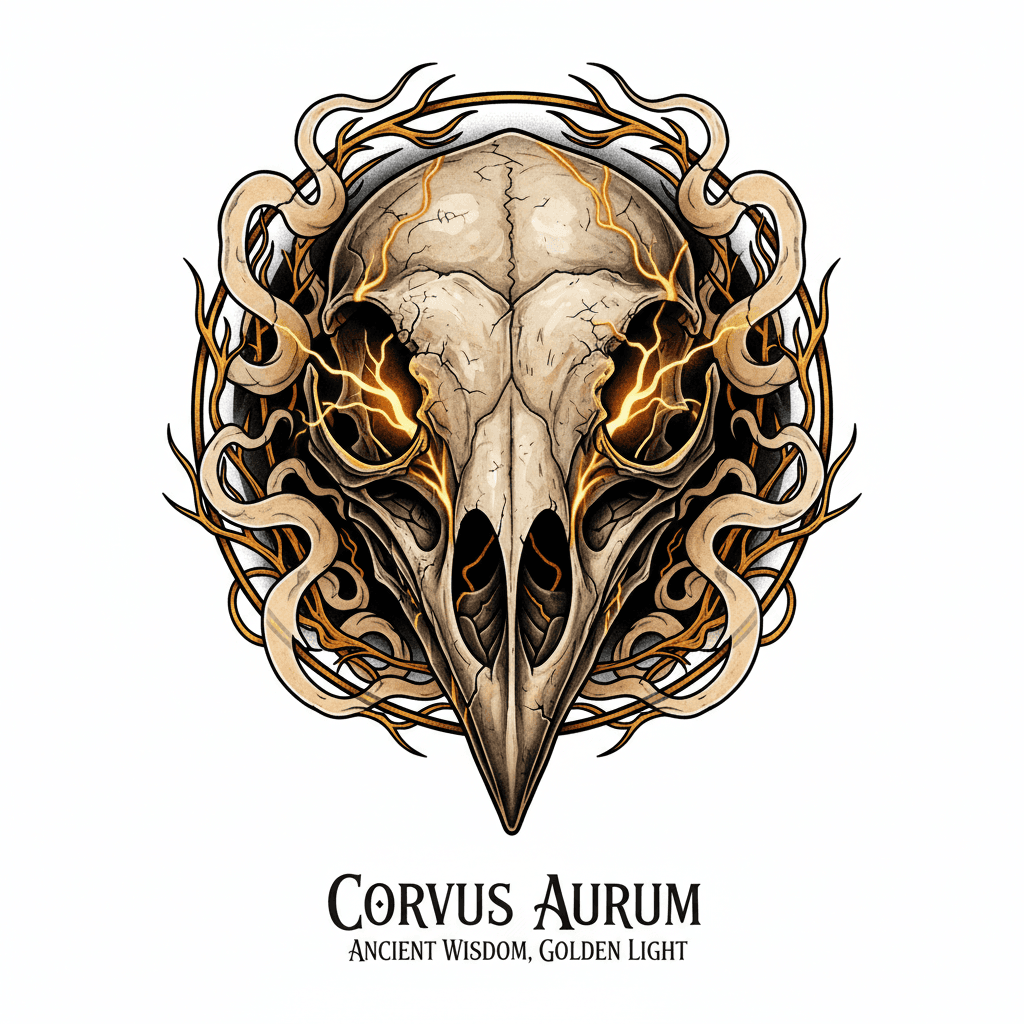
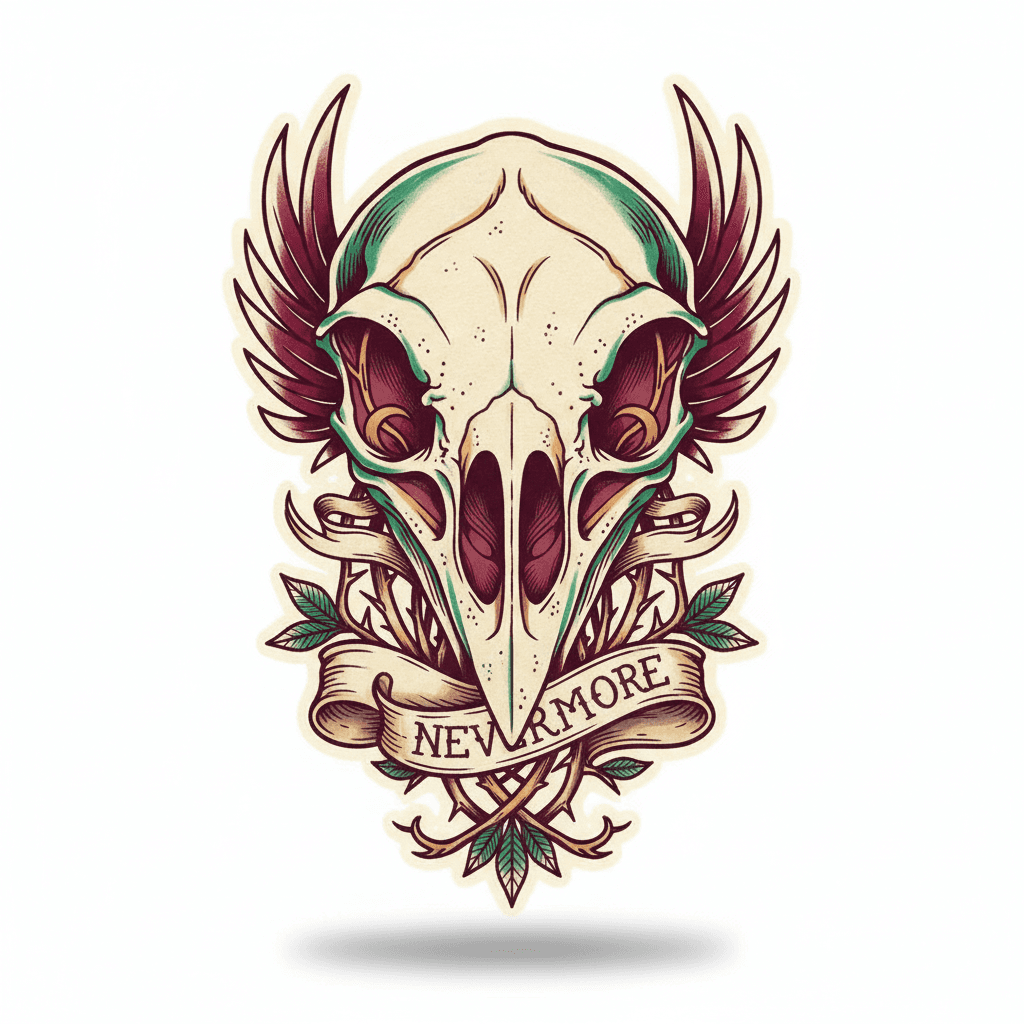
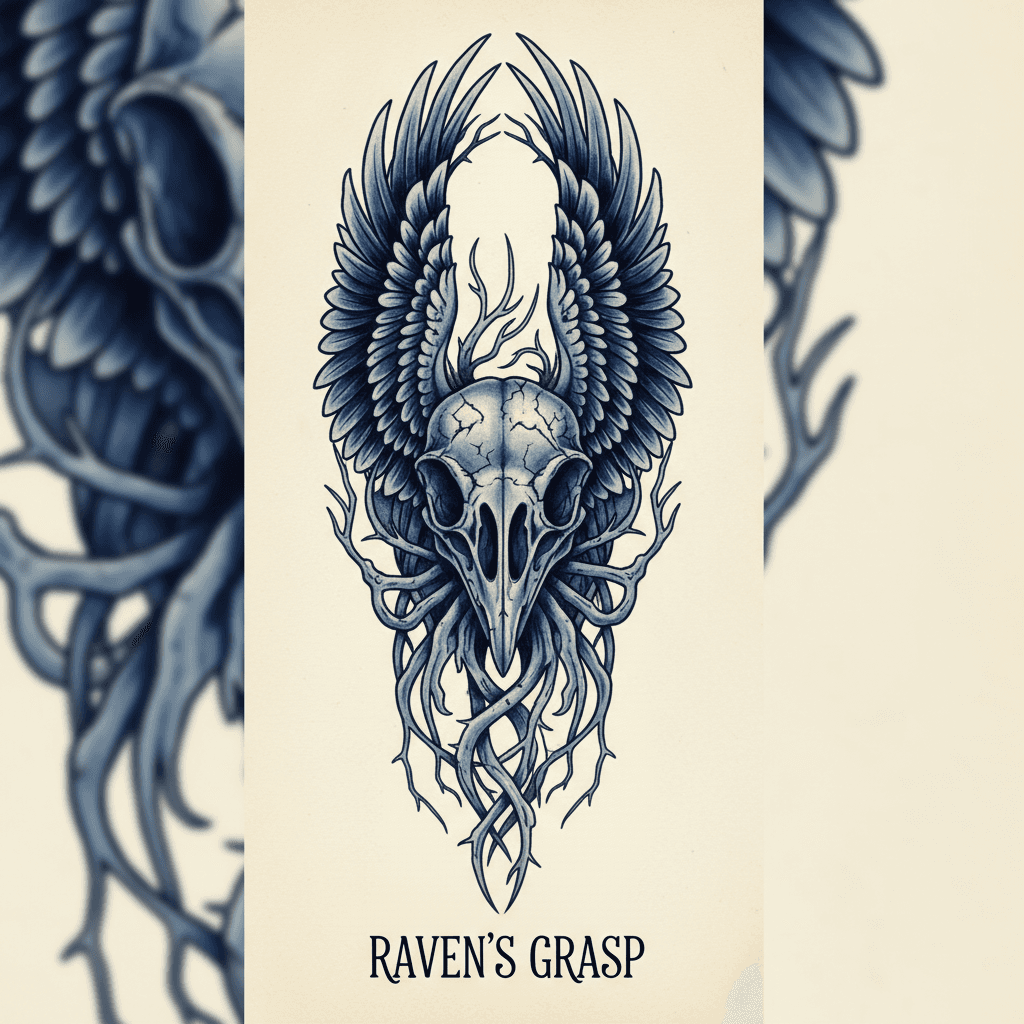
Generate AI →A high-contrast composition suited to darker realism aesthetics.
Prompt: “realism raven skull tattoo design, glossy black feathers, antique bone texture, crimson smoke accents”
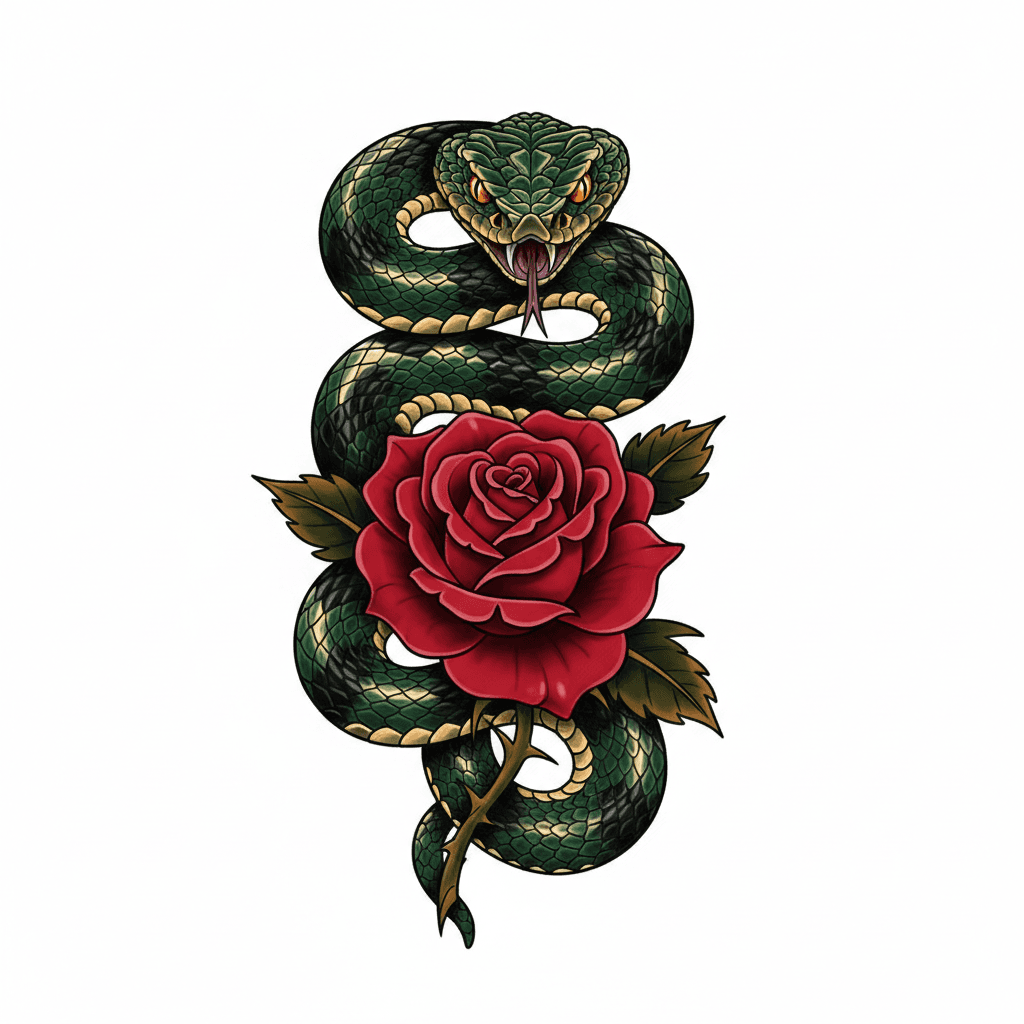
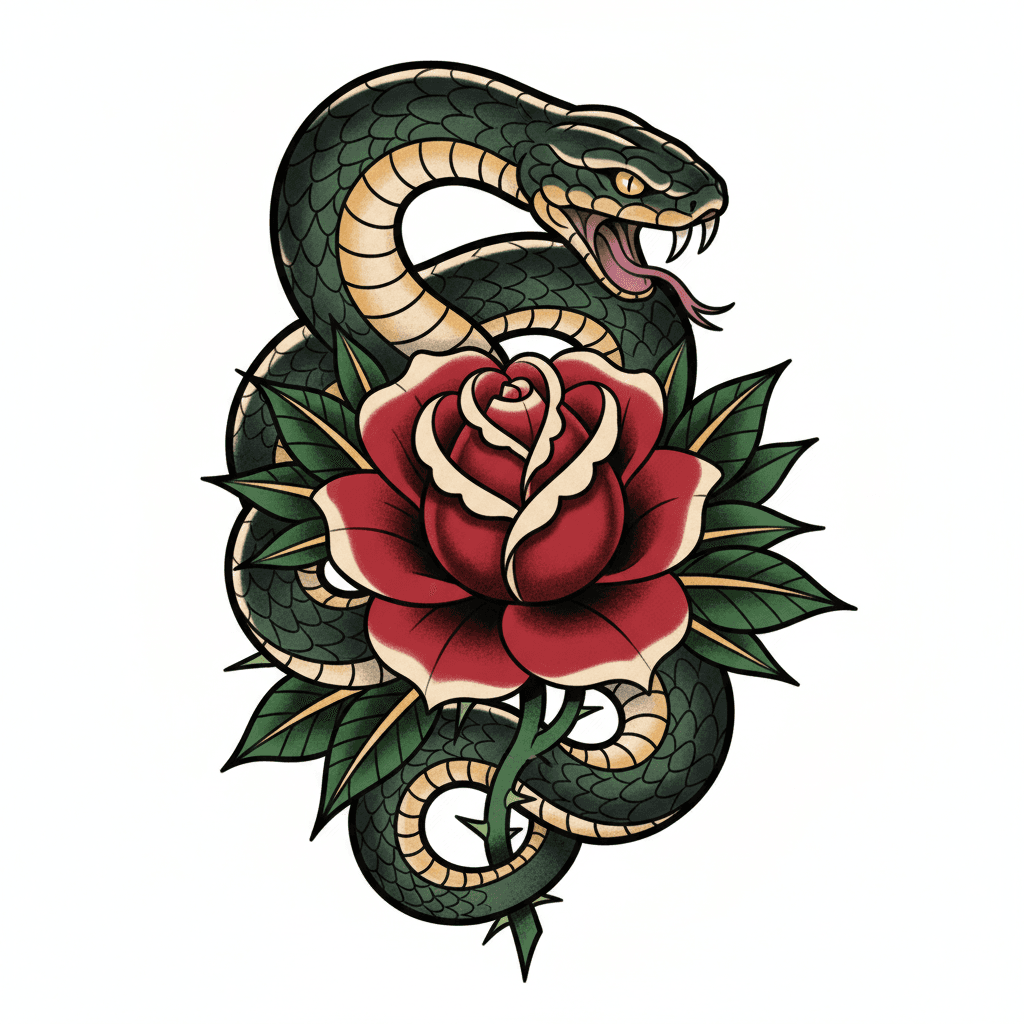
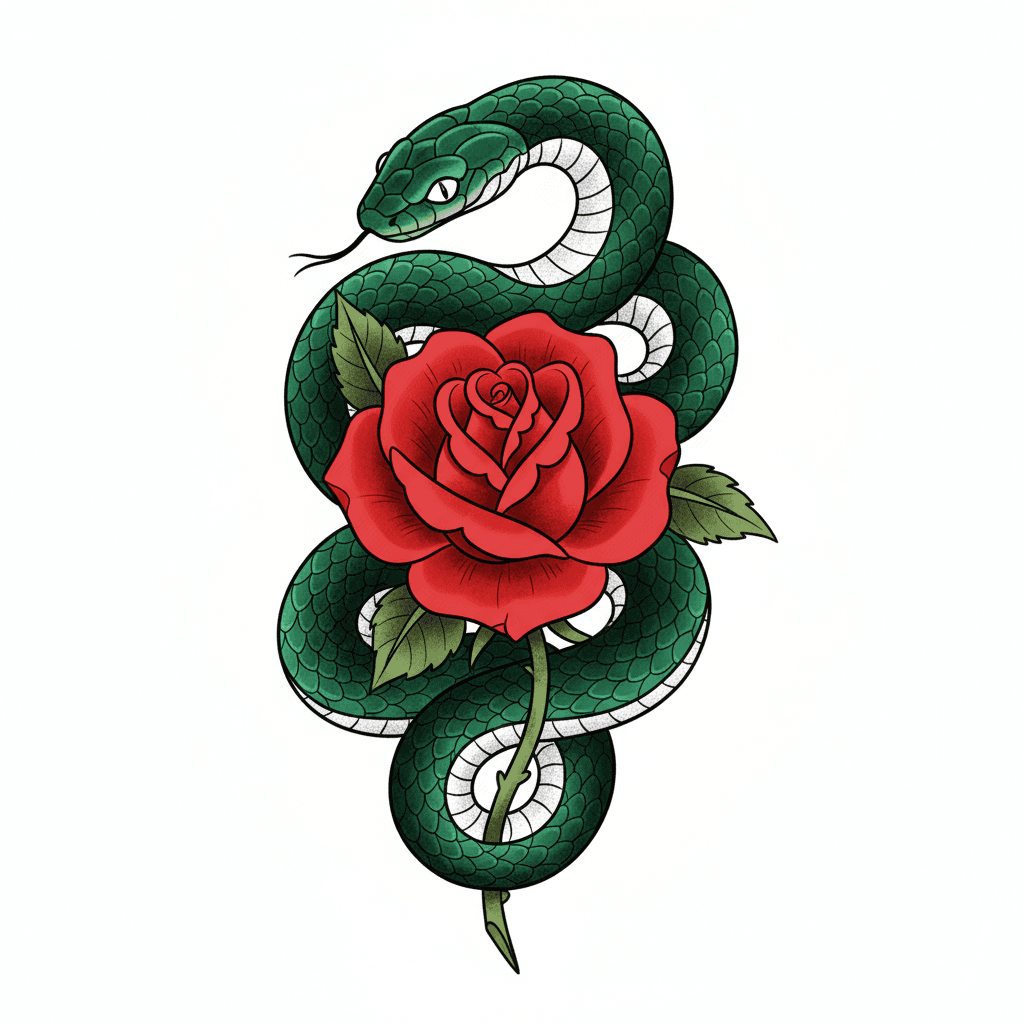
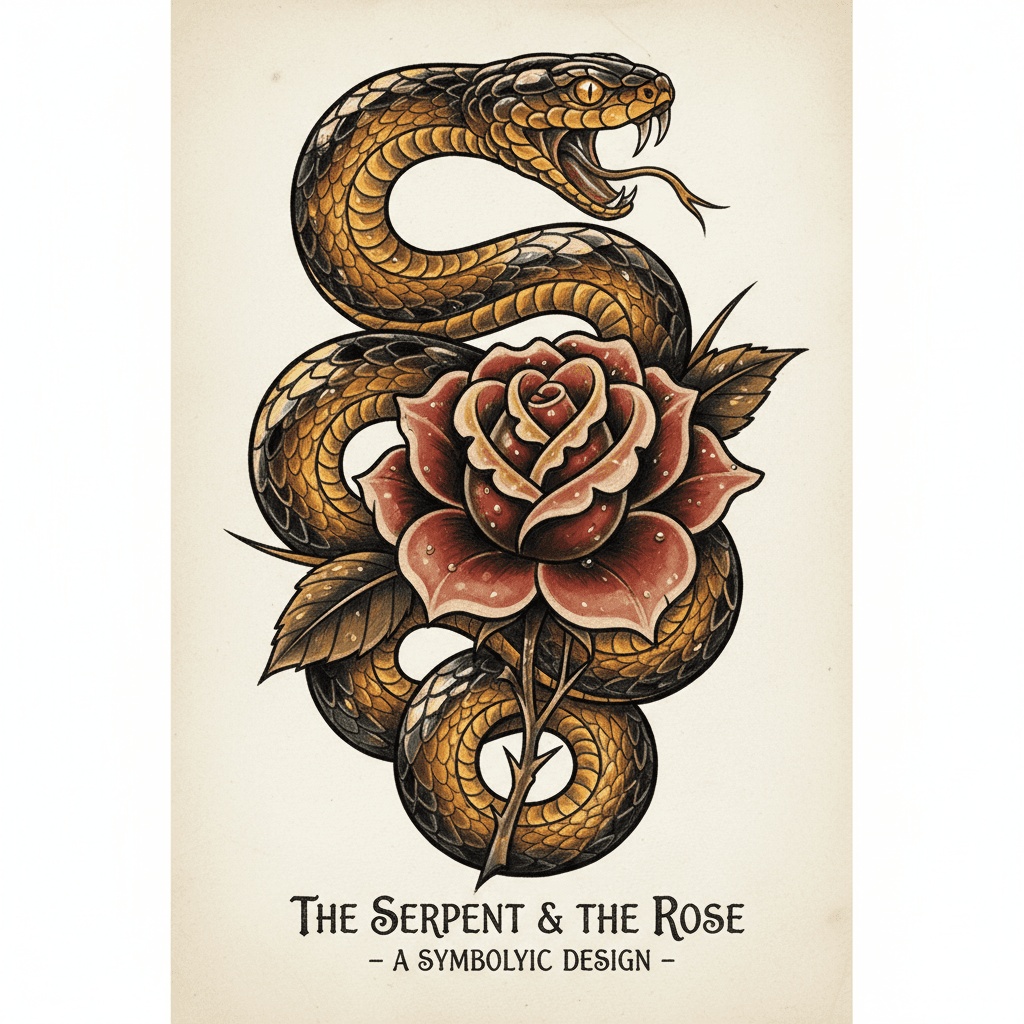
Generate AI →A clean fusion of realism texture and classic symbolism.
Prompt: “realism snake wrapped around rose tattoo design, emerald scales, red rose bloom, lifelike texture”
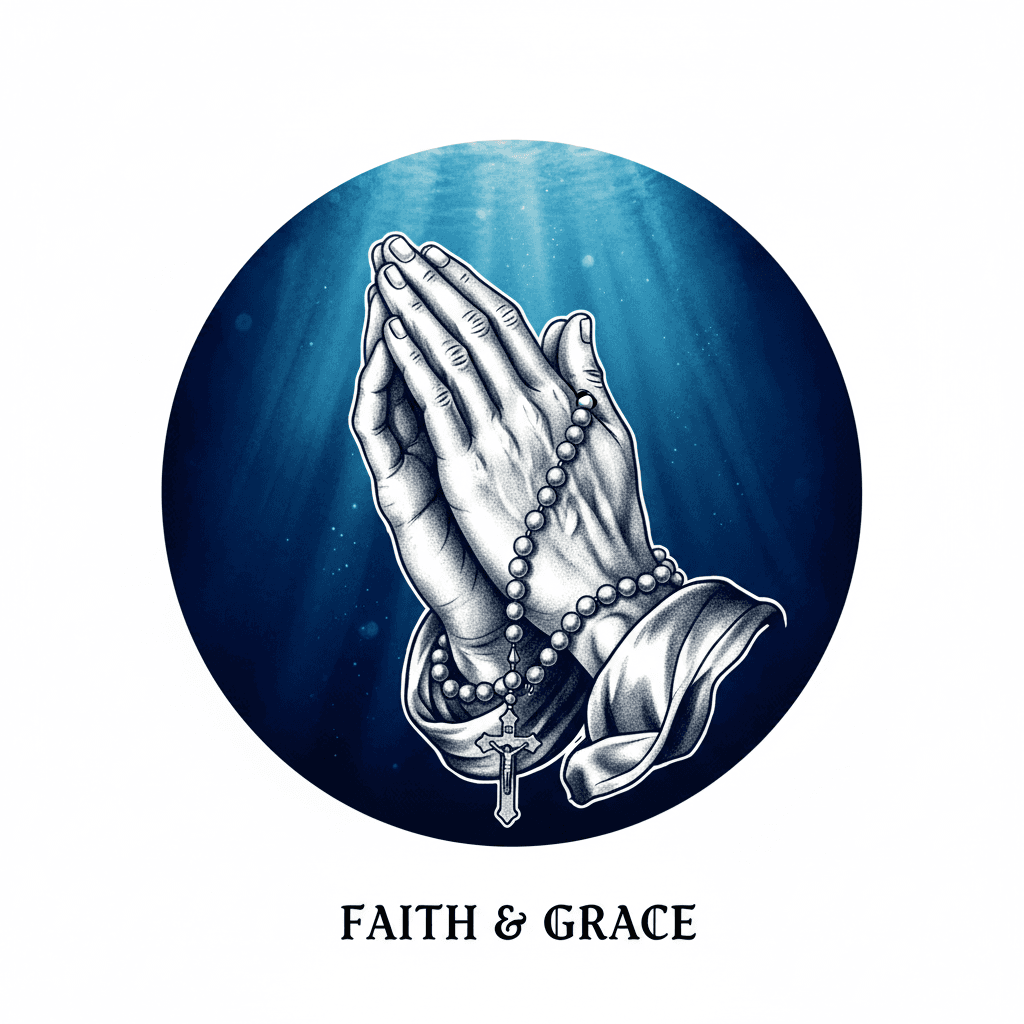
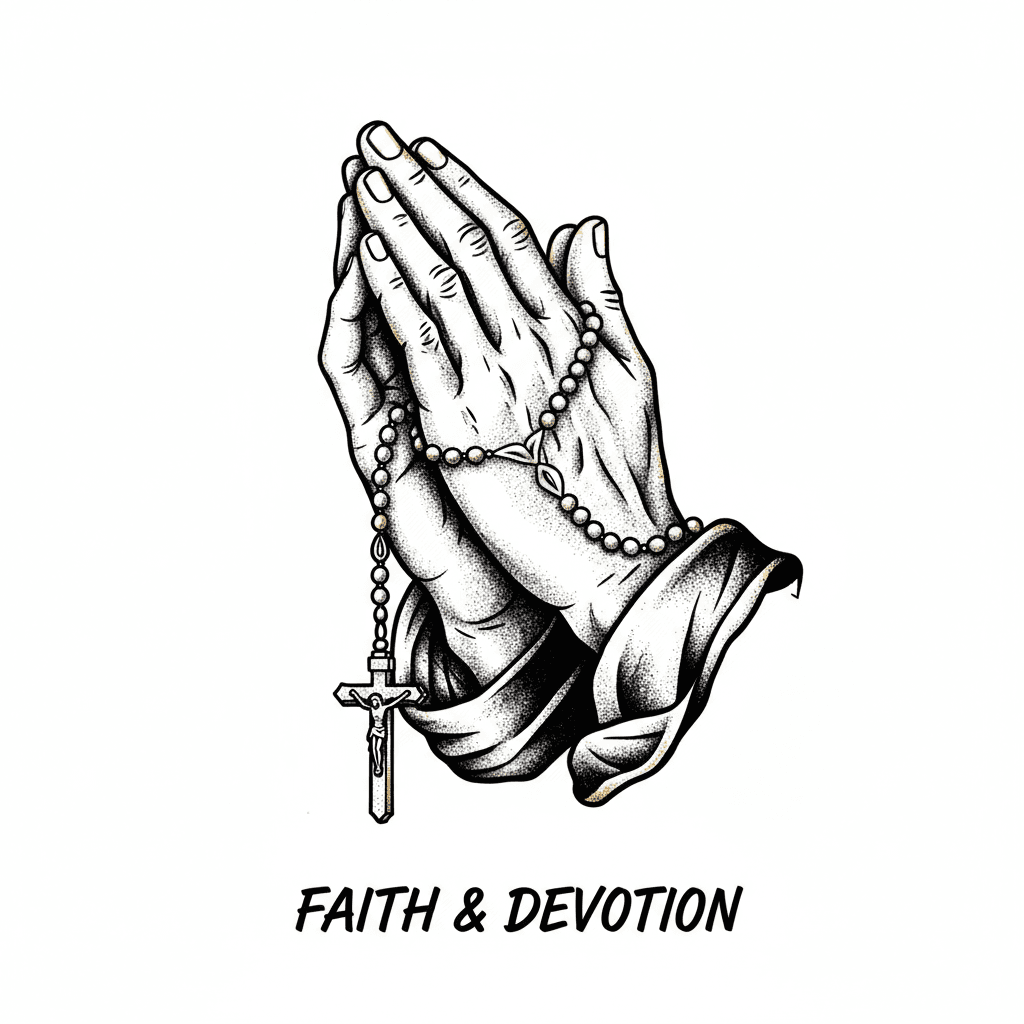
Generate AI →A traditional realism subject for religious or memorial intent.
Prompt: “realism praying hands and rosary tattoo design, warm skin tones, golden light rays, dramatic shading”
Generate AI →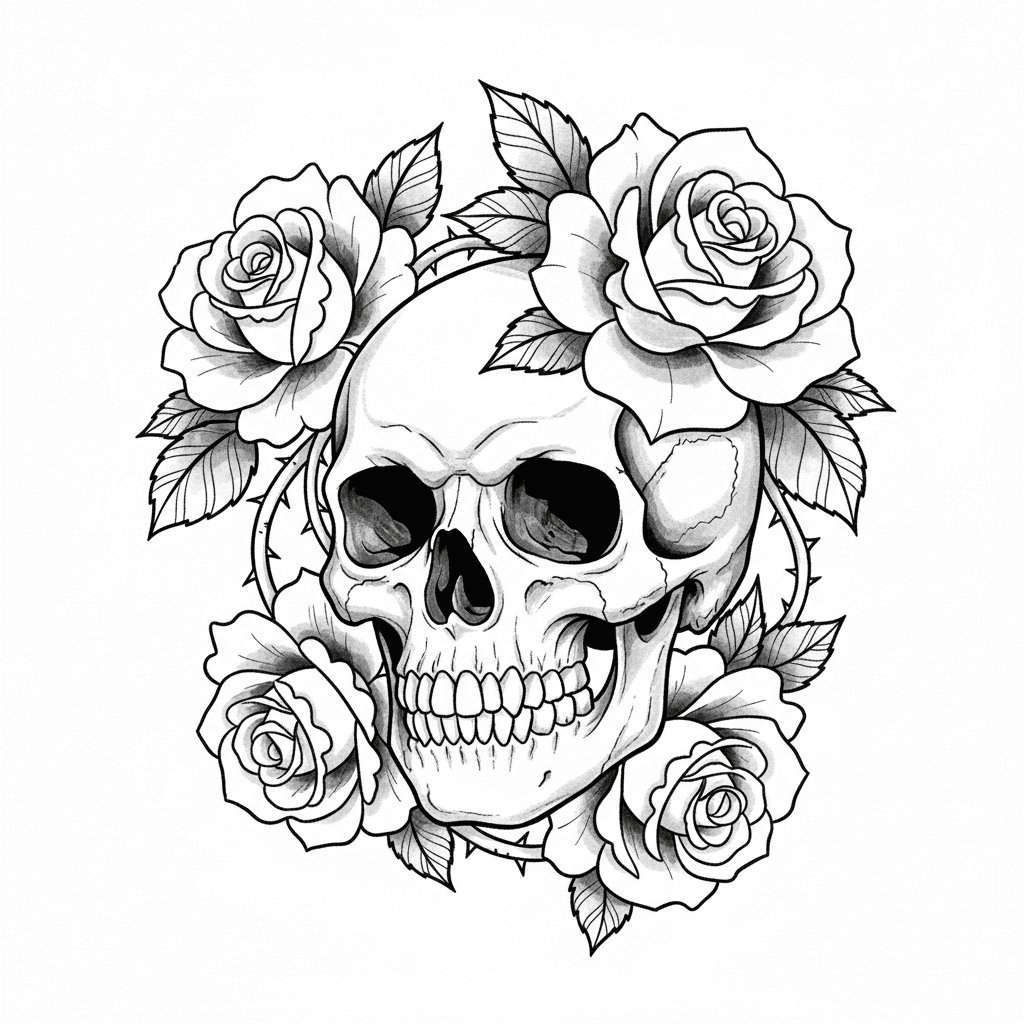
Monochrome tattooing built around wash shading, contrast, and a sculpted, atmospheric look.
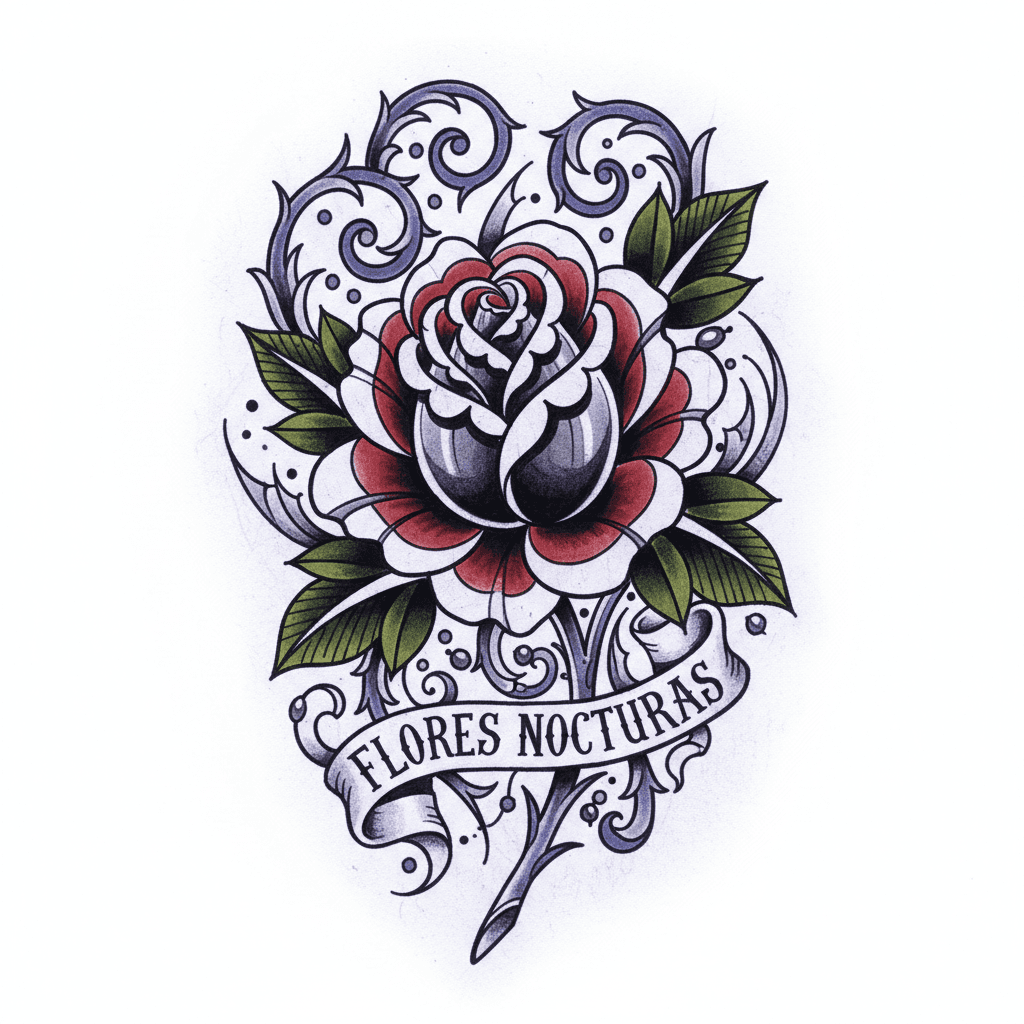
Classic tattoo foundations with richer shading, decorative detail, and a more illustrative finish.
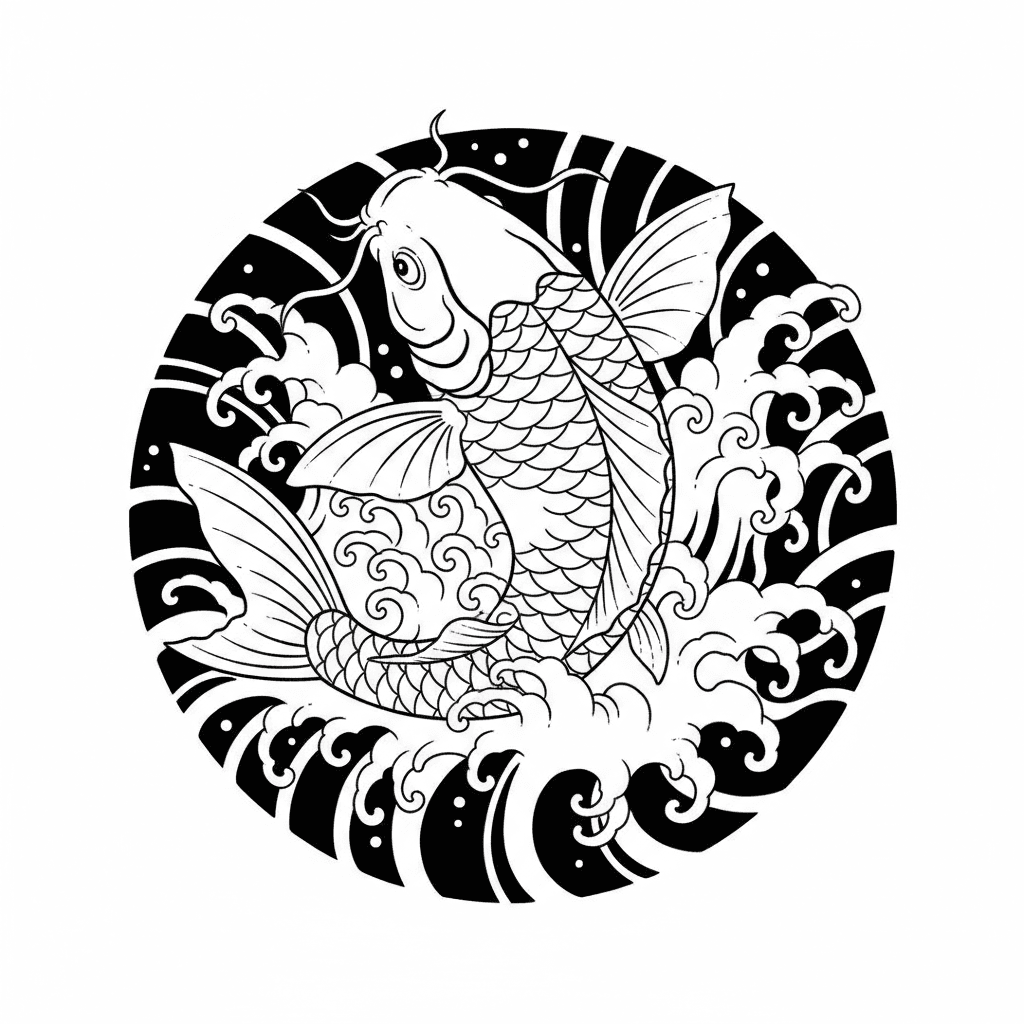
Flowing composition, strong symbolism, and body-aware structure rooted in traditional Irezumi.
This page is built to help you finish the search task, not just skim inspiration. Use the gallery to compare visual tone, use the signature design blocks to find a motif direction, and use the placement notes to judge whether the style still works once it moves onto real skin.
The best workflow is usually: compare the gallery, open one or two signature designs, test a prompt in the generator, then save the strongest result for a consultation. That turns this page from a style article into a real planning tool.
Use this page to narrow the style first, then generate a cleaner realism direction you can actually bring into a tattoo consultation.
Generate AI Tattoo IdeasUsually yes. Realism depends on subtle details, so medium-to-large placements work best.
Yes. Black and grey realism remains the most common because it emphasizes contrast, dimension, and longevity.
Portraits, lions, tigers, wolves, snakes, ravens, statues, skulls, and religious imagery are all common realism subjects.