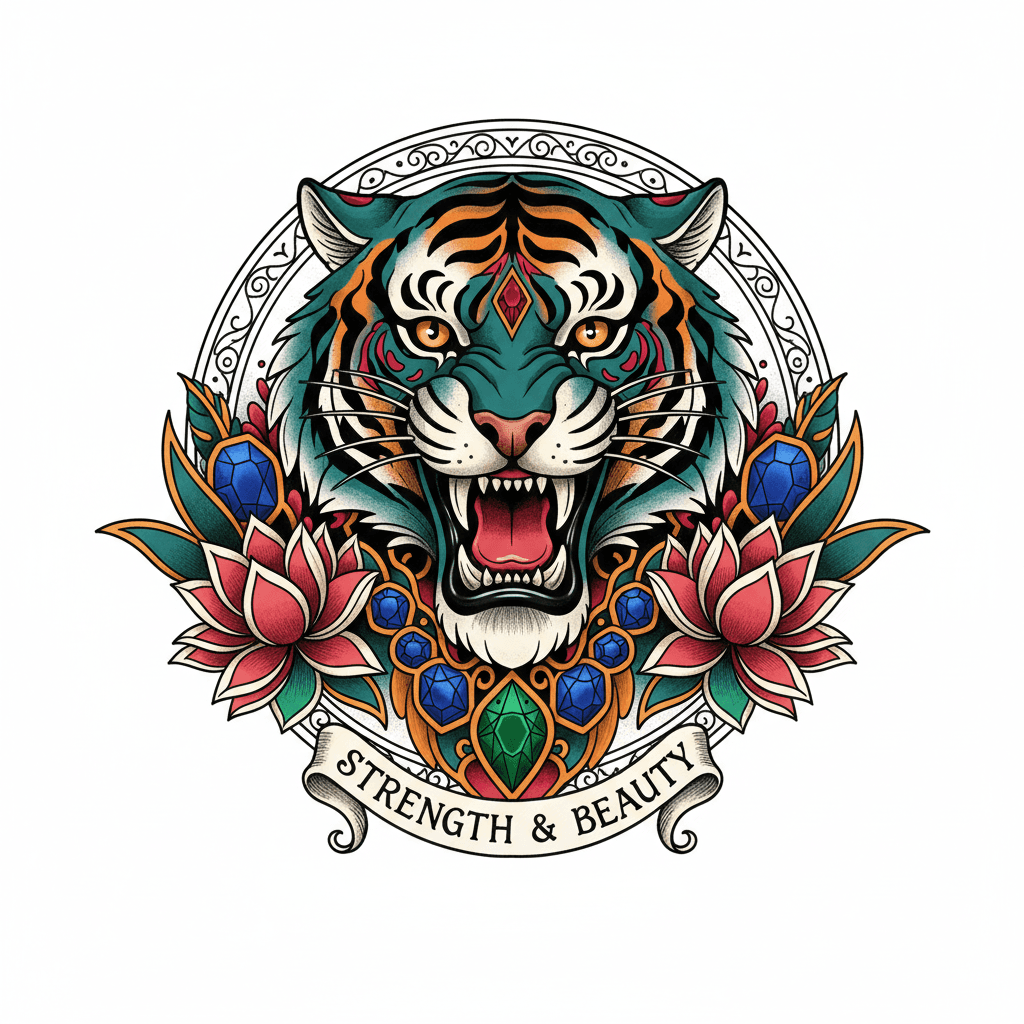
Neo-Traditional
Click image to copy prompt
Sleeve tattoos are a composition problem before they are a prompt problem. This page helps you compare half sleeve, full sleeve, and motif-chain directions before generating.
AI tattoo directions remixed for sleeve tattoos planning. Click any image to copy a placement-ready prompt.
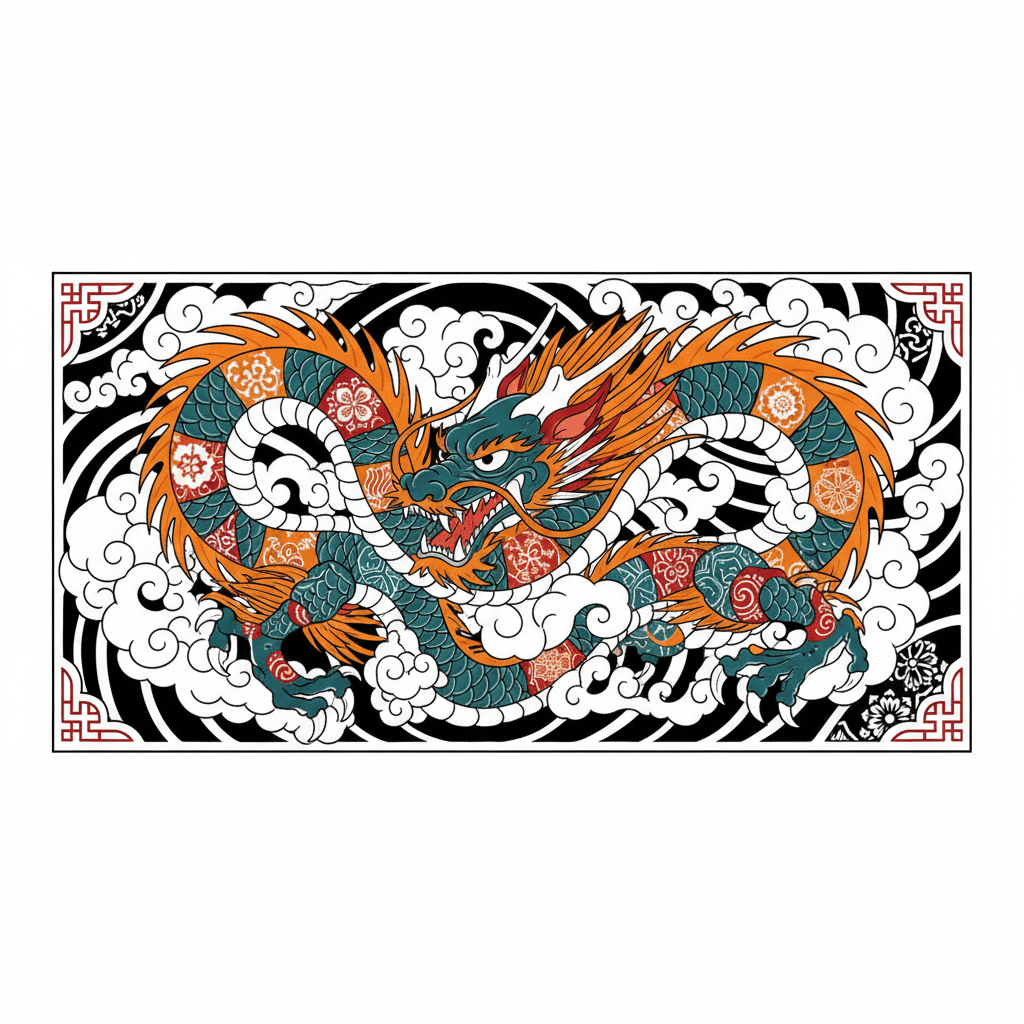
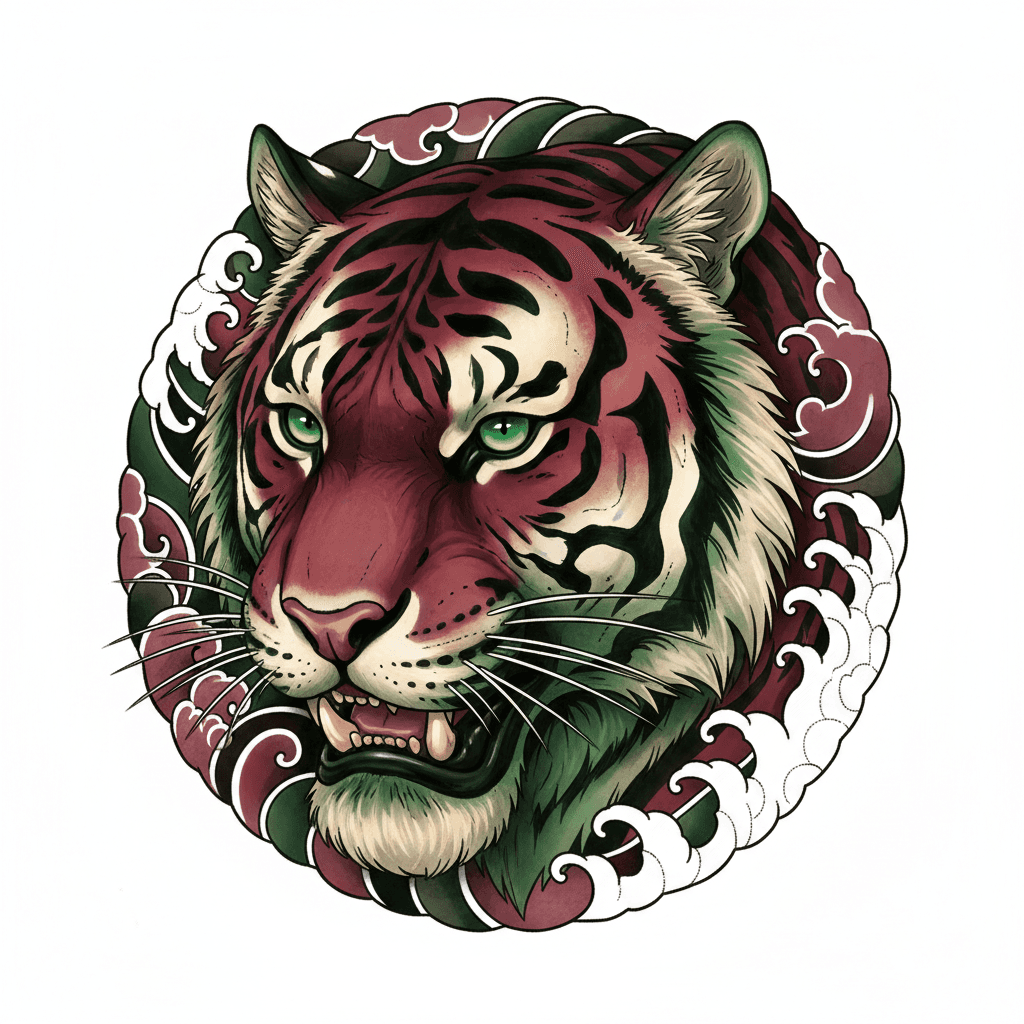
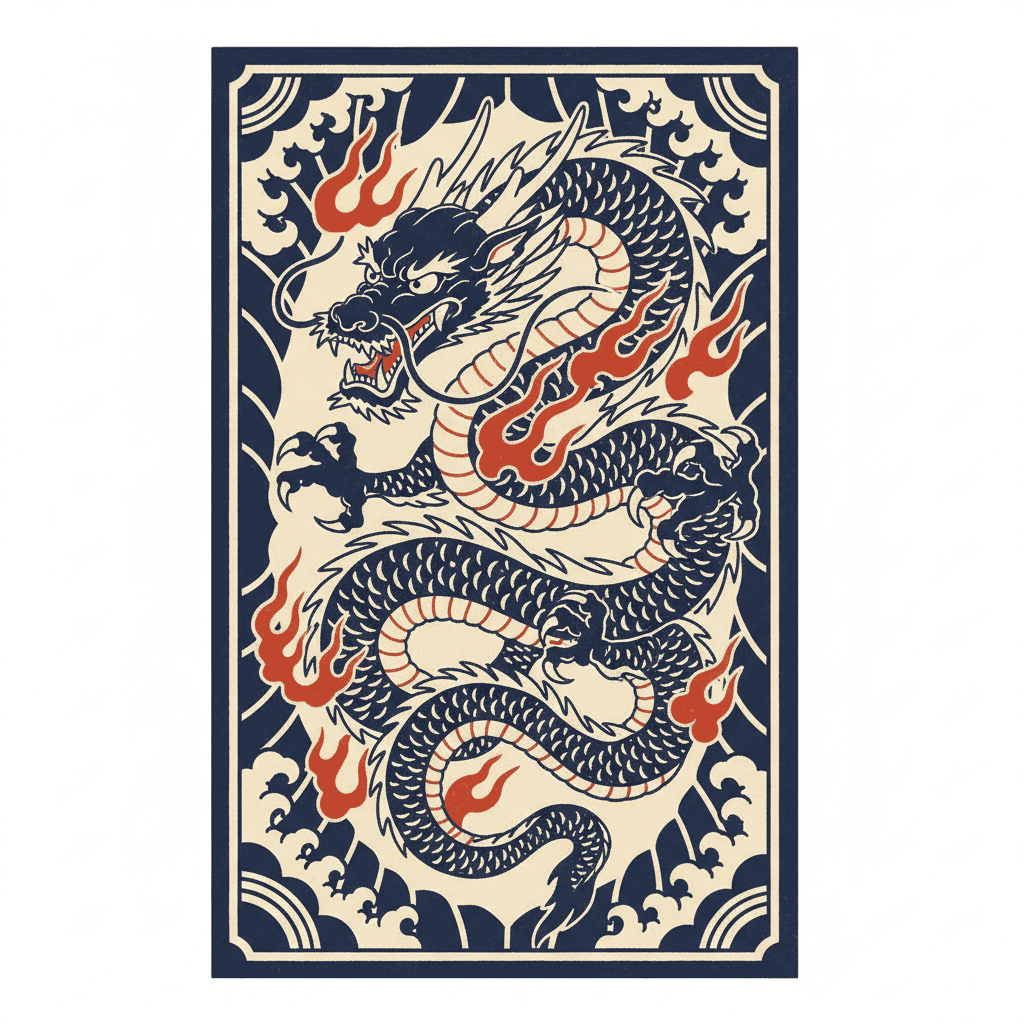
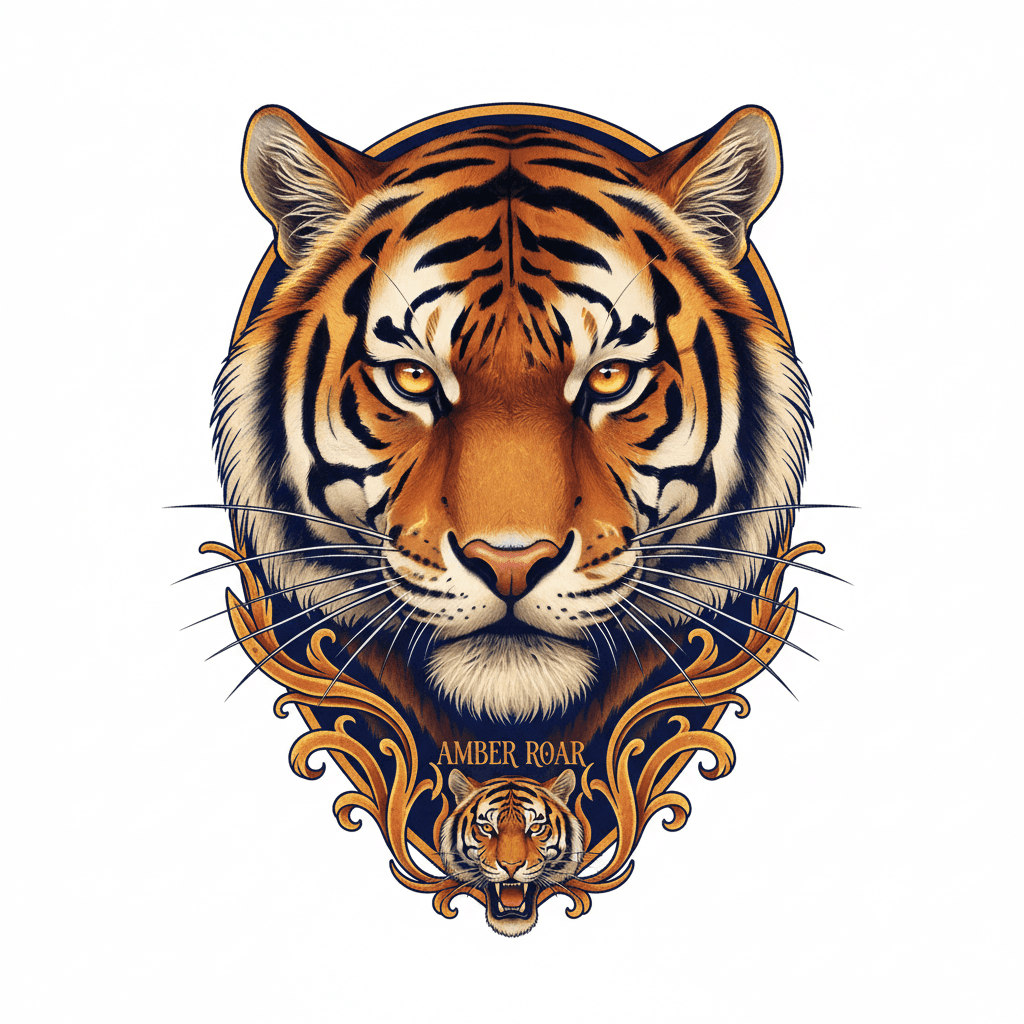
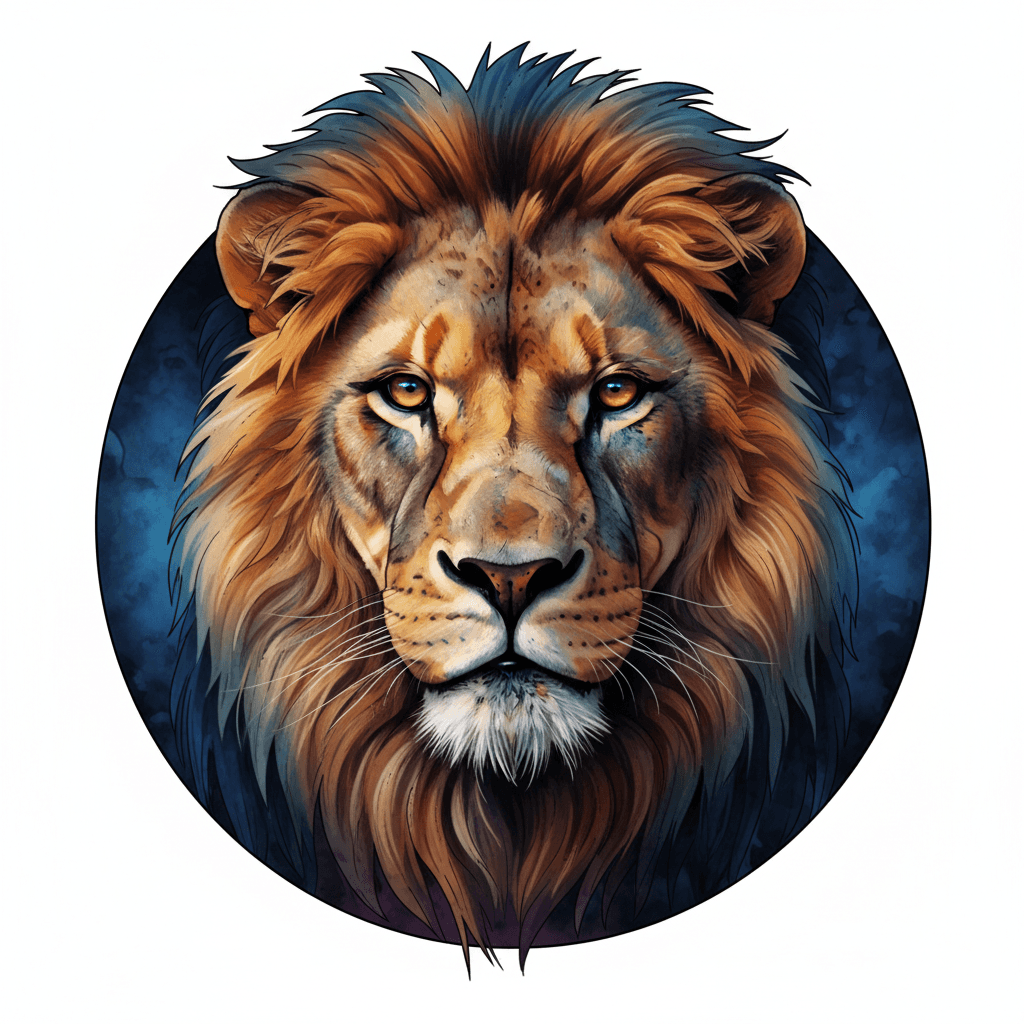
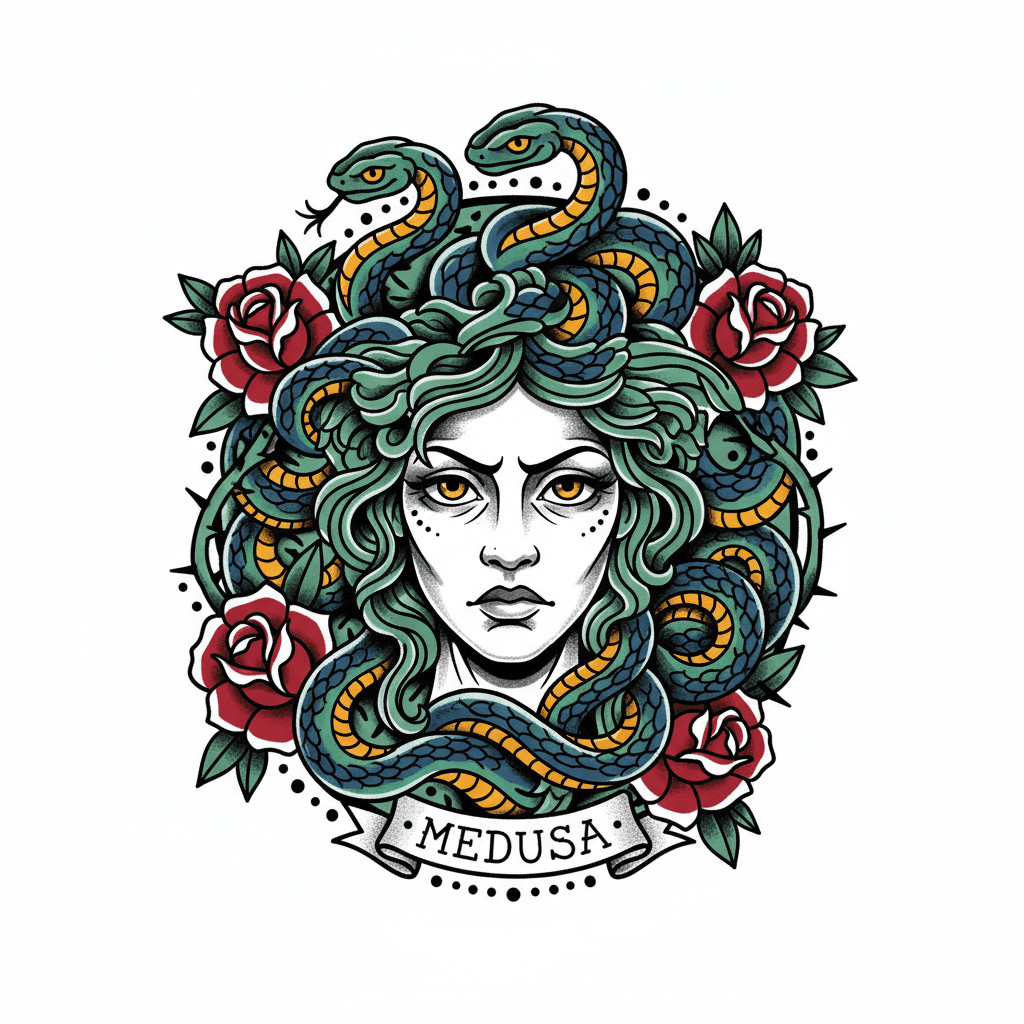
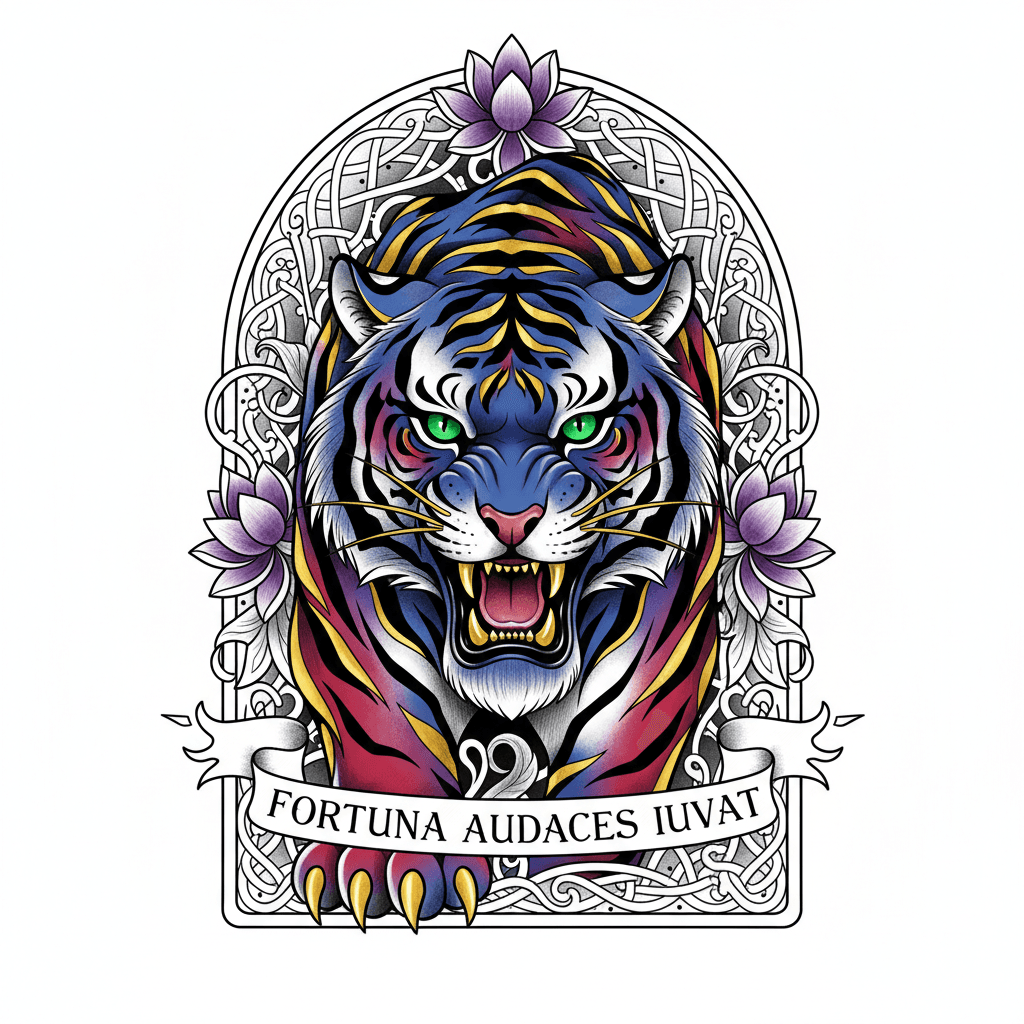
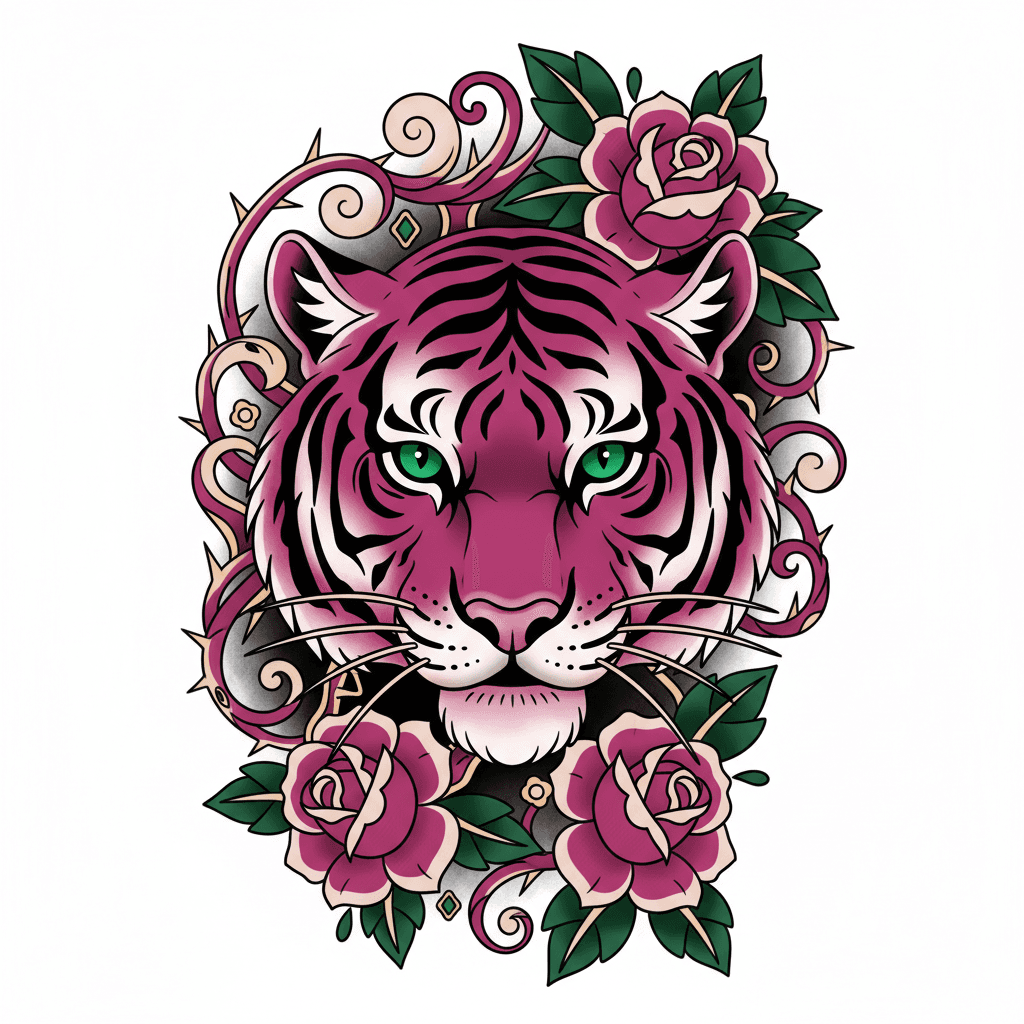
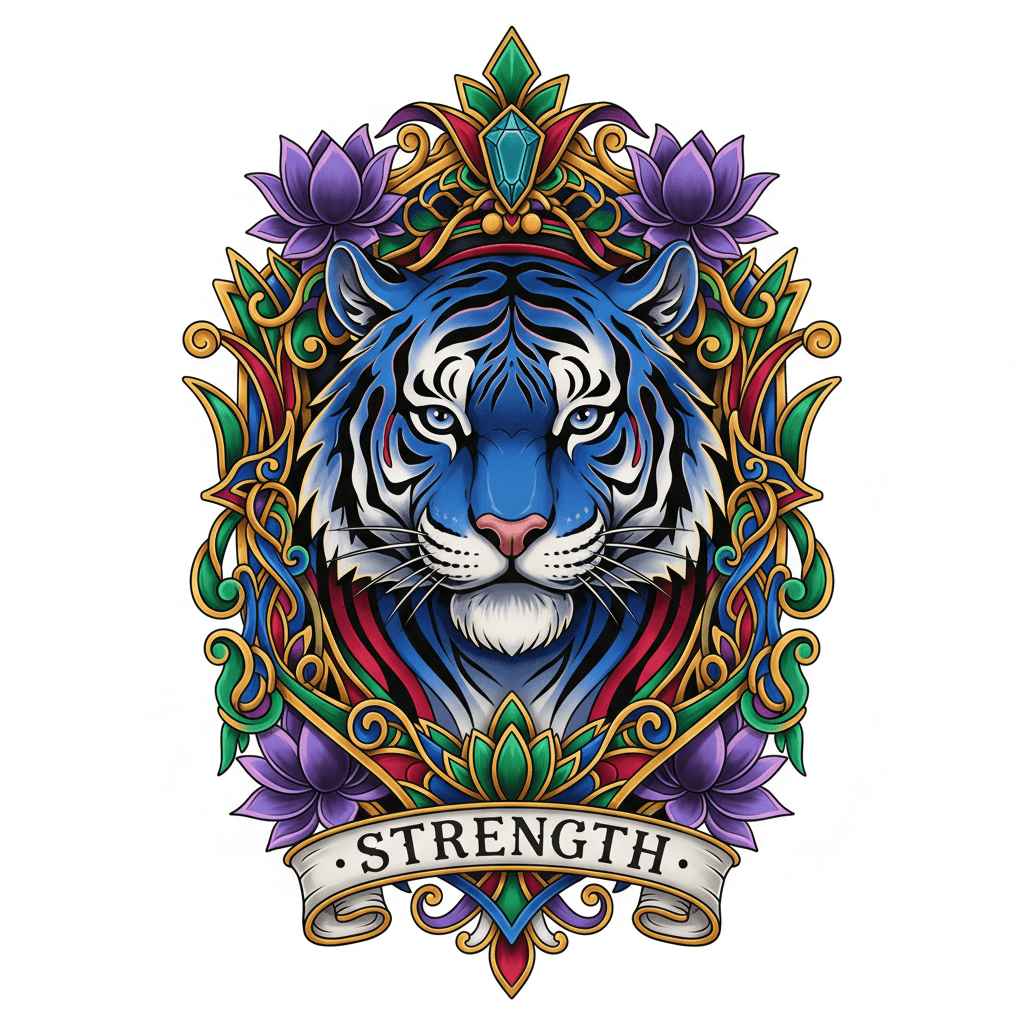
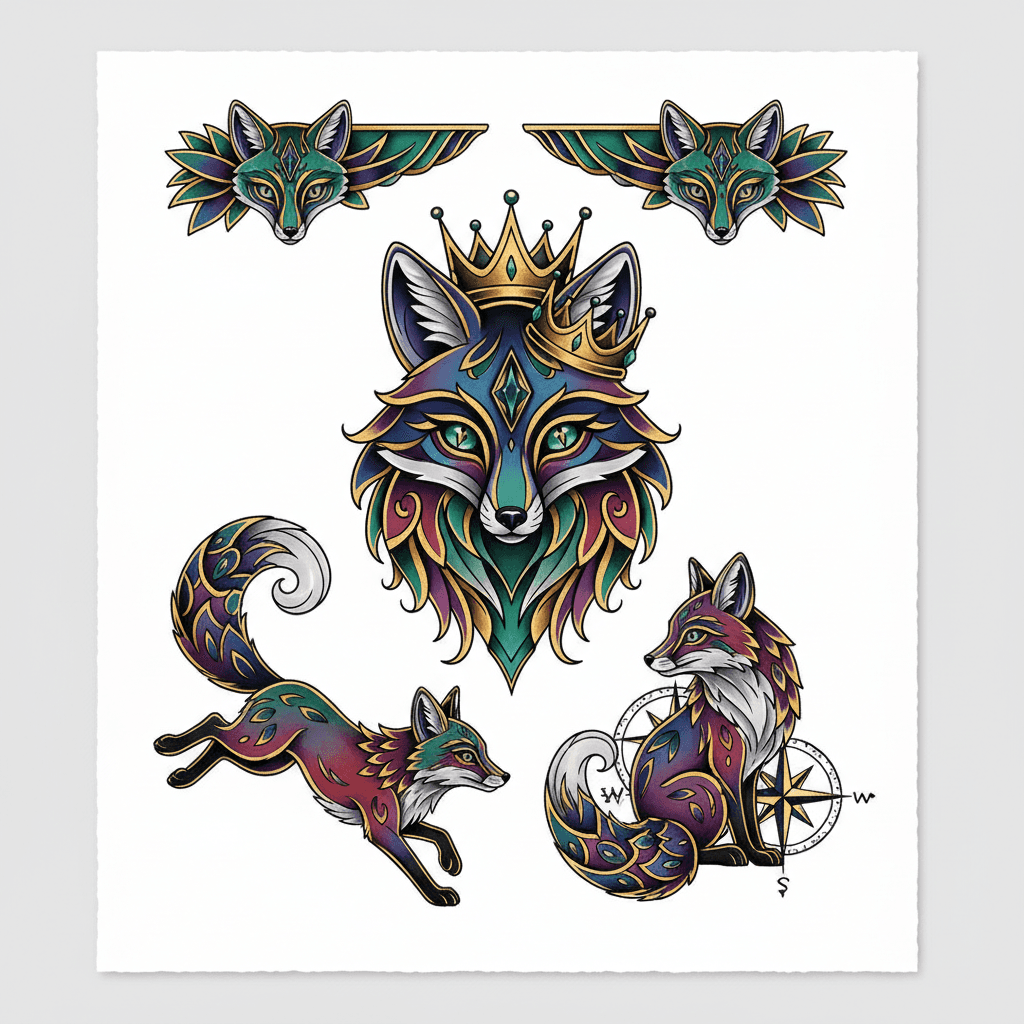
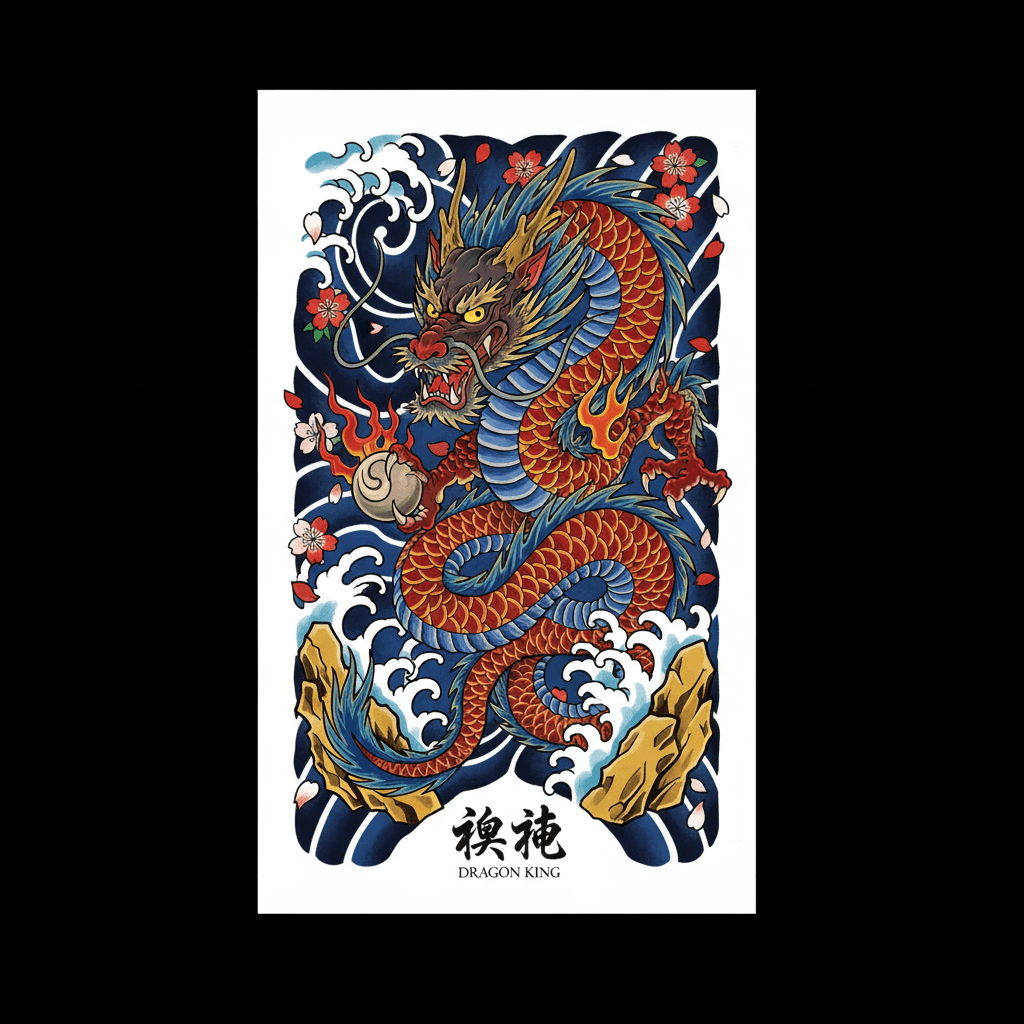
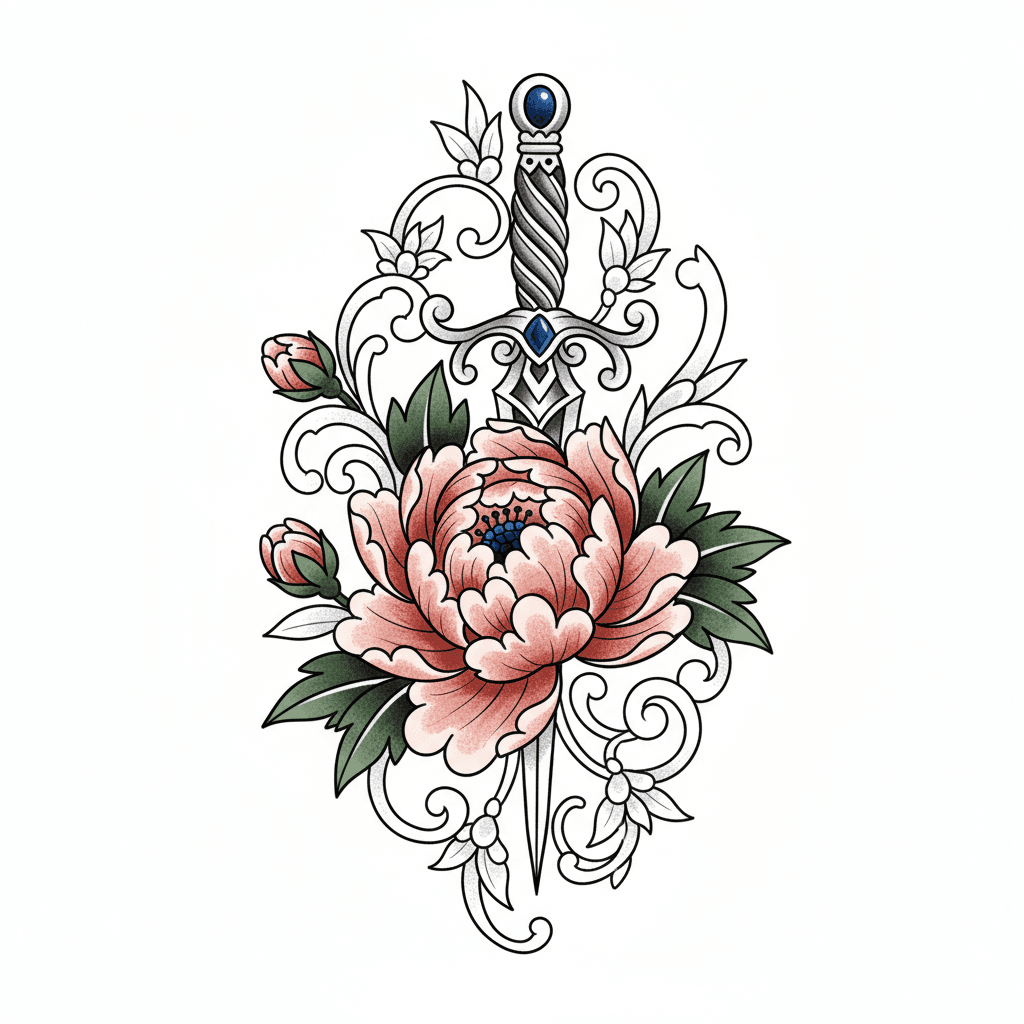
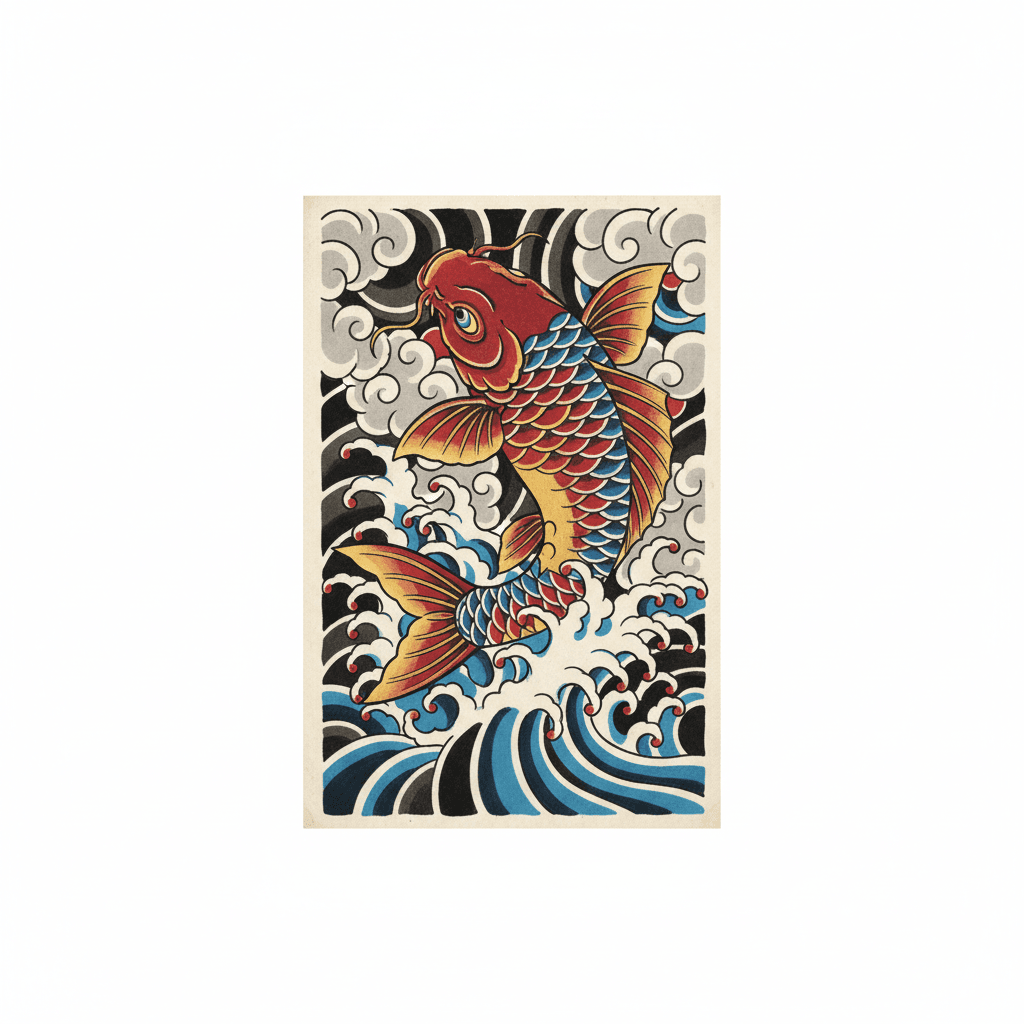
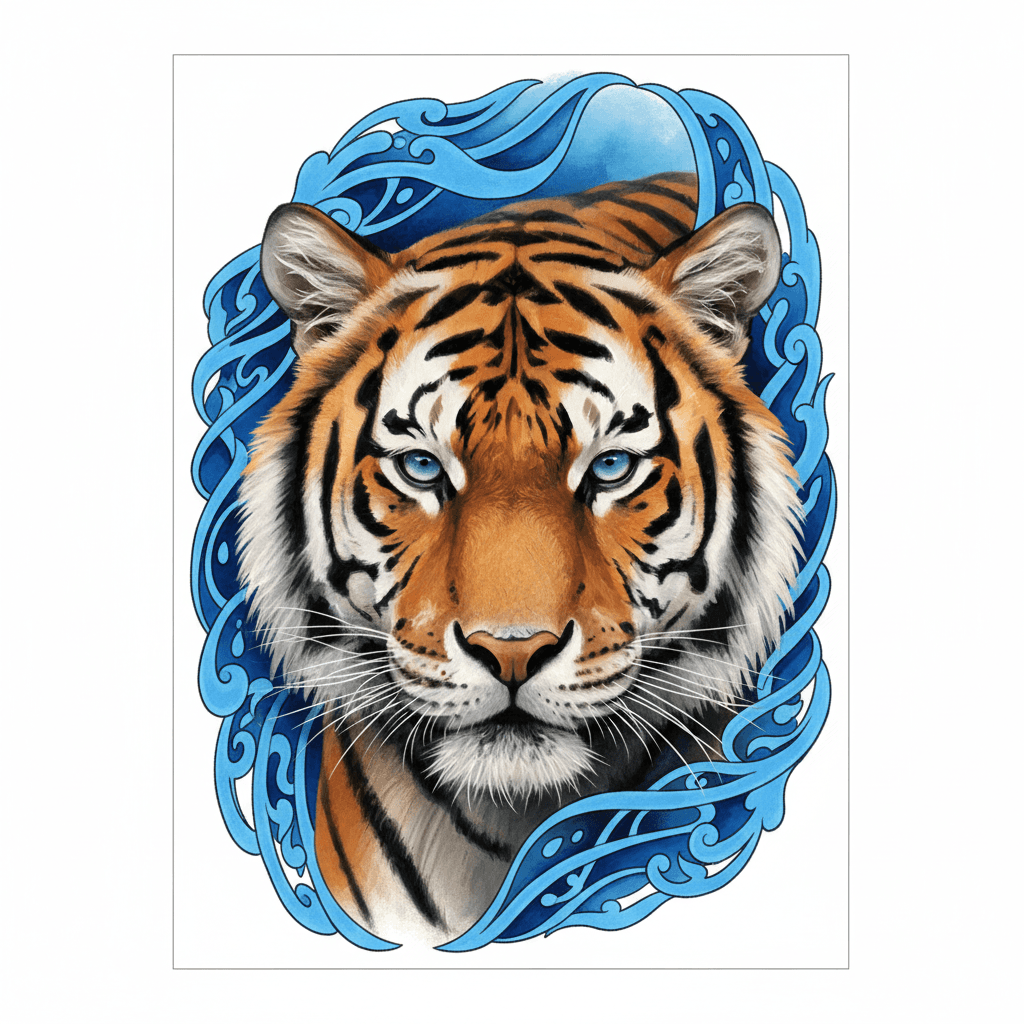
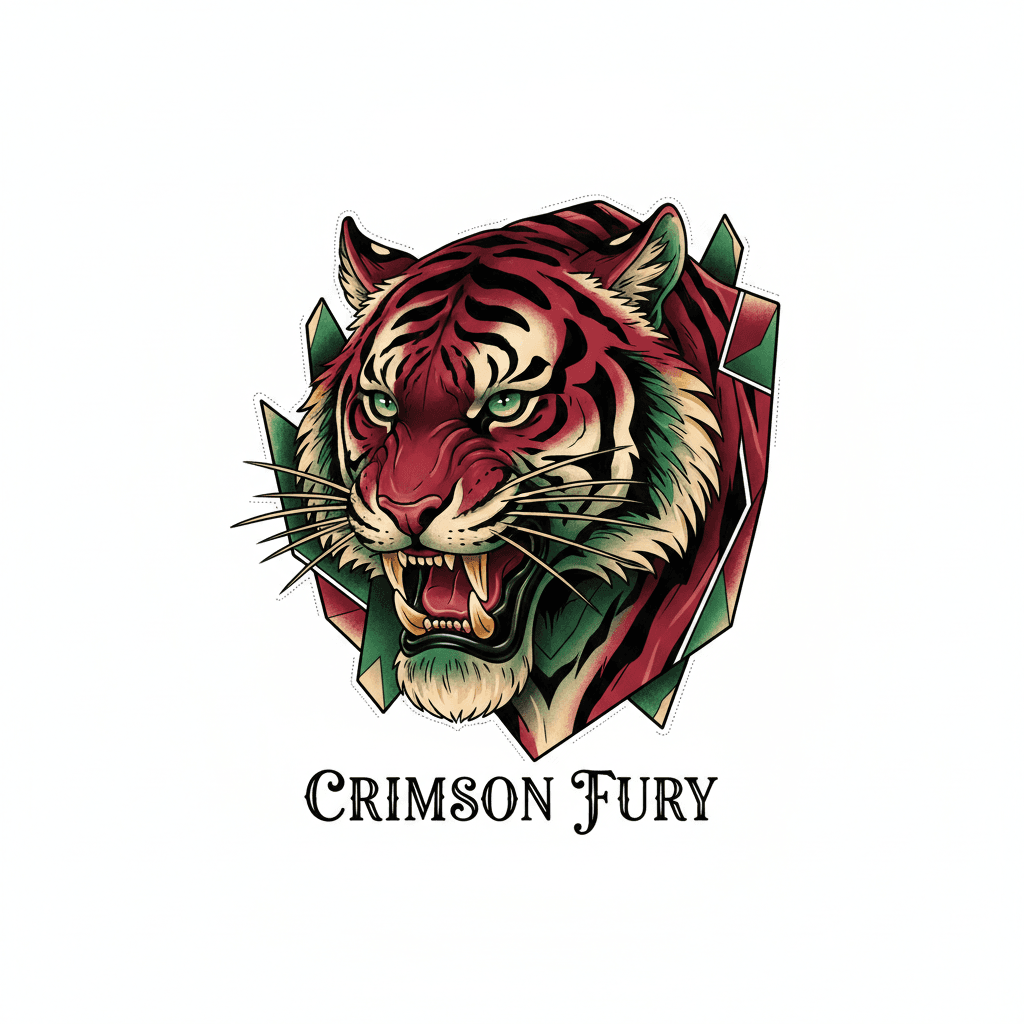
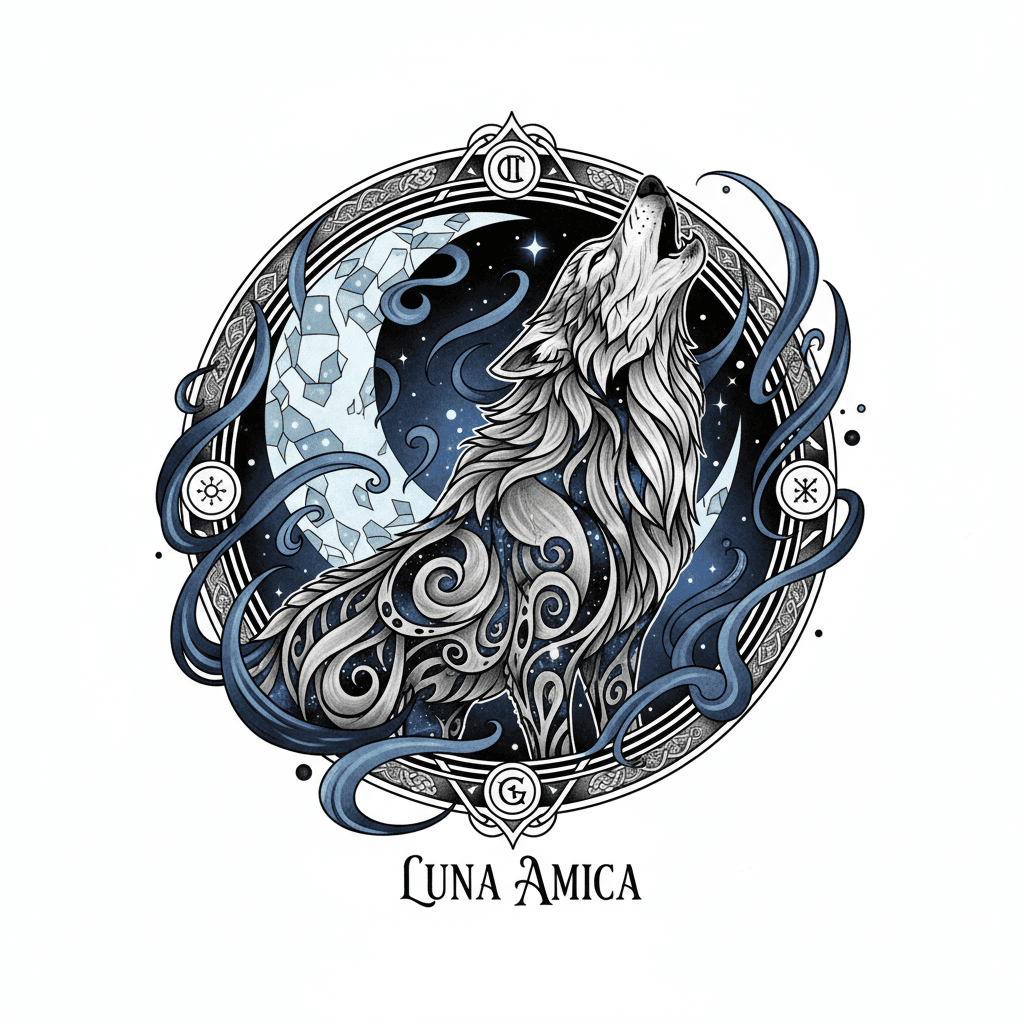
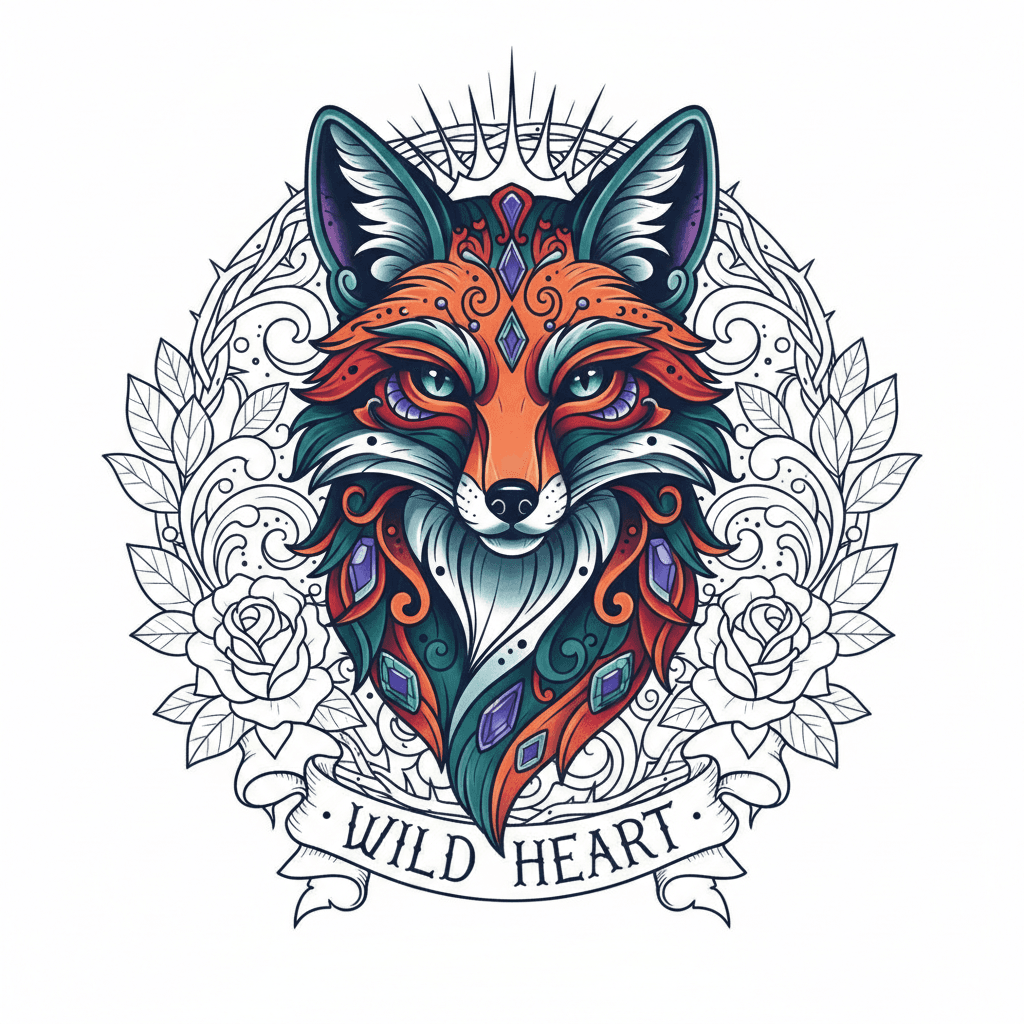
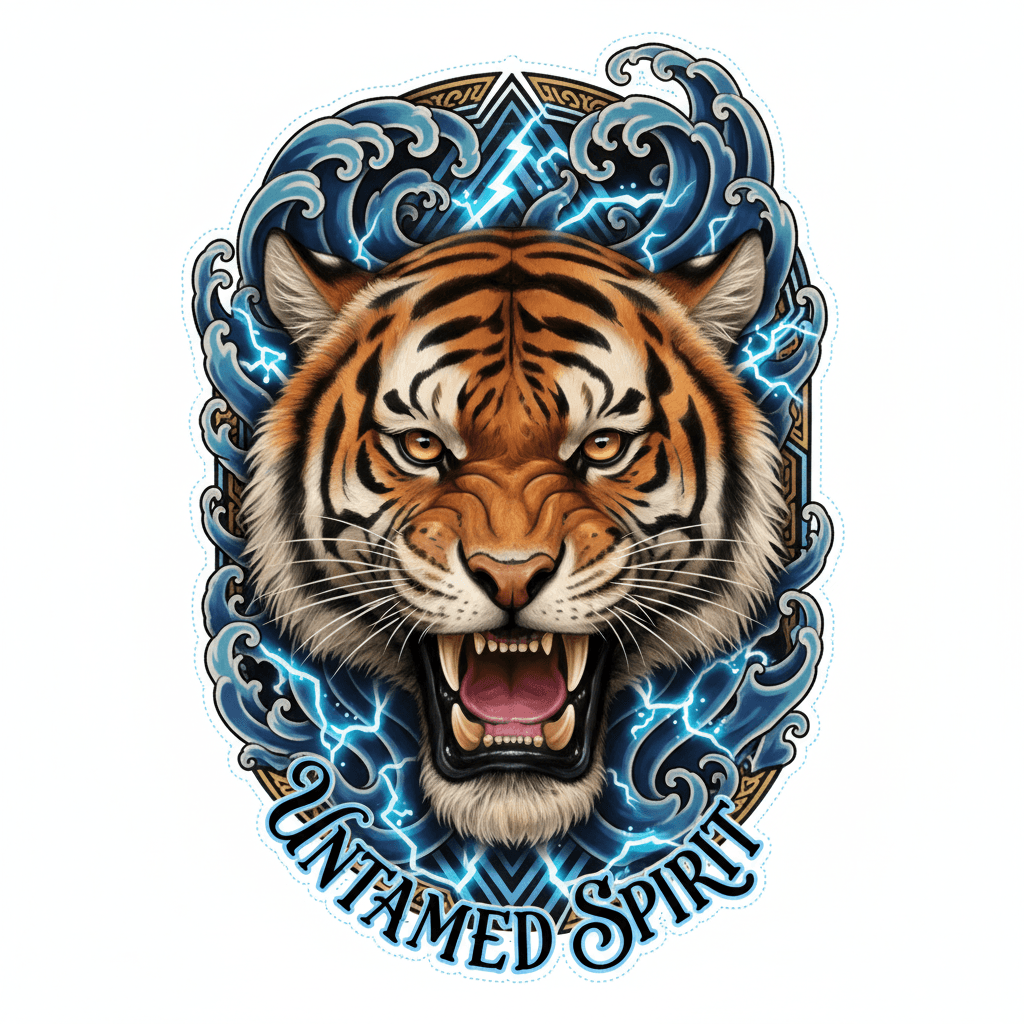
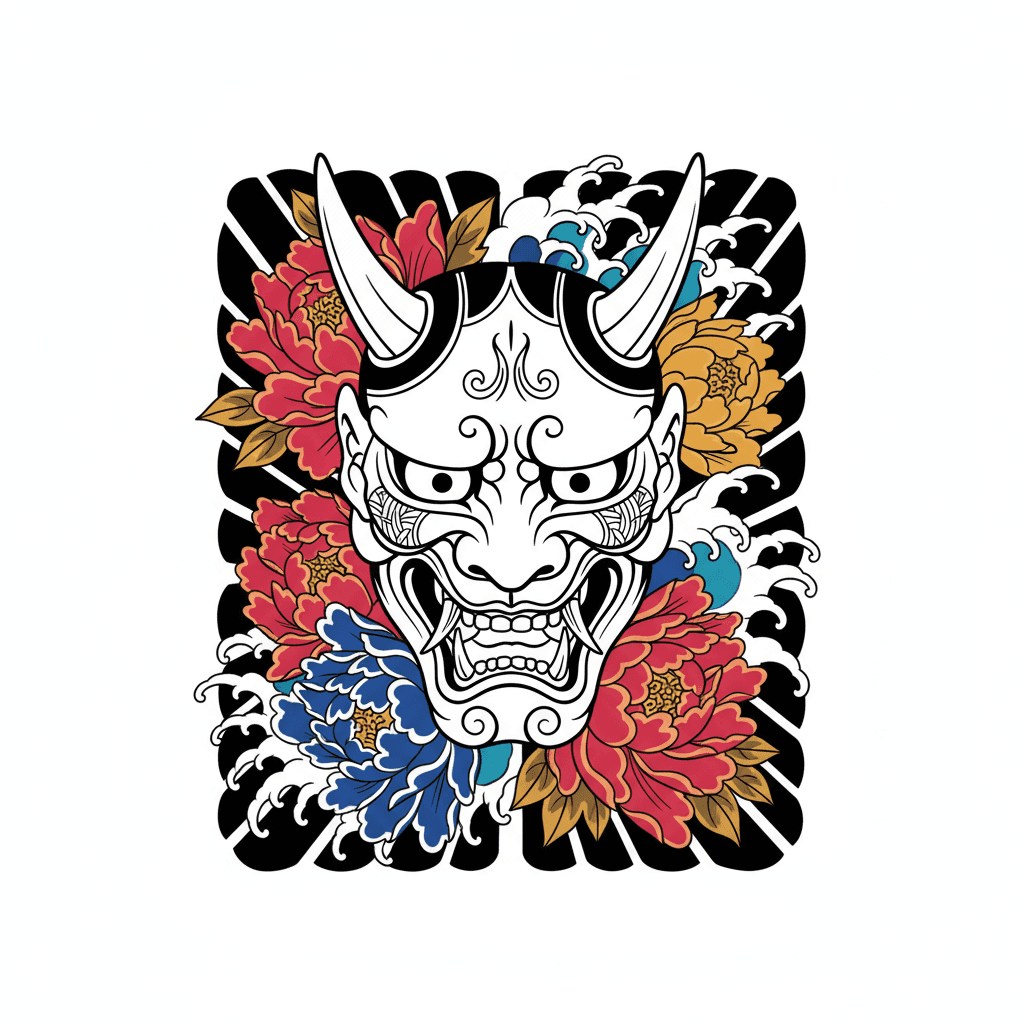
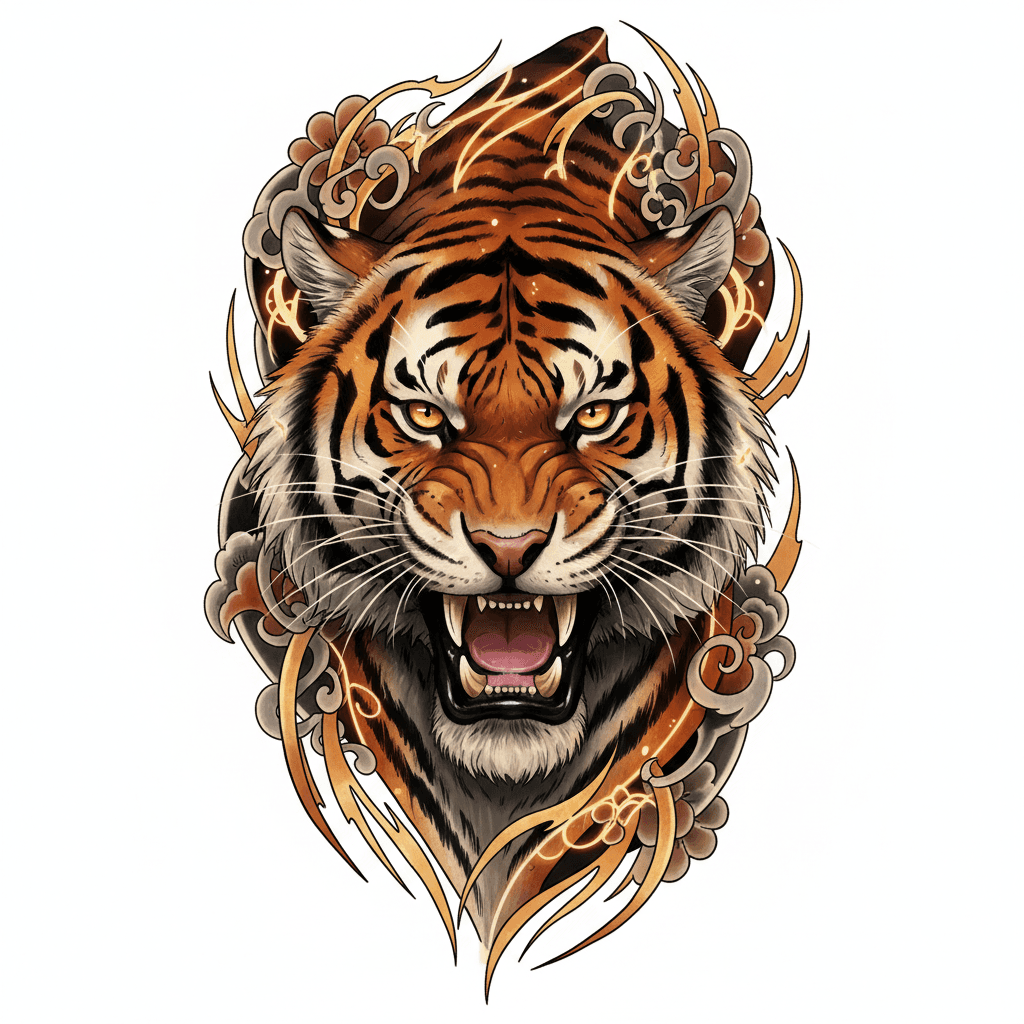
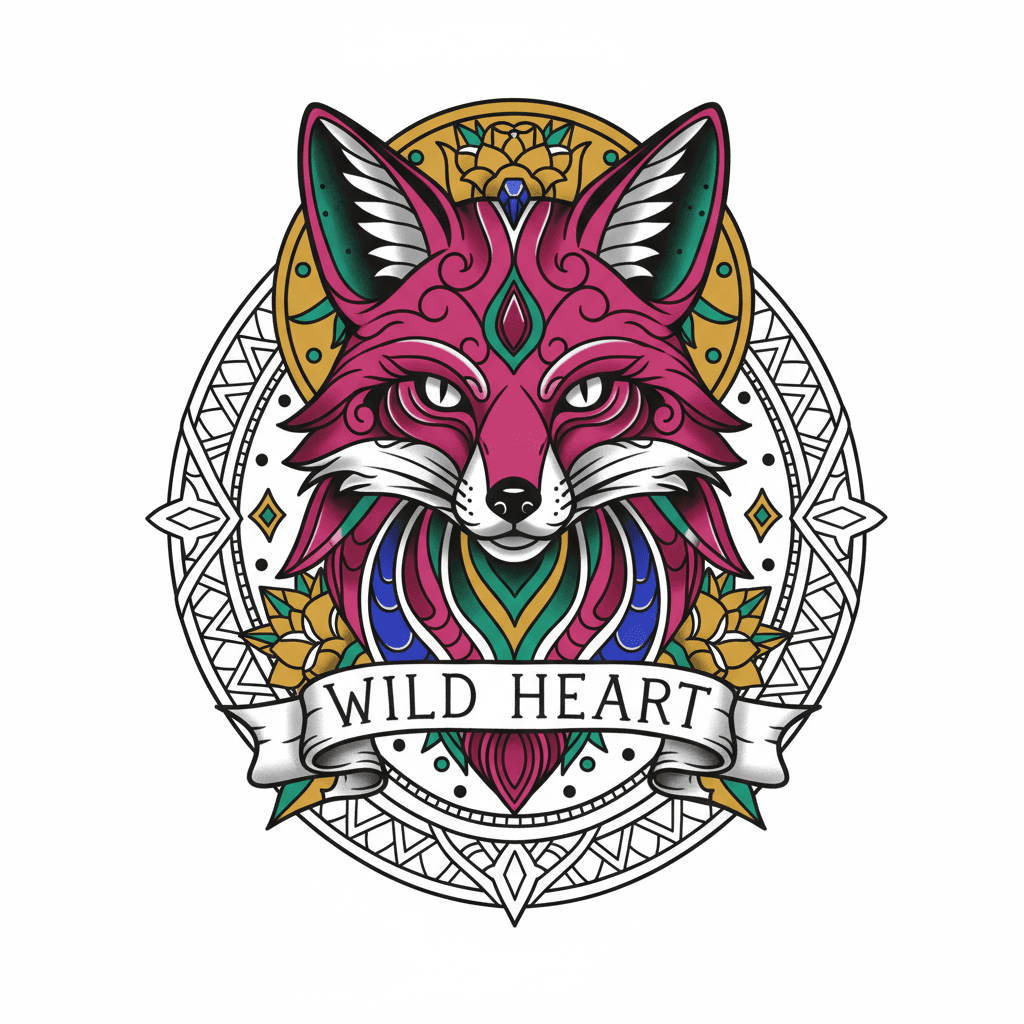
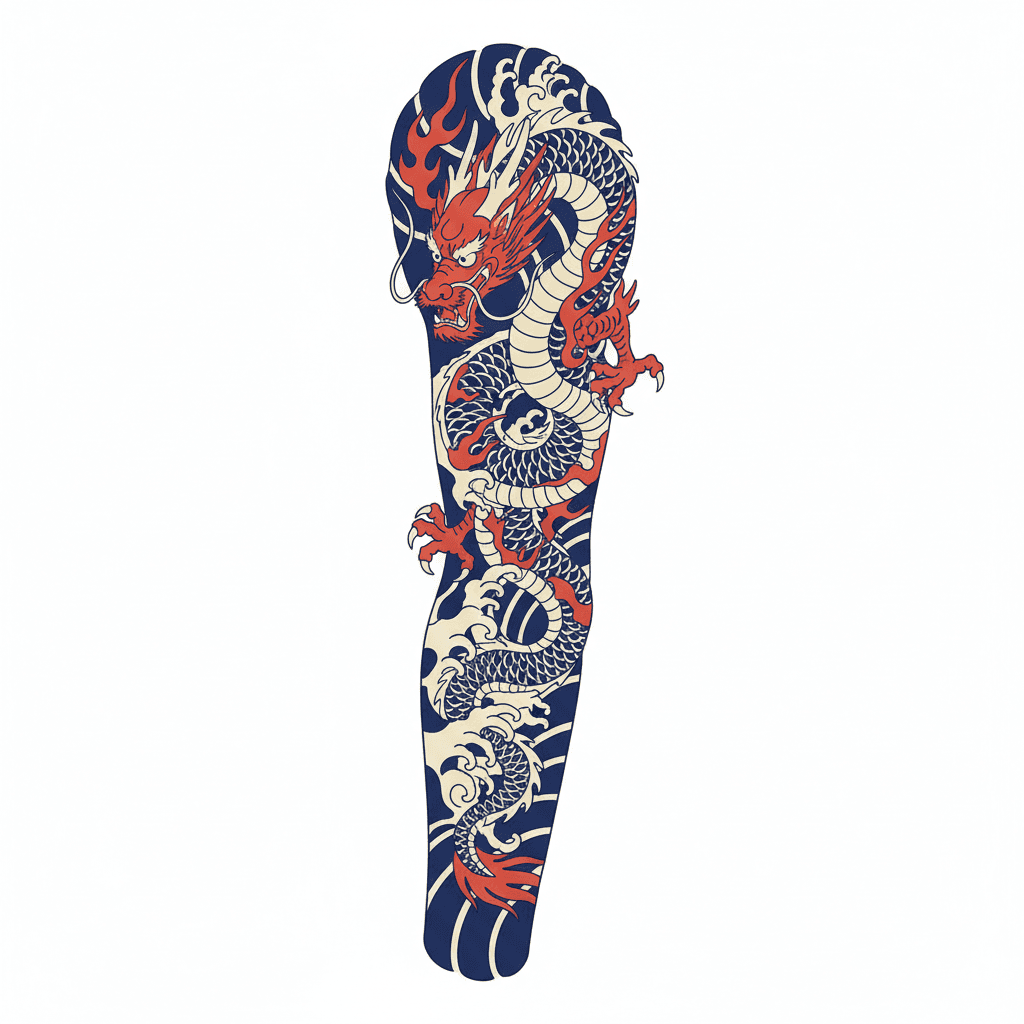
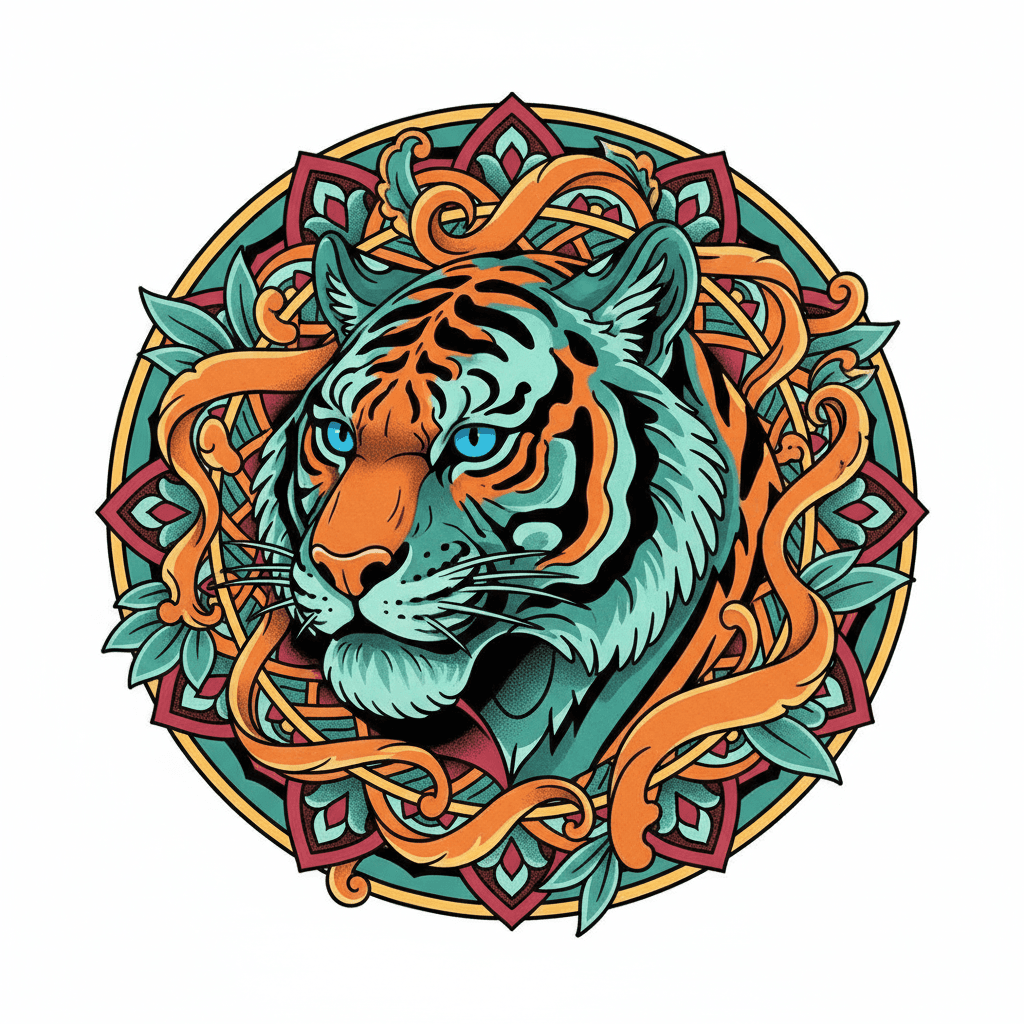
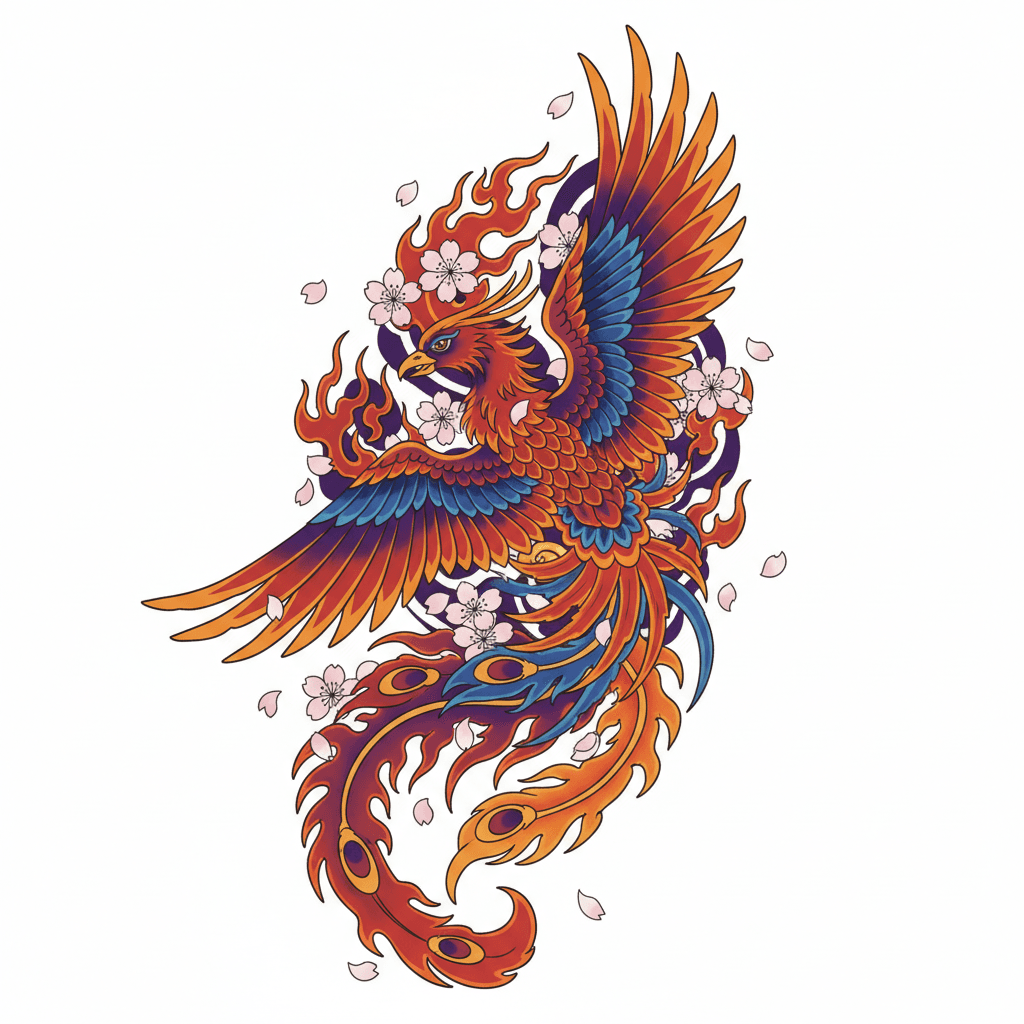
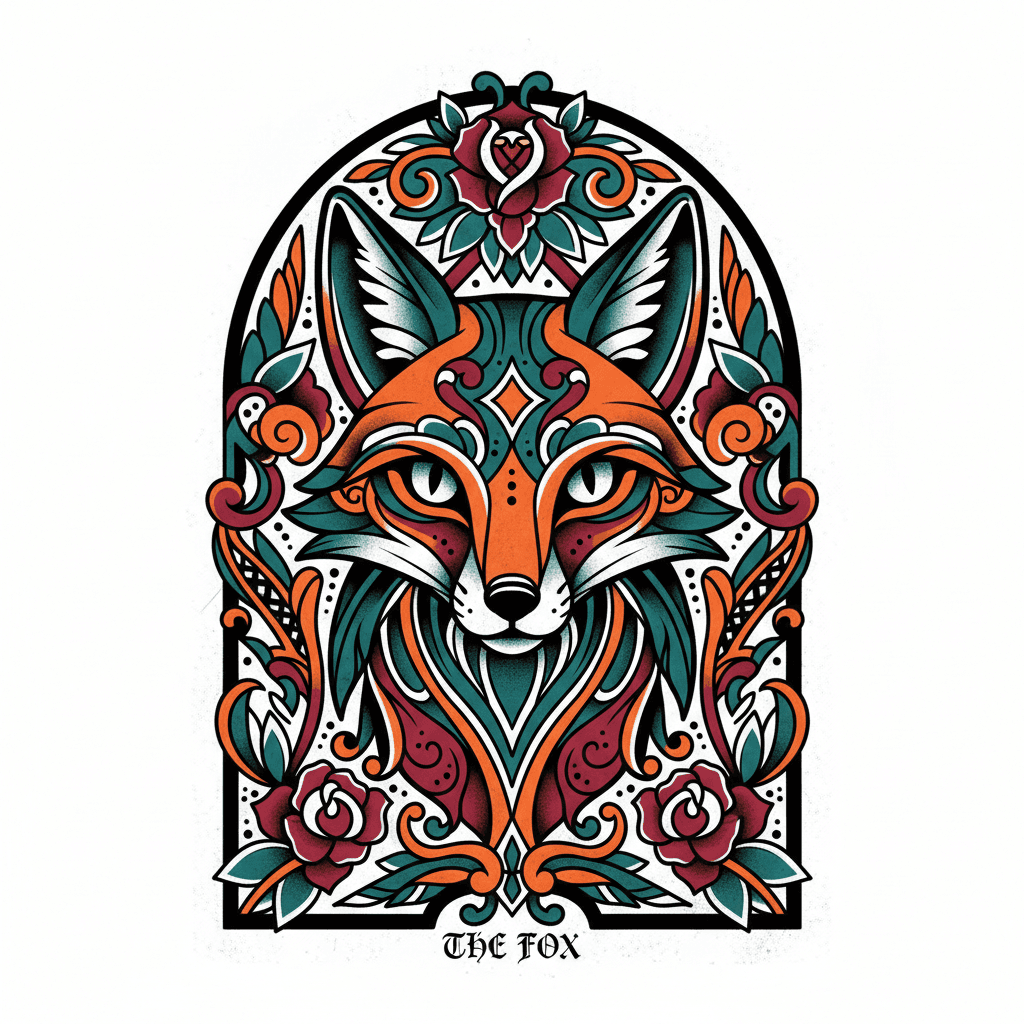
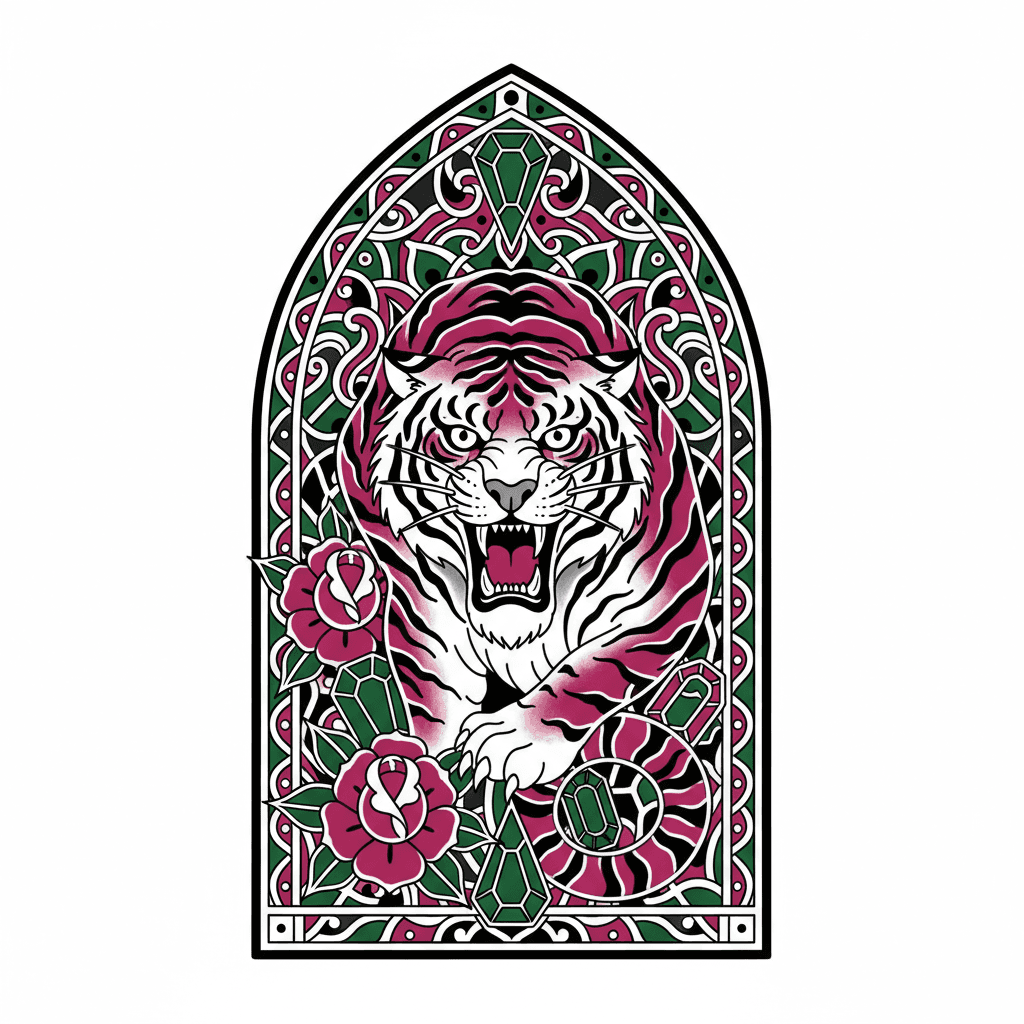
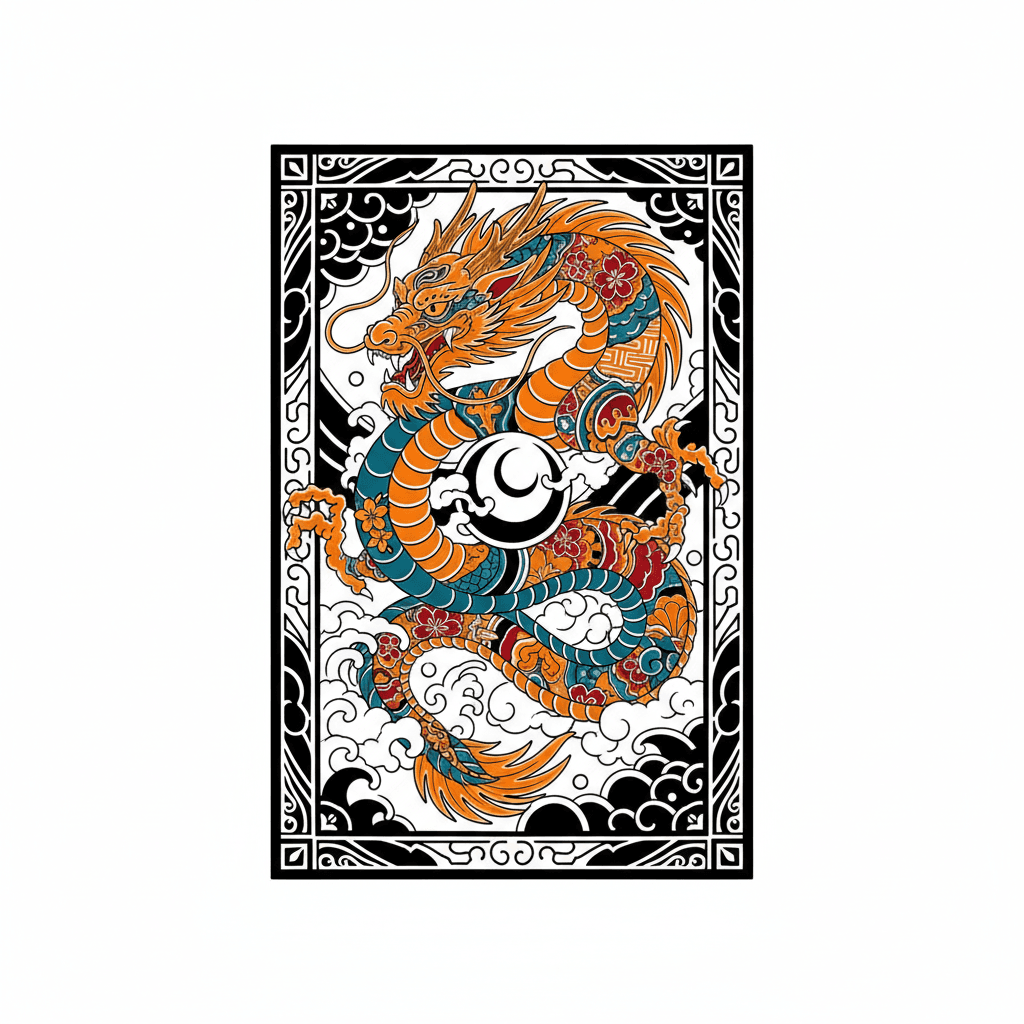
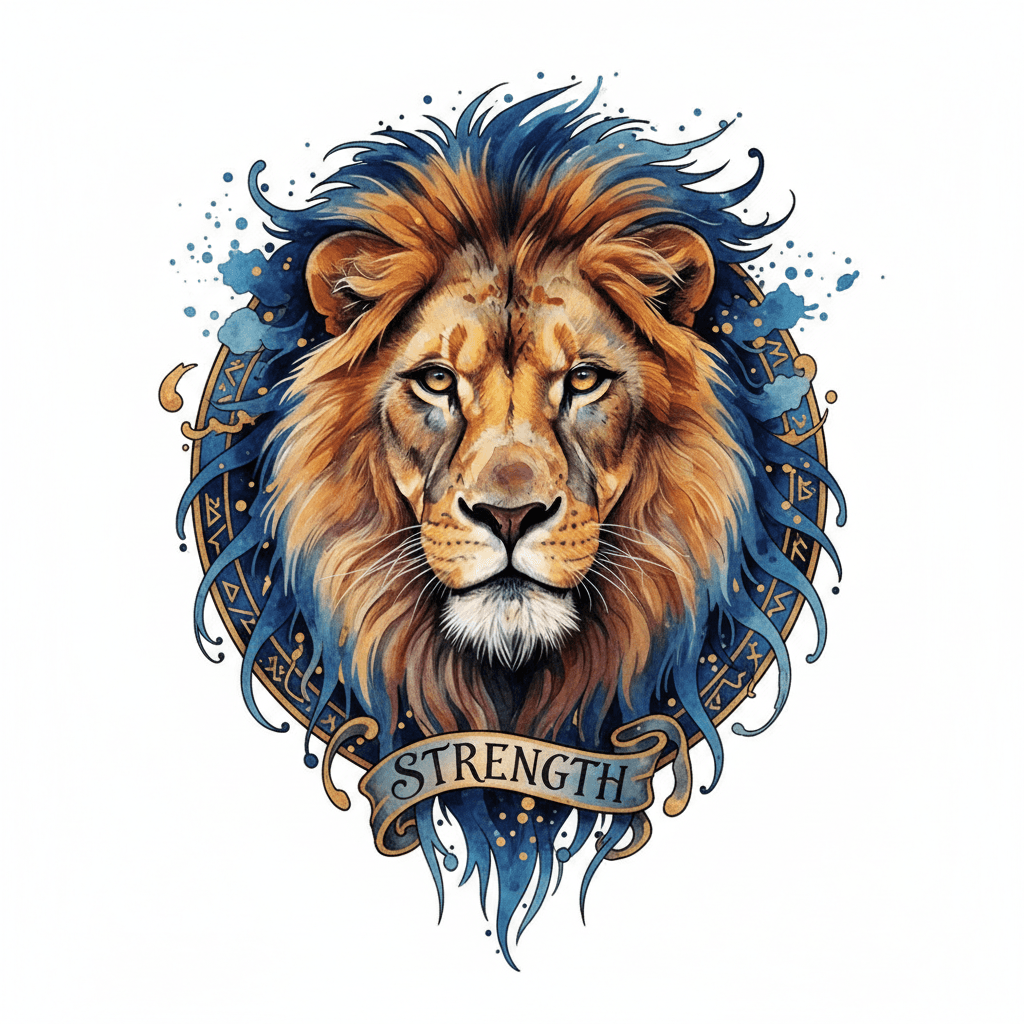
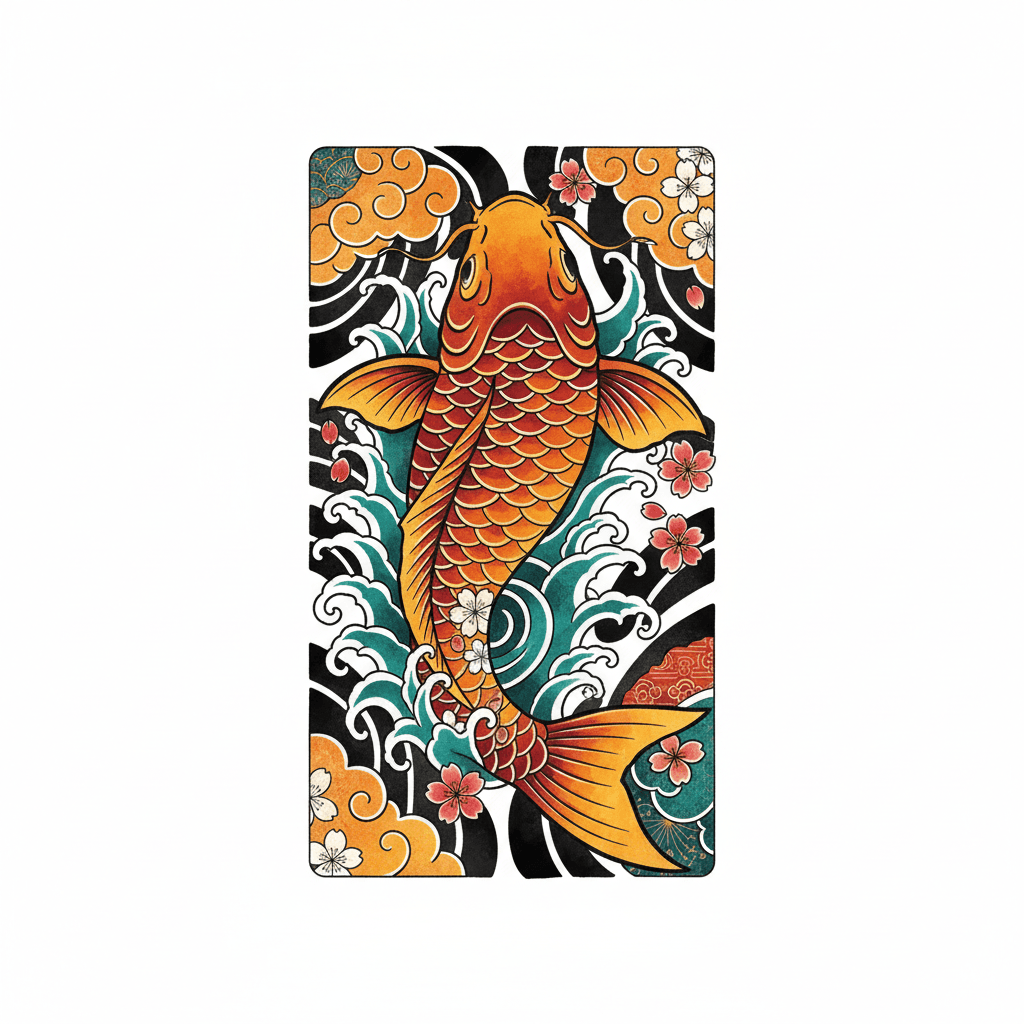
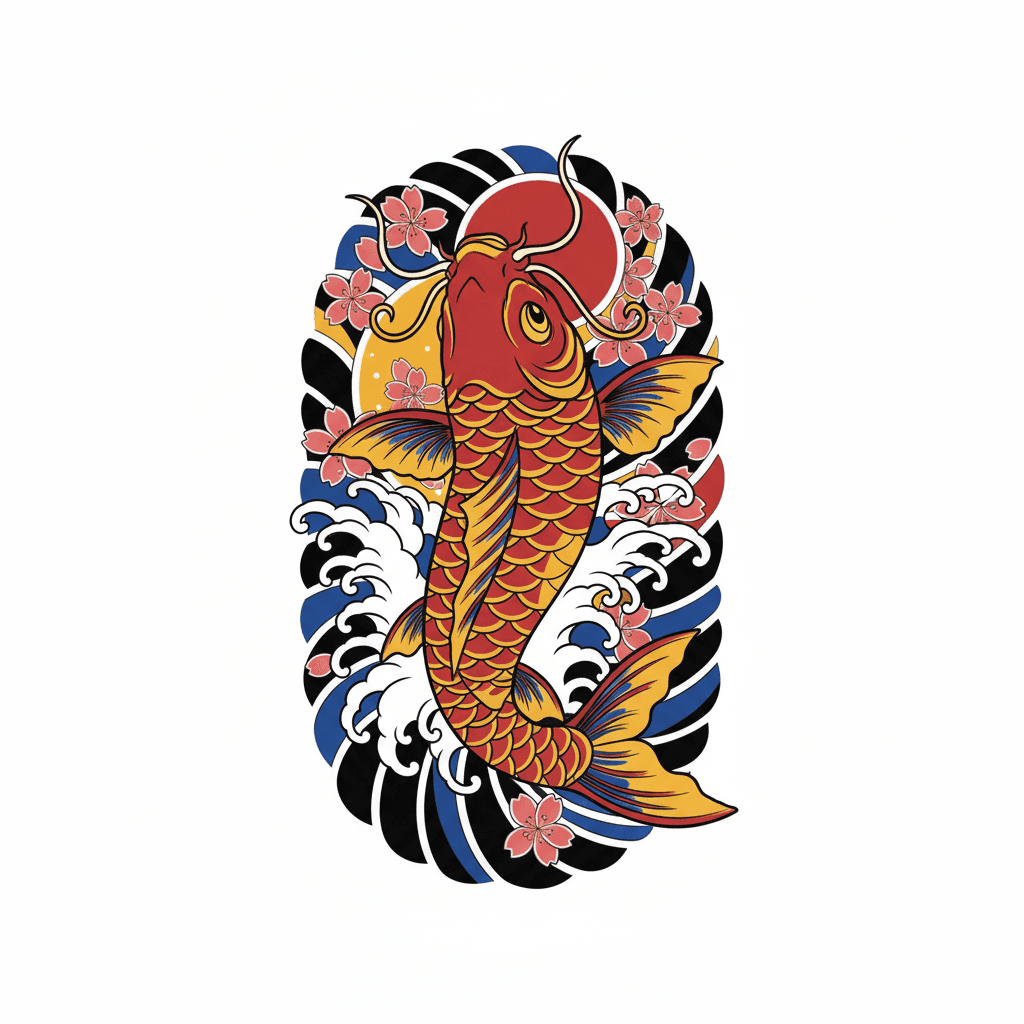
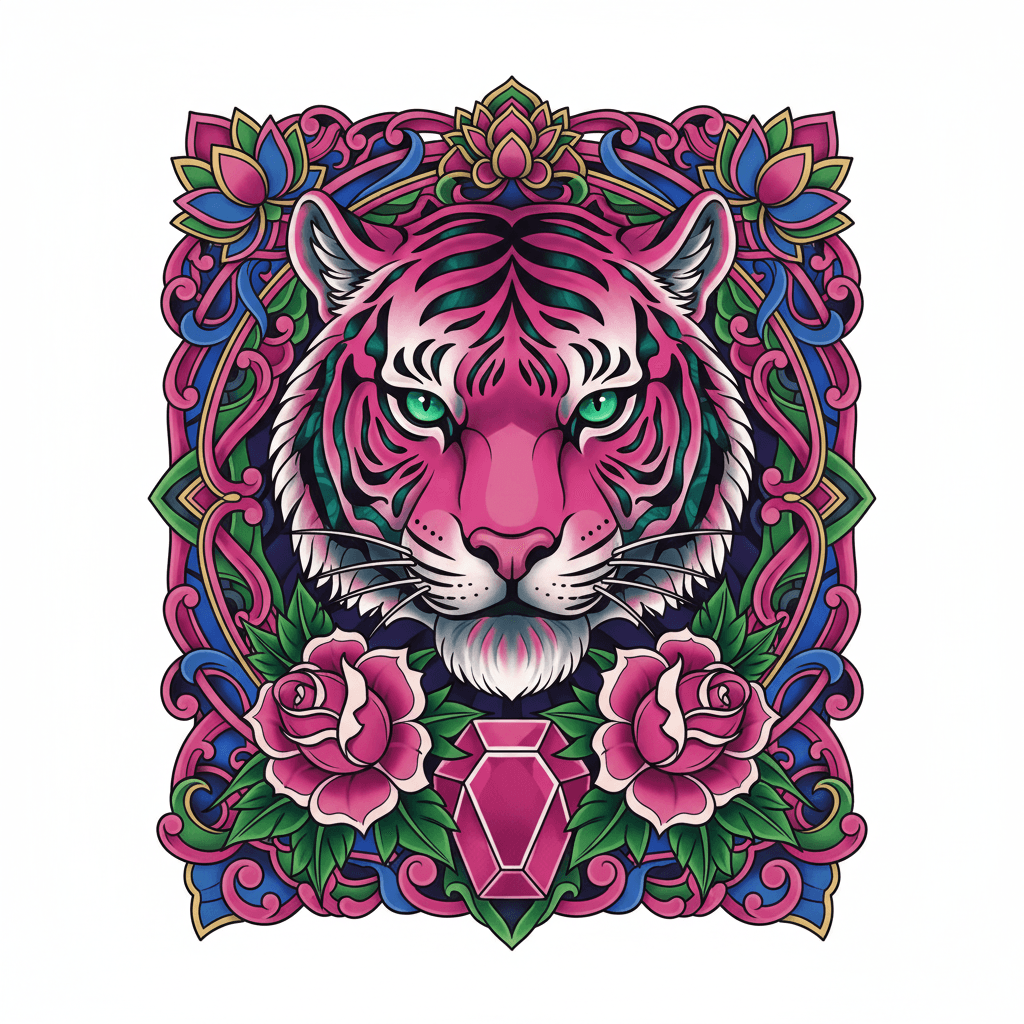
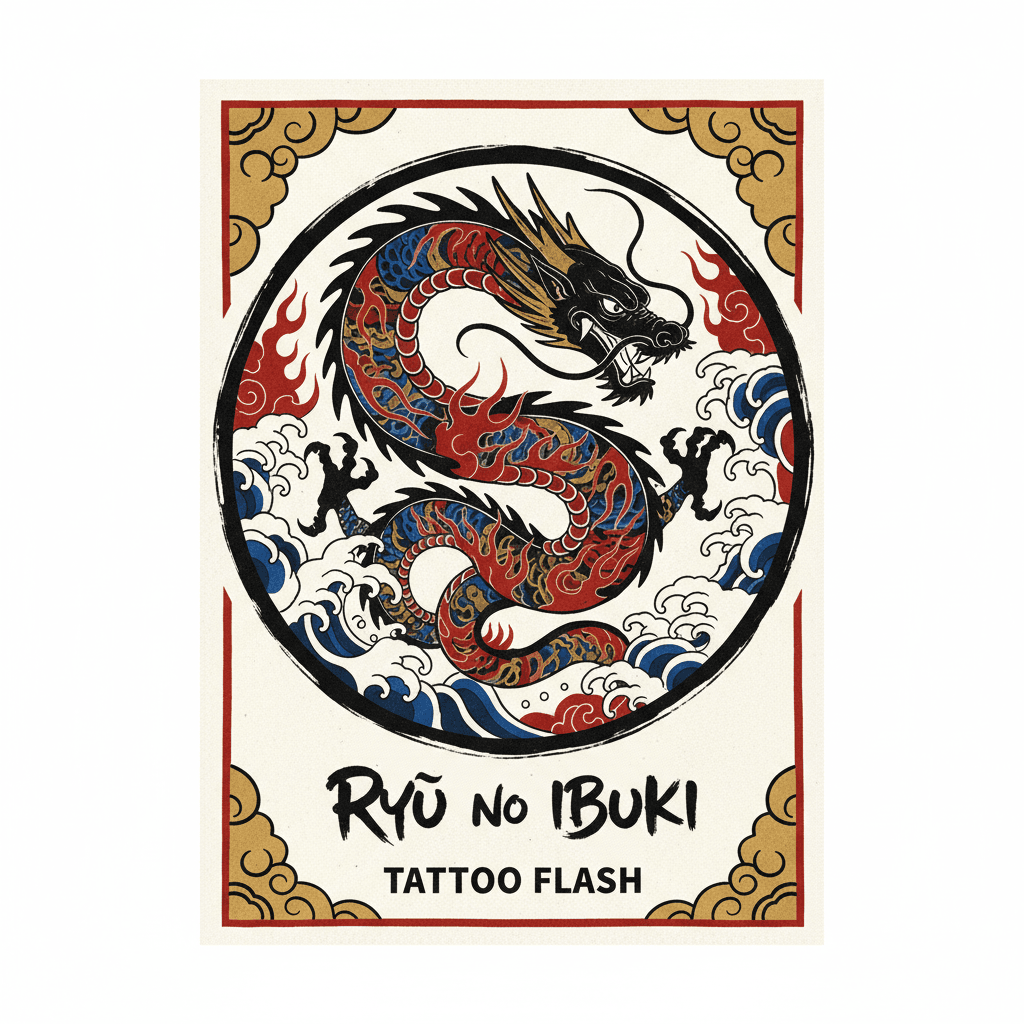
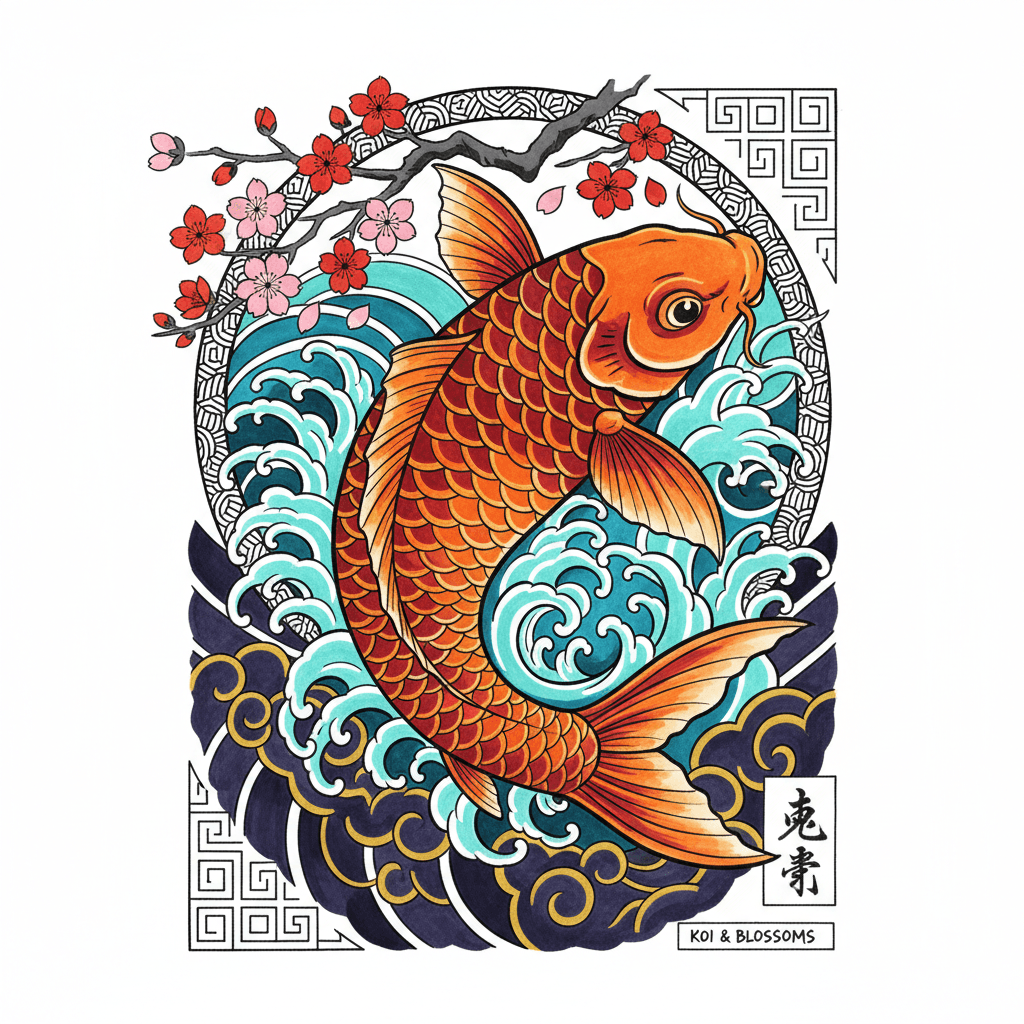
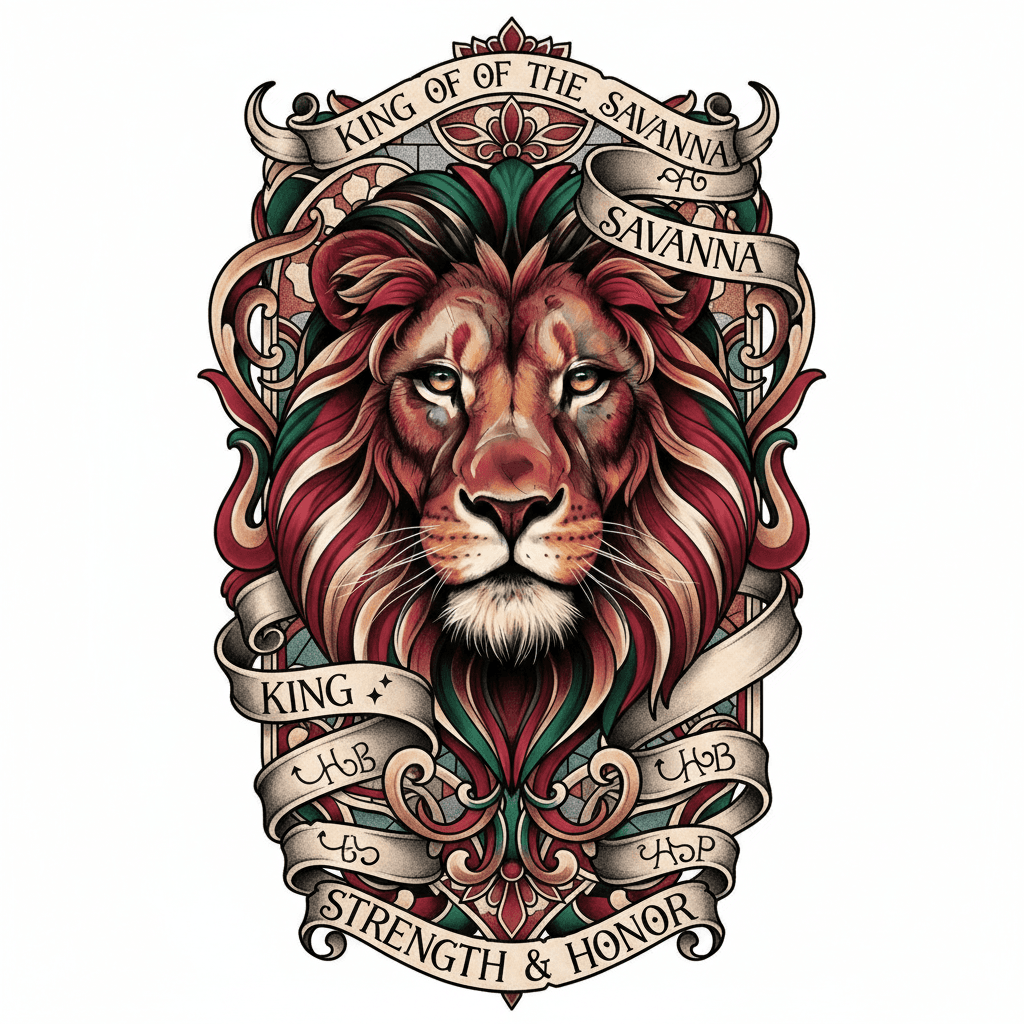
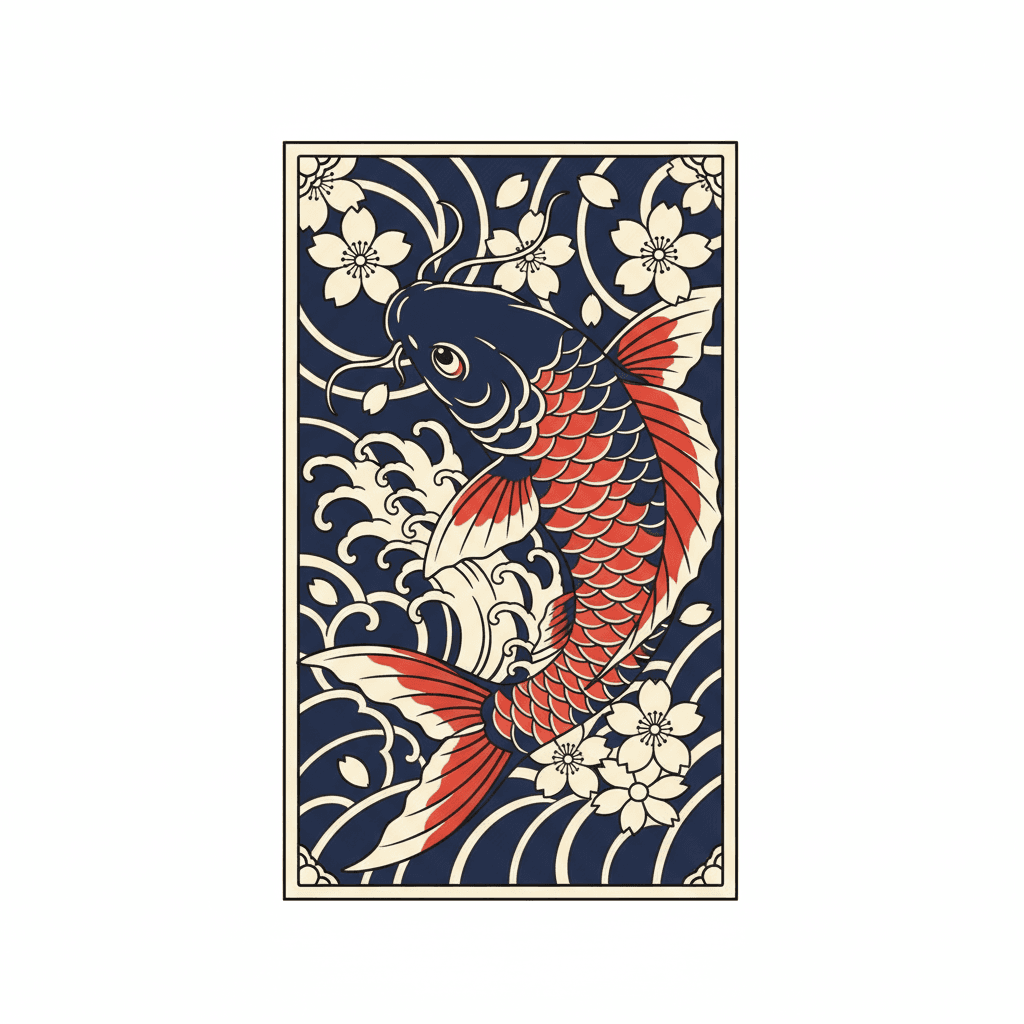
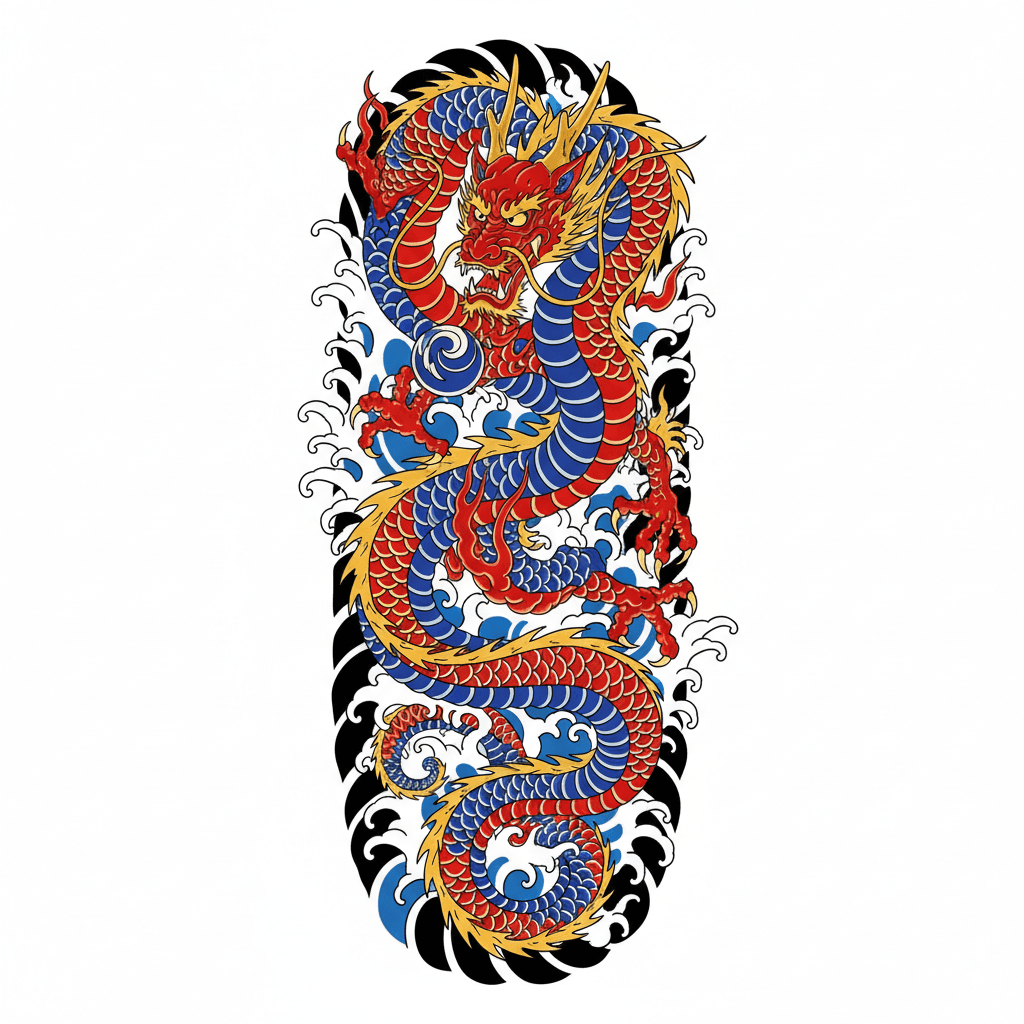
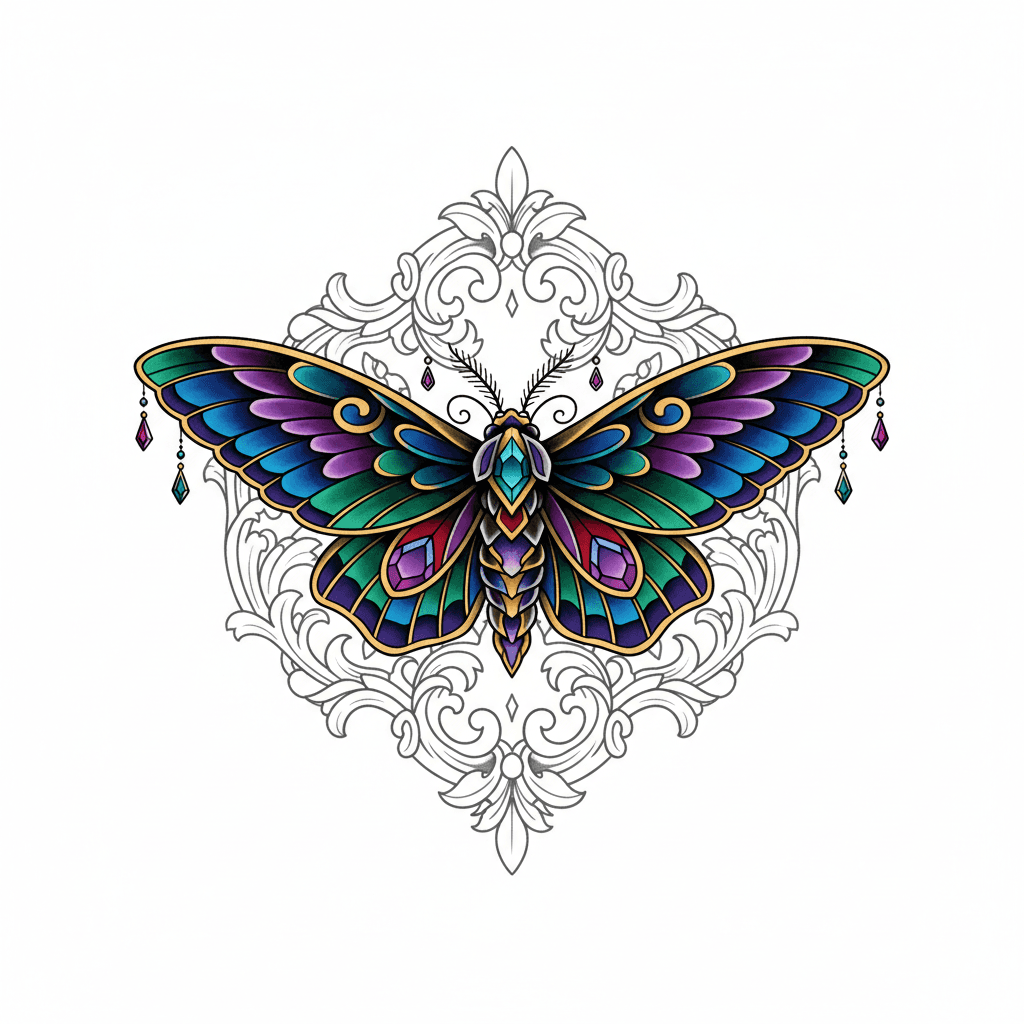
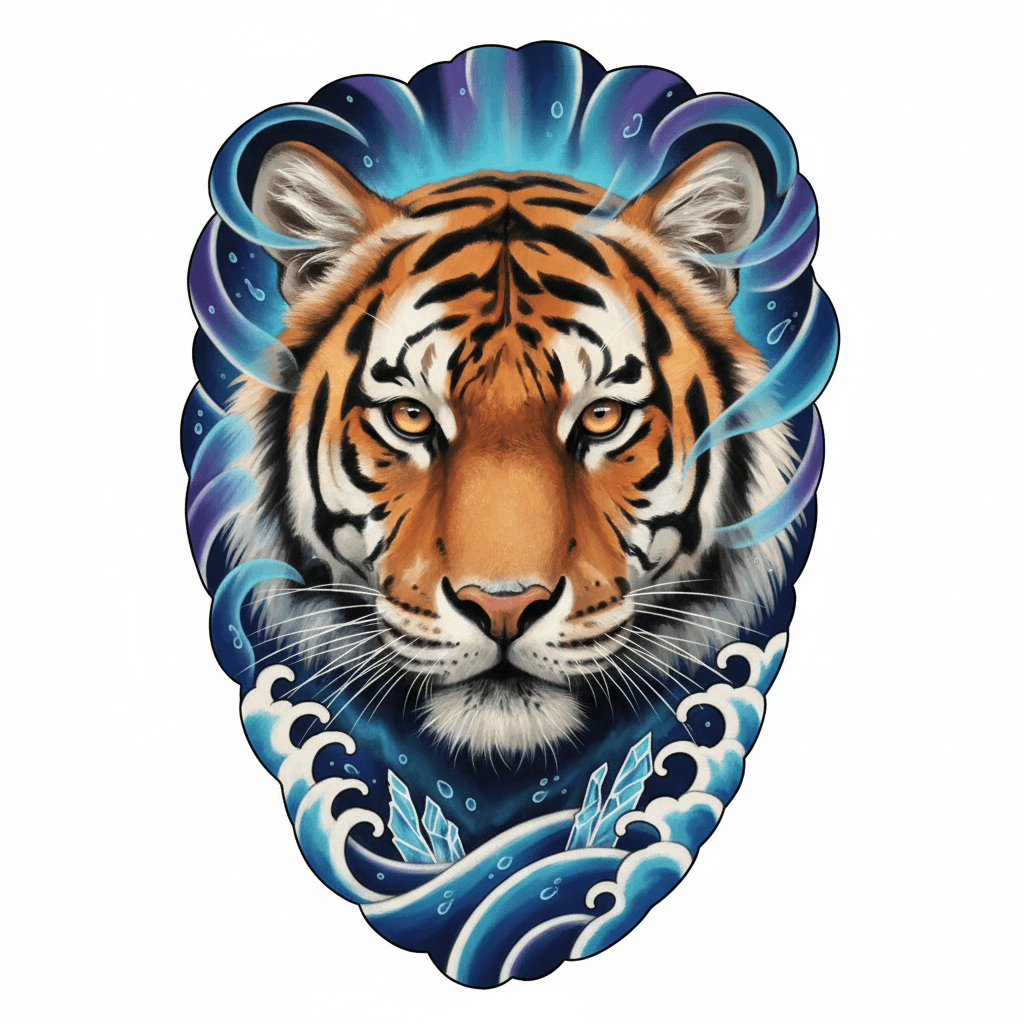
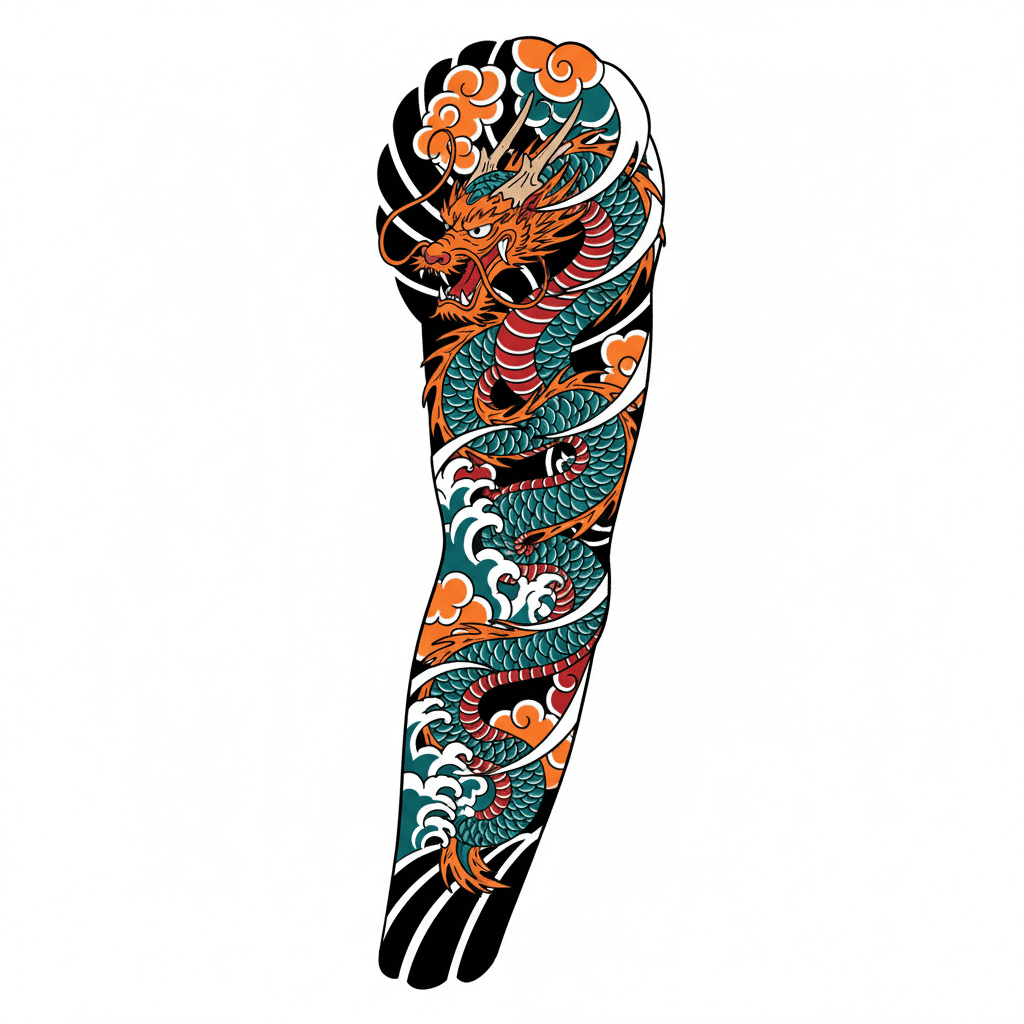
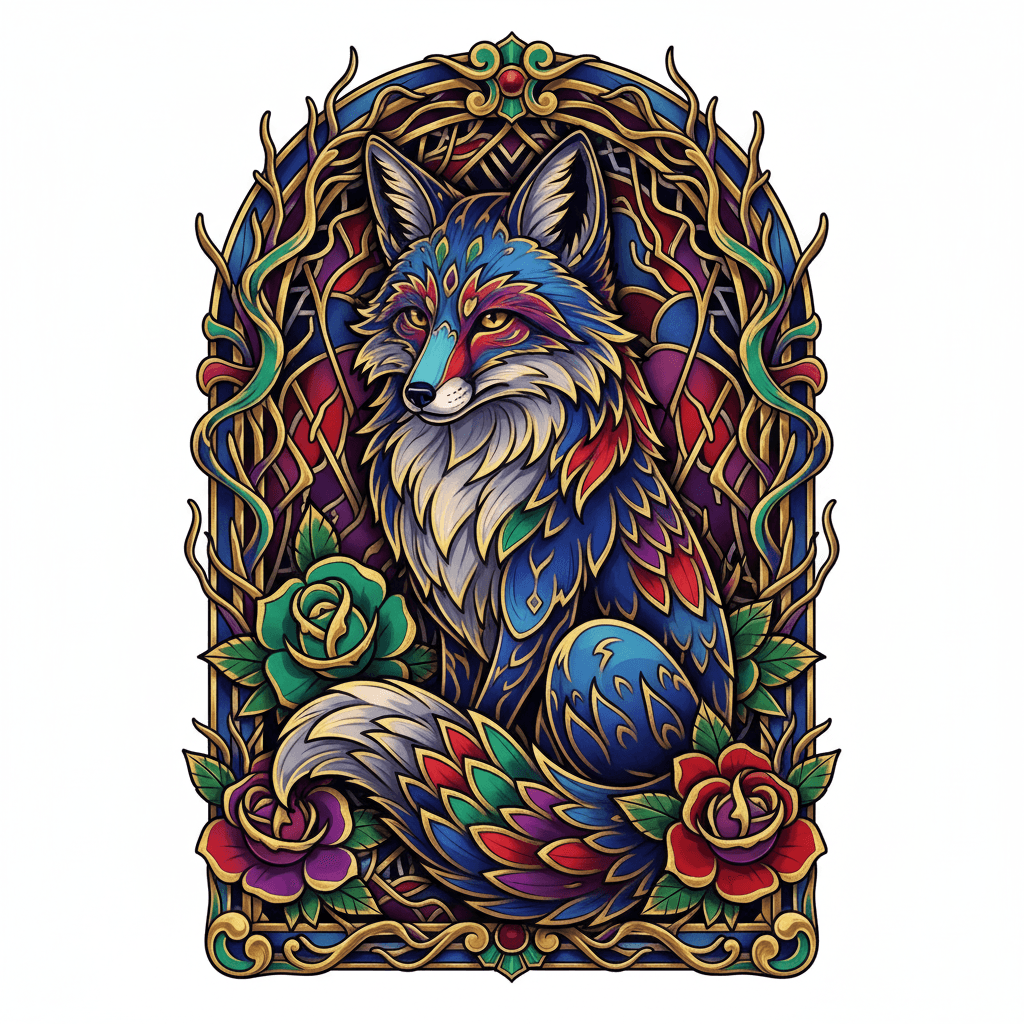
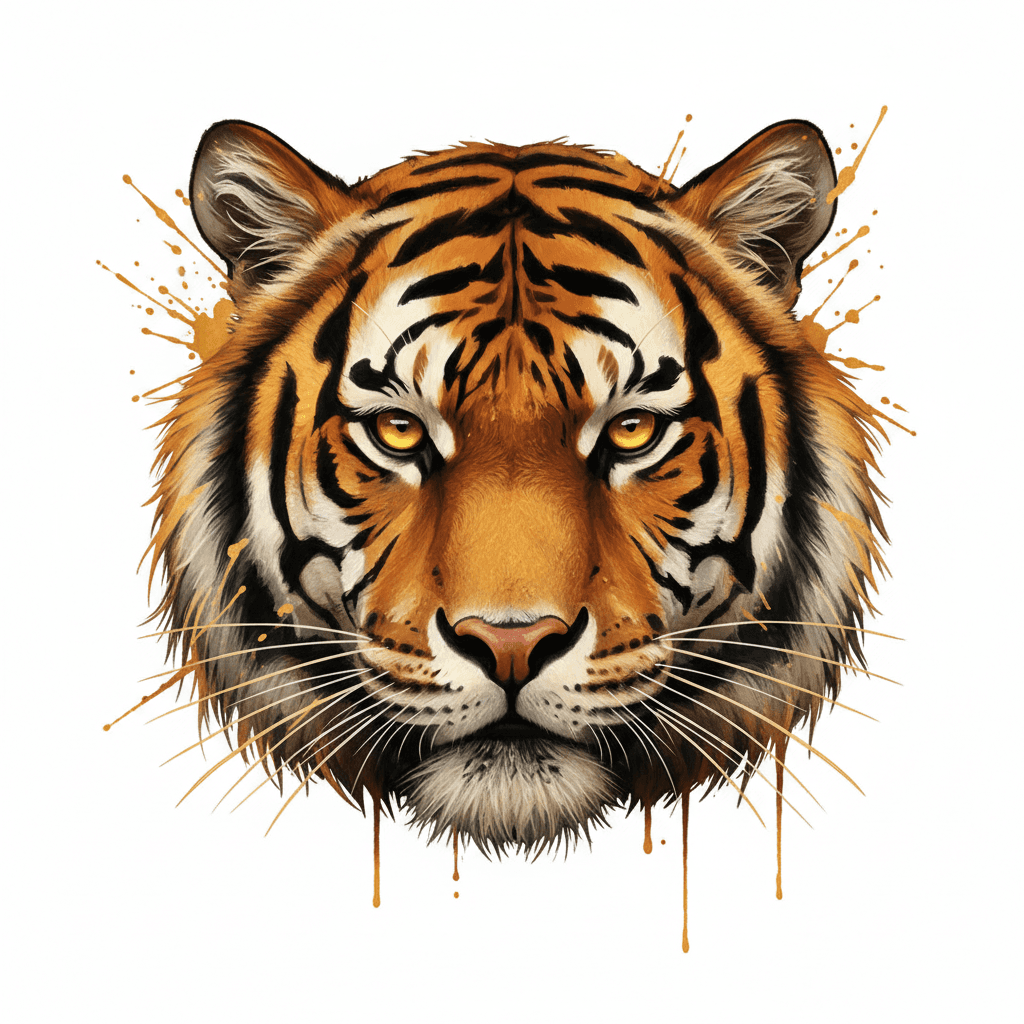
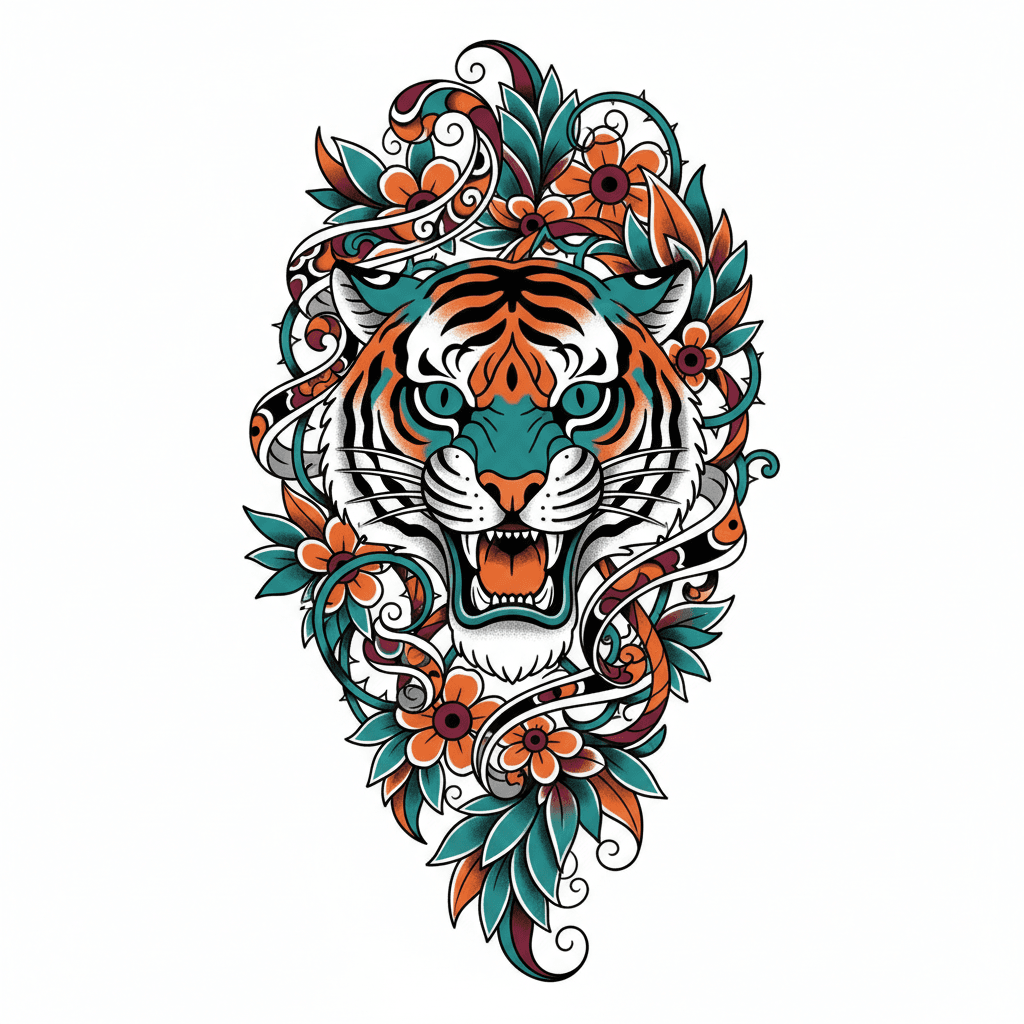
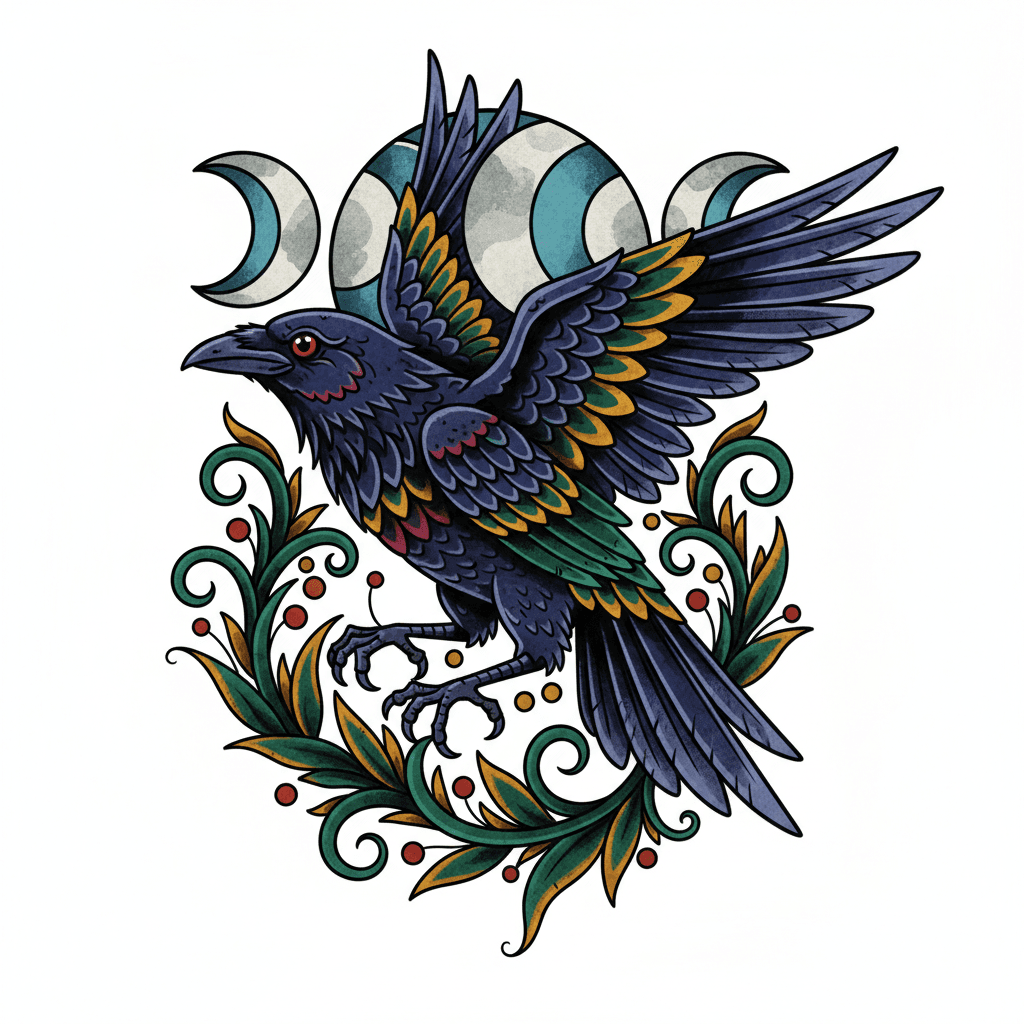
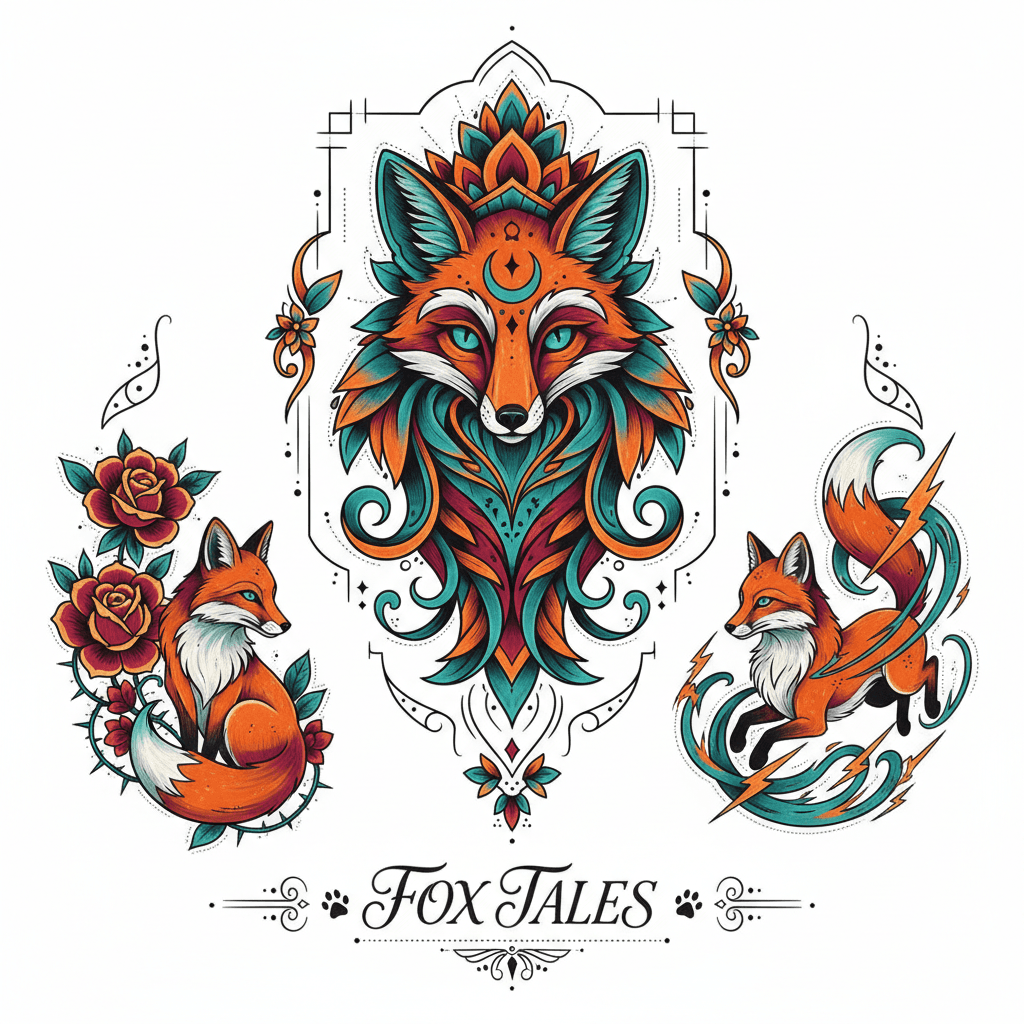
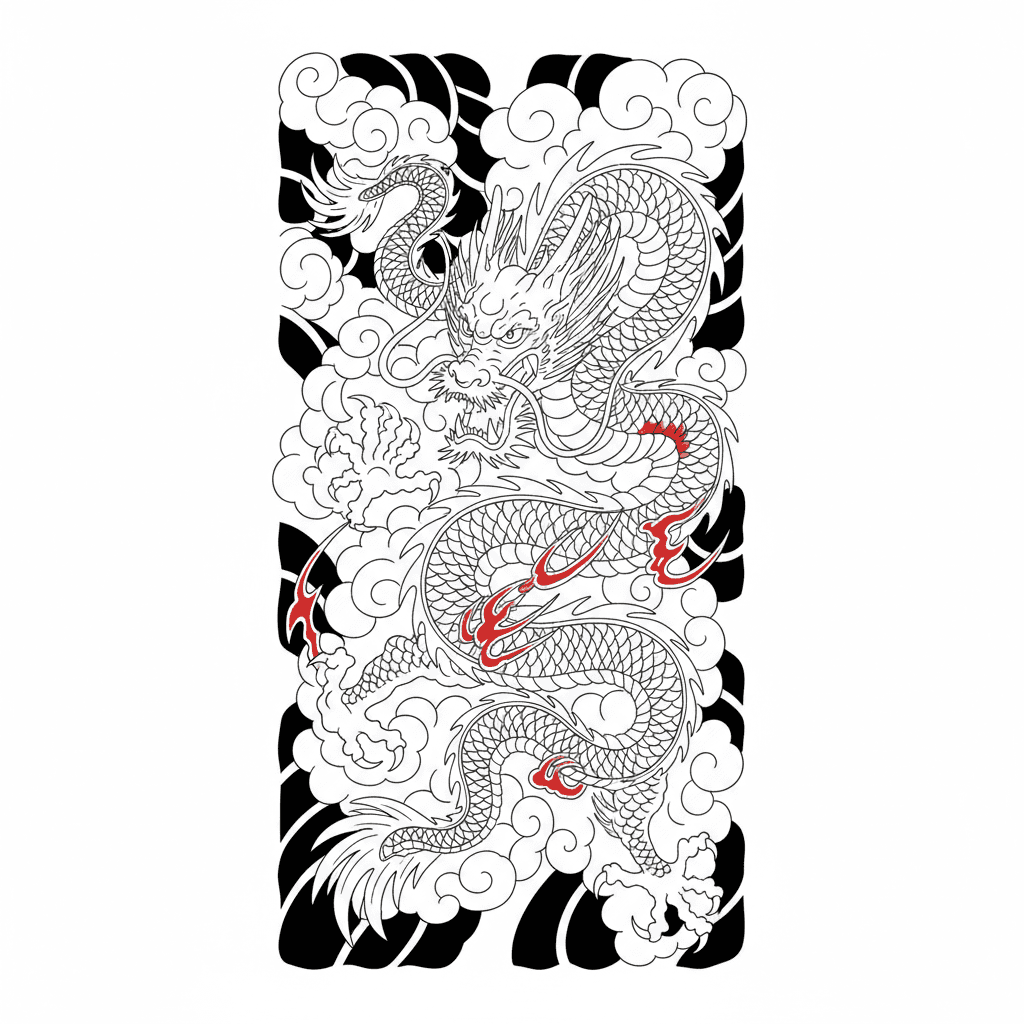
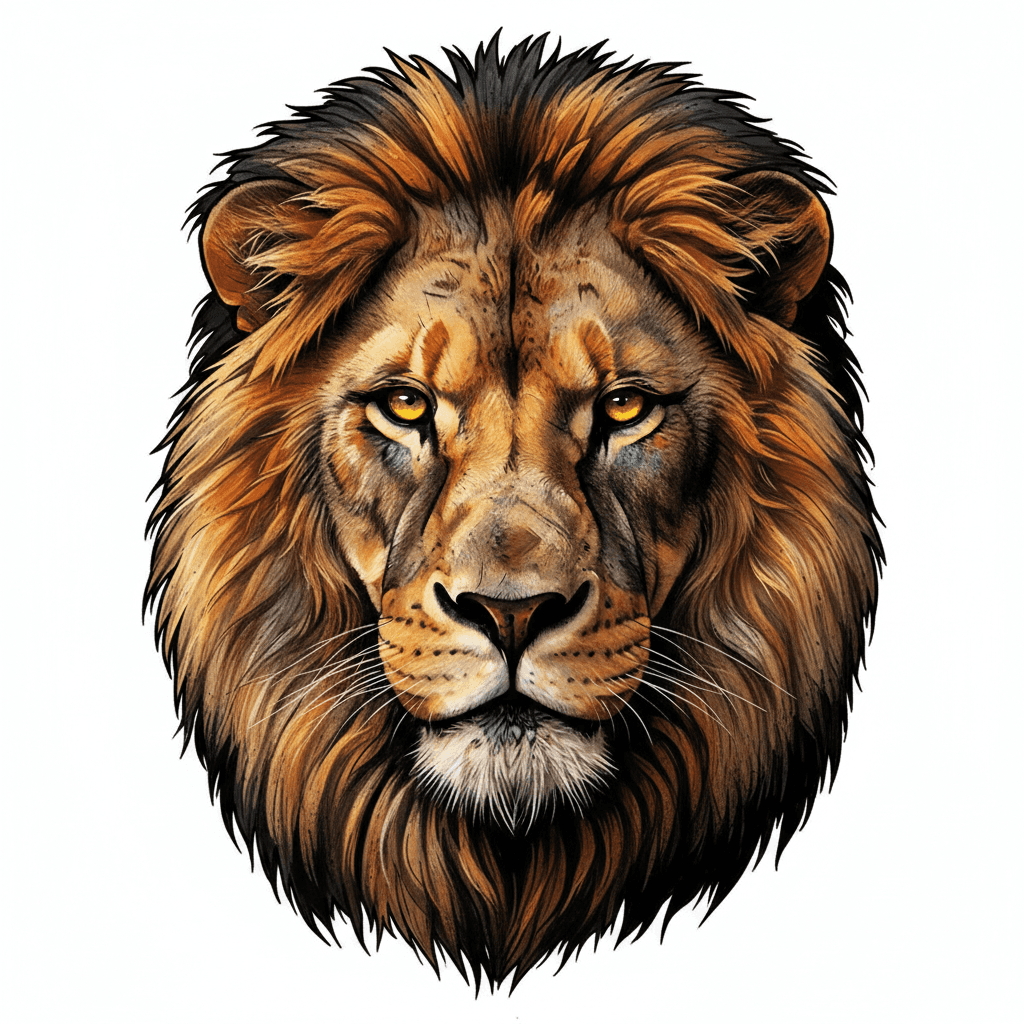
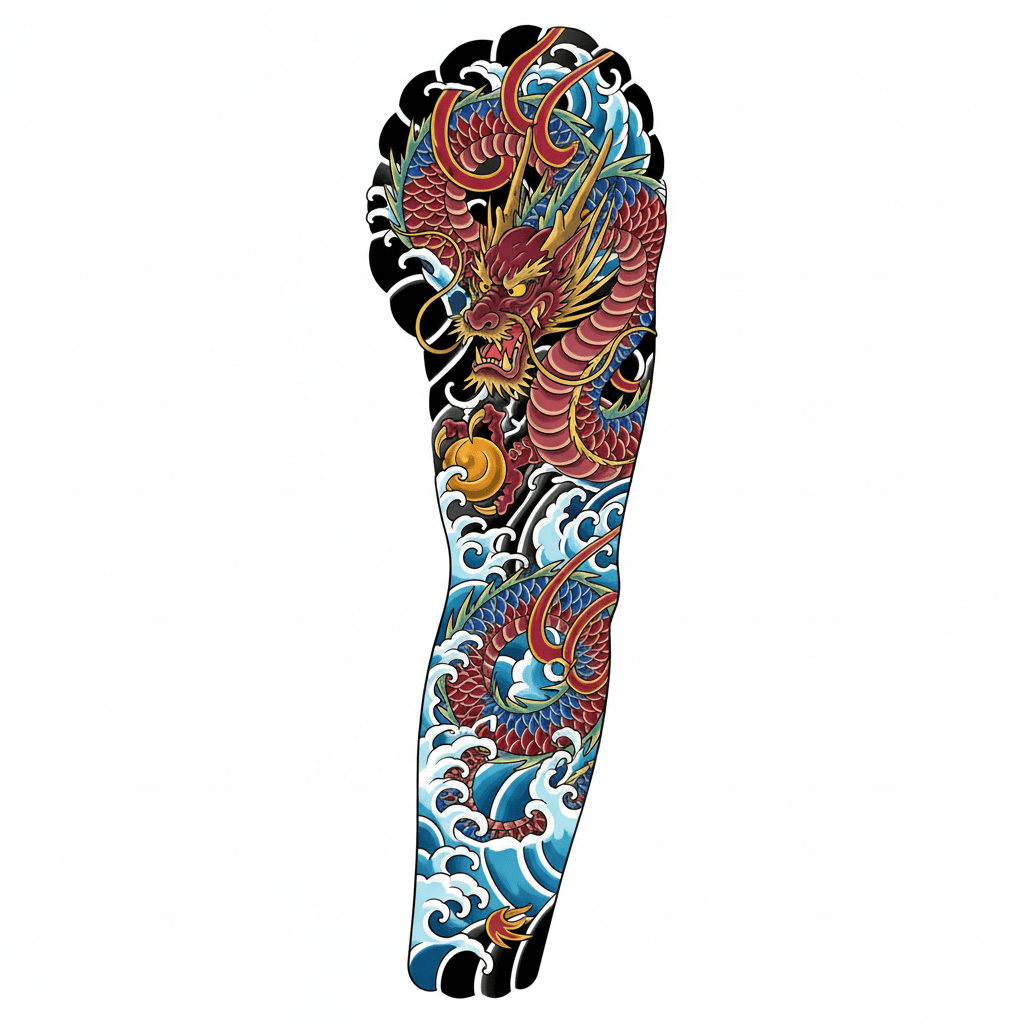
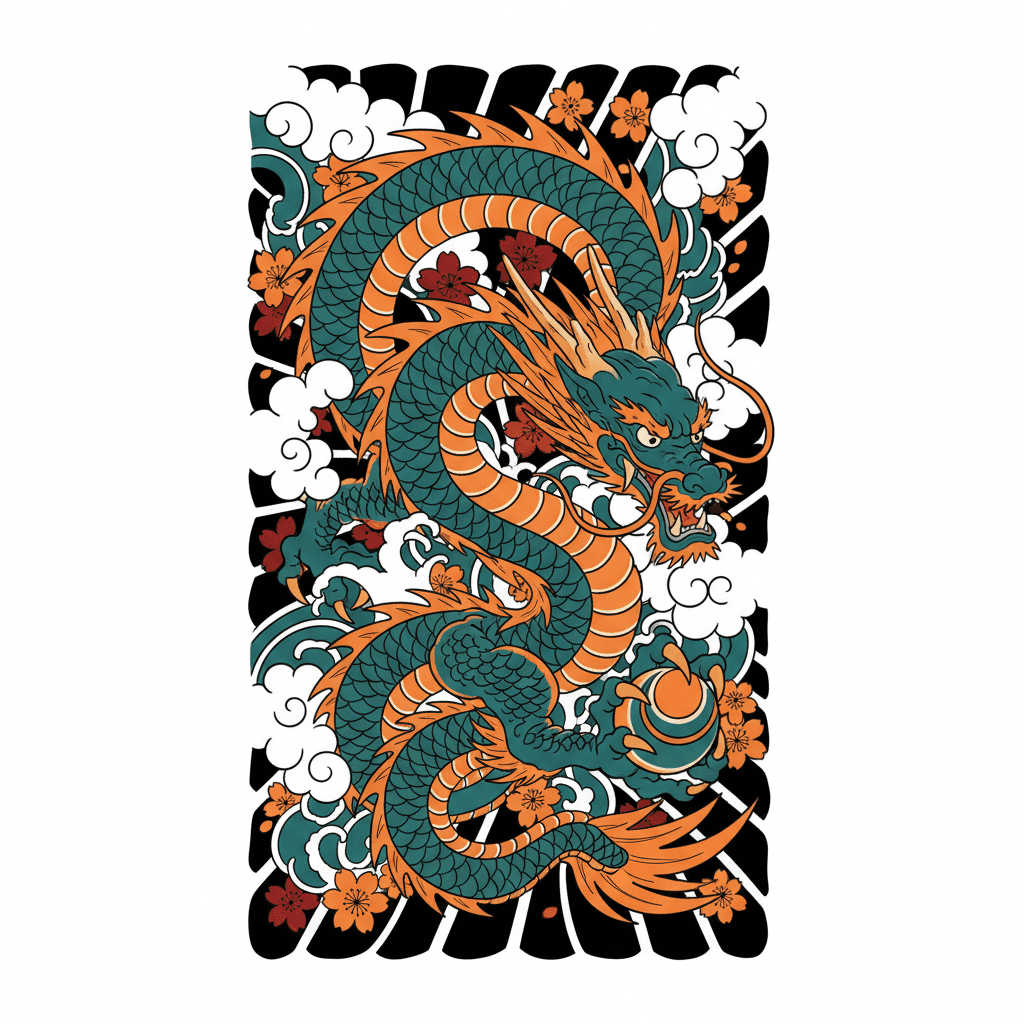
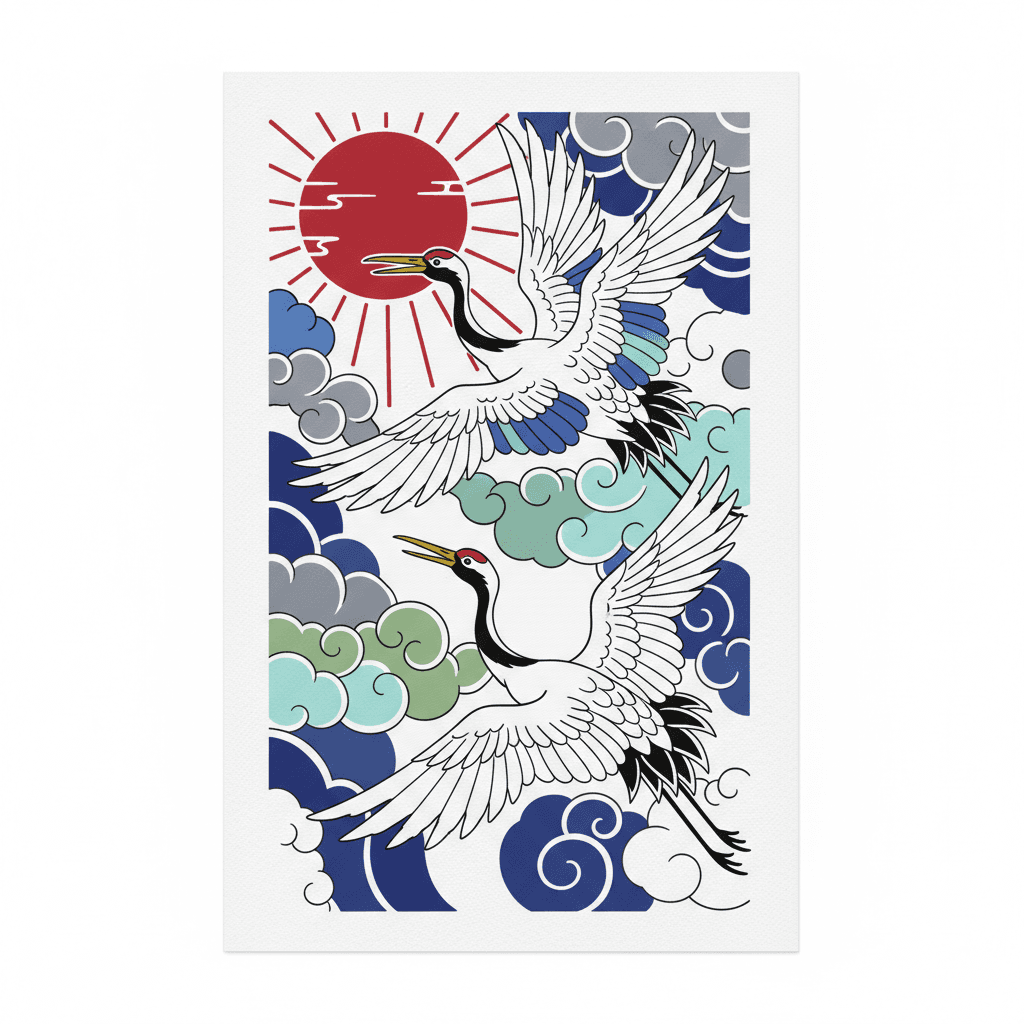
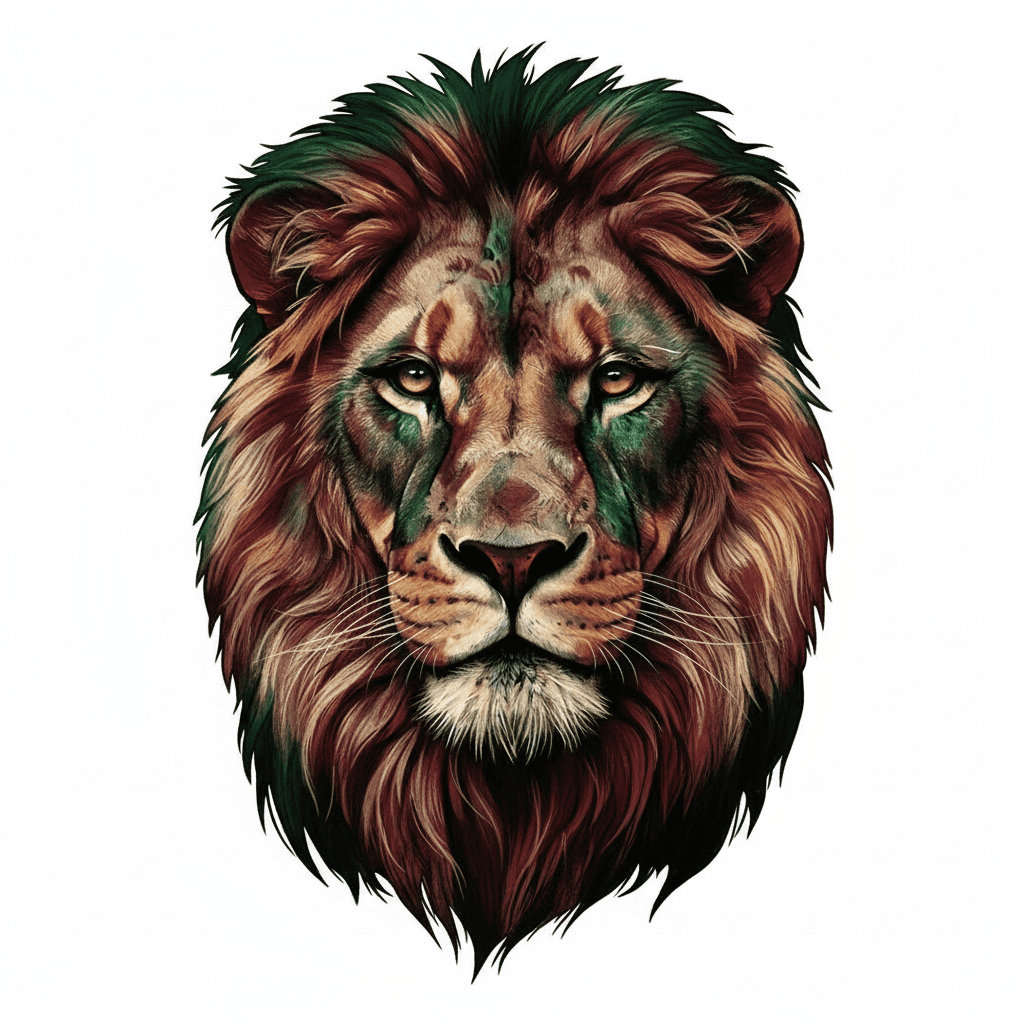
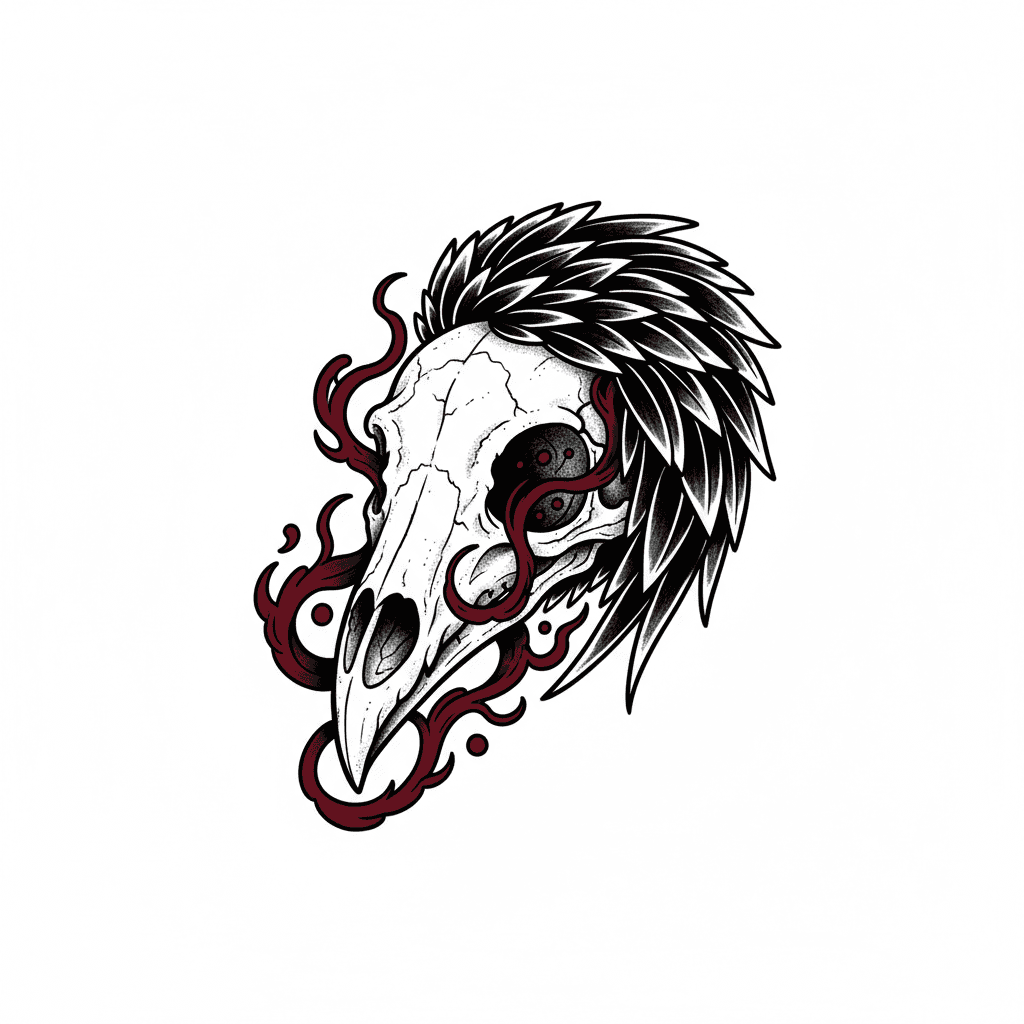
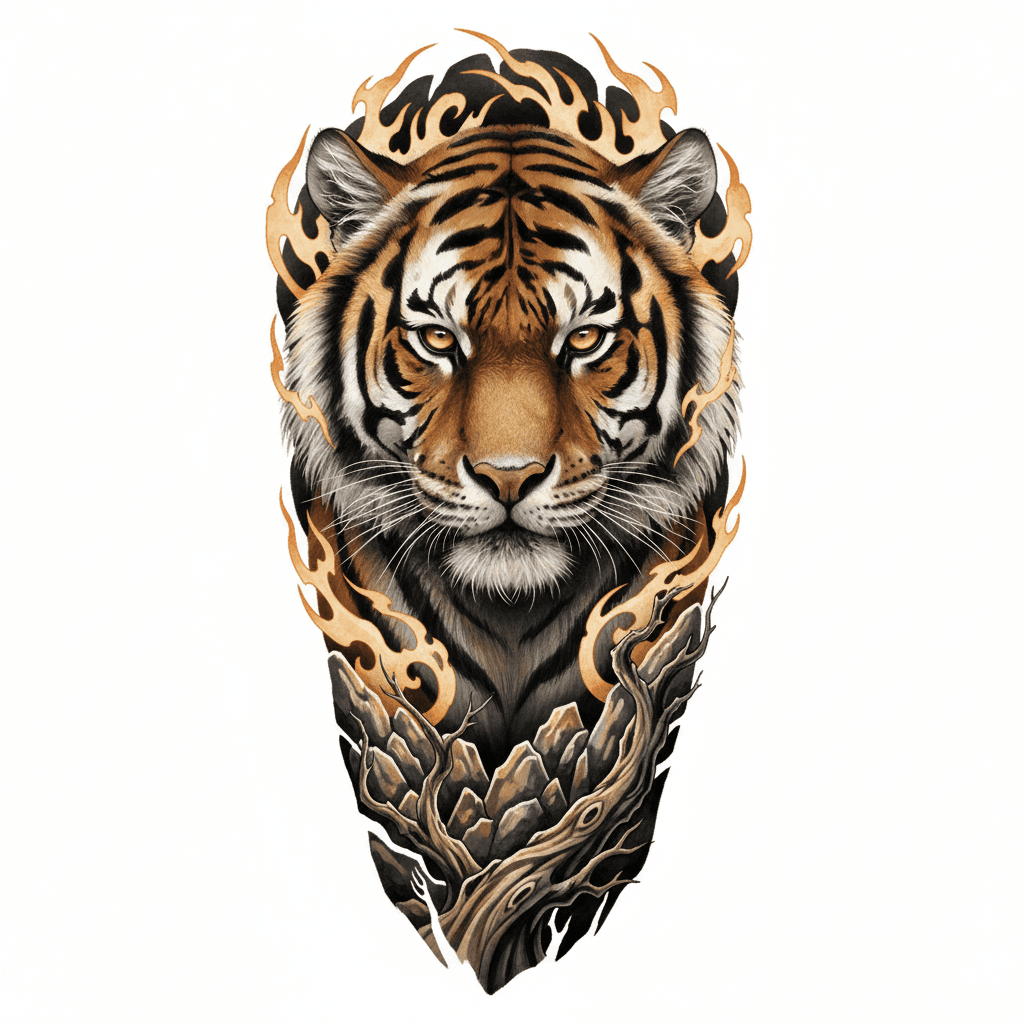
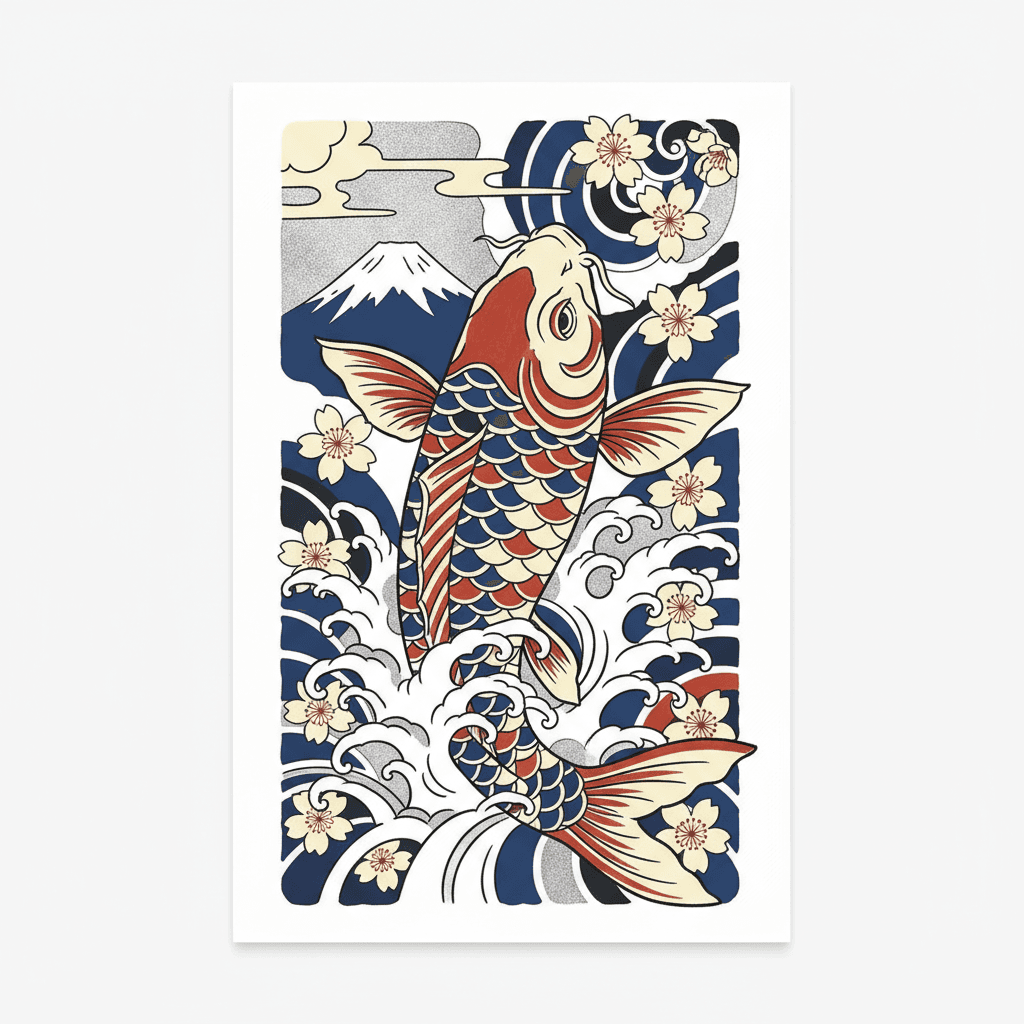
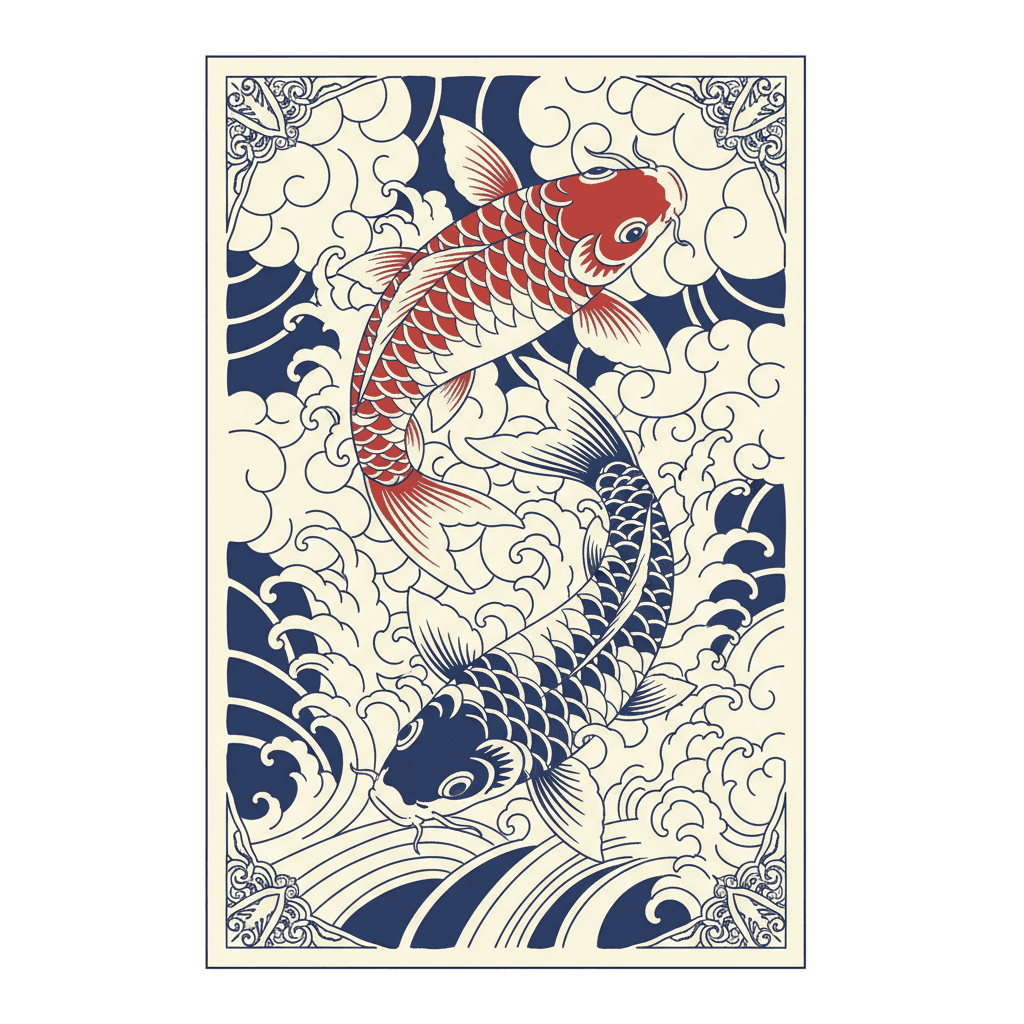
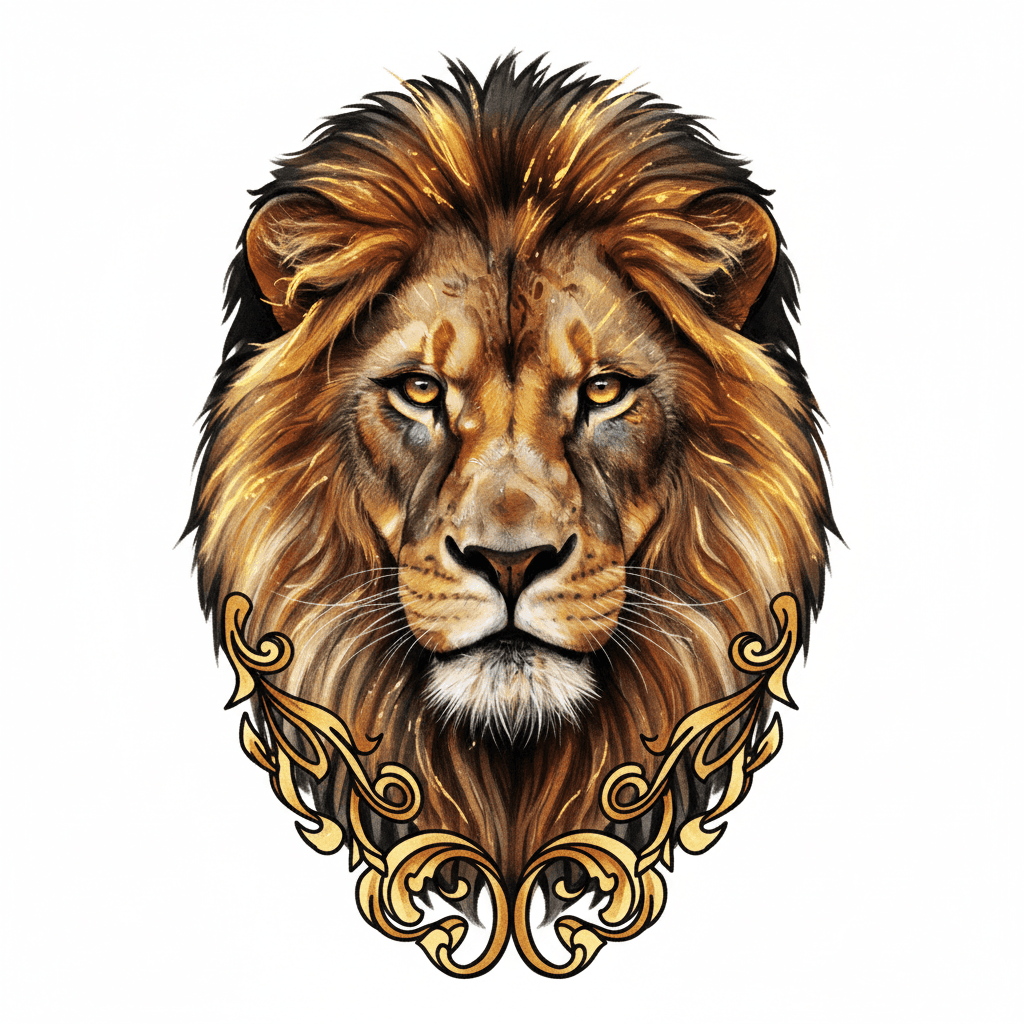
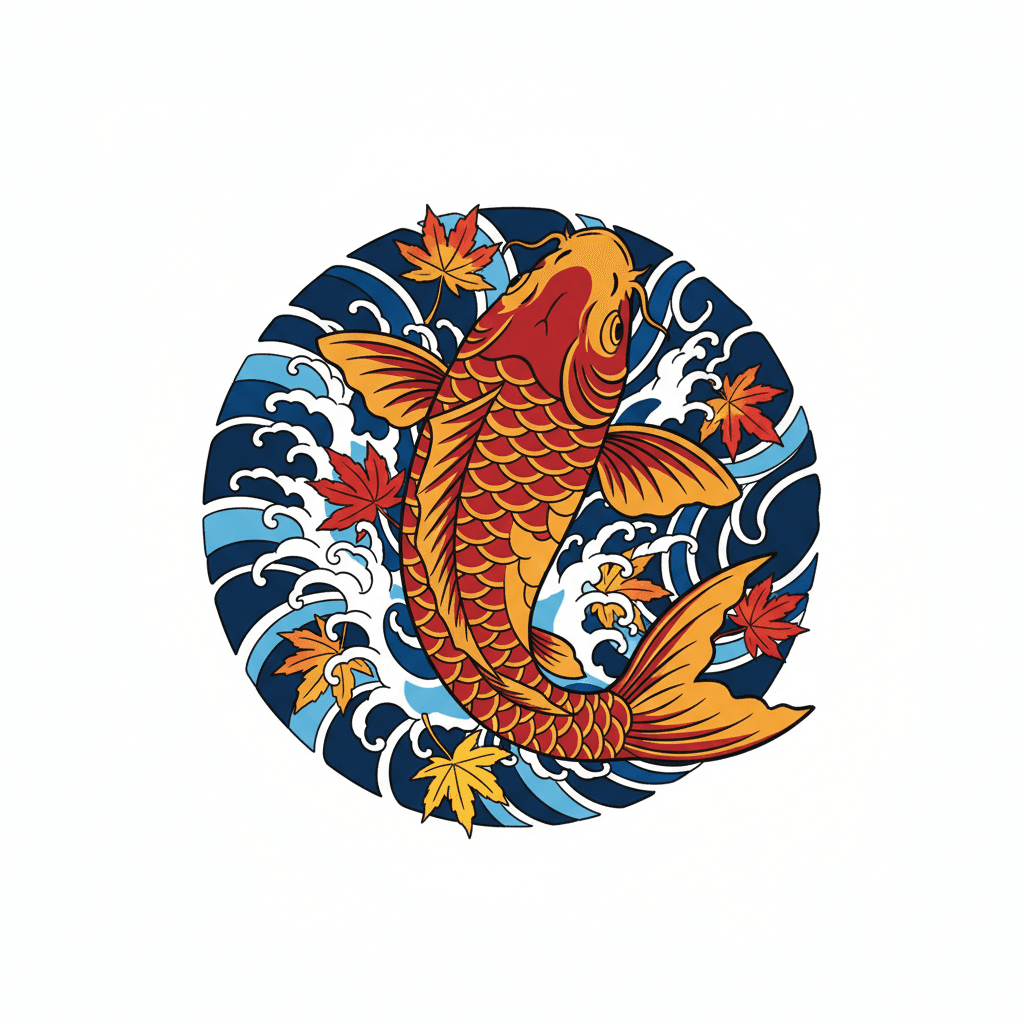
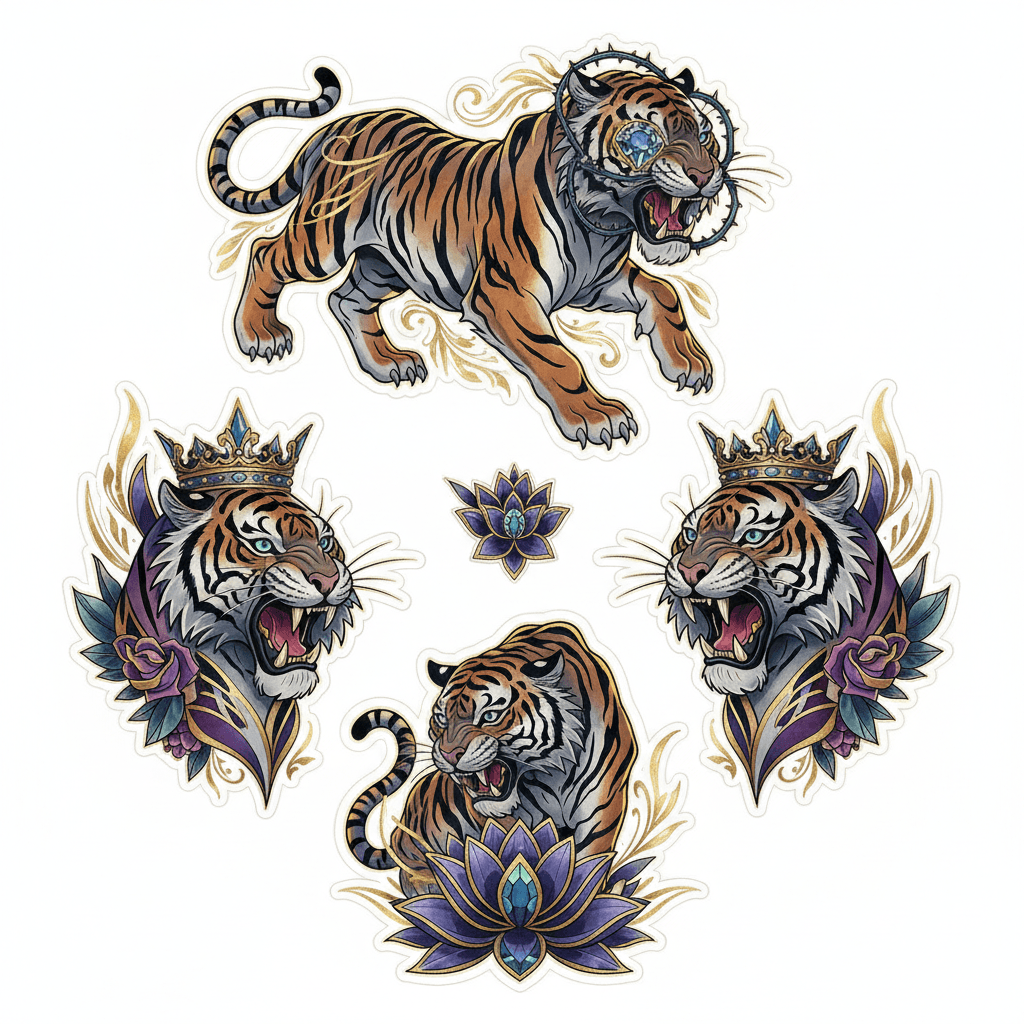
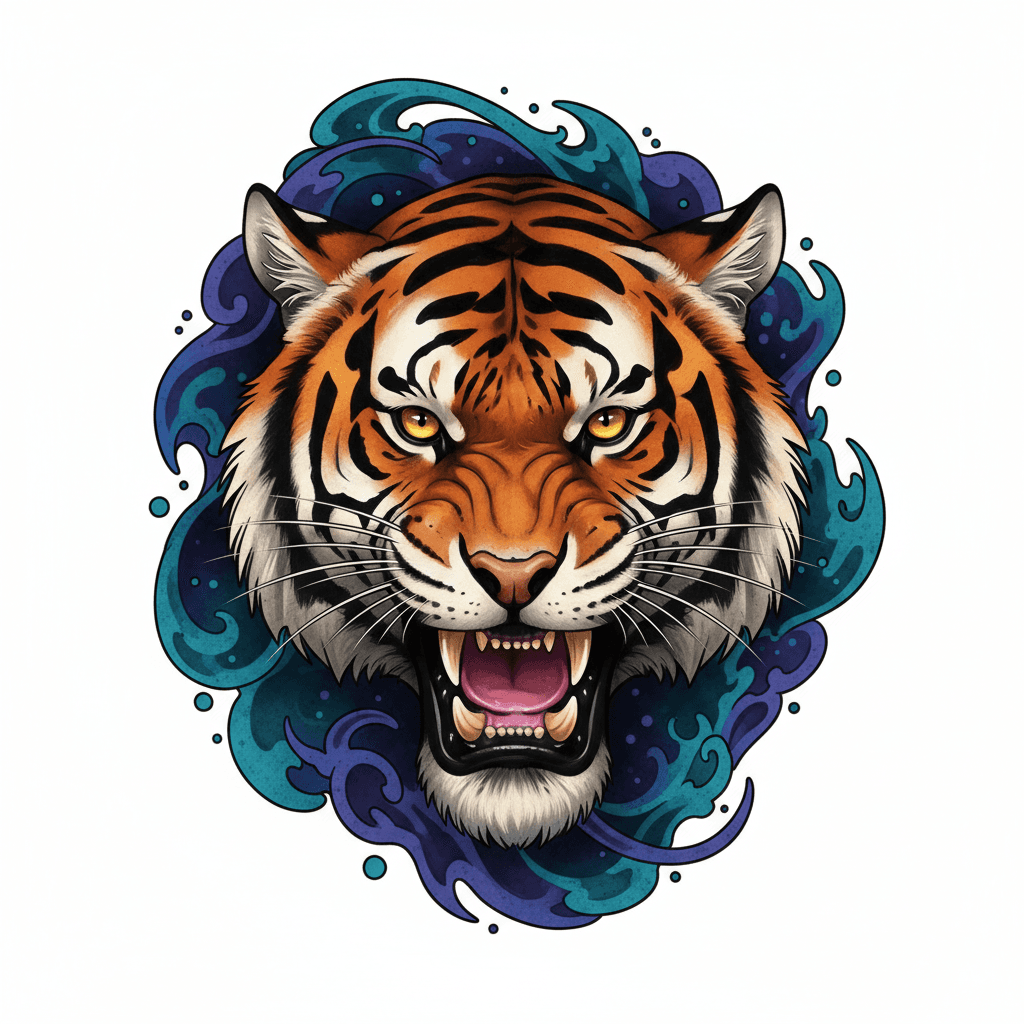
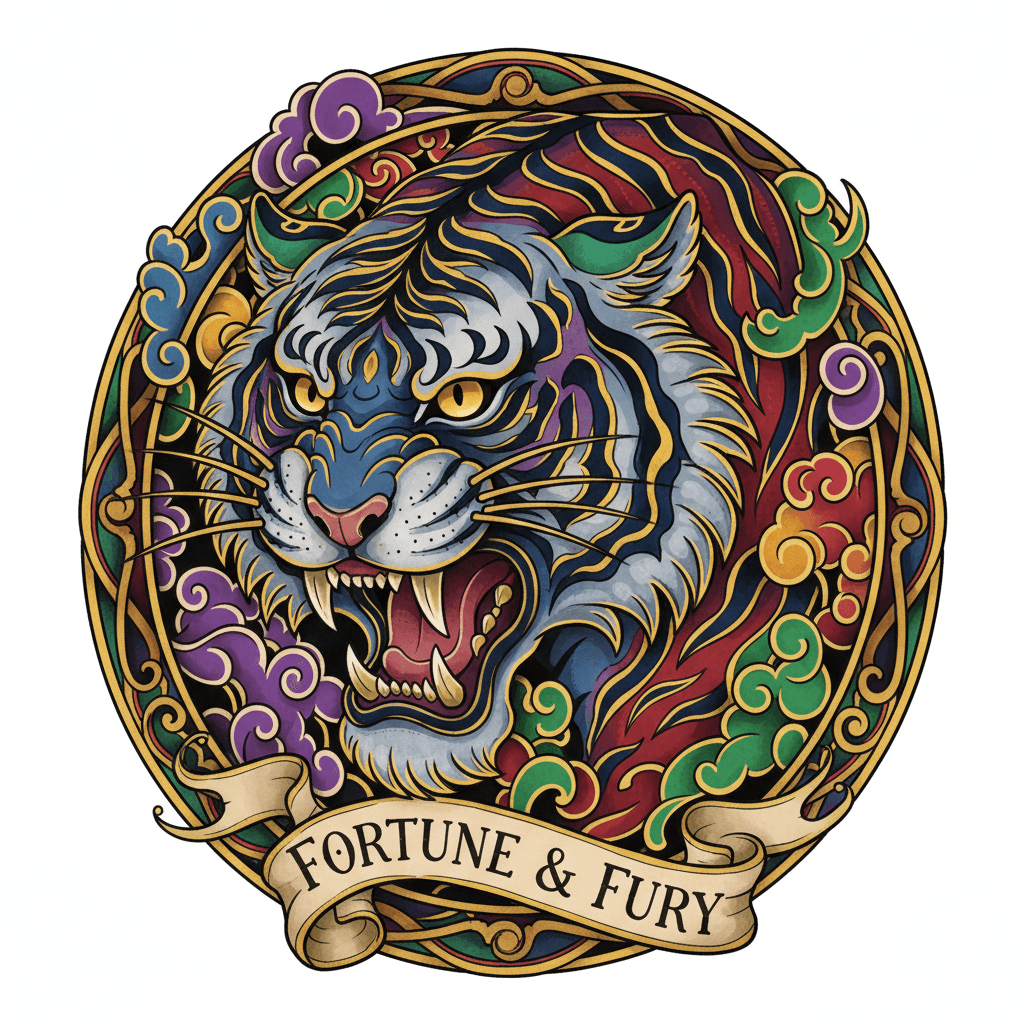
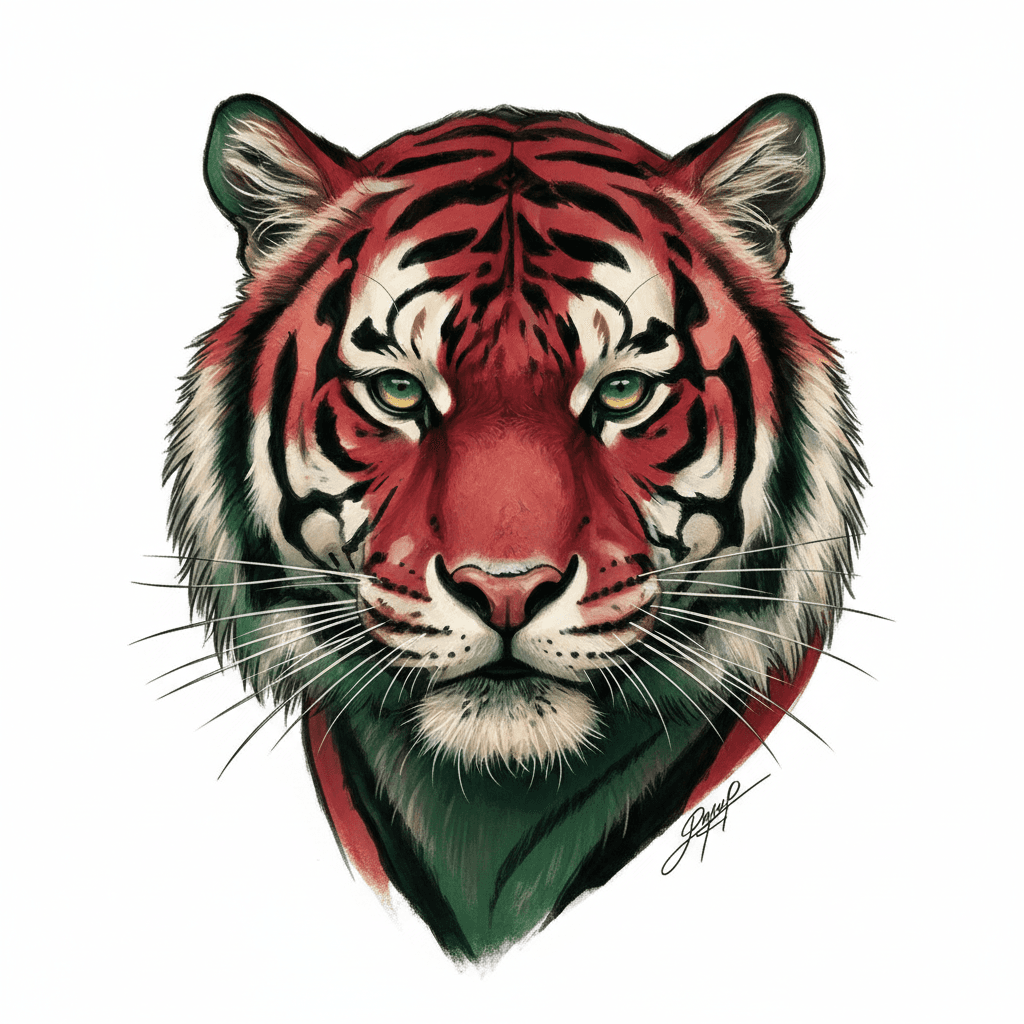
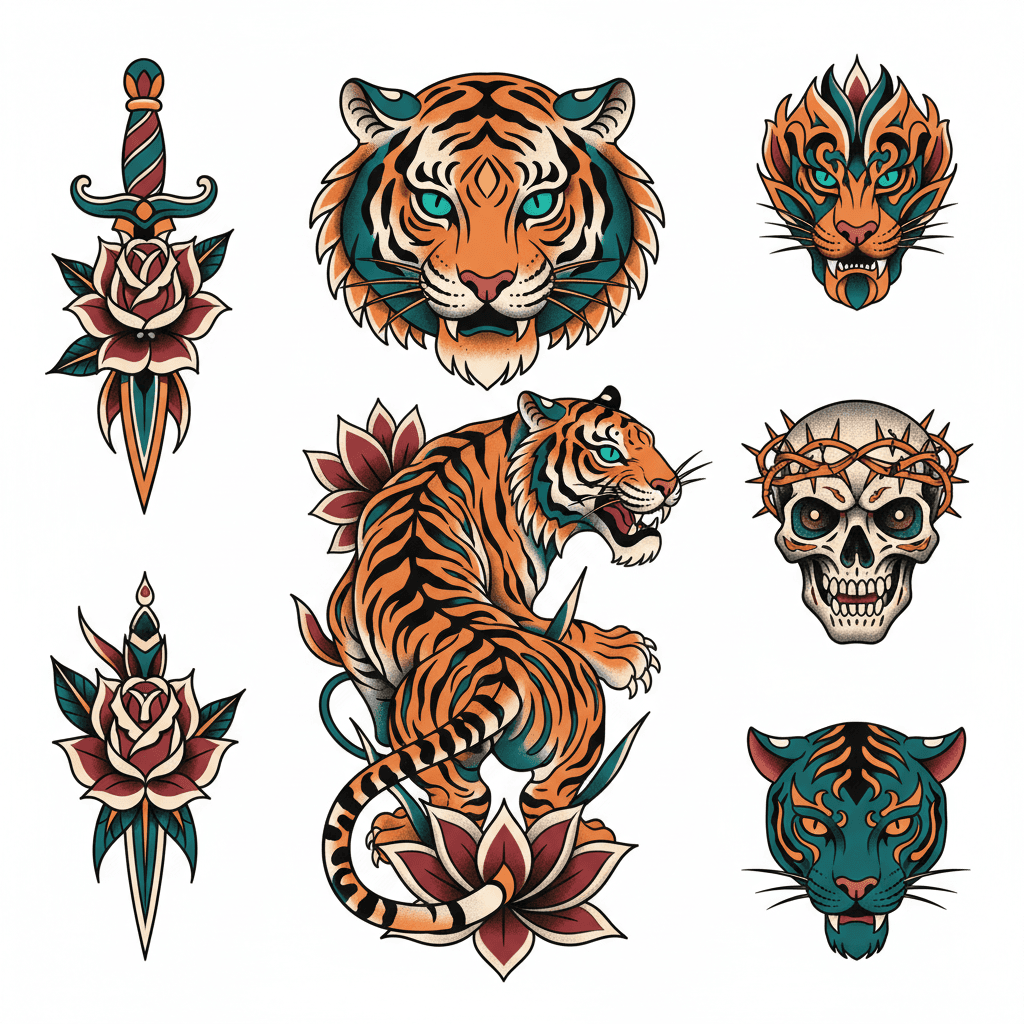
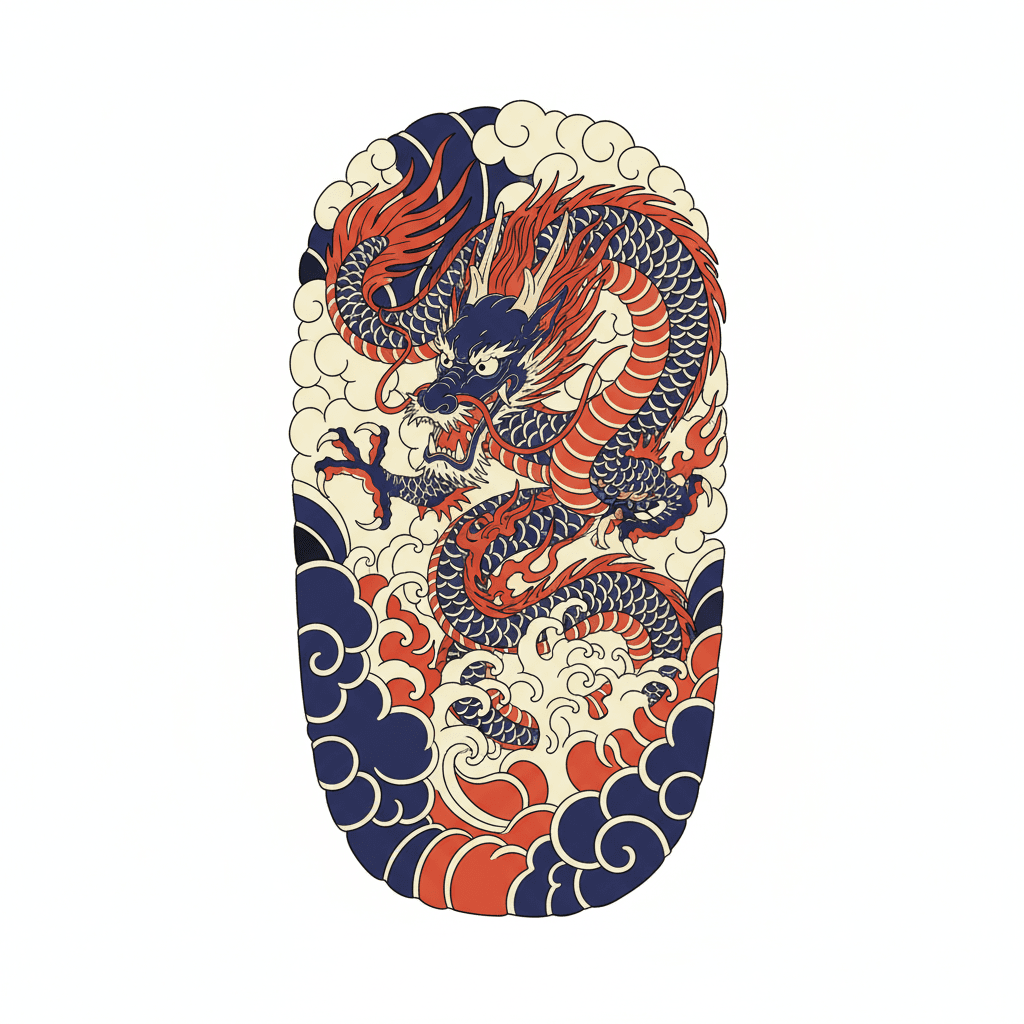
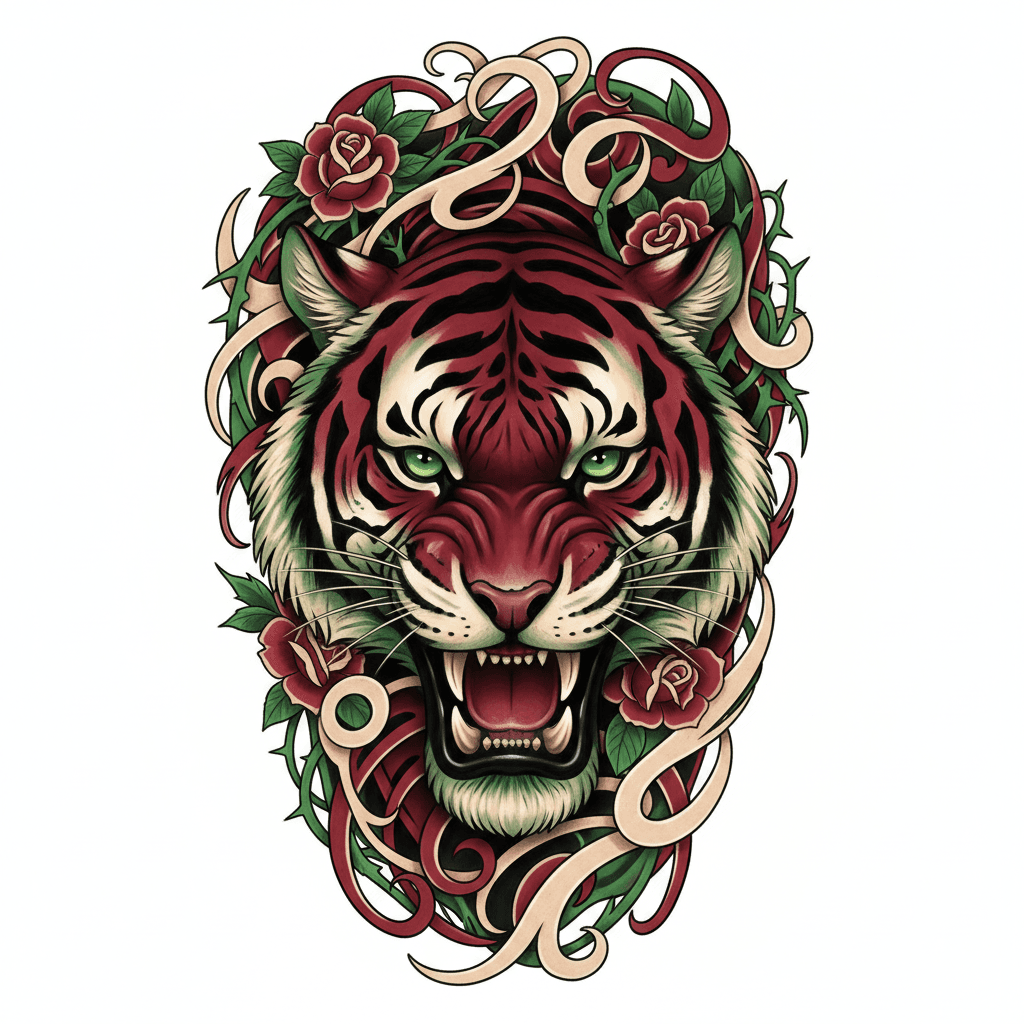
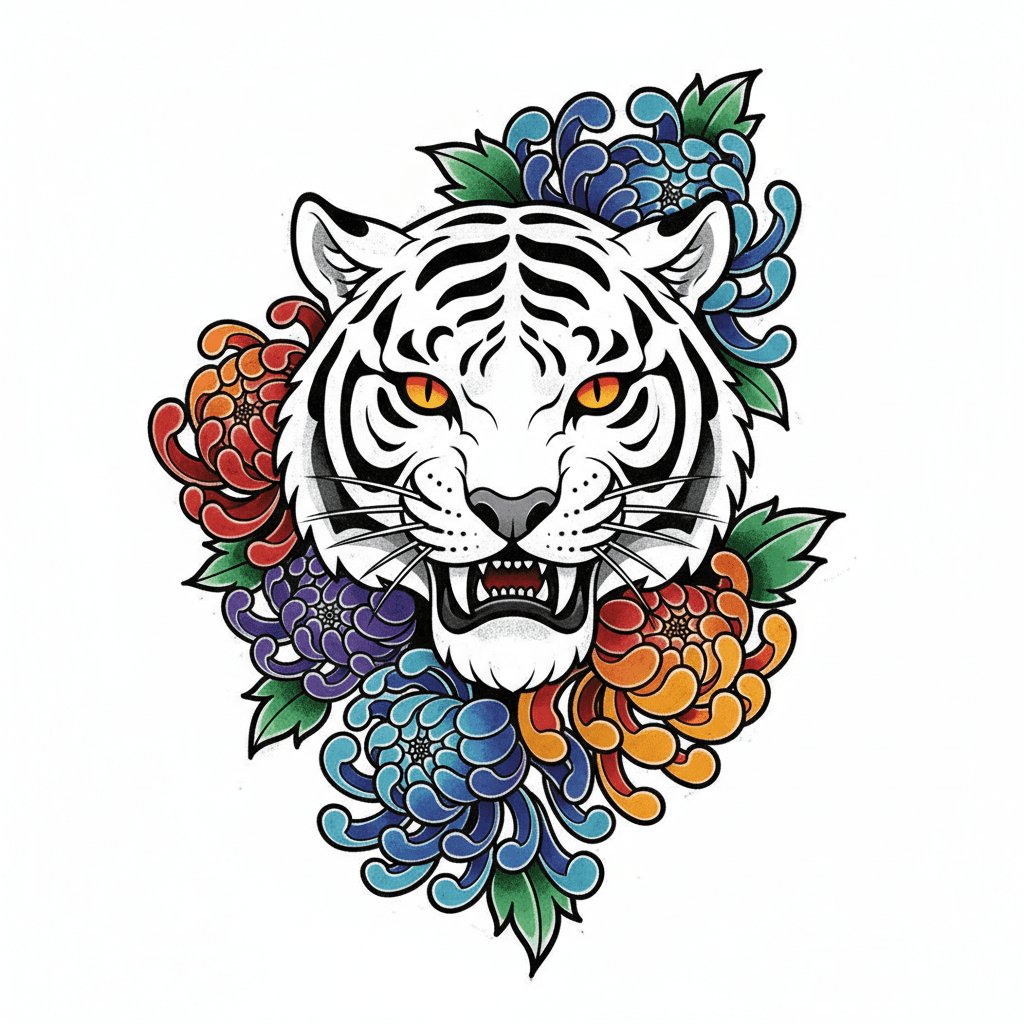
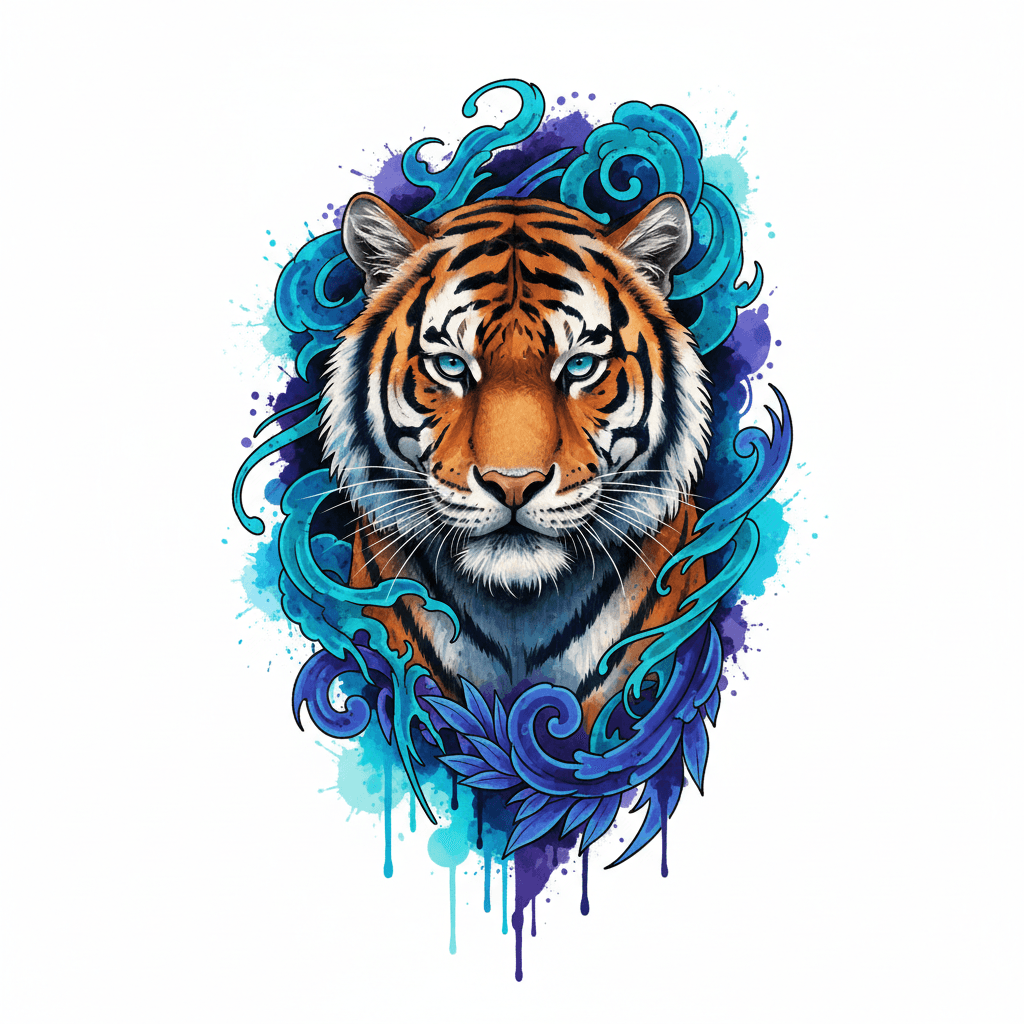
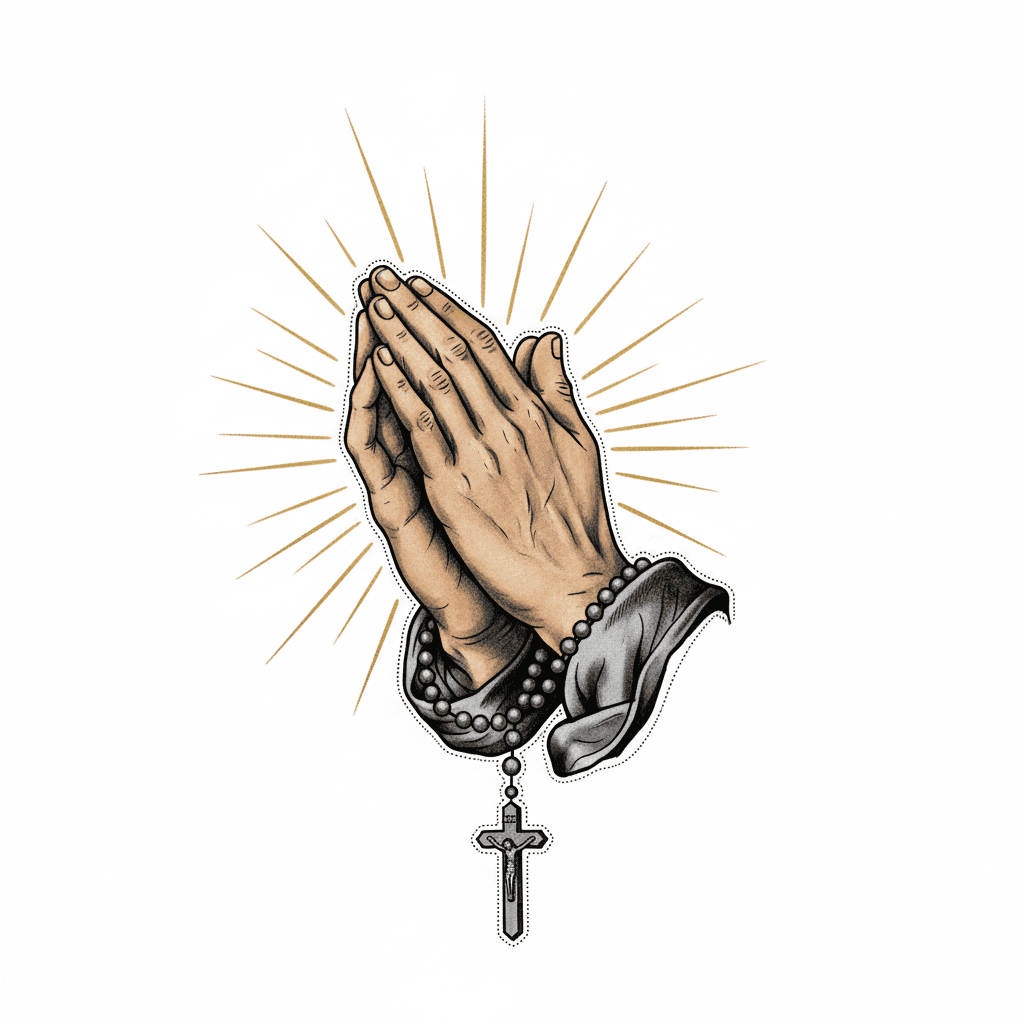

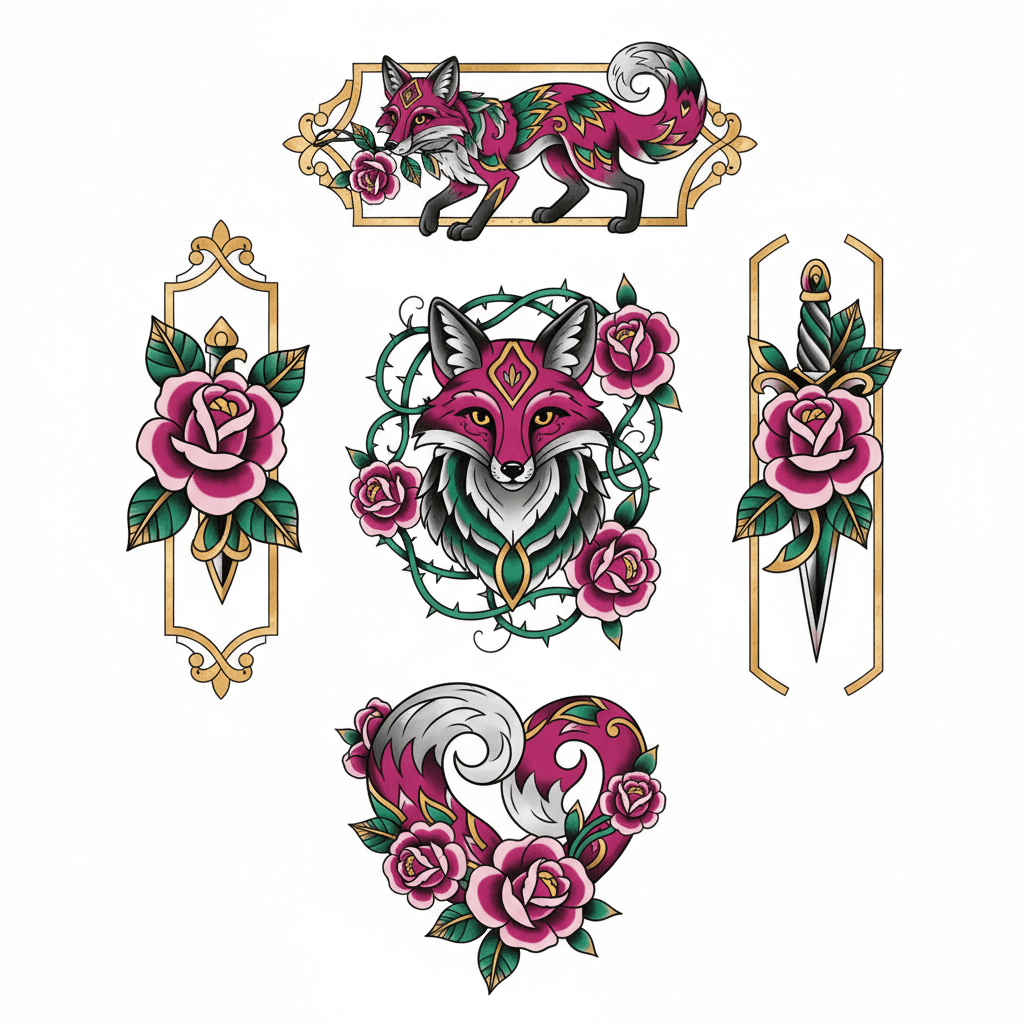
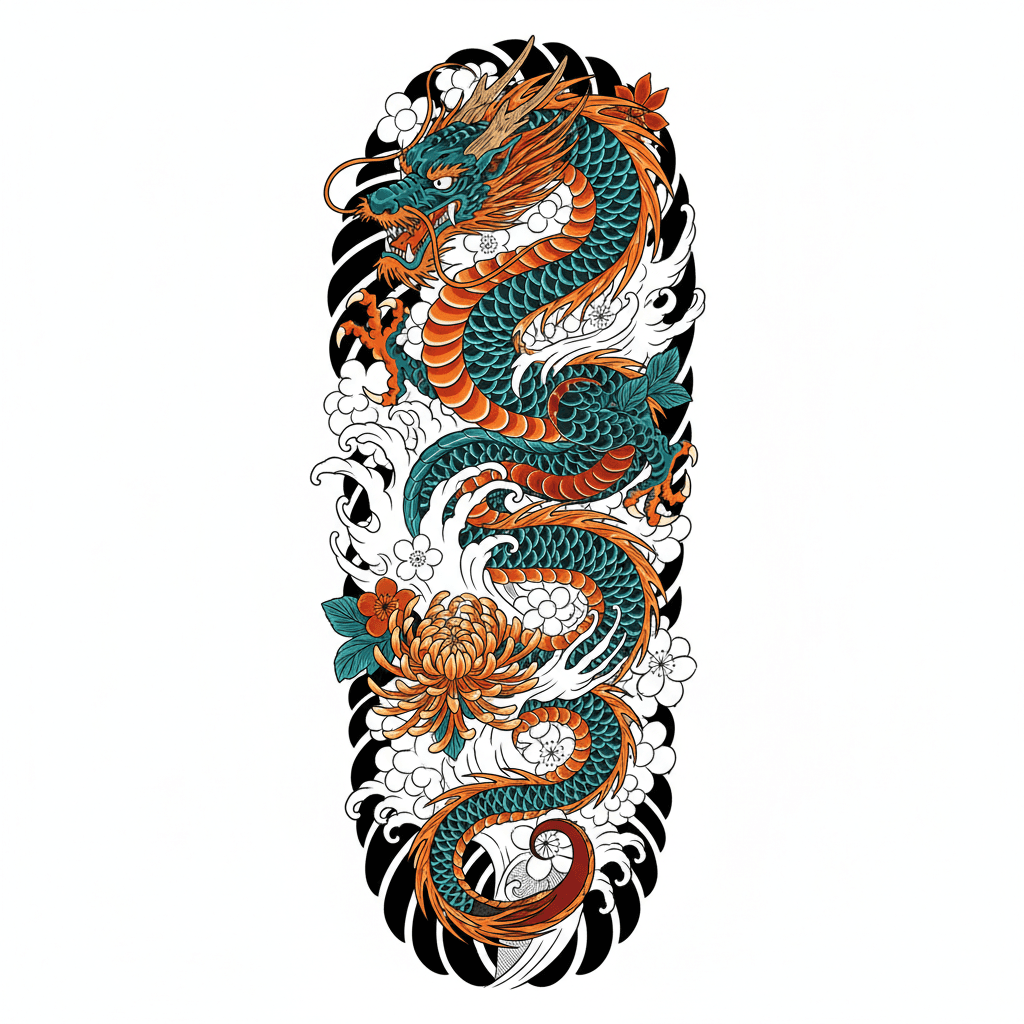
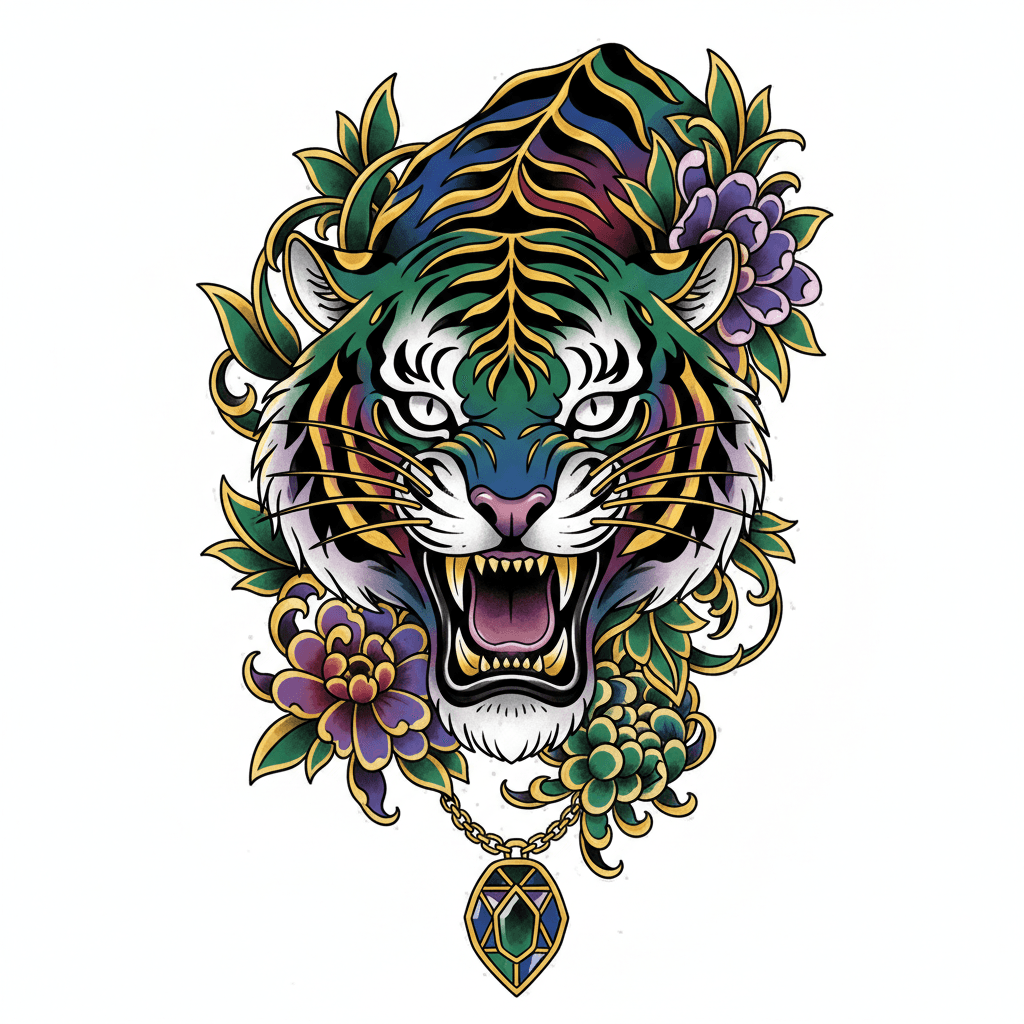
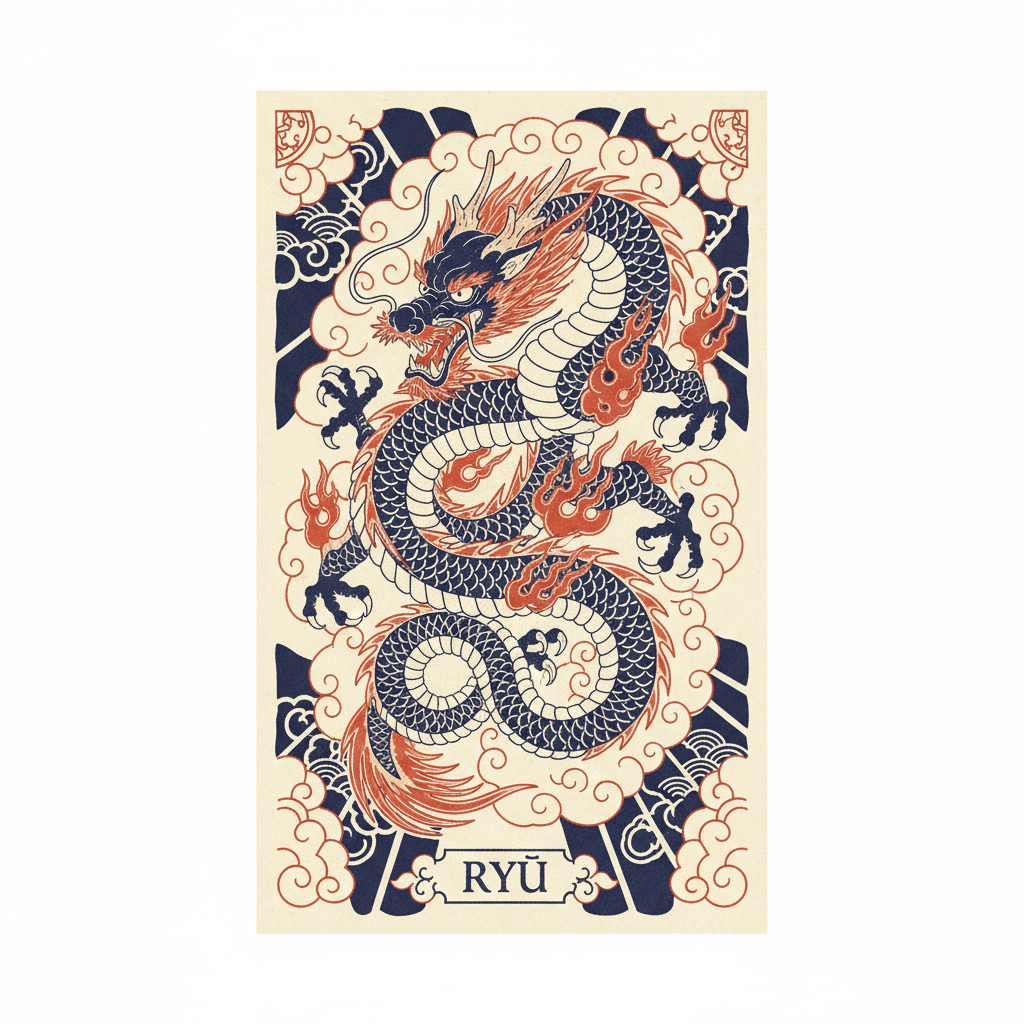
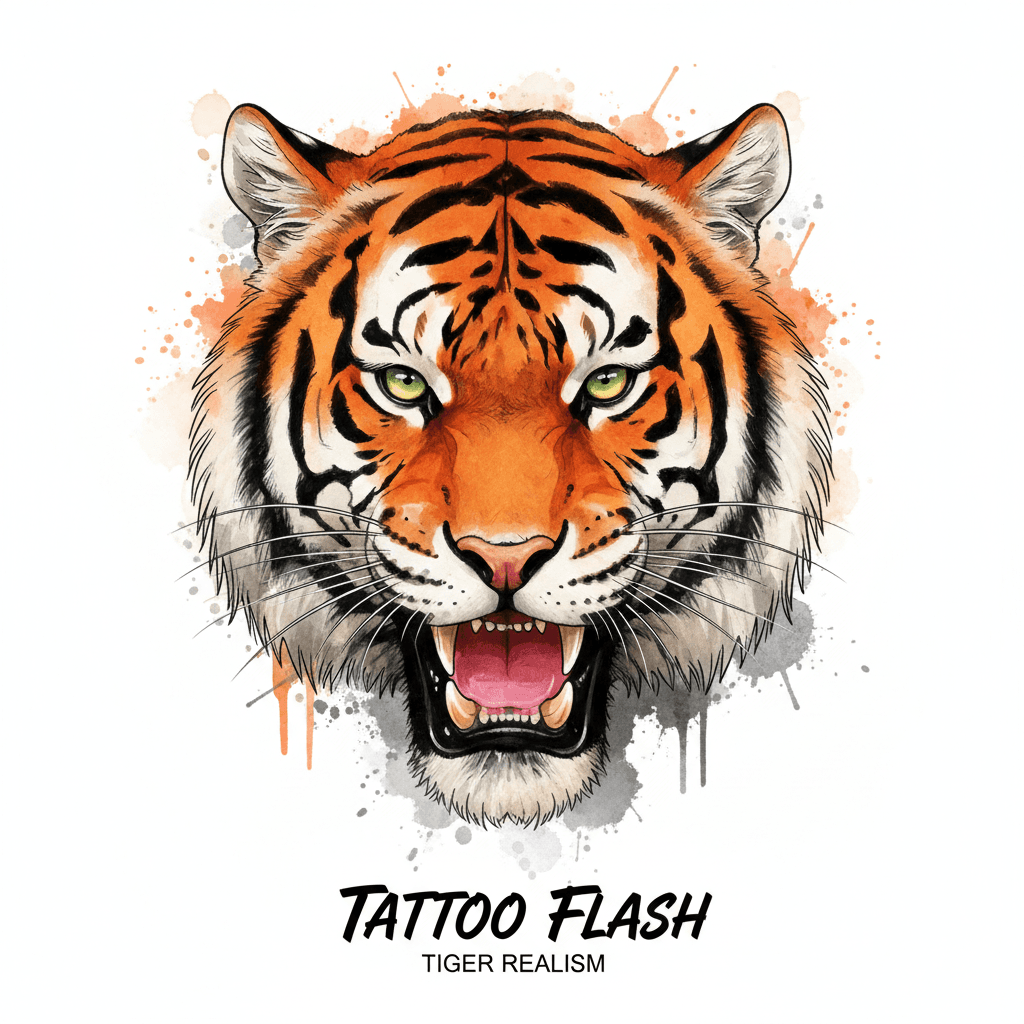
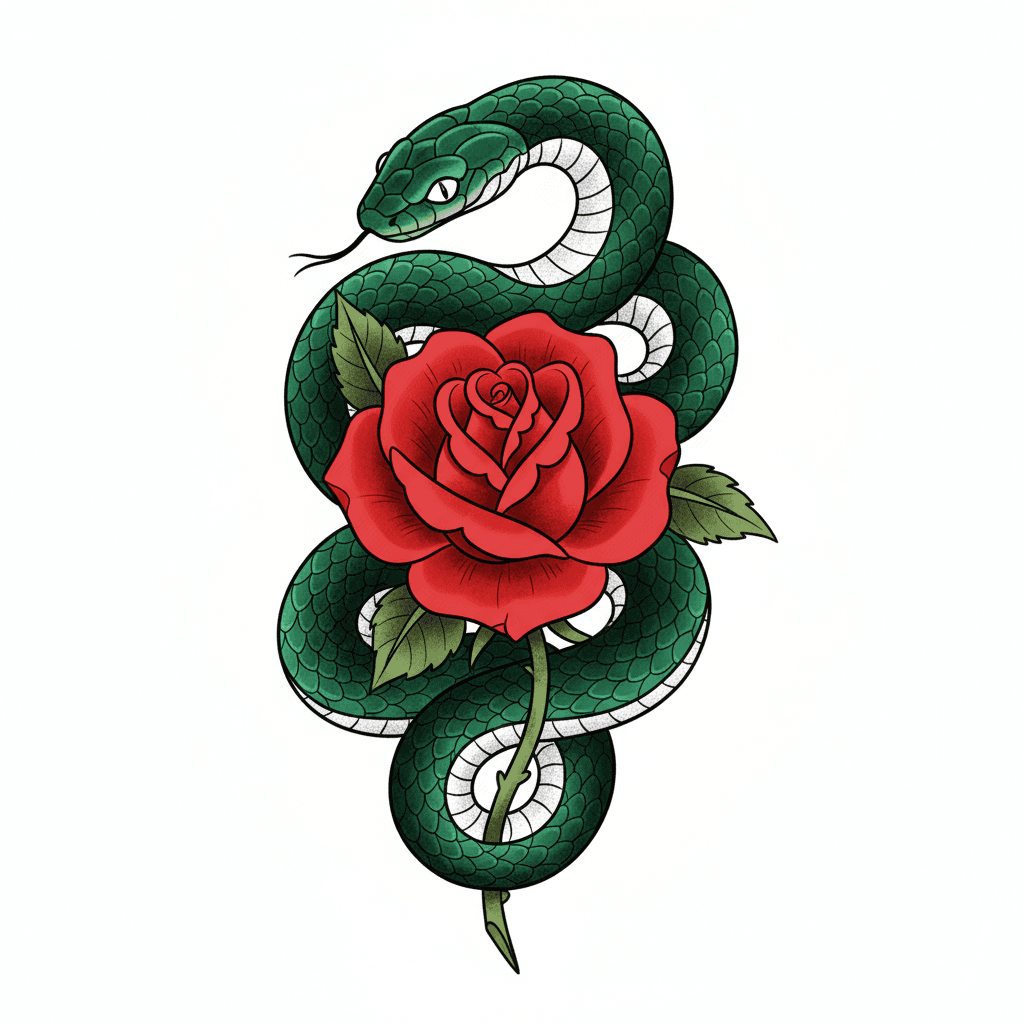
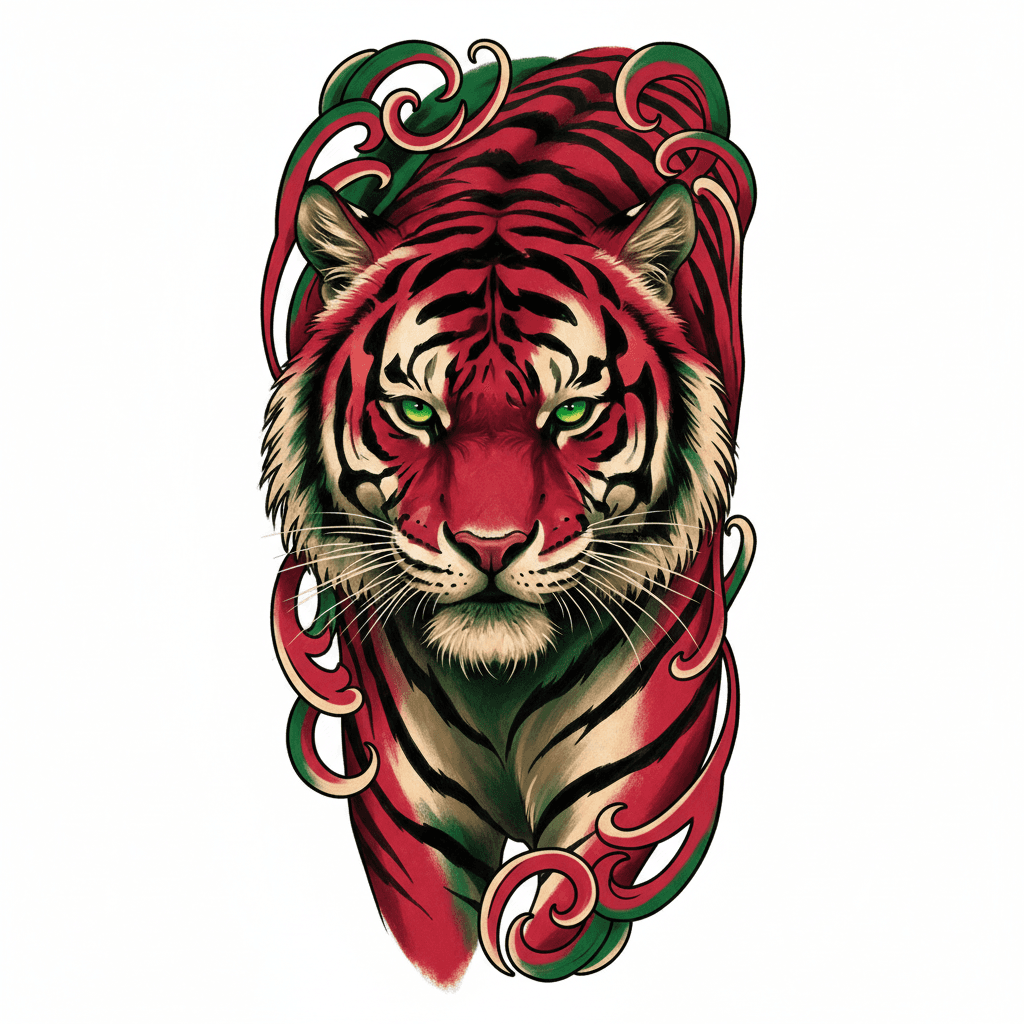
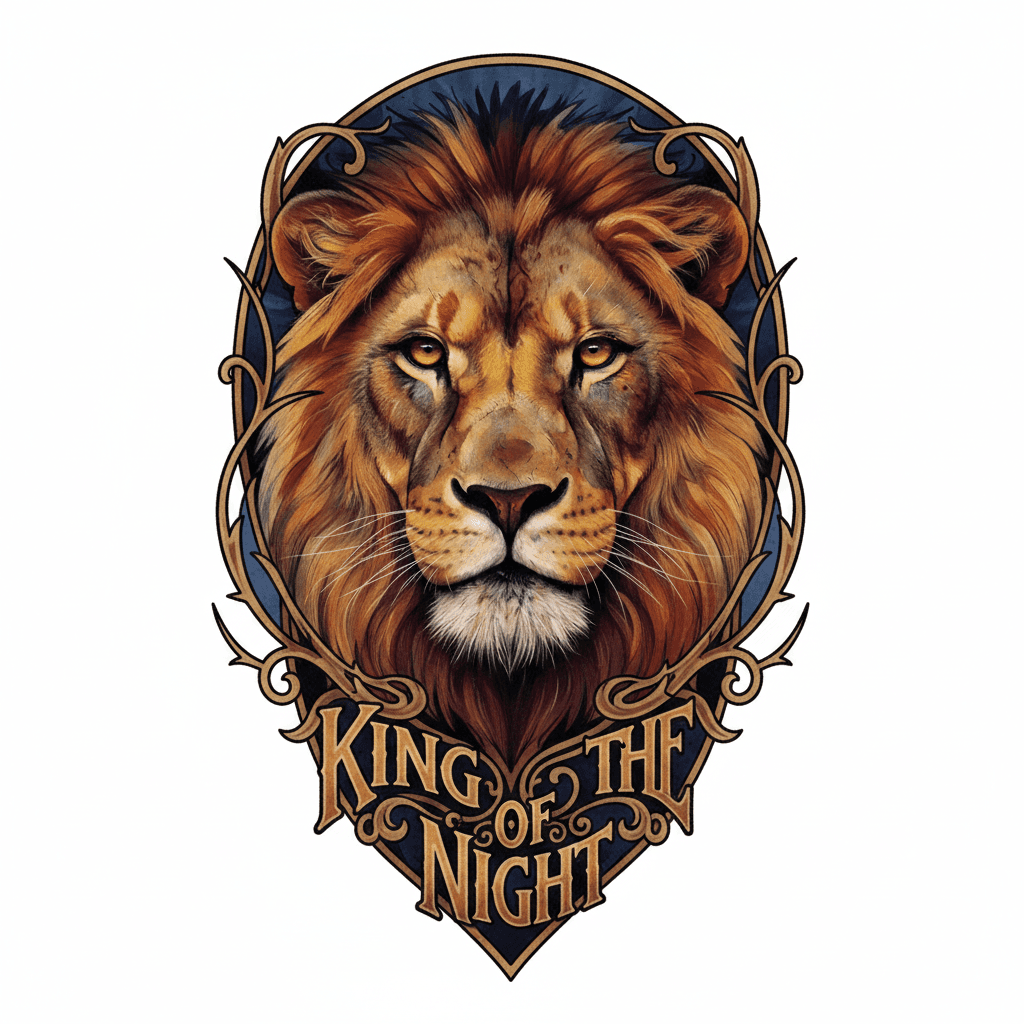
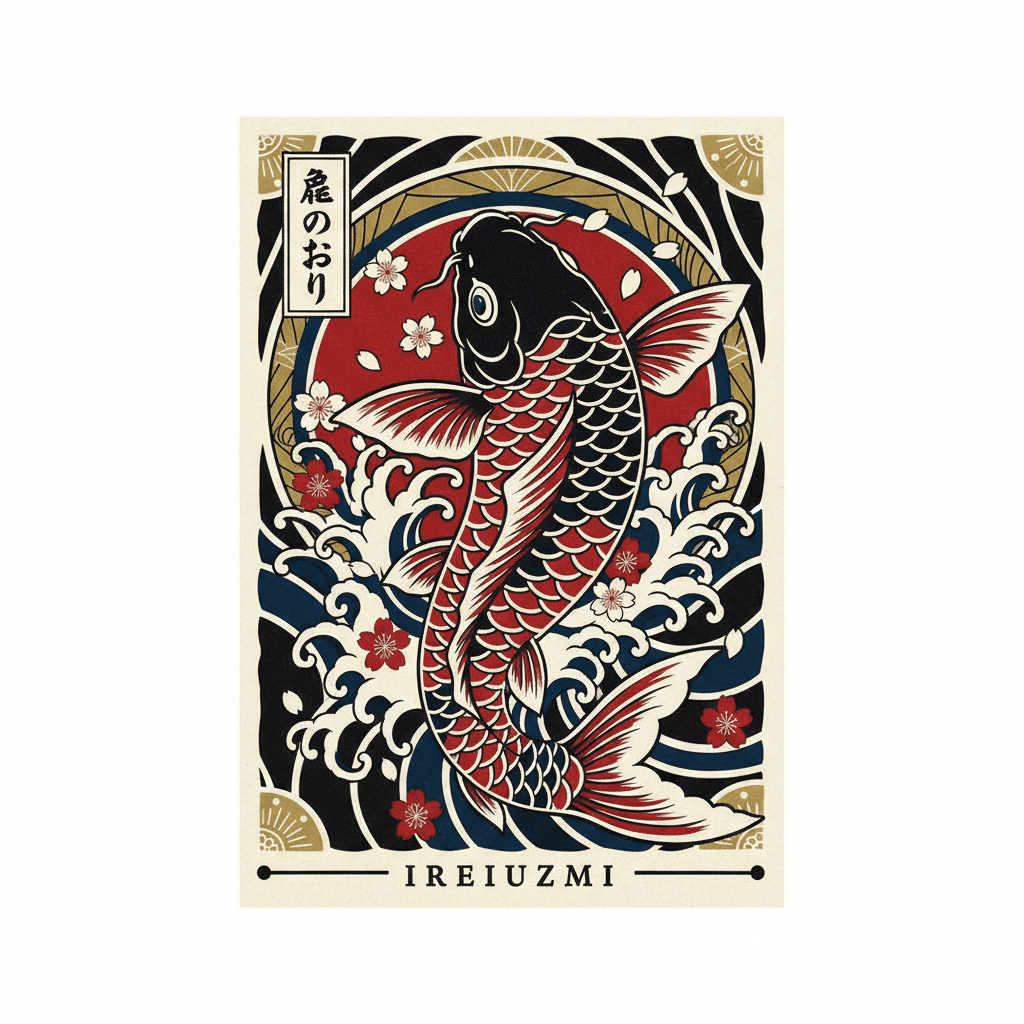
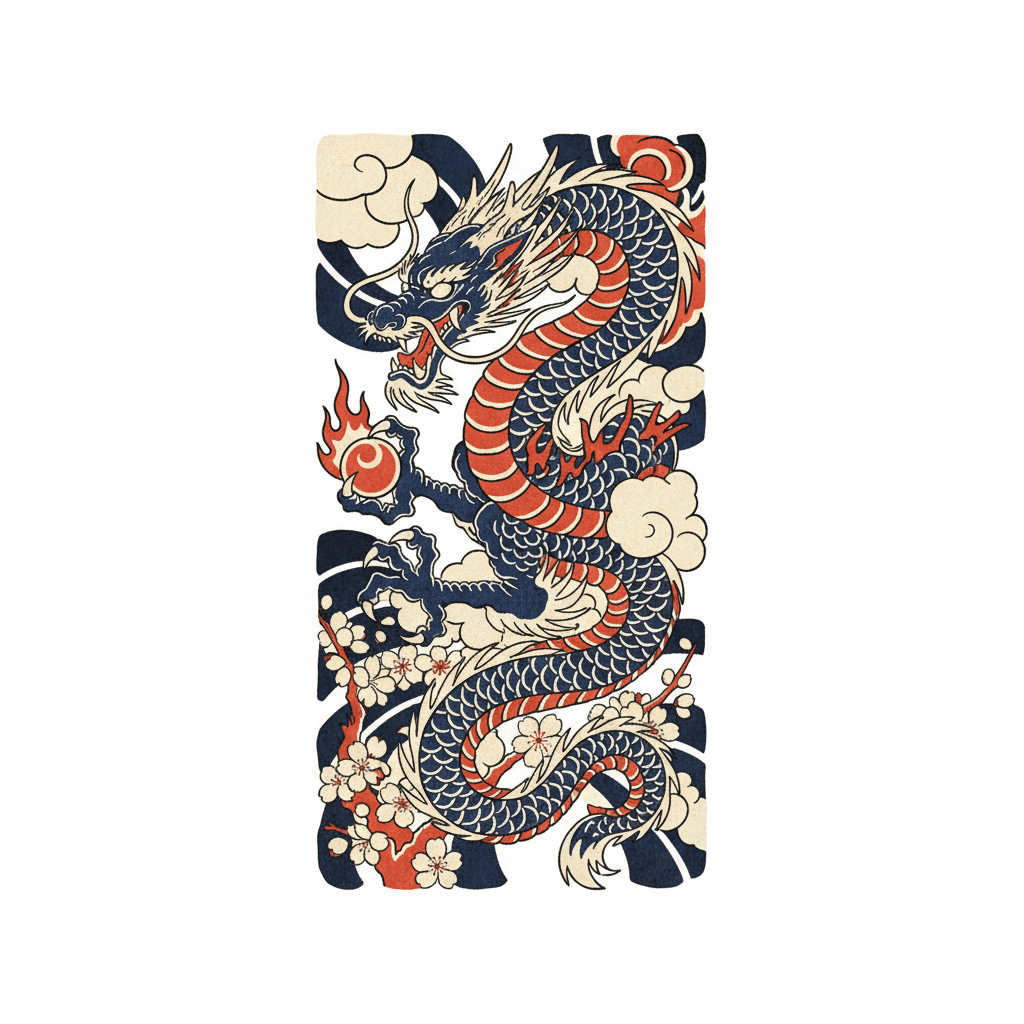
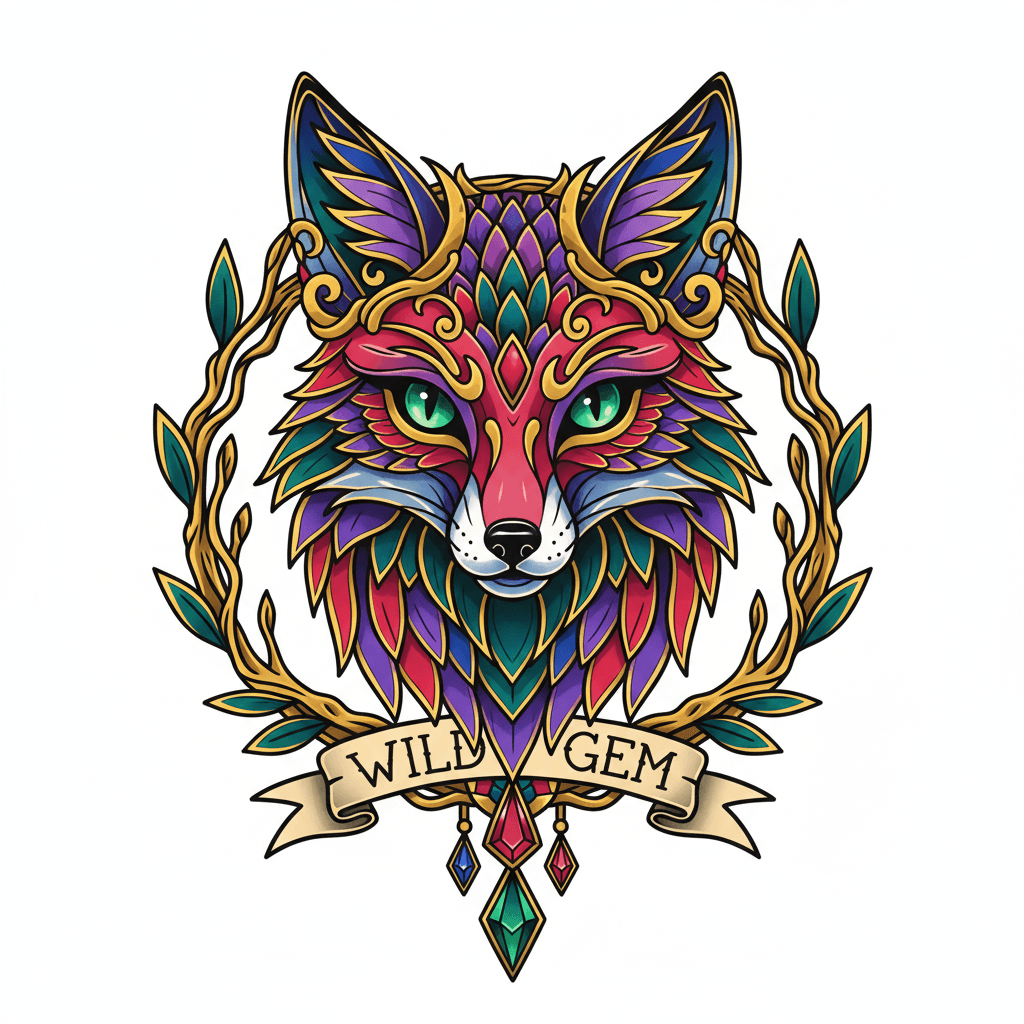
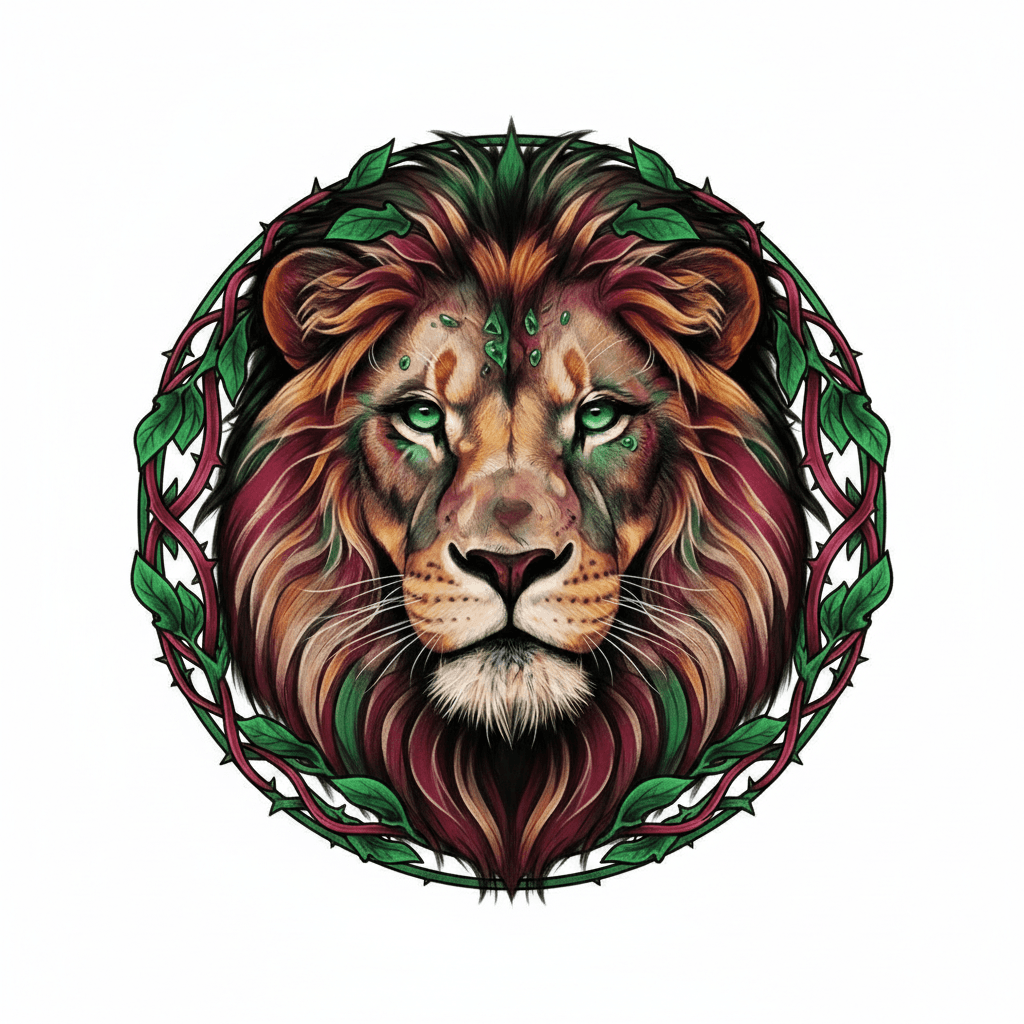
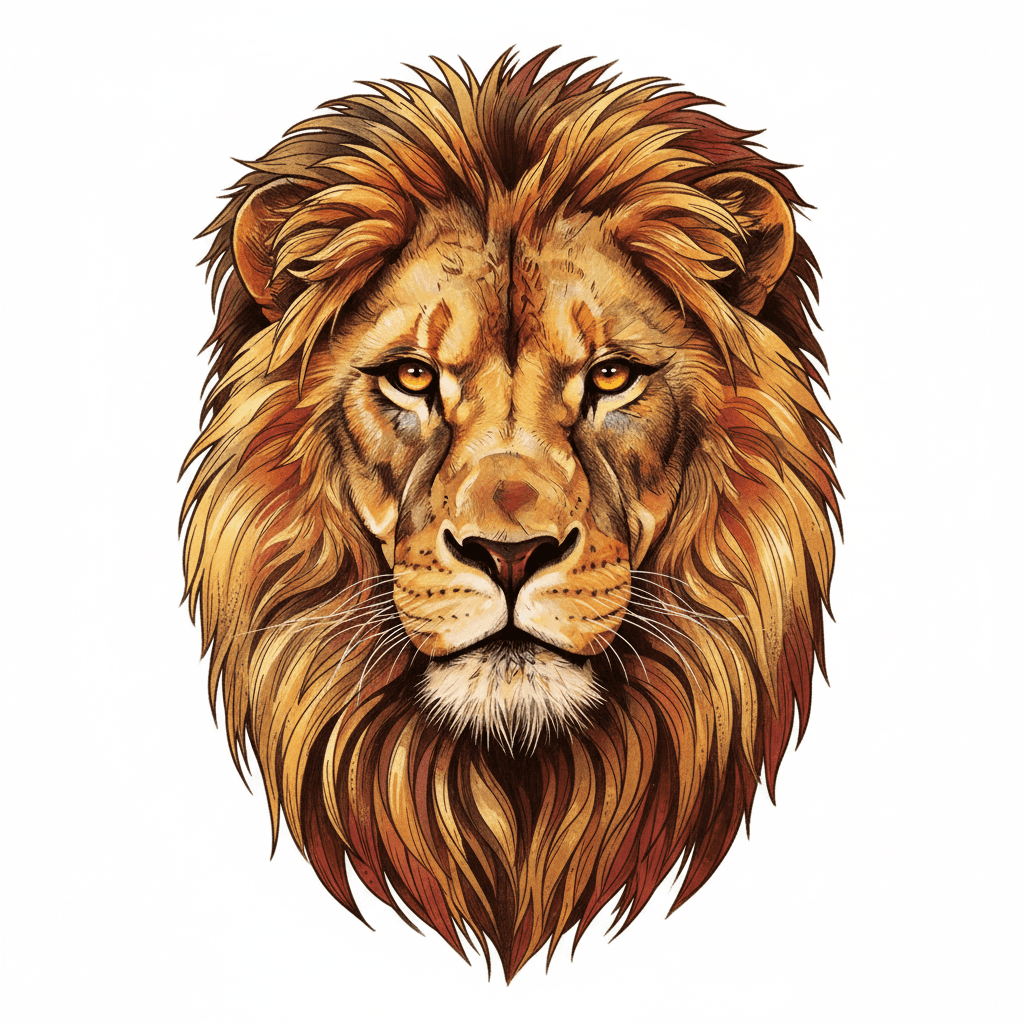
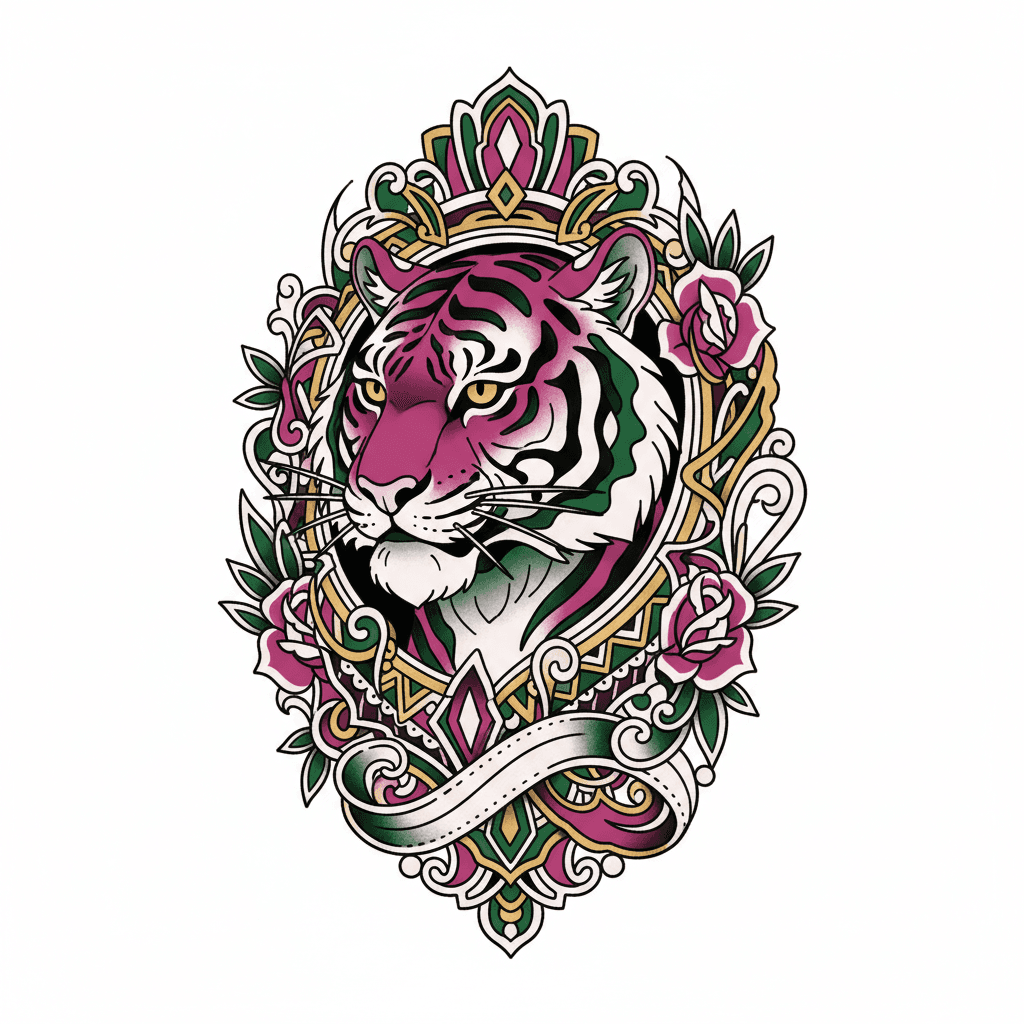
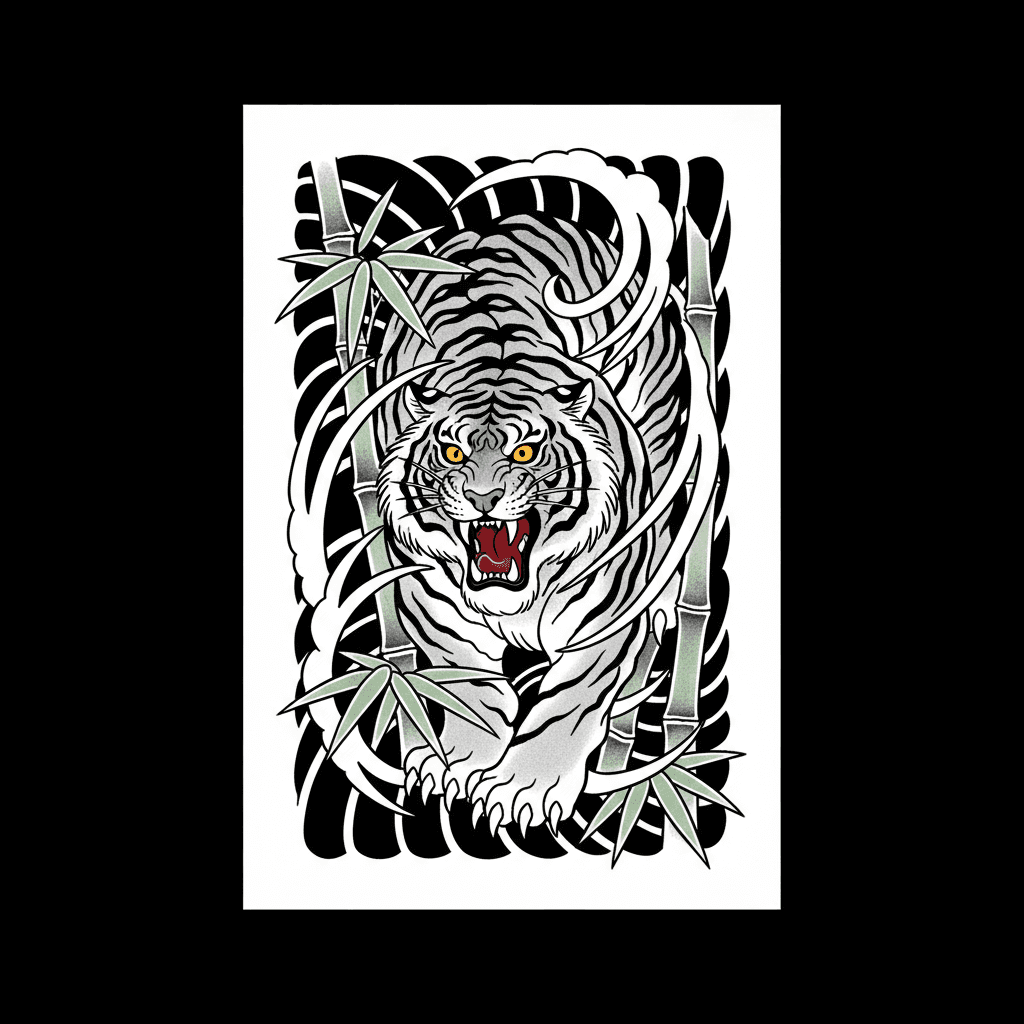
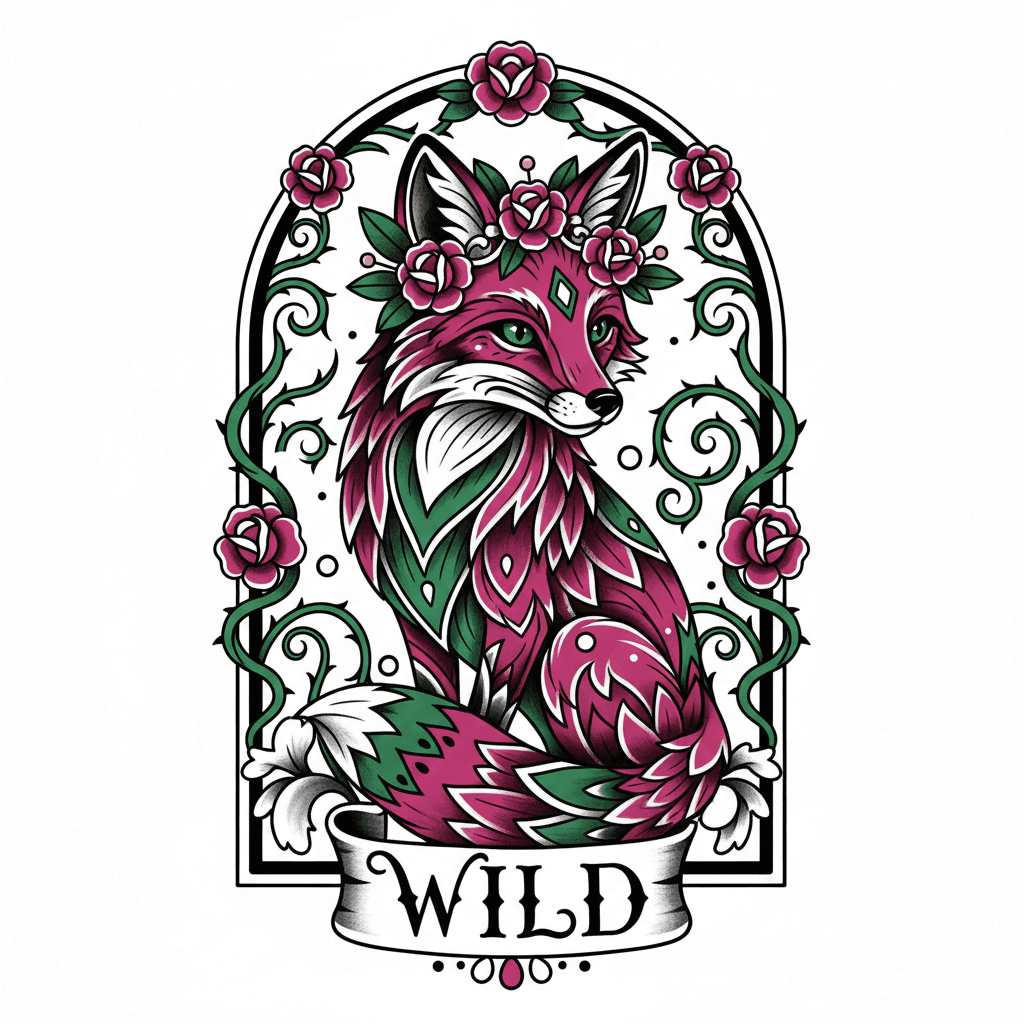
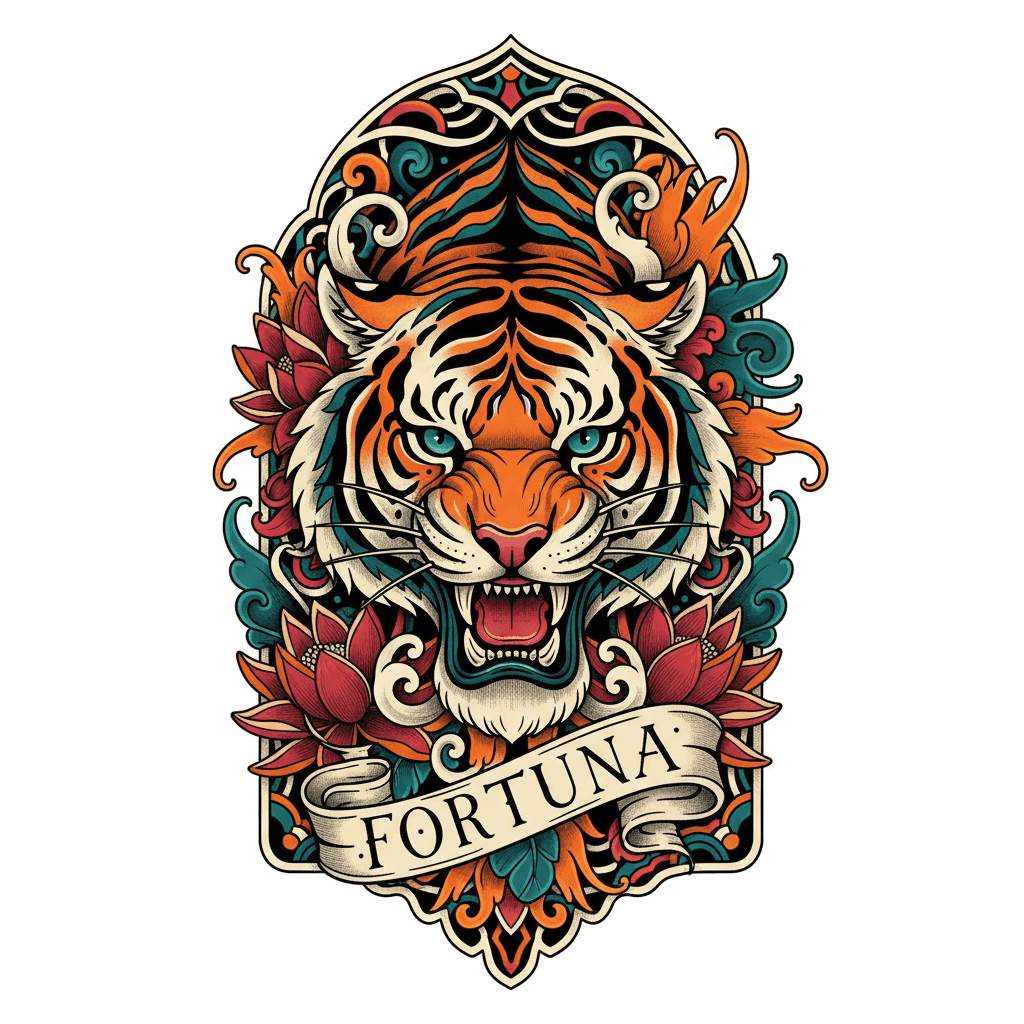
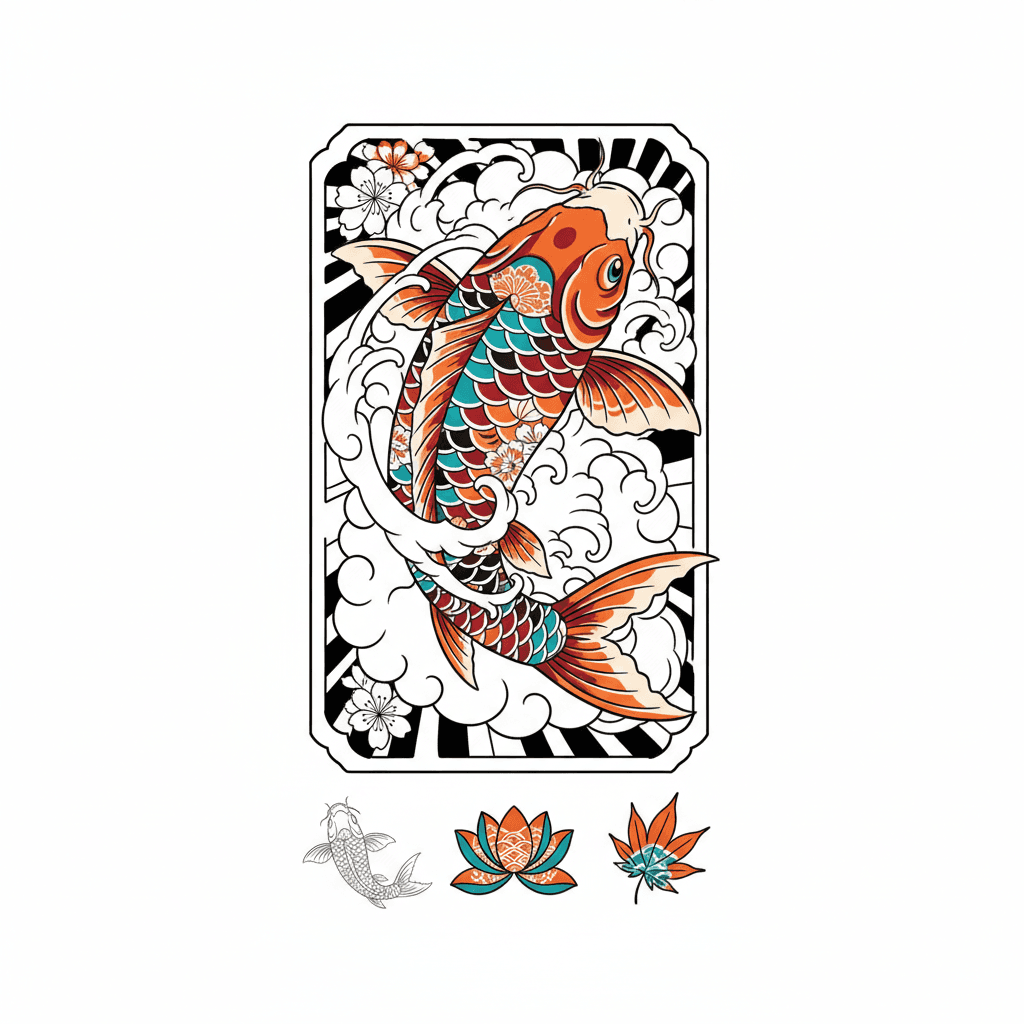
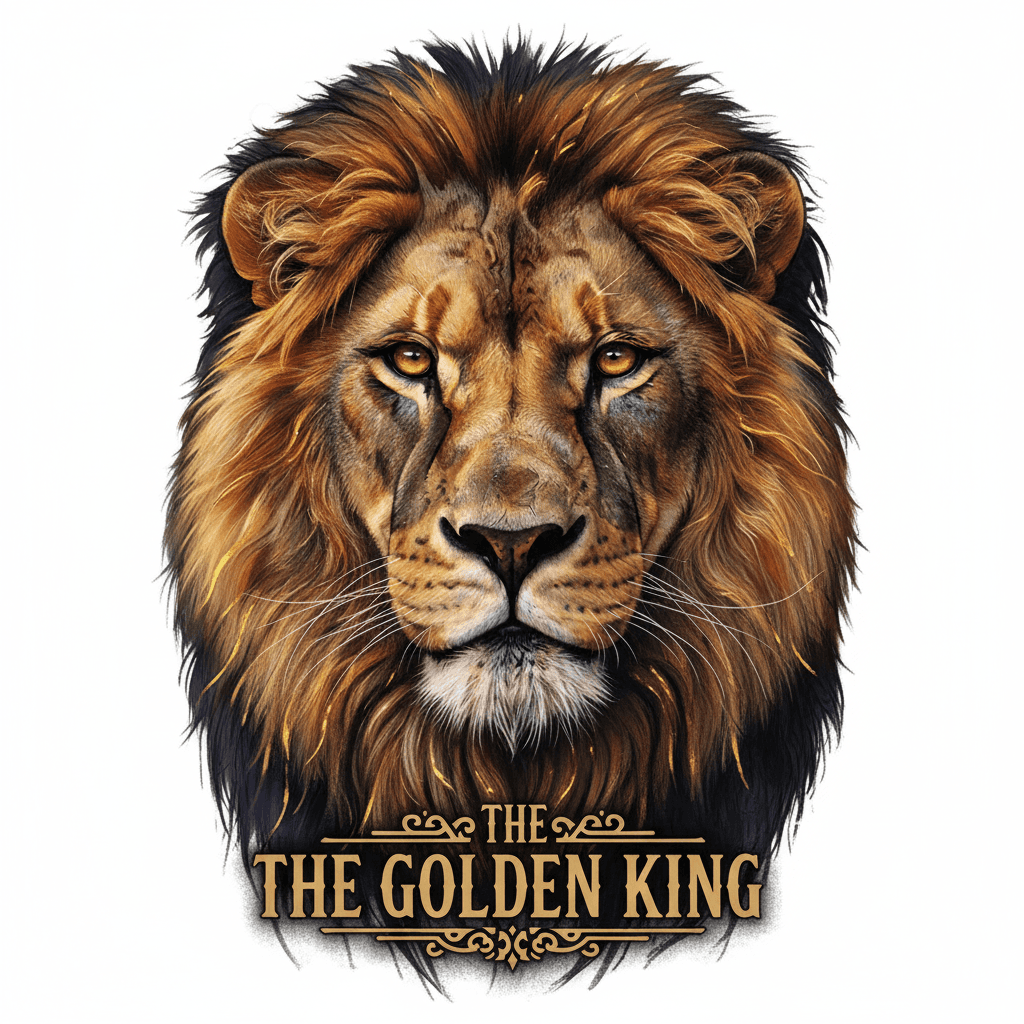
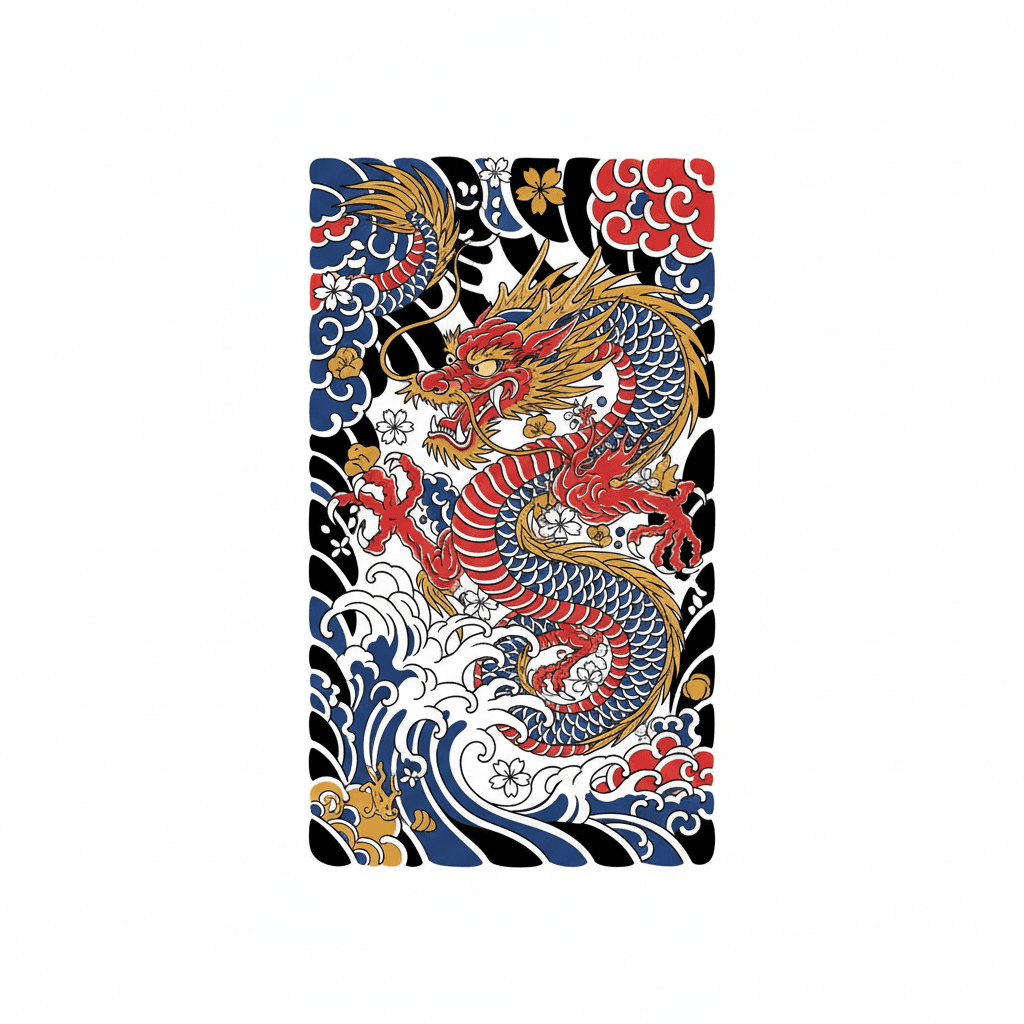
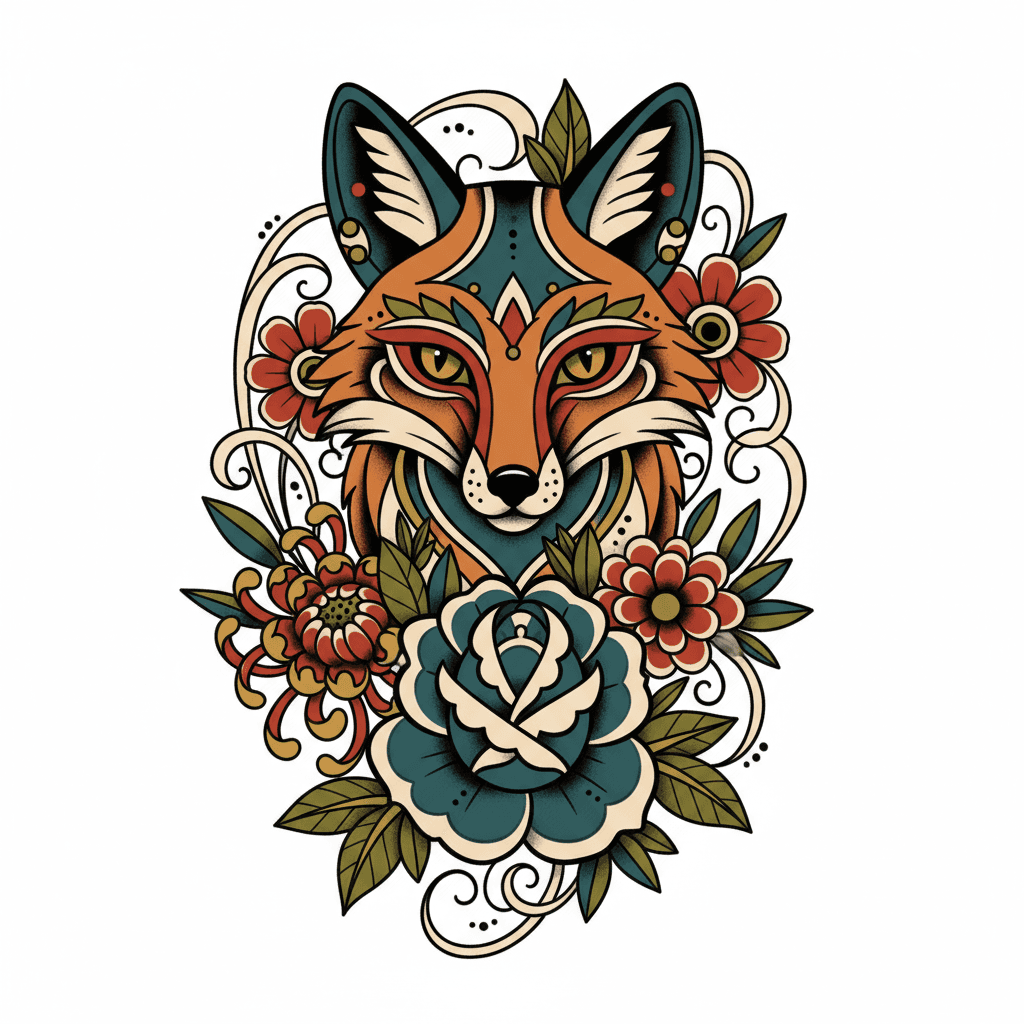
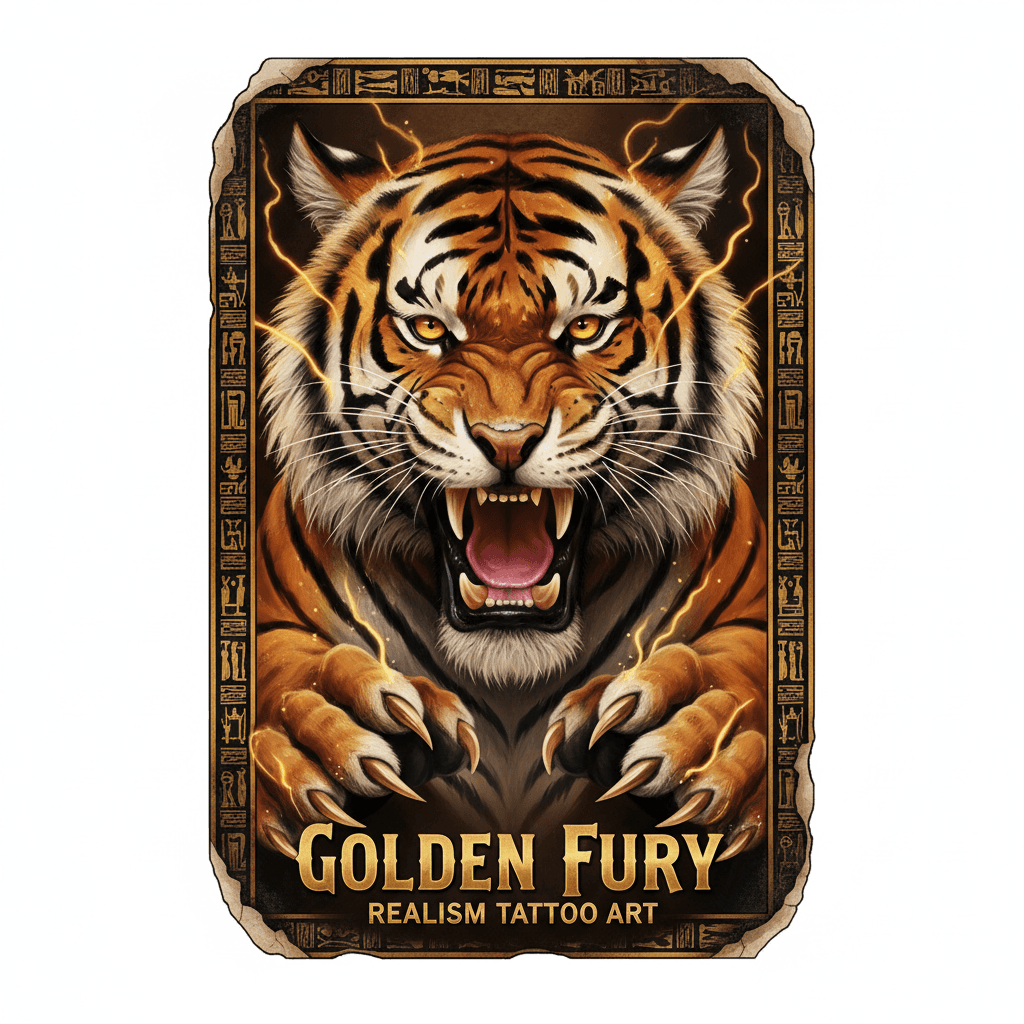
A strong route when you want connected composition without full-arm coverage.
Best for body-aware flow where every segment of the arm works together.
Useful when the user wants multiple motifs but has not committed to one unified sleeve concept.
Sleeve-tattoo searches usually end in one of six routes: a half-sleeve start, a full-sleeve plan, a patchwork direction, a cover-up path, a style-first composition choice, or a generator-ready concept with flow already settled.
This route fits users who want connected composition and still want a cleaner first step than committing the whole arm immediately.
This route fits dragons, realism collages, ornamental sleeves, and other concepts that need the whole arm to read as one composition.
This route fits users who like multiple separate motifs and need help deciding how loose or how connected the arm should become over time.
This route fits blackwork, faded older sleeves, and heavy partial arm pieces that already turned the search into a cover-up strategy.
This route fits users who know the visual language first and want the sleeve structure to follow that lane cleanly.
This route fits users who already know the sleeve scope, the motif, and the style family, and want cleaner output fast.
Cleaner prompts start with one exact placement decision, one exact visual lane, and one scale that can still work on real skin.
Use the placement page first, then generate a cleaner sleeve tattoos direction that still works on real skin.
Generate AI Tattoo IdeasYes. Sleeve tattoos need a composition decision first: half sleeve, full sleeve, or patchwork. The generator works much better once that direction is clear.
Japanese, realism, and neo-traditional are especially strong because they support connected flow and larger arm compositions.
Usually not as one jump. A half sleeve or a forearm-focused starter is often the smarter first step unless the long-term plan is already clear.