Tattoo Styles Guide
Style is one of the fastest ways to narrow a tattoo idea because it controls line weight, detail level, color logic, and the kind of placement that will still look good after healing.
Use this page to compare the eight strongest style families on Inkforge, then move into a matching placement guide or a meaning-led page under tattoo ideas before you open the AI tattoo generator. If the search is actually about hiding old ink, jump to cover-up tattoo ideas. If the user is really choosing a safer beginner route, send them to first tattoo ideas before they start testing prompts.
How To Choose A Tattoo Style
Start with line weight
If you want bold outlines and timeless flash, open American Traditional or Neo-Traditional first. If you want restraint and cleaner spacing, start from Fine Line.
Then decide on color
Black and Grey and Realism work when texture, shadow, and atmosphere matter more than bright color. Watercolor works when motion and color bloom are part of the appeal.
Match the motif to the style
Dragons and koi usually perform better in Japanese. Roses, daggers, and eagles fit Traditional. Angels, statues, and praying hands often fit Black and Grey or Realism.
Check the placement before generating
Some styles need room. Realism, Japanese, and big ornamental work improve on the back, chest, thigh, or sleeve. Smaller placements usually reward simpler structure.
Compare Popular Tattoo Styles
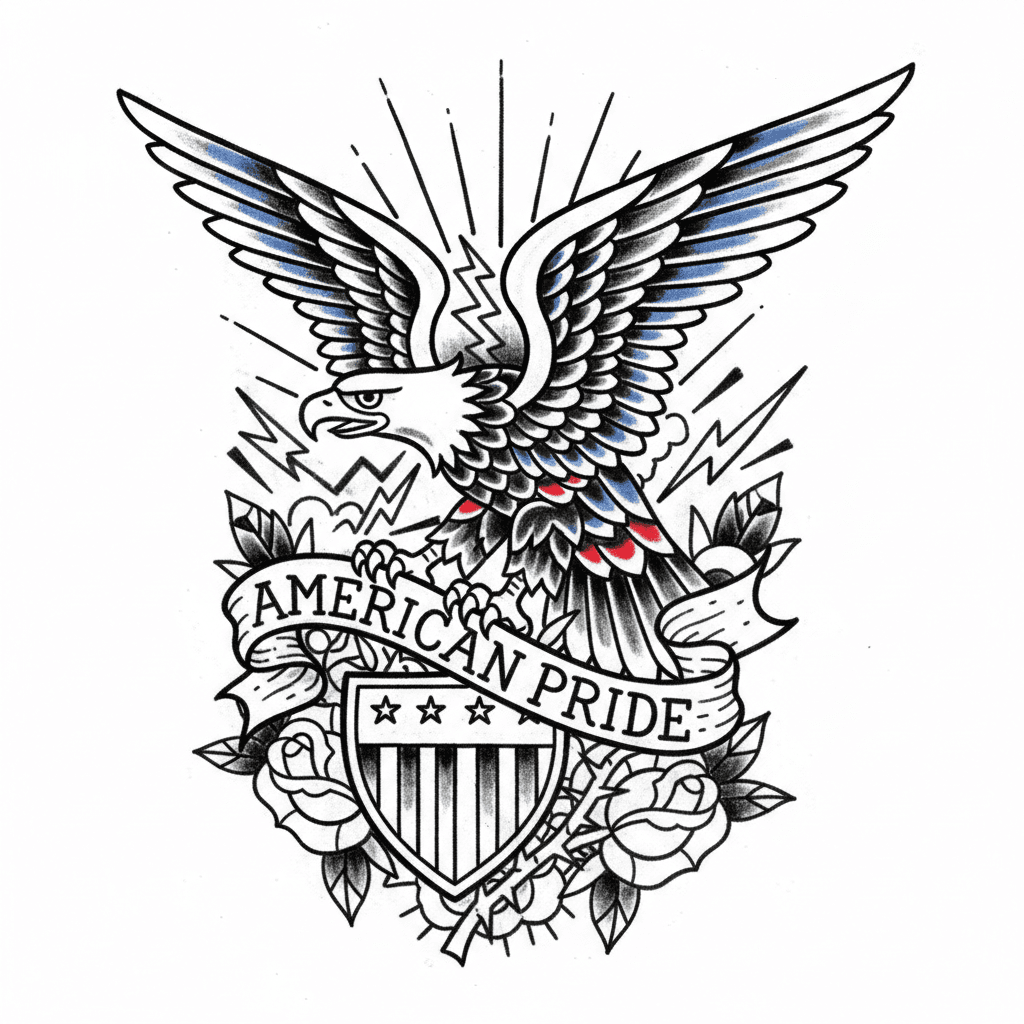
American Traditional
Bold outlines, classic flash motifs, and the most timeless visual language in Western tattoo history.
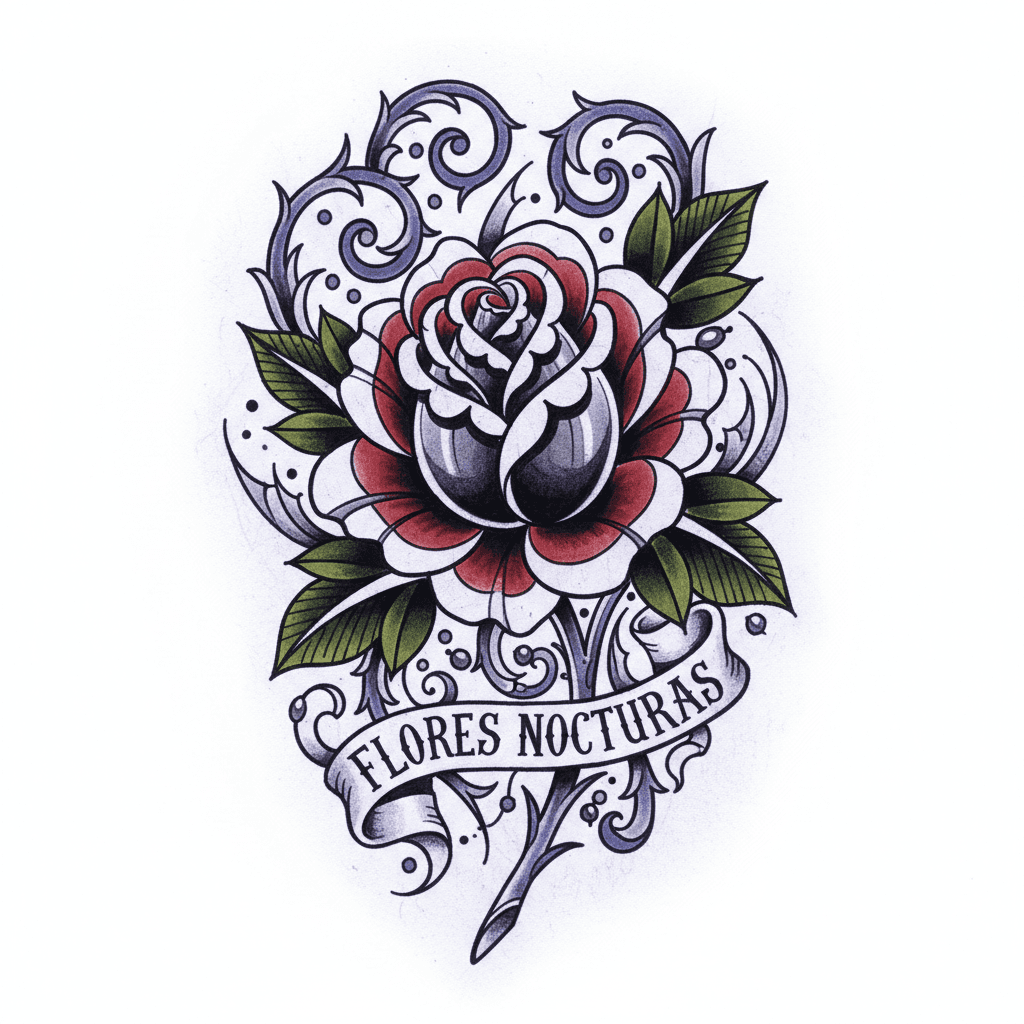
Neo-Traditional
Classic tattoo foundations with richer shading, decorative detail, and a more illustrative finish.
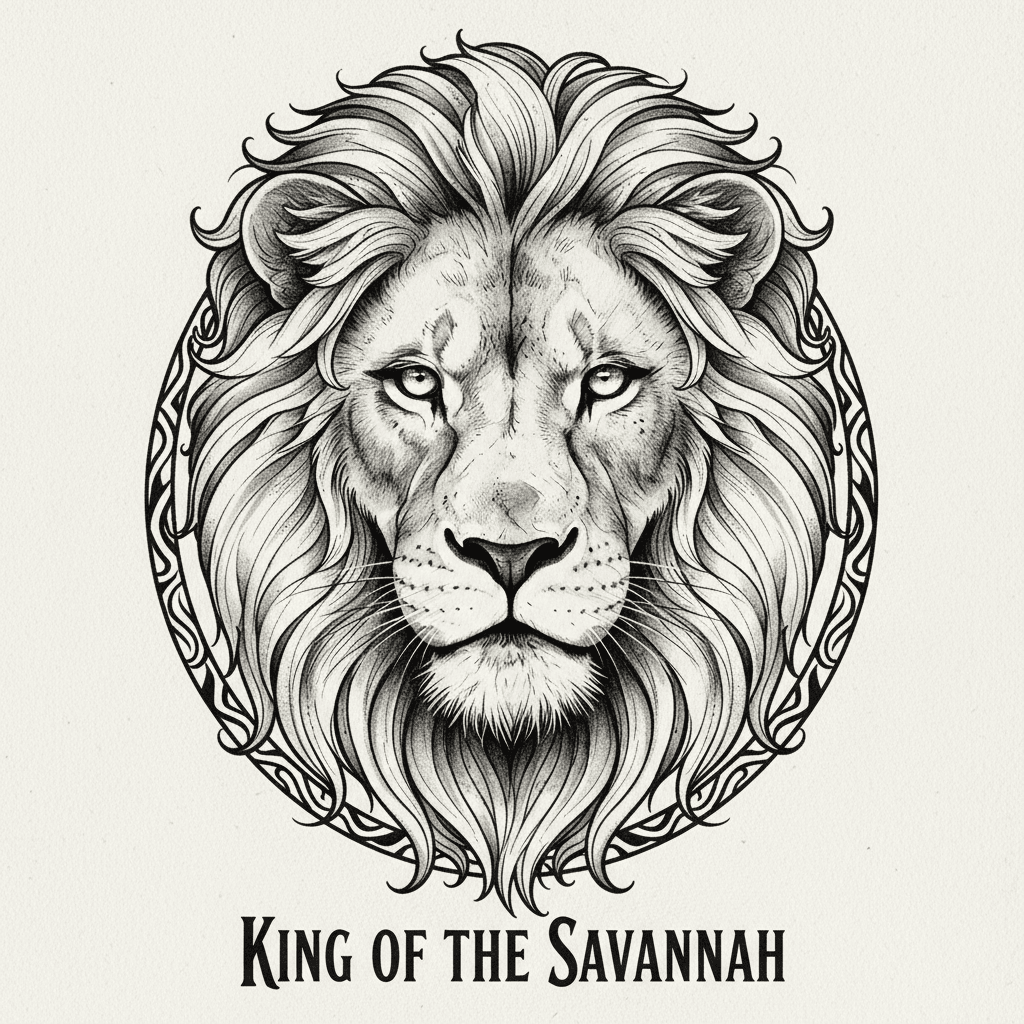
Realism
High-detail tattoo design focused on lifelike depth, texture, shading, and photographic impact.
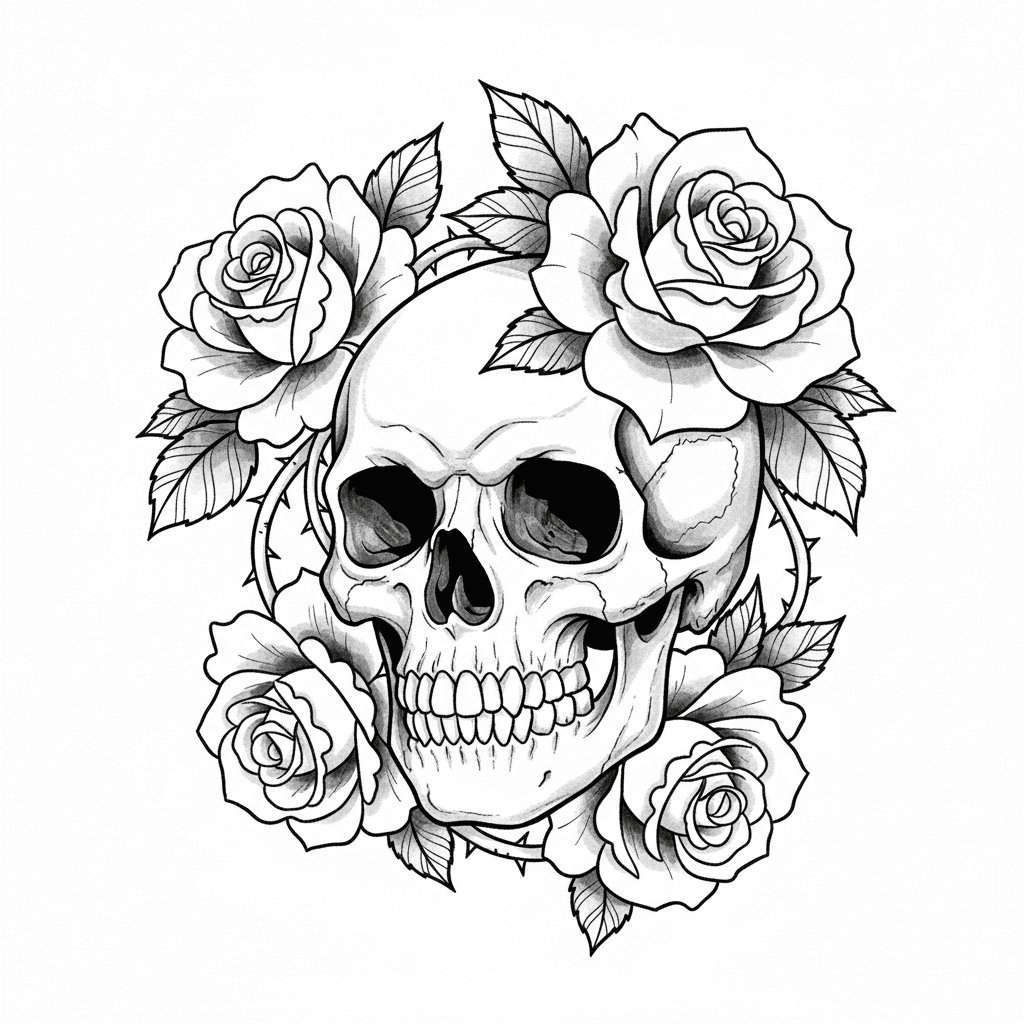
Black & Grey
Monochrome tattooing built around wash shading, contrast, and a sculpted, atmospheric look.
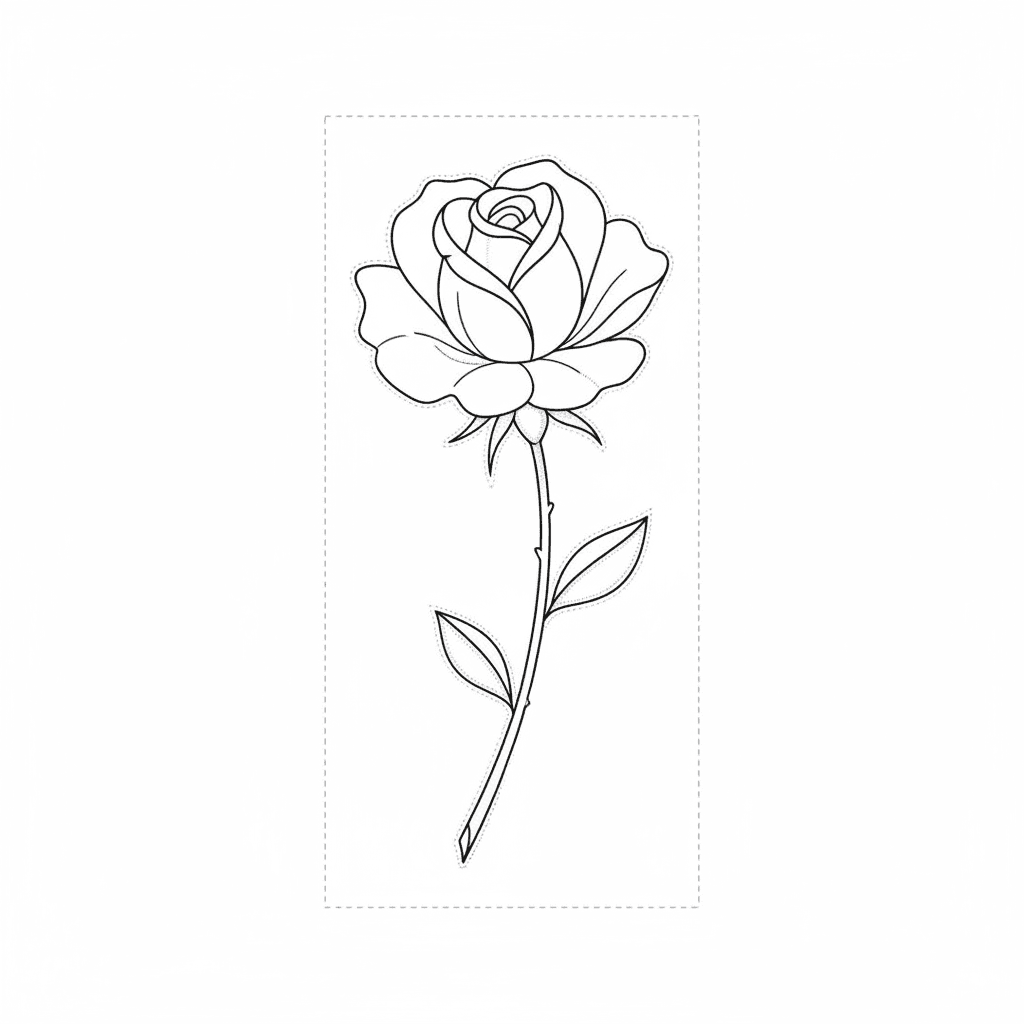
Fine Line / Minimalist
Delicate linework, minimalist structure, and clean compositions designed to feel light on the skin.
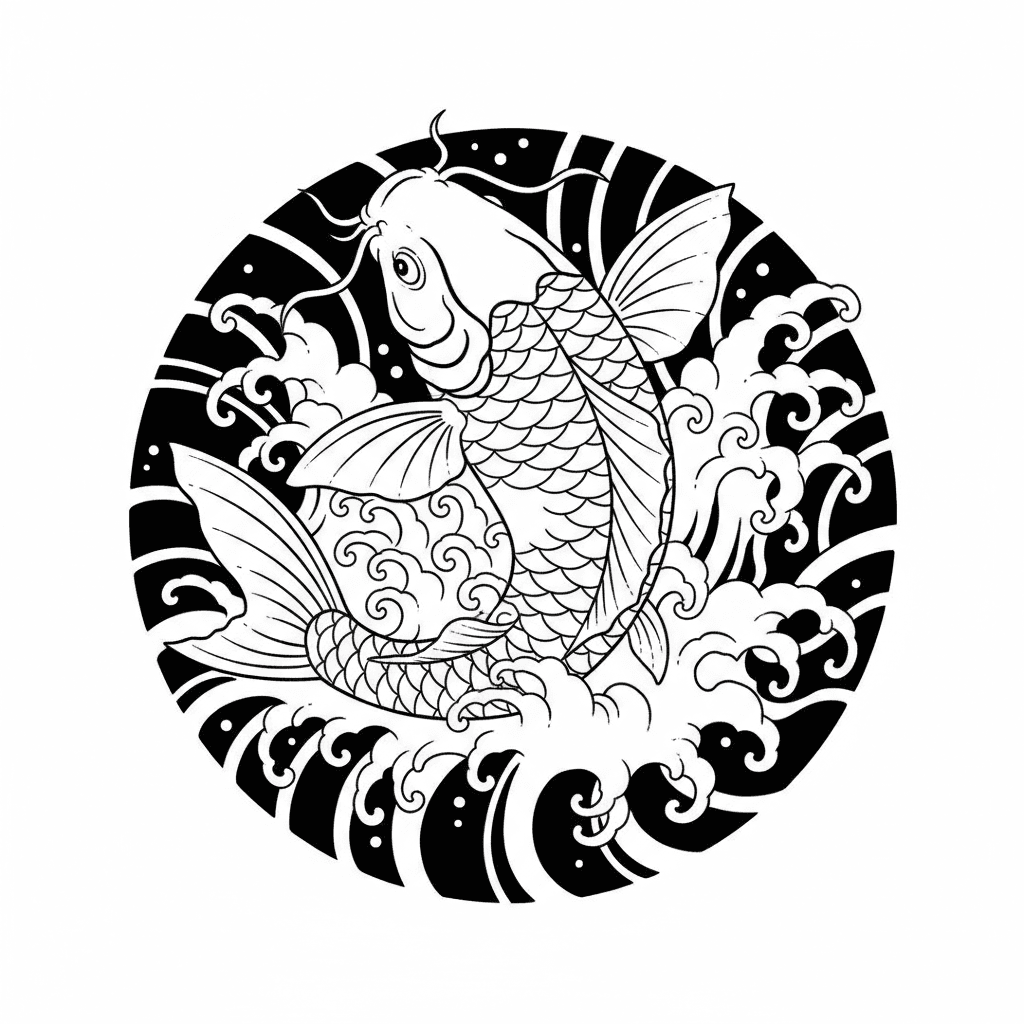
Japanese / Irezumi
Flowing composition, strong symbolism, and body-aware structure rooted in traditional Irezumi.
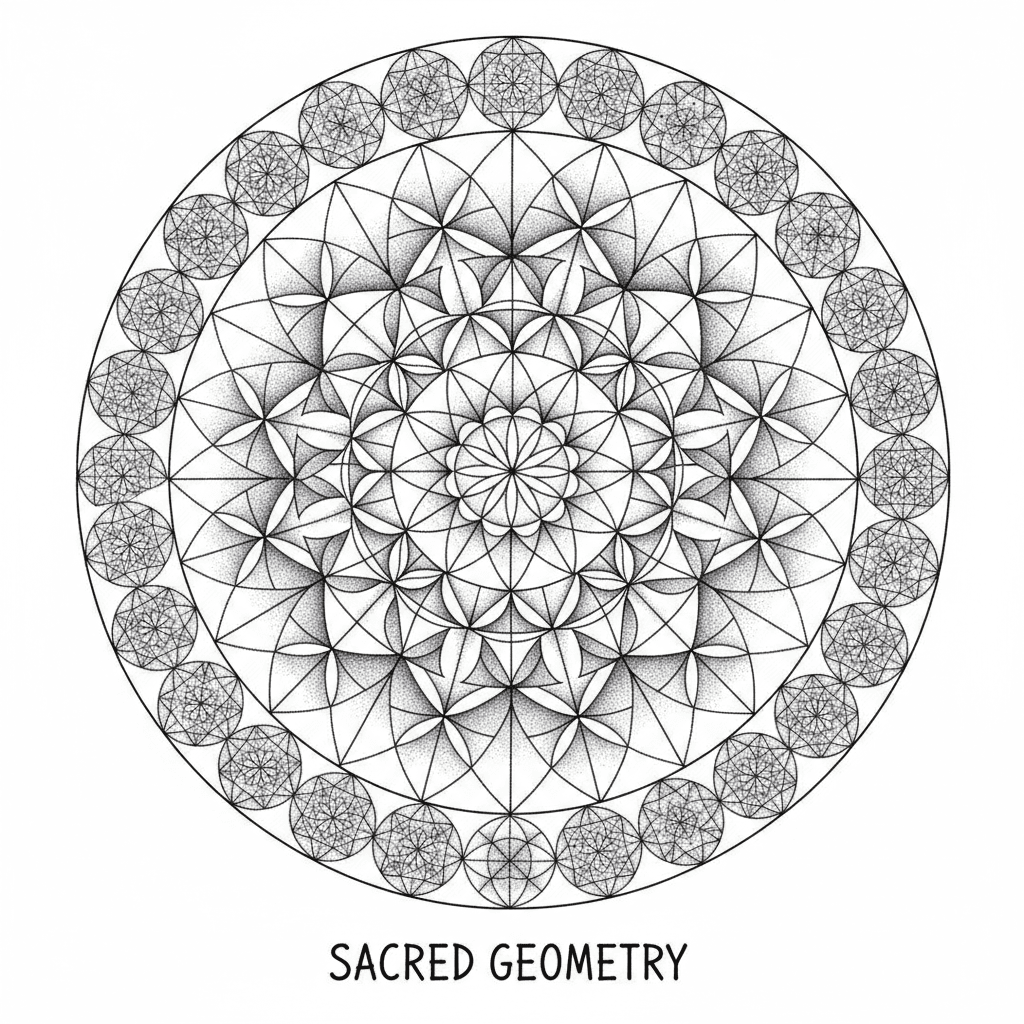
Geometric & Dotwork
Precision-driven tattoo design built around symmetry, structure, repetition, and stippled shading.
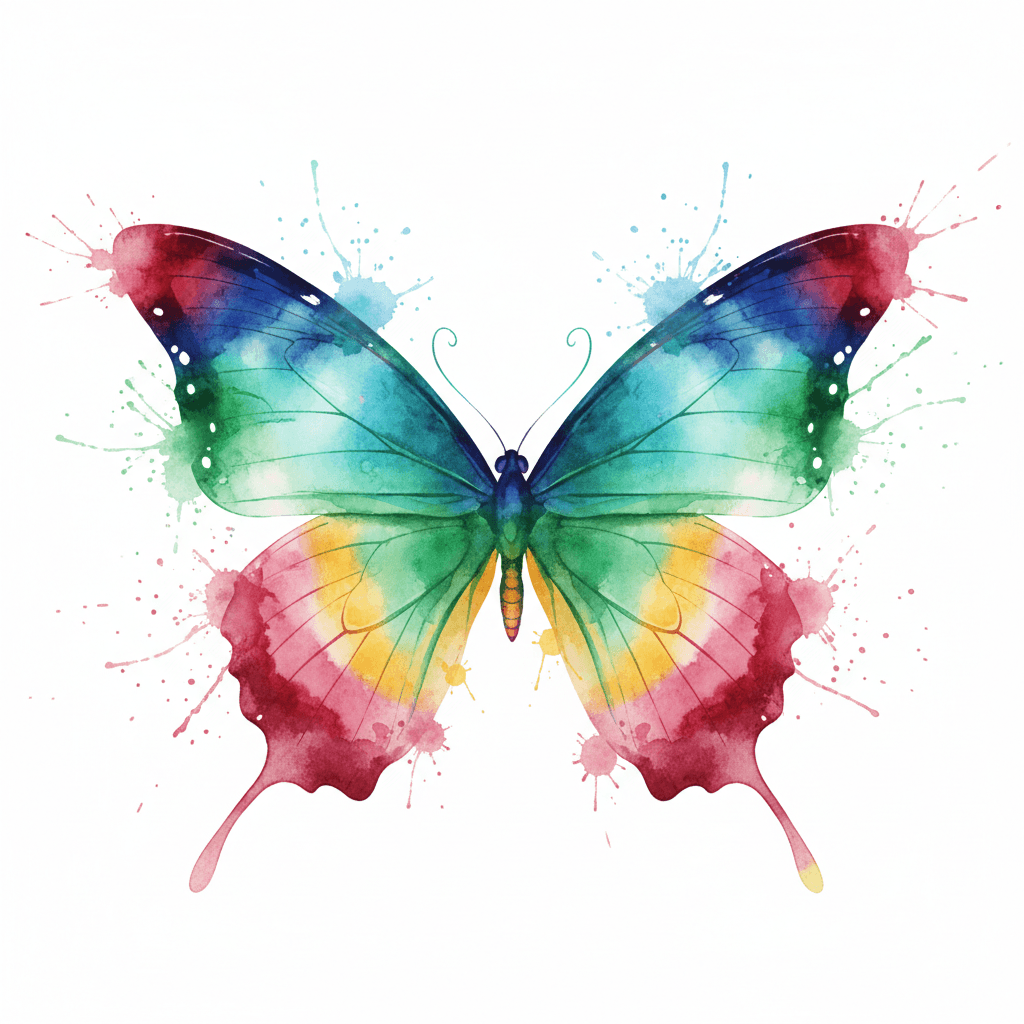
Watercolor
Tattoo ideas shaped by paint-like motion, blooming pigments, and a lighter illustrative energy.
Best Second Click After Style
You want a trending cyber-blackwork route
Open the cybersigilism page when the search is already leaning toward sharp digital tribal flow, visible placement, and stronger blackwork attitude.
The style family is clear, but the body area is not
Open the placement hub when the visual lane is already chosen and the next job is deciding whether the tattoo belongs on forearm, wrist, chest, back, thigh, sleeve, hand, or neck.
The style family is clear, but the symbol is still loose
Jump into the tattoo ideas hub when you know the visual language but still need to decide whether the design should become a dragon, rose, moth, cross, angel, or another motif.
The style is clear and you want prompt testing
Go to the generator after the style, motif, and likely placement are coherent enough to support a clean prompt instead of random exploration.
The search is really about hiding old ink
Leave the fresh-style flow and open the cover-up hub when darkness, old lines, lettering, or placement constraints already dominate the tattoo decision.
You want the safest possible first route
Use the first tattoo page when the real job is minimizing regret, not maximizing visual drama from the first click.
Best Style If Your Goal Is Already Clear
Cybersigilism
Sharp digital tribal line systems work best when the tattoo needs visible edge, body-aware flow, and a stronger futuristic silhouette.
Good next page: Neck Tattoos for placement fit and pain tradeoffs.
American Traditional
American Traditional, also called Old School, is built around iconic subjects like eagles, anchors, daggers, roses, panthers, and swallows. It ages well because the linework stays readable and the color palette stays disciplined.
Good next page: Forearm Tattoos for placement fit and pain tradeoffs.
Neo-Traditional
Neo-Traditional expands on old school tattooing by keeping strong line hierarchy while adding more dimension, more ornament, and a wider color range. It works especially well for animals, mythic portraits, flowers, moths, and elegant symbolic imagery.
Good next page: Thigh Tattoos for placement fit and pain tradeoffs.
Realism
Realism tattoos work best when the design depends on texture, facial detail, fur, metal, smoke, or dramatic lighting. The strongest realism pieces usually focus on one clear subject and enough skin space to preserve the detail.
Good next page: Back Tattoos for placement fit and pain tradeoffs.
Black & Grey
Black and Grey tattoos are not just colorless versions of other styles. The best Black and Grey work uses tonal control, shadow, and value structure to create mood, depth, and skin-friendly readability.
Good next page: Chest Tattoos for placement fit and pain tradeoffs.
Fine Line
Fine Line tattoos work best when the concept is restrained. Instead of packing in too much detail, the strongest designs use elegant contour, negative space, and a clear focal motif such as a flower, butterfly, moon, or snake.
Good next page: Wrist Tattoos for placement fit and pain tradeoffs.
Japanese
Japanese tattooing is not just about individual motifs. It is about how the subject, wind bars, waves, clouds, flowers, and negative space all move together across the body. Even smaller Japanese-style designs benefit from that sense of flow.
Good next page: Sleeve Tattoos for placement fit and pain tradeoffs.
Meaning-Led Pages To Open After Style
Once the style family is clear, the next filter is usually the symbol. These six motif pages are the highest-intent meaning clusters on the site and they connect well to the main style families above.
Dragon Tattoo
A strong motif page for power, protection, and body-aware movement.
Rose Tattoo
A durable motif page for love, loss, beauty, and classic tattoo language.
Snake Tattoo
A flexible motif page for rebirth, danger, wisdom, and readable body flow.
Moth Tattoo
A motif page for night energy, transformation, and ornate symbolic work.
Cross Tattoo
A high-intent motif page for faith, remembrance, and sacred symbolism.
Angel Tattoo
A symbolism page for protection, grief, faith, and guardian imagery.
Placement Pages That Pair Well With Style Research
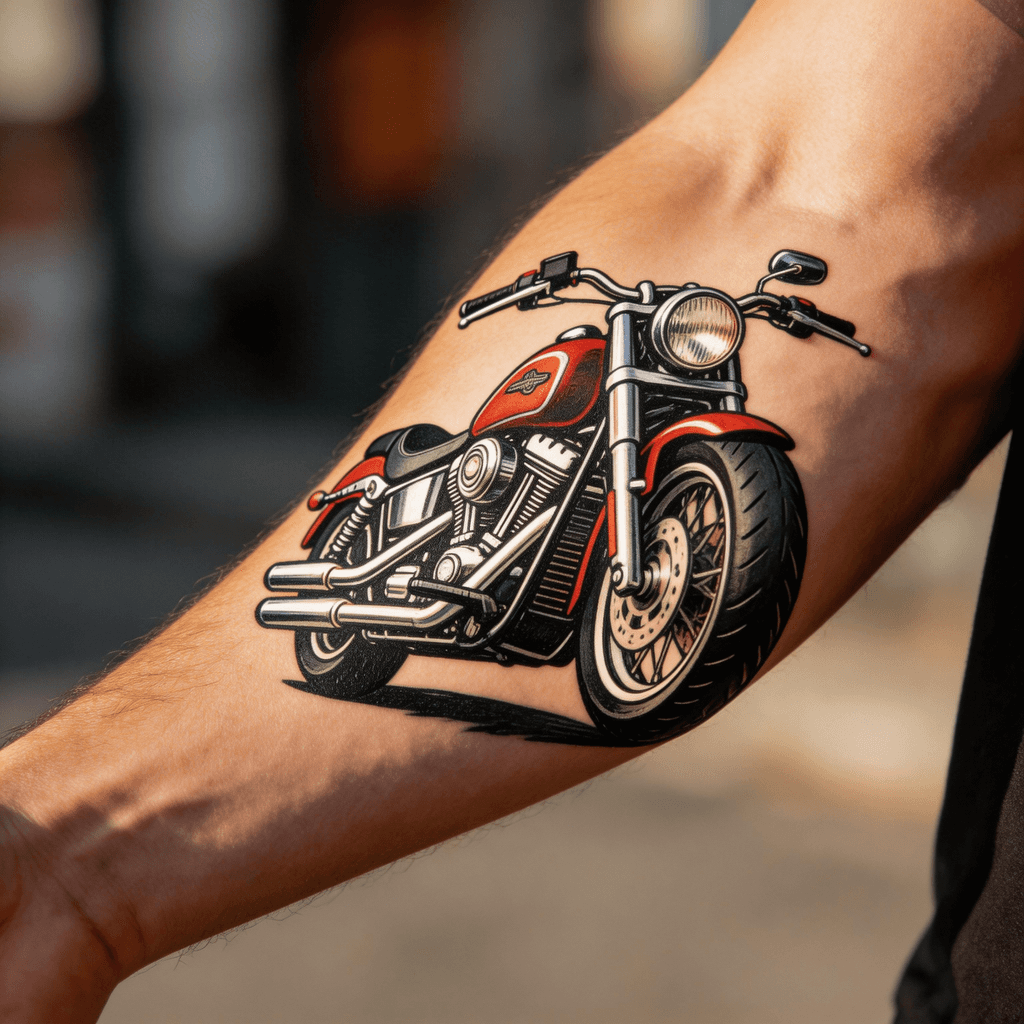
Hand Tattoos
Visible, bold, and high-conversion placement keywords for hand-first concepts.
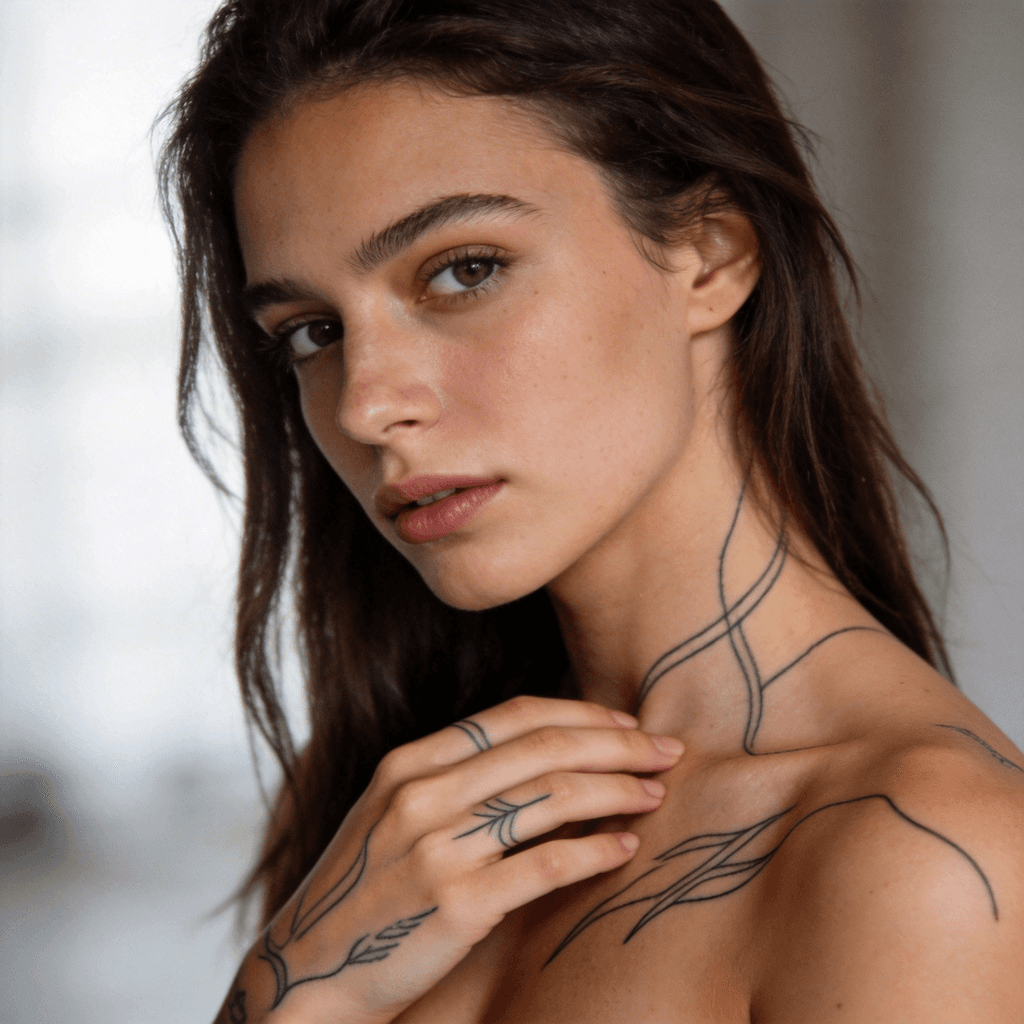
Neck Tattoos
High-intent placement page for statement designs and visible tattoo planning.
Forearm Tattoos
A dependable placement page for readable tattoos and first visible work.
Wrist Tattoos
A small-placement page for symbolic, minimal, and first-tattoo ideas.
Chest Tattoos
A strong page for centerpiece layouts, symmetry decisions, and statement motifs.
Back Tattoos
A large-format planning page for narrative tattoos and body-aware composition.
What To Put In A Better Style-Led Prompt
Style pages become most useful when they lead to cleaner prompts. The generator performs better after you lock one visual family and stop mixing unrelated style instructions together.
- name one style family first: american traditional, neo traditional, realism, black and grey, fine line, japanese, geometric, or watercolor
- add the motif after the style: rose, dragon, angel, cross, serpent, moth, or another symbol
- mention the placement if it matters: forearm, wrist, chest, back, thigh, sleeve, hand, or neck
- describe the tone: bold flash, minimal calm, sacred mood, dark atmospheric shading, or decorative color
- keep one visual lane per prompt instead of mixing five different styles into one sentence
Generate After You Choose The Style Family
Use the style hub to narrow the visual lane first, then generate a tattoo idea with stronger prompts and less random output.
Generate AI Tattoo IdeasFrequently Asked Questions
What is the best tattoo style for a first tattoo?
Fine Line, American Traditional, and small Black and Grey ideas are usually the safest starting points because they stay readable without demanding a huge placement.
Should I choose tattoo style before placement?
Usually yes, but the two decisions should stay connected. Style decides line weight and detail level, while placement decides whether that style can still work on skin.
Which tattoo styles age best?
American Traditional and strong Black and Grey usually age best because they rely on clear contrast and readable structure. Fine Line can age well too if the spacing is generous.
When should I open the AI tattoo generator?
Open the generator after you already know the style family, a likely placement, and at least one motif direction. That is when prompt testing becomes useful instead of noisy.
When should I leave style pages and open cover-up pages?
As soon as the user is solving old ink instead of choosing a fresh tattoo. At that point darkness, old lines, lettering, and concealment strategy matter more than style browsing alone.
What makes a style-led prompt stronger?
A stronger prompt starts with one style family, then adds motif, placement, and tone. That keeps the output visually coherent and much easier to compare.