
Black & Grey
Click image to copy prompt
Forearm tattoos are one of the safest high-intent placements because they balance visibility, readability, and day-to-day livability better than most body areas.
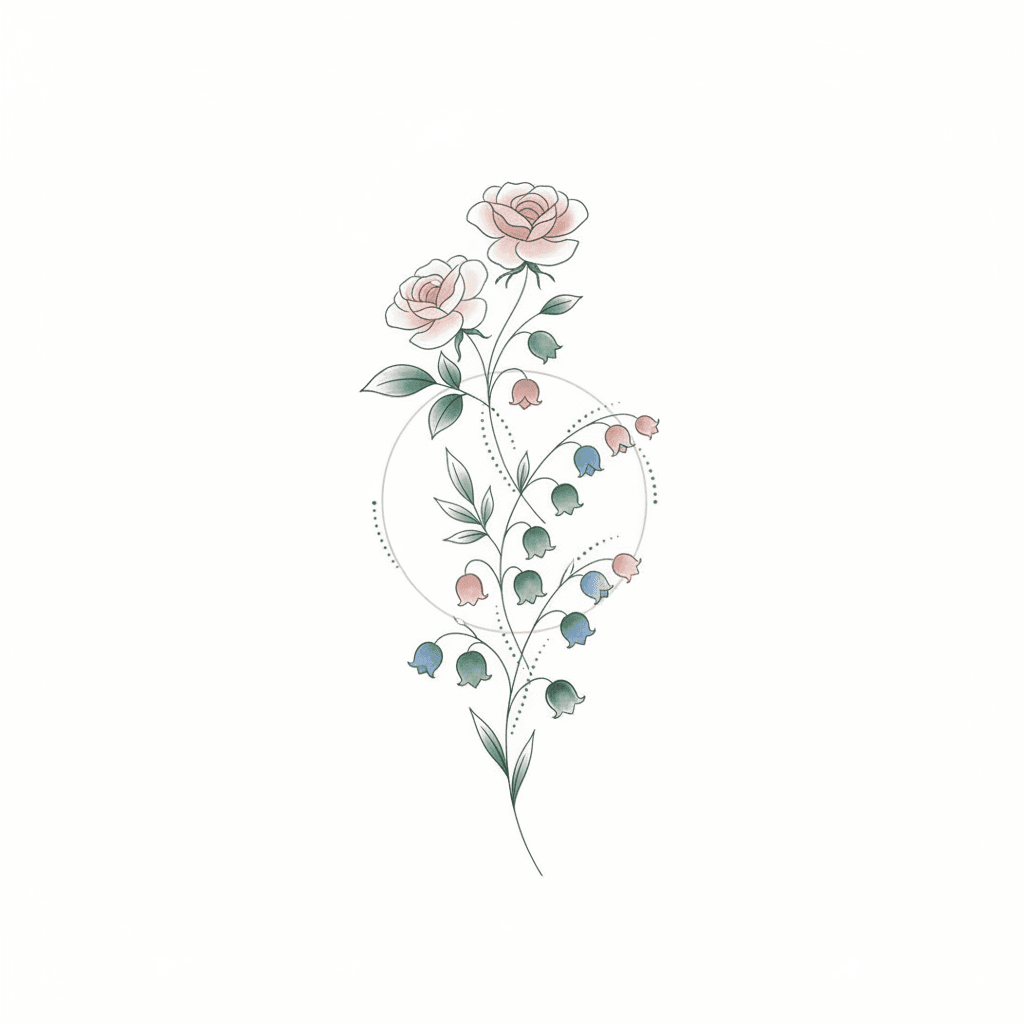
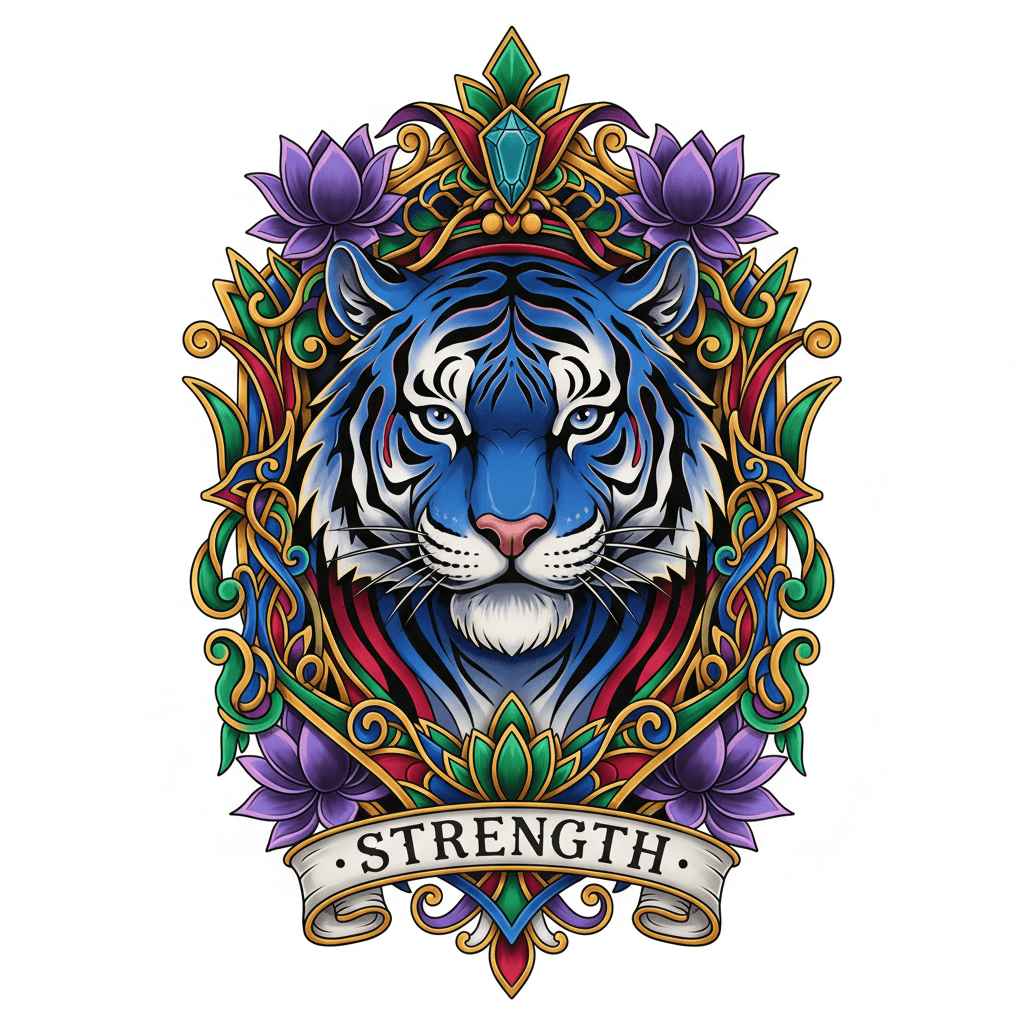
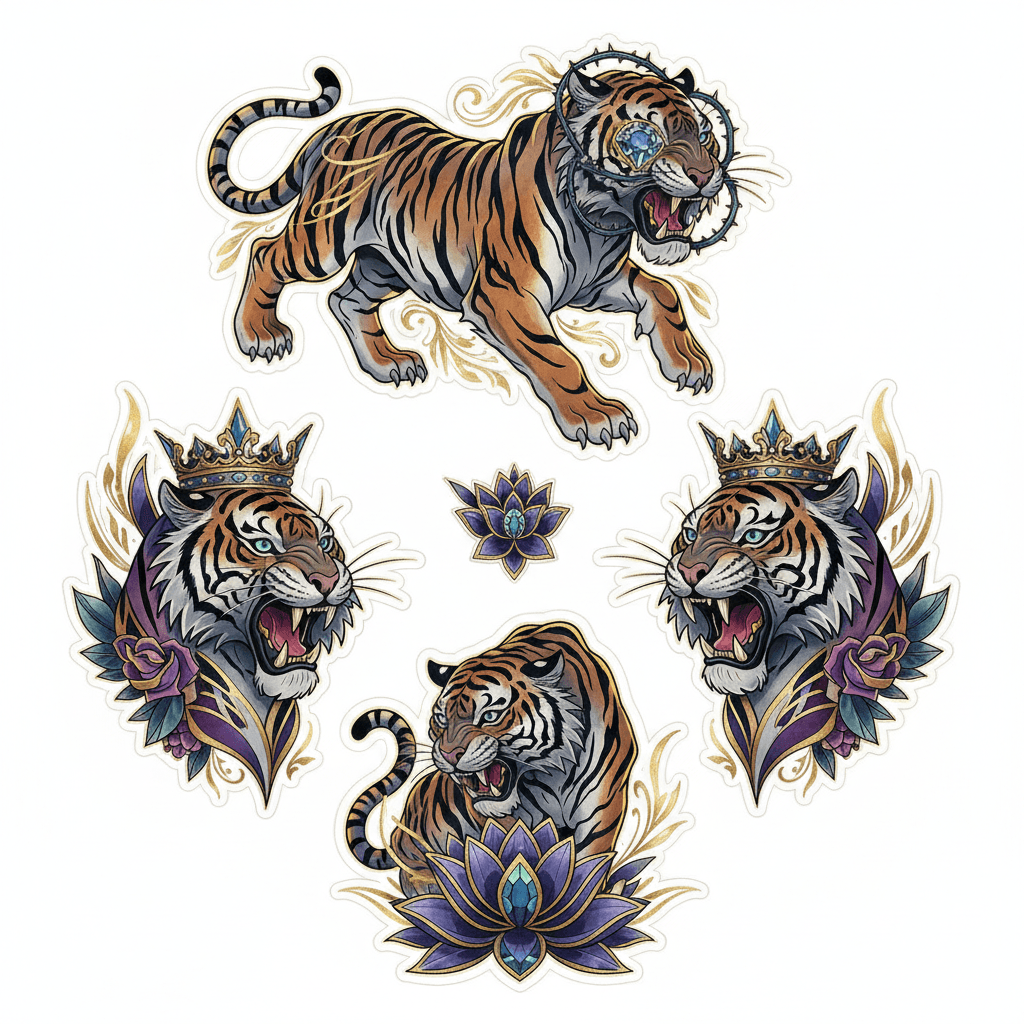
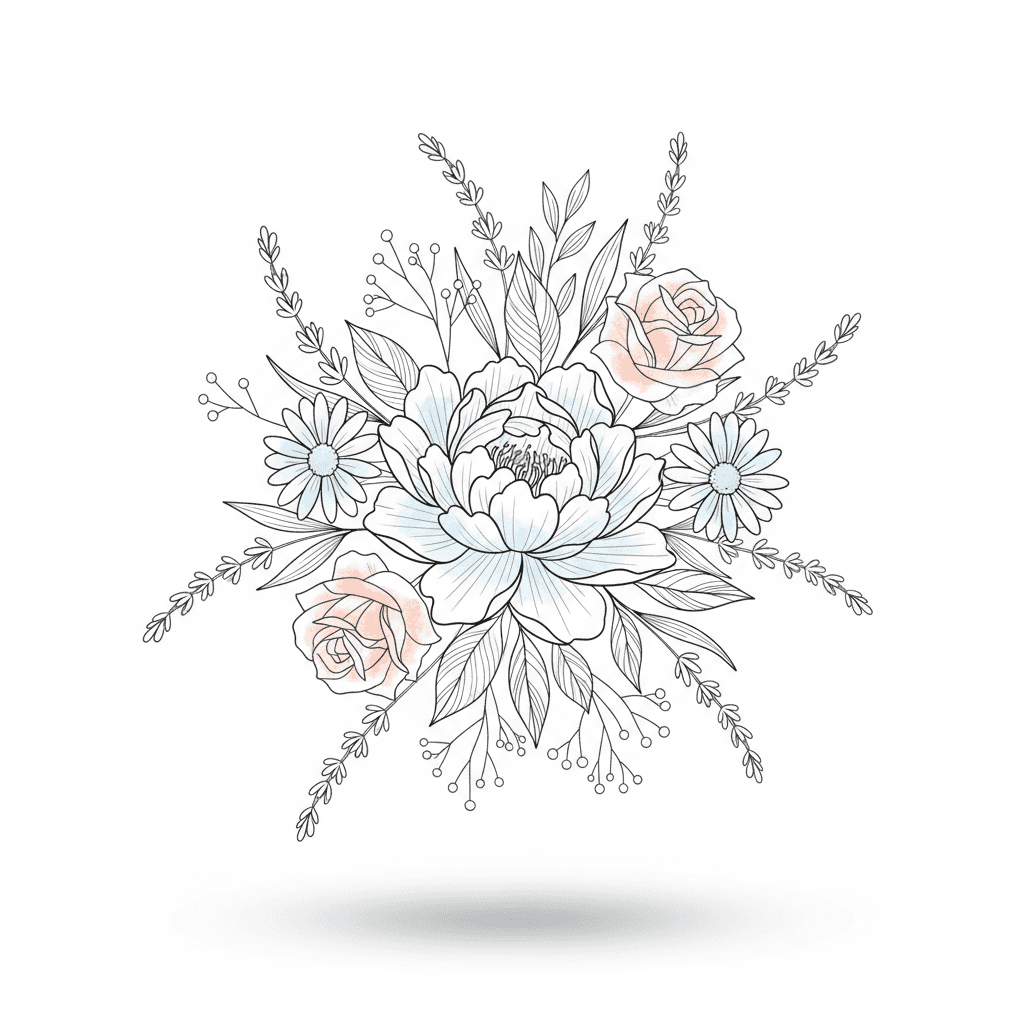
AI tattoo directions remixed for forearm tattoos planning. Click any image to copy a placement-ready prompt.


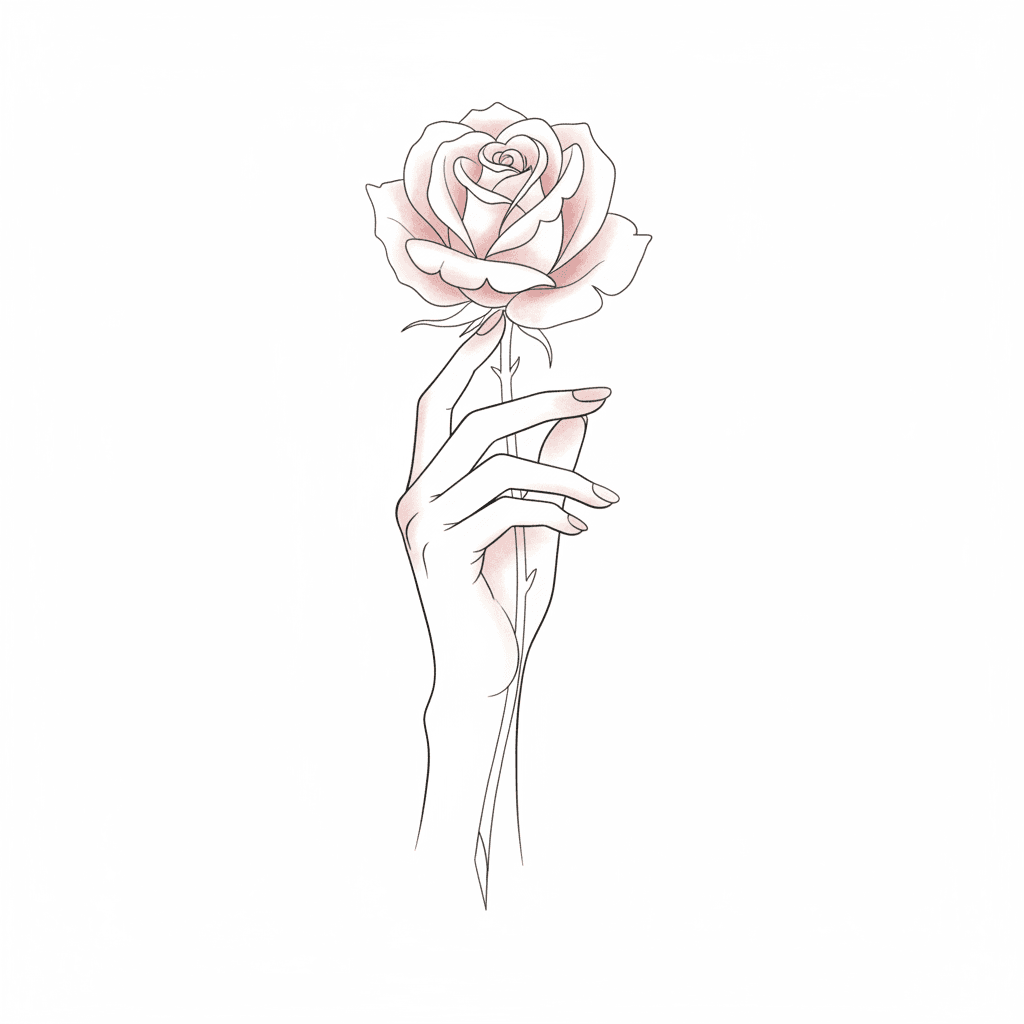

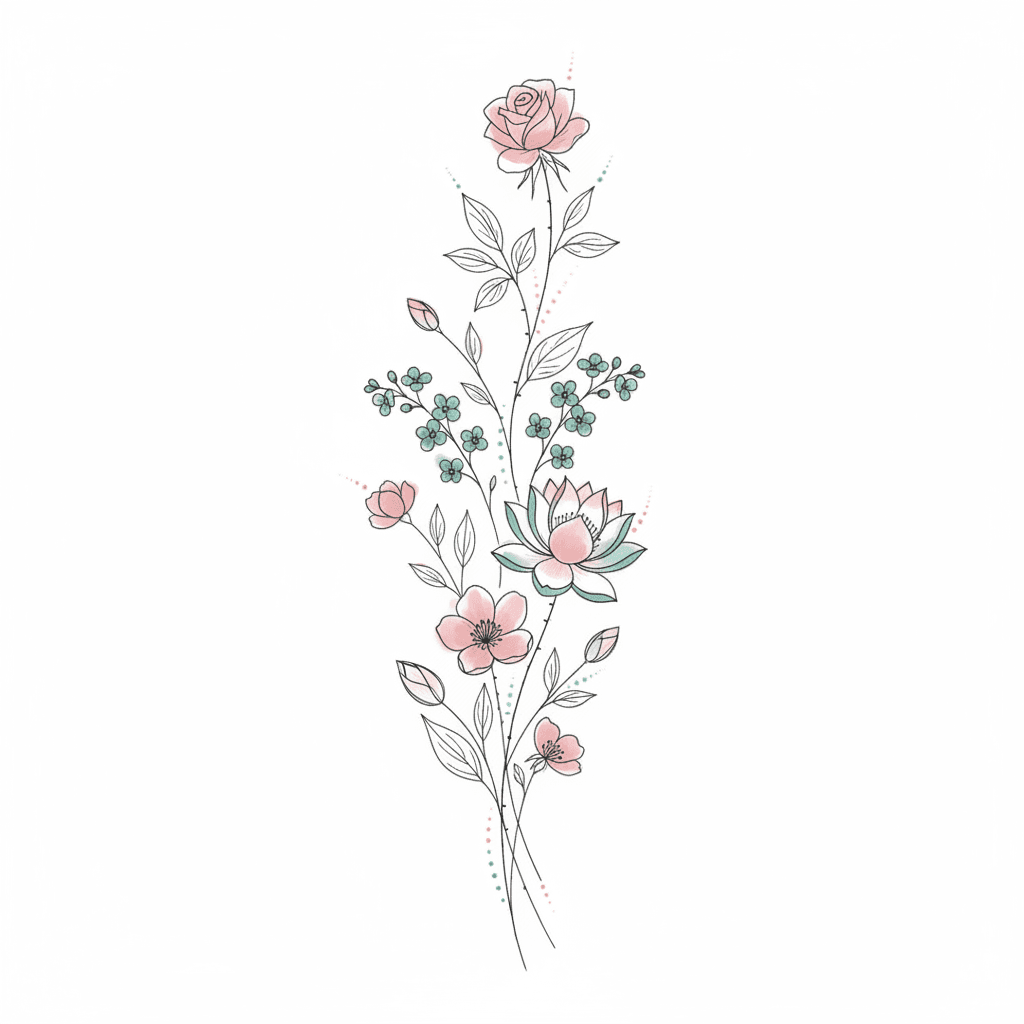

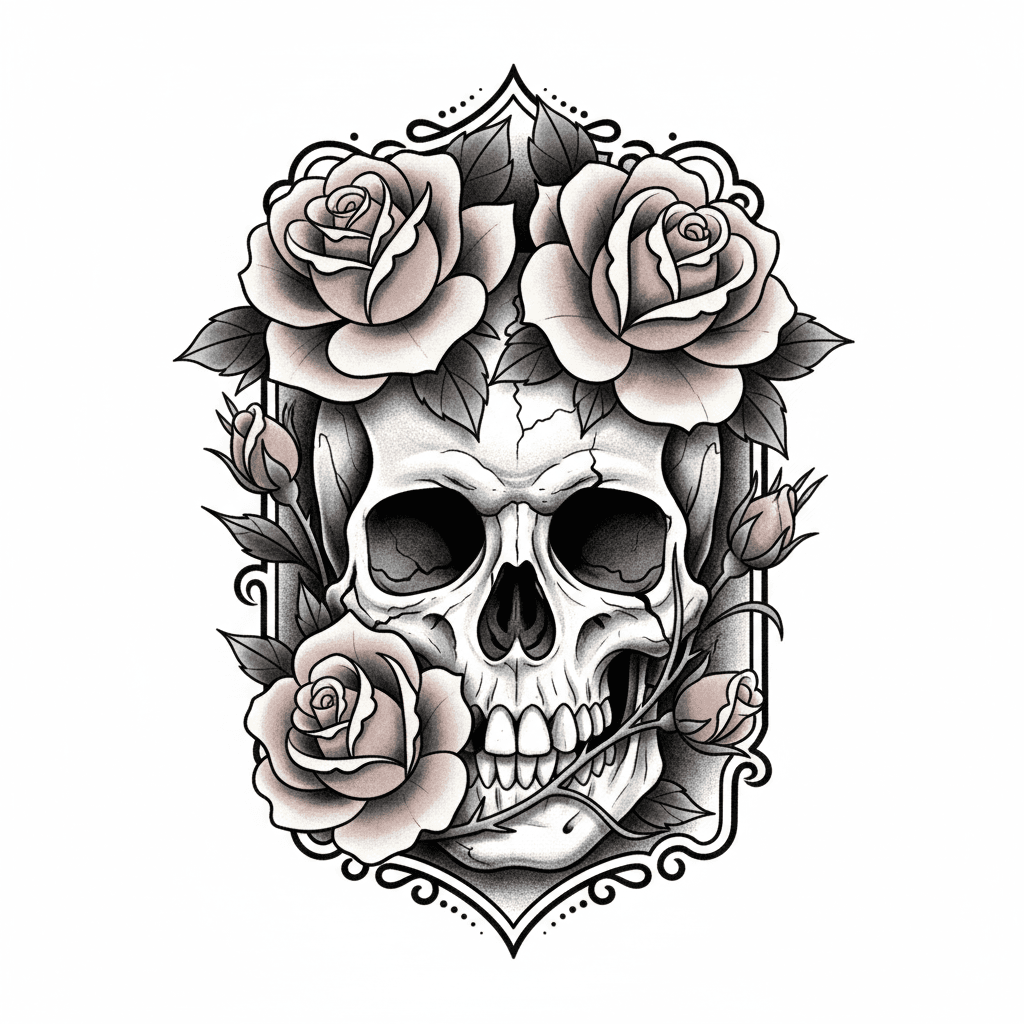
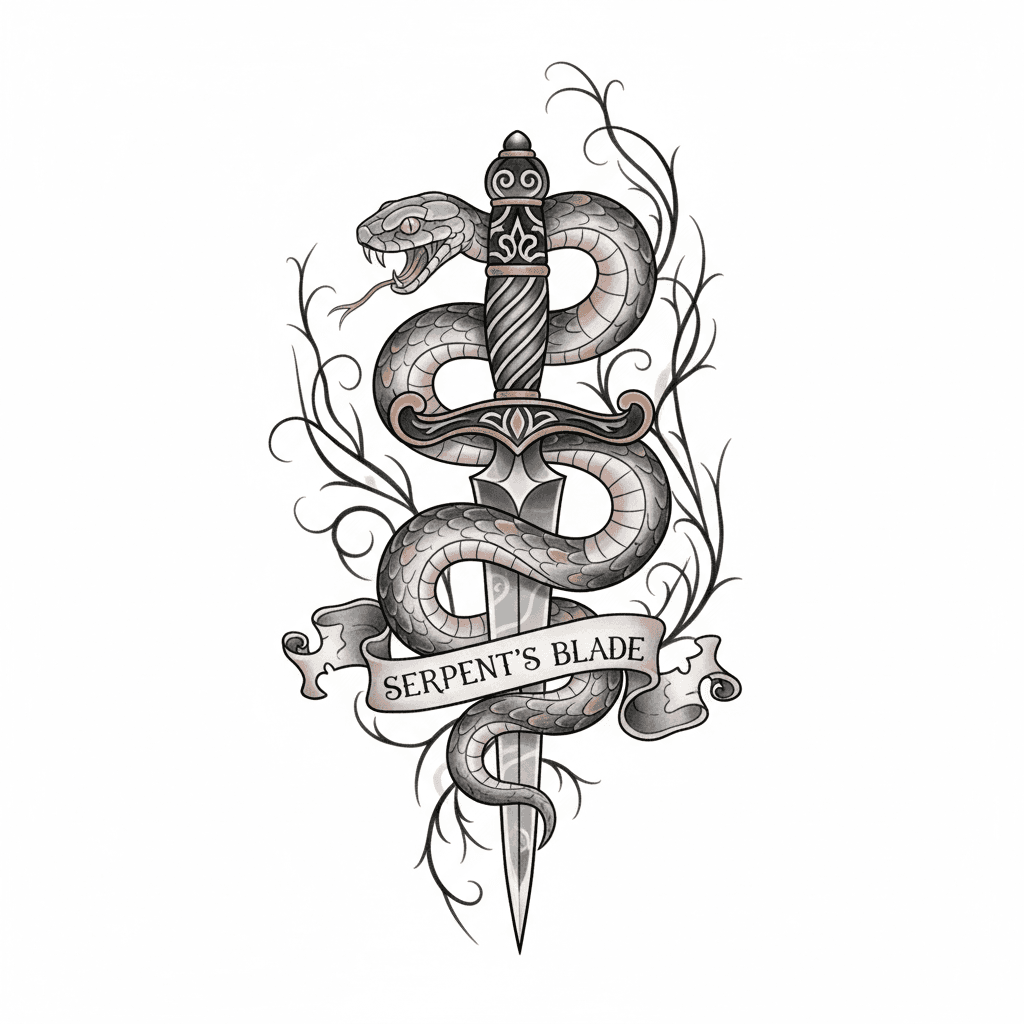
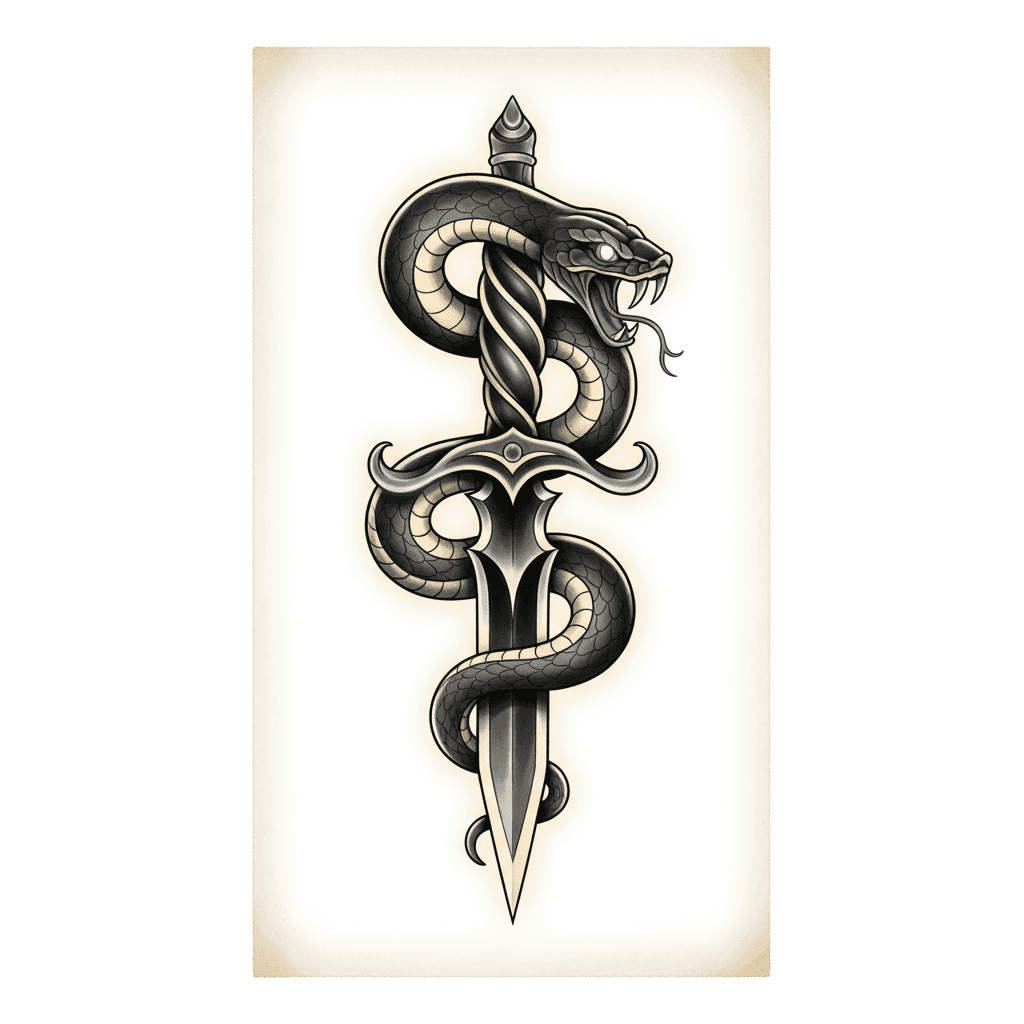


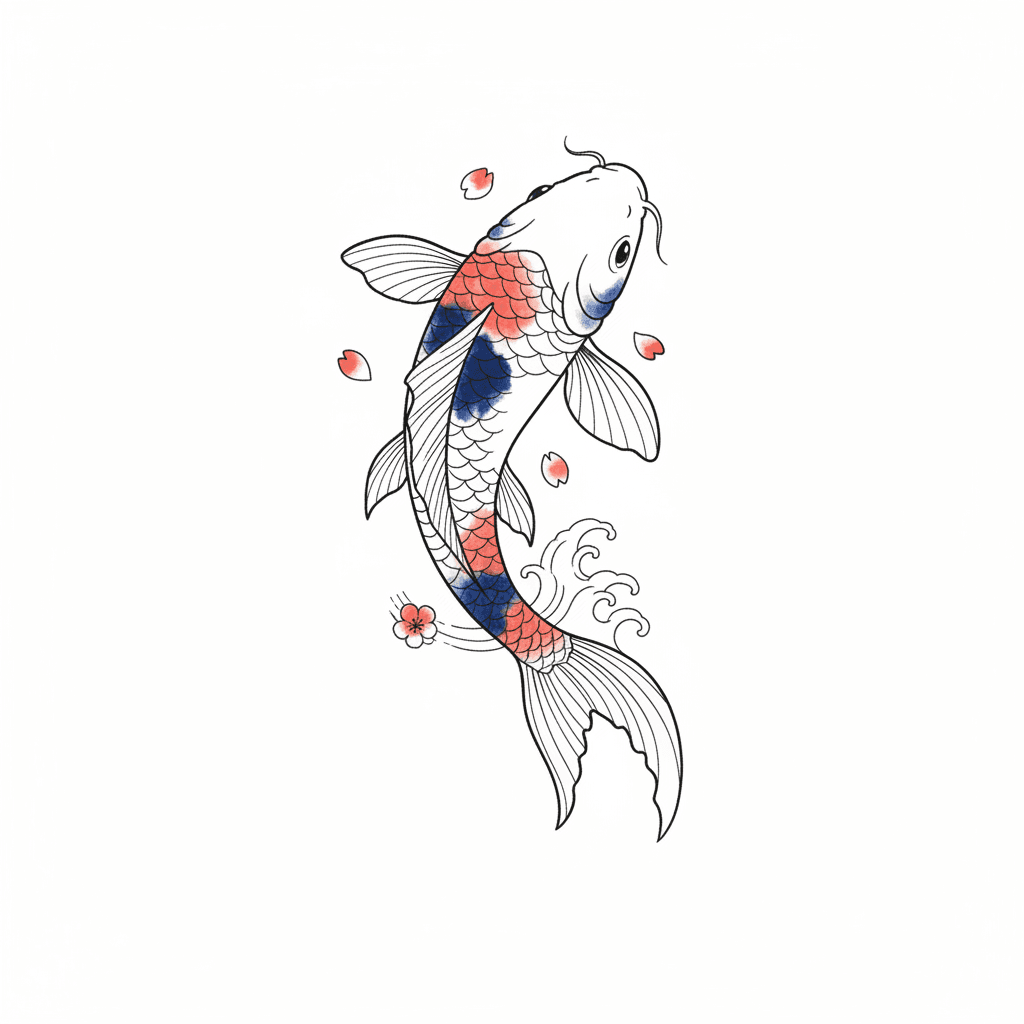

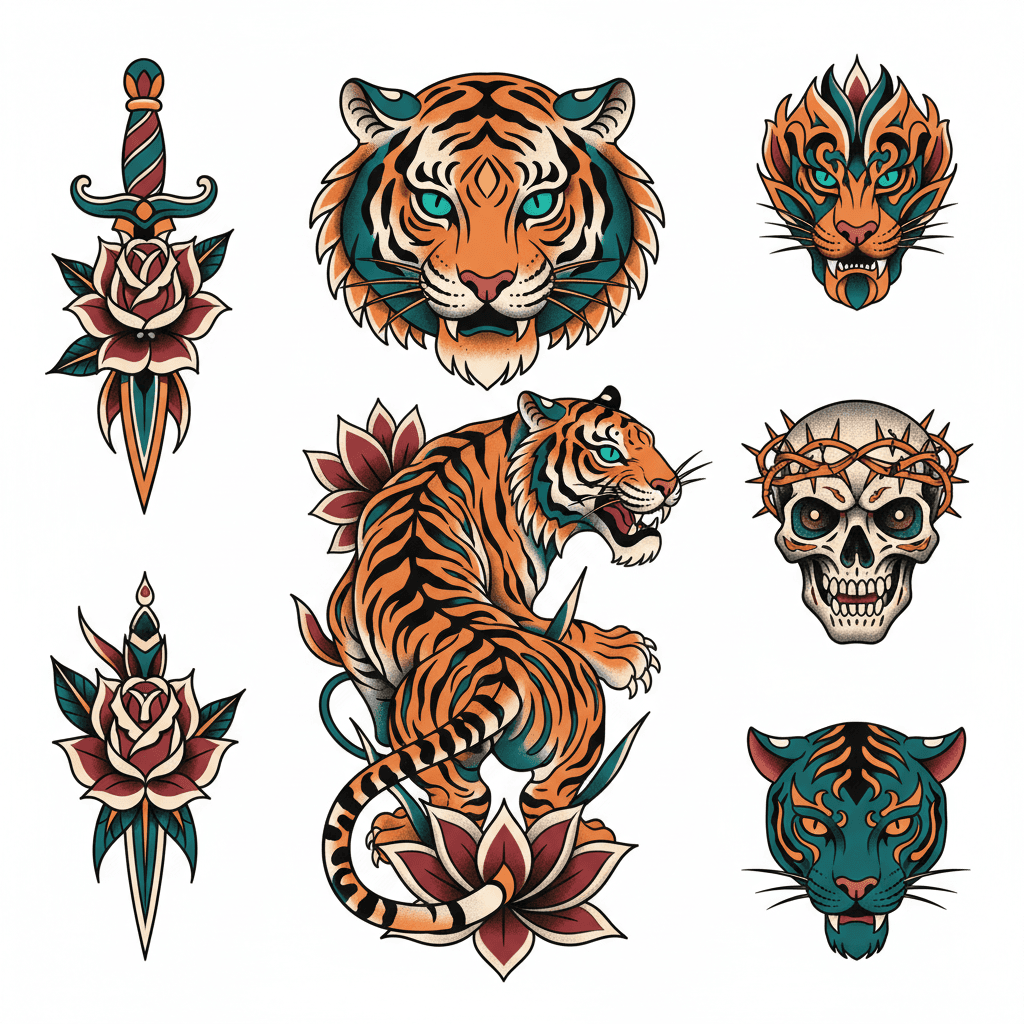
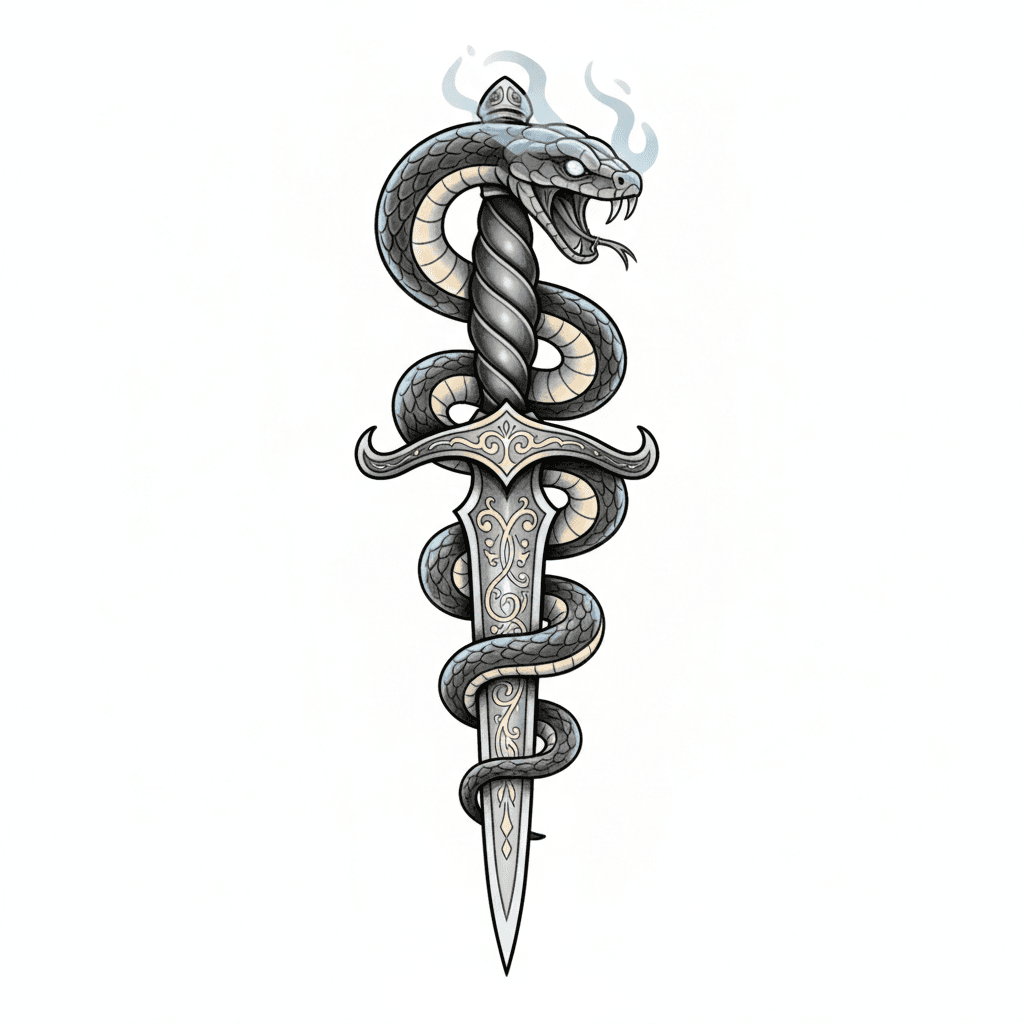
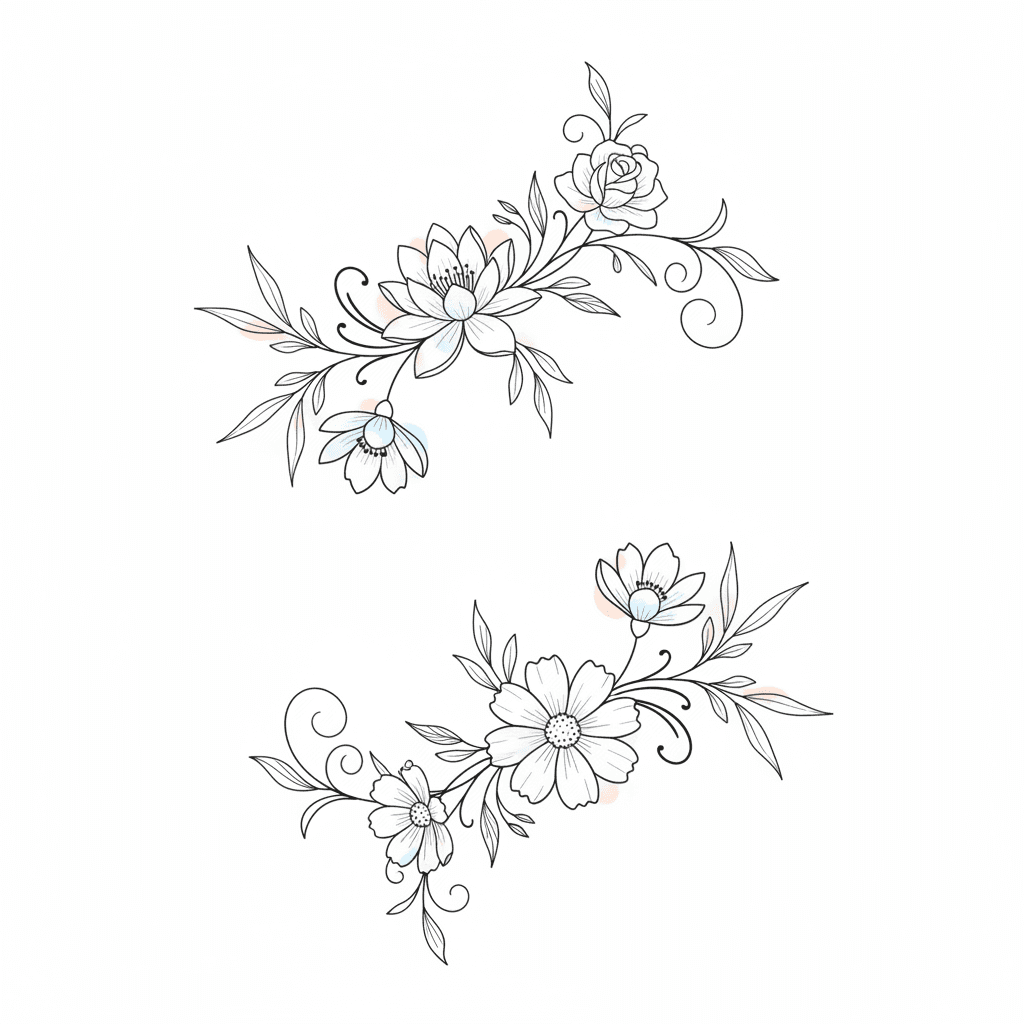

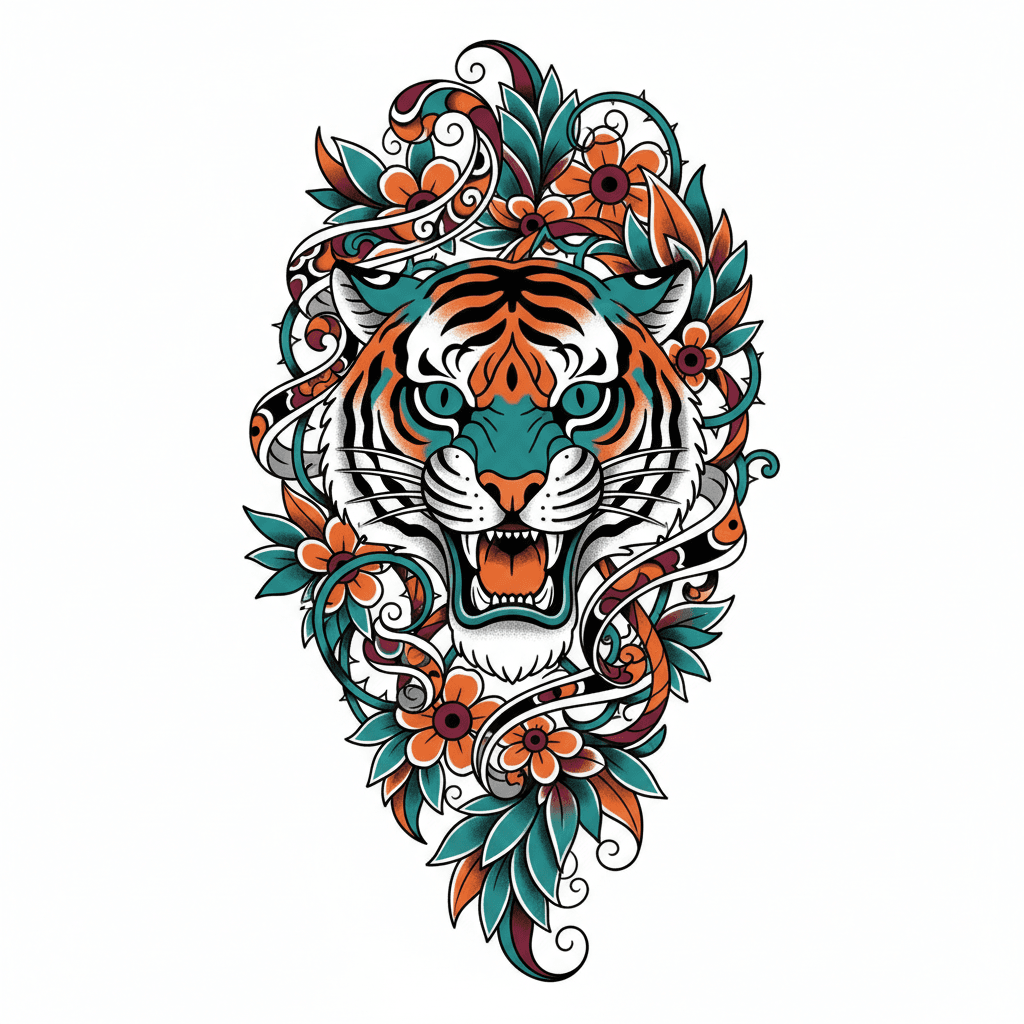


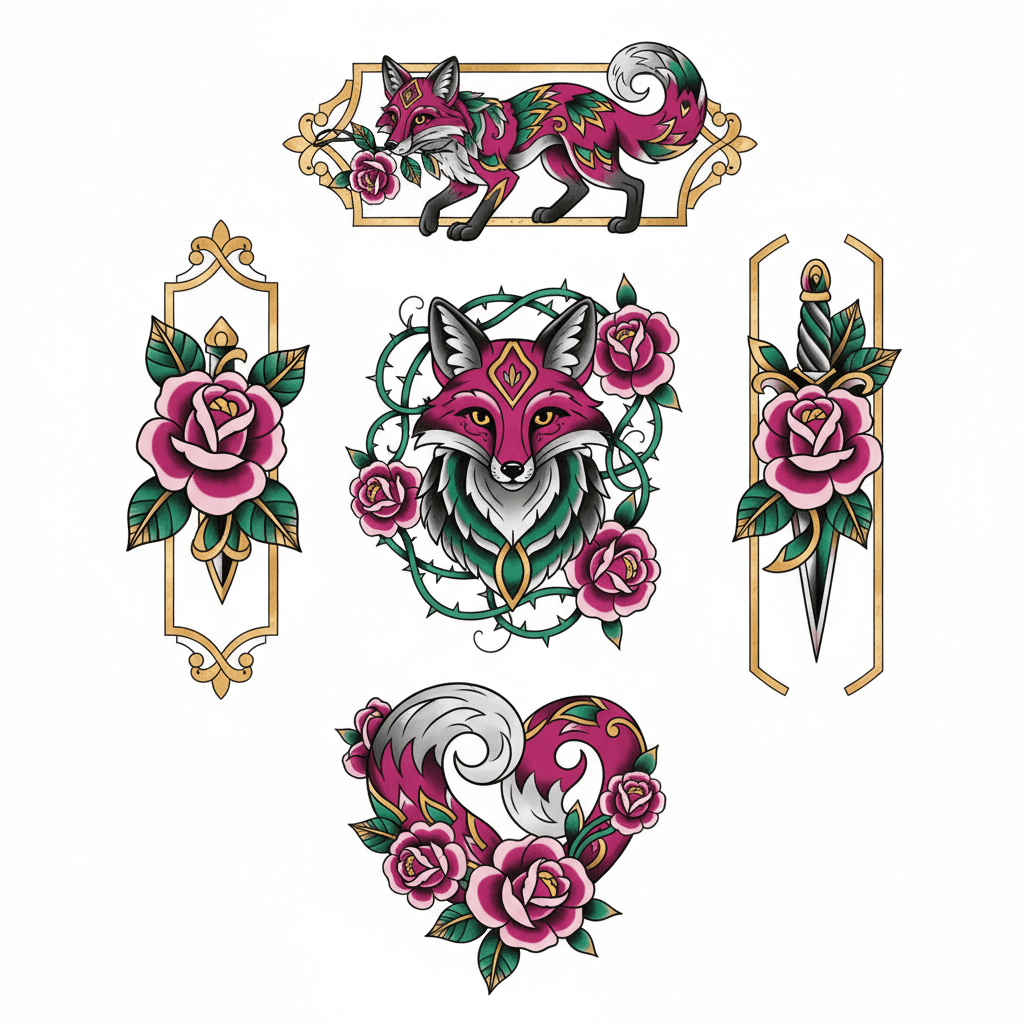

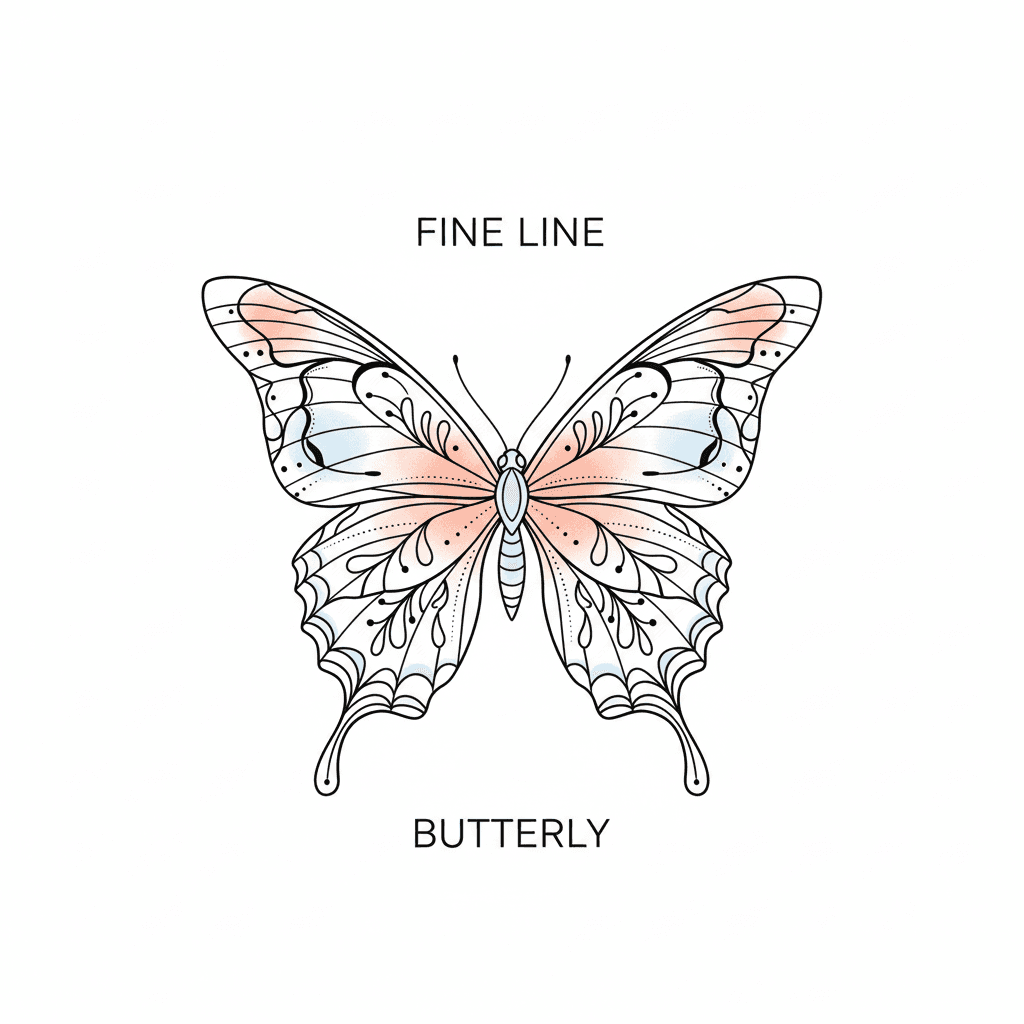
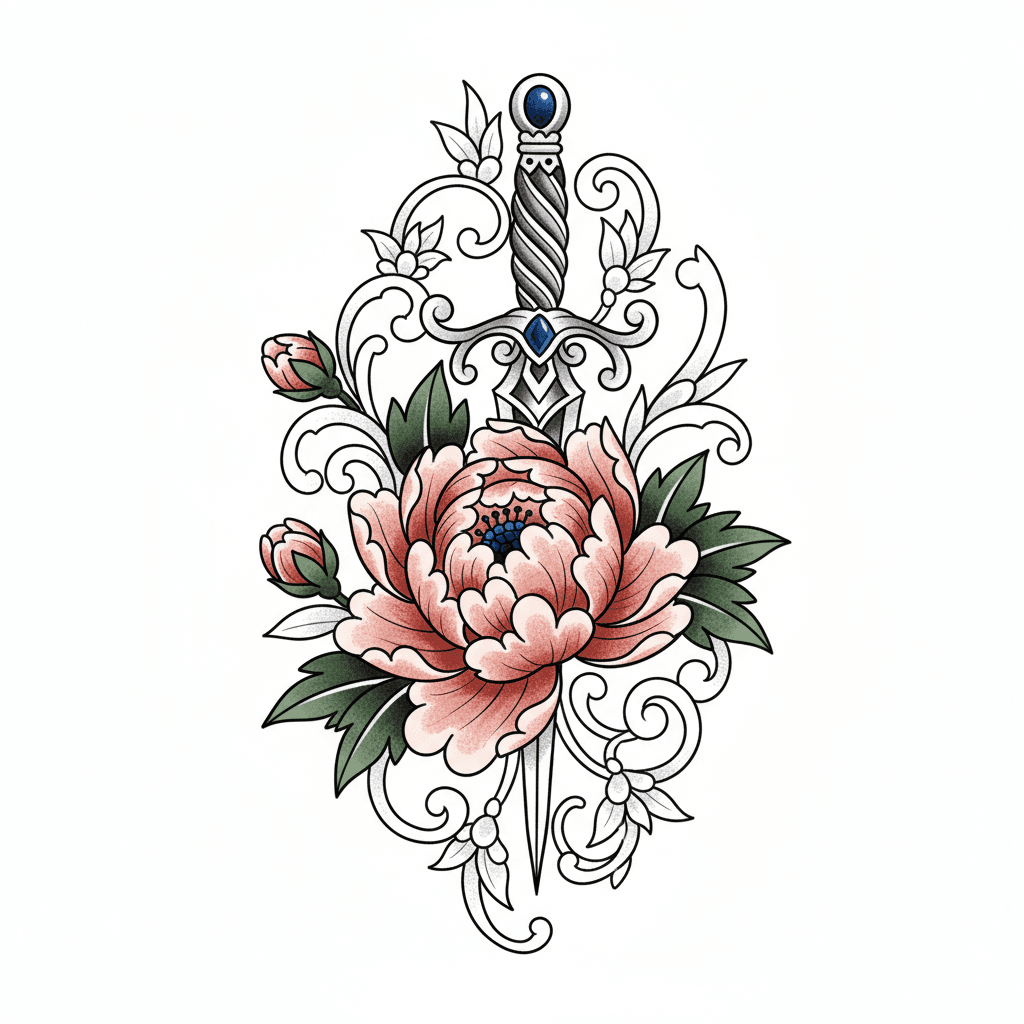

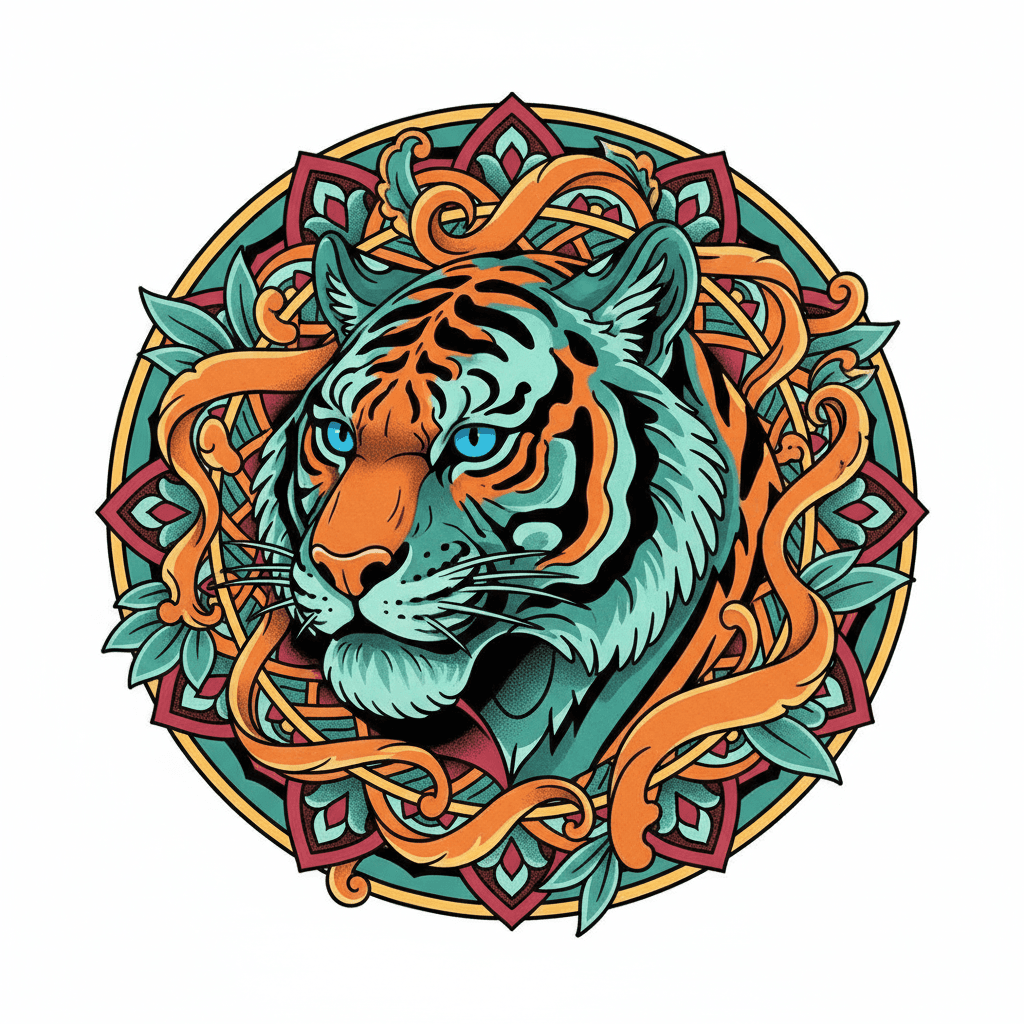
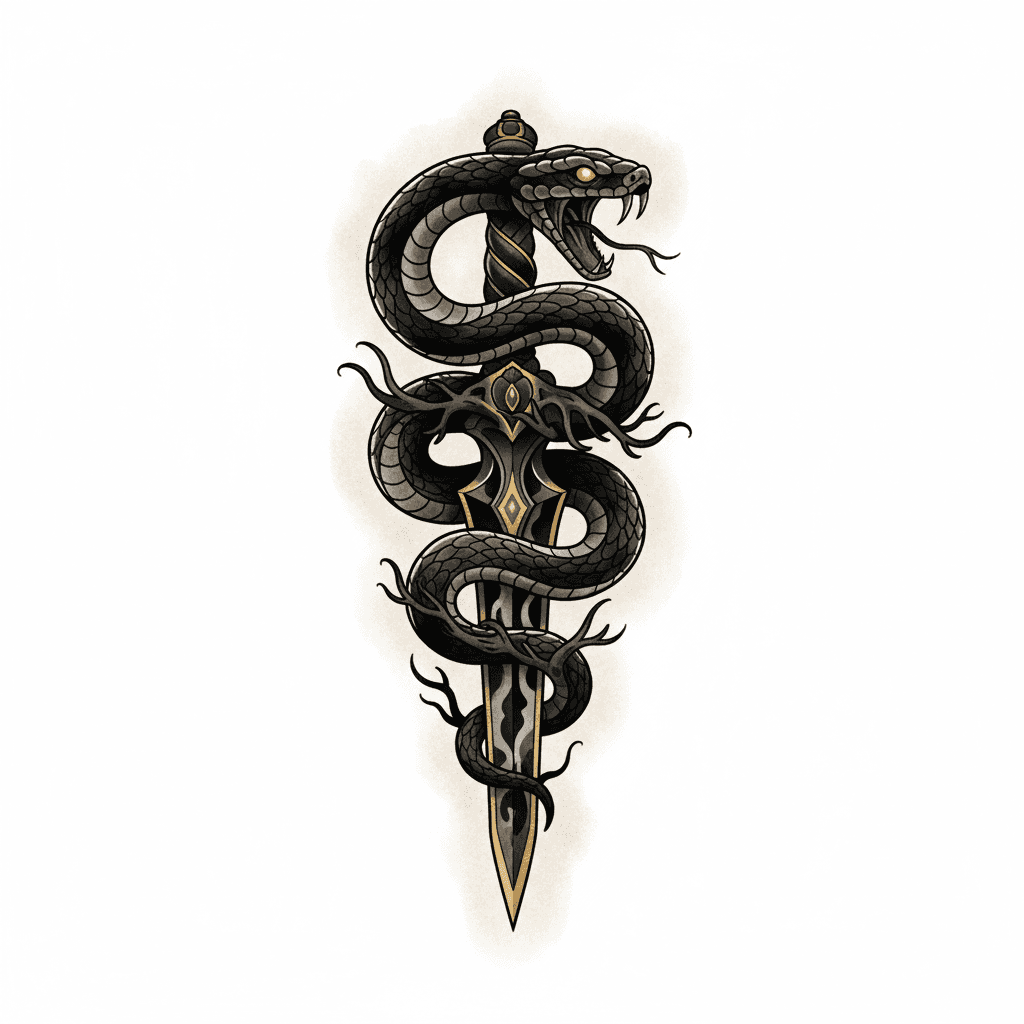



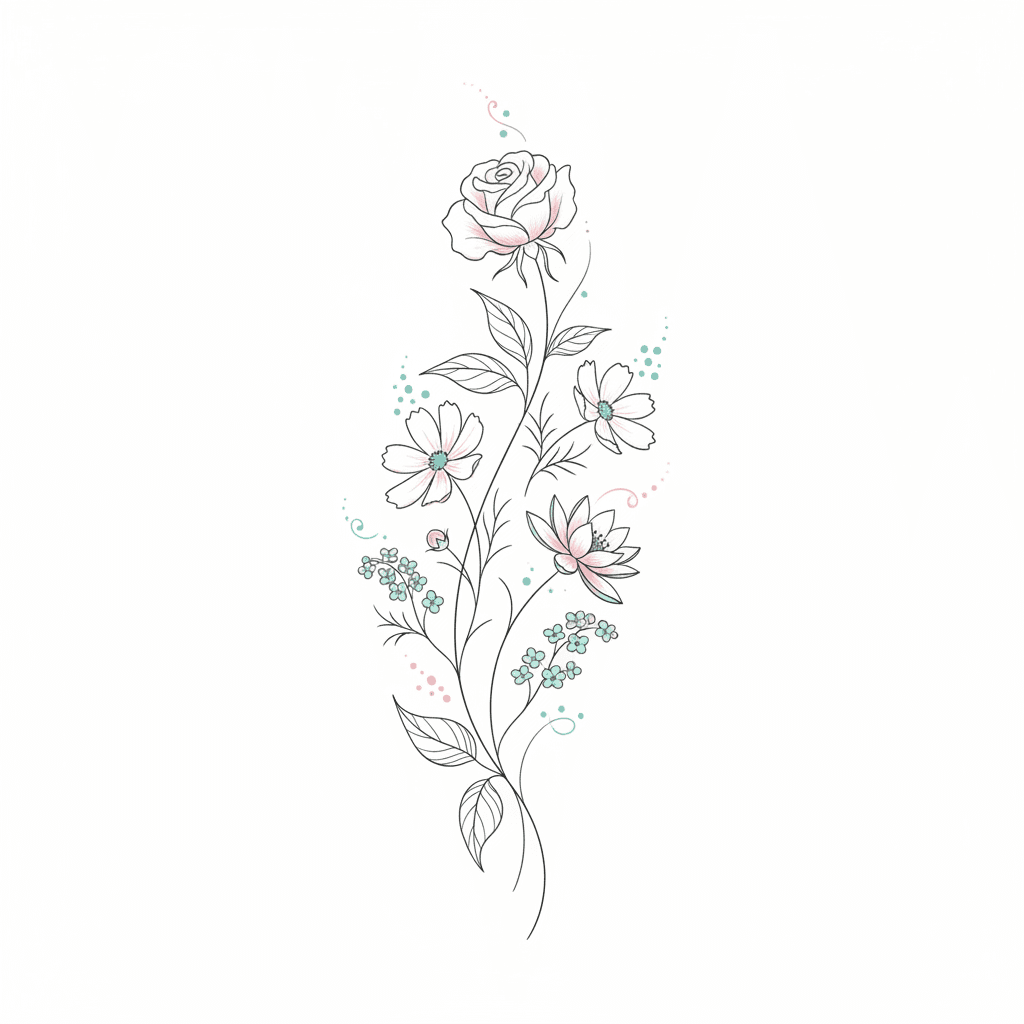
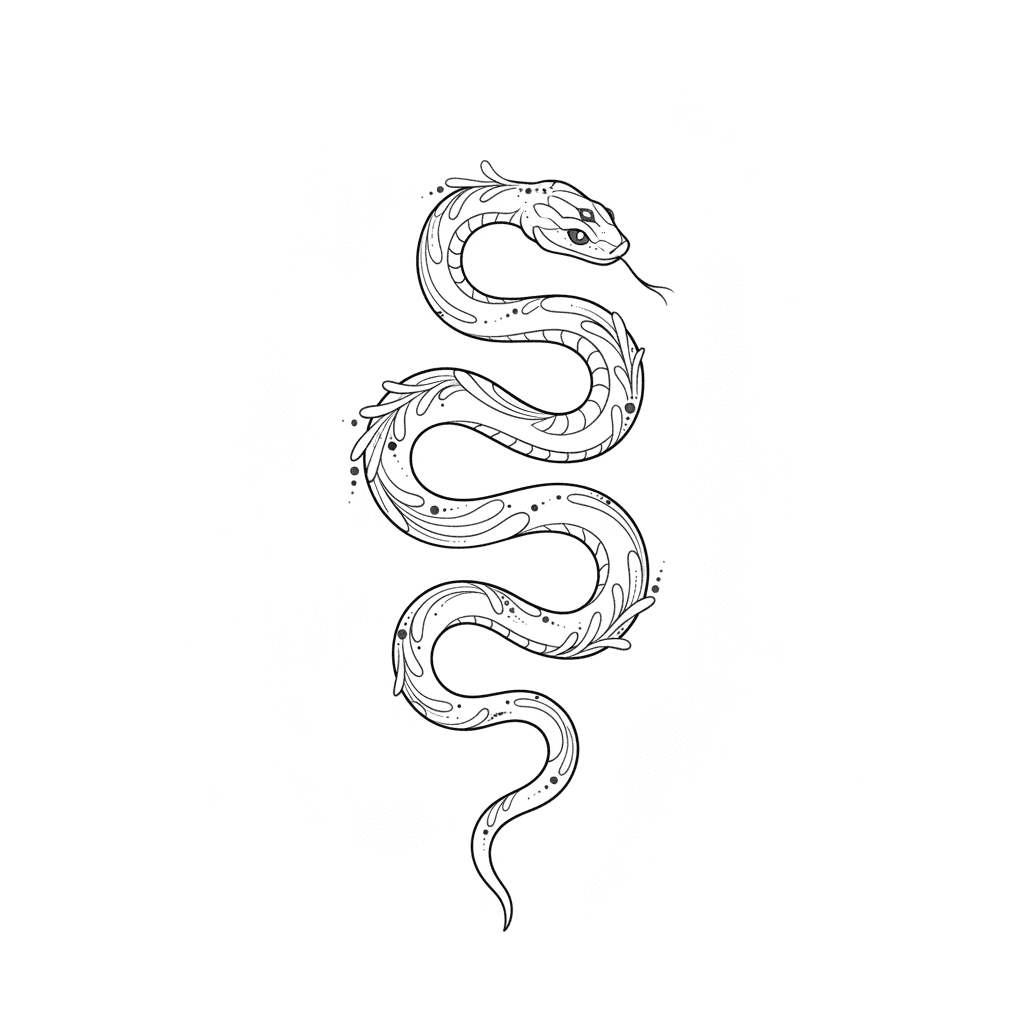
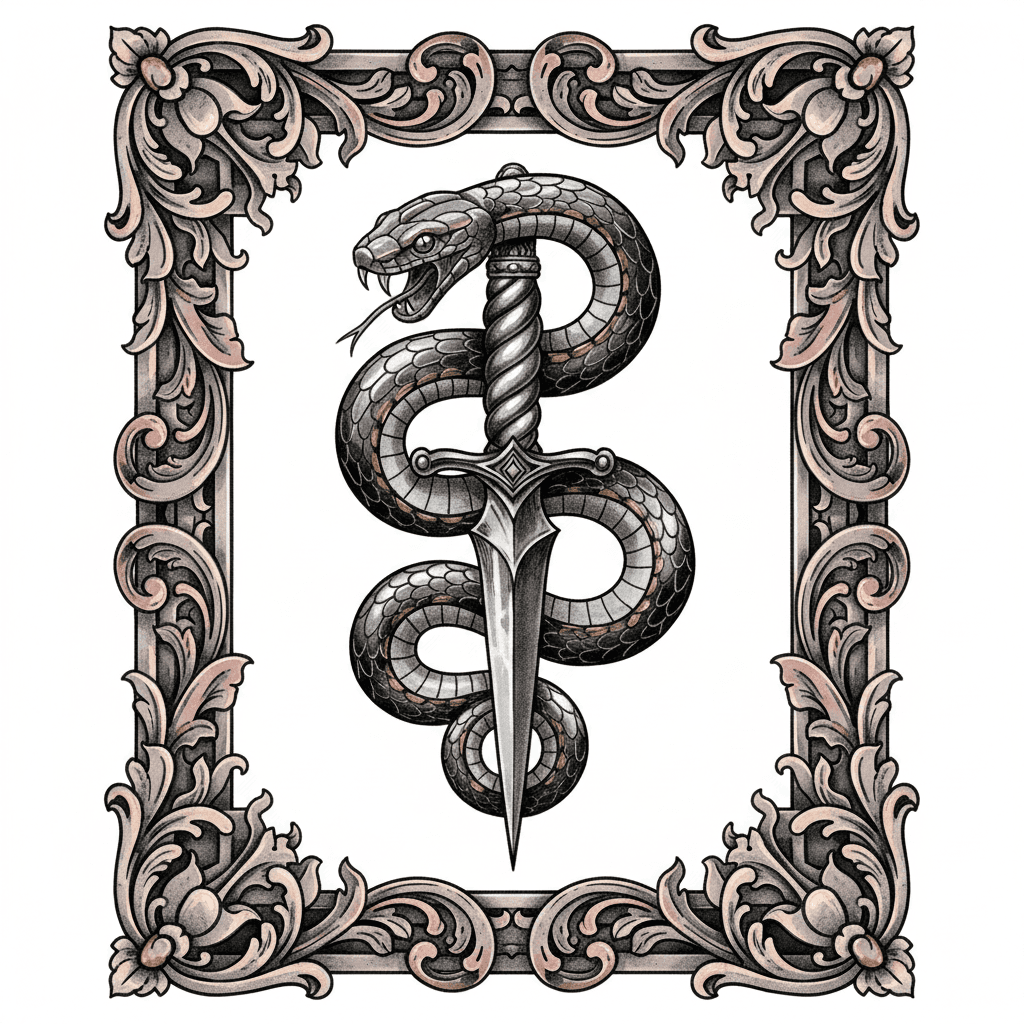

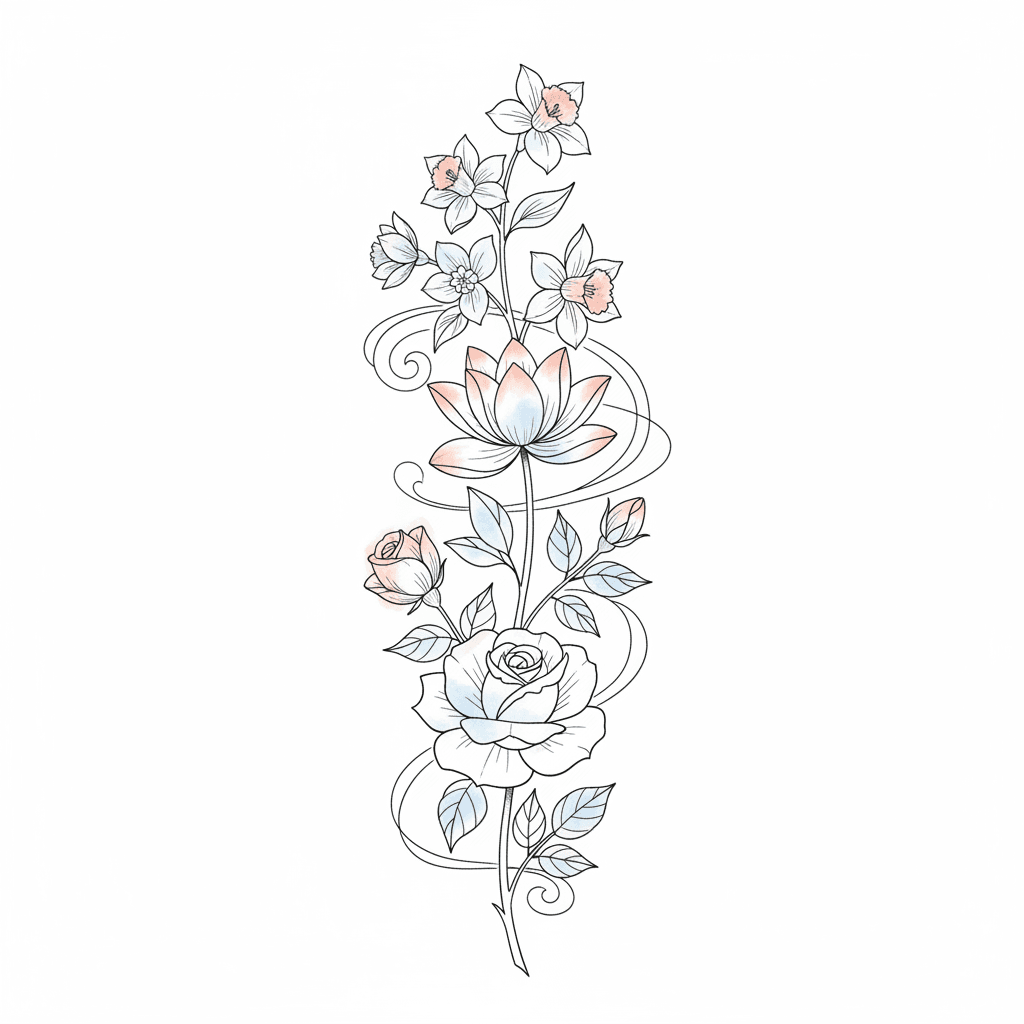
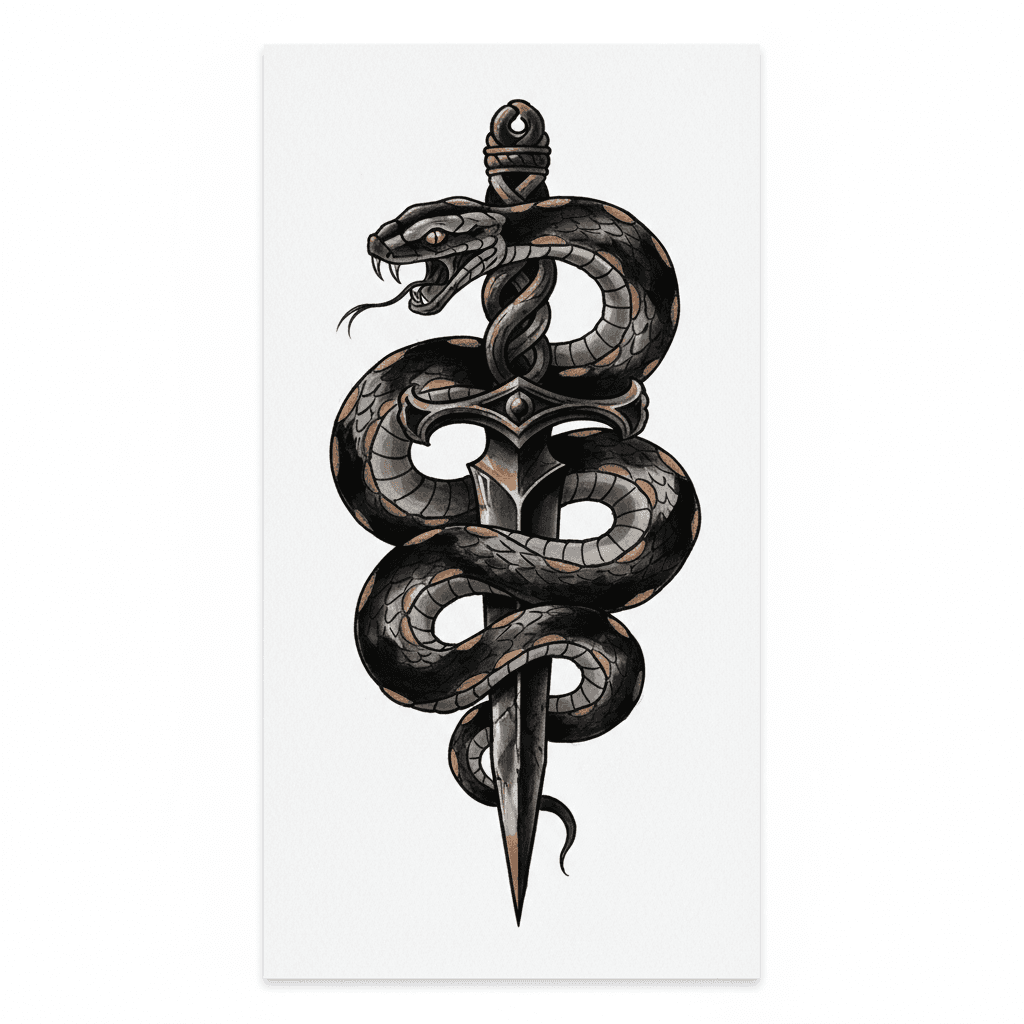
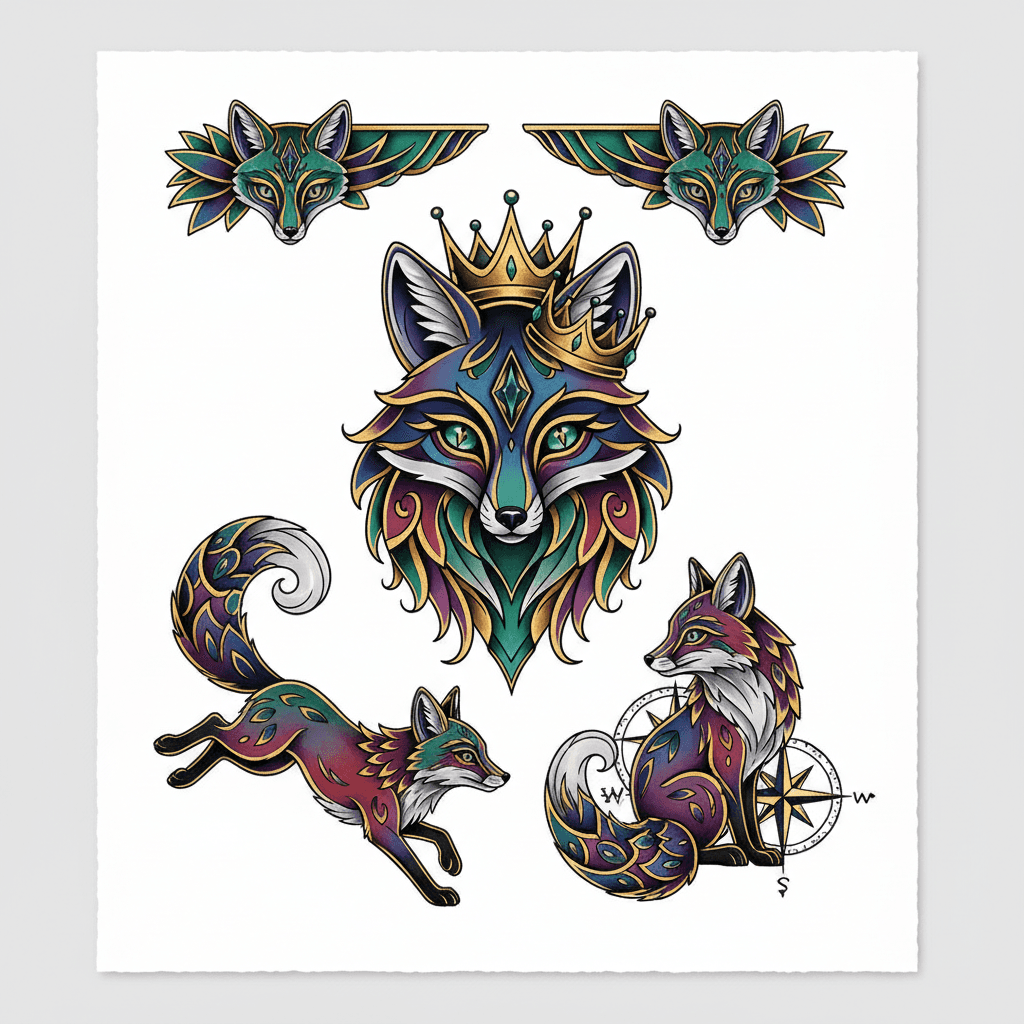



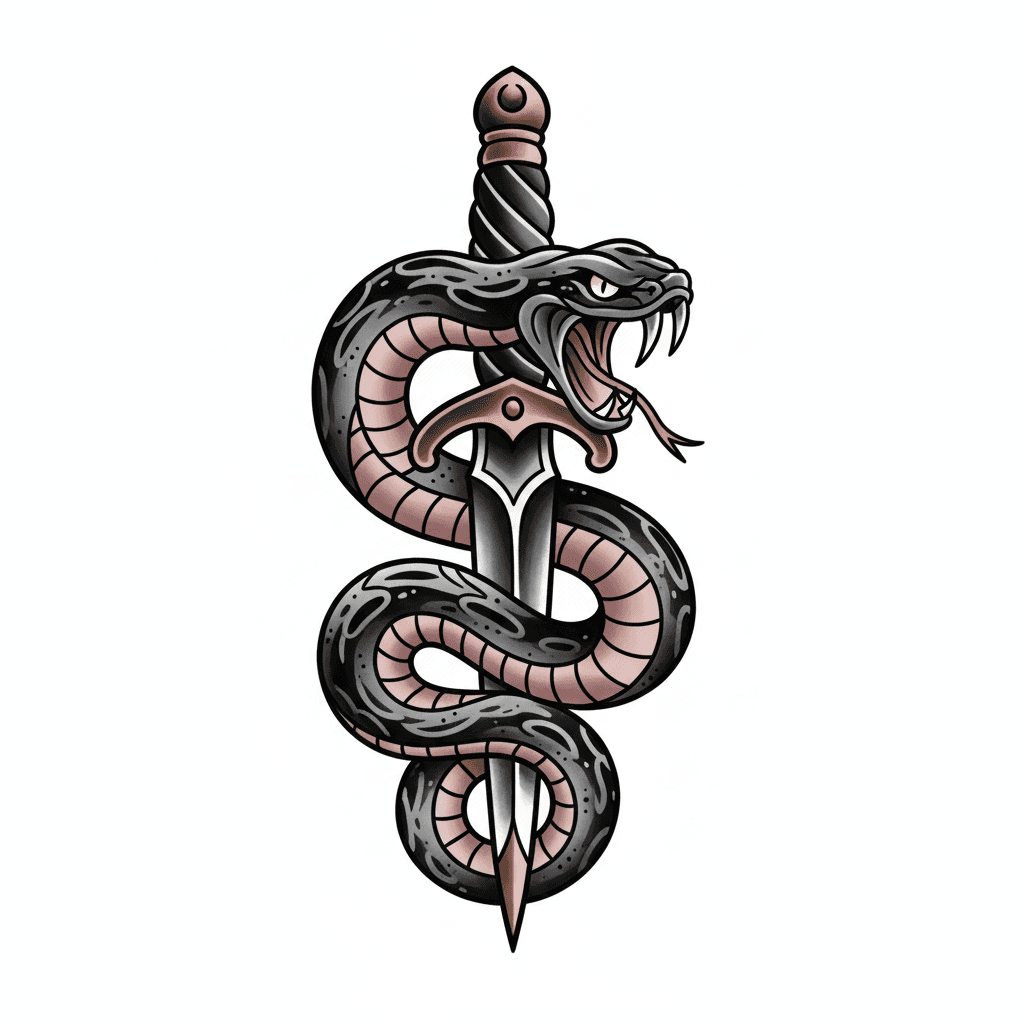

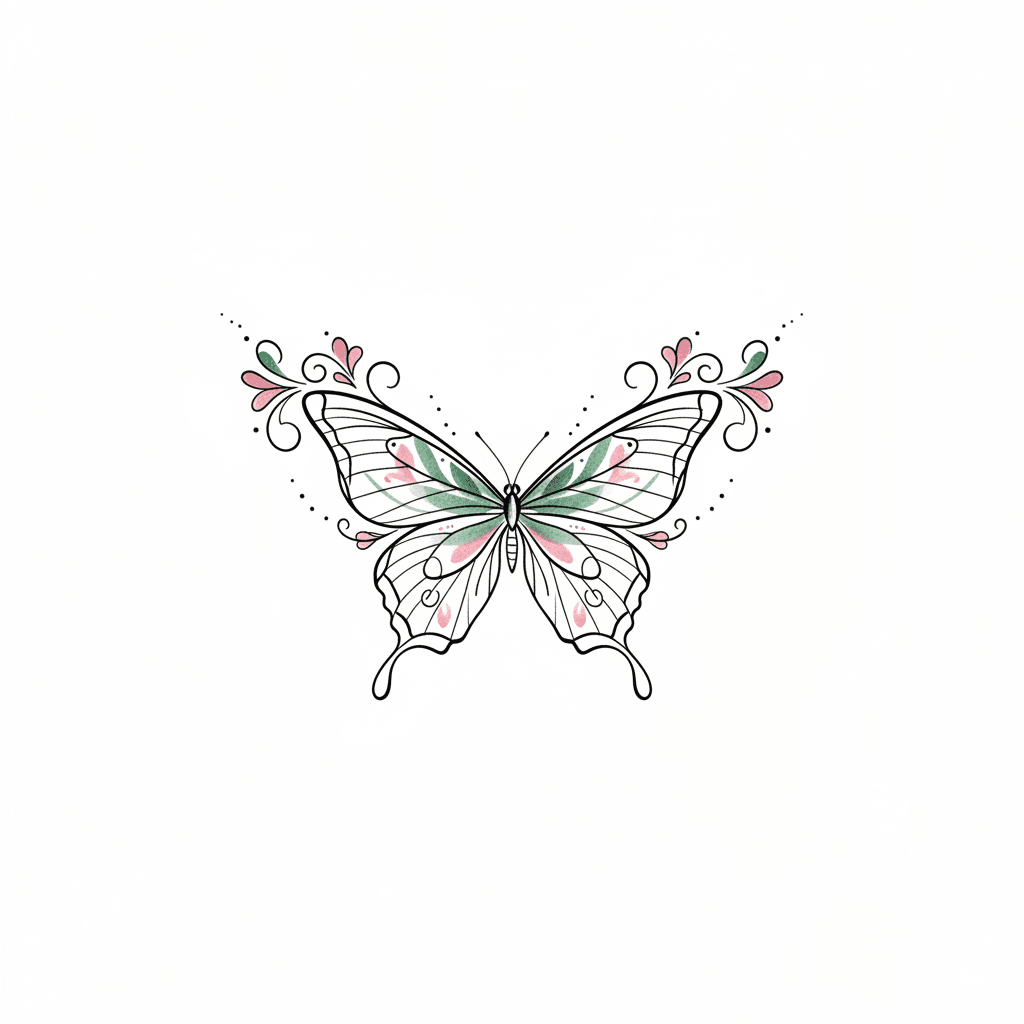
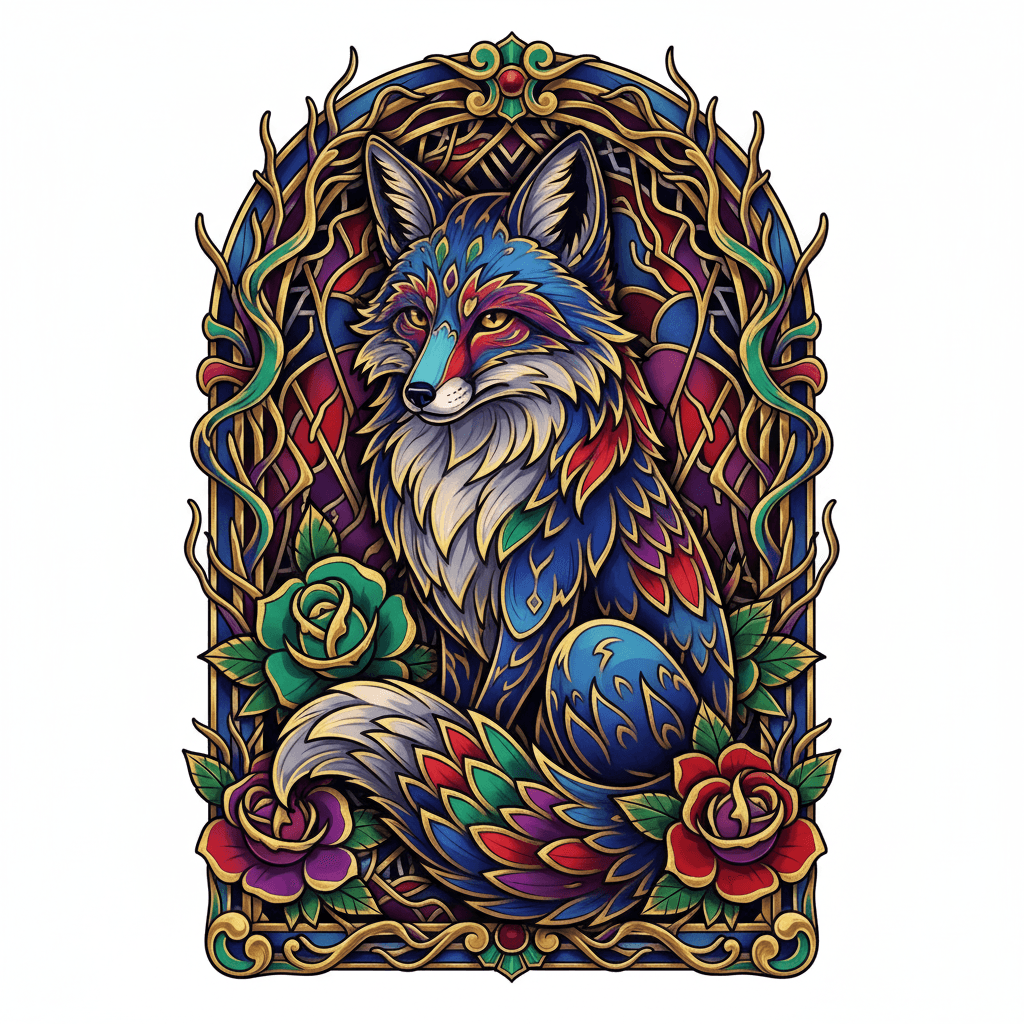


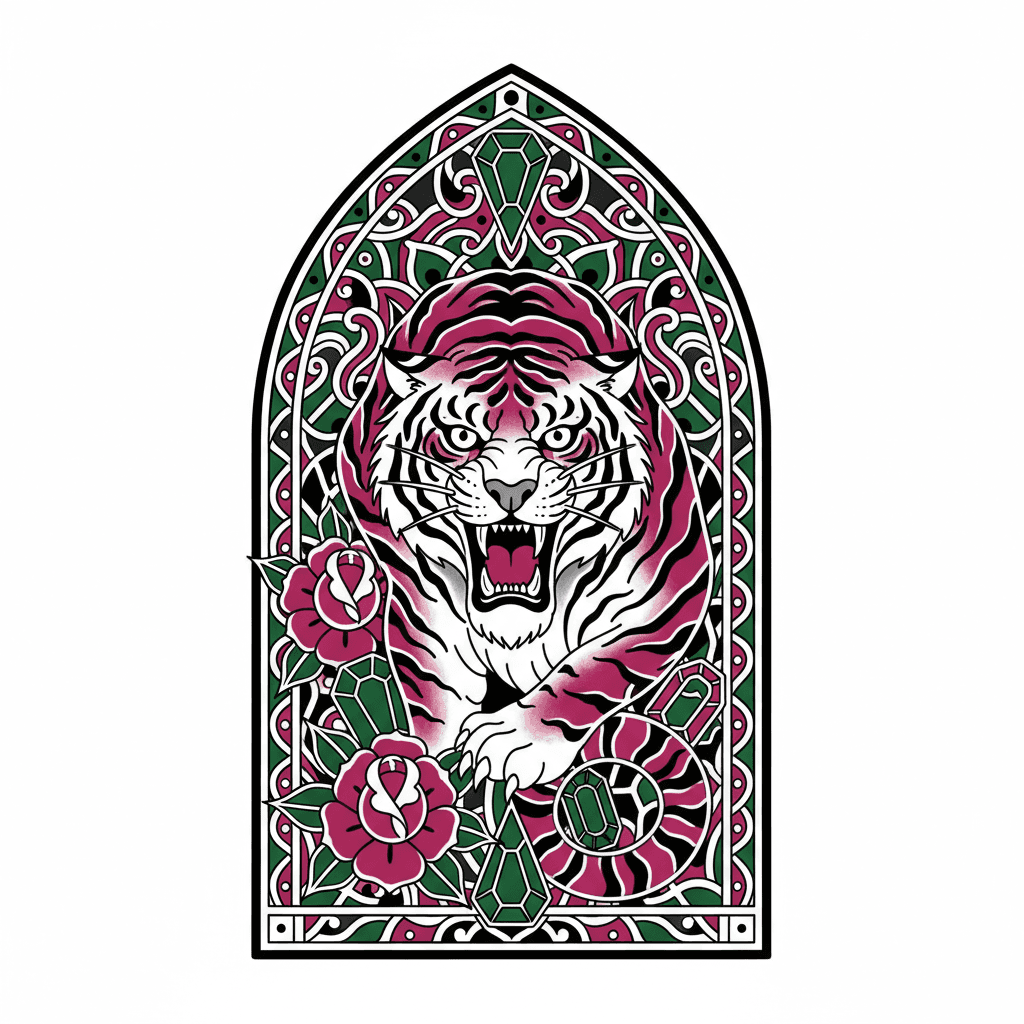


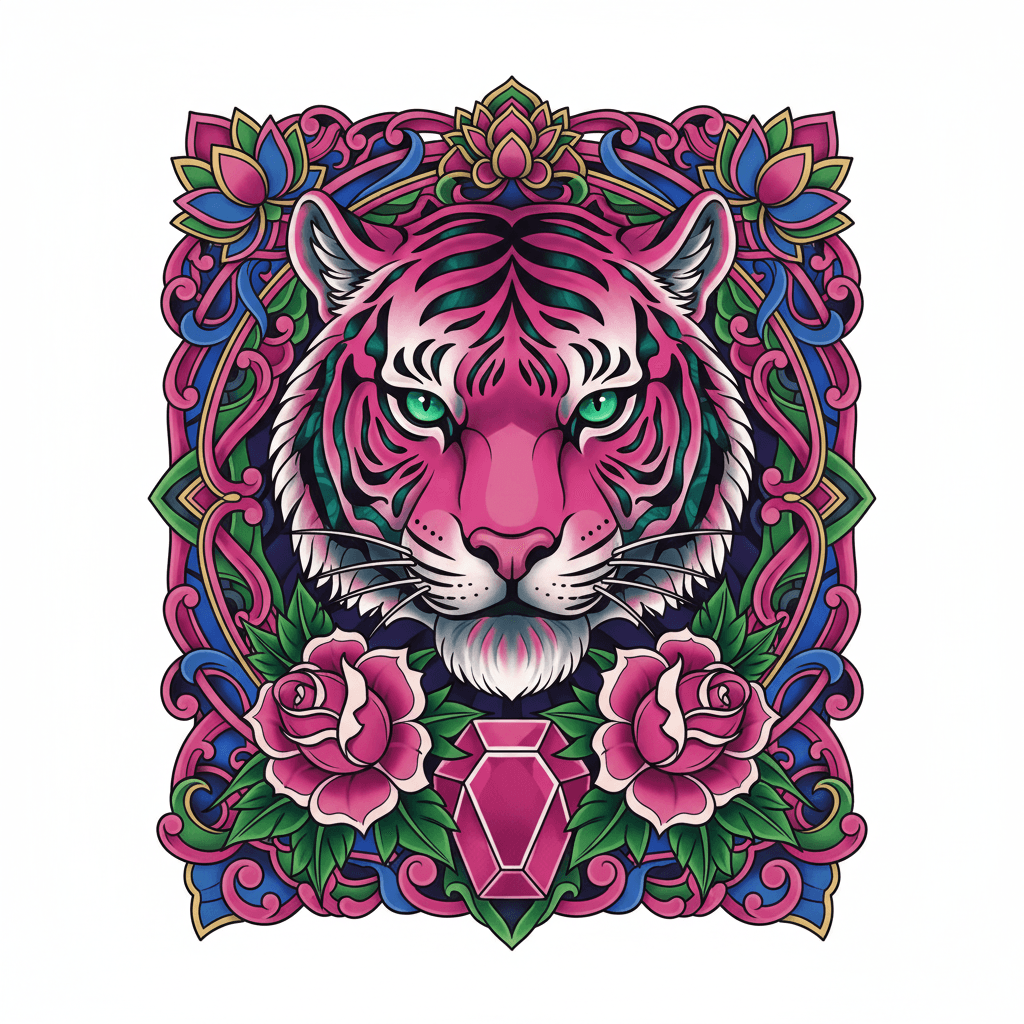

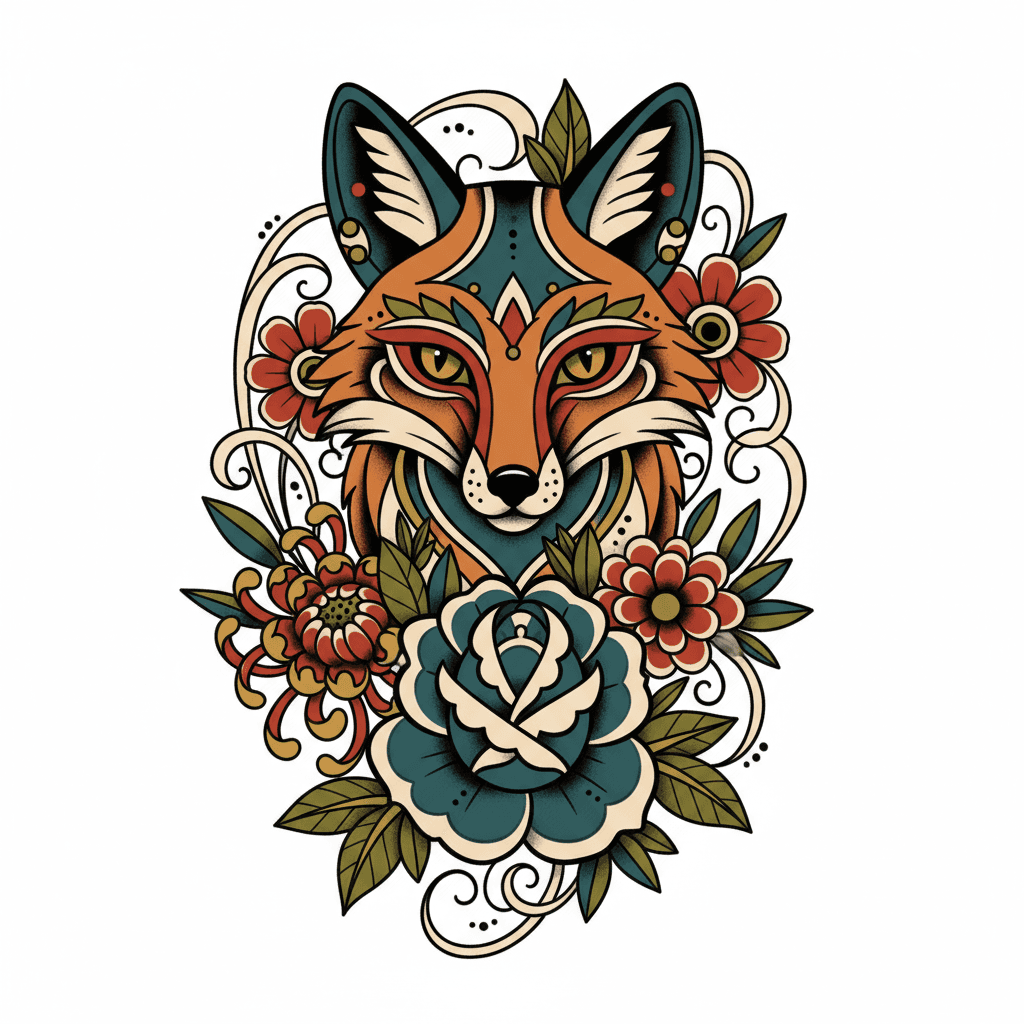
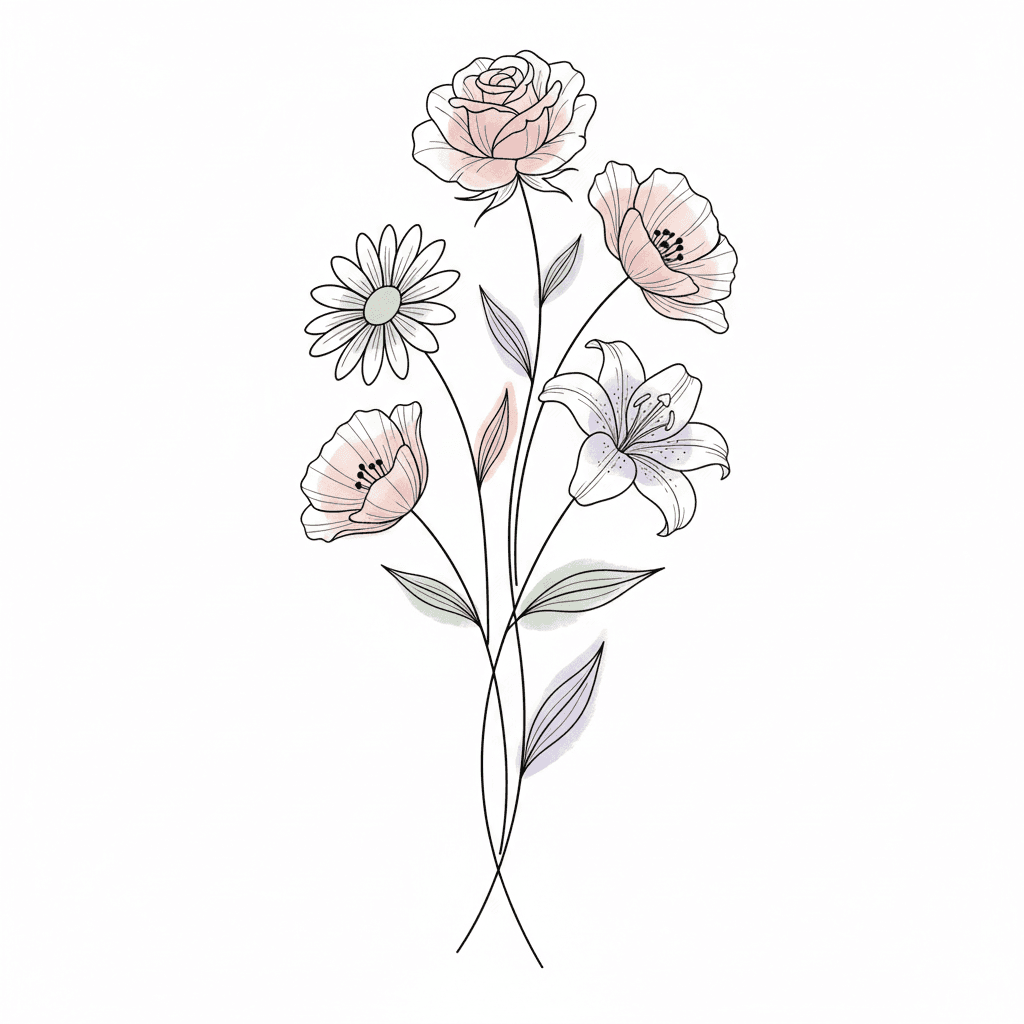
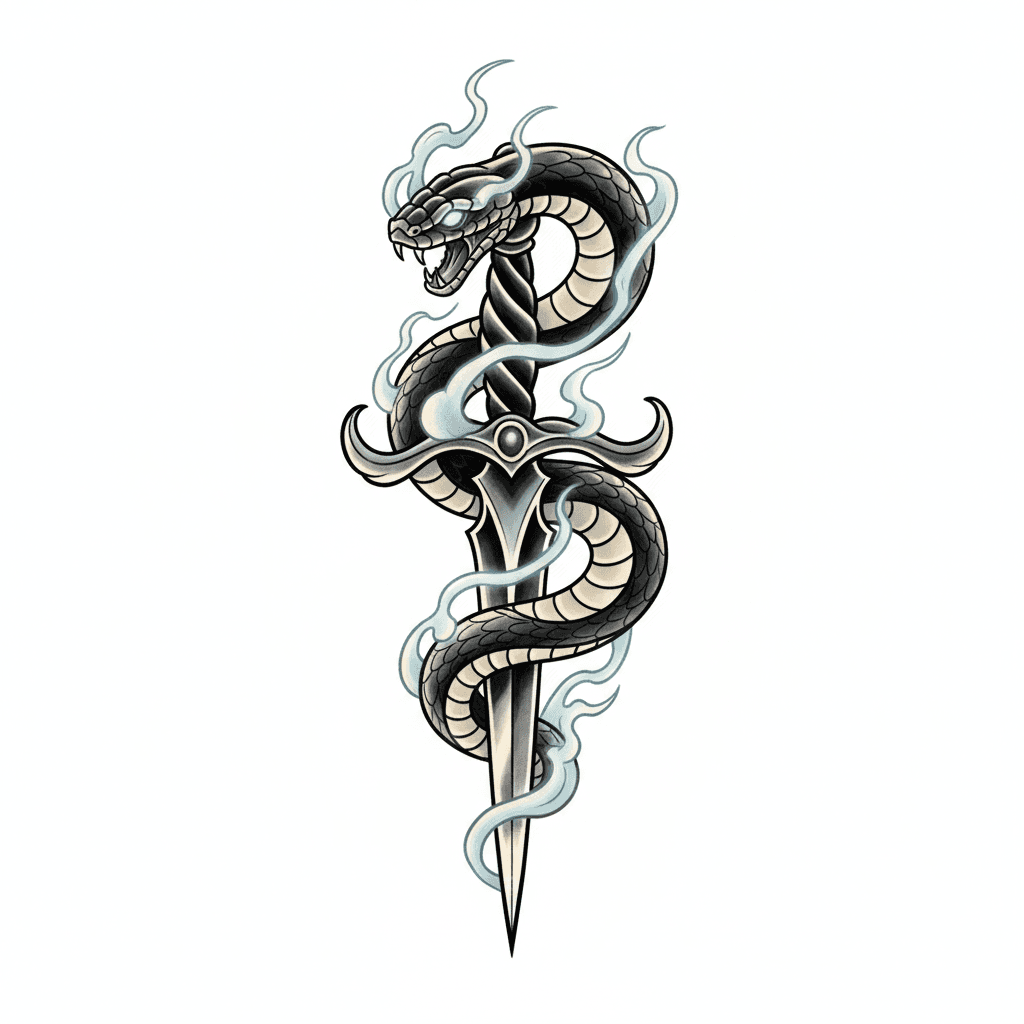
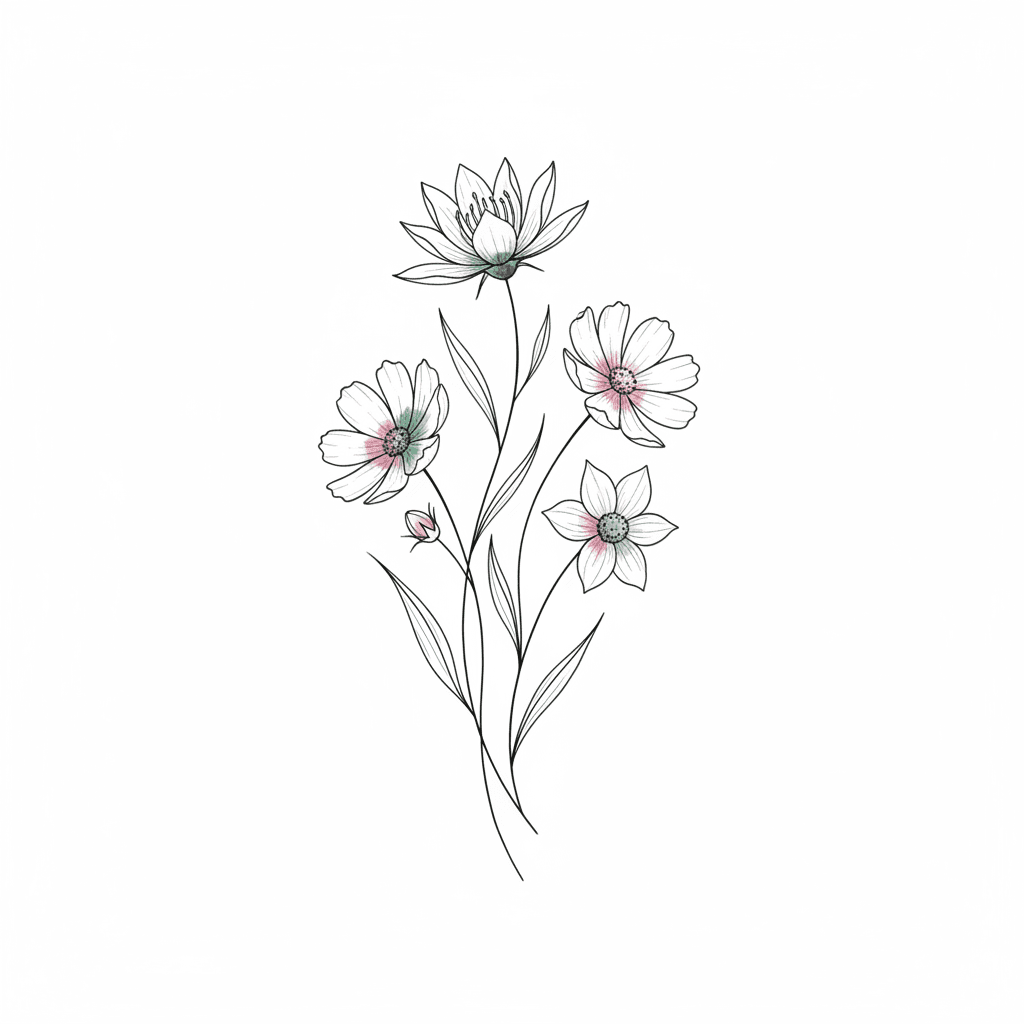
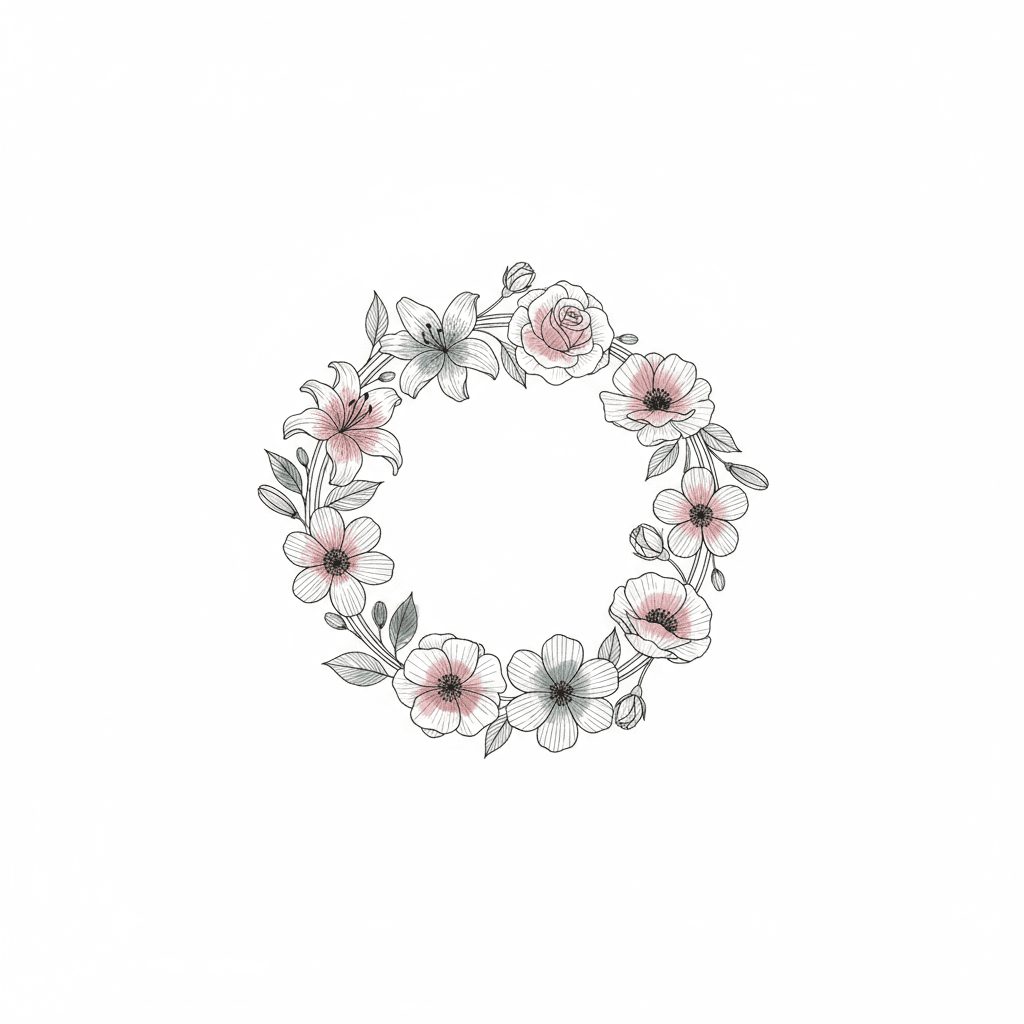


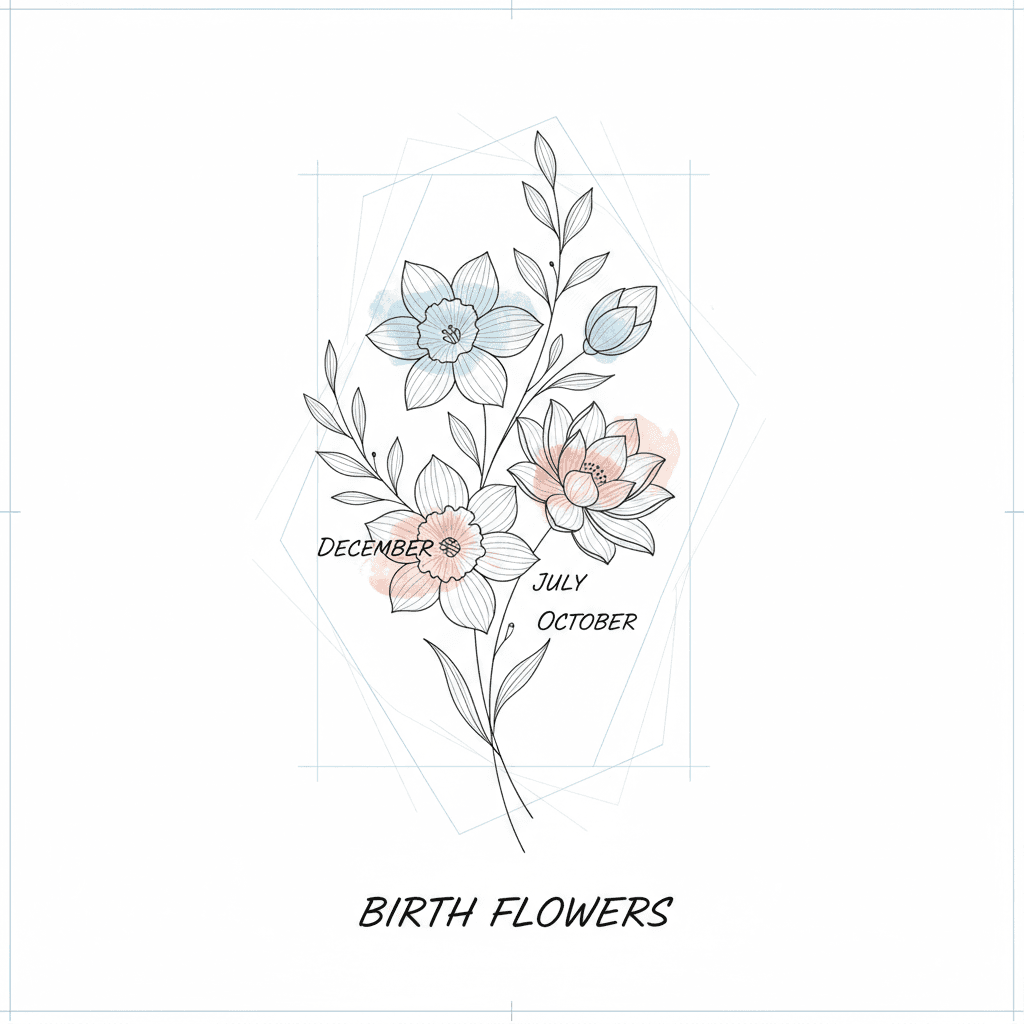

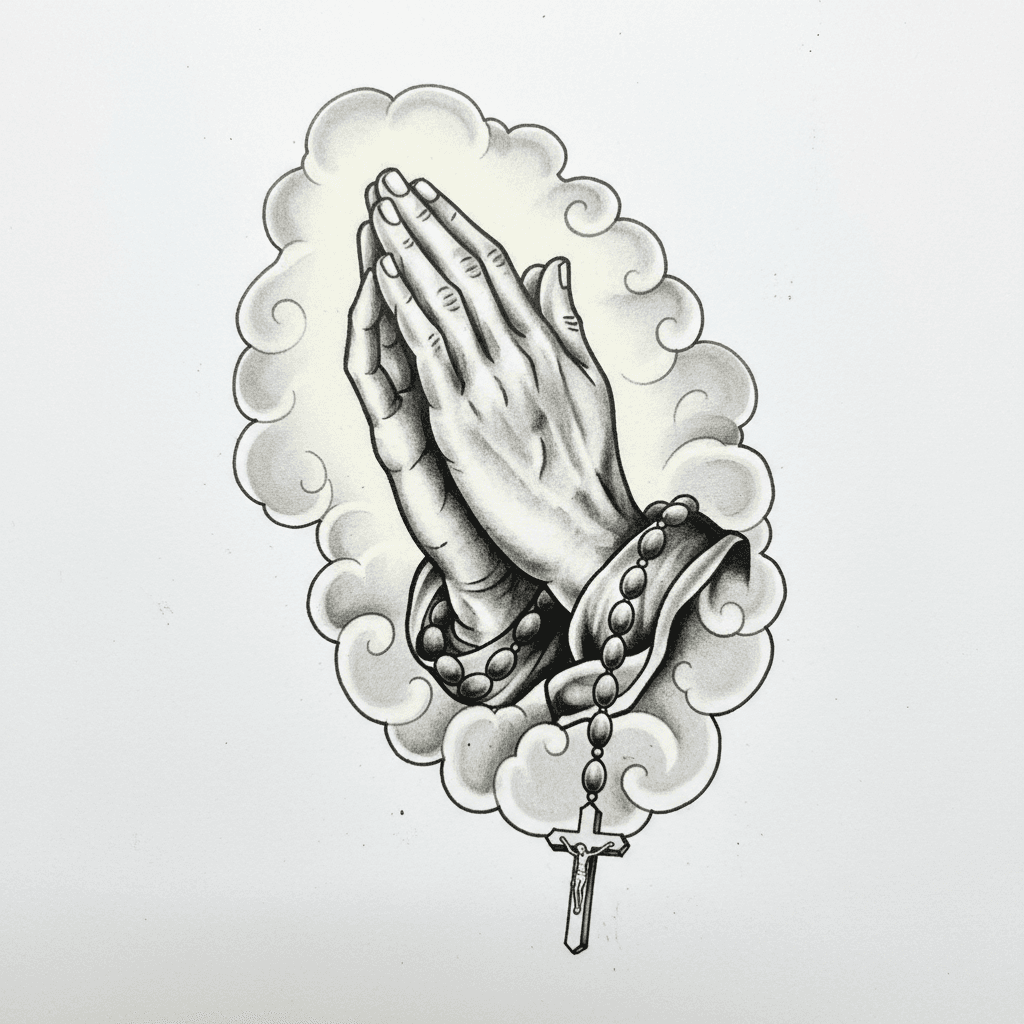
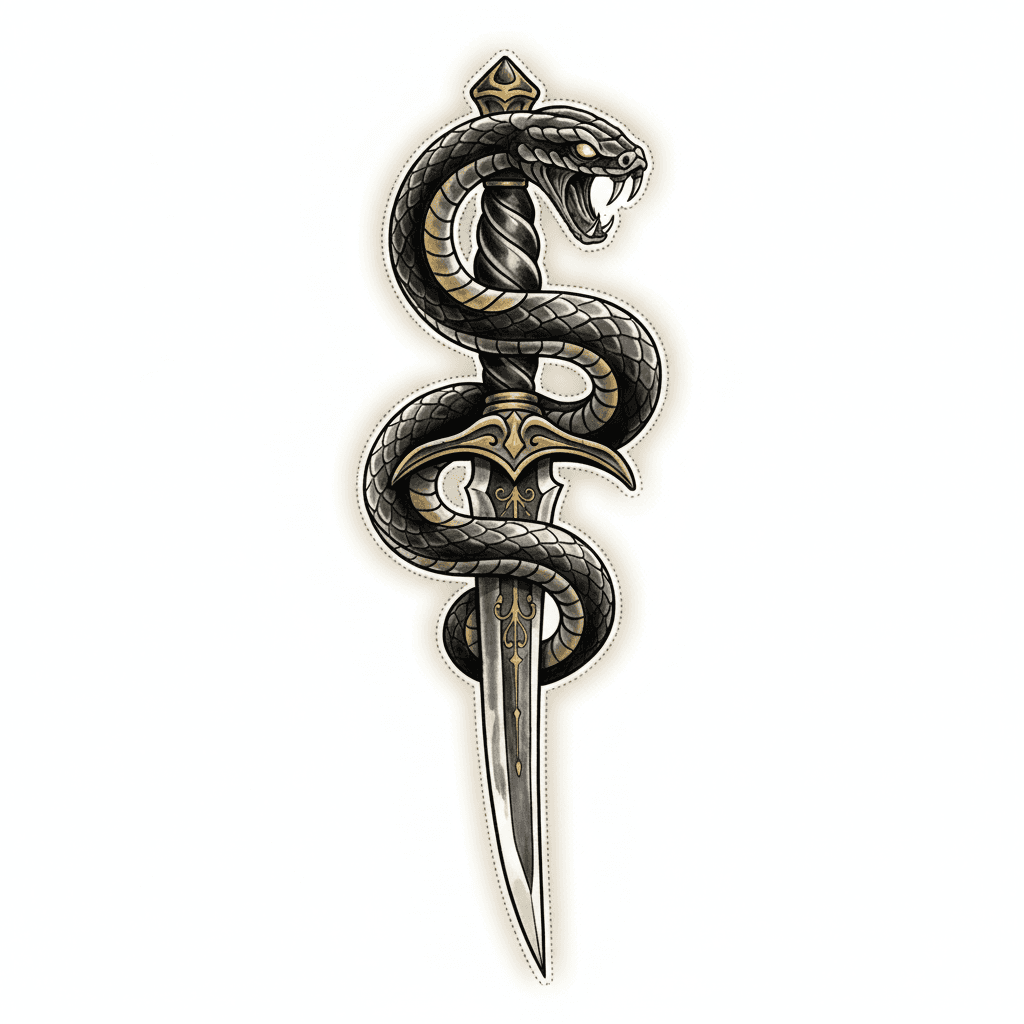

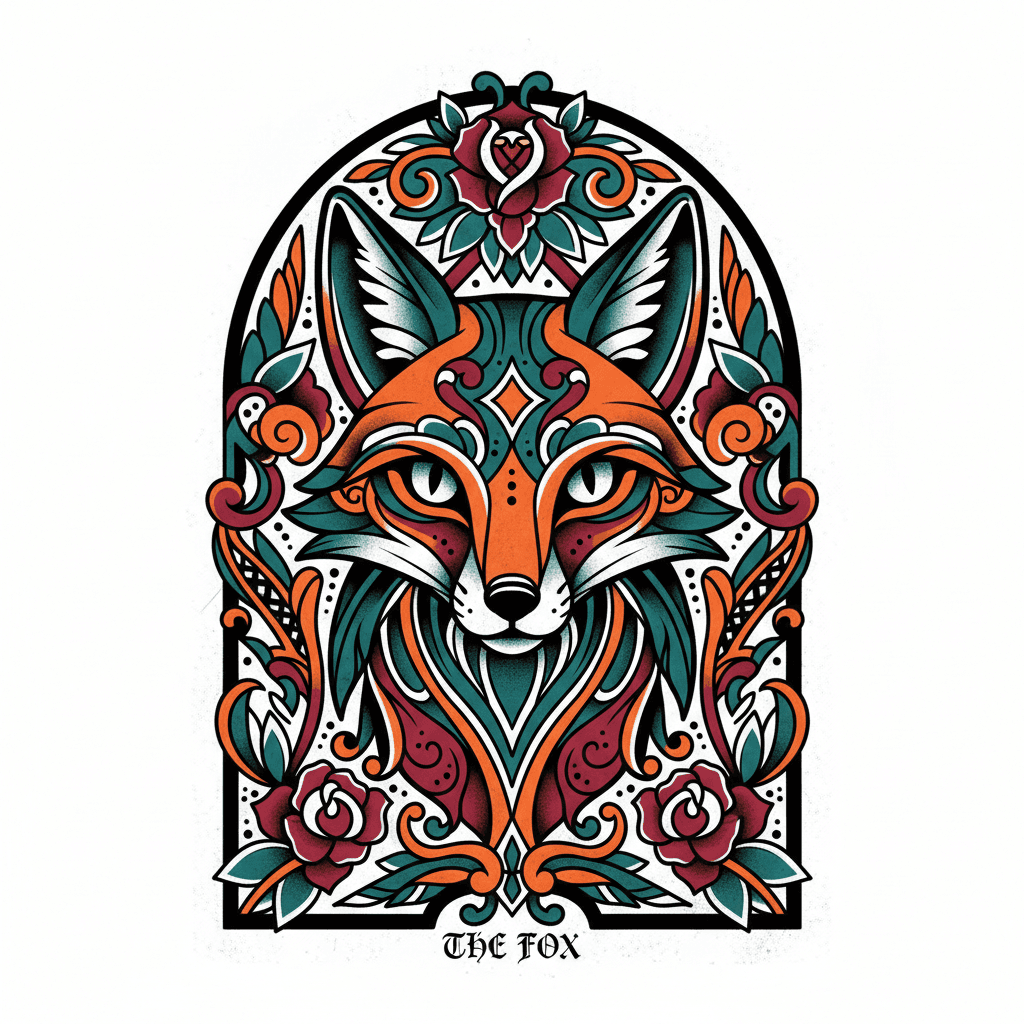

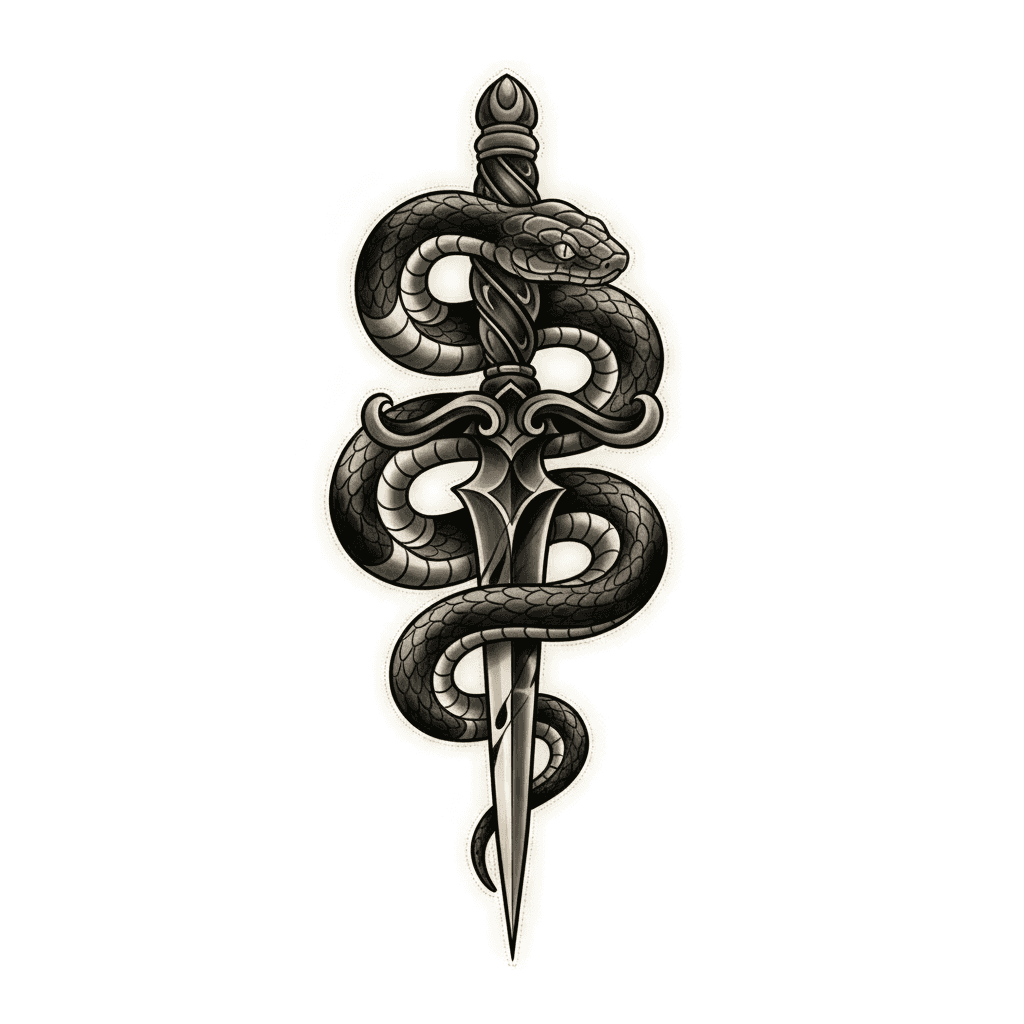

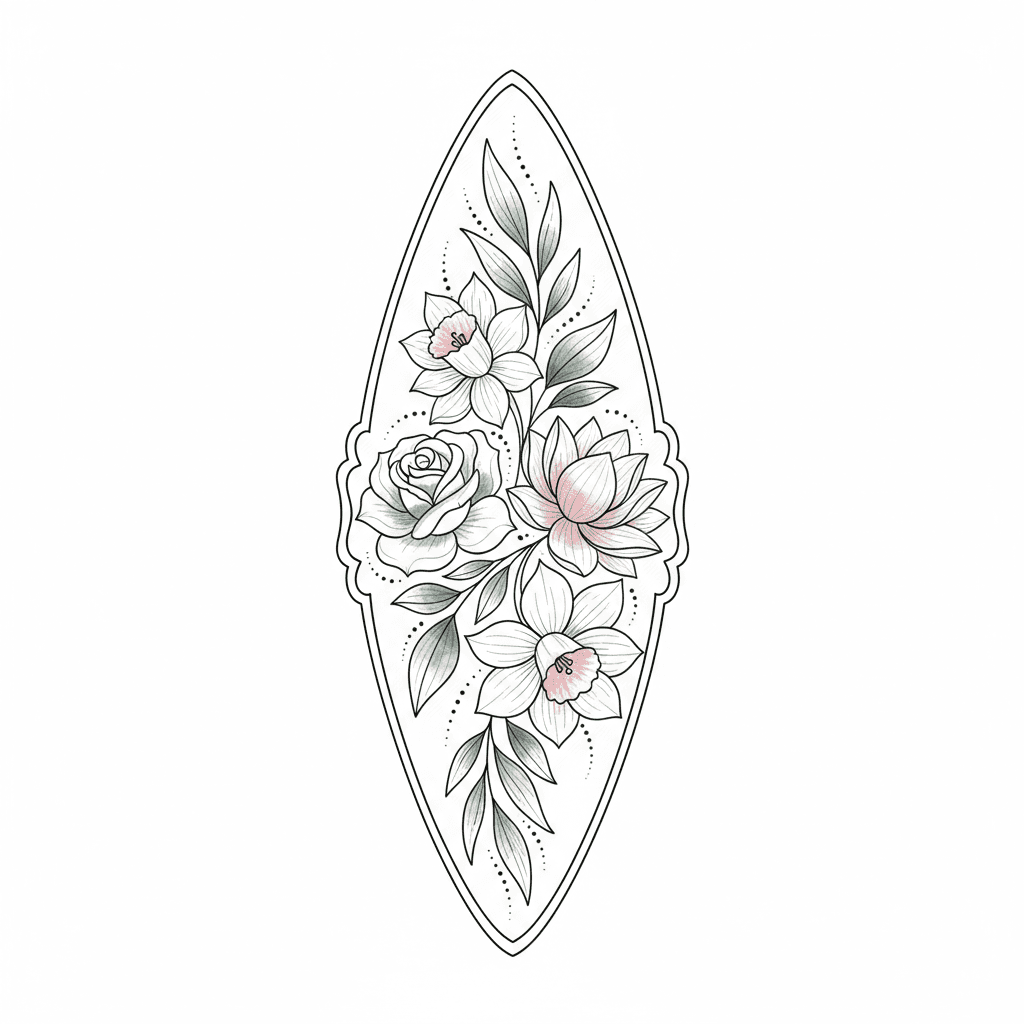
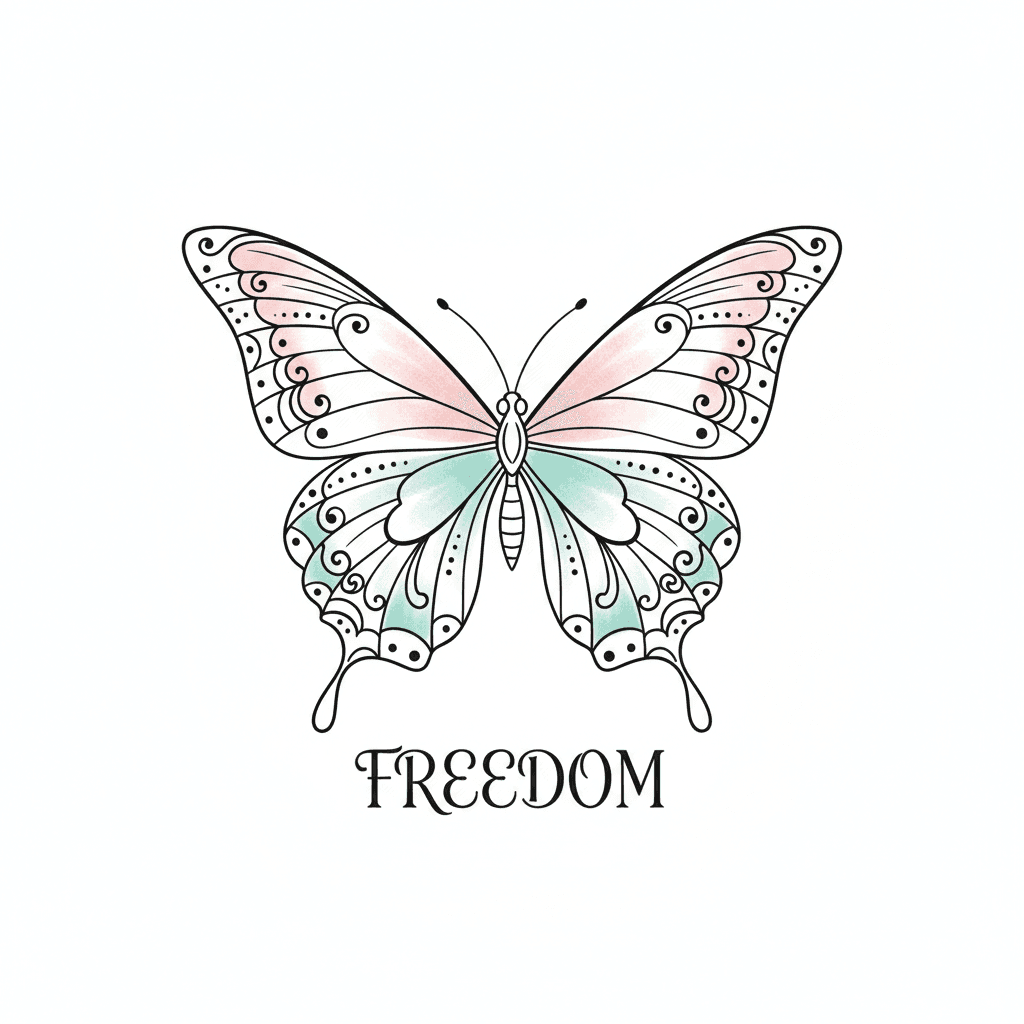




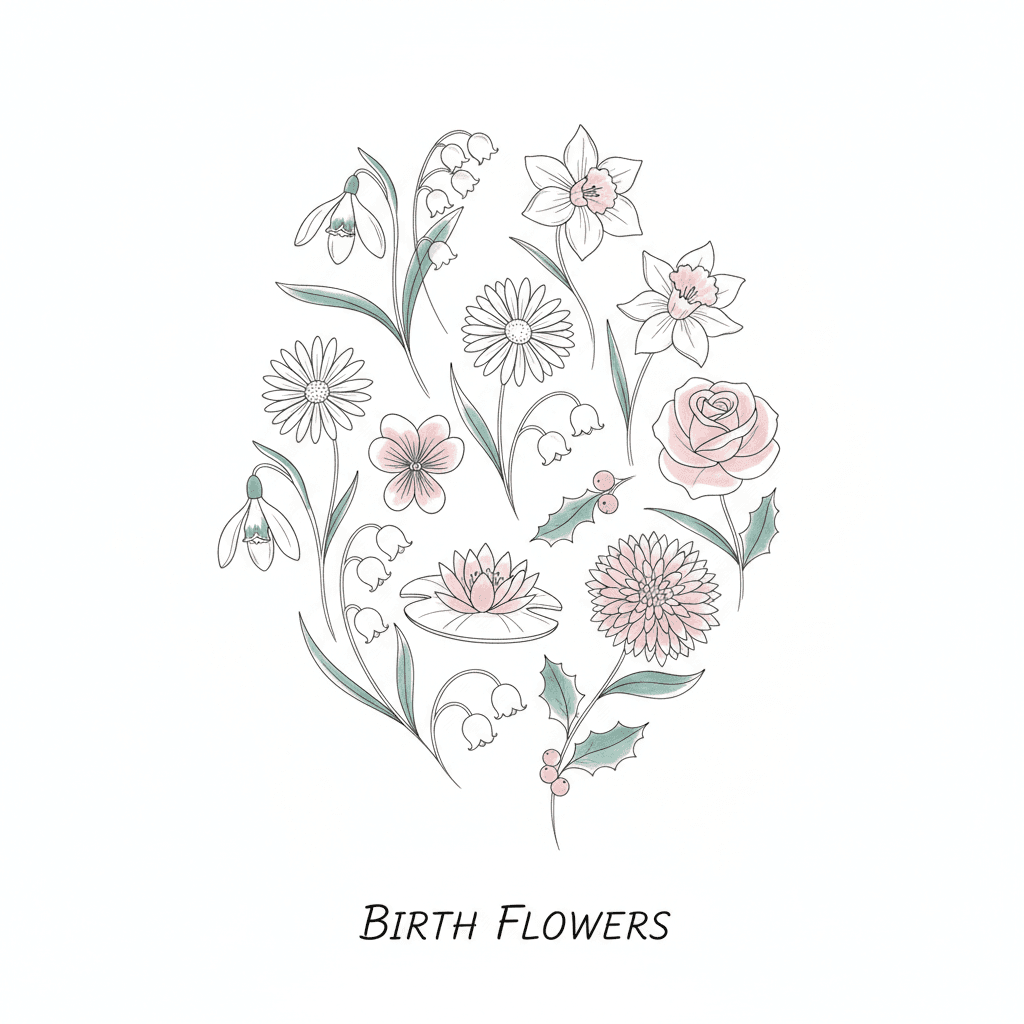
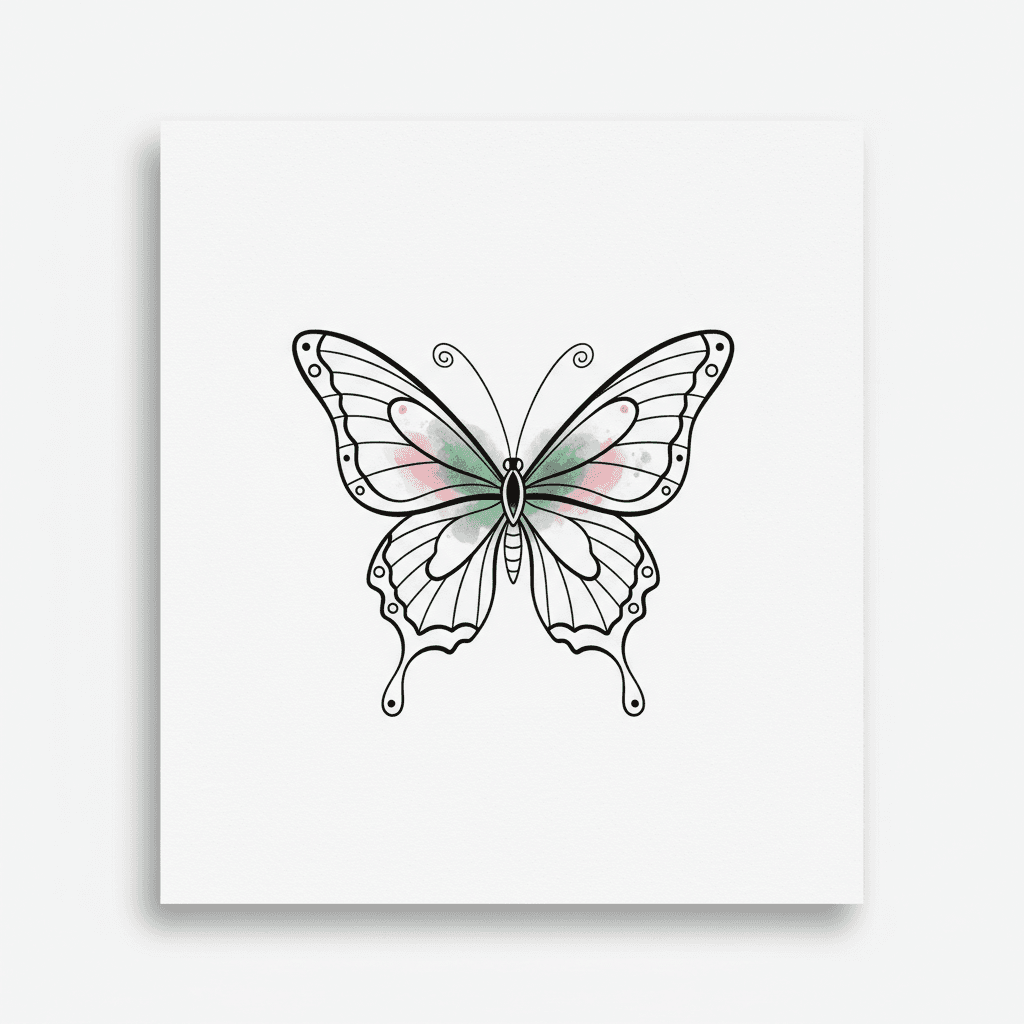

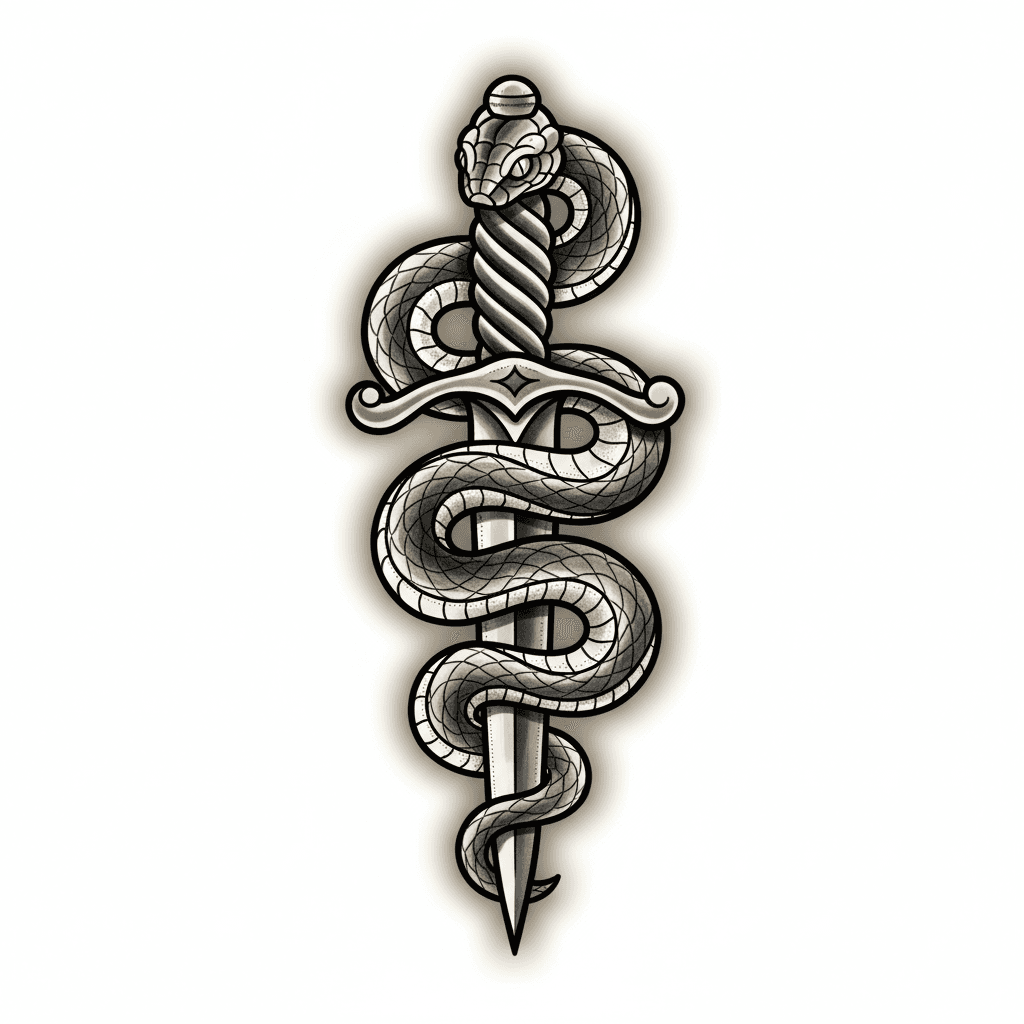
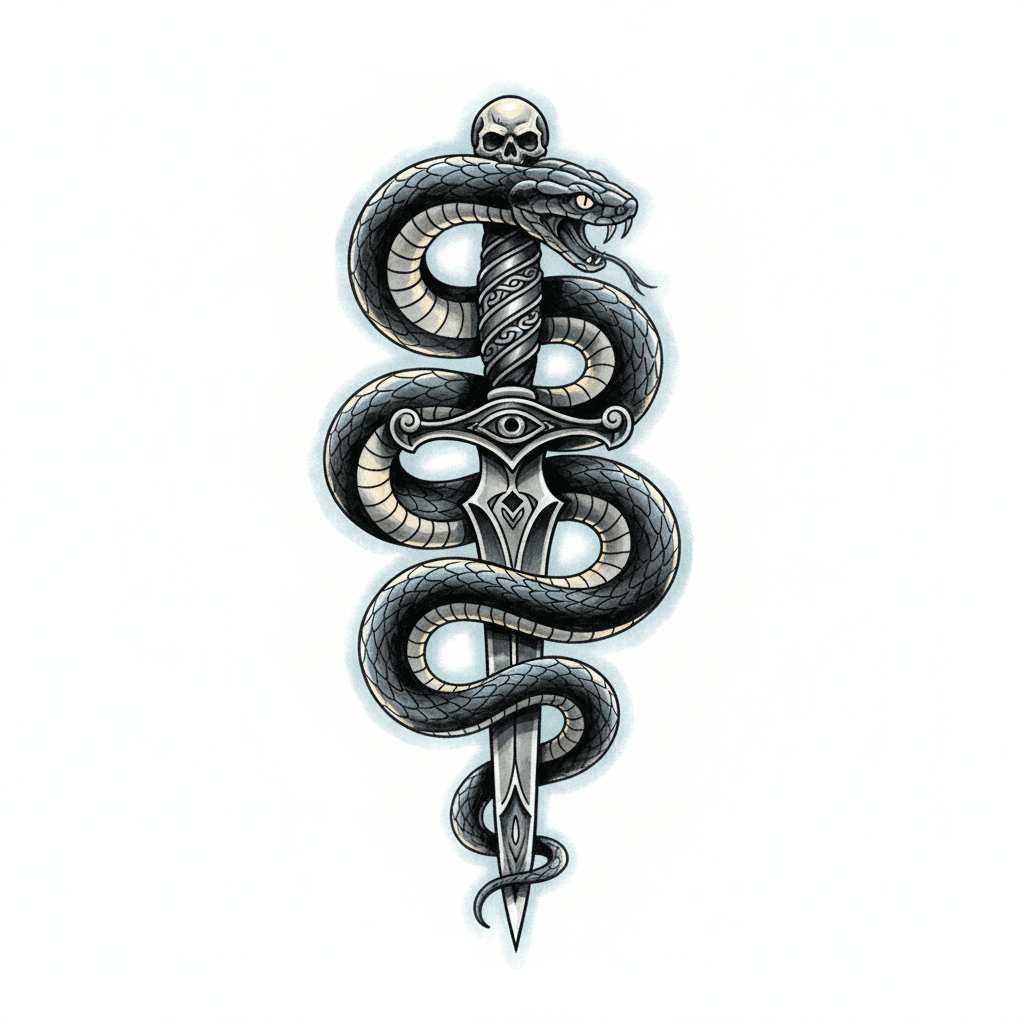
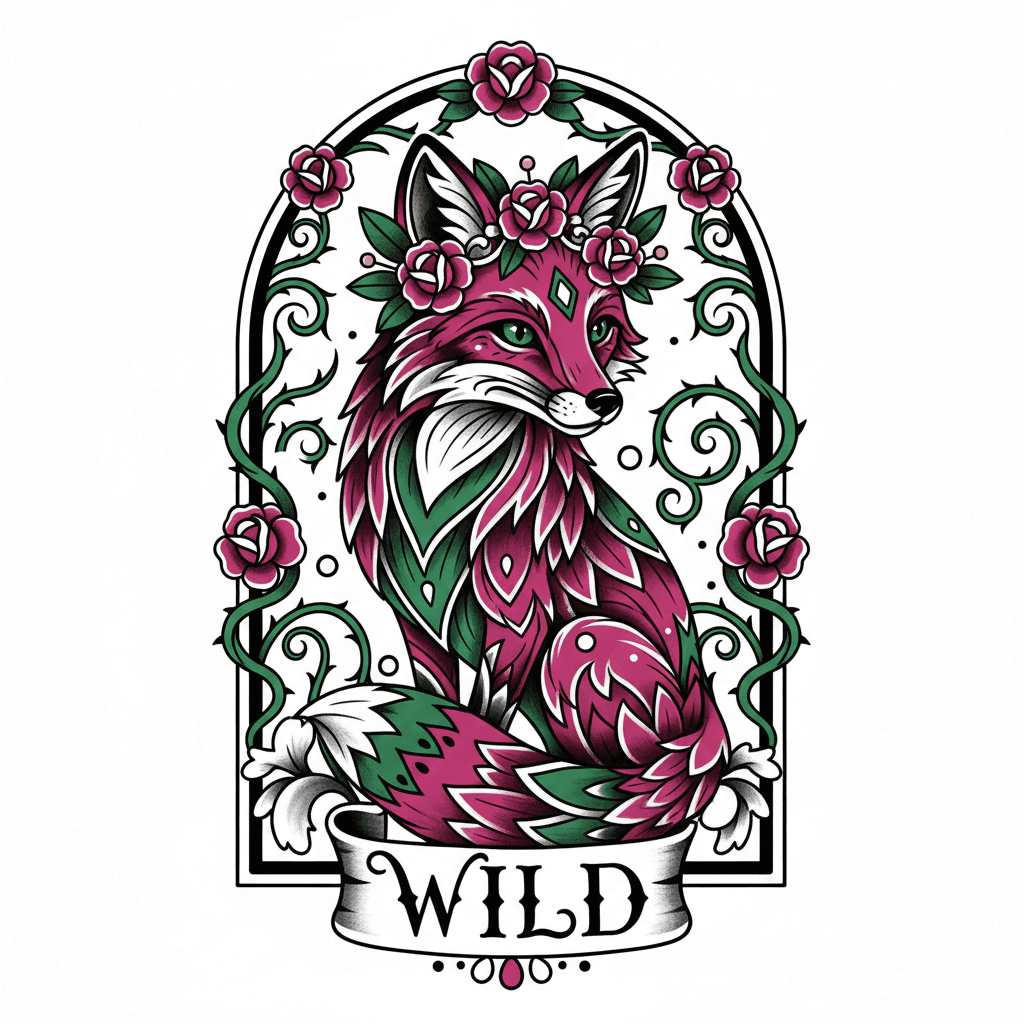

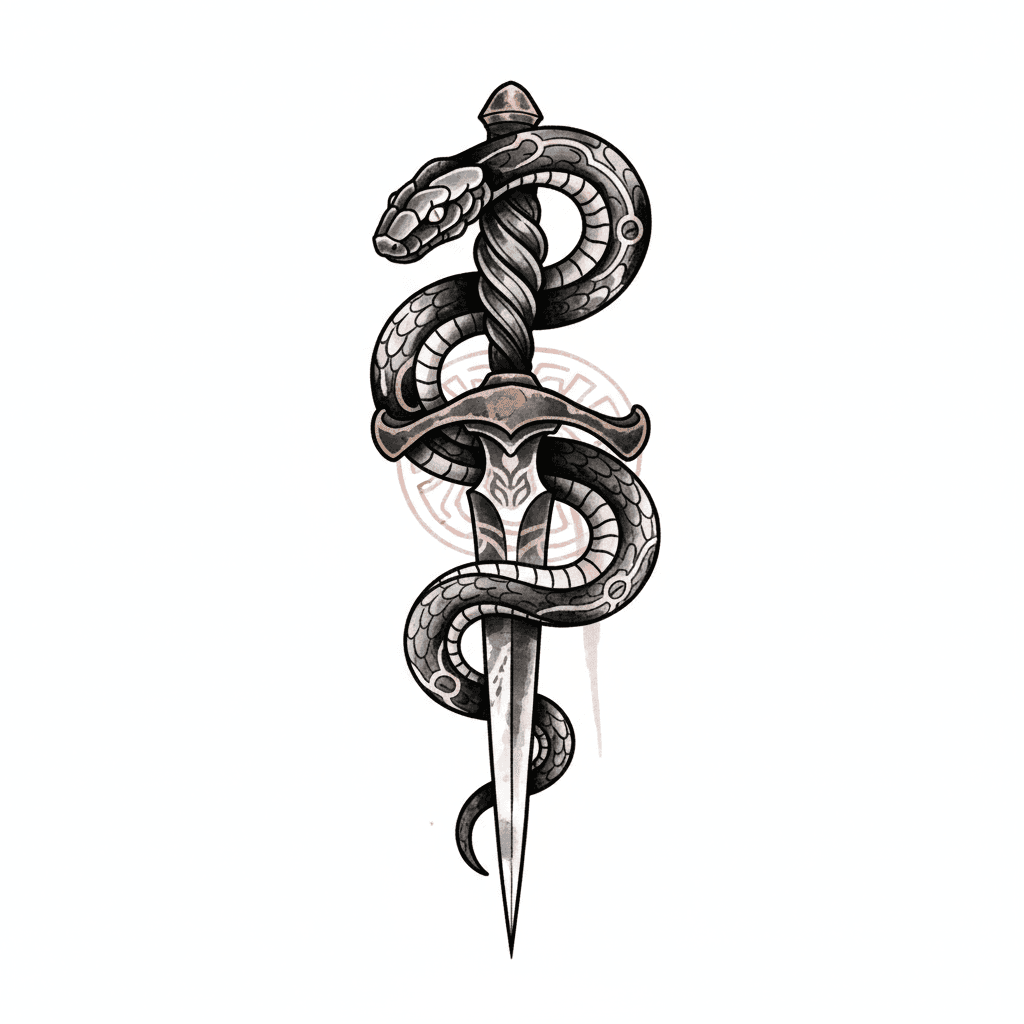



Better for personal and symbolic work with slightly lower public visibility.
The cleanest route for readable medium-size motifs and stronger visibility.
Useful when the design needs movement from wrist toward elbow.
Forearm-tattoo searches usually end in one of five routes: inner-forearm symbolism, outer-forearm readability, a wraparound sleeve starter, a cover-up plan, or a generator-ready concept with cleaner placement details.
This route fits quotes, symbols, florals, and softer motifs that want a private feel without losing daily visibility.
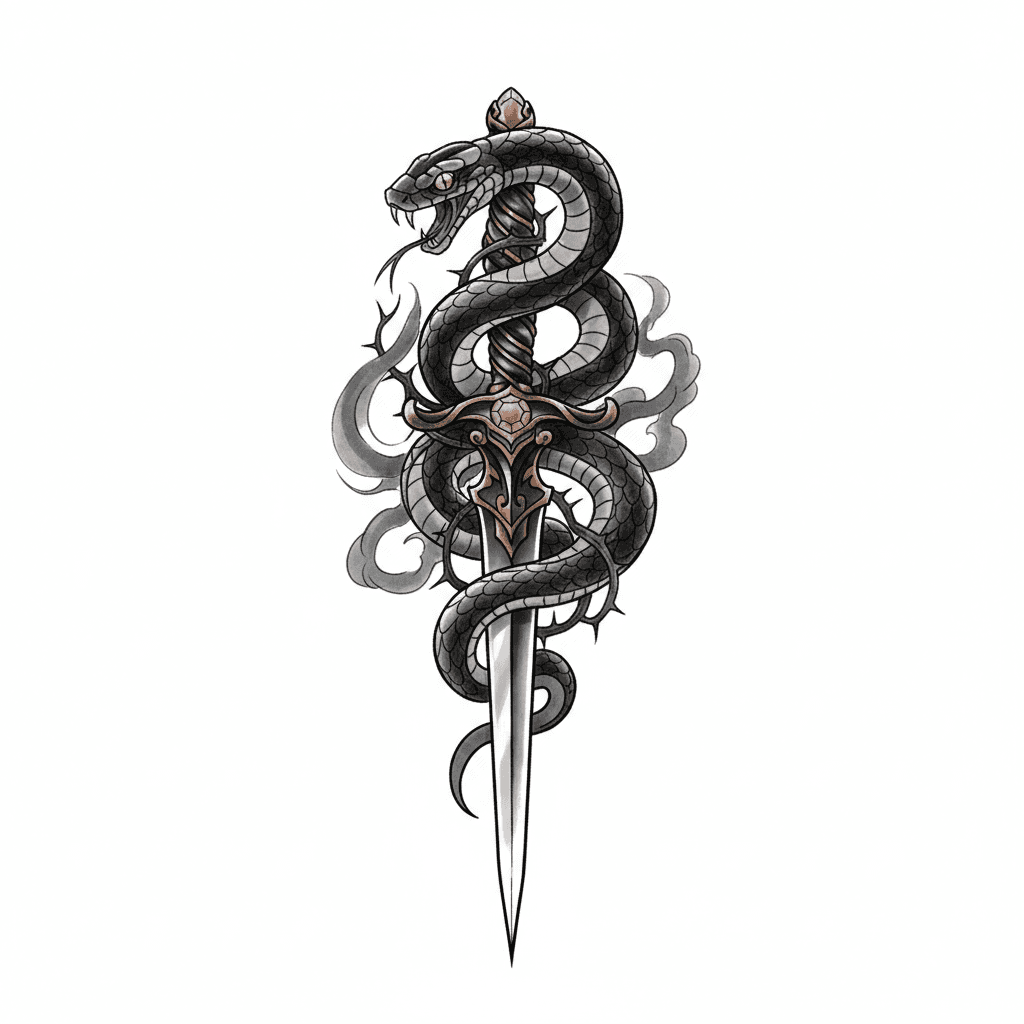
This route fits wolves, daggers, eagles, roses, and other motifs that need stronger contrast and cleaner read at a glance.
This route fits serpents, vines, dragons, and connected artwork that wants movement from wrist toward elbow instead of one centered emblem.
This route fits names, faded black pieces, and dense old work that already turned the search into a cover-up decision.
This route fits users who already know the forearm zone, the motif, and the style family, and want cleaner output fast.
Cleaner prompts start with one exact placement decision, one exact visual lane, and one scale that can still work on real skin.
Use the placement page first, then generate a cleaner forearm tattoos direction that still works on real skin.
Generate AI Tattoo IdeasYes. Forearm tattoos are one of the best first visible placements because they balance pain, healing, and readability.
Outer forearm is usually easier and more public. Inner forearm feels more personal but can be more sensitive.
Medium vertical pieces usually work best because they preserve readability without forcing full-sleeve complexity too early.