Japanese Irezumi
Click image to copy prompt
Flowing composition, strong symbolism, and body-aware structure rooted in traditional Irezumi.
Generate AI Tattoo IdeasA three-row scrolling gallery of AI-generated japanese tattoo flash artwork for your inspiration library.
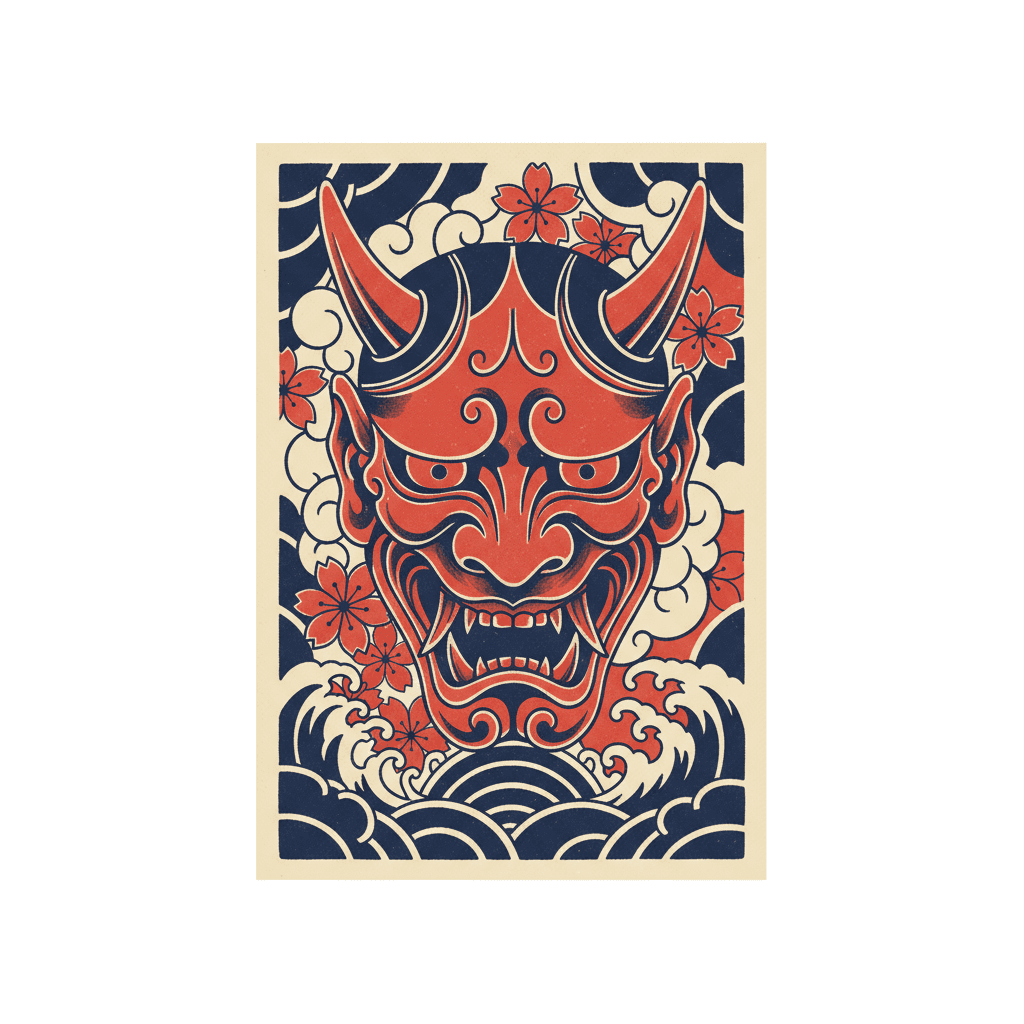
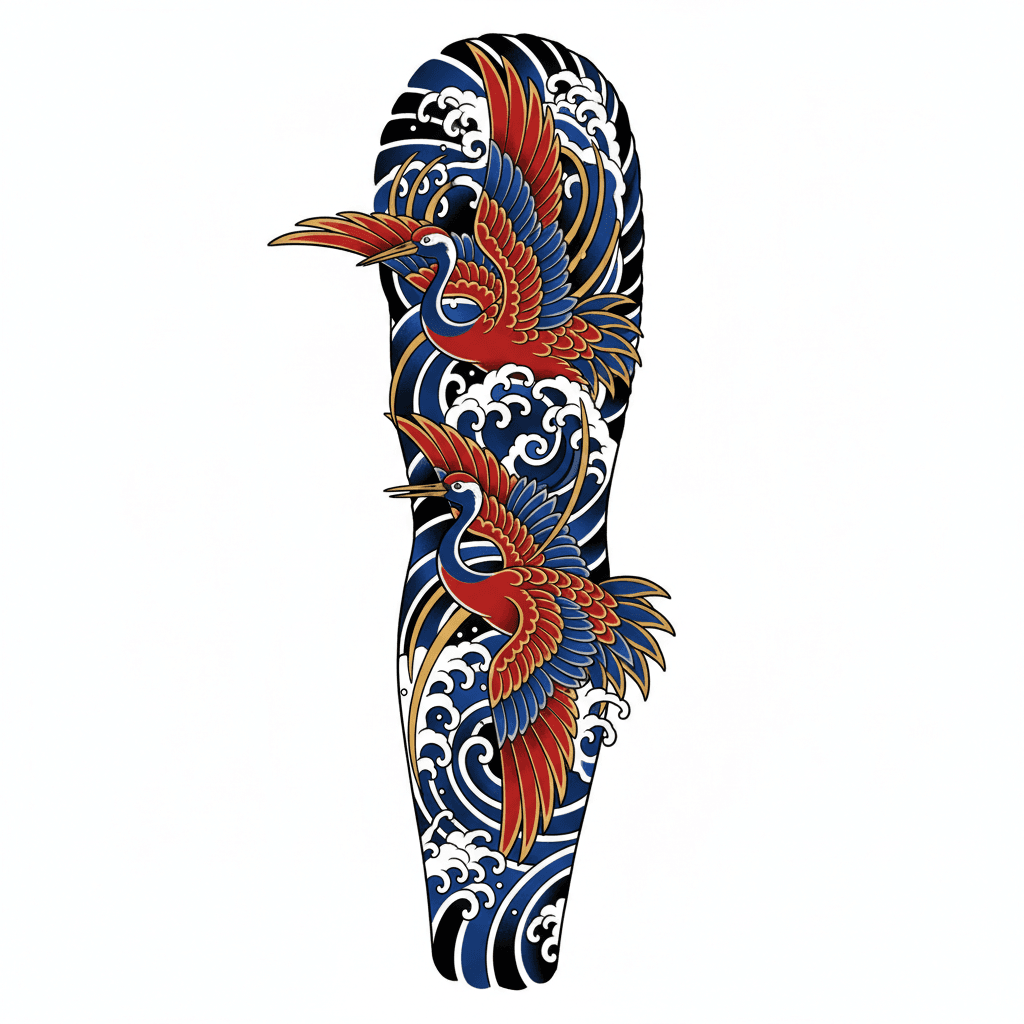
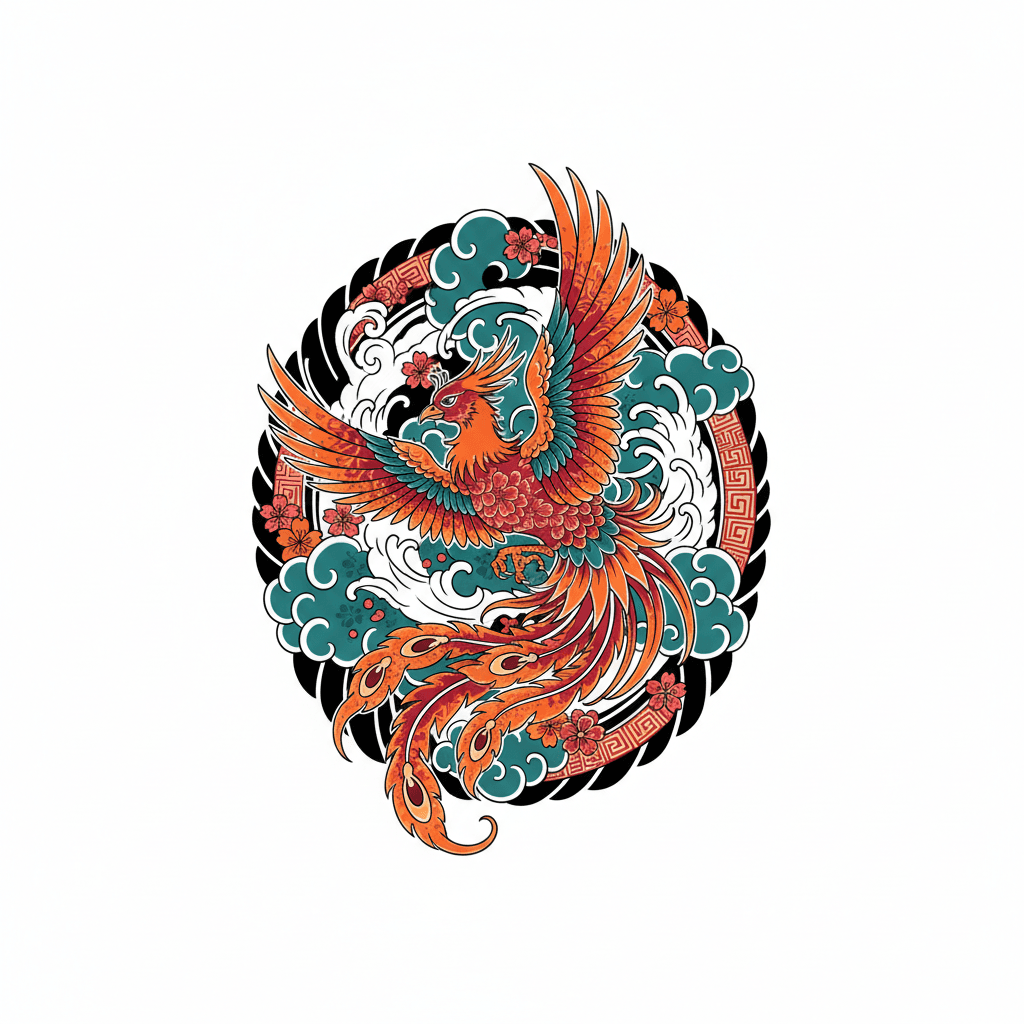
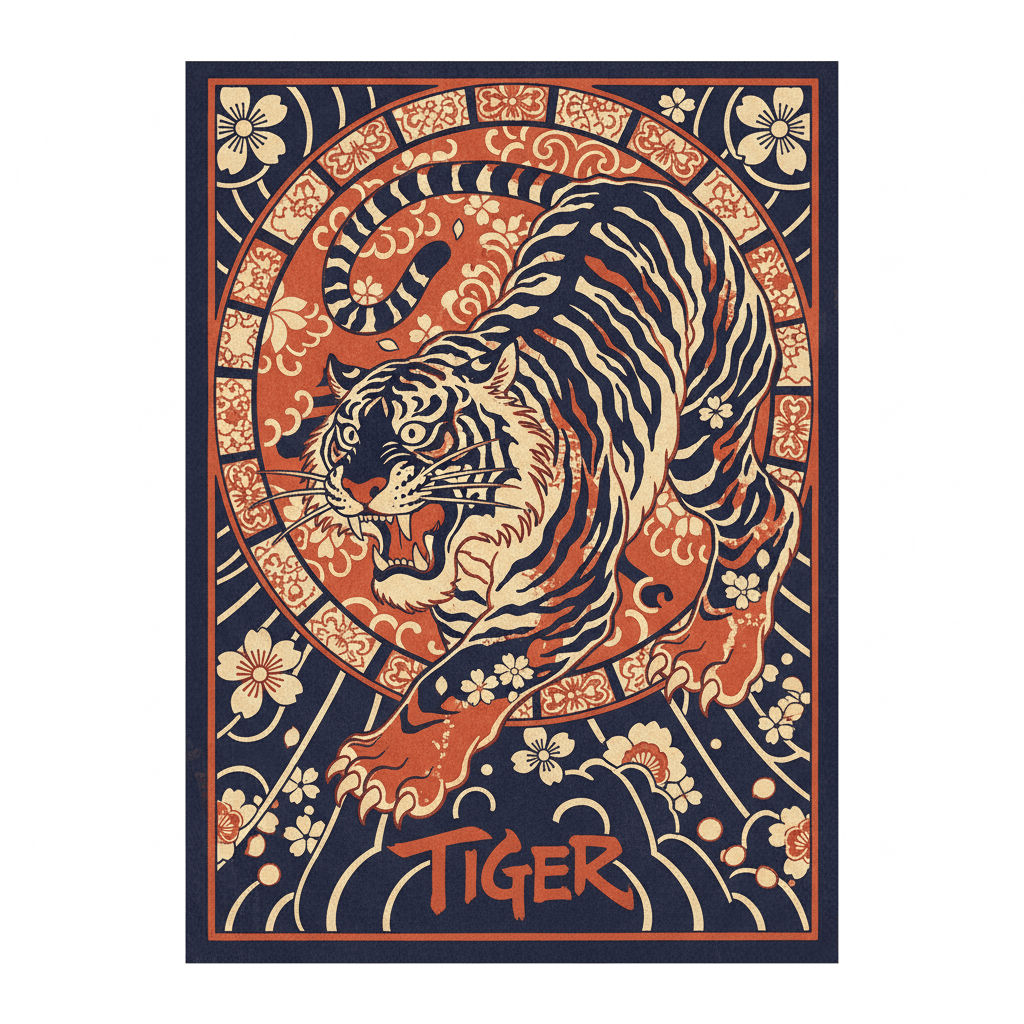
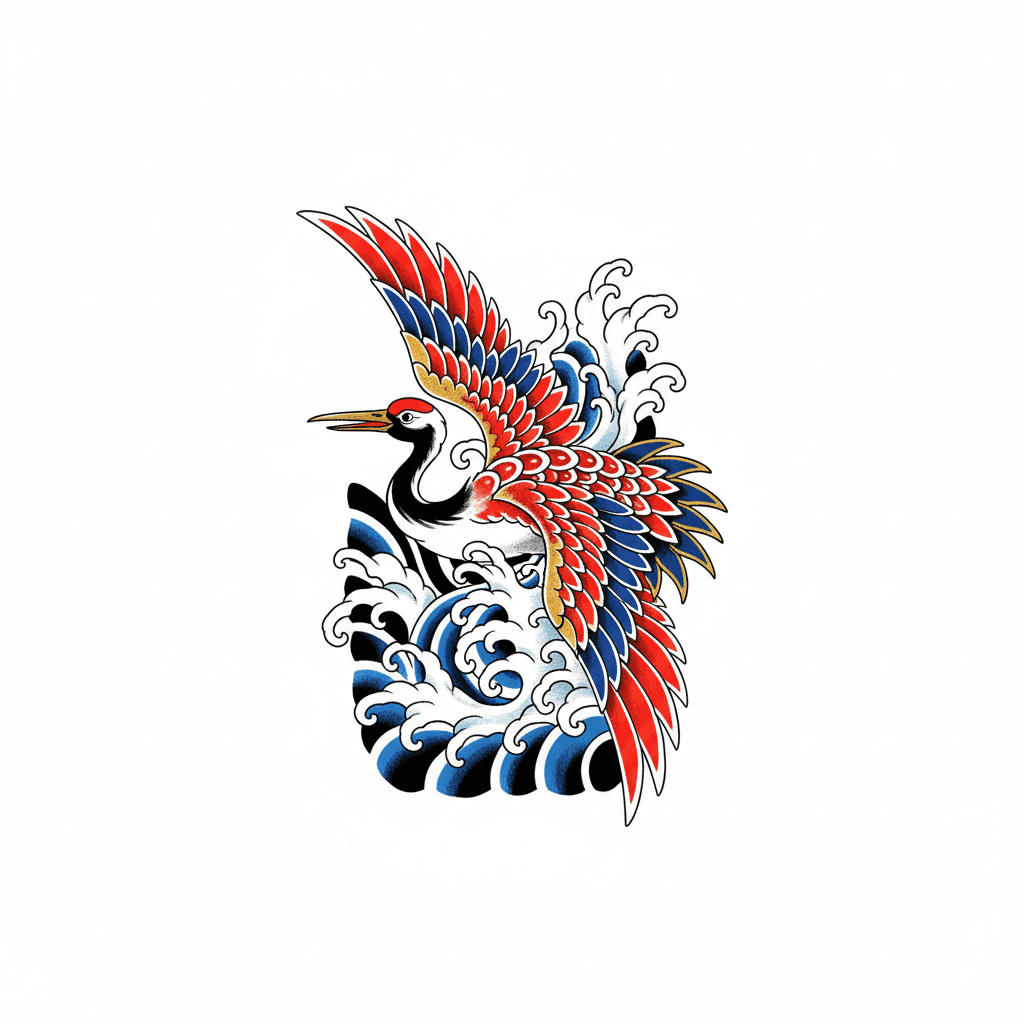
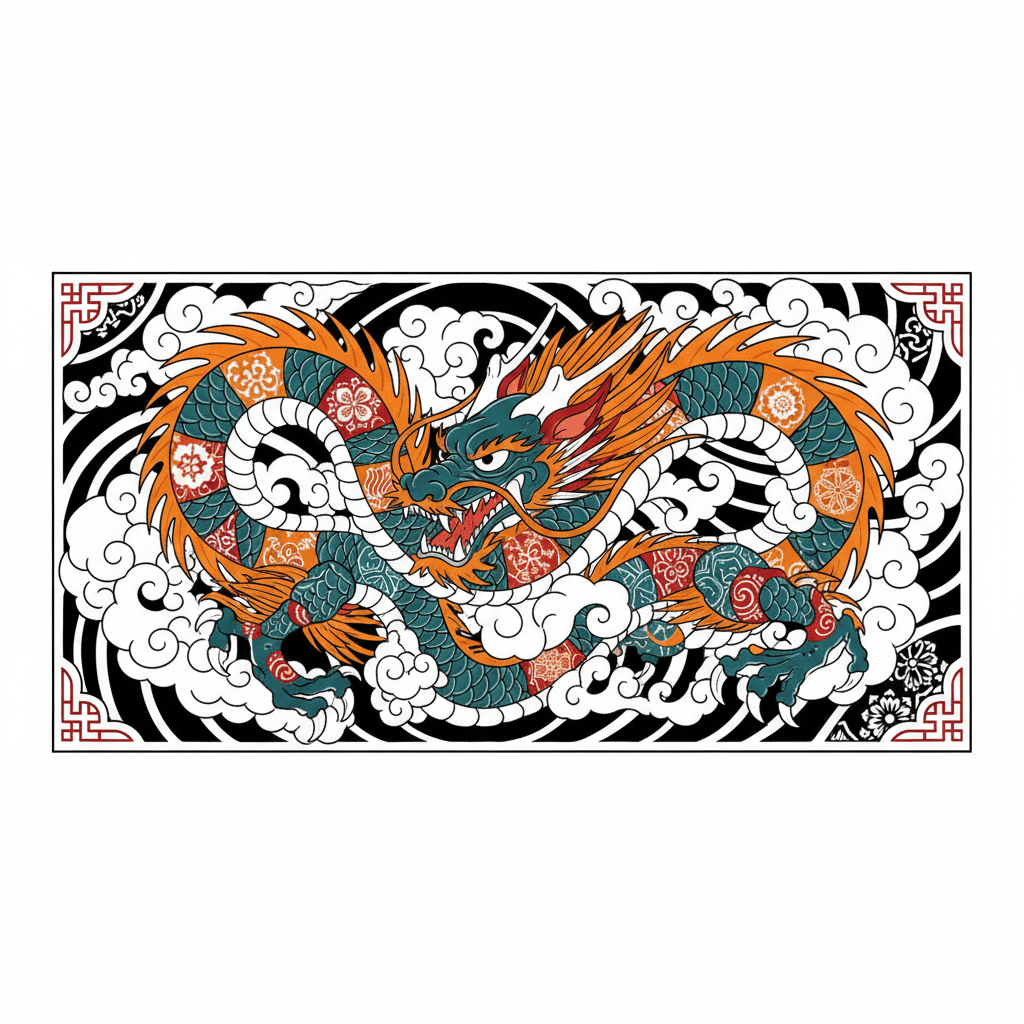
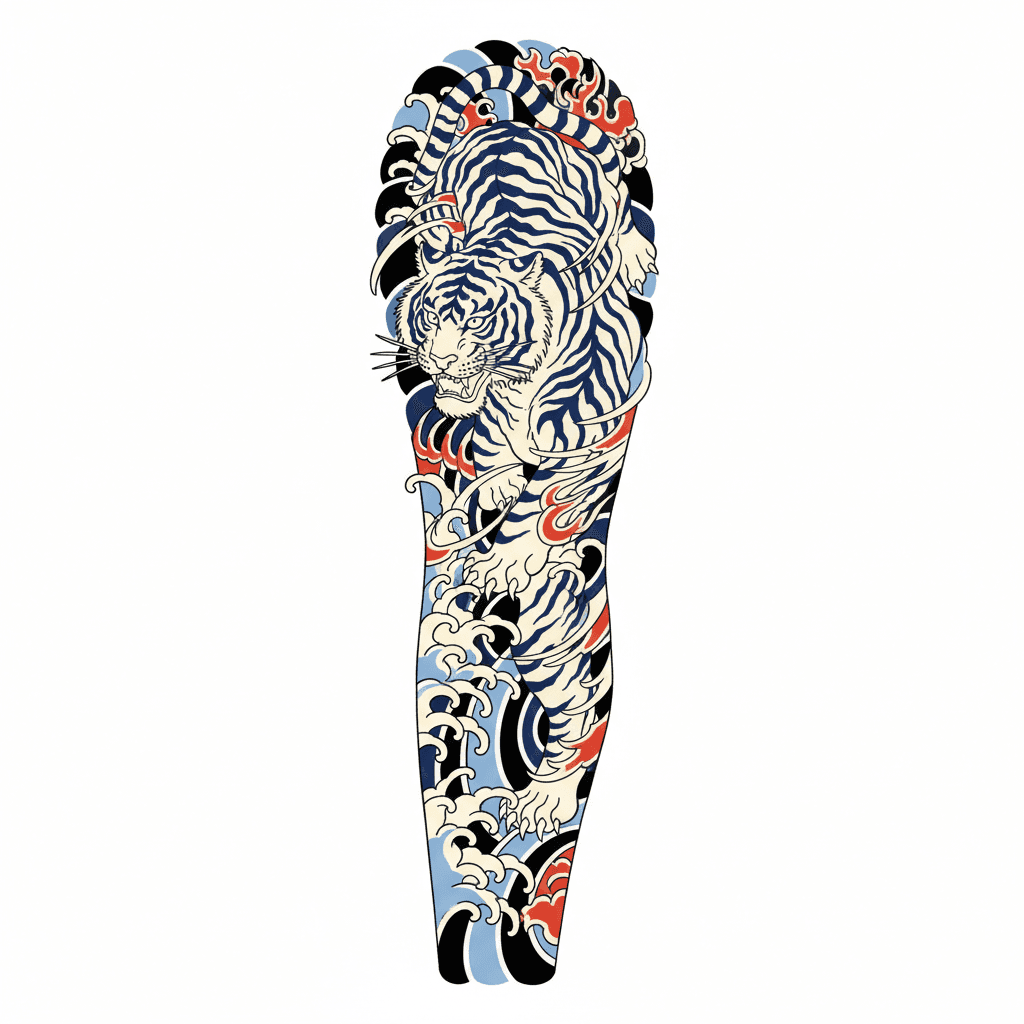
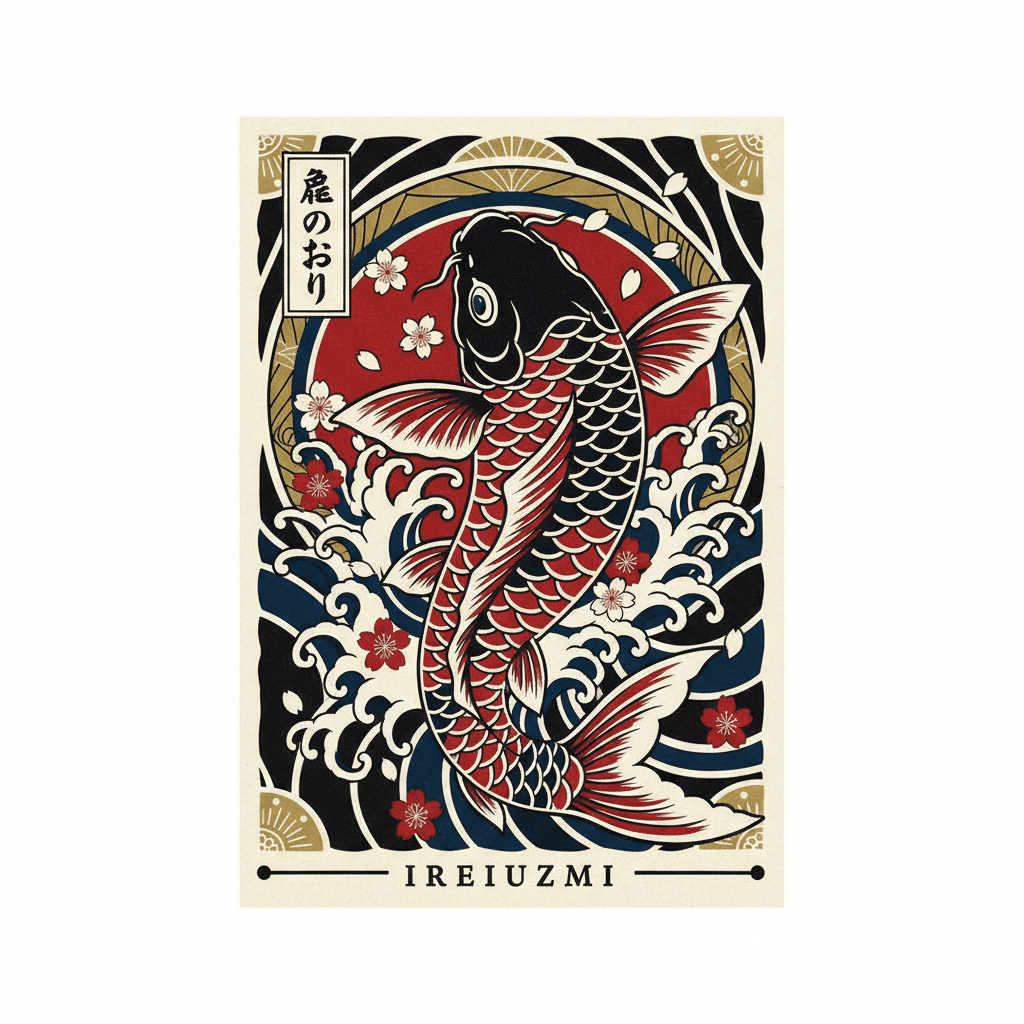
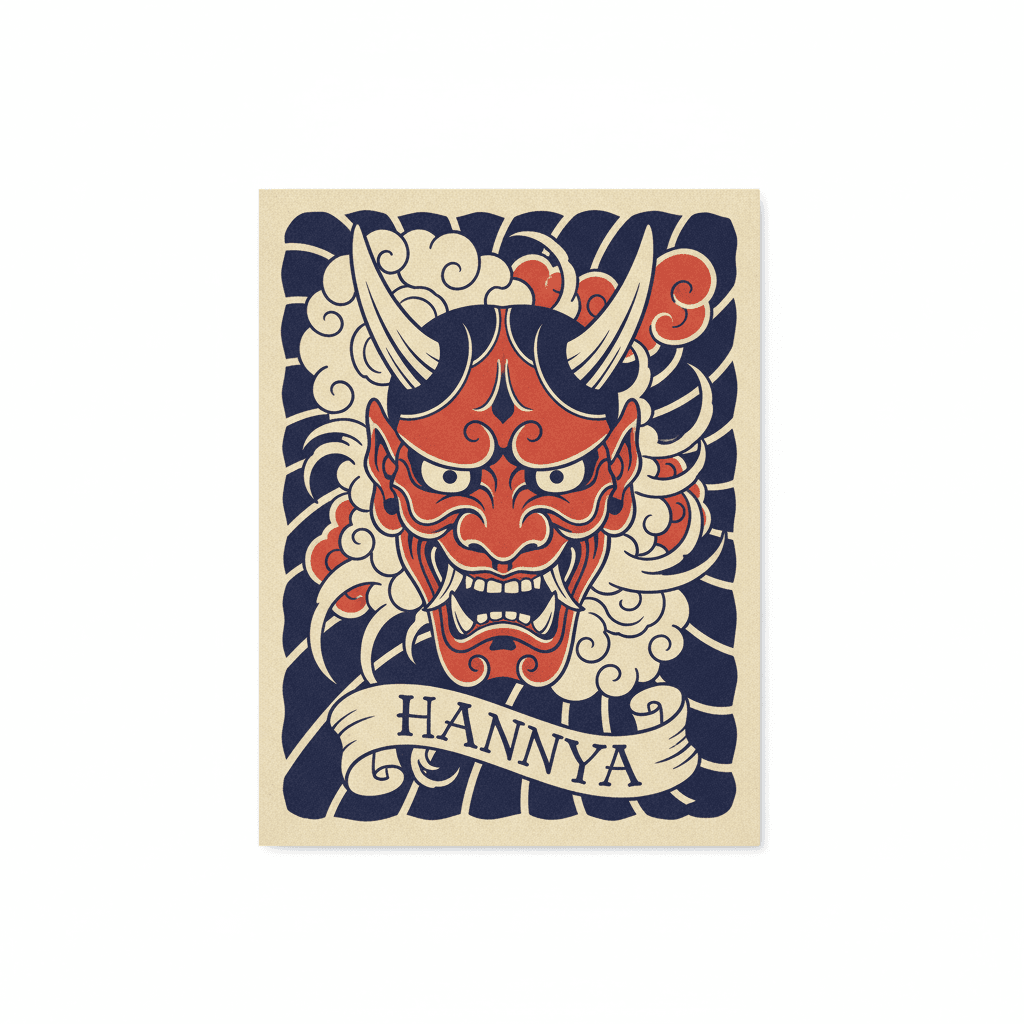
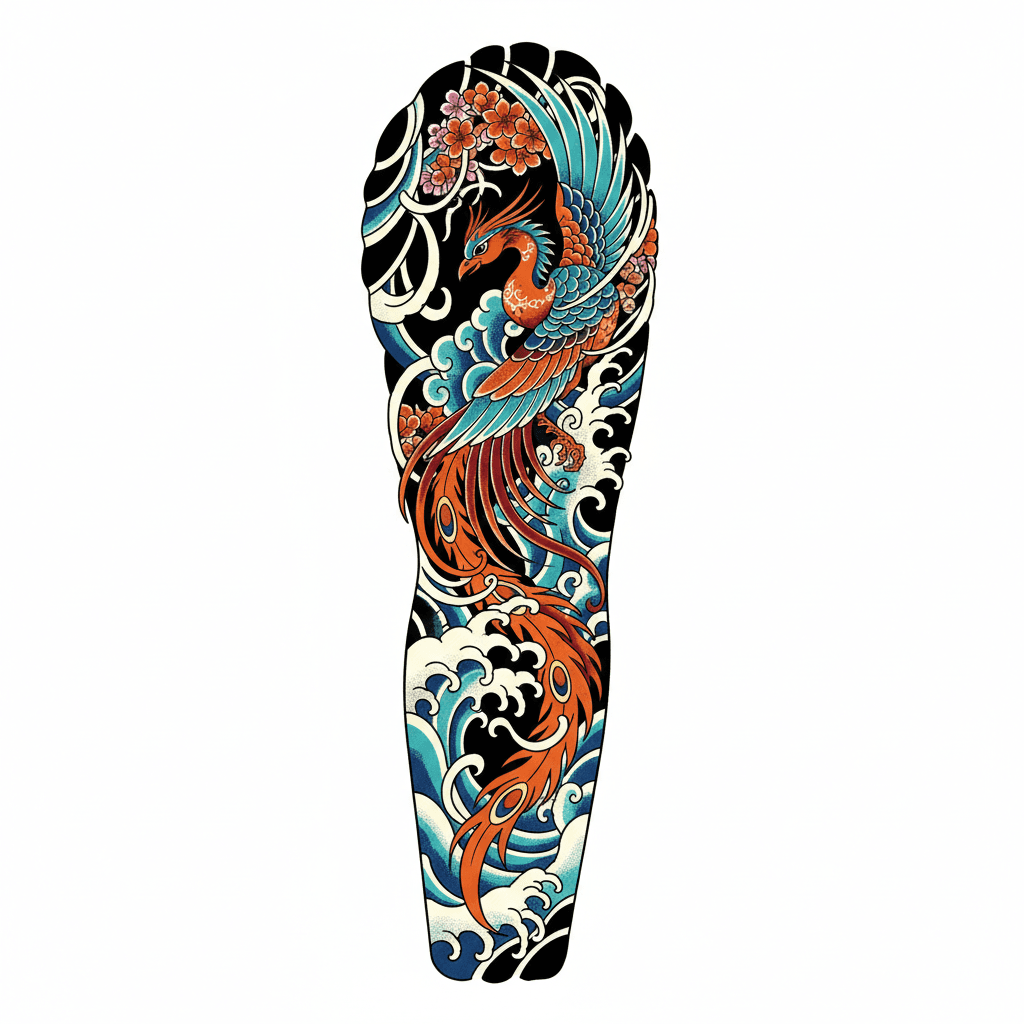
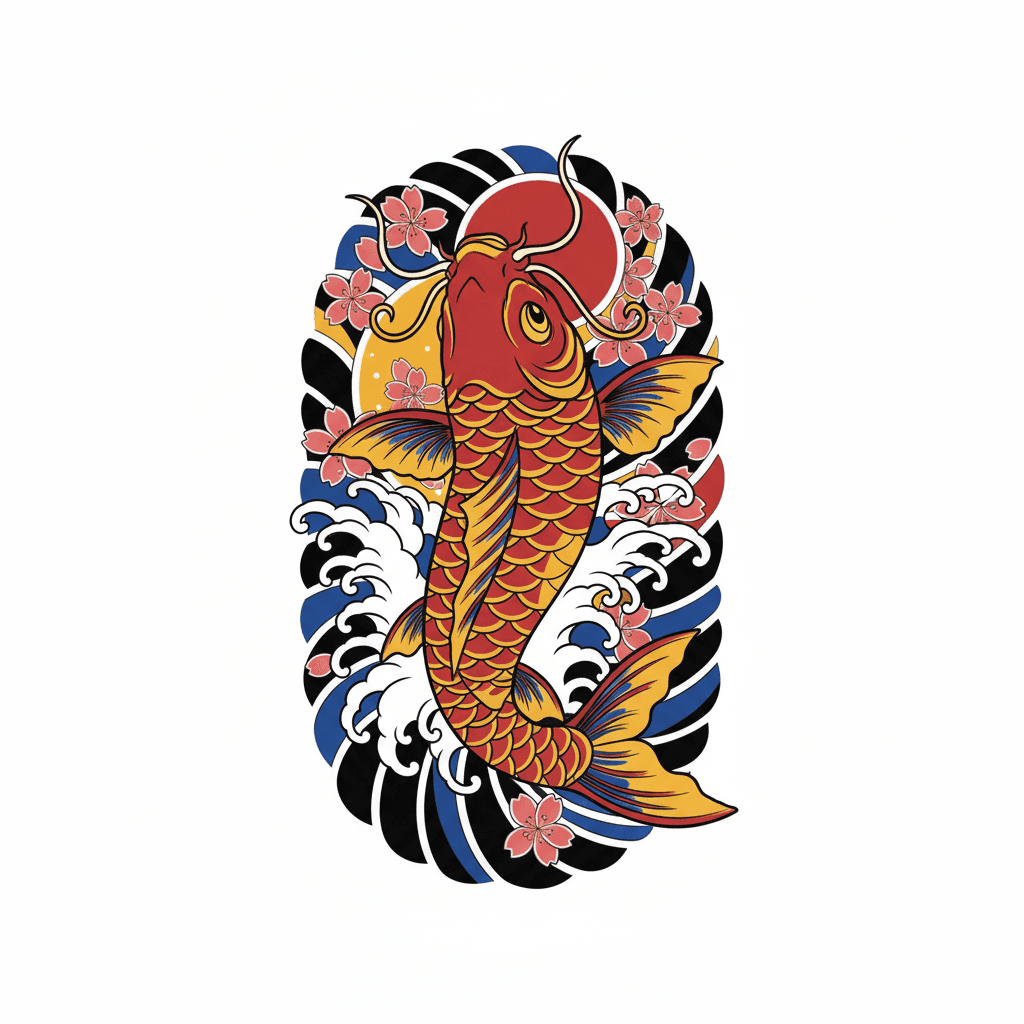
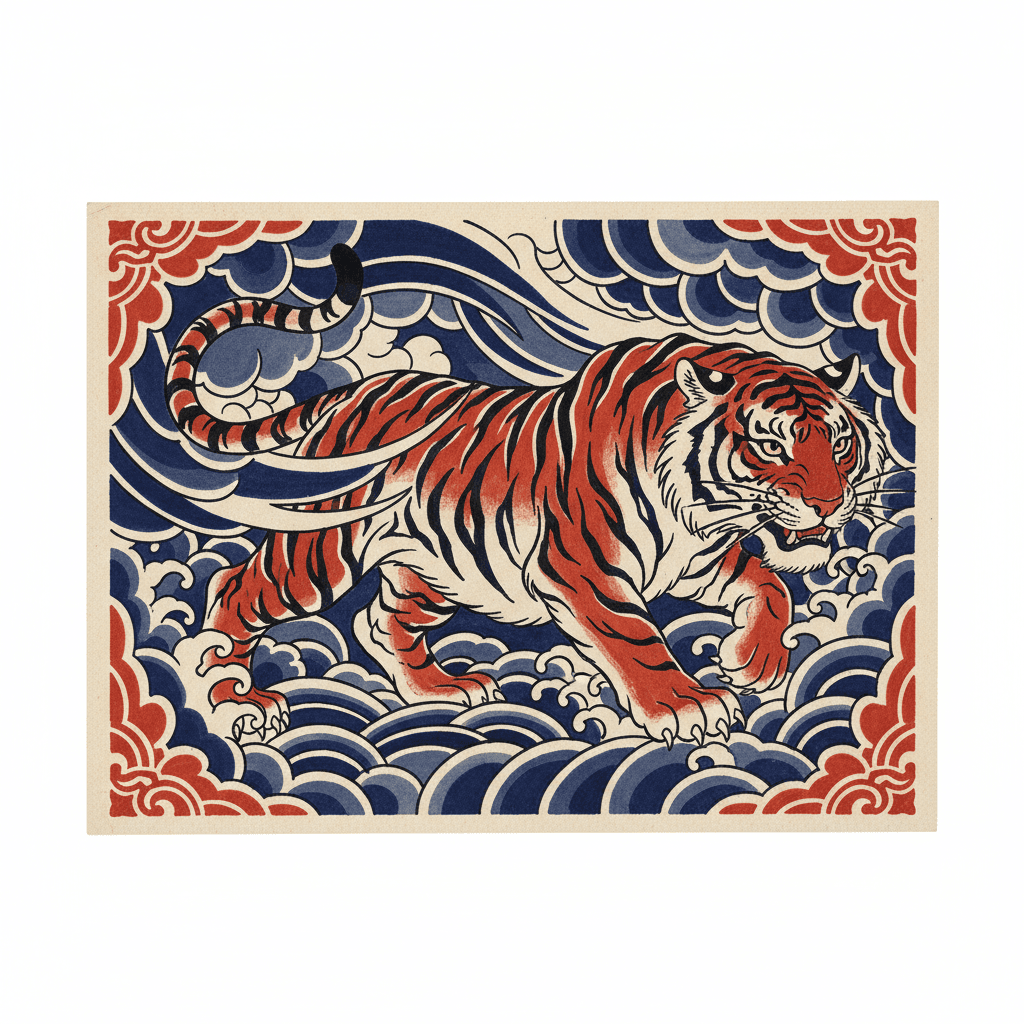
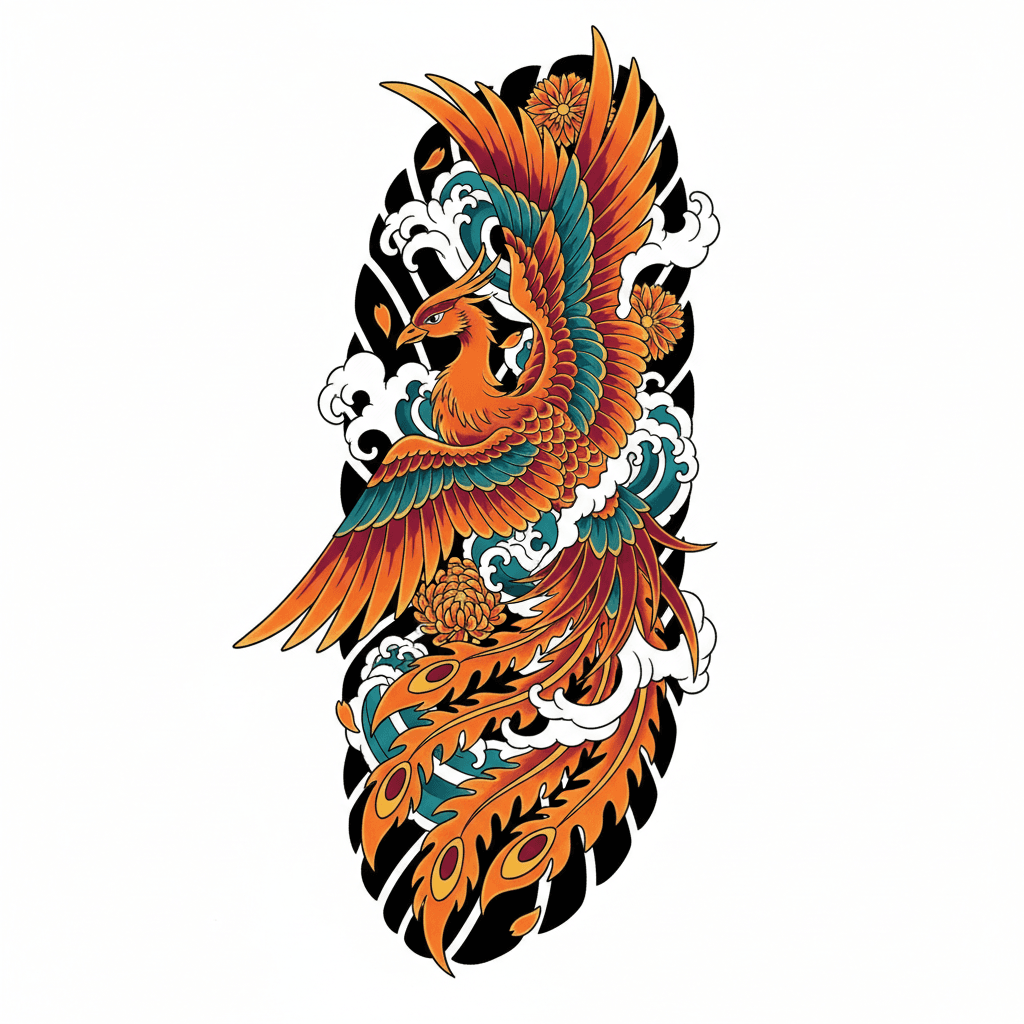
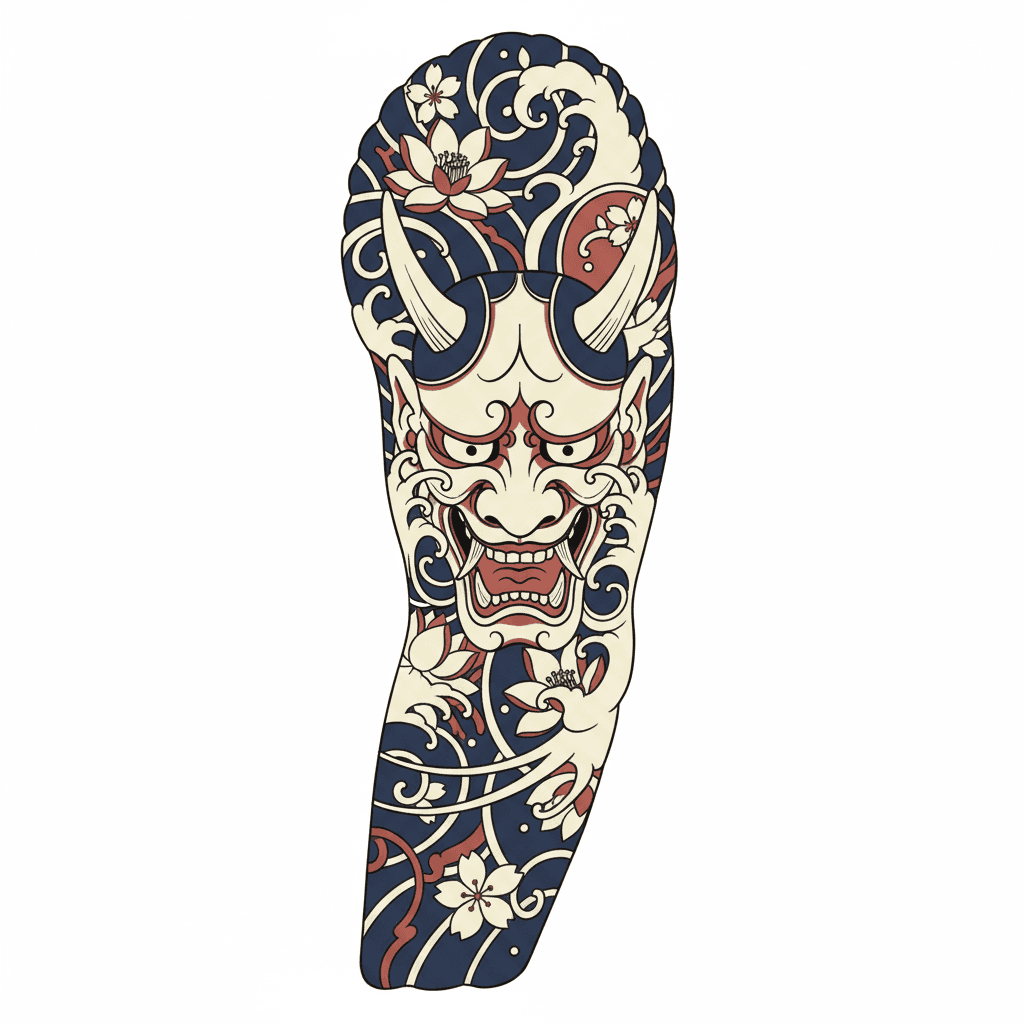
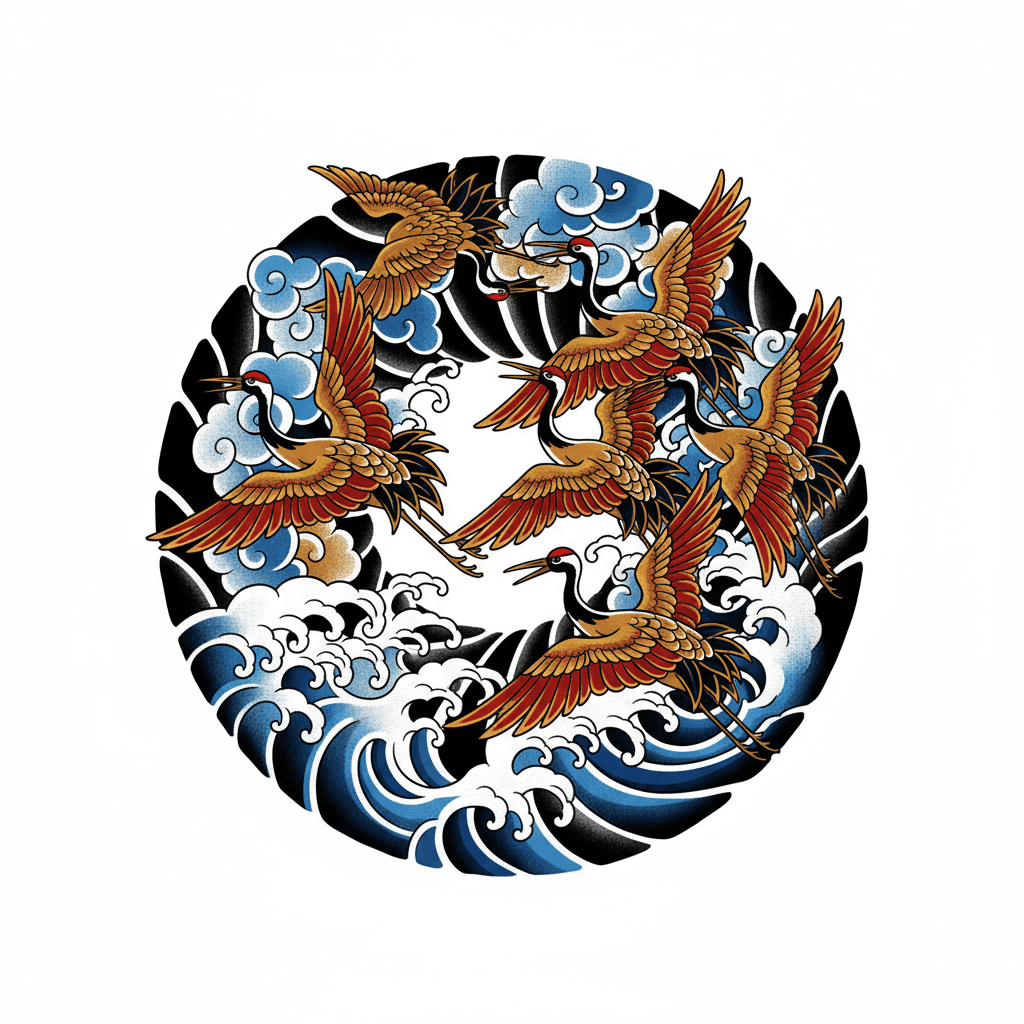
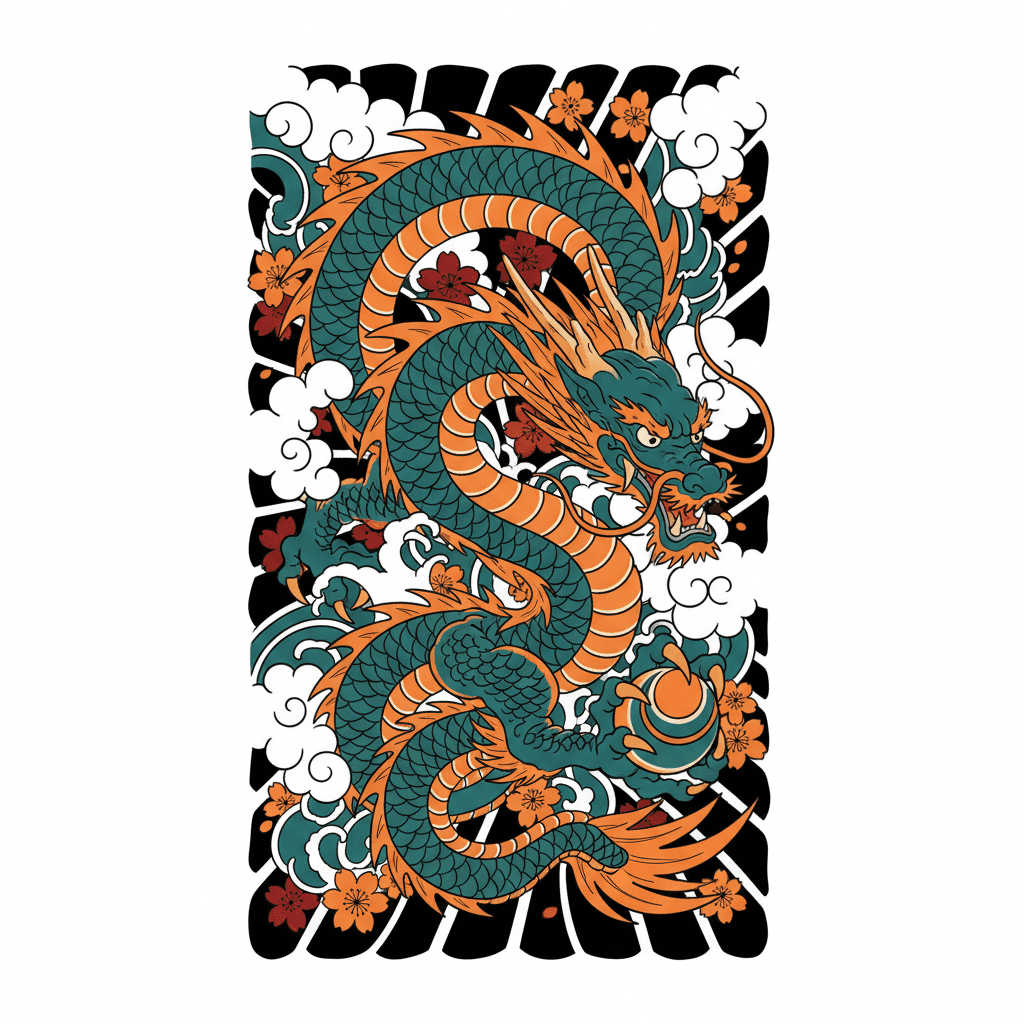
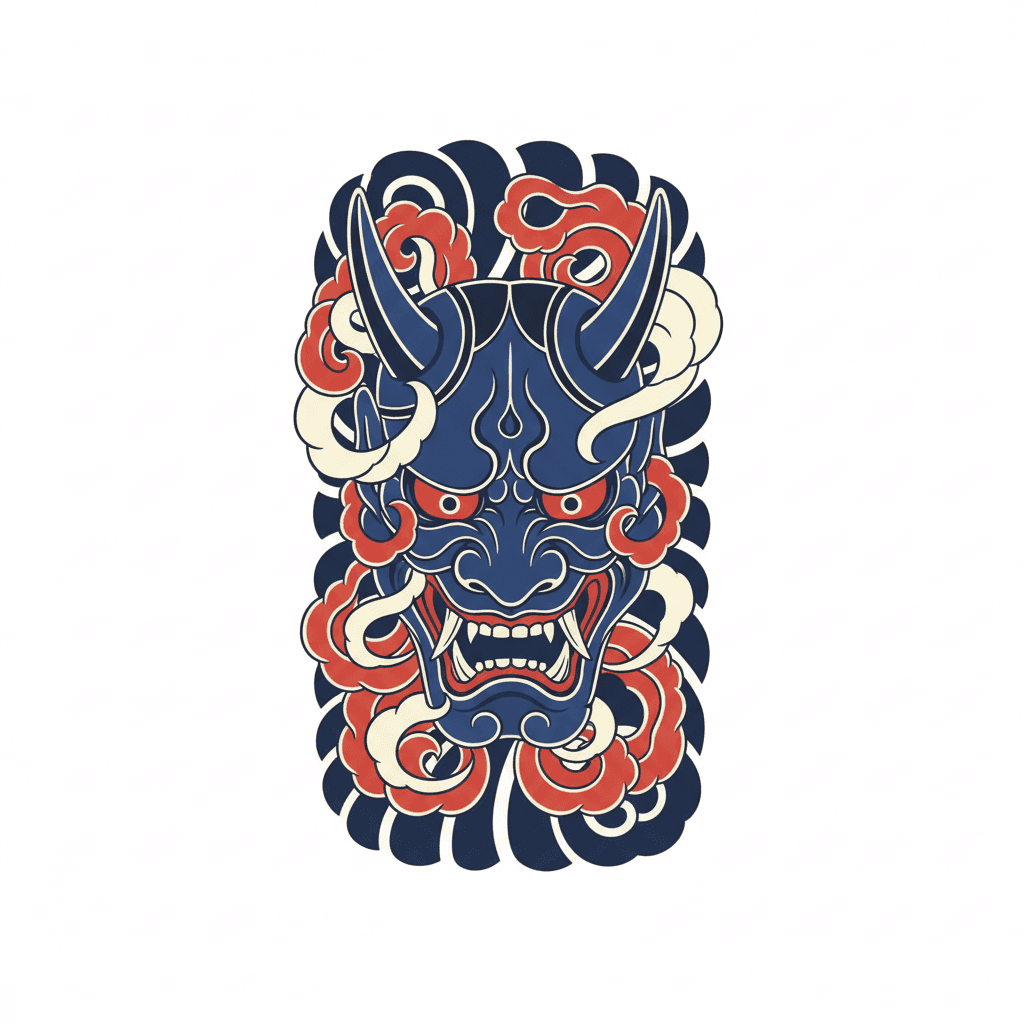
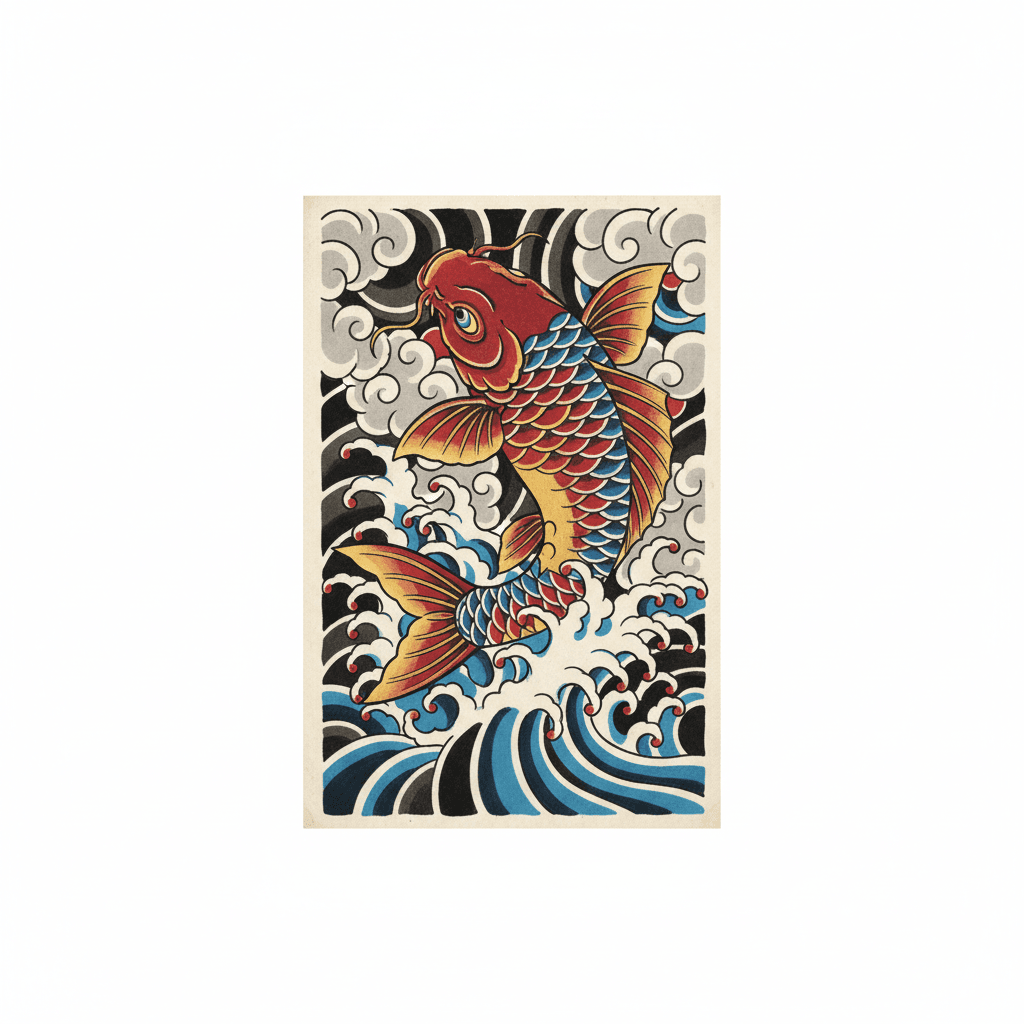
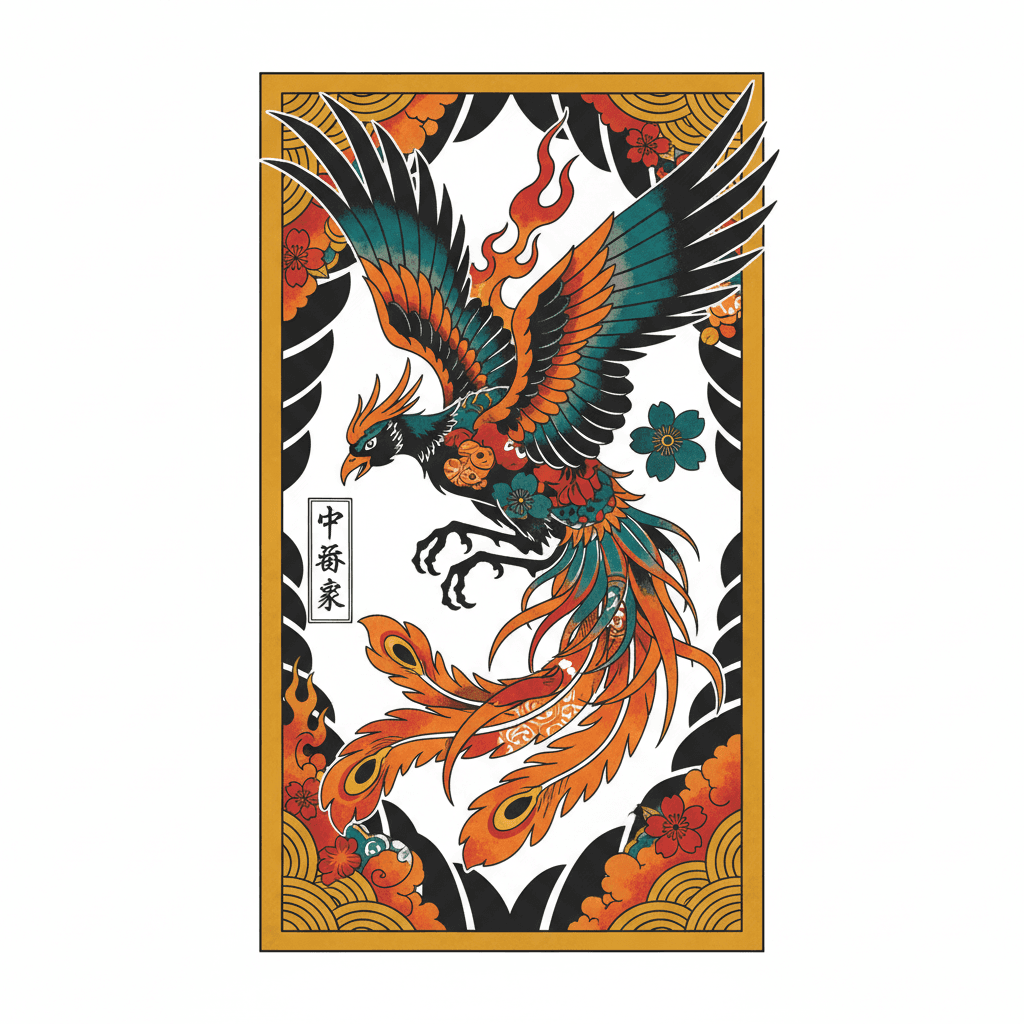
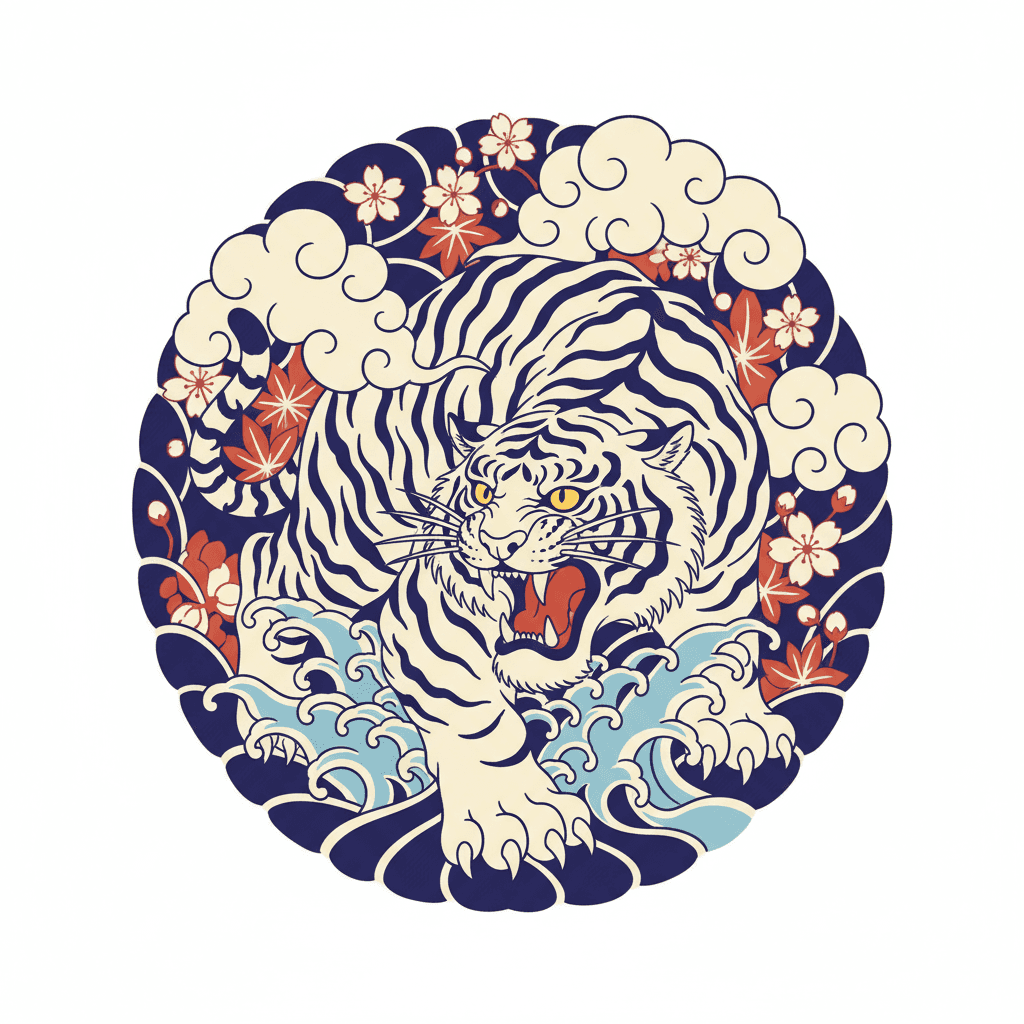
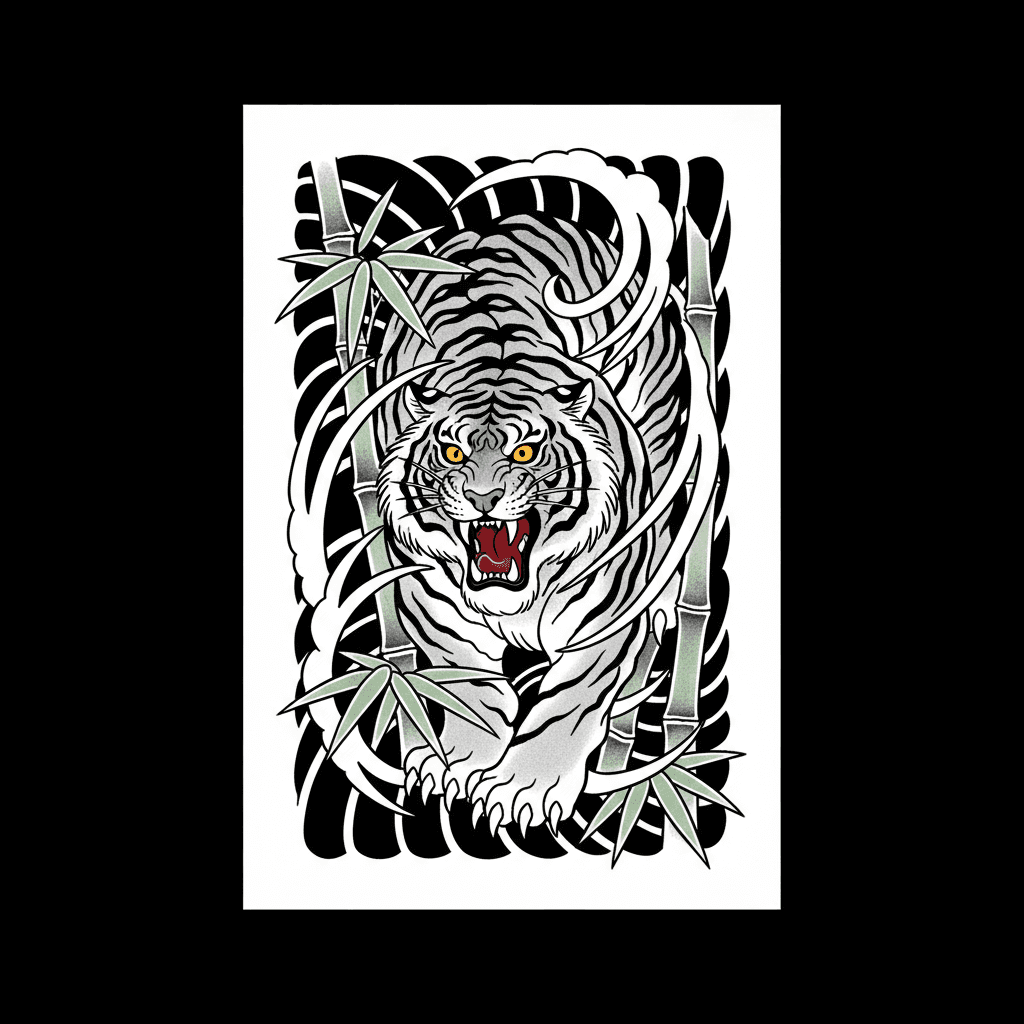
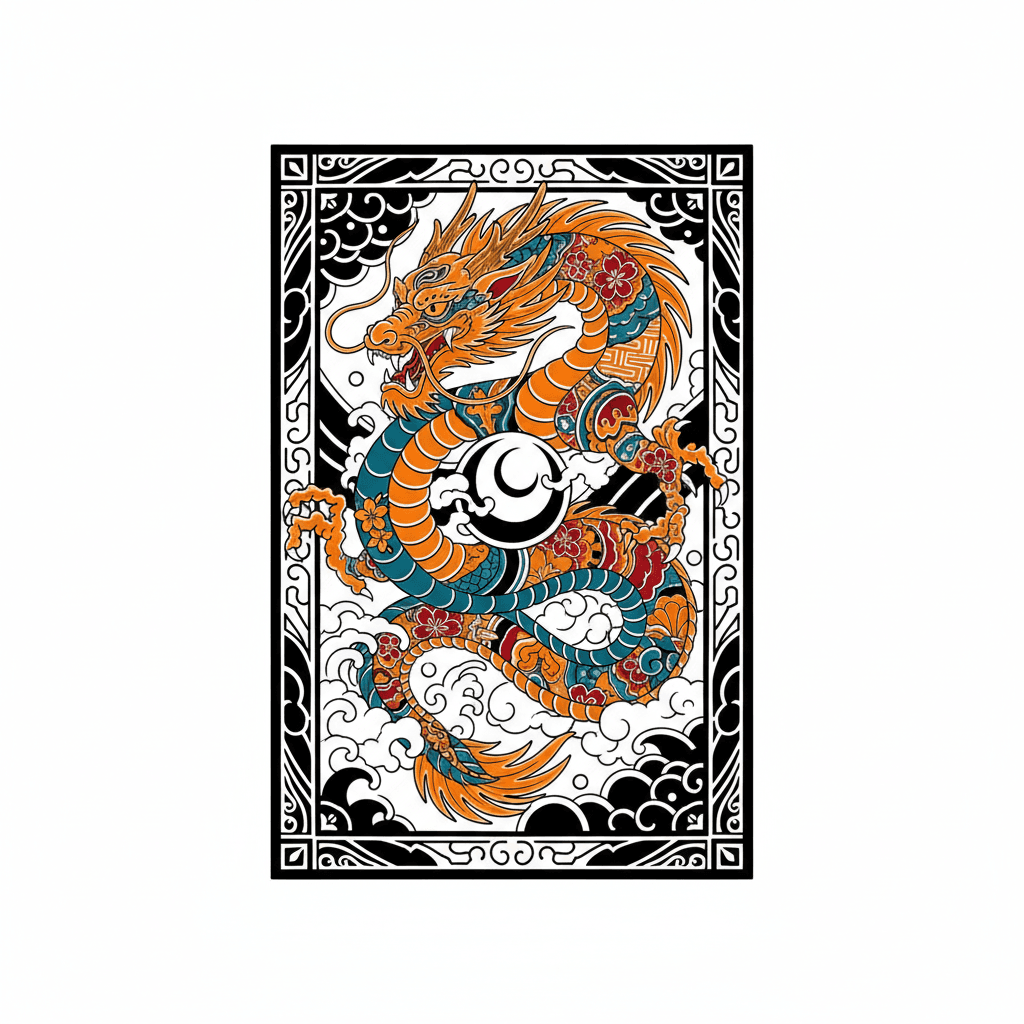
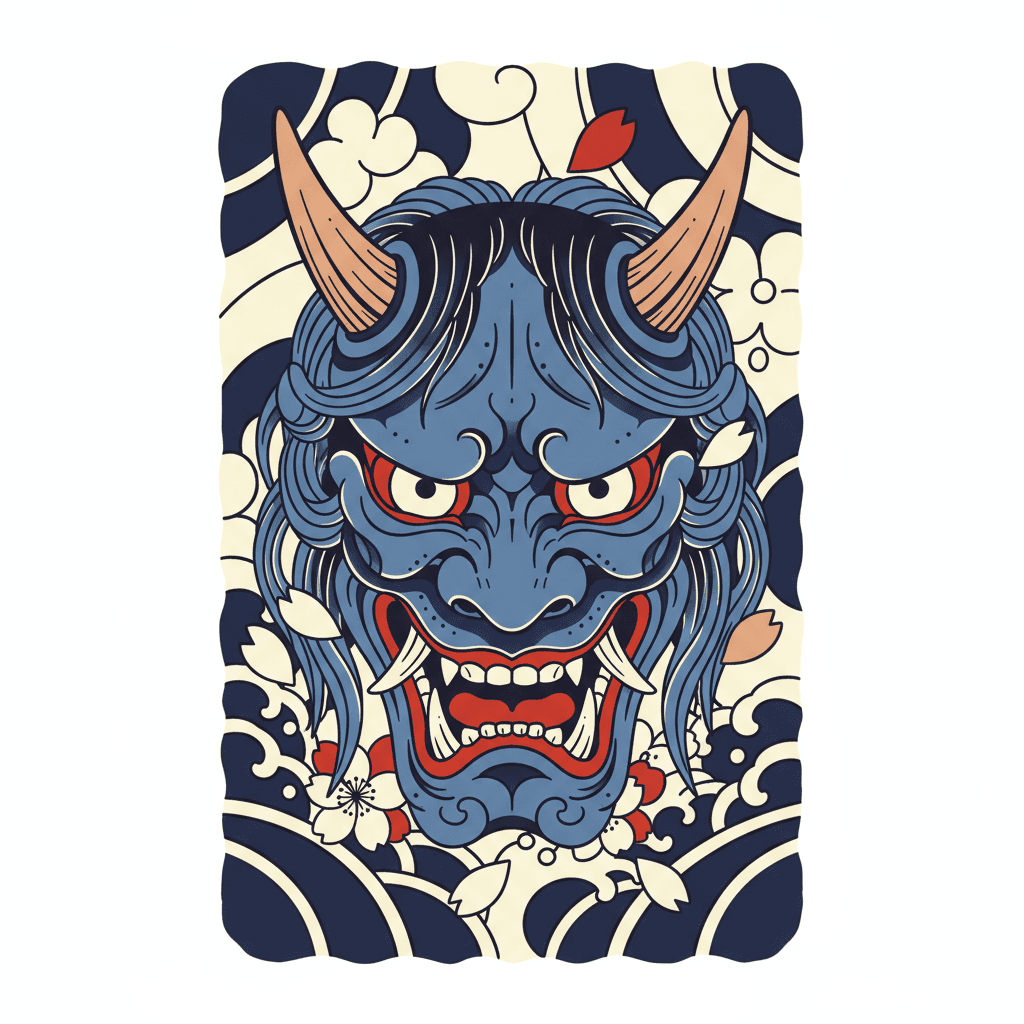
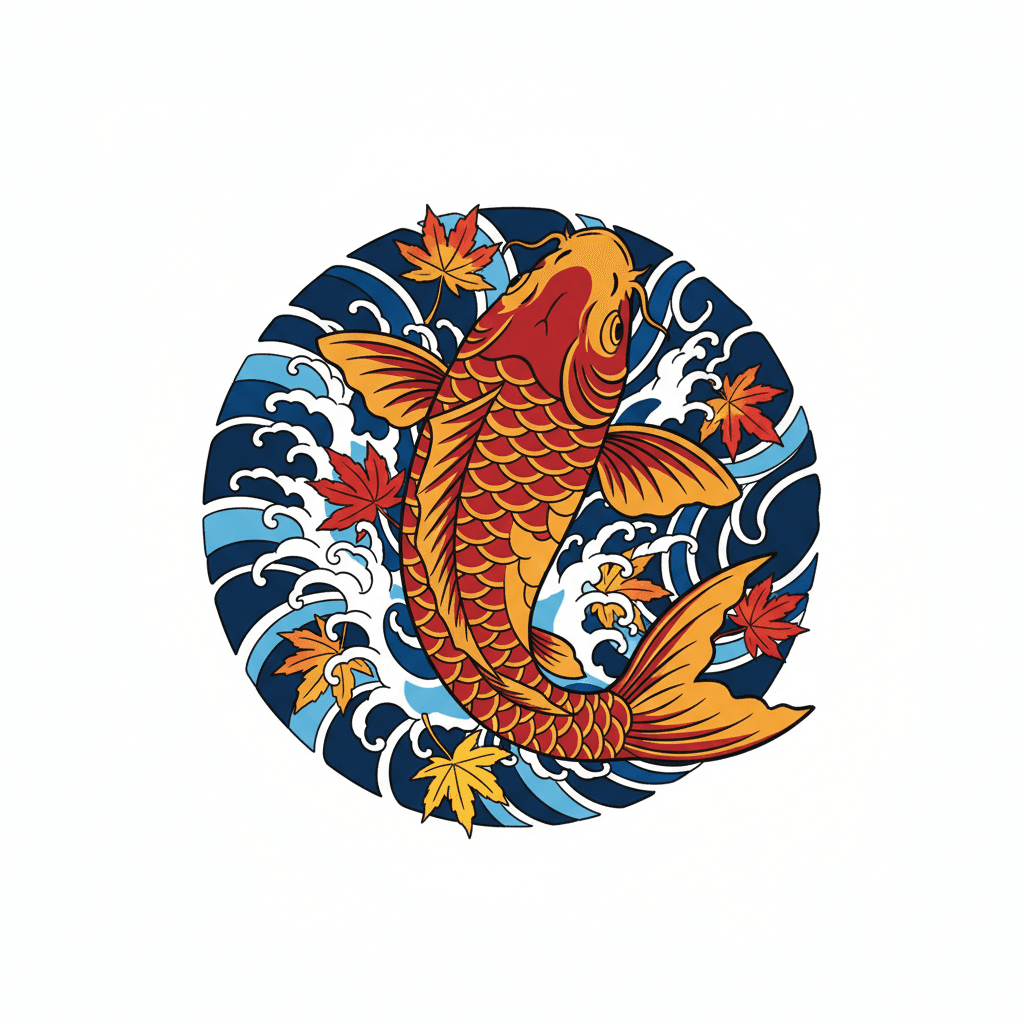
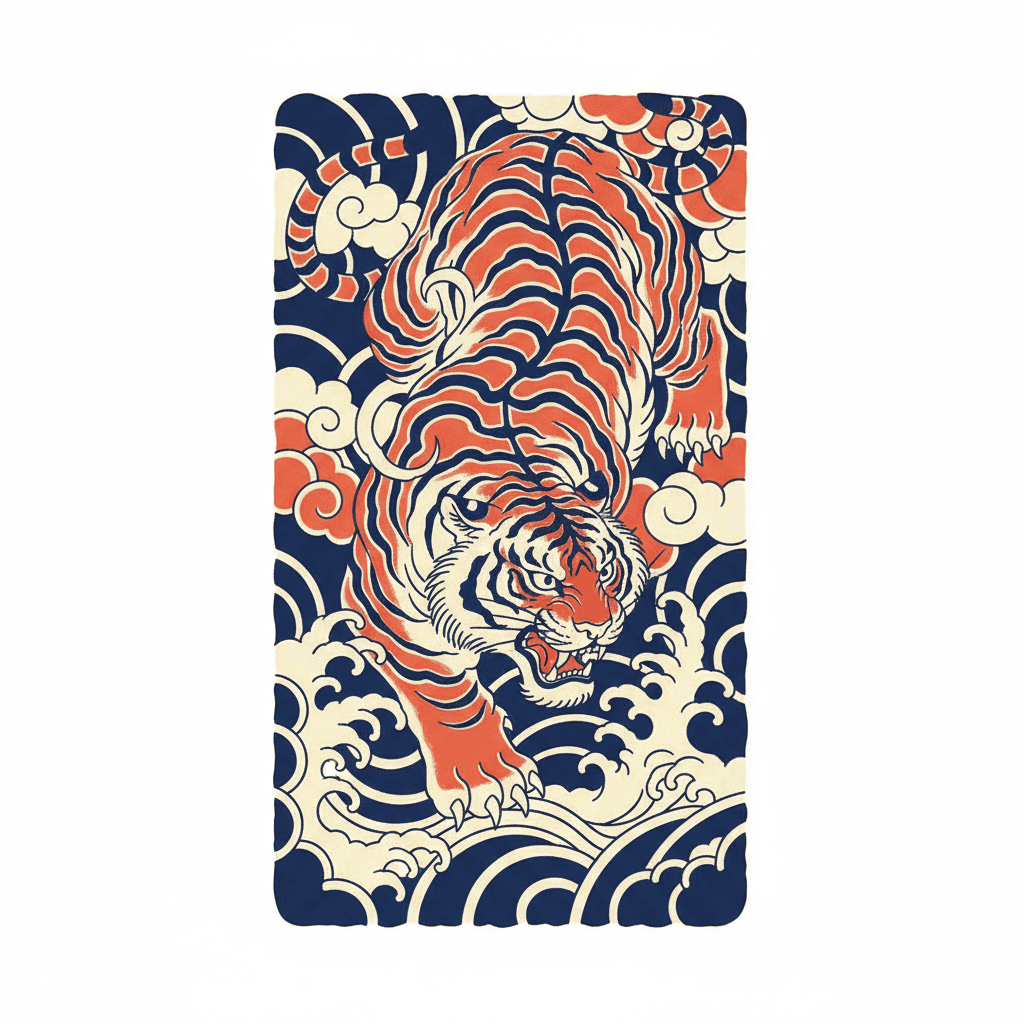
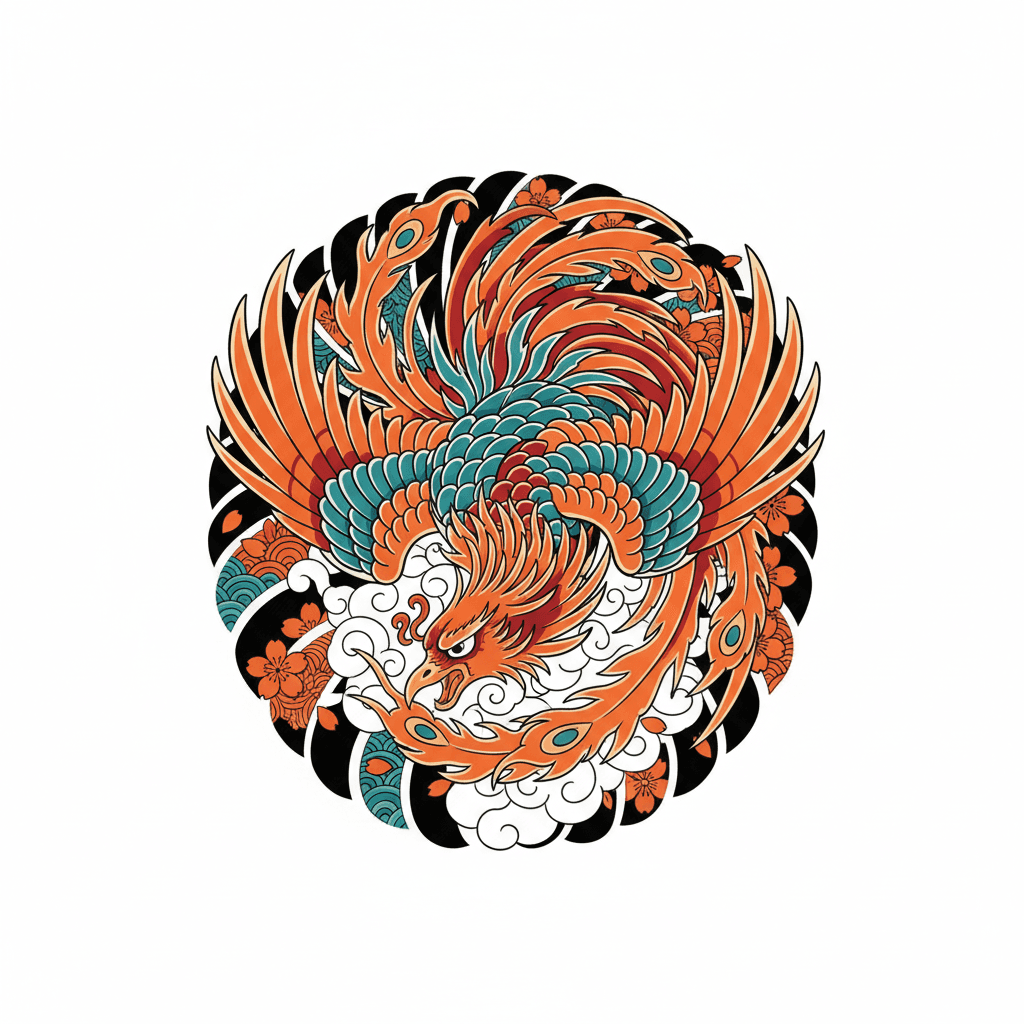
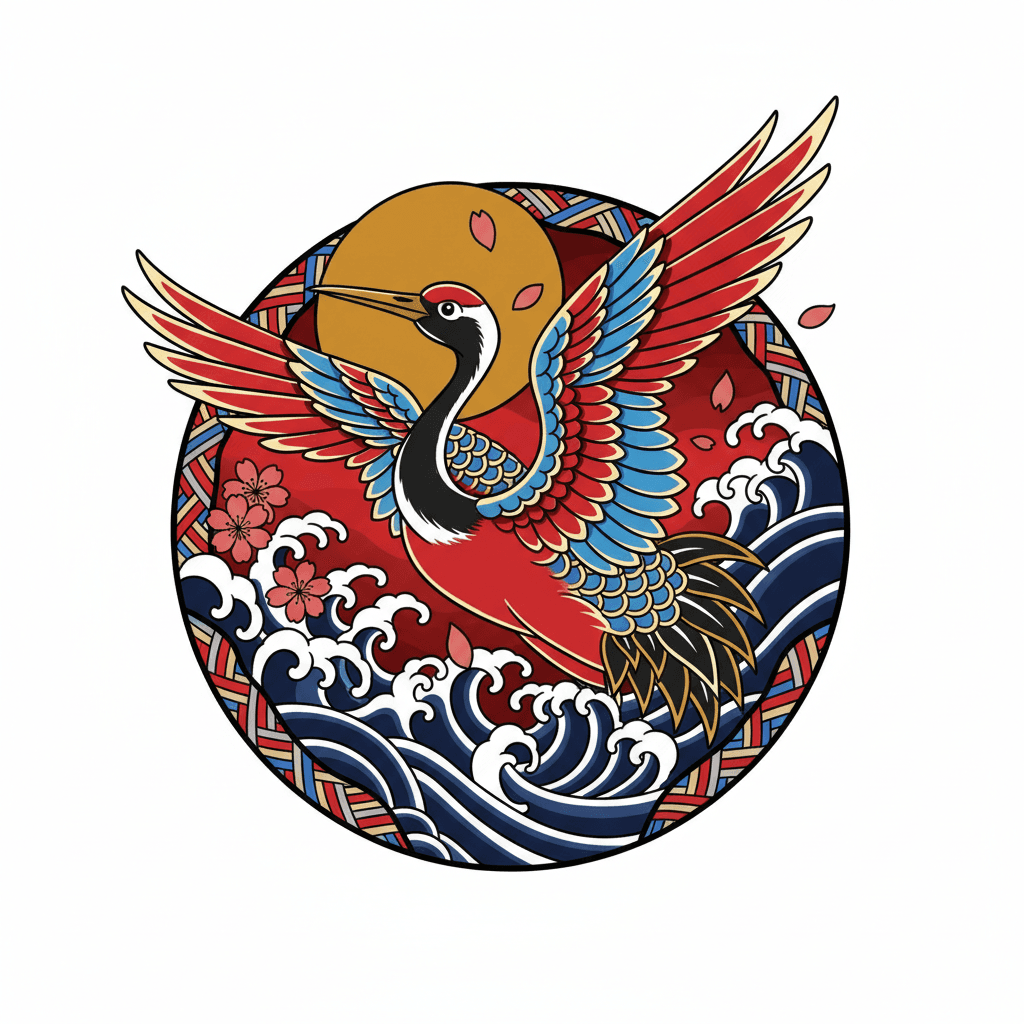
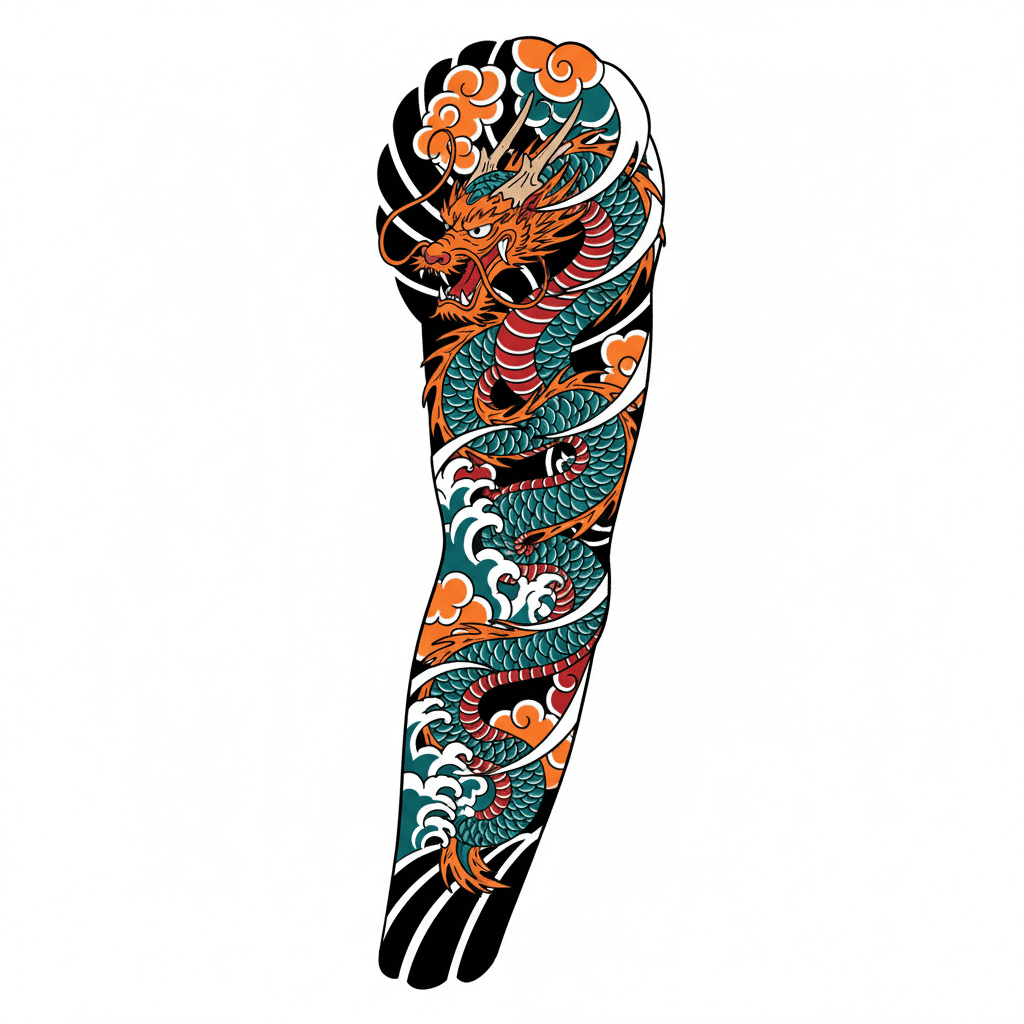
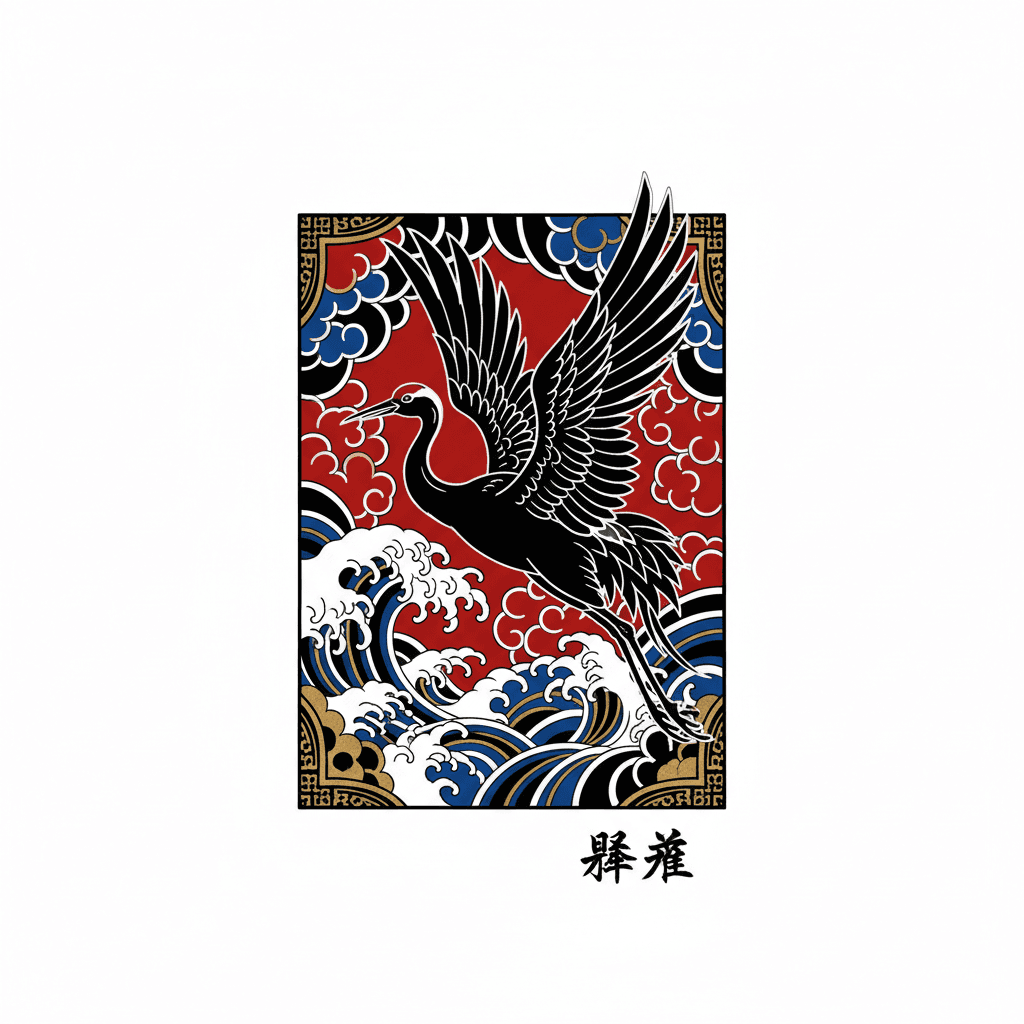
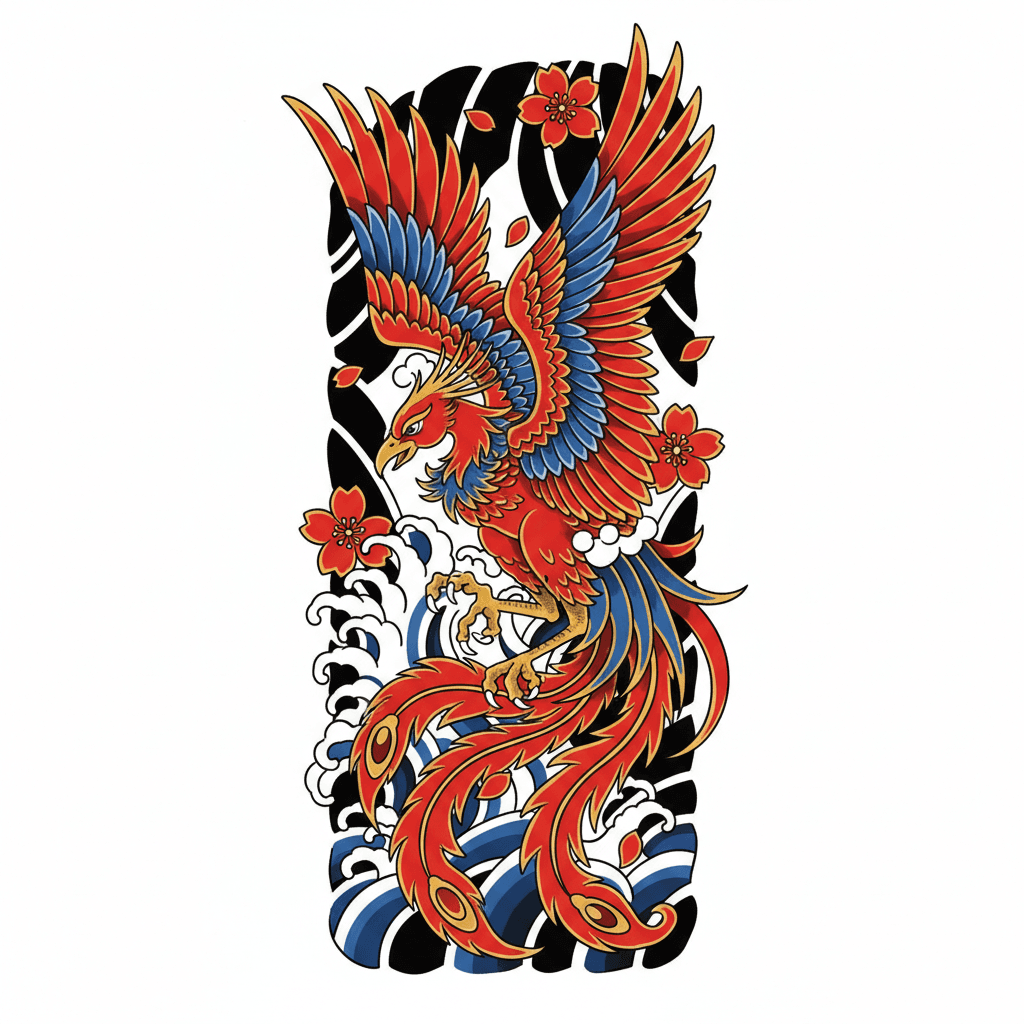
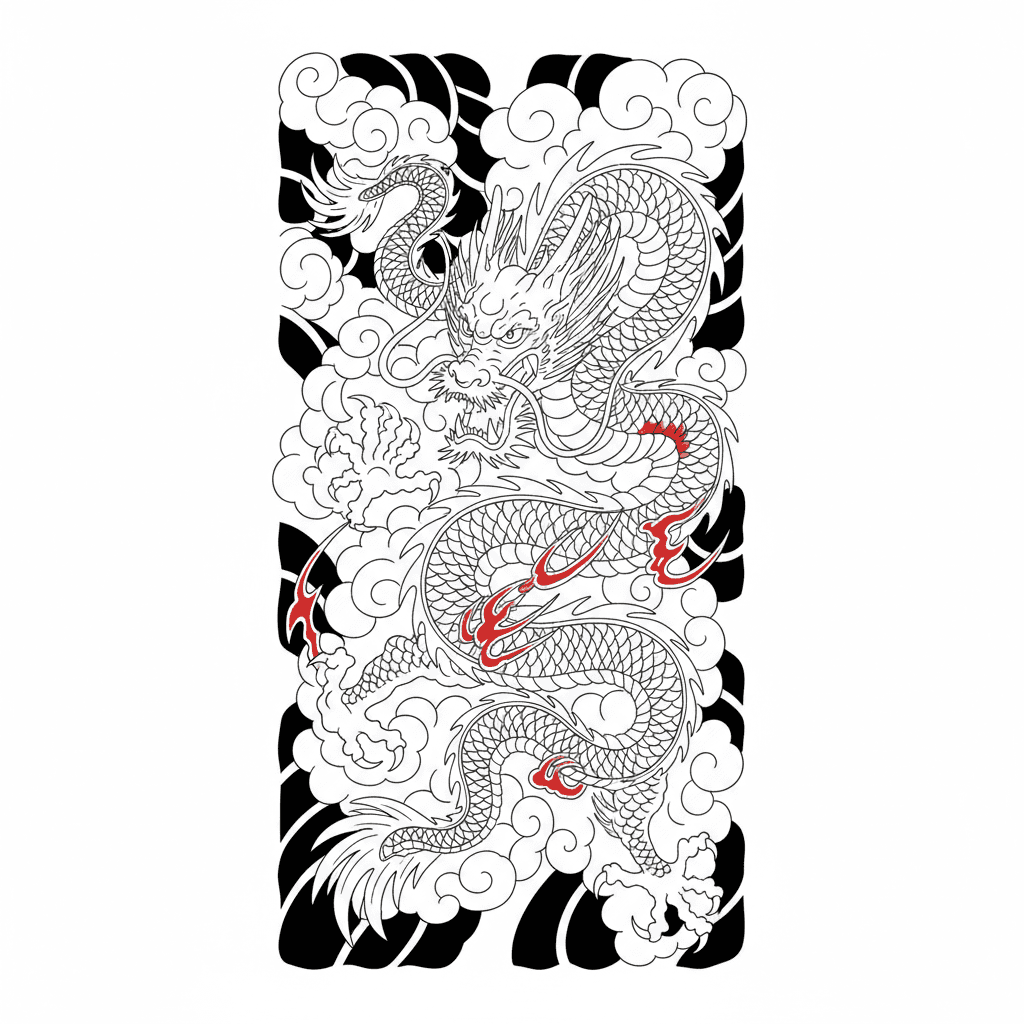
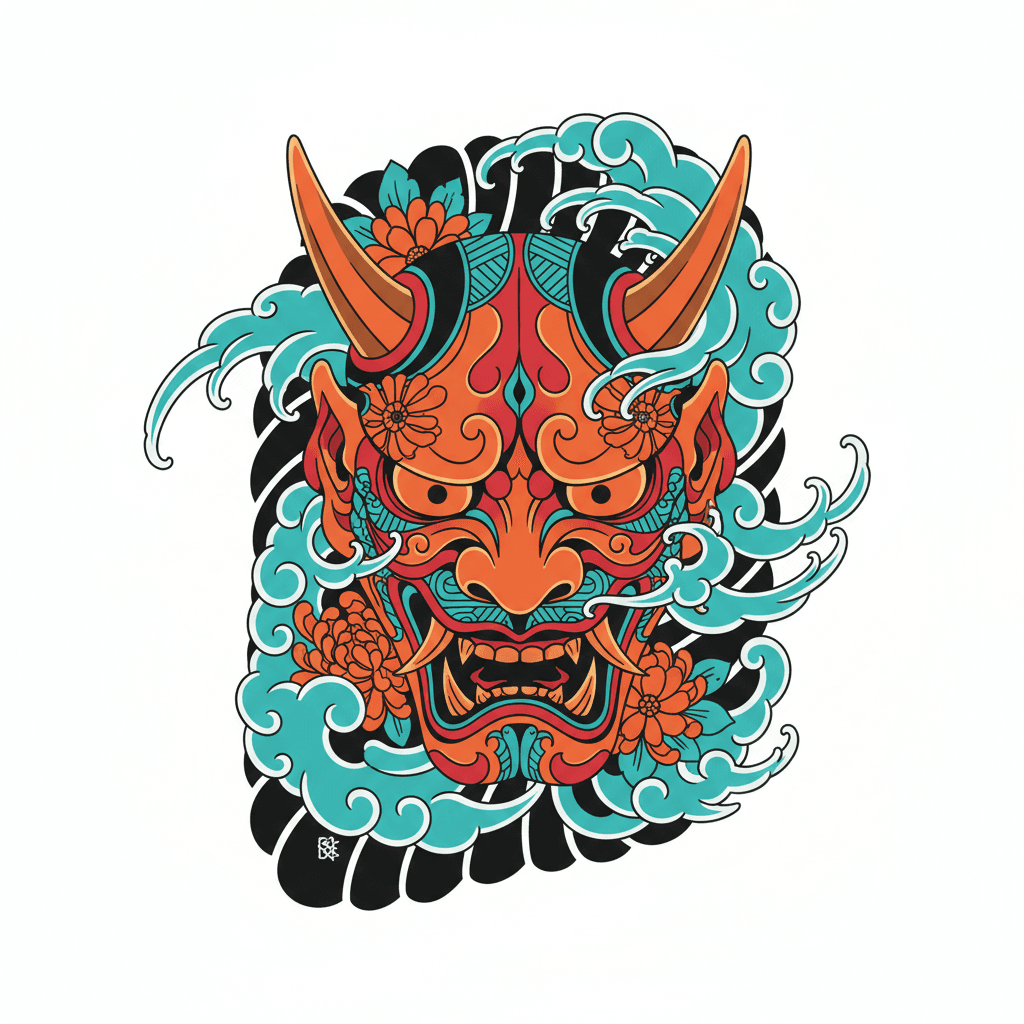
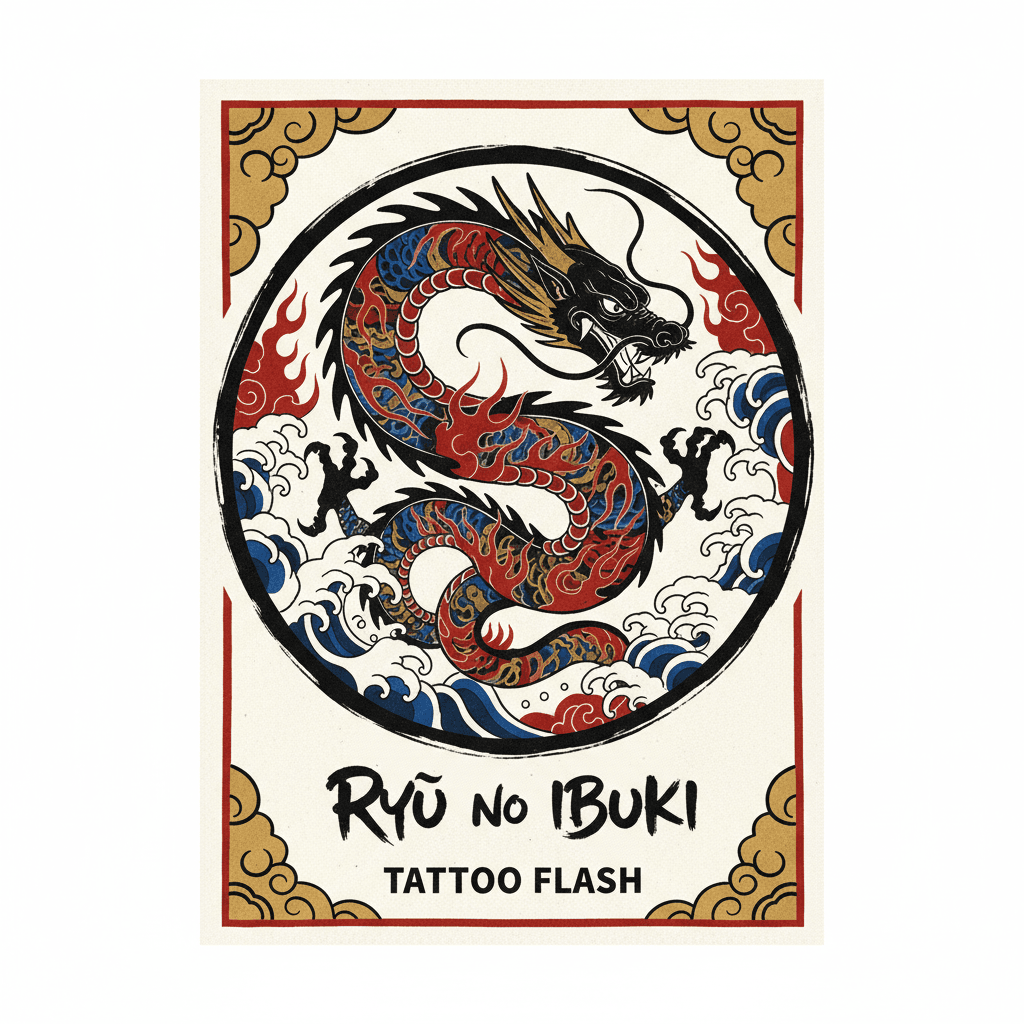
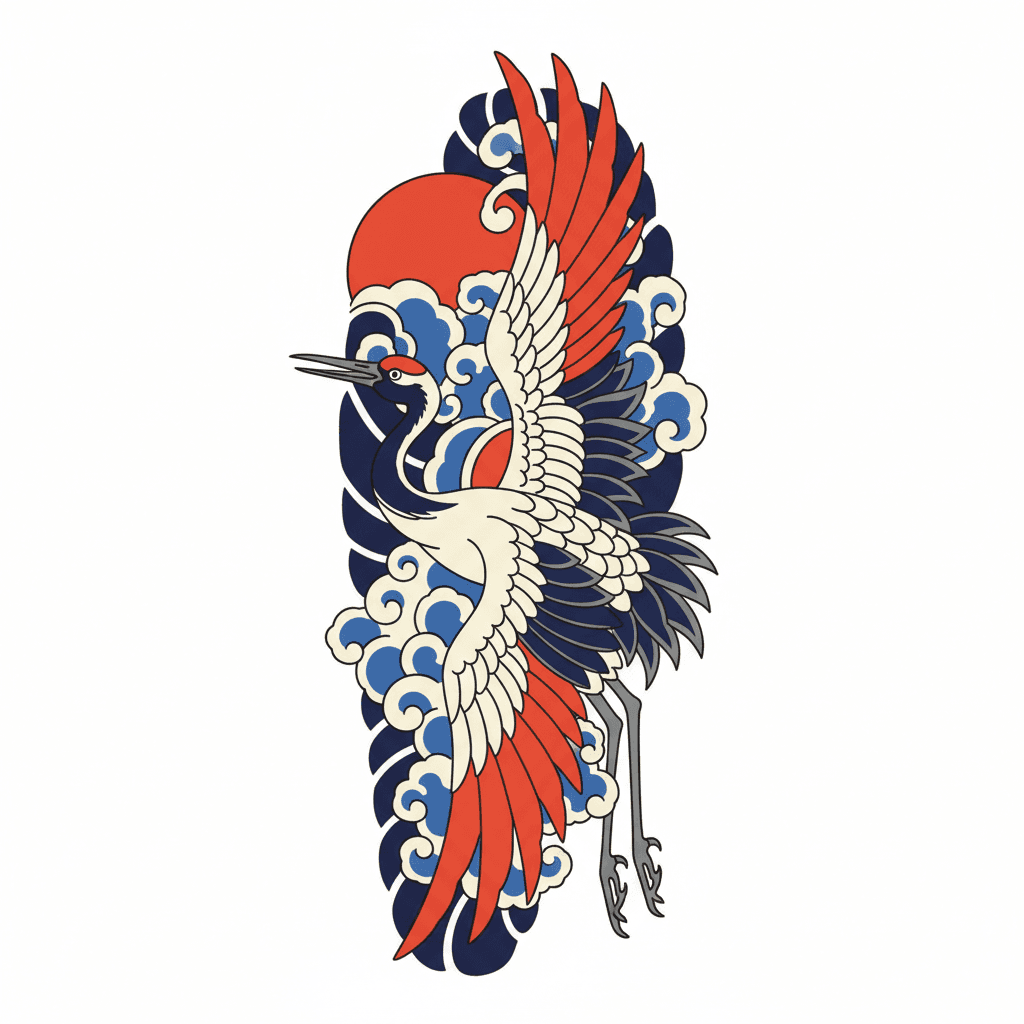
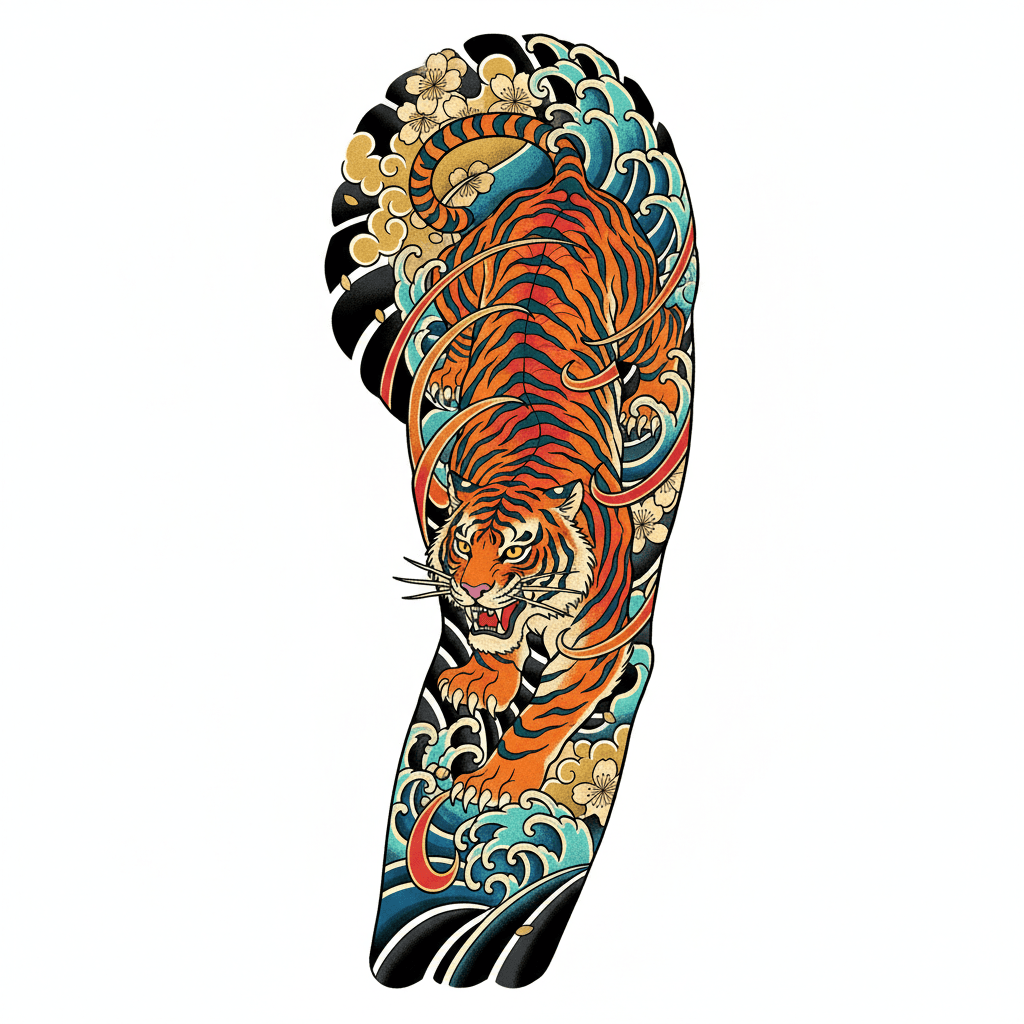
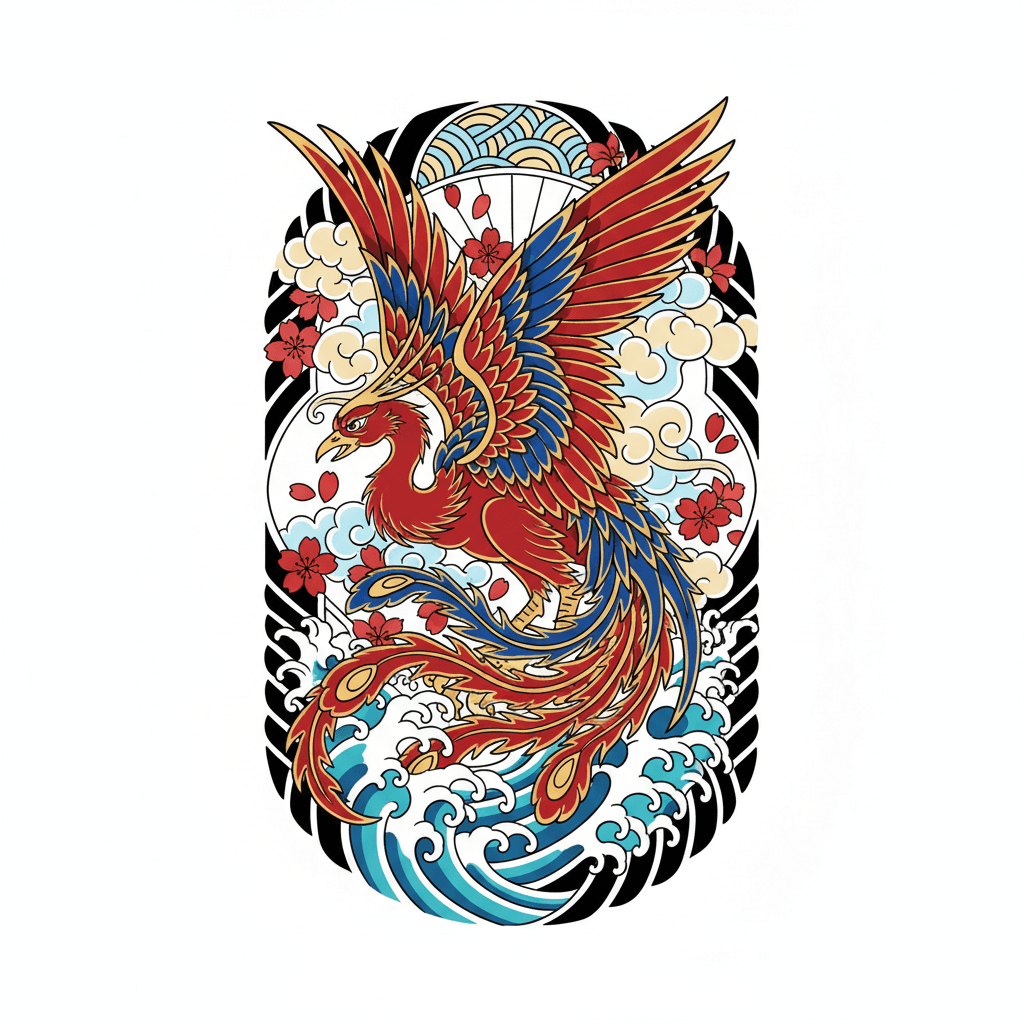
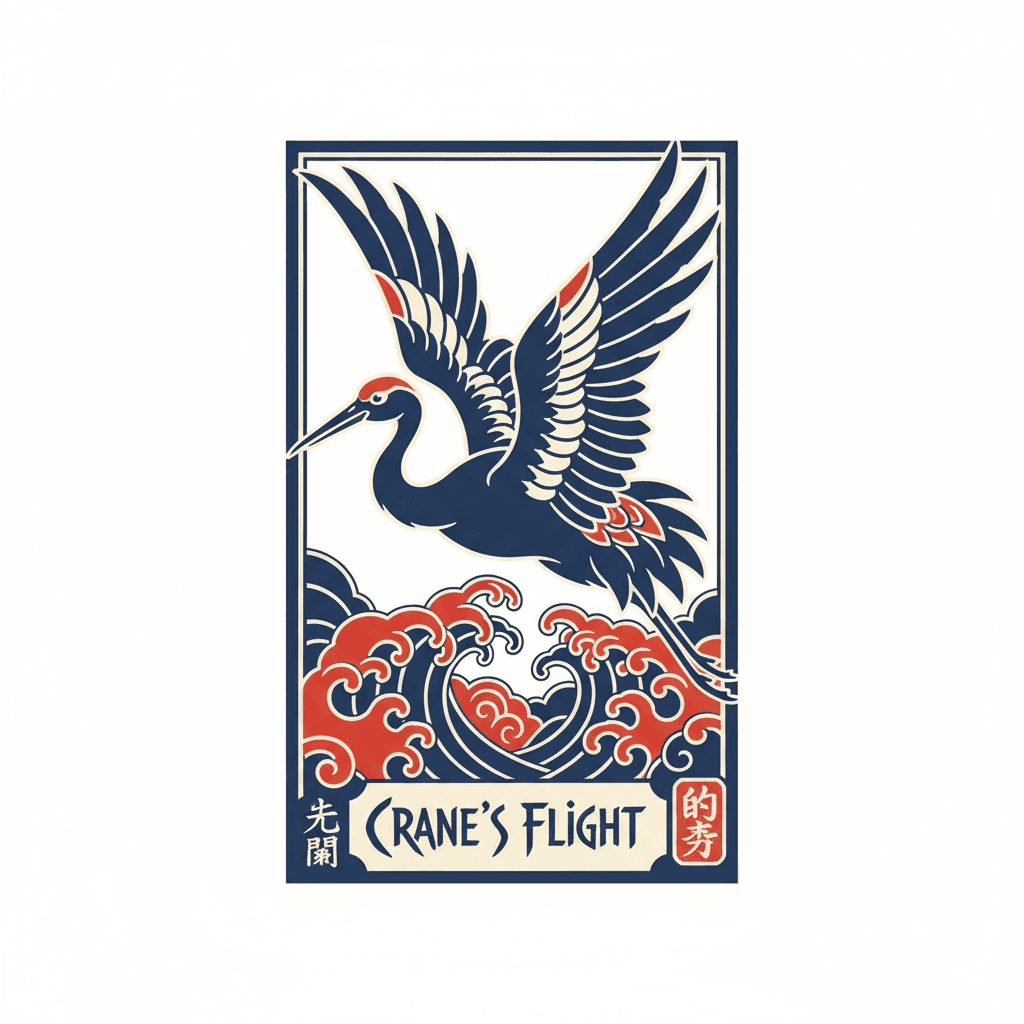
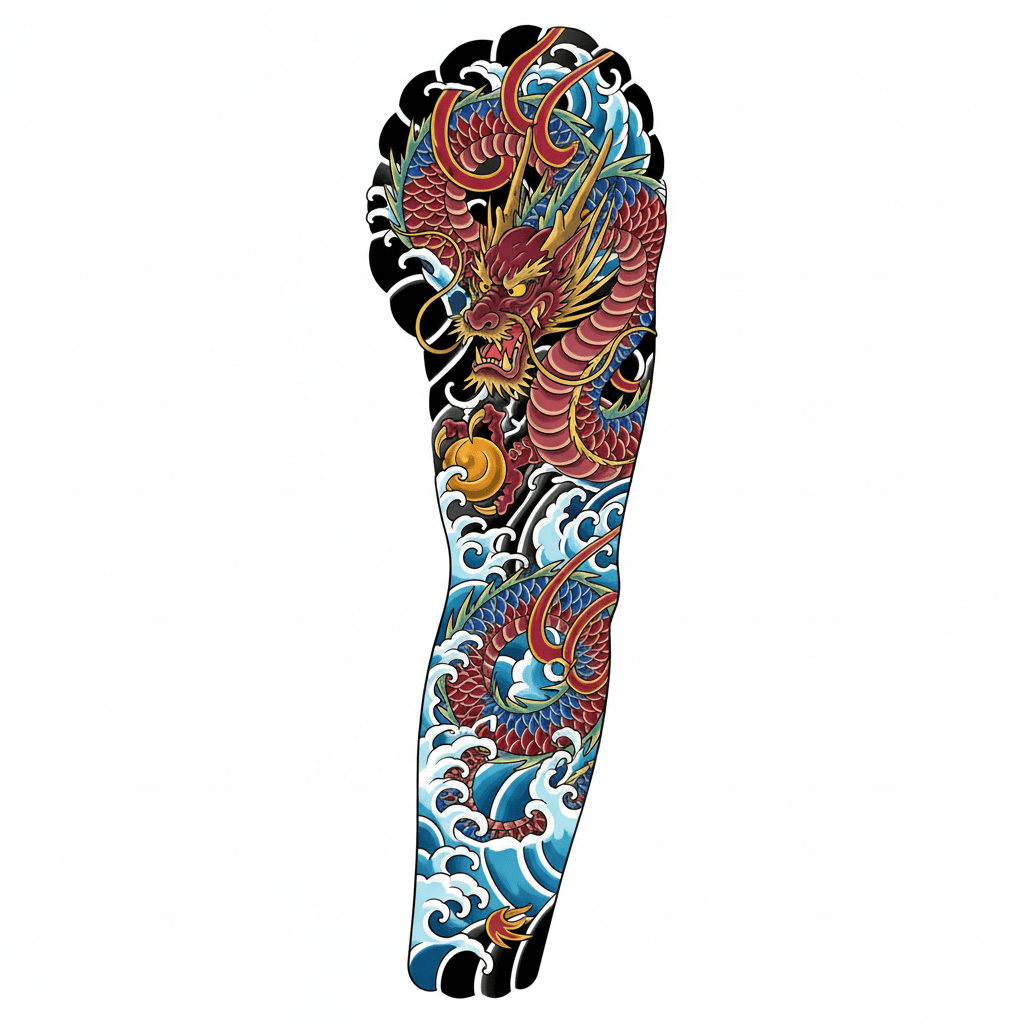
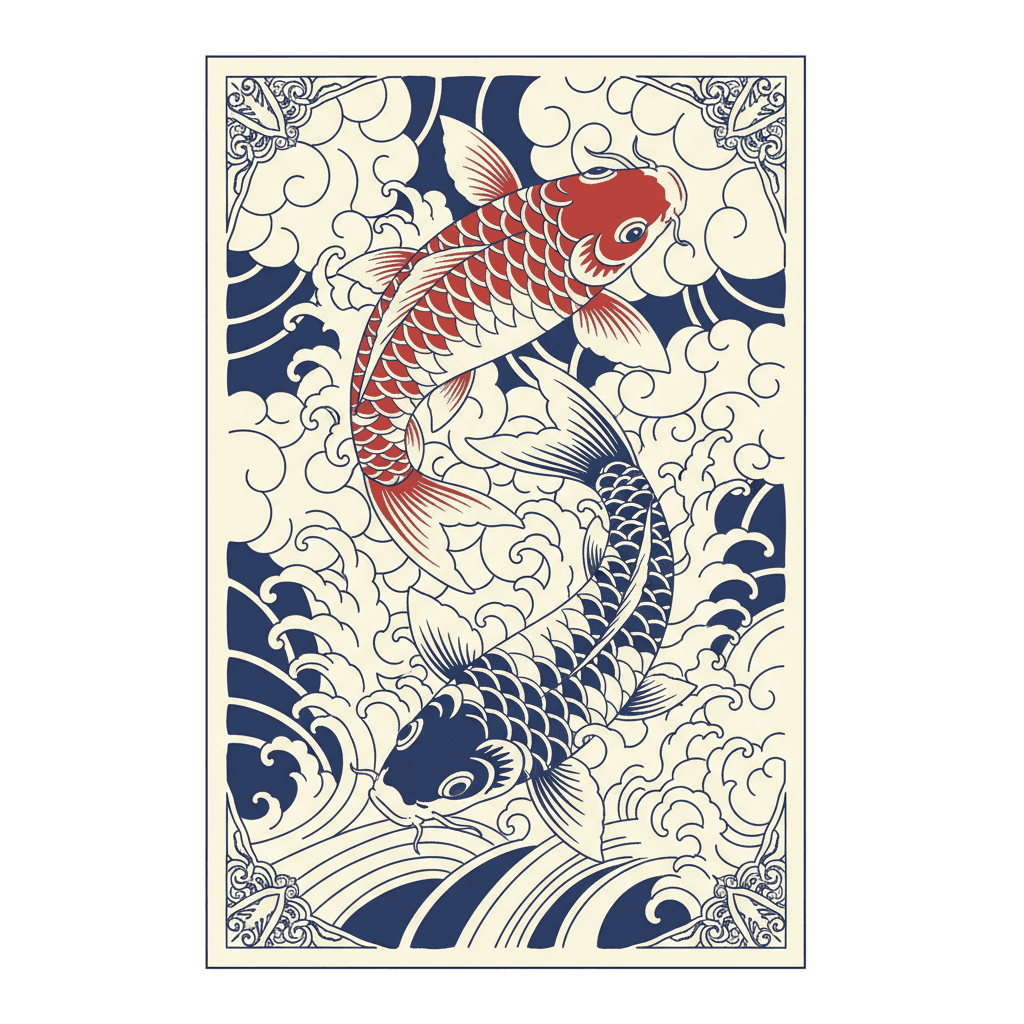
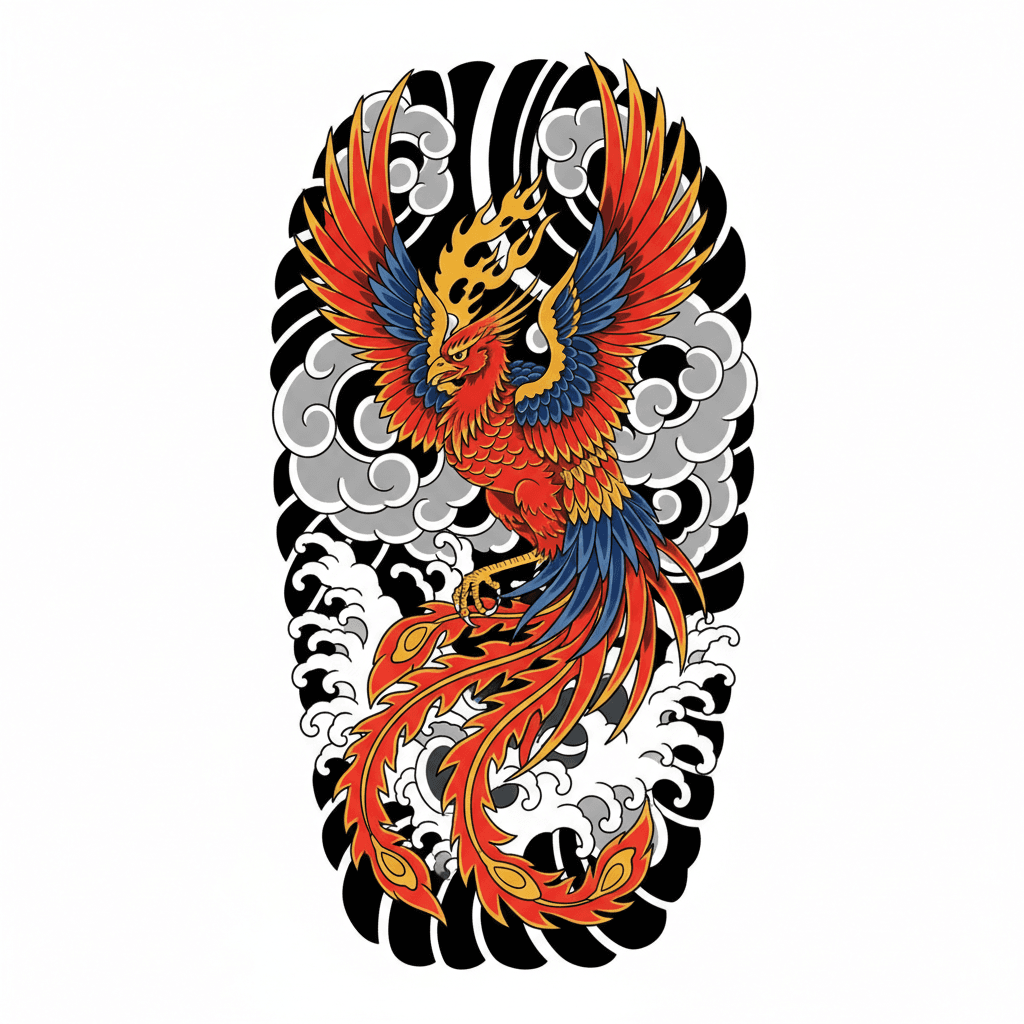
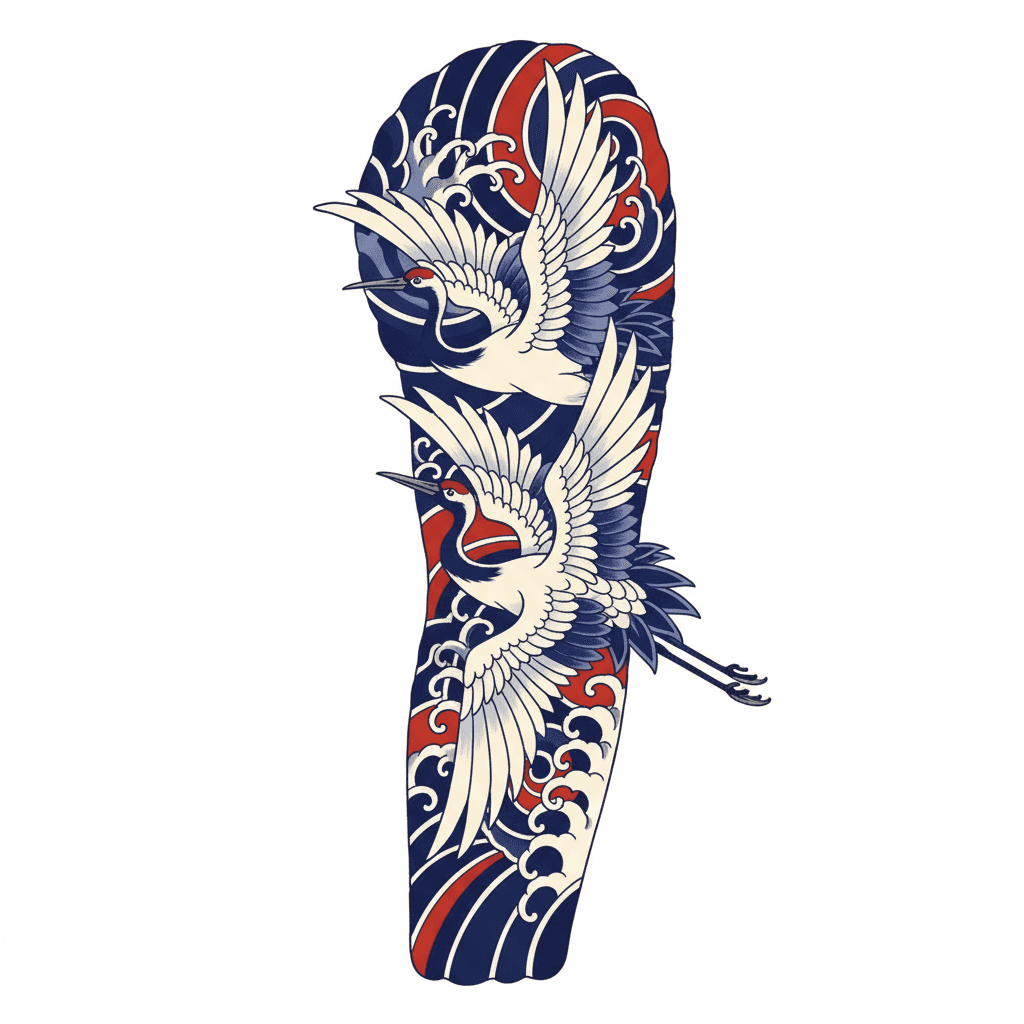
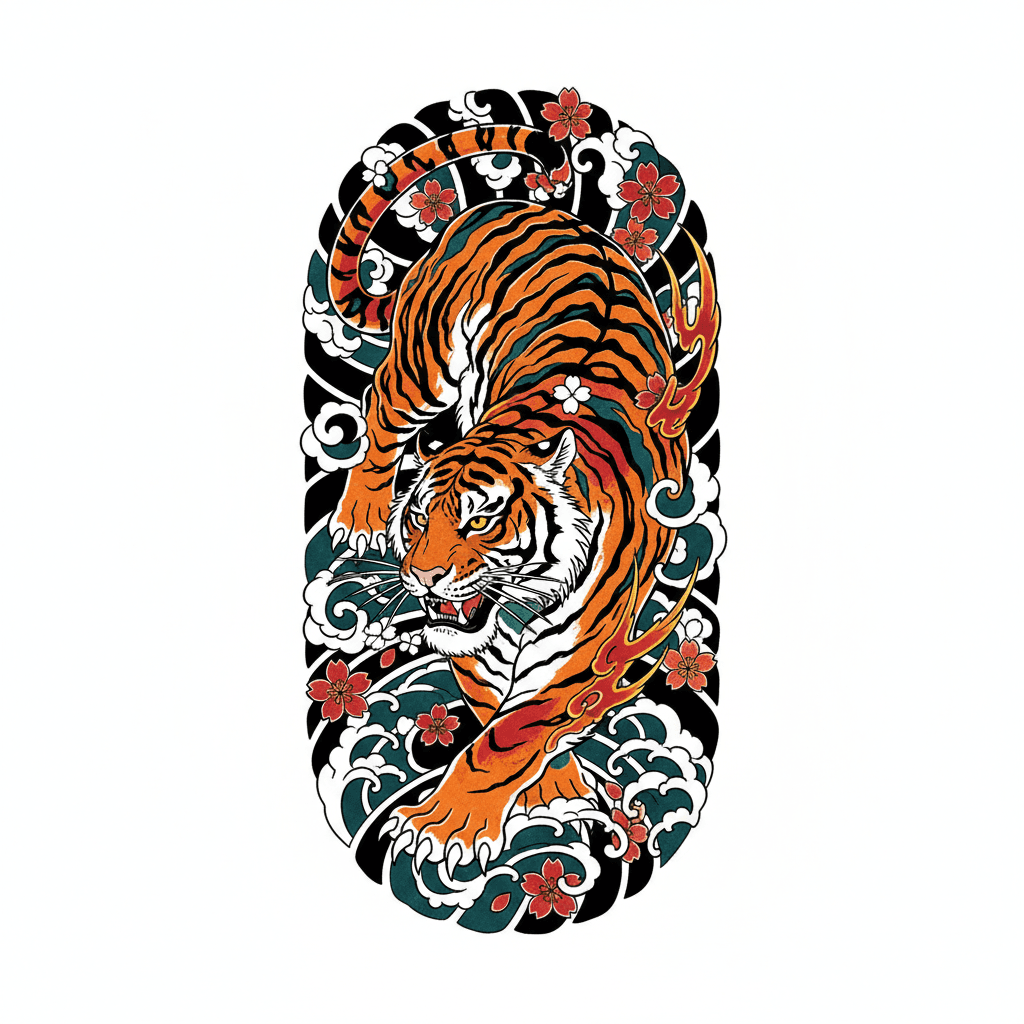
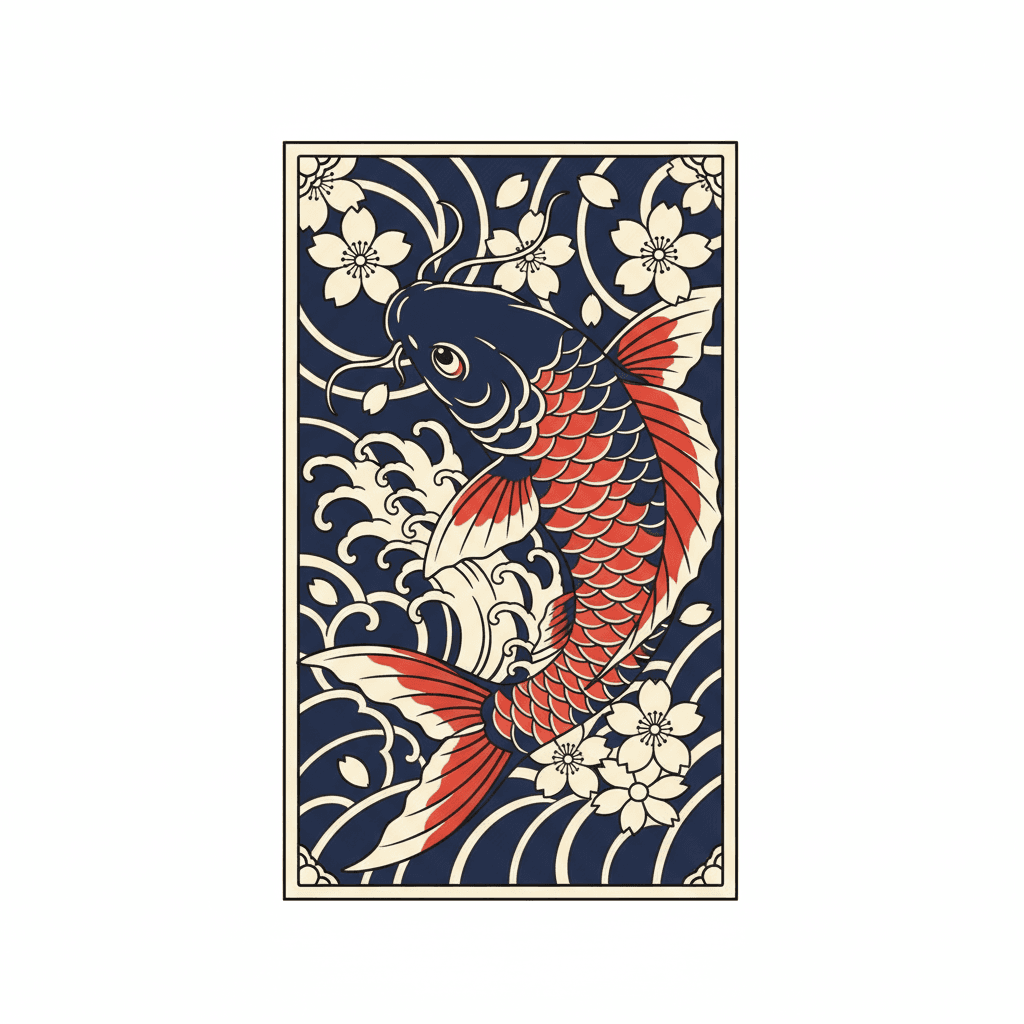
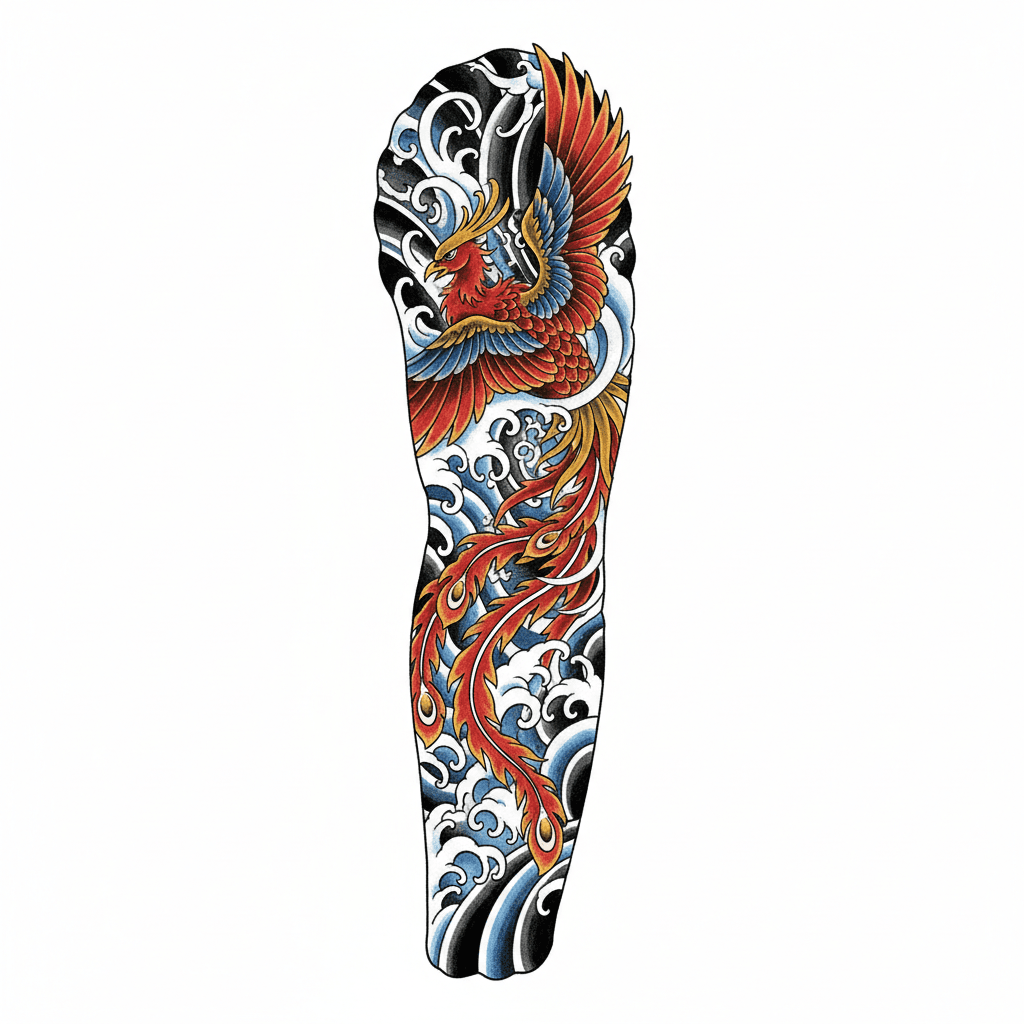
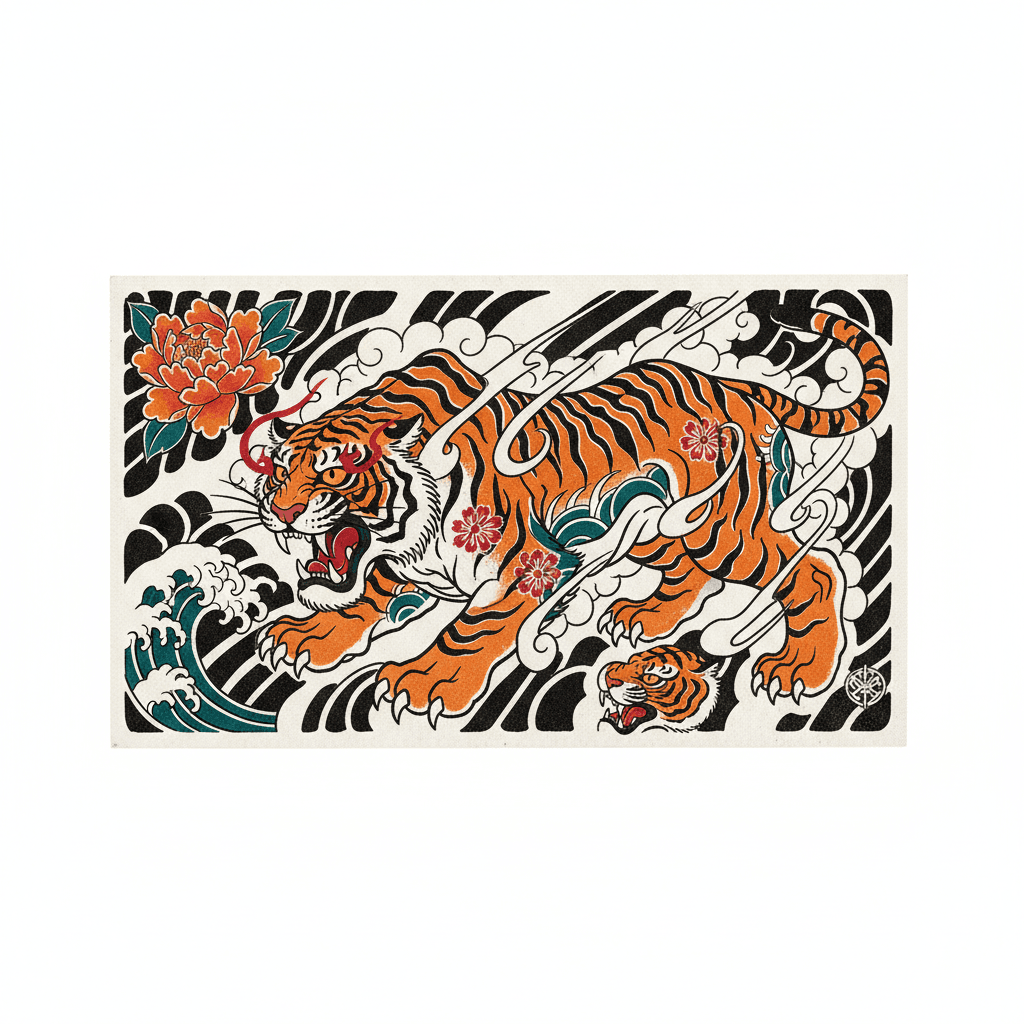
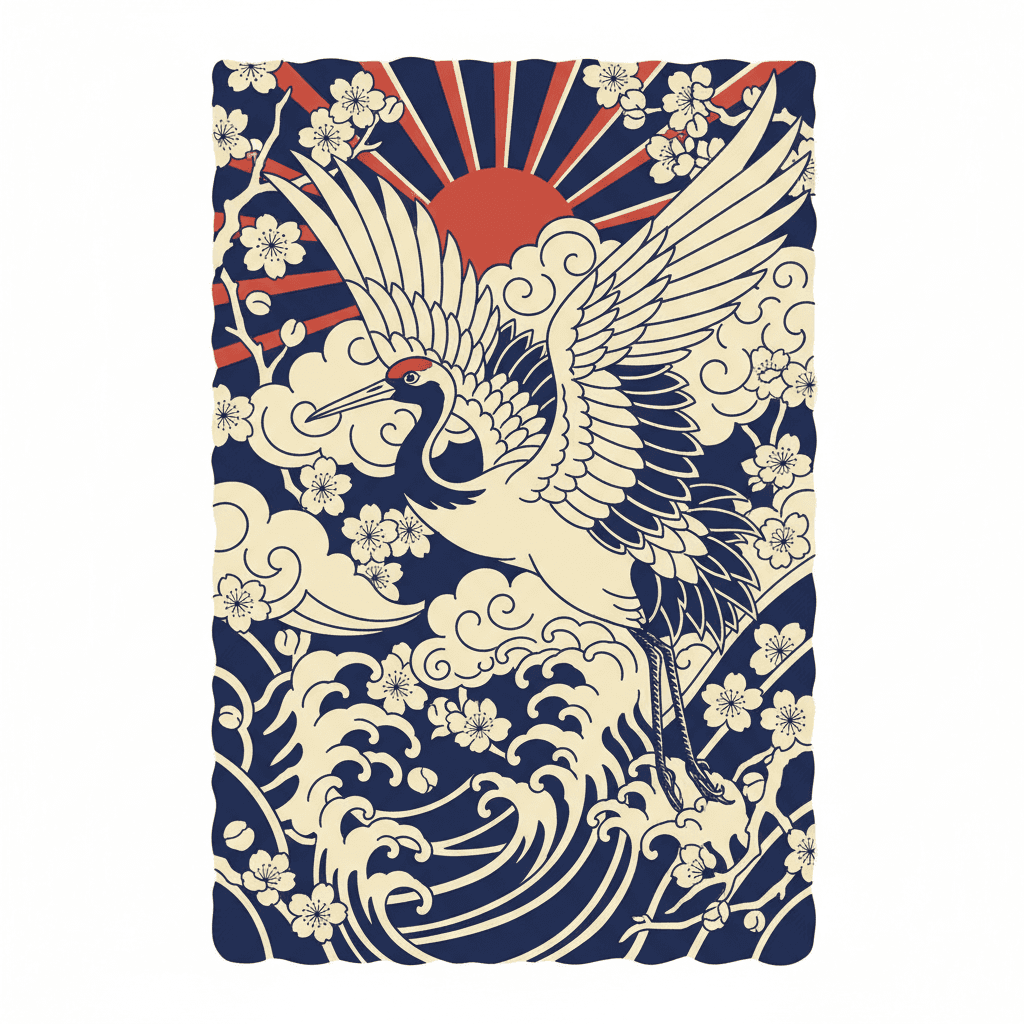
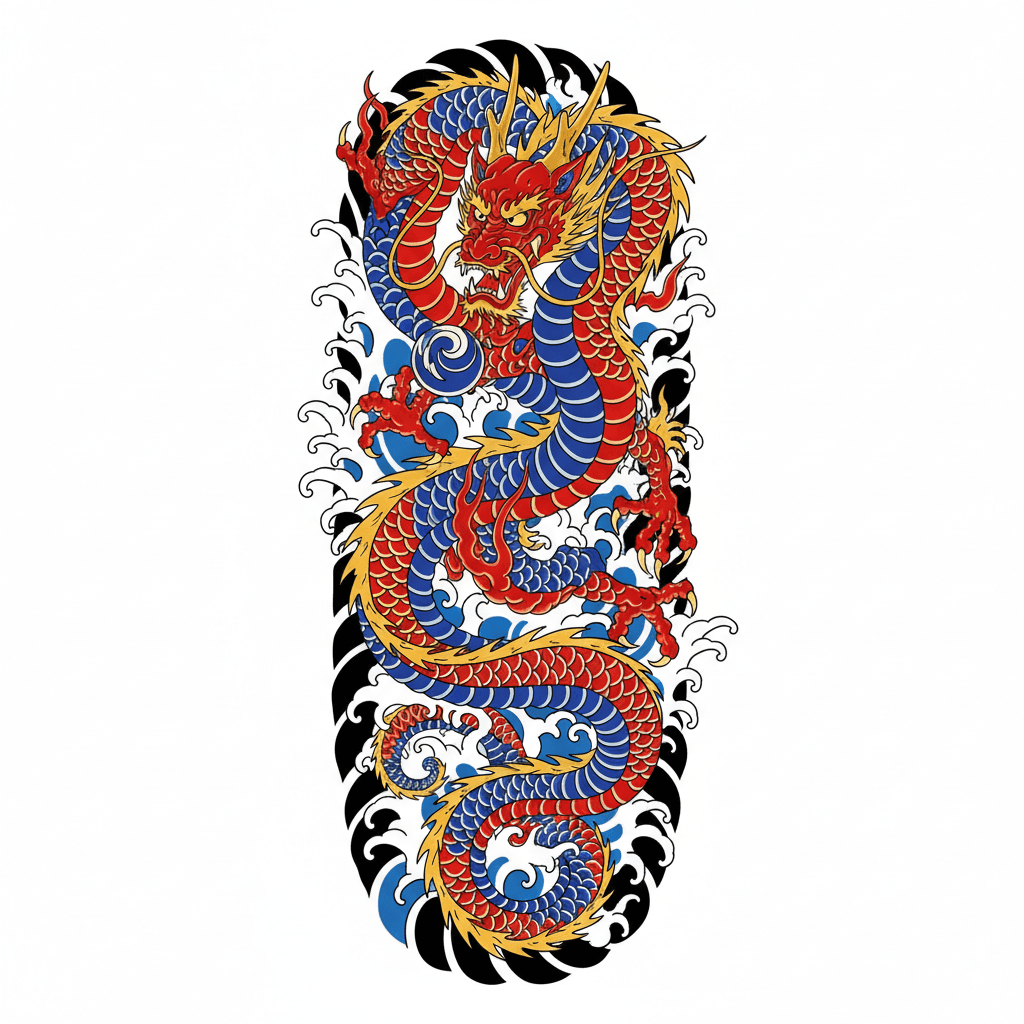
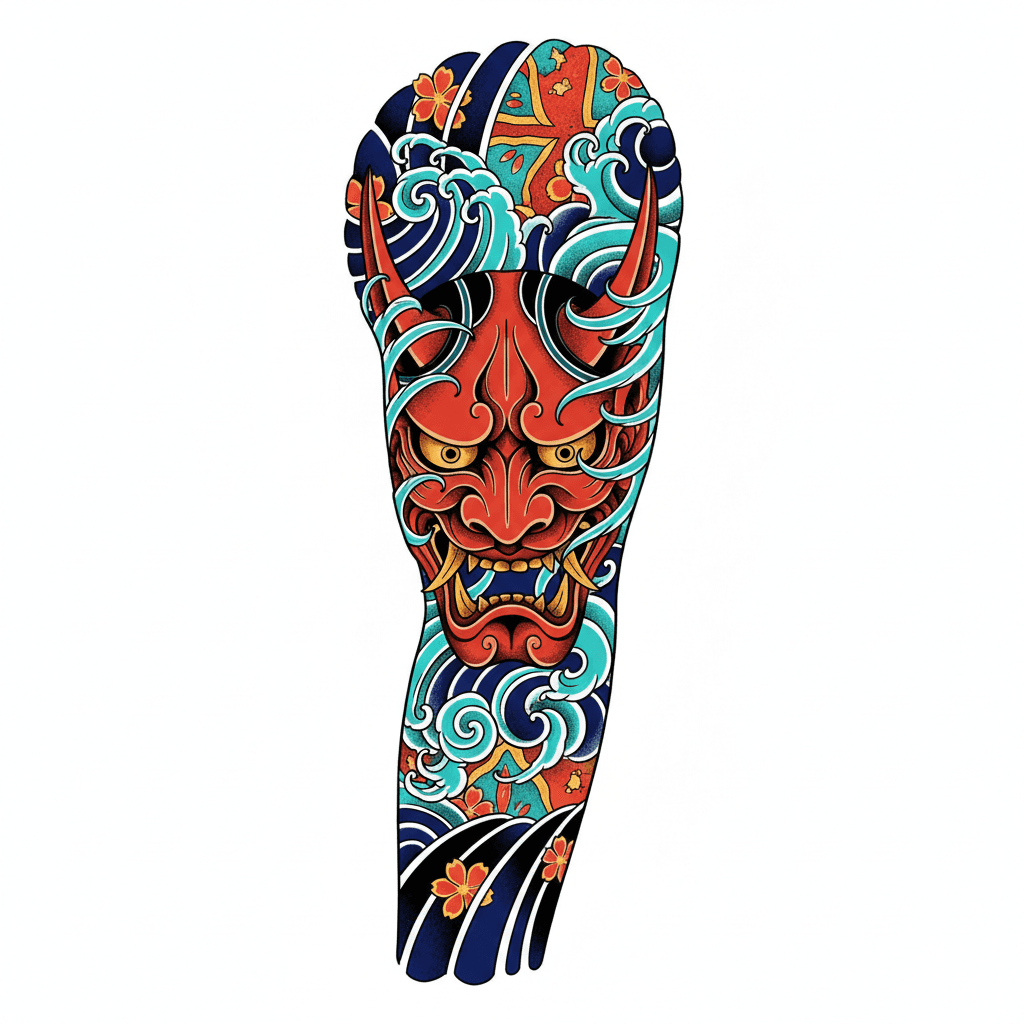
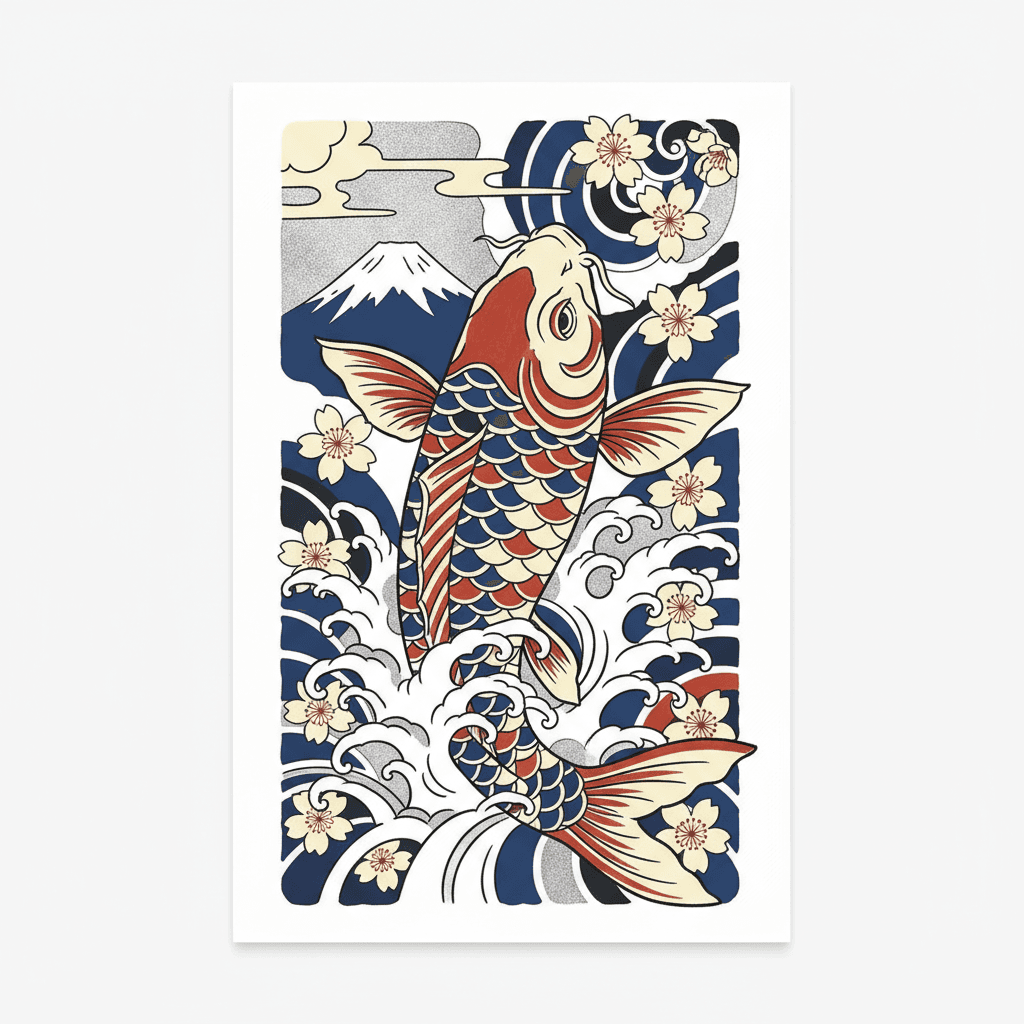
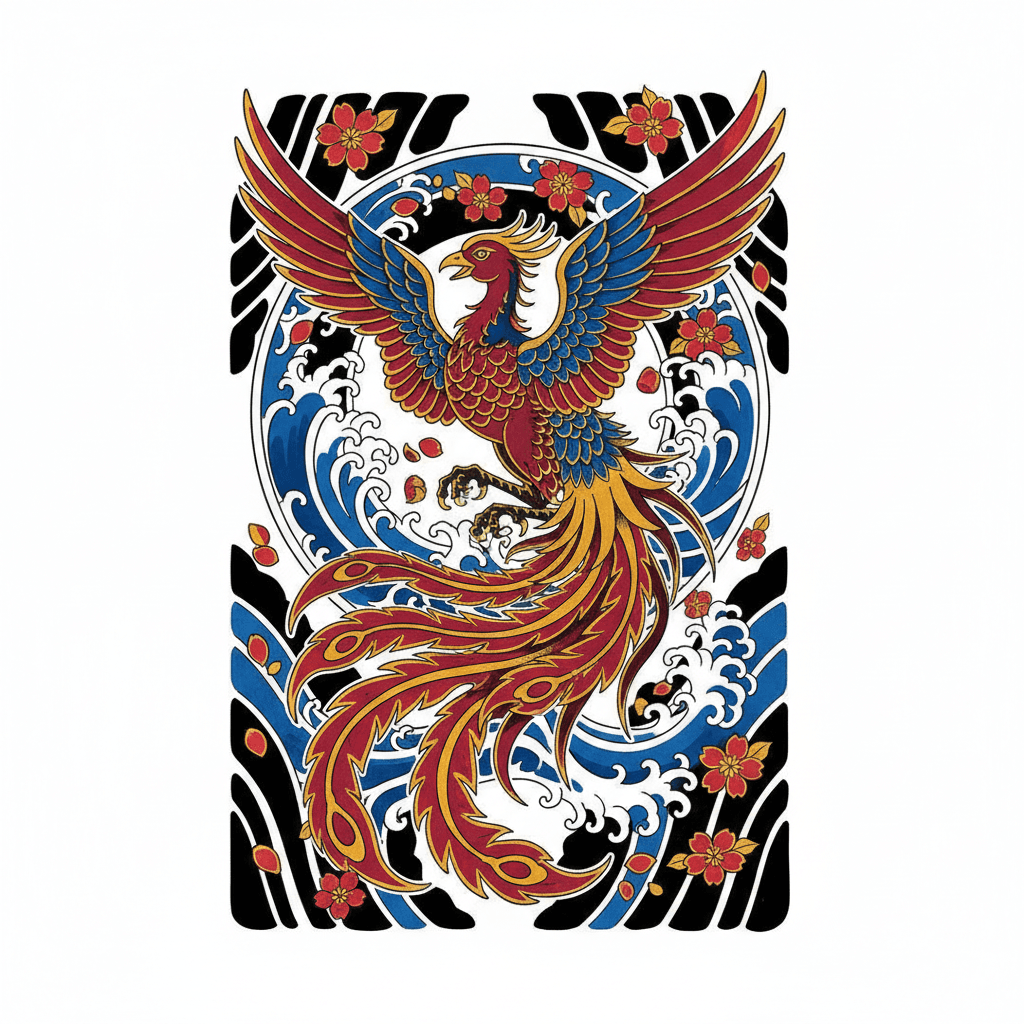
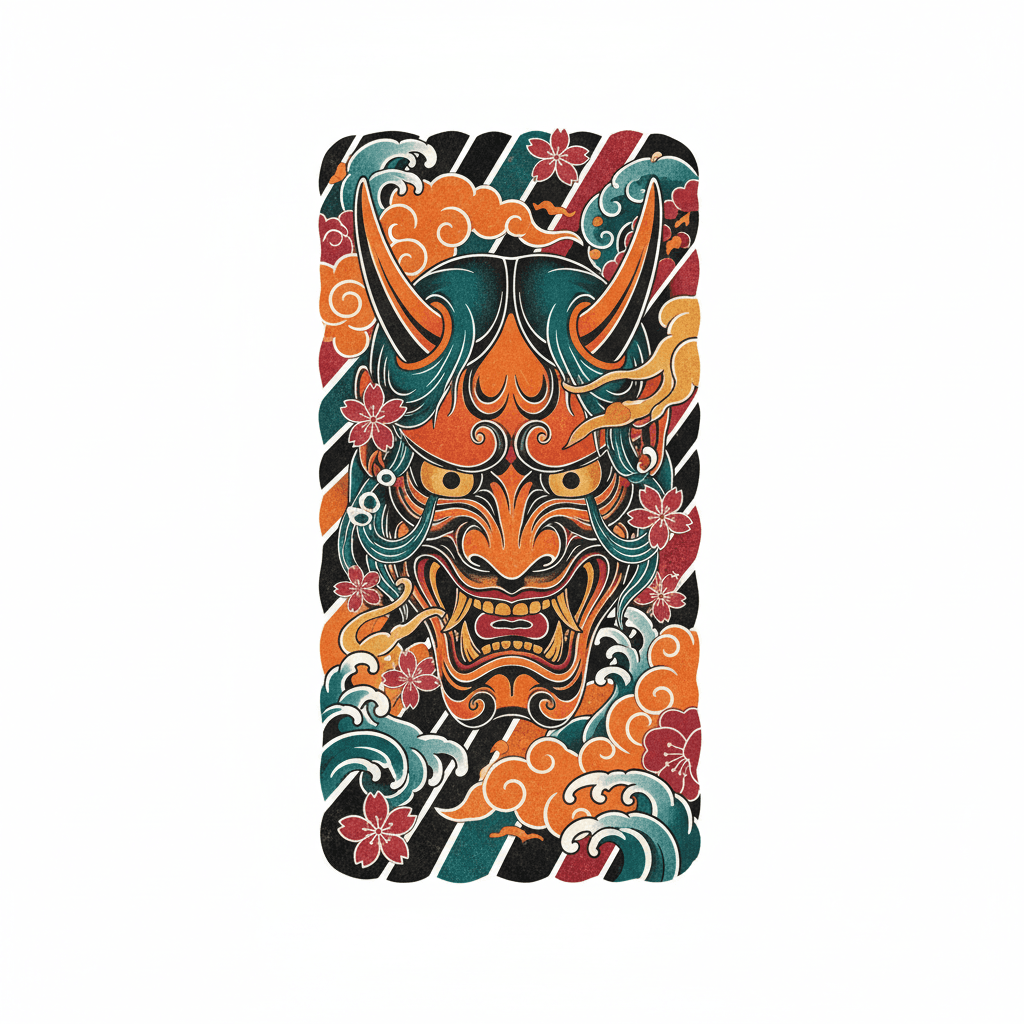
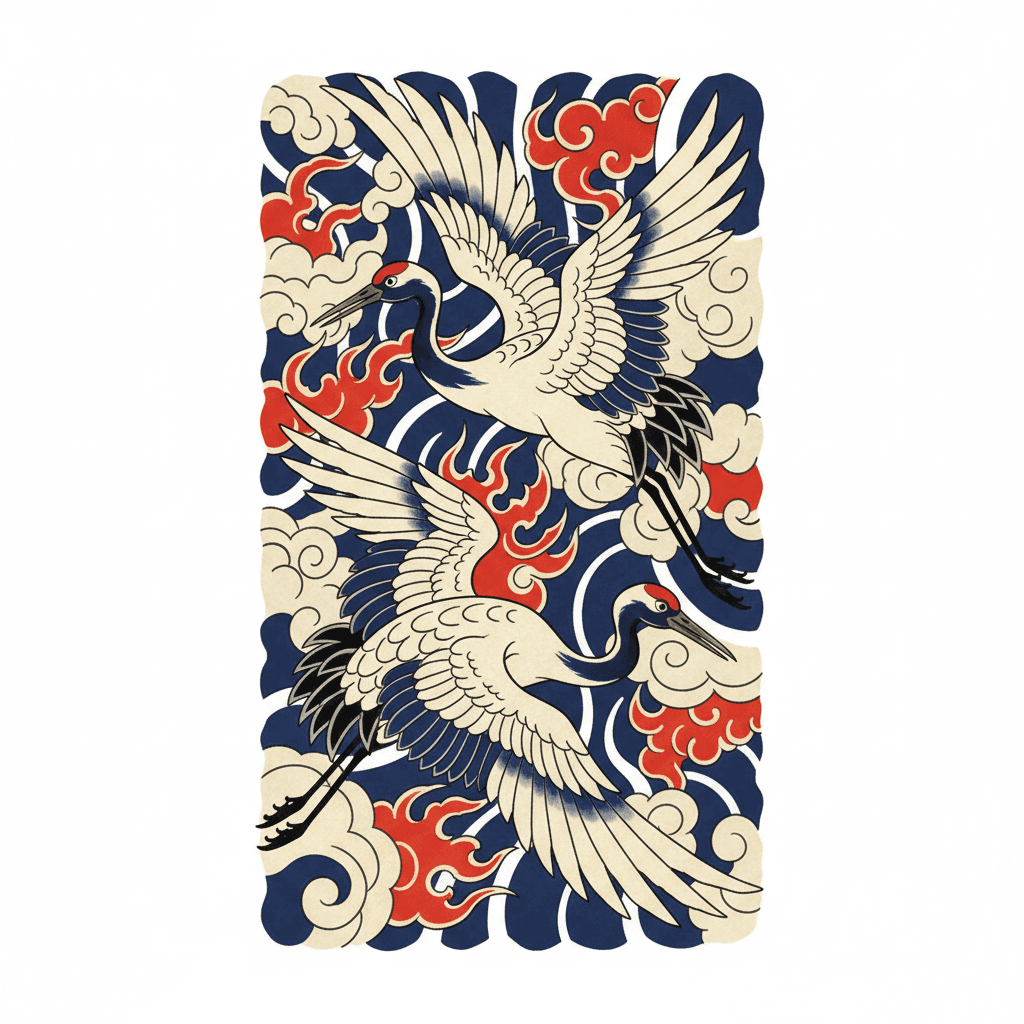
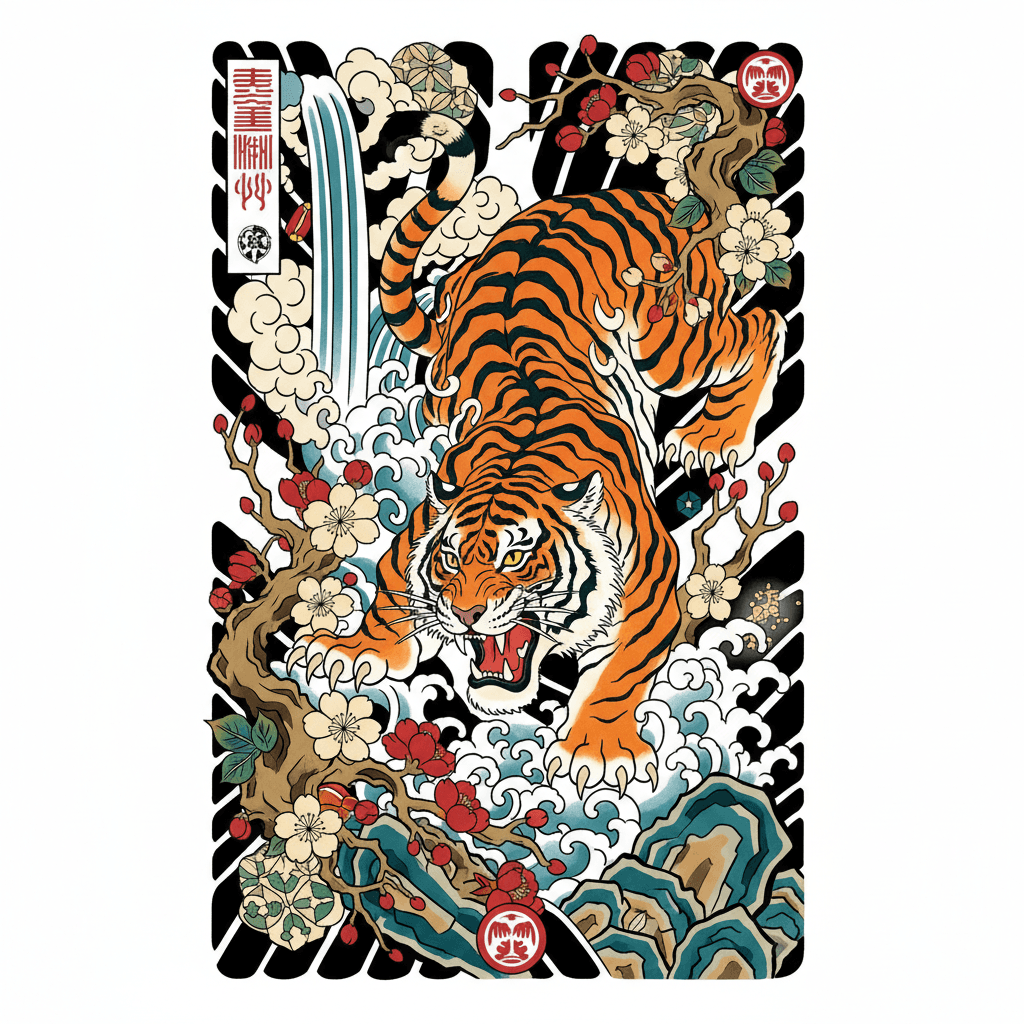
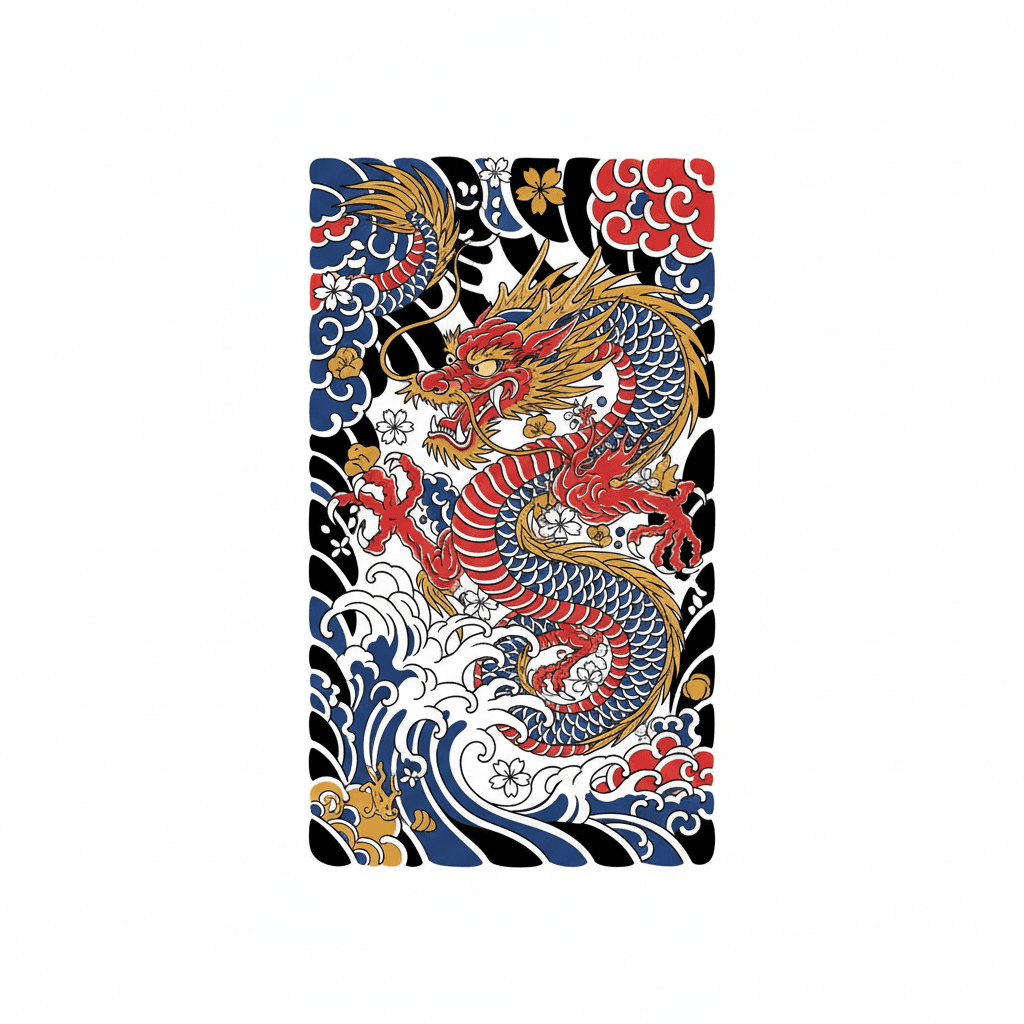
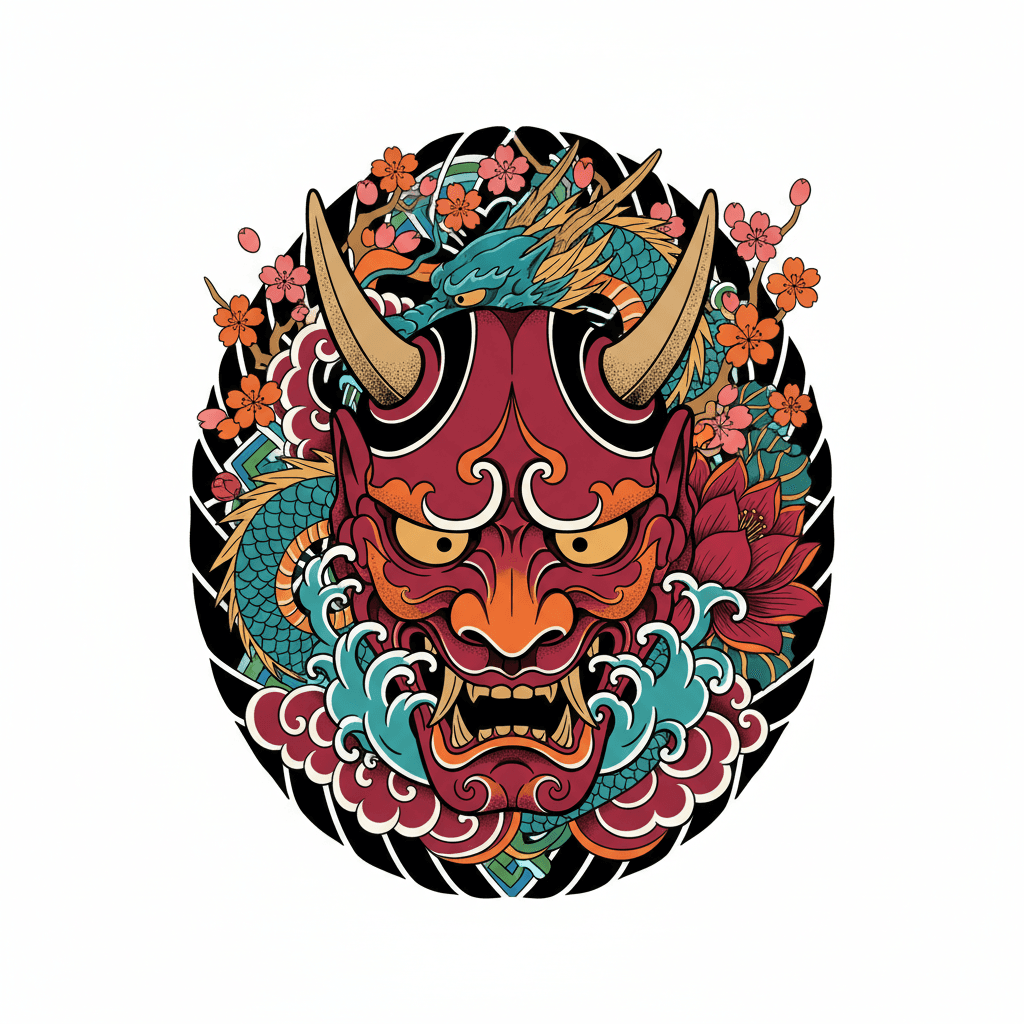
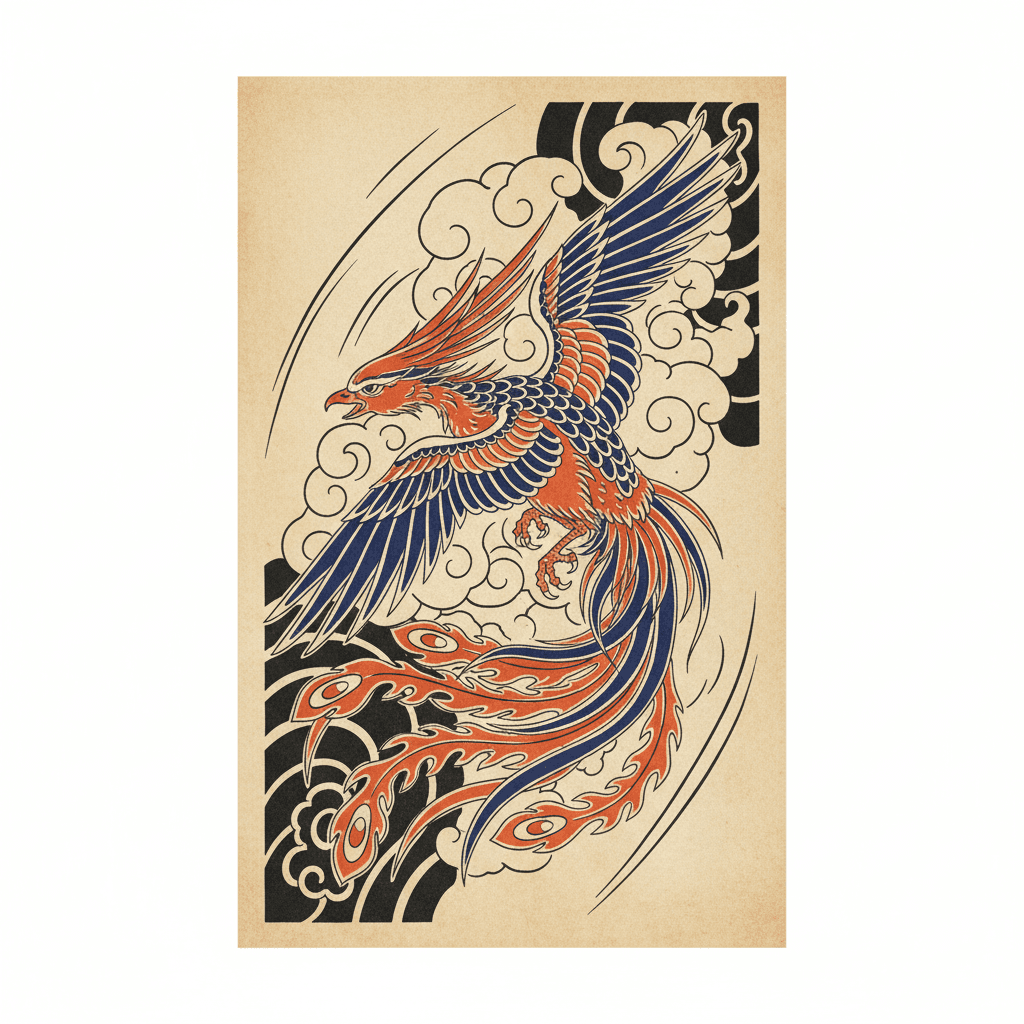
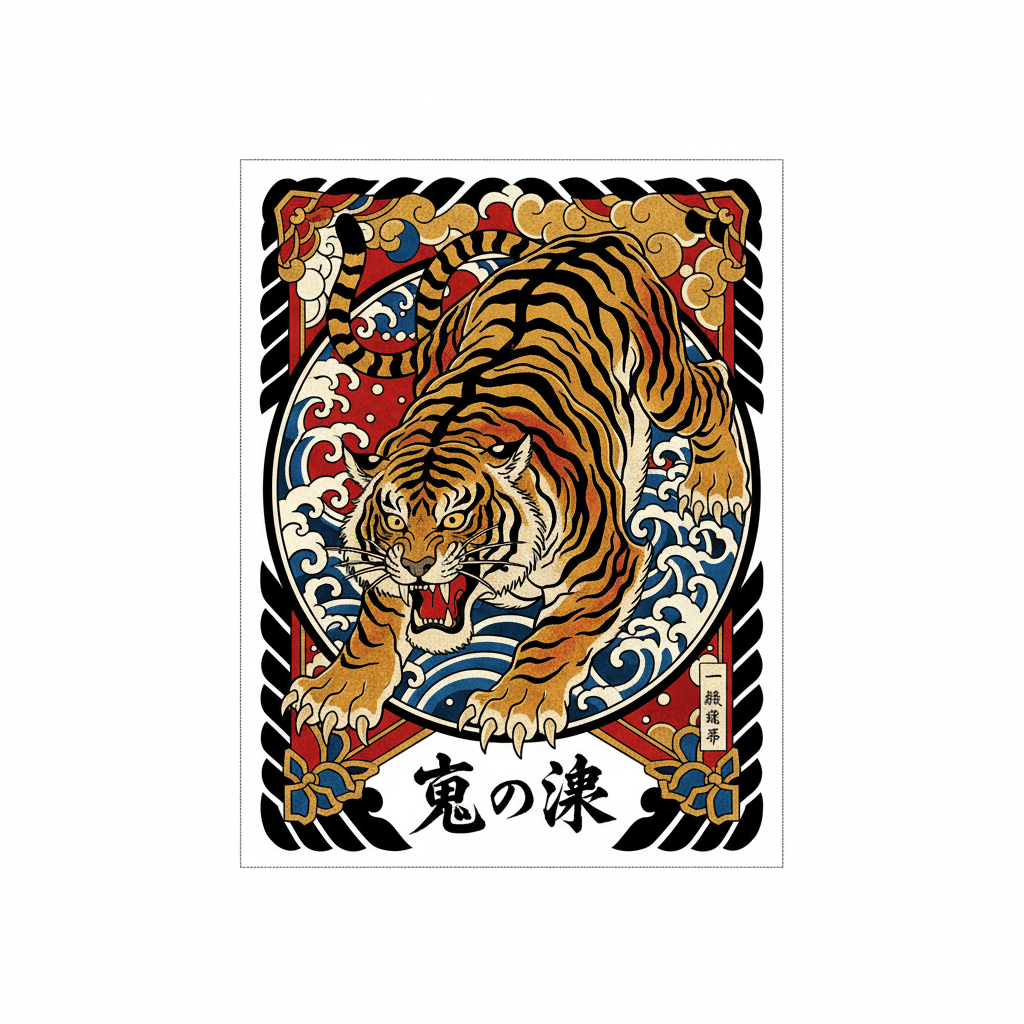
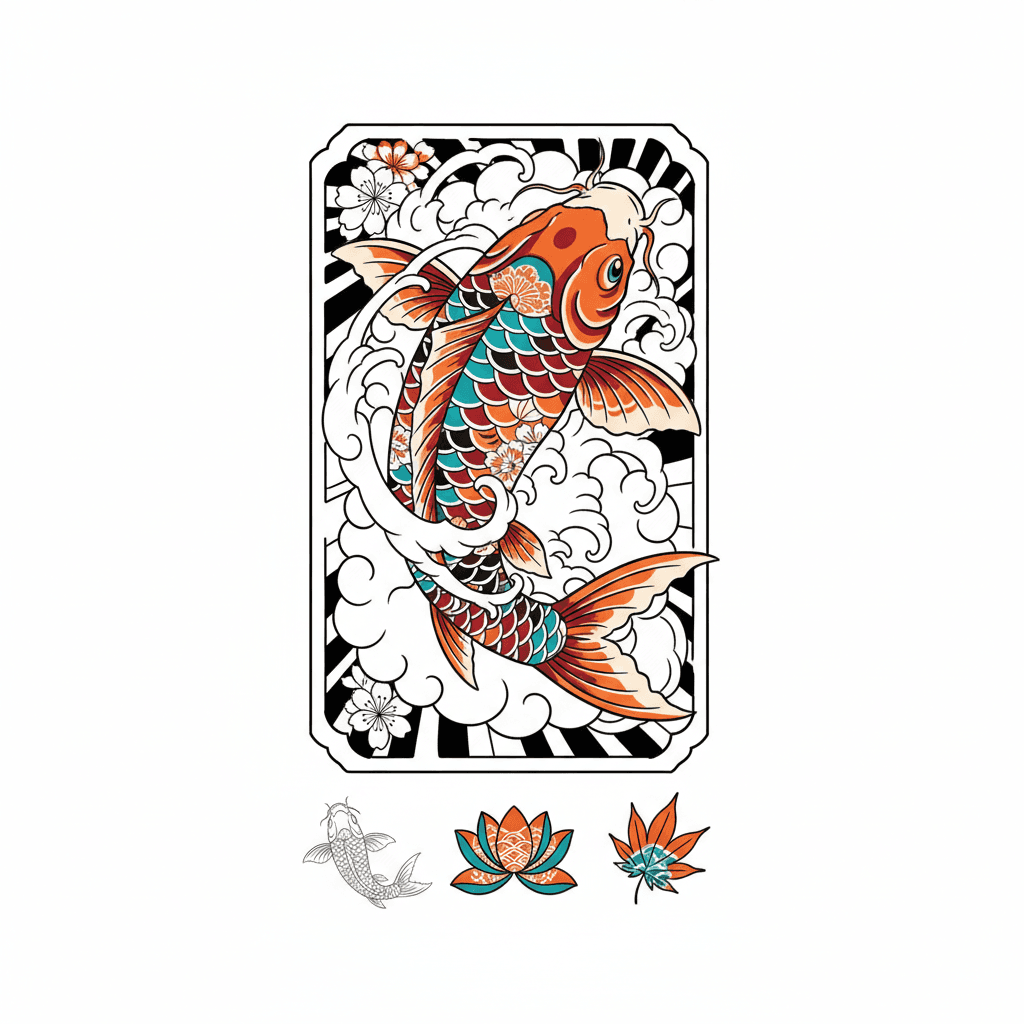
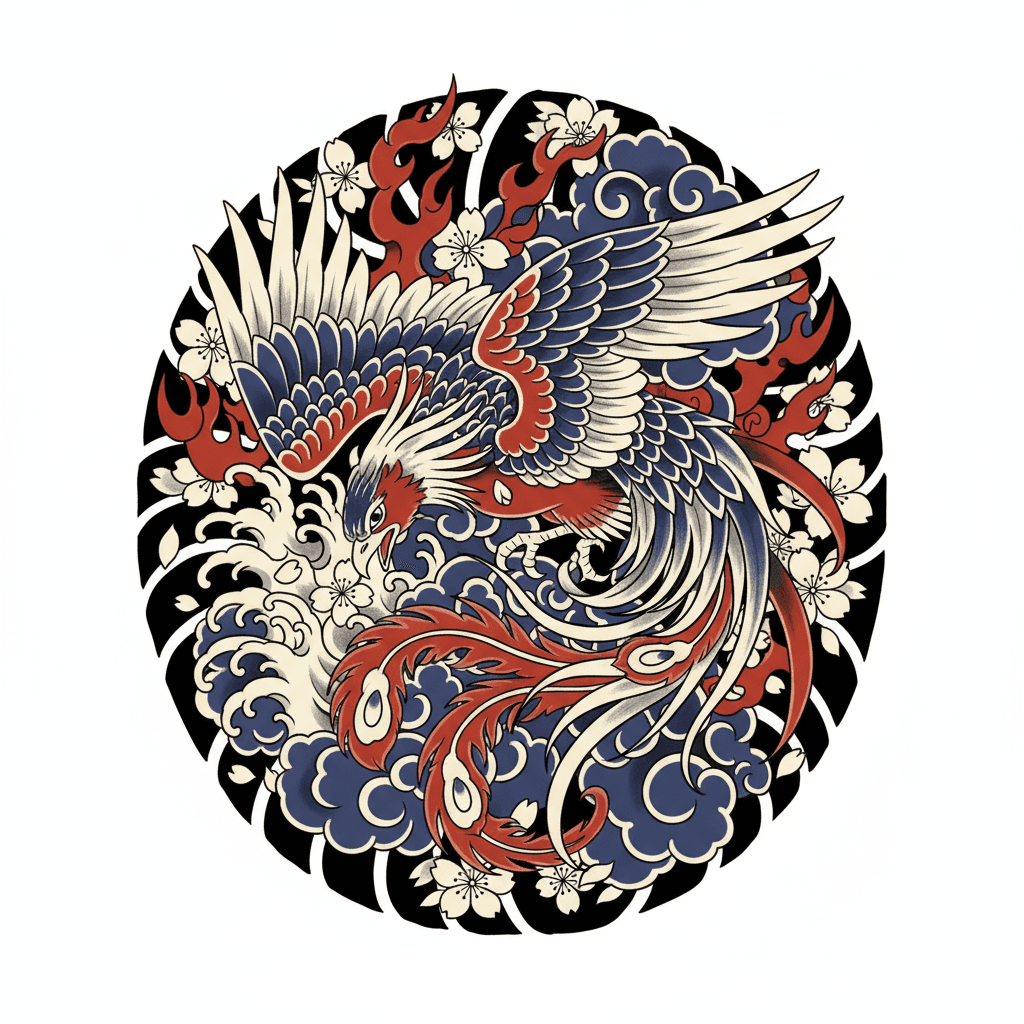
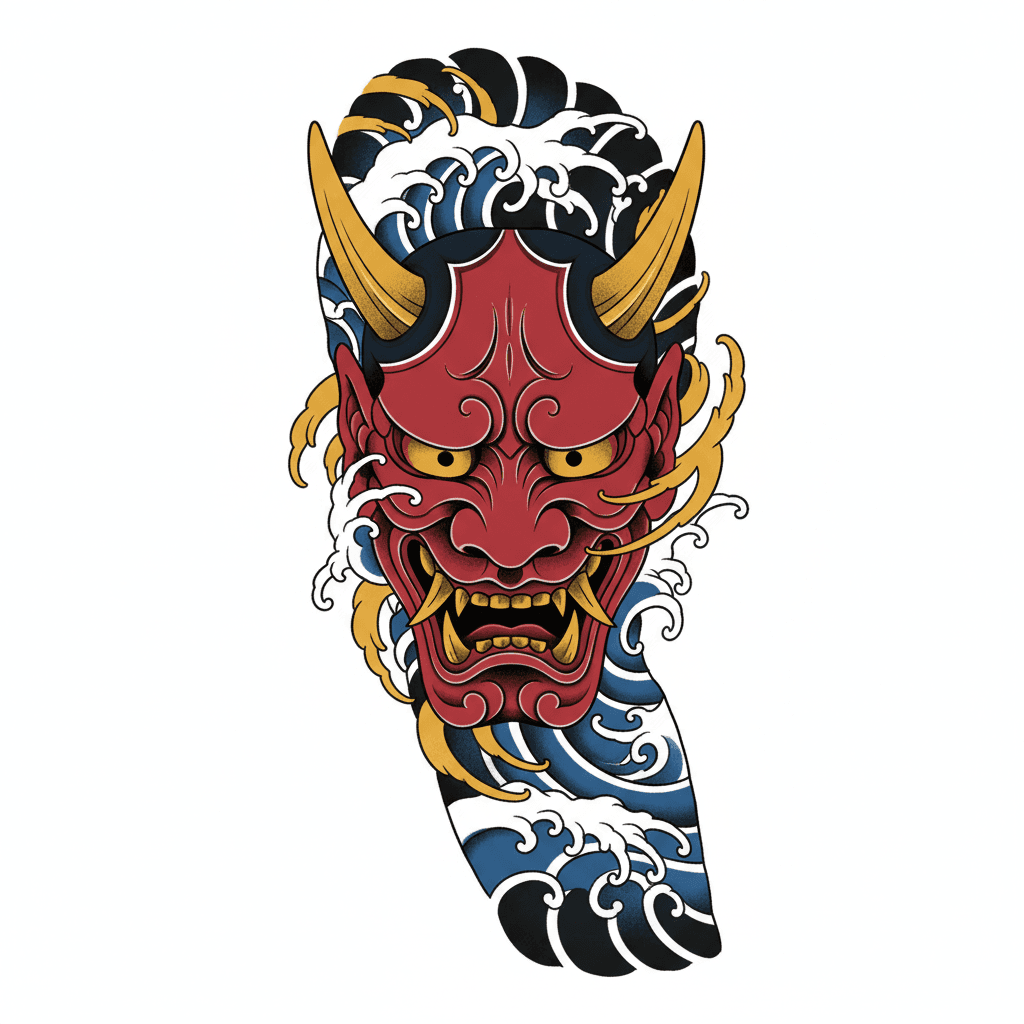
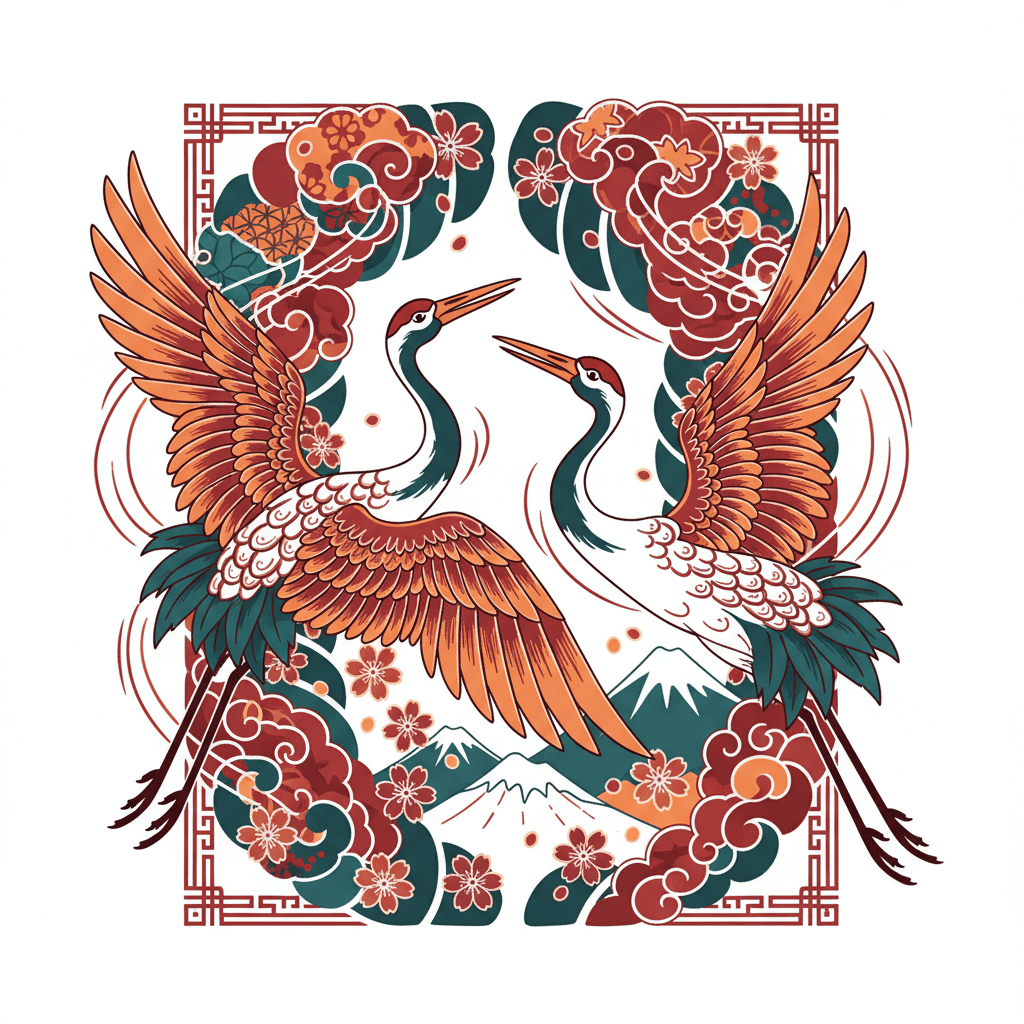
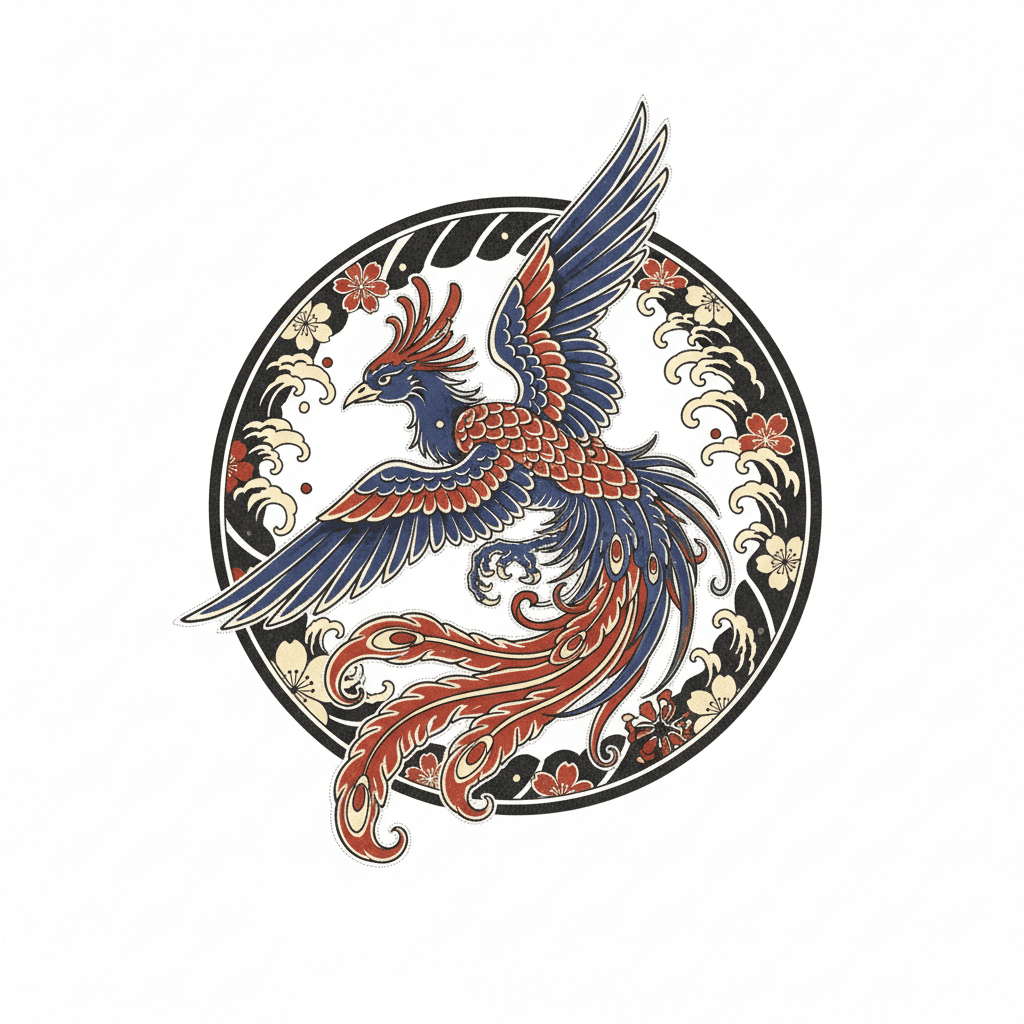
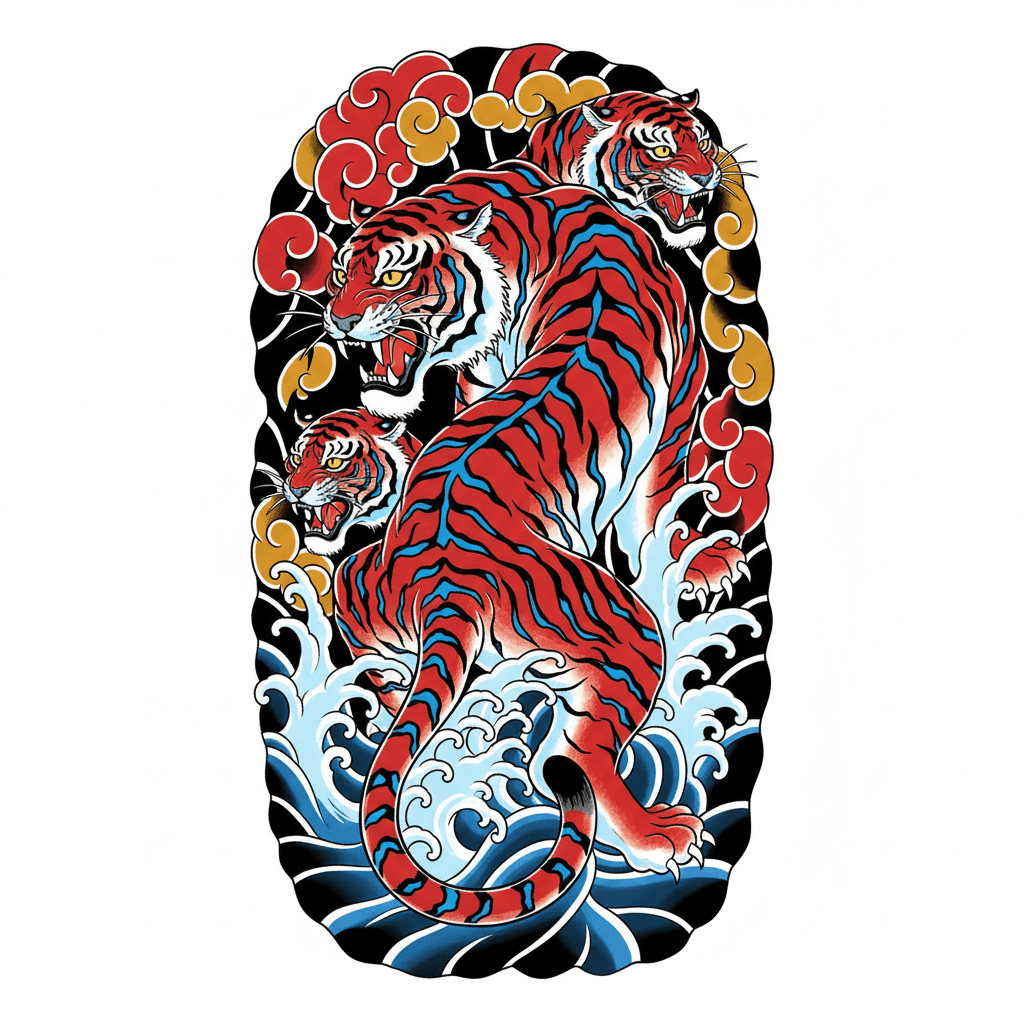
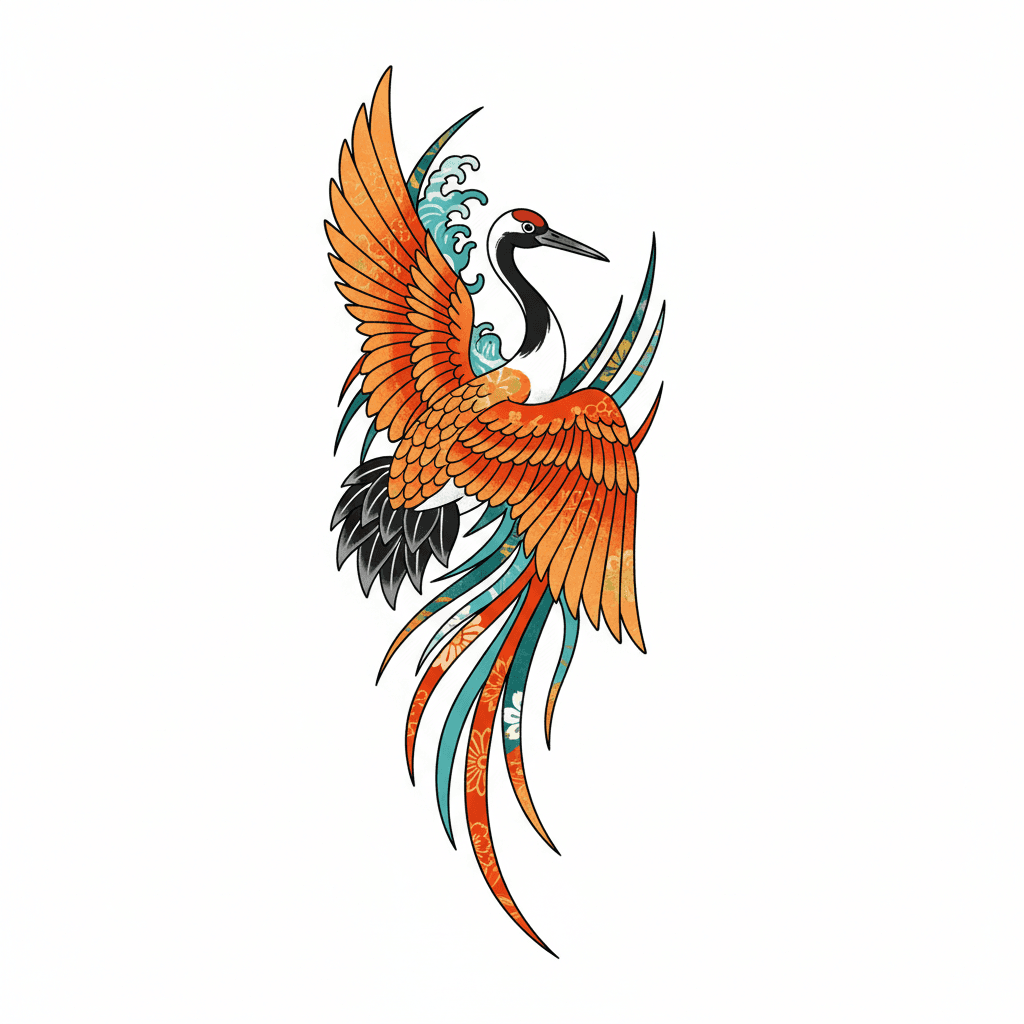
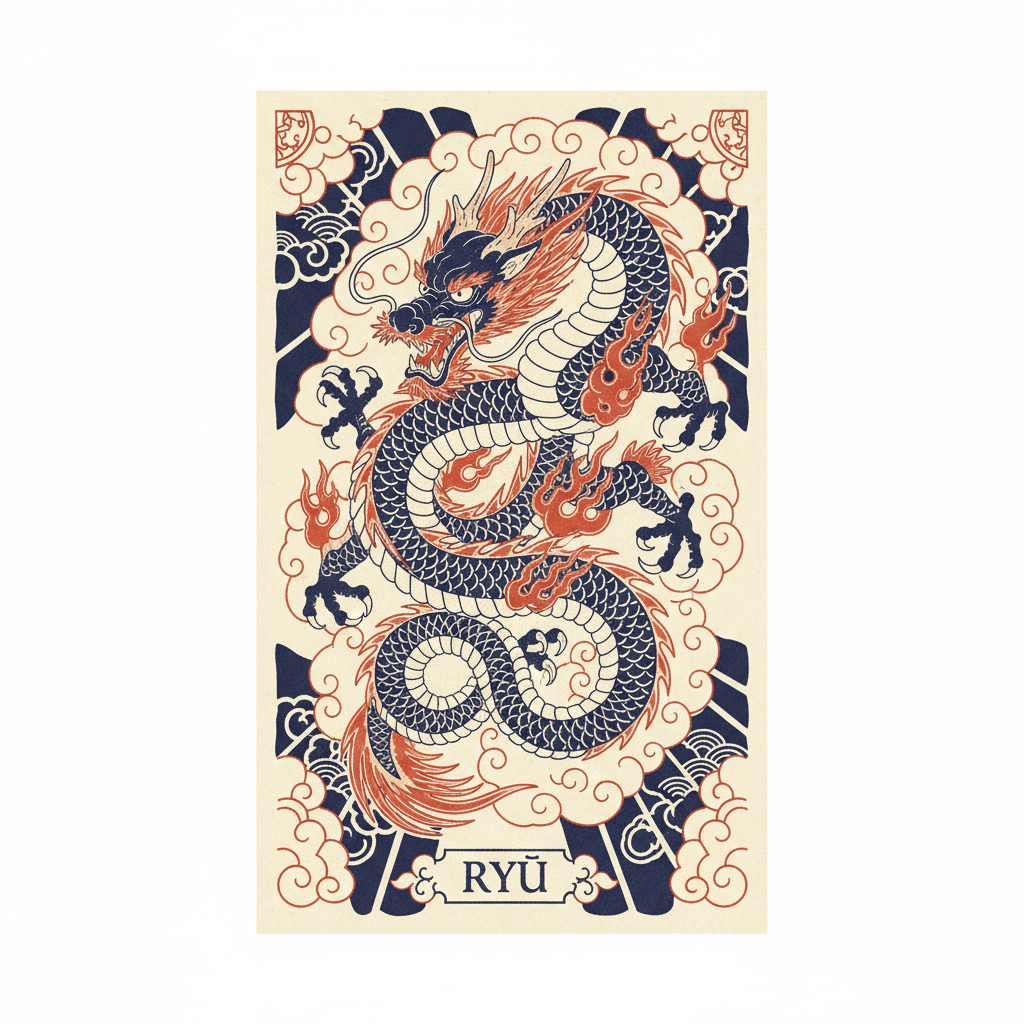
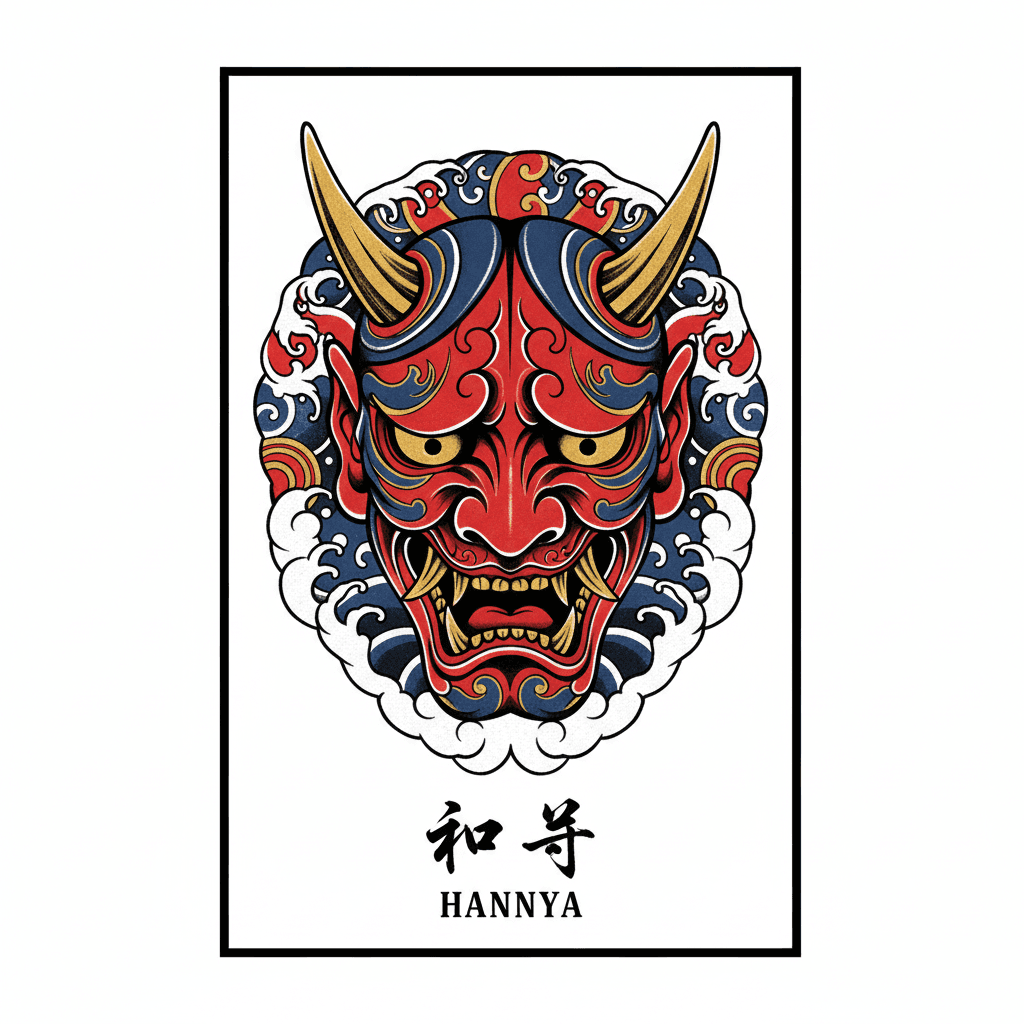
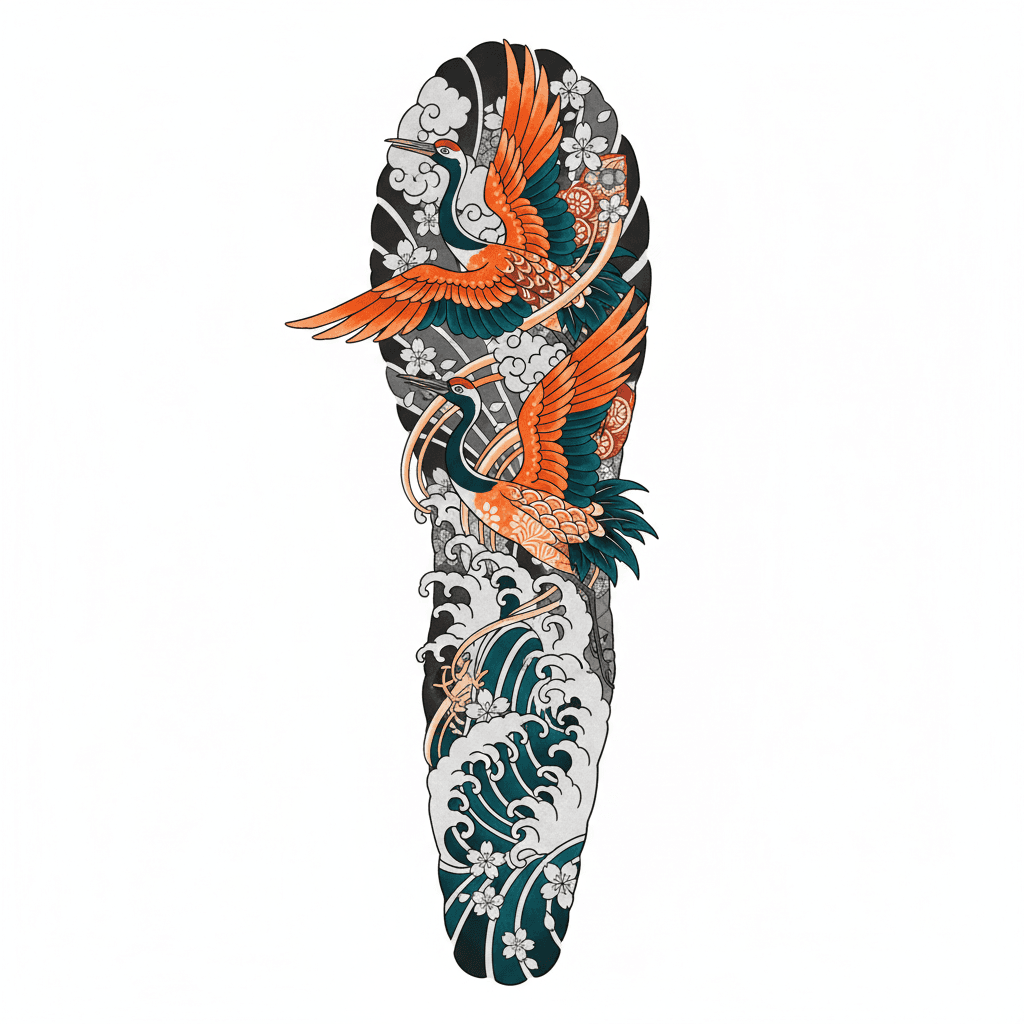
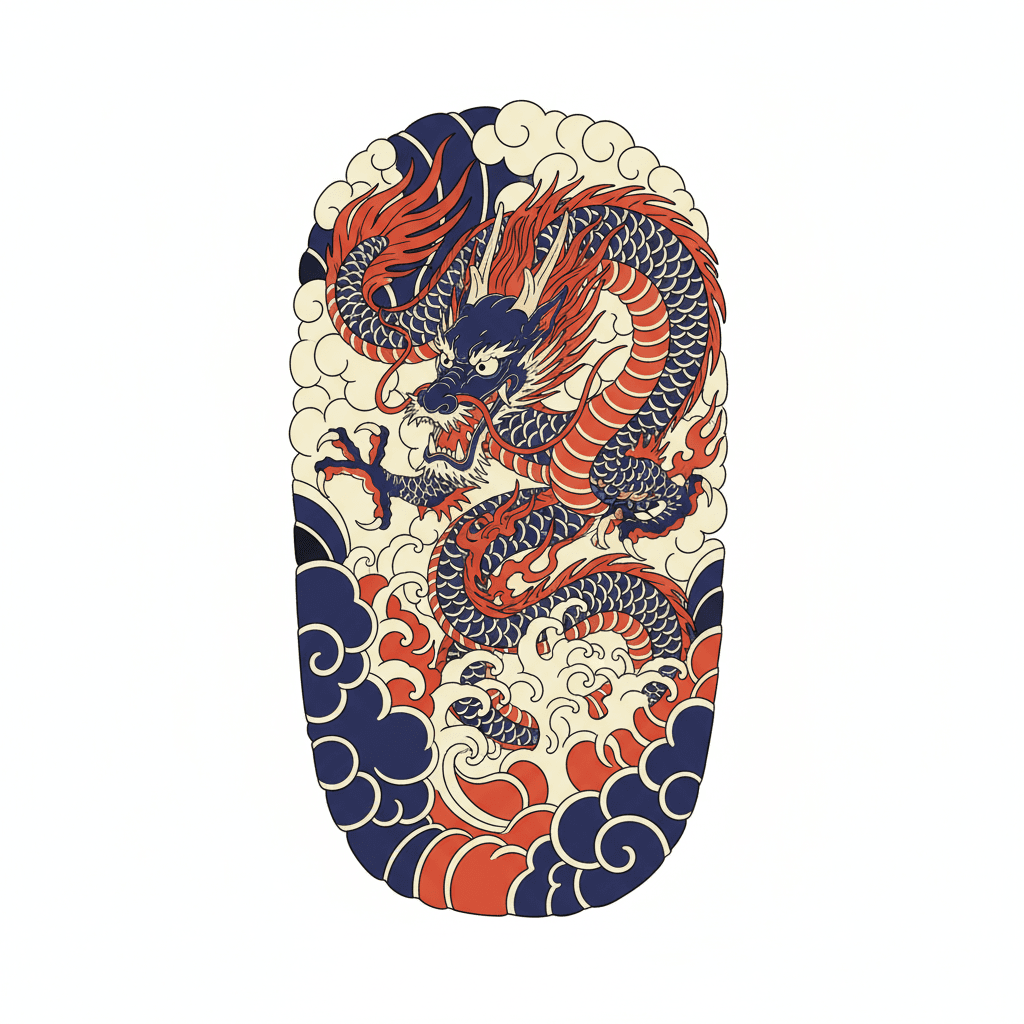
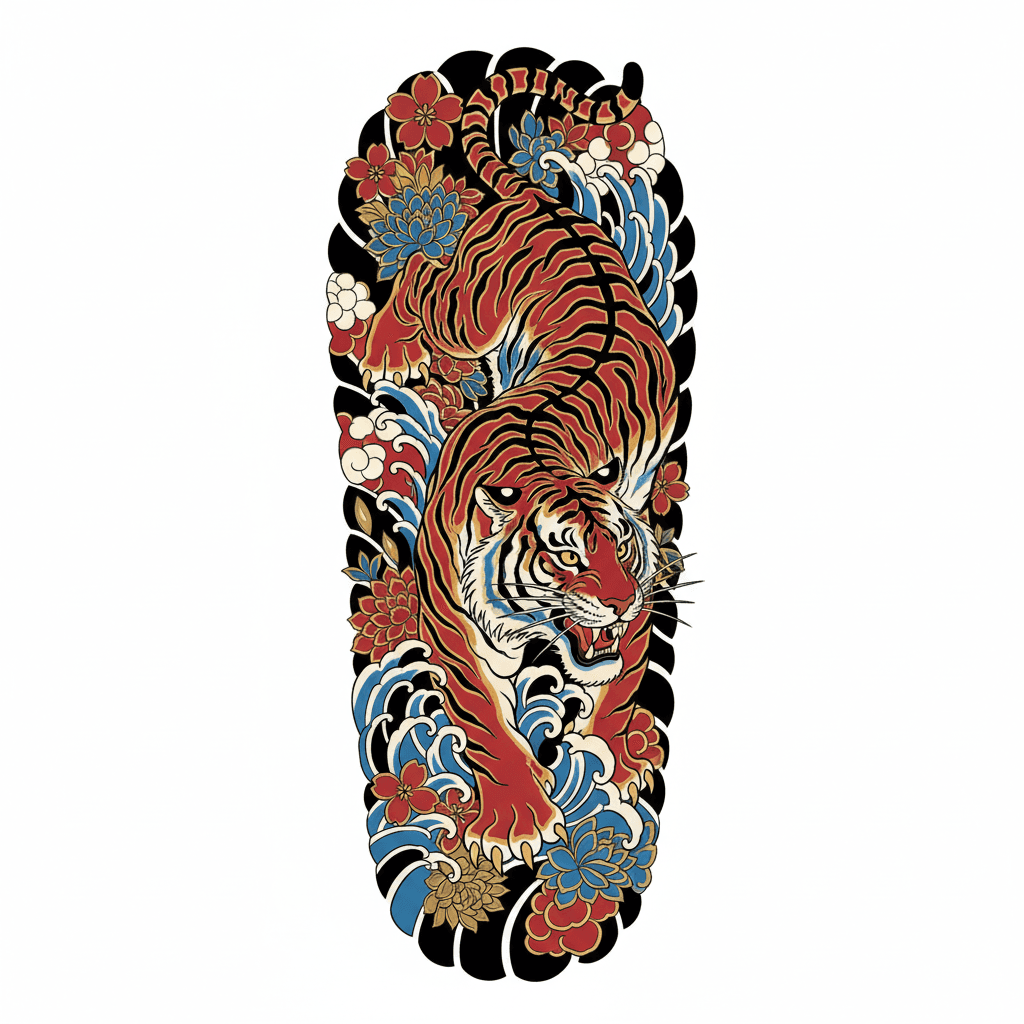
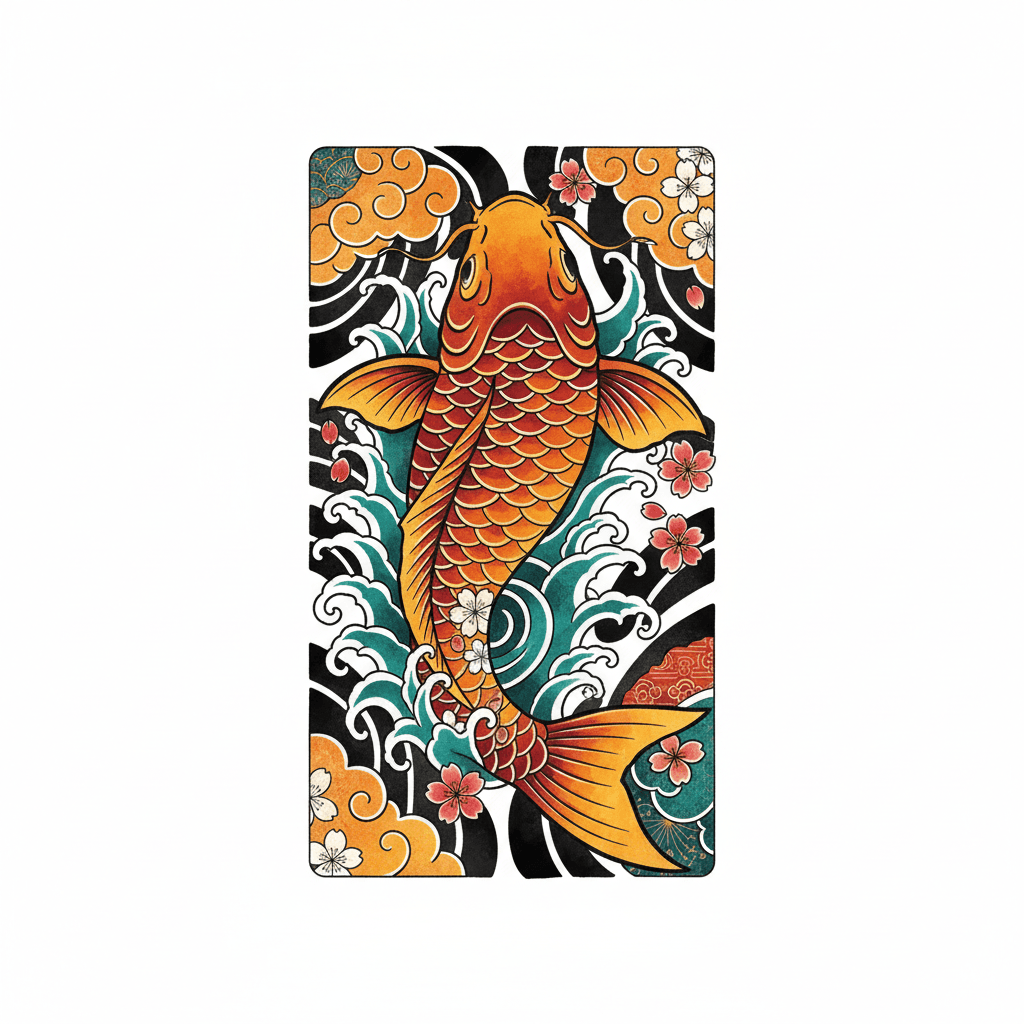
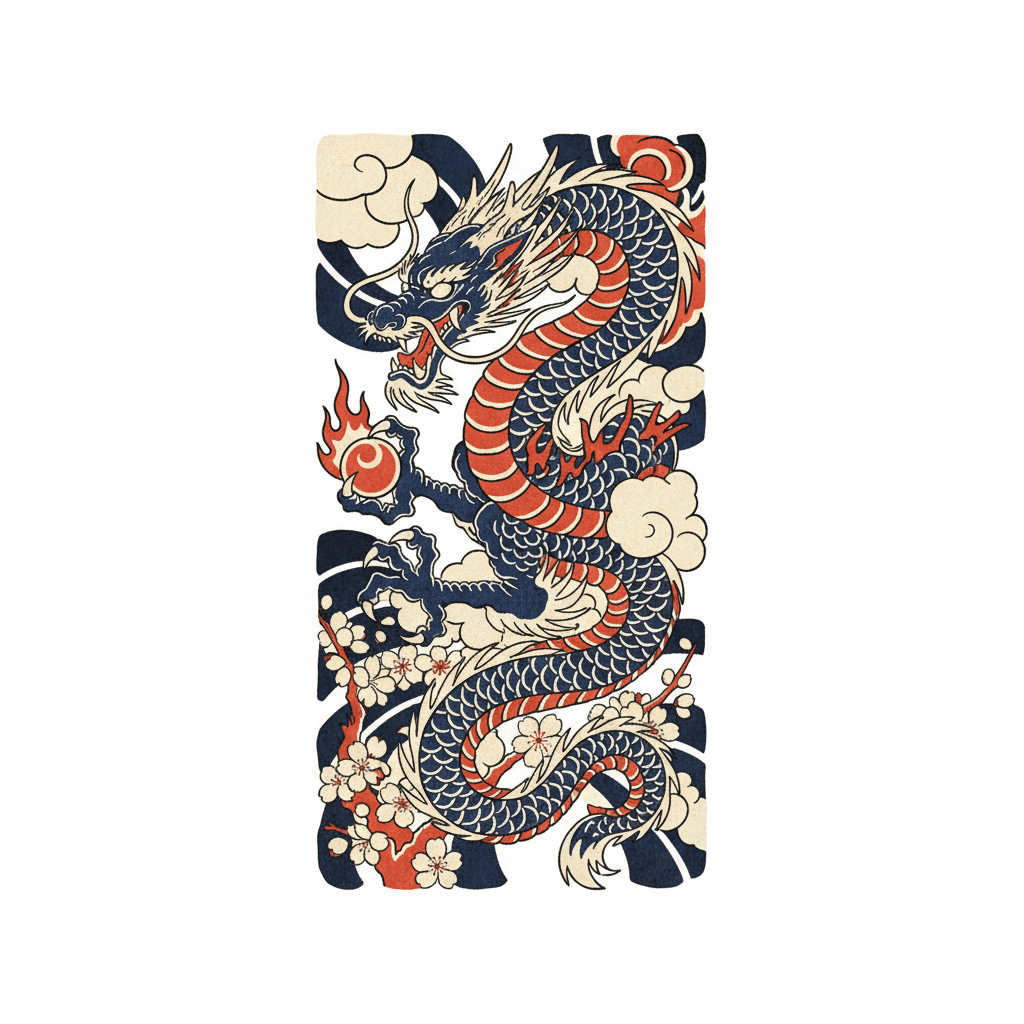
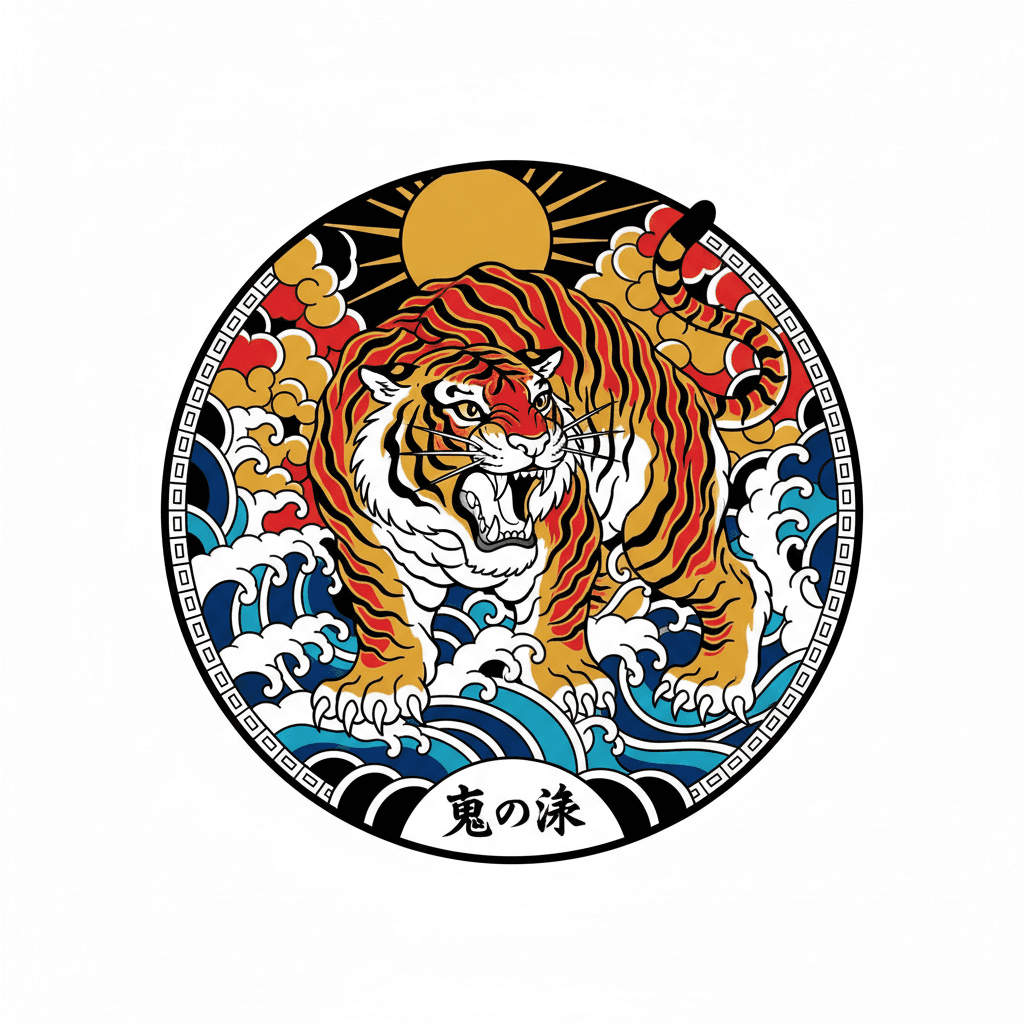
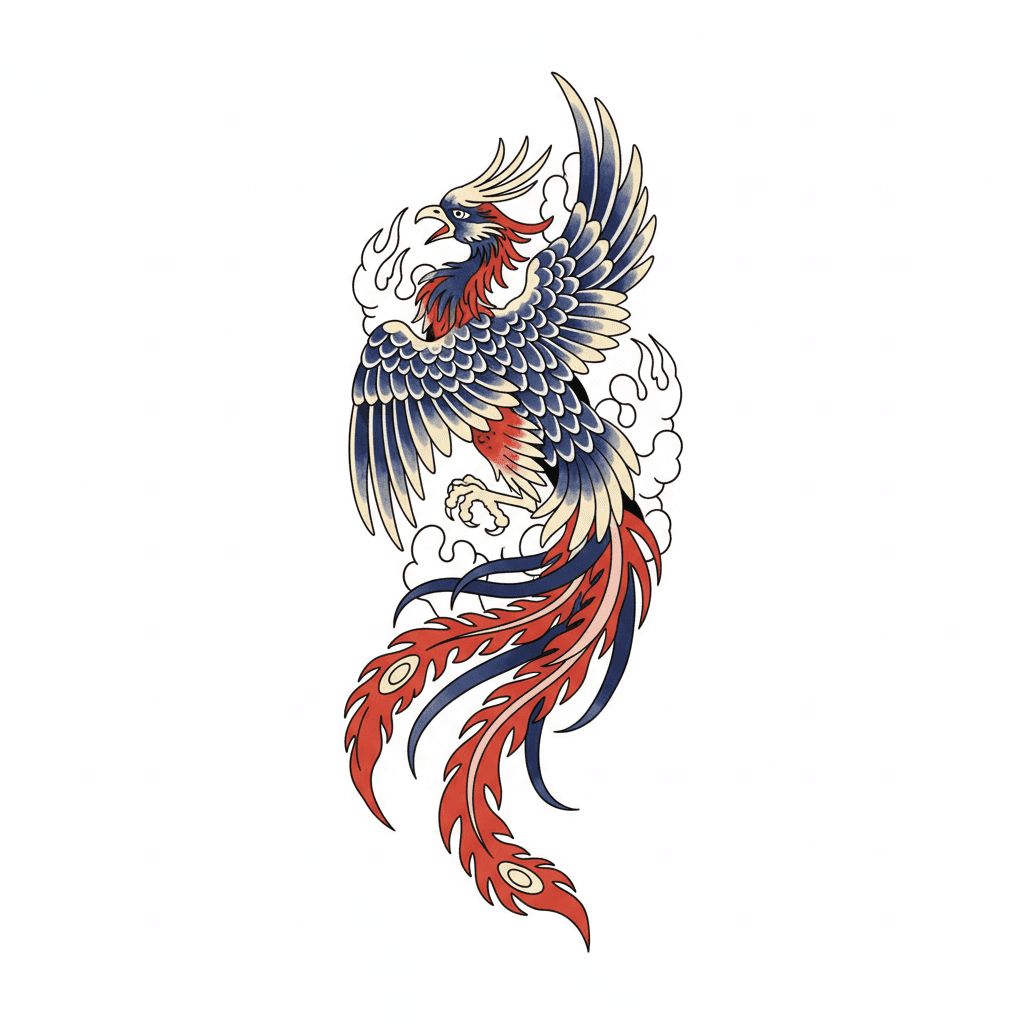
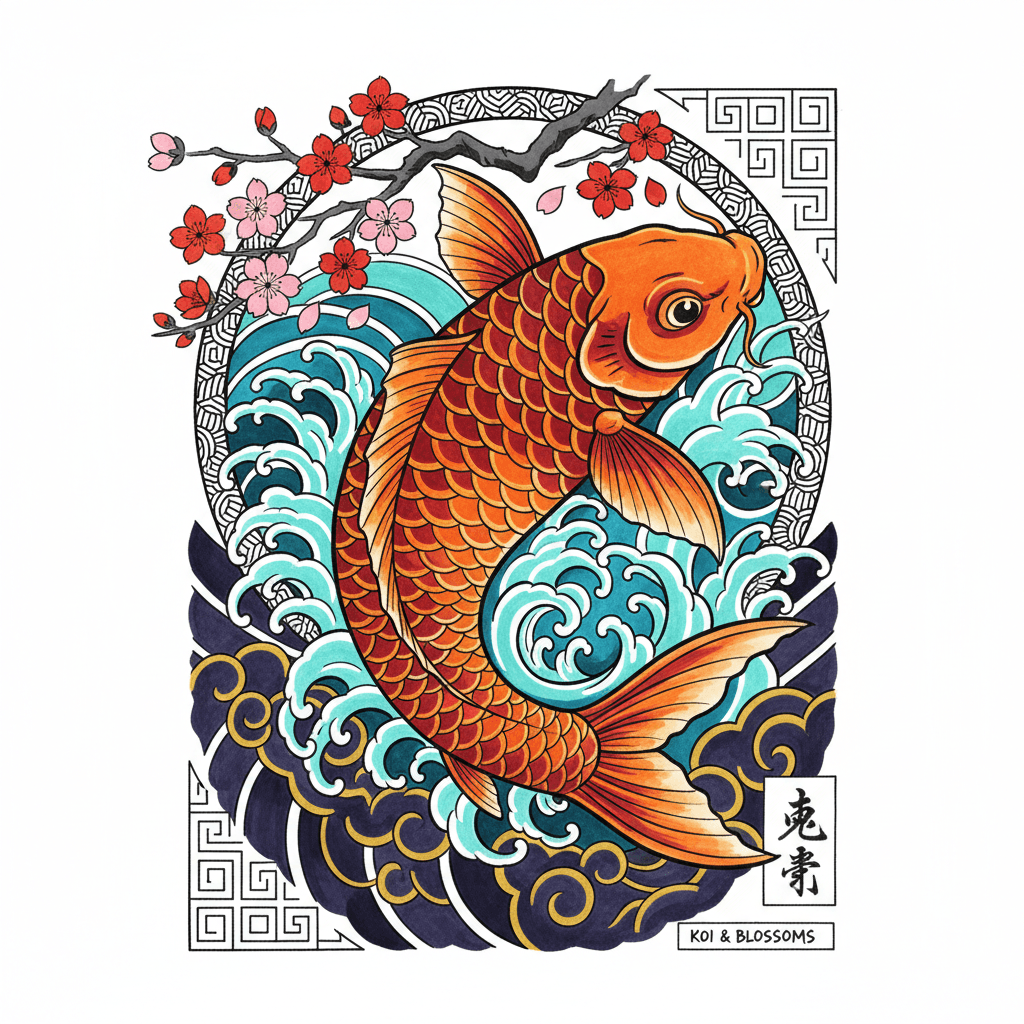
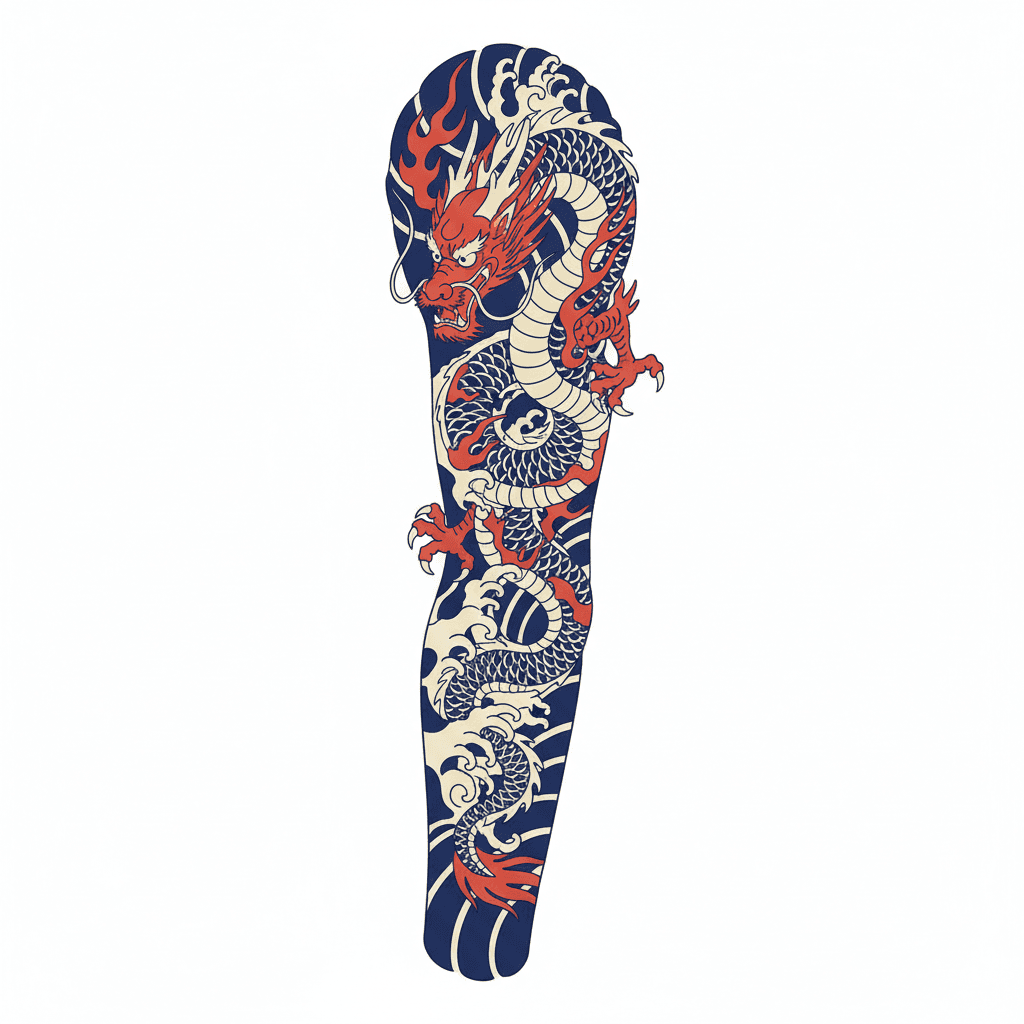
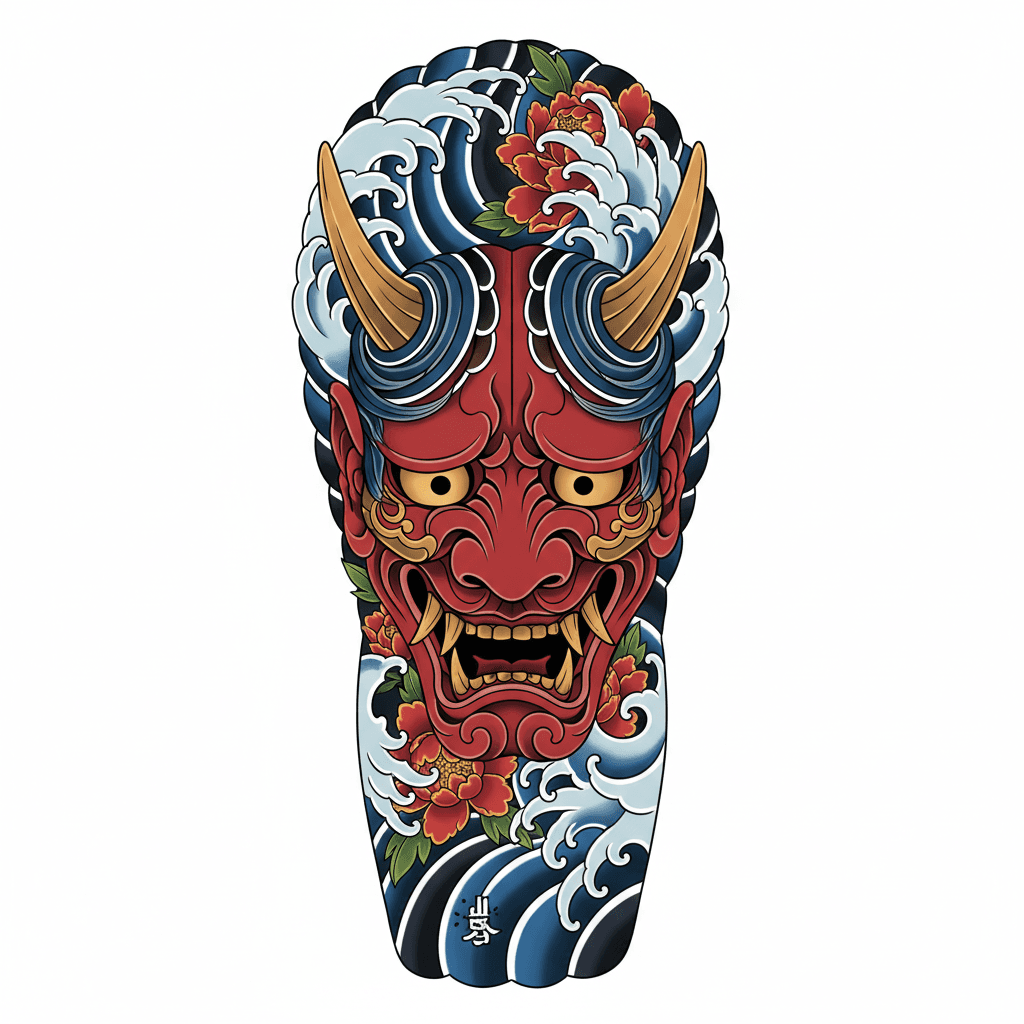
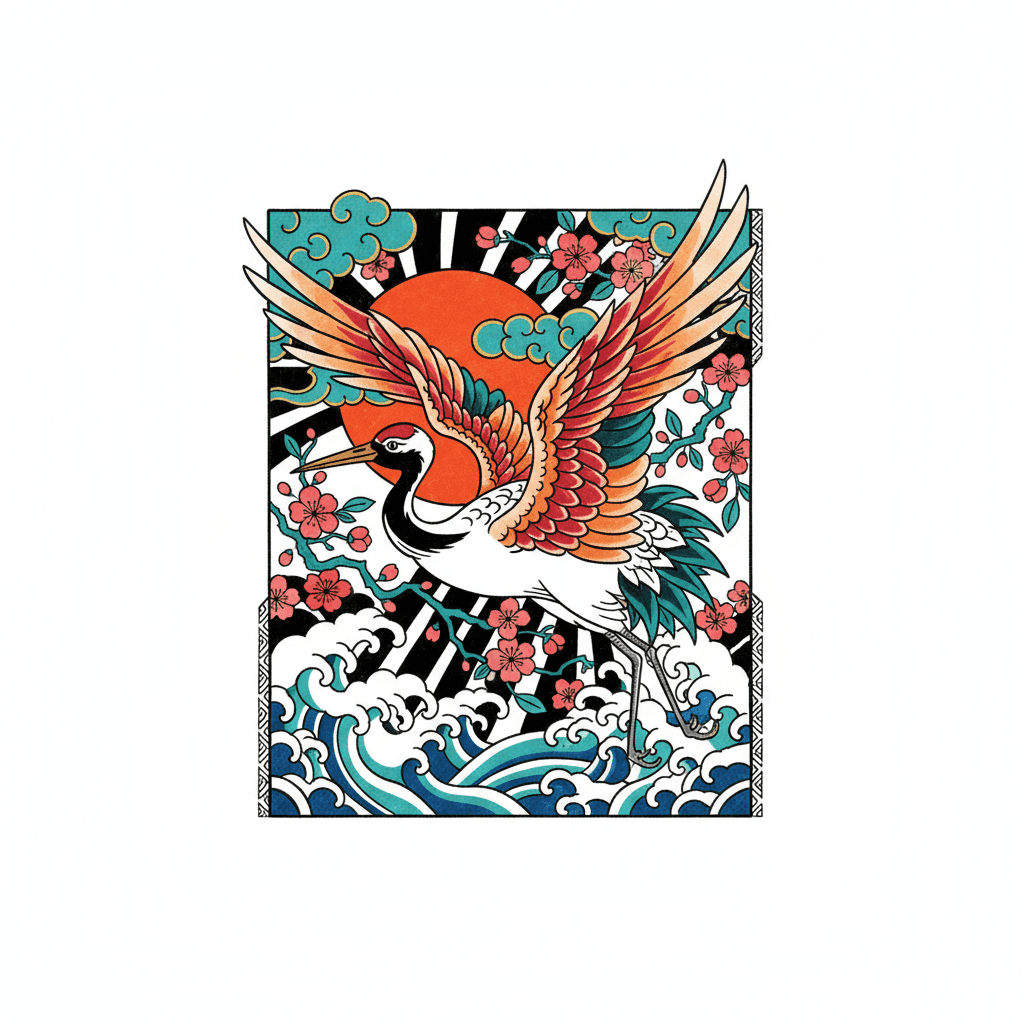
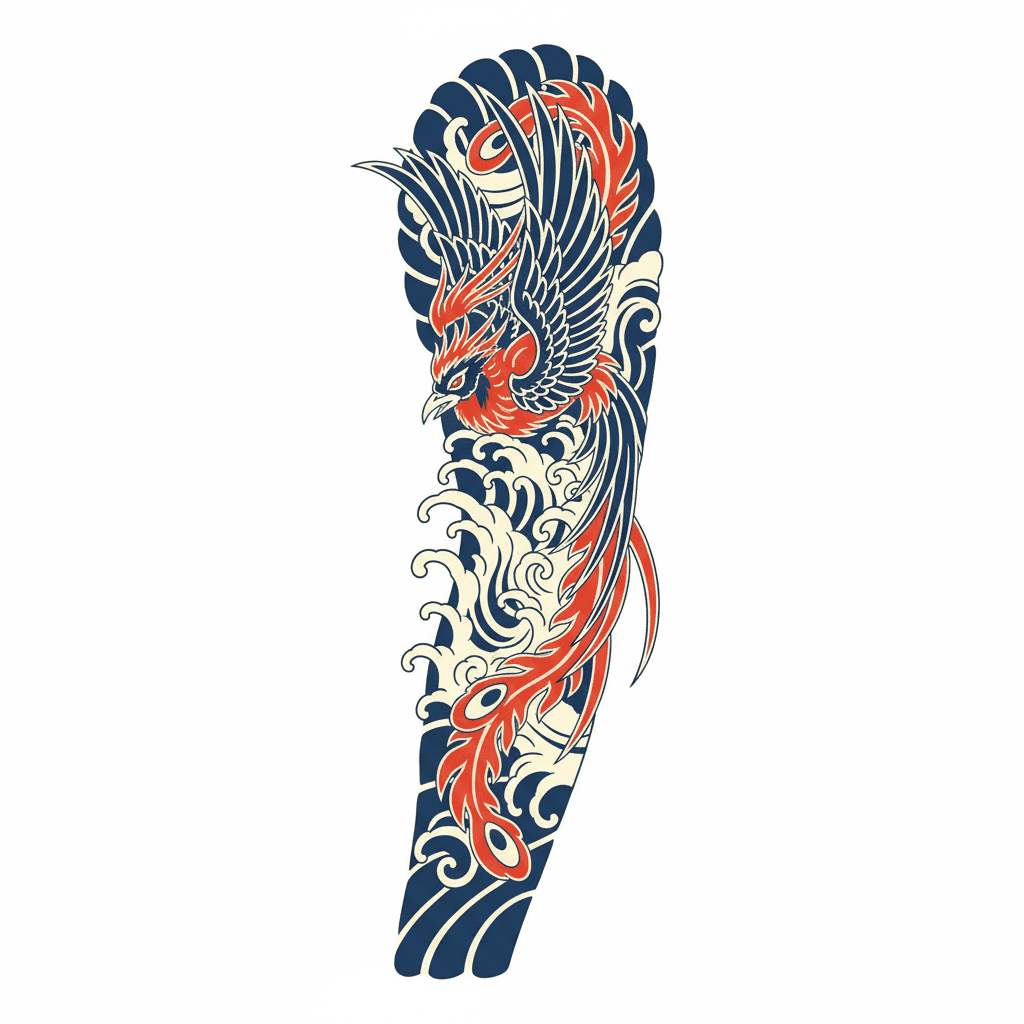
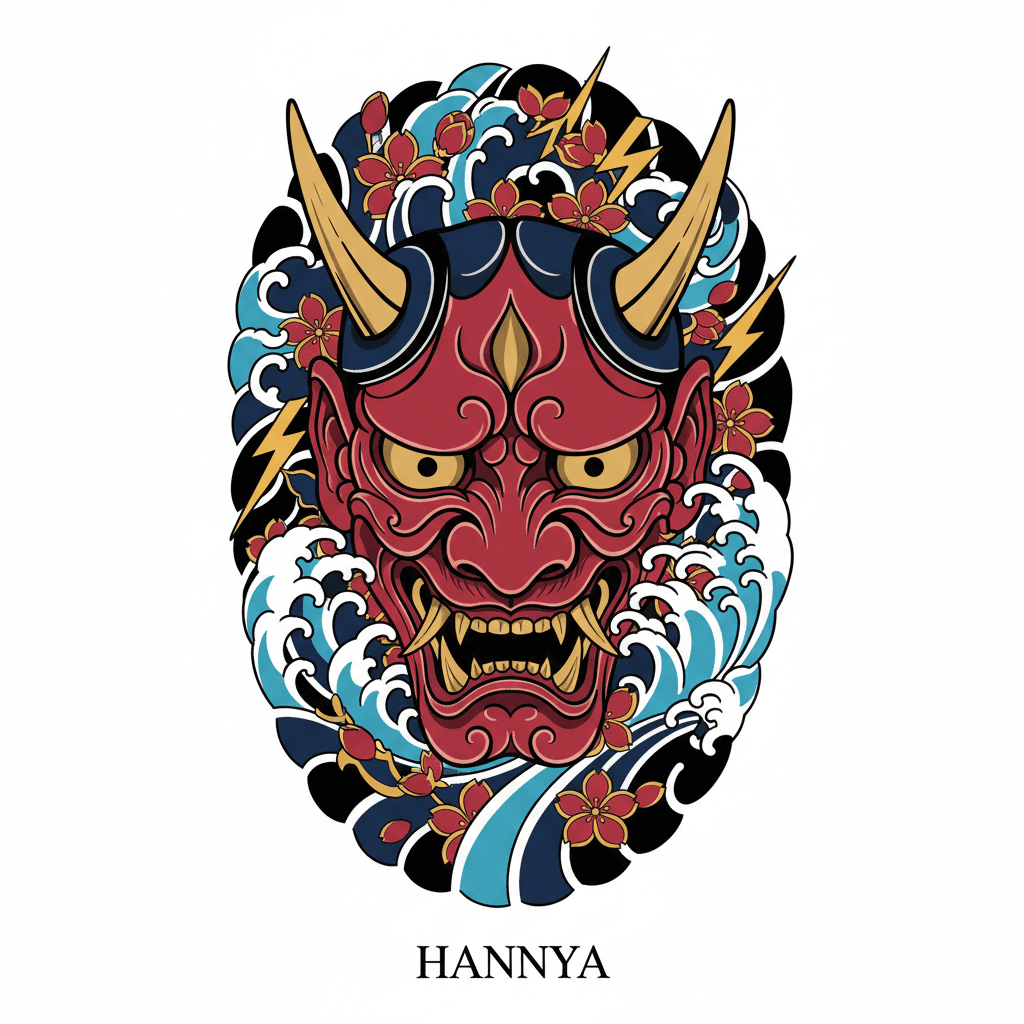
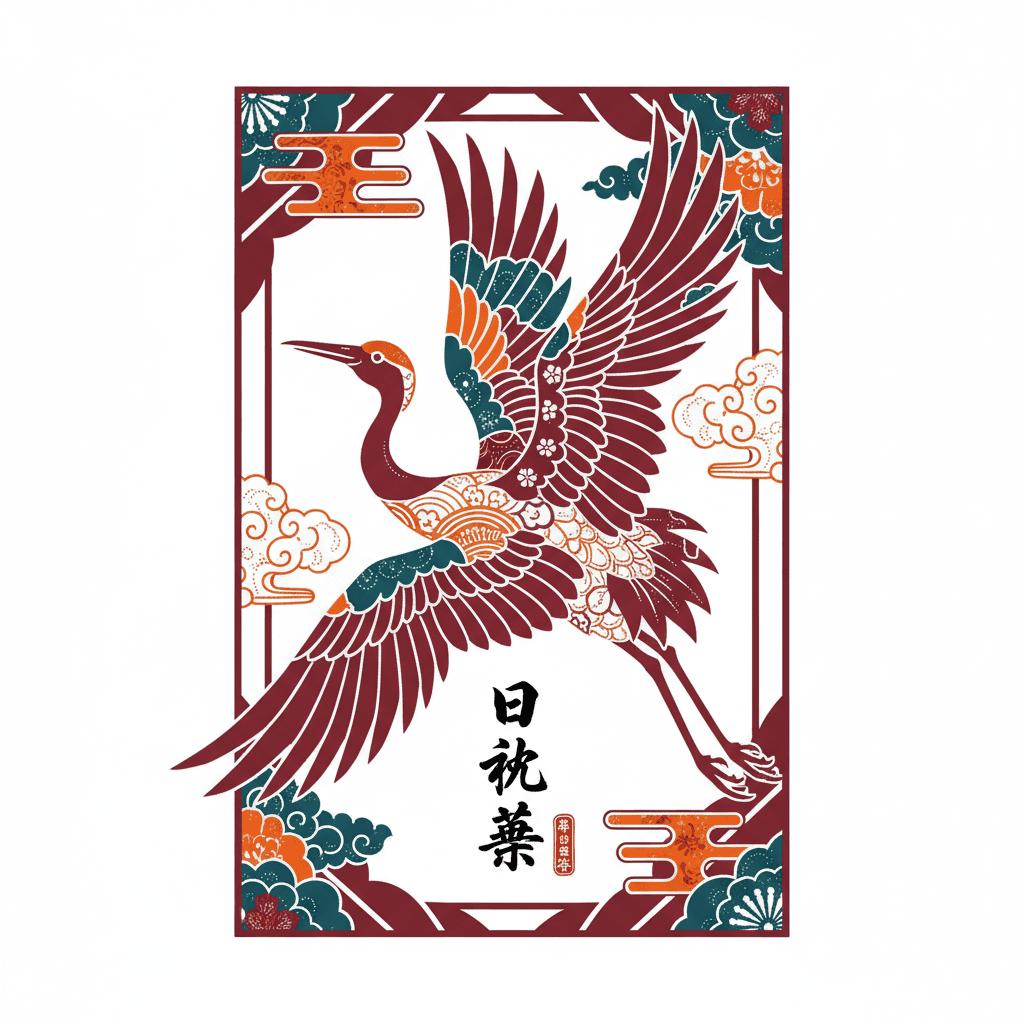
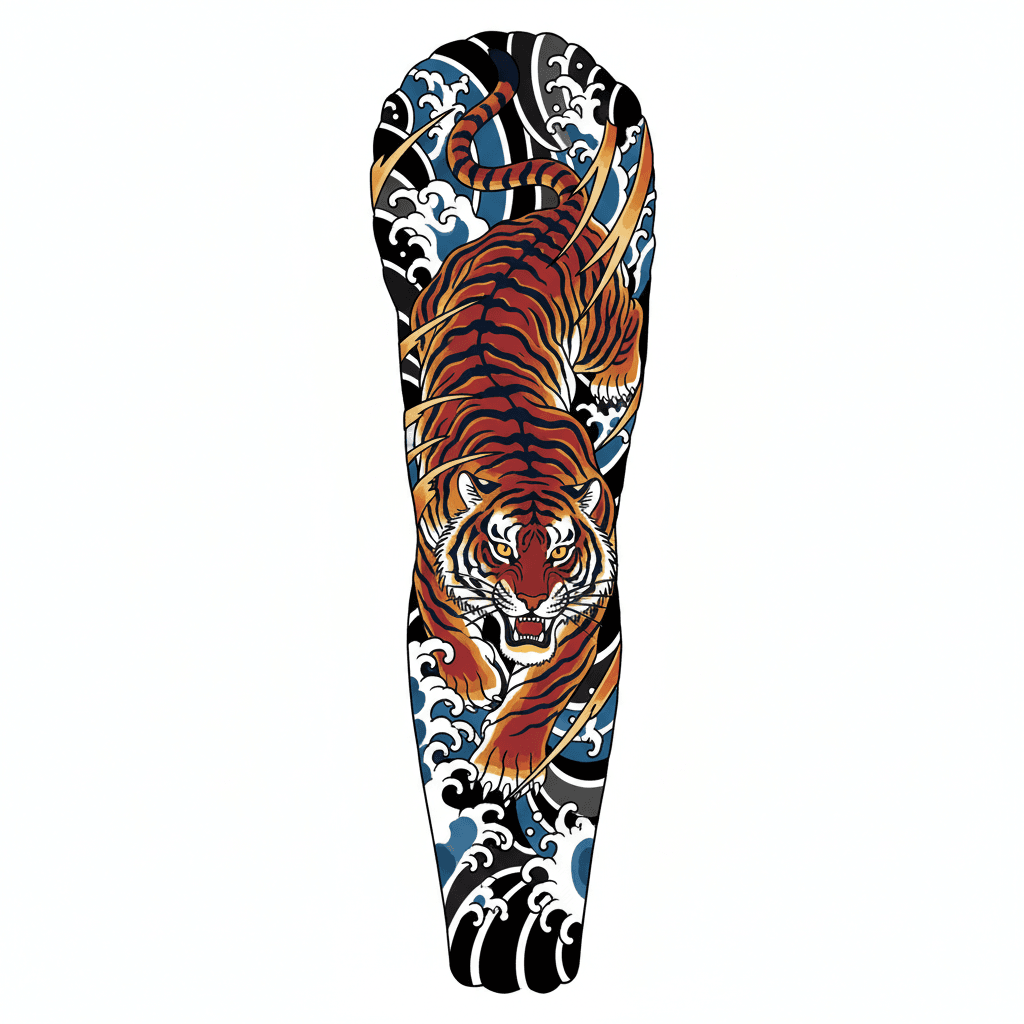
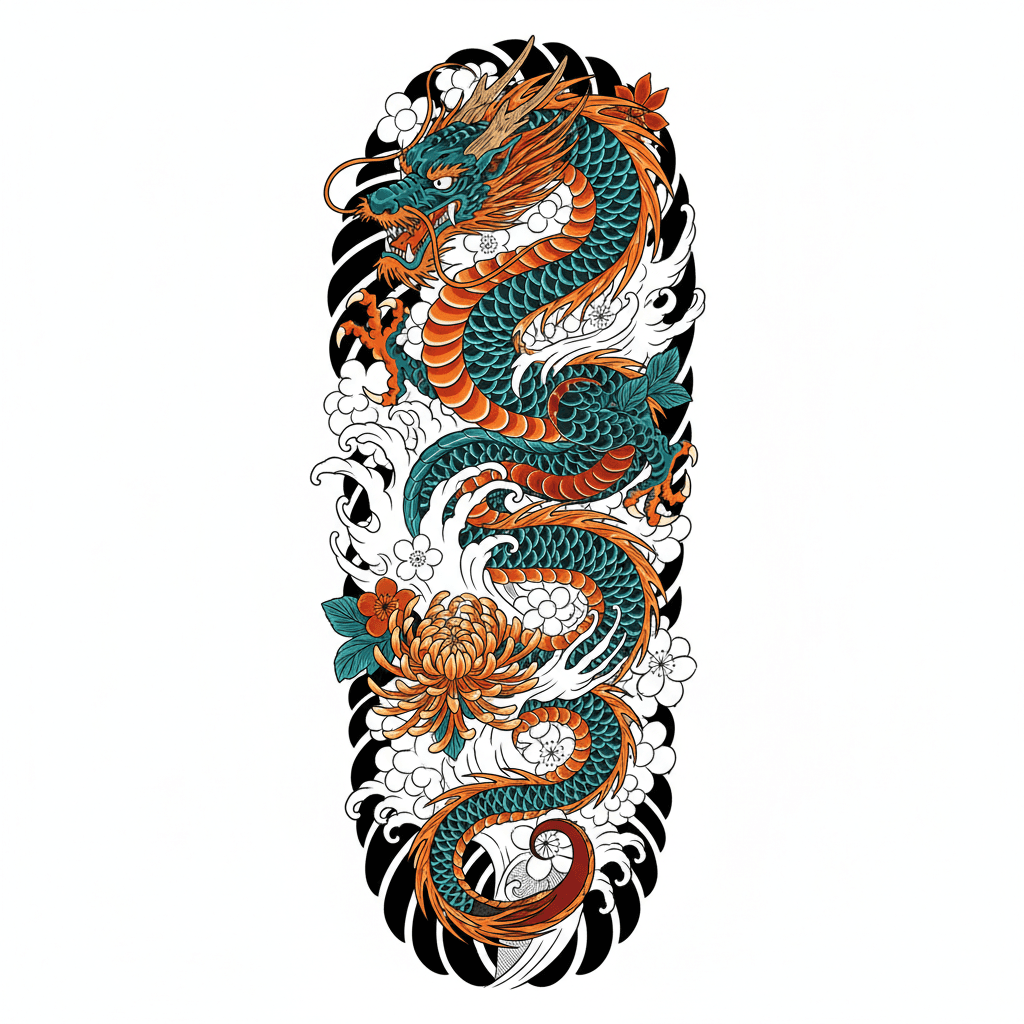
Japanese tattooing is not just about individual motifs. It is about how the subject, wind bars, waves, clouds, flowers, and negative space all move together across the body. Even smaller Japanese-style designs benefit from that sense of flow.
A foundational Japanese motif representing perseverance and transformation.
Prompt: “japanese irezumi koi fish tattoo flash, waves and maple leaves, bold colors”
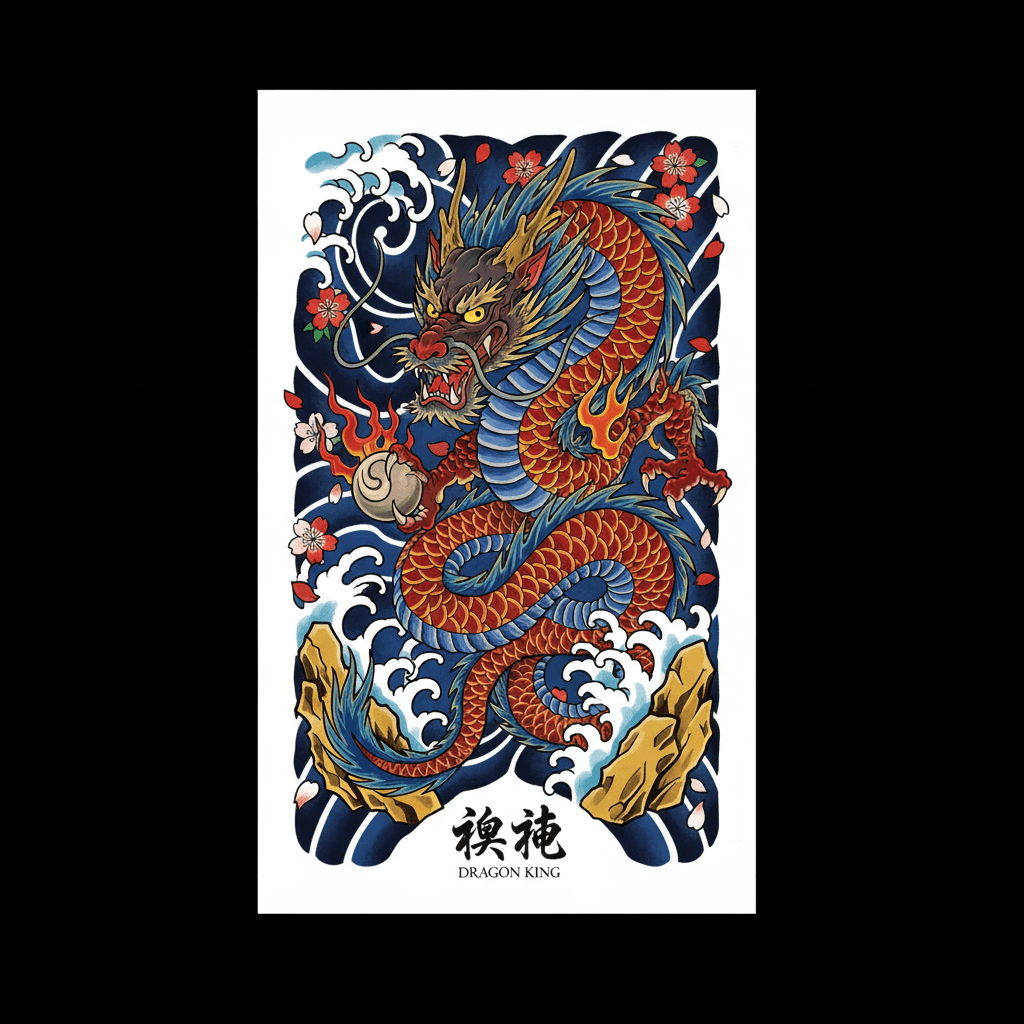
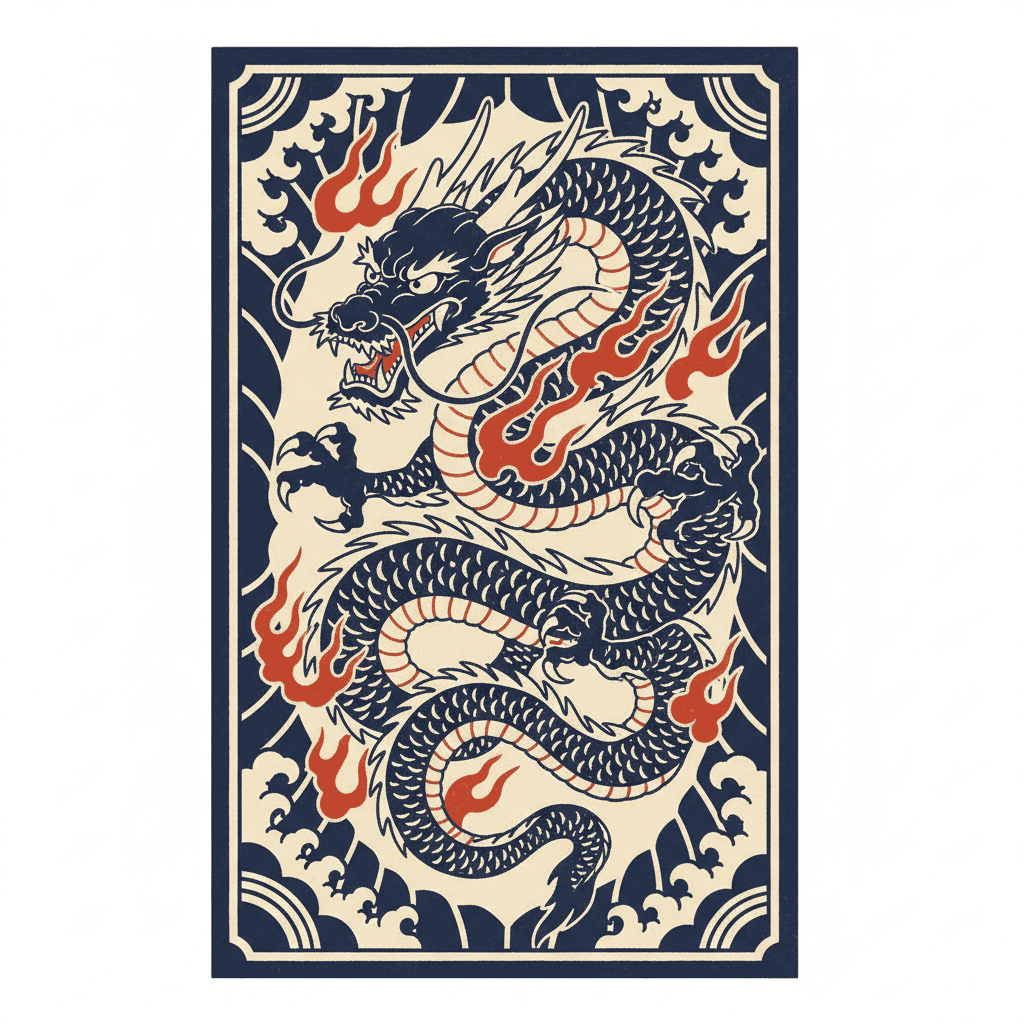
Generate AI →Power, wisdom, and movement through clouds and flowing composition.
Prompt: “japanese dragon tattoo flash, clouds and wind bars, flowing composition, traditional palette”
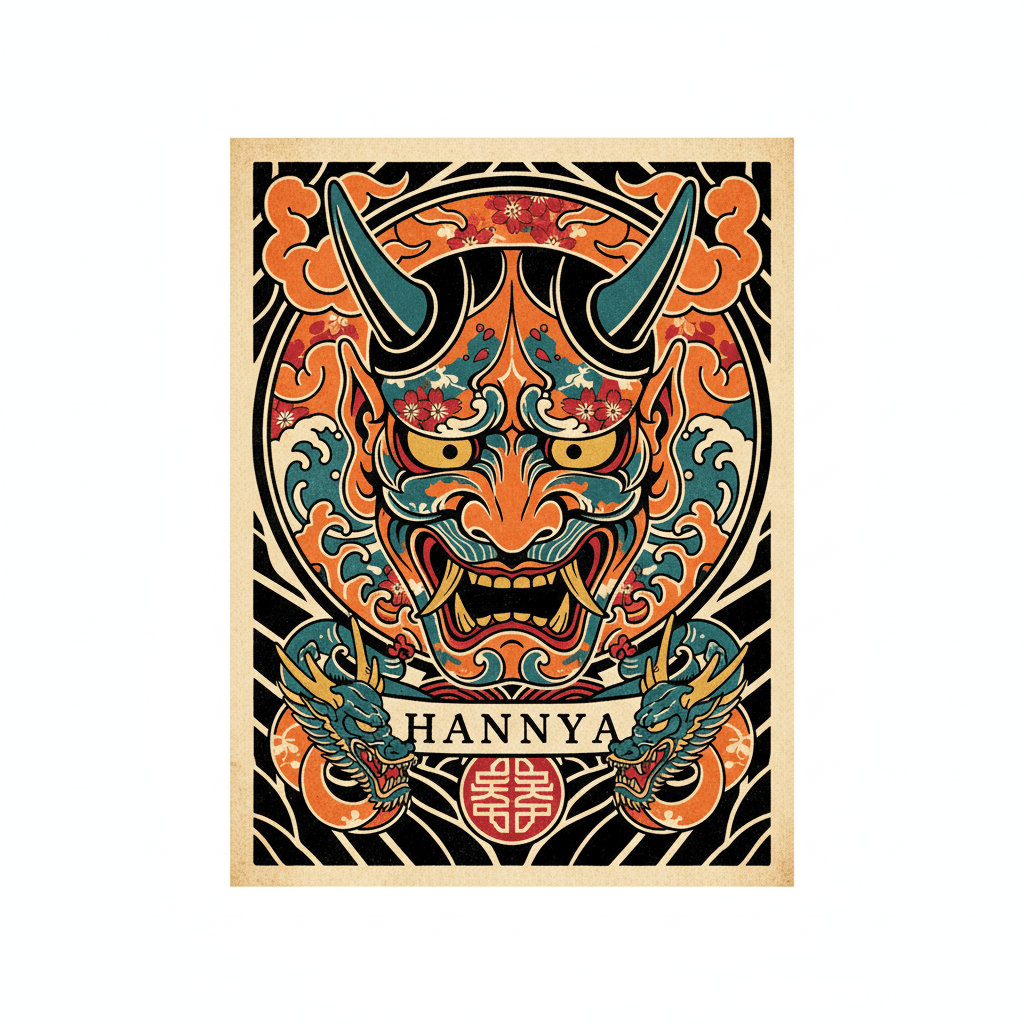
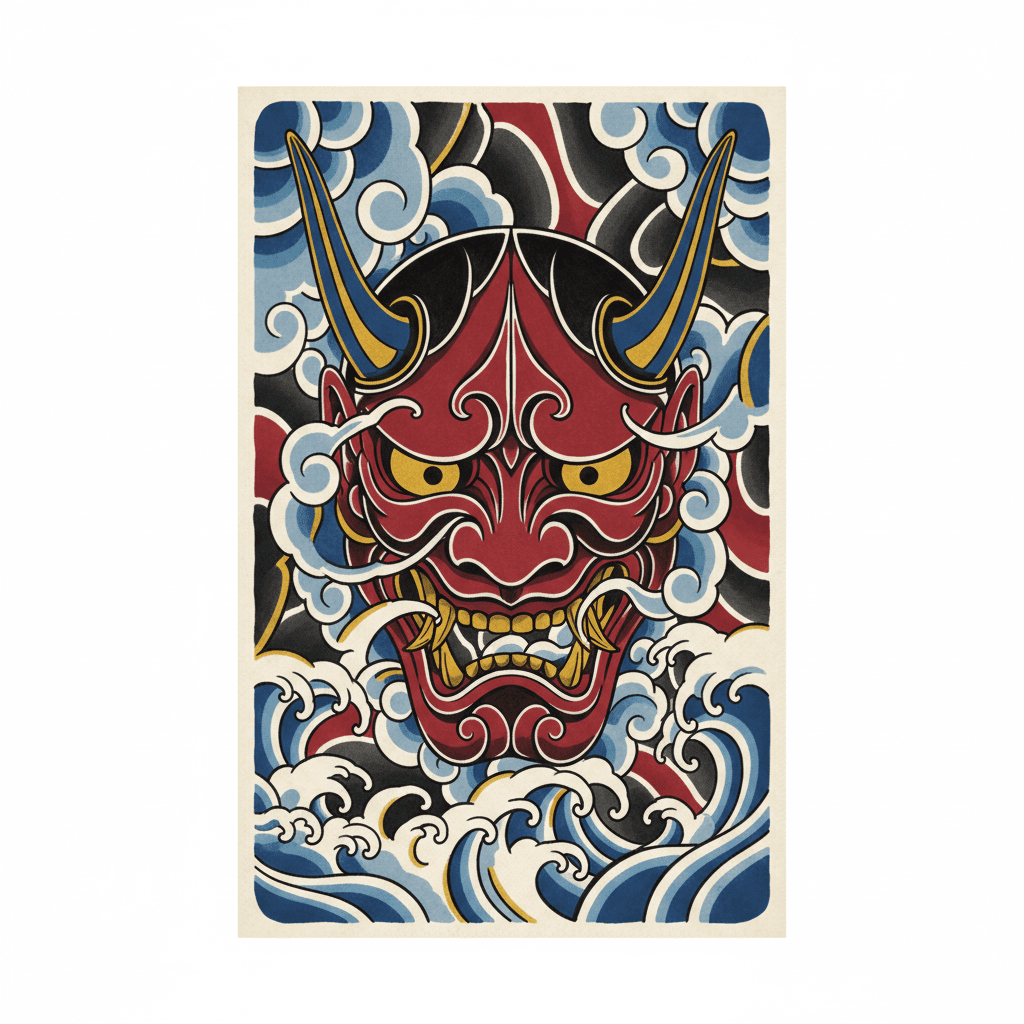
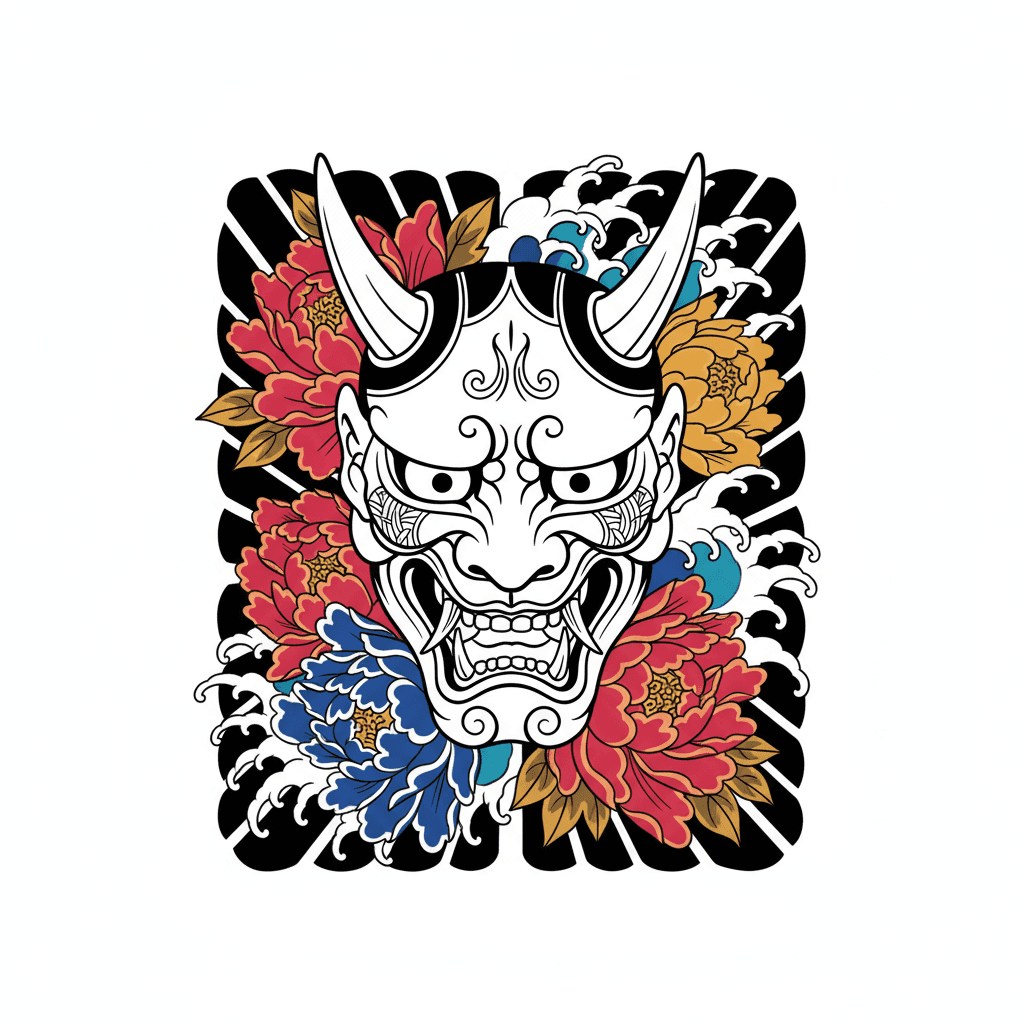
Generate AI →One of the most striking Japanese motifs for emotional intensity.
Prompt: “japanese hannya mask tattoo flash, peonies and waves, dramatic color contrast”
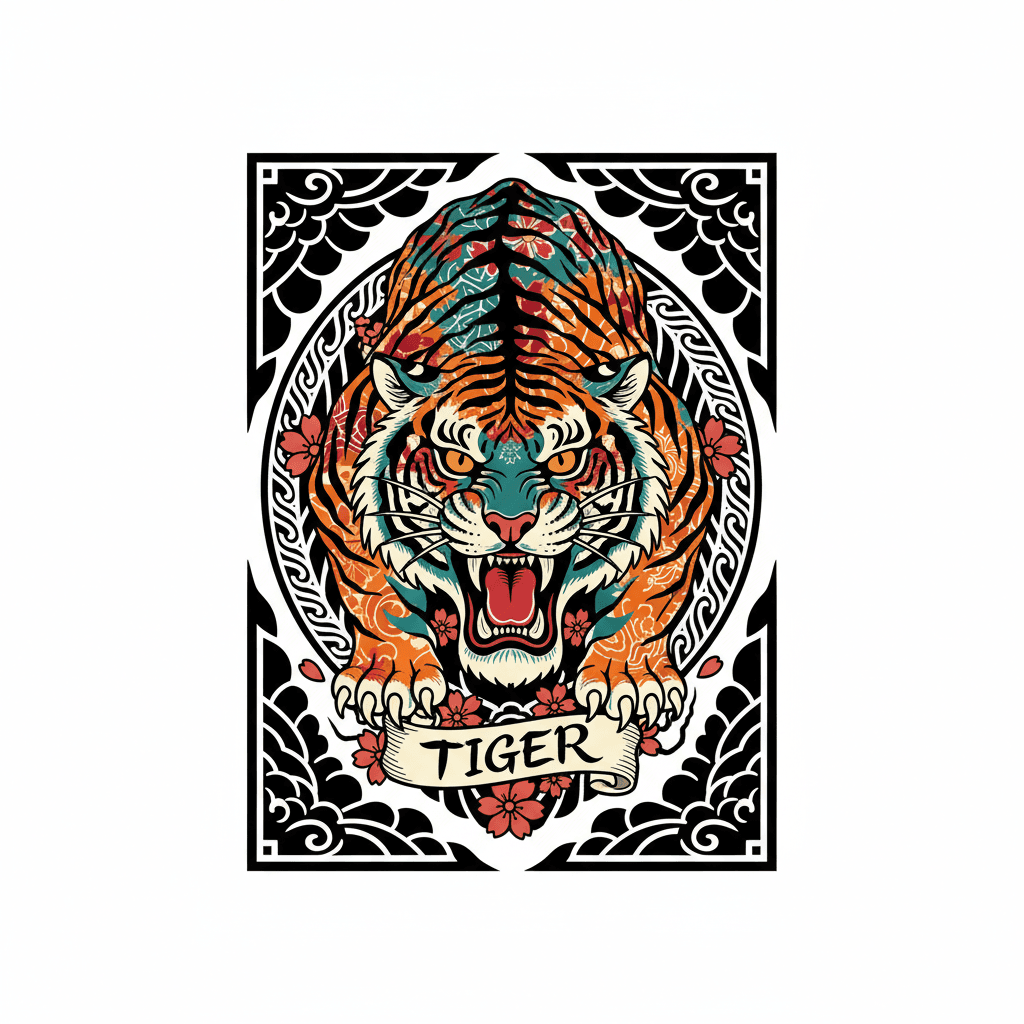
Generate AI →A strong subject for movement, force, and directional composition.
Prompt: “japanese tiger tattoo flash, bamboo and wind bars, classic irezumi structure”
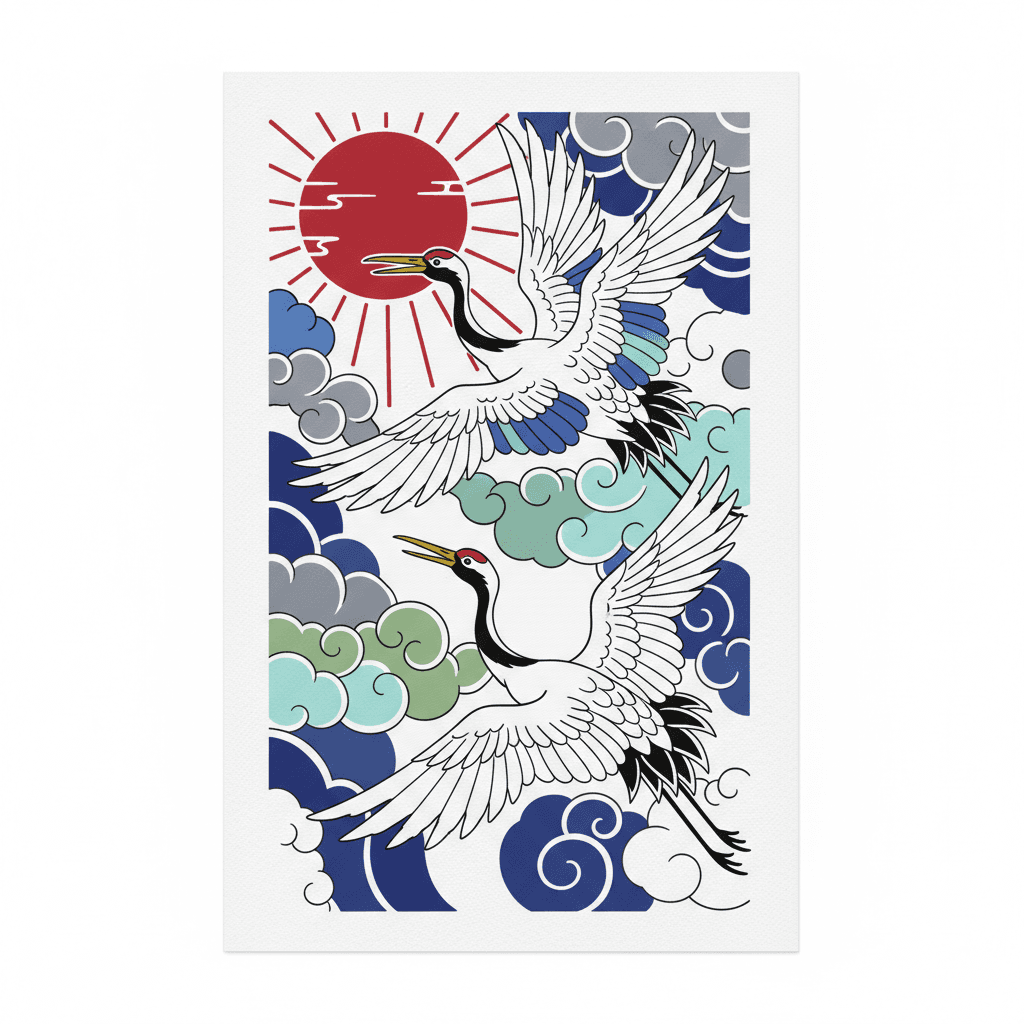
Generate AI →A more elegant Japanese direction with upward flow and grace.
Prompt: “japanese crane tattoo flash, sun disc and clouds, elegant traditional colors”
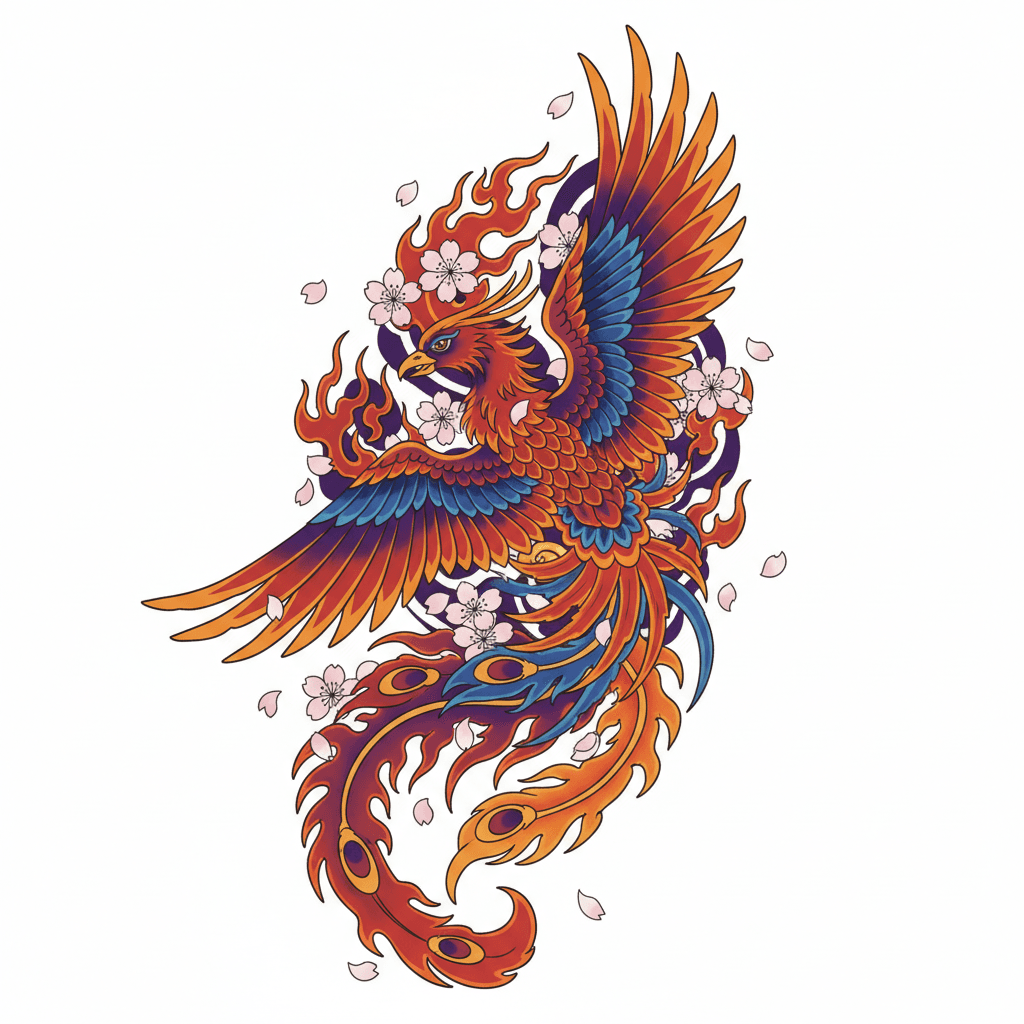
Generate AI →A high-energy motif with flames, petals, and strong compositional lift.
Prompt: “japanese phoenix tattoo flash, fire plumes and sakura petals, vivid ukiyo-e inspired palette”
Generate AI →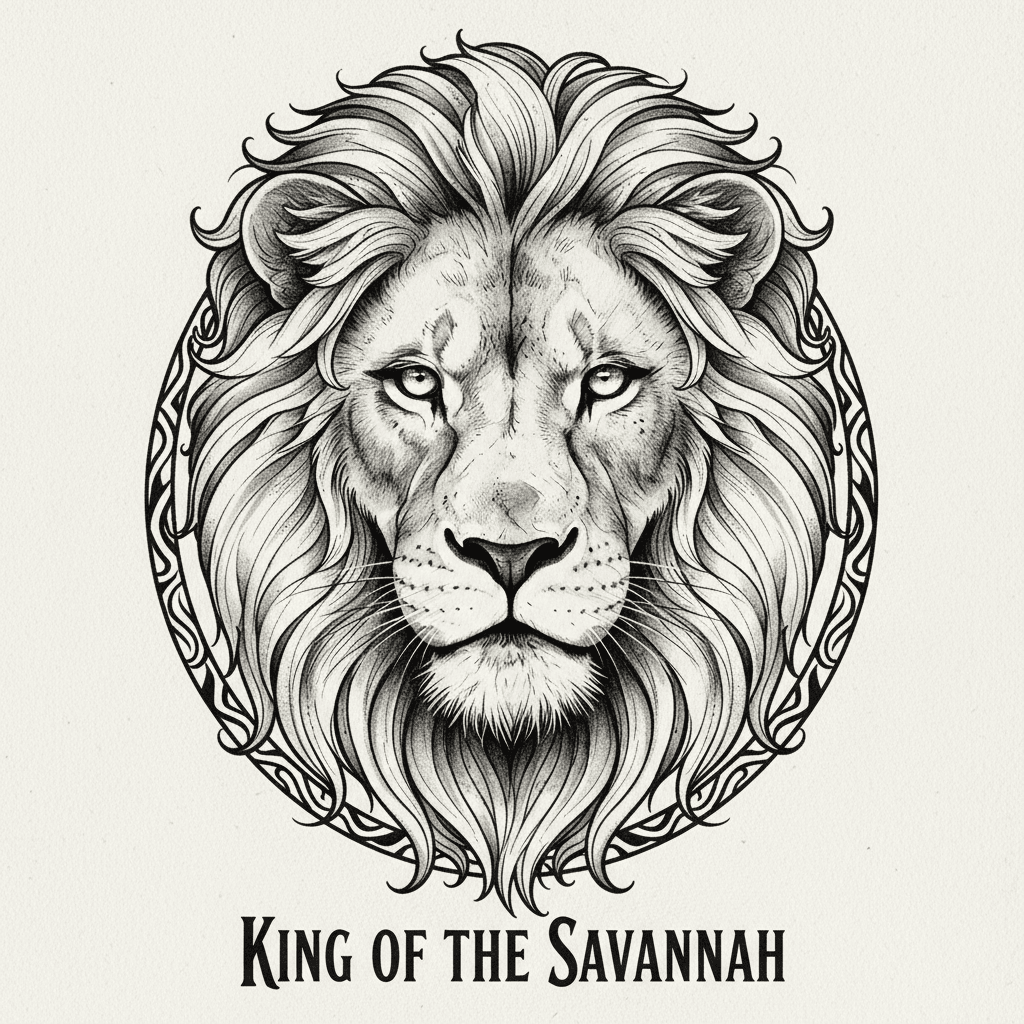
High-detail tattoo design focused on lifelike depth, texture, shading, and photographic impact.
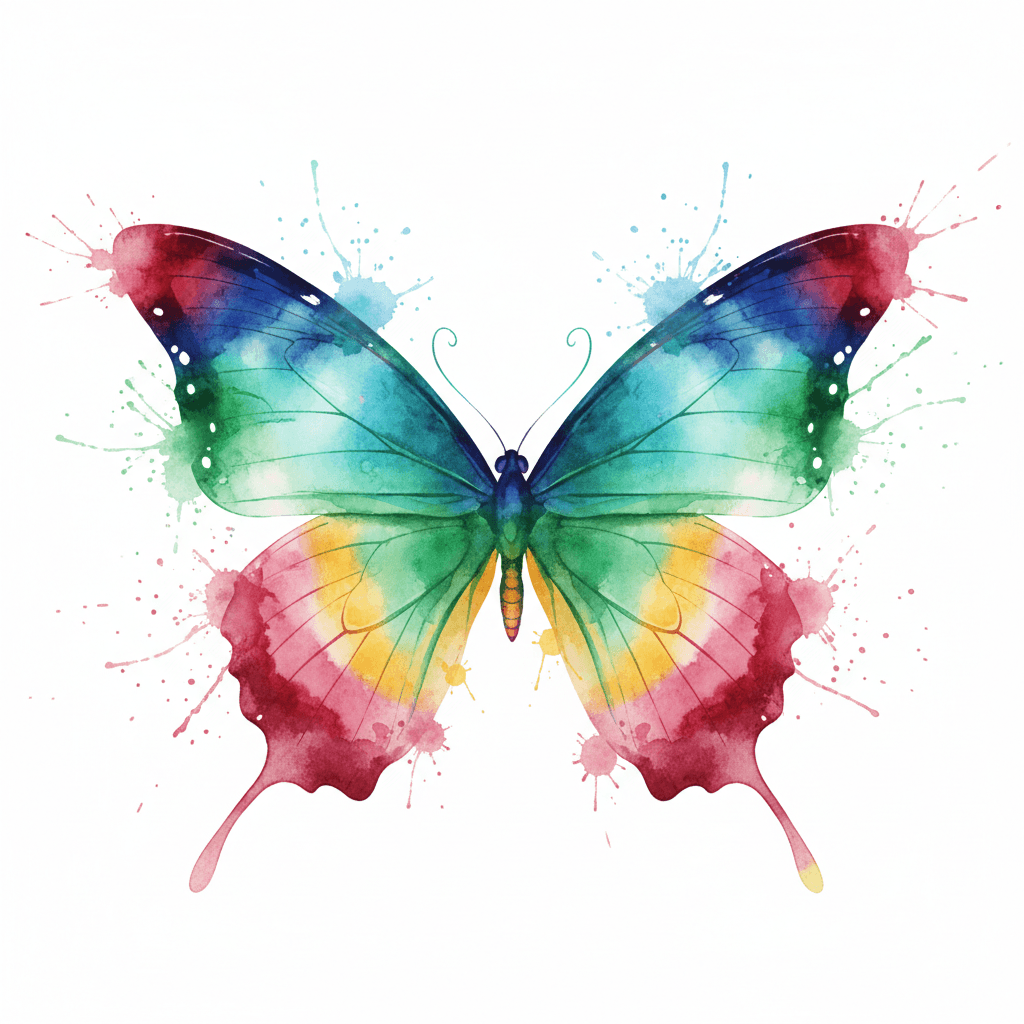
Tattoo ideas shaped by paint-like motion, blooming pigments, and a lighter illustrative energy.
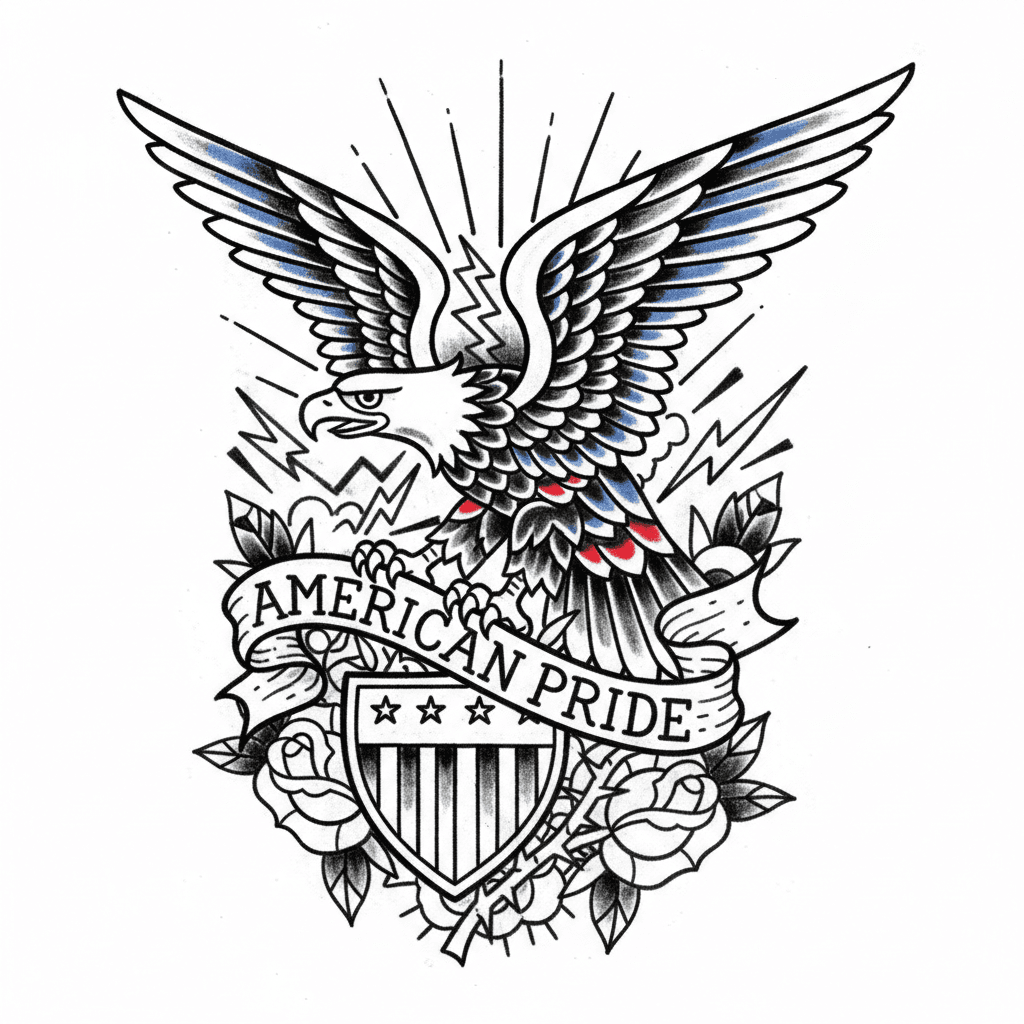
Bold outlines, classic flash motifs, and the most timeless visual language in Western tattoo history.
This page is built to help you finish the search task, not just skim inspiration. Use the gallery to compare visual tone, use the signature design blocks to find a motif direction, and use the placement notes to judge whether the style still works once it moves onto real skin.
The best workflow is usually: compare the gallery, open one or two signature designs, test a prompt in the generator, then save the strongest result for a consultation. That turns this page from a style article into a real planning tool.
Use this page to narrow the style first, then generate a cleaner japanese direction you can actually bring into a tattoo consultation.
Generate AI Tattoo IdeasKoi fish, dragons, tigers, hannya masks, cranes, peonies, phoenixes, snakes, and waves are among the most common.
It usually benefits from larger placements because the flow and supporting background elements matter as much as the main subject.
Japanese tattooing emphasizes full composition, movement, and how the artwork wraps the body, rather than isolating a single motif.